
The Sweet Flypaper of Life
1955 · 106 pages
Sister Mary Bradley, a grandmother Hughes invented, tells death to wait because her feet are caught in the sweet flypaper of life, then walks you through DeCarava's photographs of her Harlem block.
★ 4.7
 skopia
Sister Mary Bradley, a grandmother Hughes invented, tells death to wait because her feet are caught in the sweet flypaper of life, then walks you through DeCarava's photographs of her Harlem block.
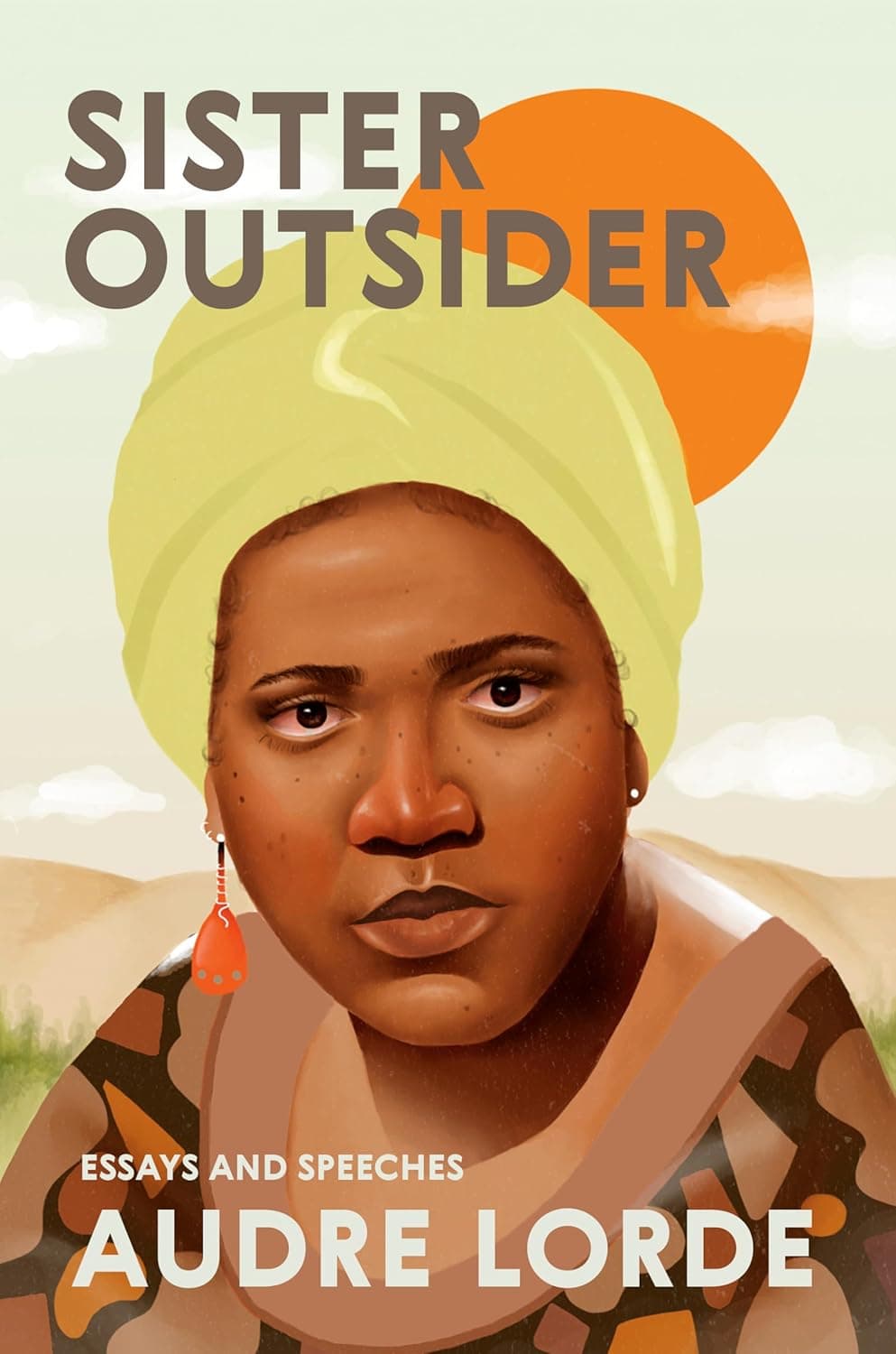
At a 1979 feminist conference that had sidelined Black and lesbian women, Lorde said the master's tools will never dismantle the master's house. These essays turn anger and difference into working instruments.

Du Bois took the first Harvard doctorate given a Black American, wrote The Souls of Black Folk, and helped found the NAACP. Lewis won Pulitzers for this volume and for its sequel.

A Greenwich Village couple hire a young Black man as gardener and painter's model, and cannot see the person. Fourteen stories in which Hughes strips white kindness down to appetite and cruelty.

Life on the plantation seen from the slave quarters outward: Genovese shows how the enslaved turned the master's claim of paternal care into leverage and made Christianity mean what the master never intended.
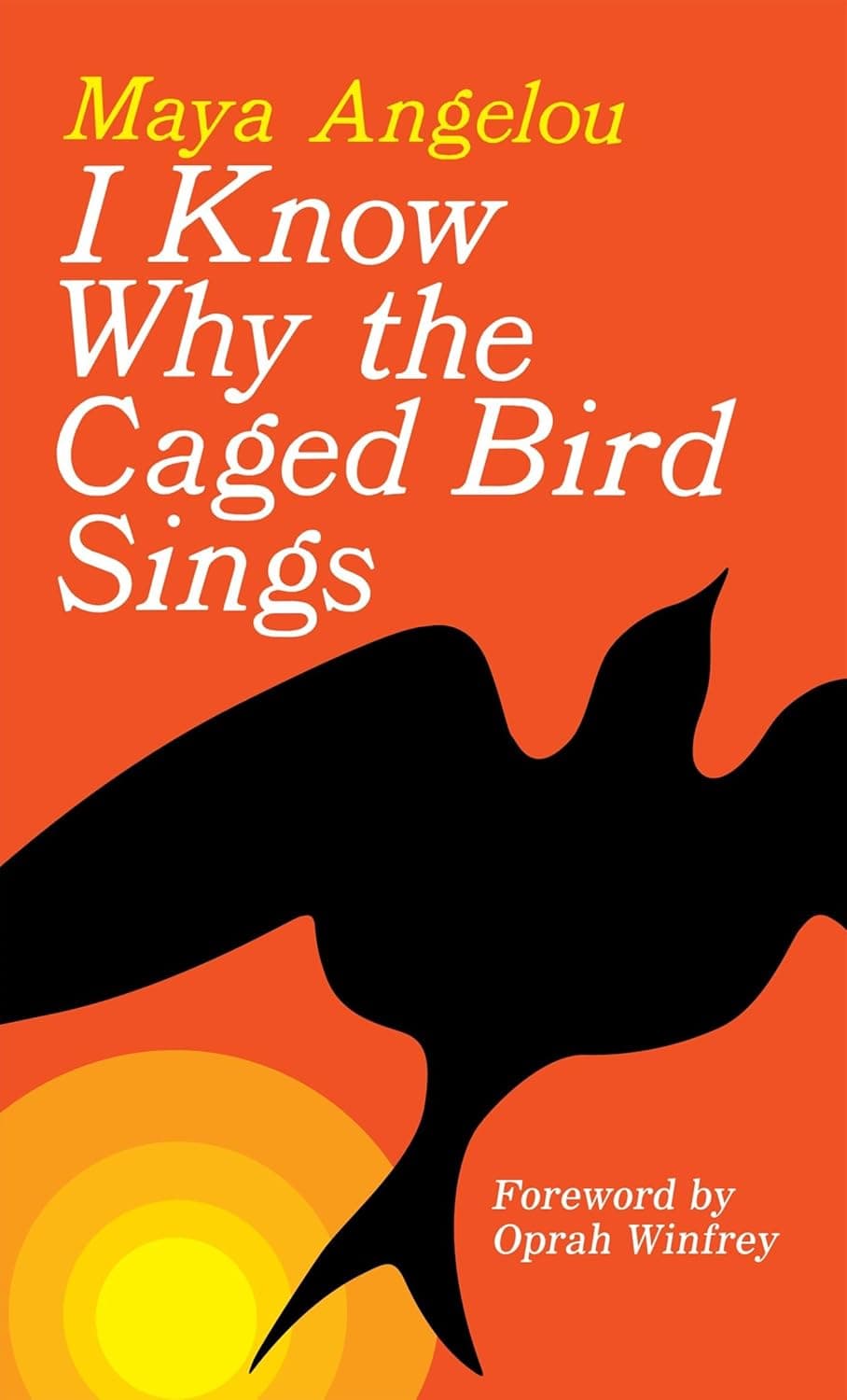
Angelou grows up in Stamps, Arkansas, under Jim Crow and behind her grandmother's store counter. Raped at eight by her mother's boyfriend, she stops speaking for five years and reads her way back.

Hughes wrote the blues into American poetry, plain-spoken and syncopated. He asked what happens to a dream deferred, and the playwright Lorraine Hansberry built A Raisin in the Sun from his answer.
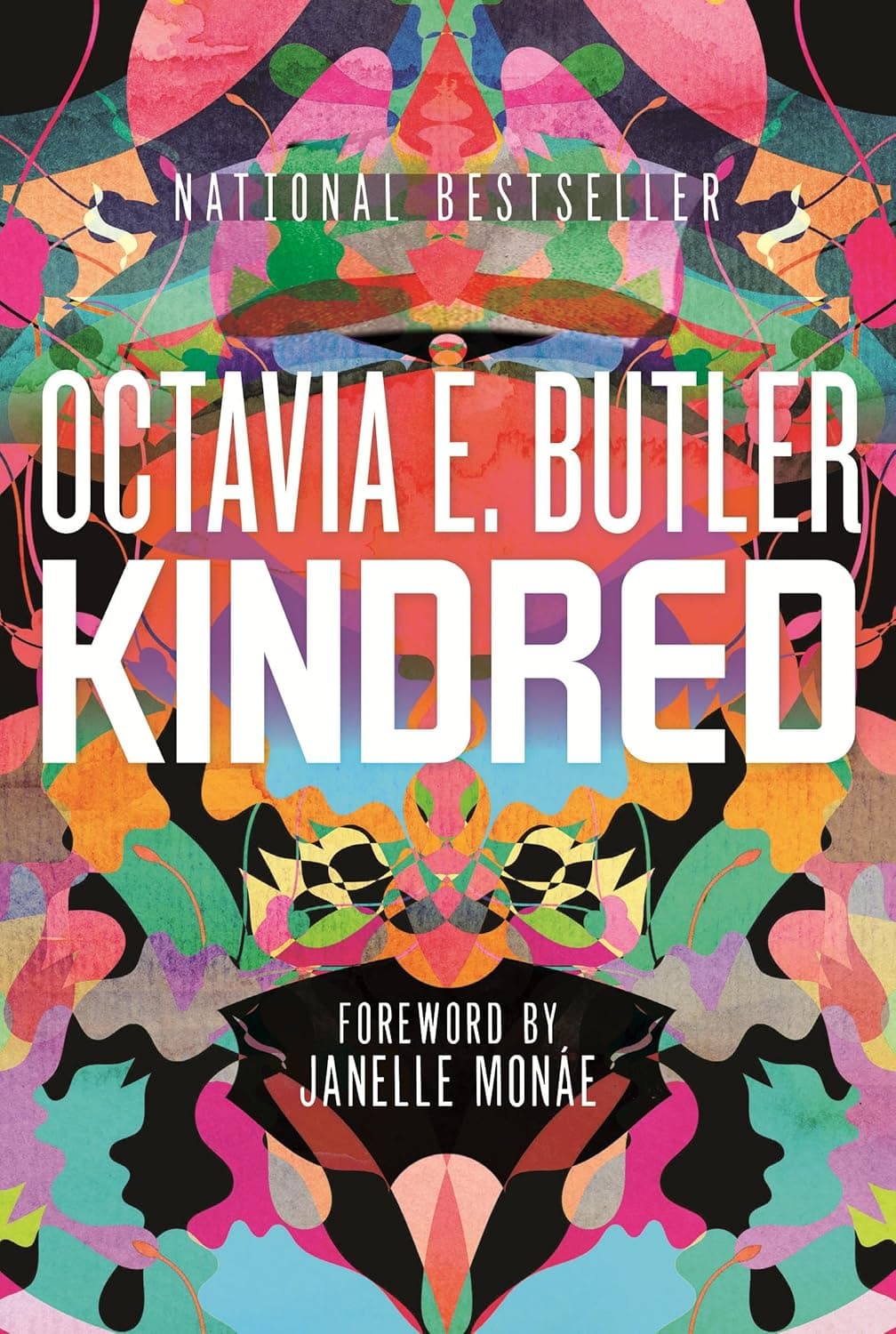
Dana, a Black writer in 1976 Los Angeles, is pulled to a Maryland plantation and made to keep alive the white boy who will father her line. Each return costs her more.
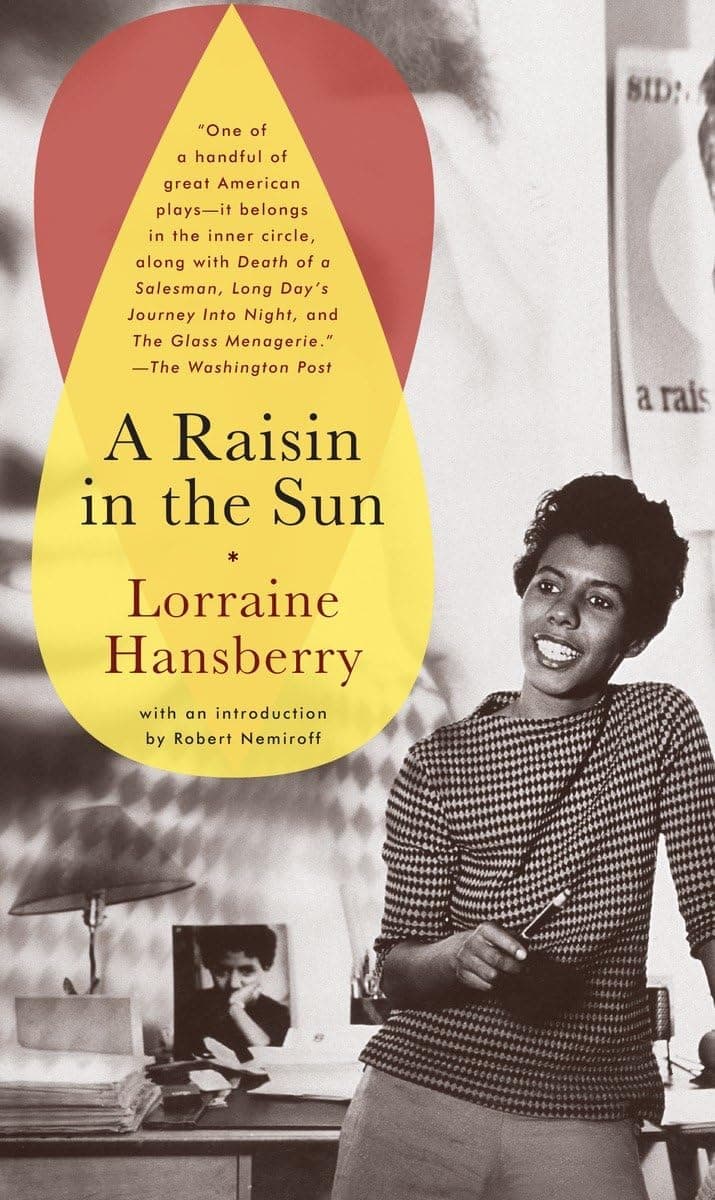
Ten thousand dollars of insurance money reaches a Chicago apartment and a Black family goes to war over what it is for. Broadway had never staged a play by a Black woman before.

Born enslaved in Virginia, Washington built Tuskegee from nothing and wrote it up as a parable of self-help. His bargain with white America, separate as the fingers, split Black politics.

John Grimes turns fourteen in Harlem in 1935 and spends the night on a storefront church floor, fighting for salvation. Baldwin pours the sins of three adults into that one boy's conversion.
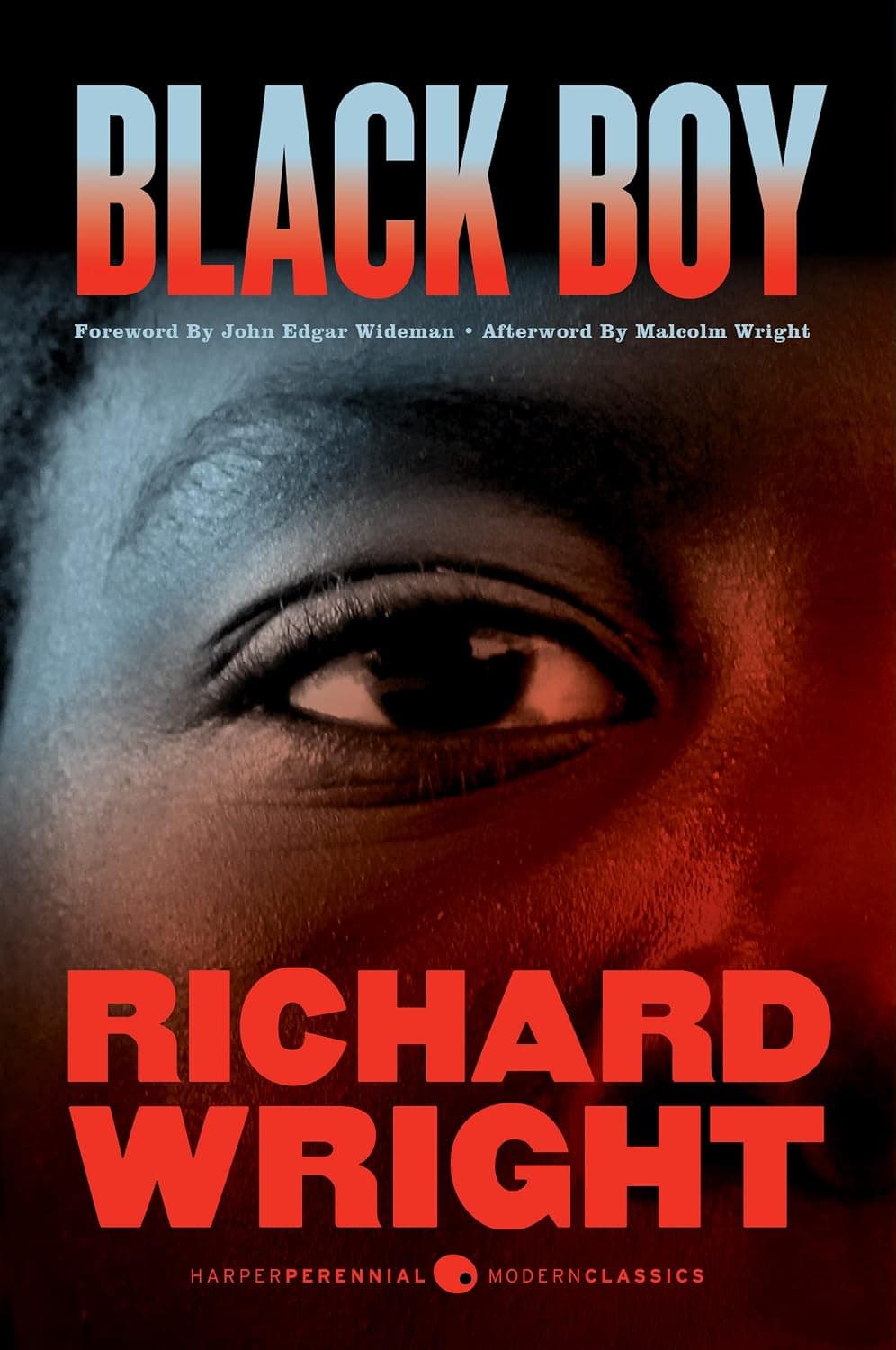
Hunger runs through Wright's Southern boyhood: for food, for books, which he gets by forging notes on a white man's library card. He sets down Jim Crow's cruelty without a word of self-pity.
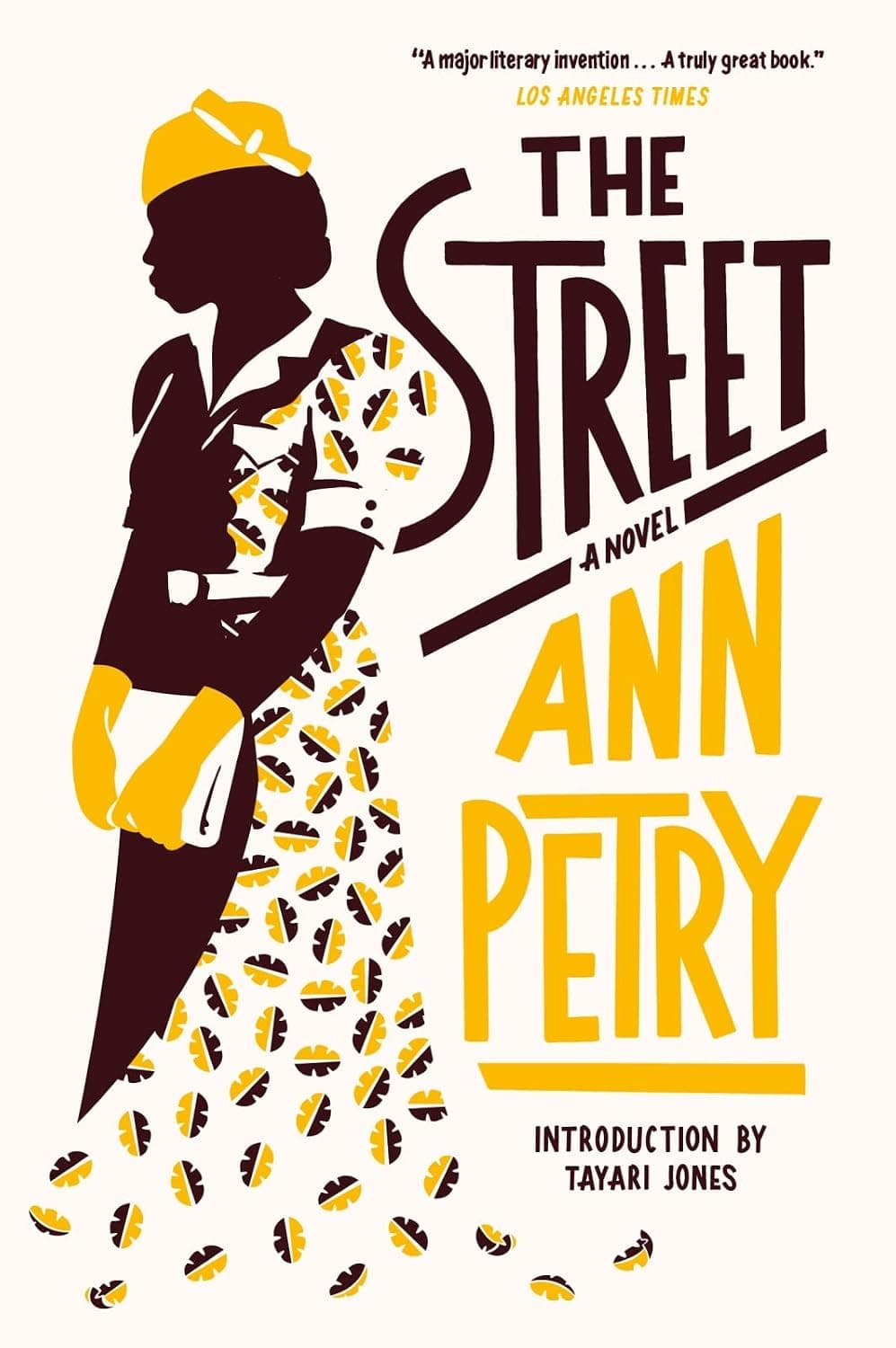
Lutie Johnson believes what Benjamin Franklin promised about work and thrift, and rents an apartment on 116th Street to raise her son. The men who watch her climb the stairs have other plans.

Eliza crosses the frozen Ohio on breaking ice with her child. Stowe sold three hundred thousand copies within twelve months and made slavery intolerable to Northerners who had lived comfortably beside it.

Branch follows Martin Luther King from the Montgomery bus boycott to Birmingham, moving between black church basements, the Kennedy White House, and the FBI, and ten years become full American history.

Northup was a free New Yorker with a family and a violin. Lured to Washington in 1841, he woke chained in a slave pen and spent twelve years on Louisiana cotton plantations.

Enslaved people freed themselves, Du Bois argues, walking off plantations in a general strike that broke the Confederacy. He then shows what Black voters built during Reconstruction and who tore it down.
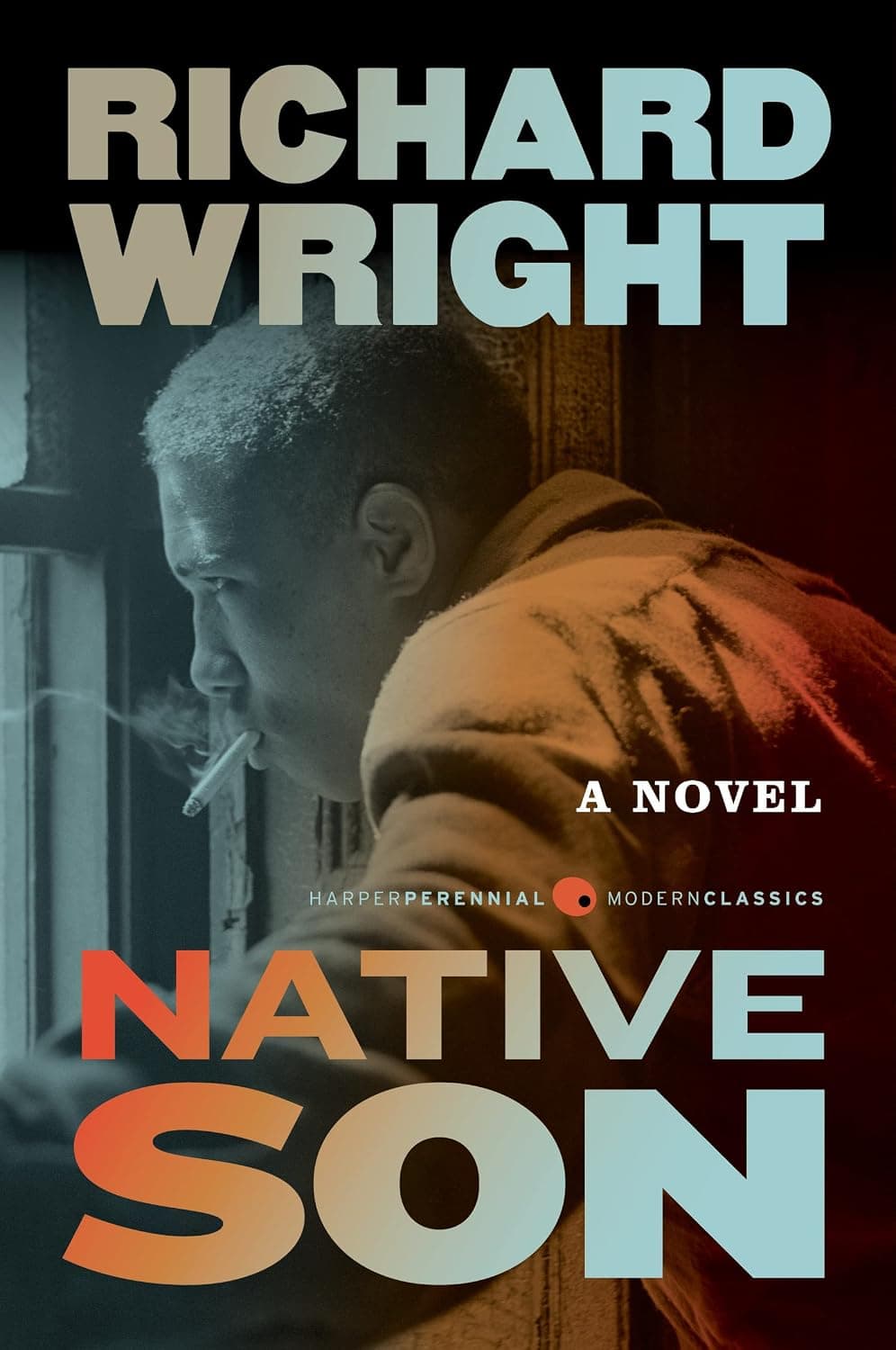
Bigger Thomas drives for a rich white family in 1930s Chicago and kills their daughter in a panic his first night. Wright keeps you inside his head and will not soften him.
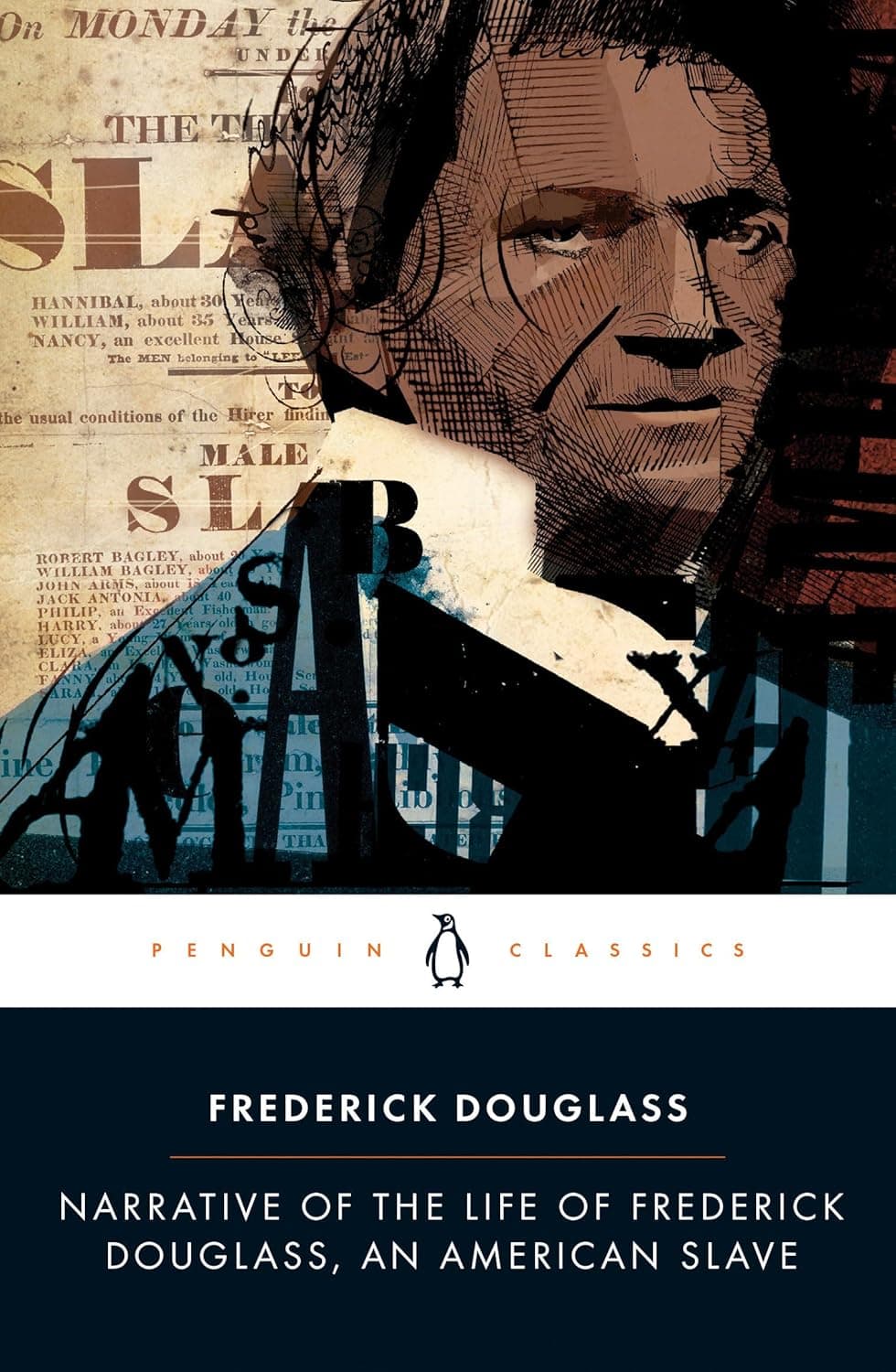
Born into slavery, Douglass taught himself to read in secret, fought the slave-breaker he was hired out to, and escaped. Naming his owners in print at twenty-seven forced him out of the country.

Janie comes home to a Black town in Florida and tells a friend about her three marriages and how she found her own voice. Hurston writes porch talk exactly as it sounded.