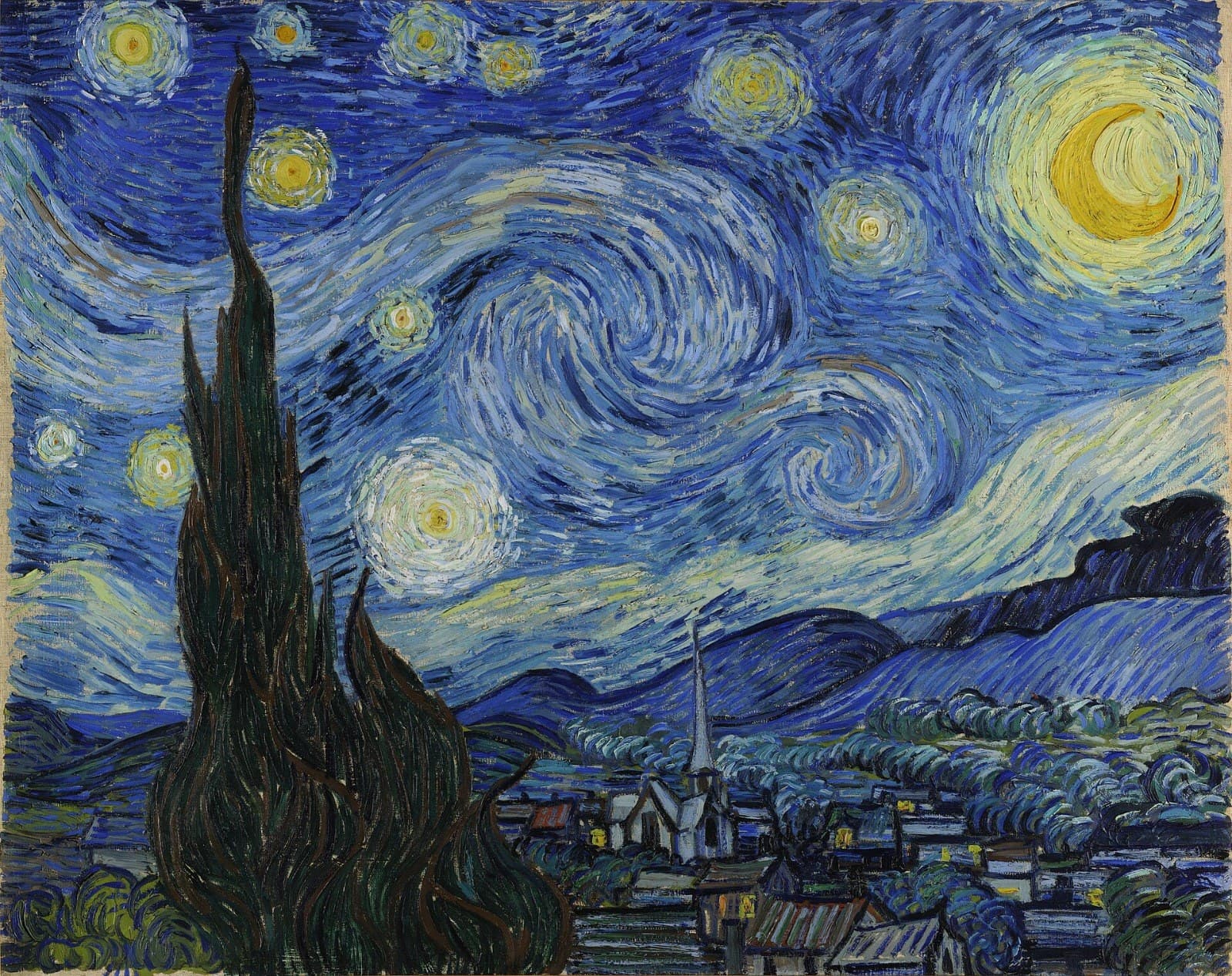
Starry Night
1889 · Museum of Modern Art, New York City
Van Gogh painted the churning sky and its eleven stars from a window of the asylum at Saint-Rémy, partly from memory.
★ 9.6
 skopia
Van Gogh painted the churning sky and its eleven stars from a window of the asylum at Saint-Rémy, partly from memory.

Five nude women stare out with their faces turned into masks, and Picasso kept the canvas rolled up in his studio for years.

Thirty-two canvases, one for every variety Campbell's then sold, hung in a row like stock on a supermarket shelf.
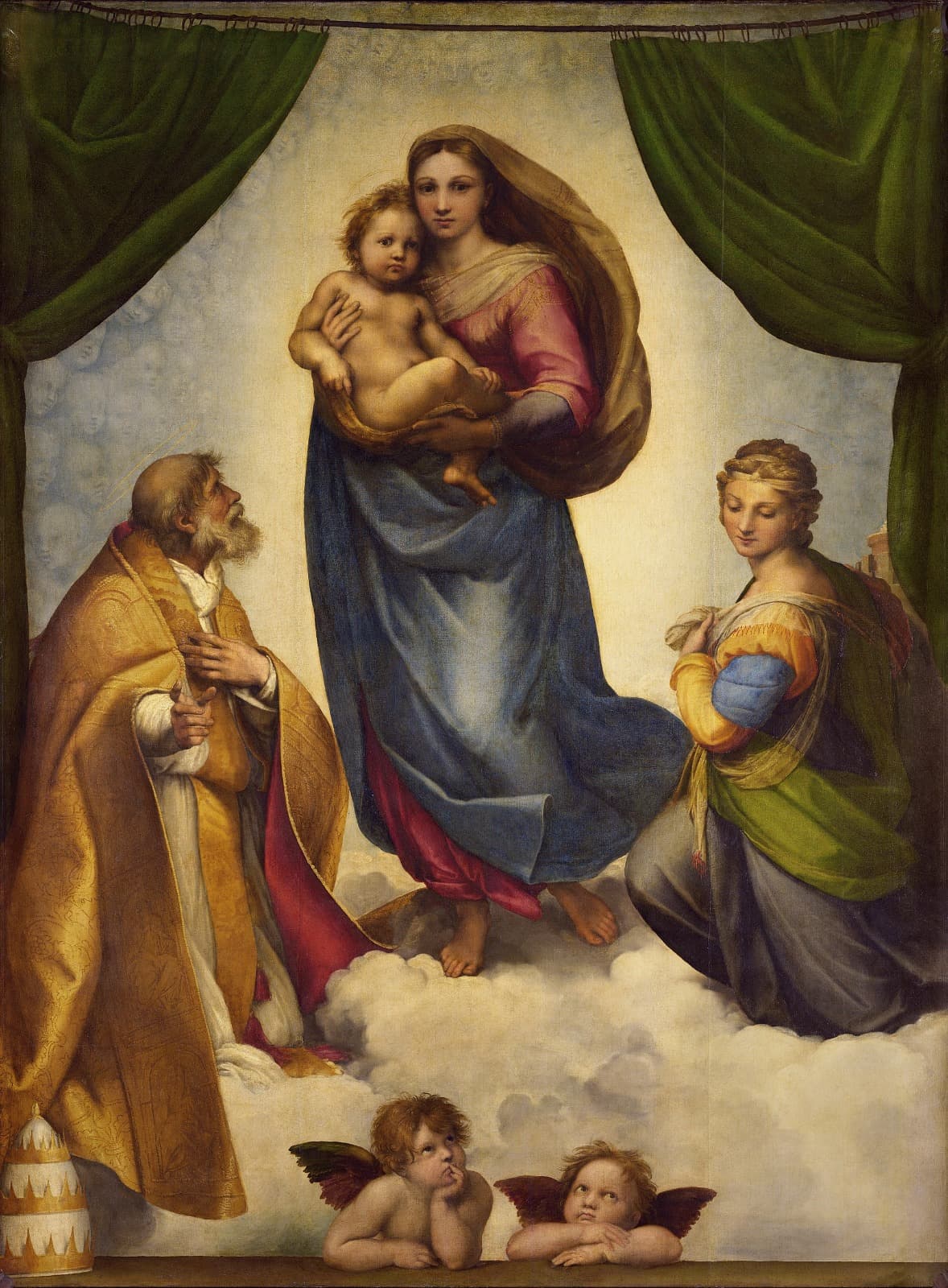
Two bored cherubs lean on the frame at the bottom, and they floated free of the altarpiece long ago onto everything else.

Dalí said the soft watches came to him from a camembert melting in the sun, and he painted them with hallucinatory precision.
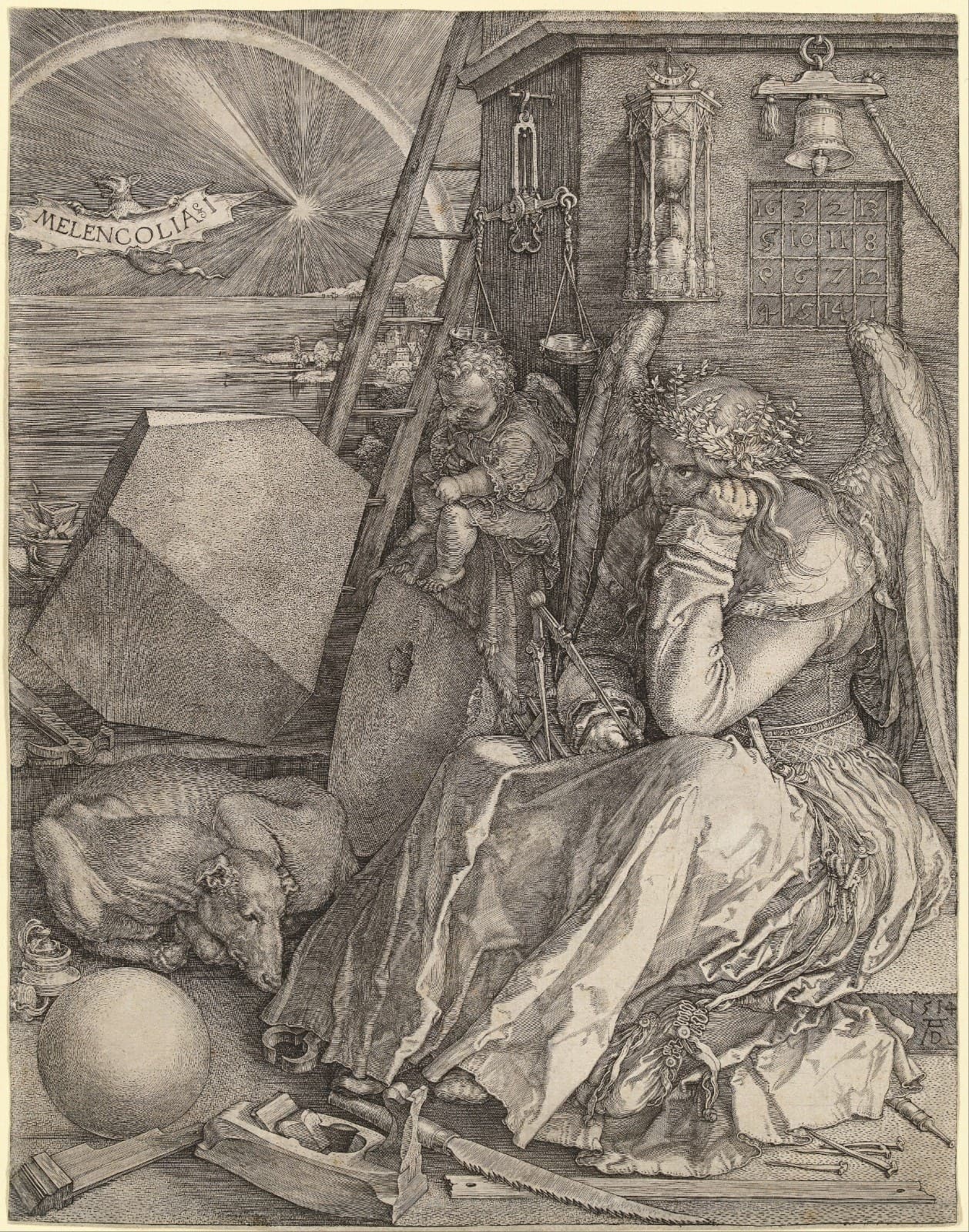
A winged figure sits with her compass idle among abandoned tools, and no print in history has drawn more scholarly argument.
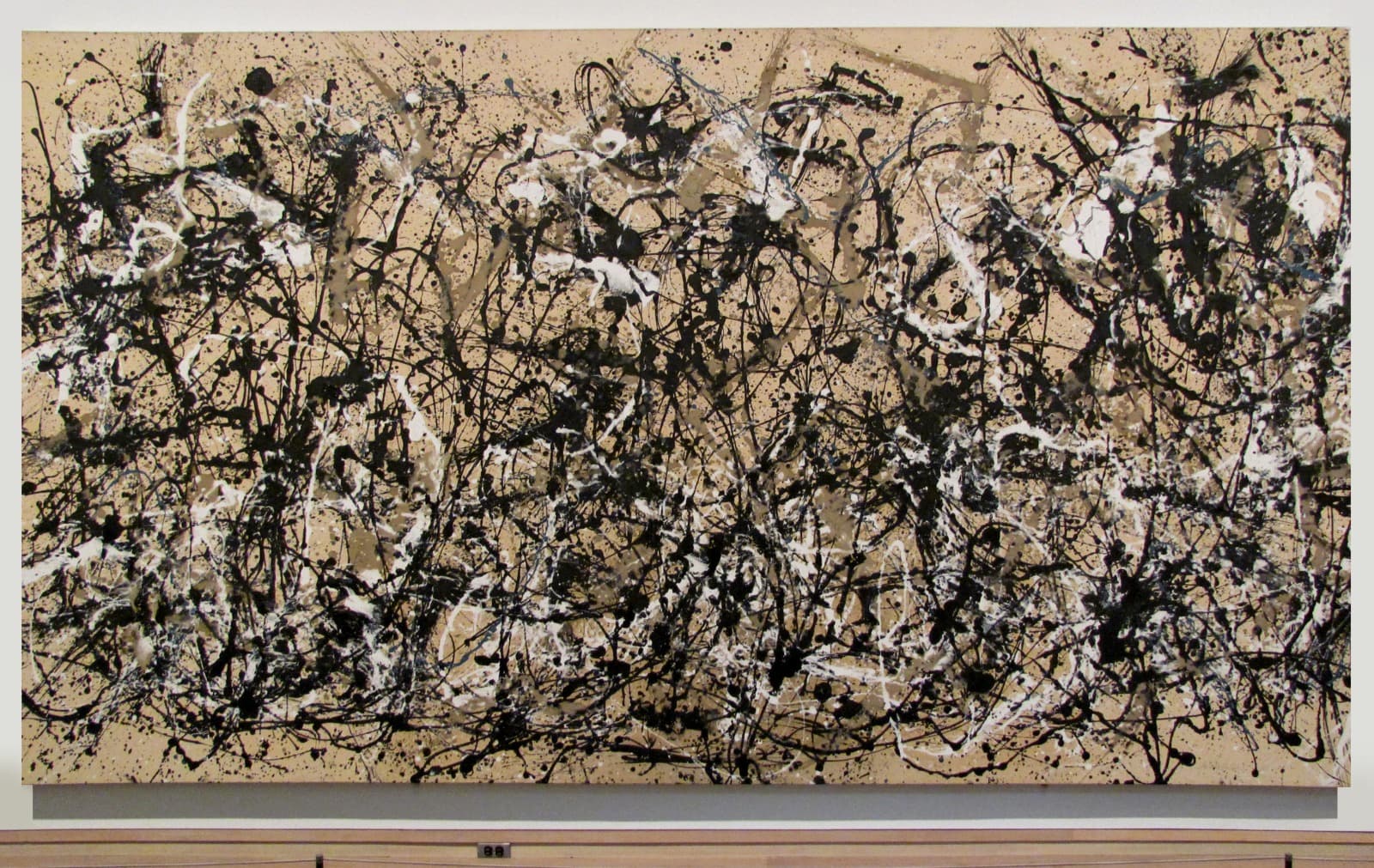
Pollock worked on the floor and moved around the canvas instead of standing at an easel, laying black enamel across raw cotton in 1950.
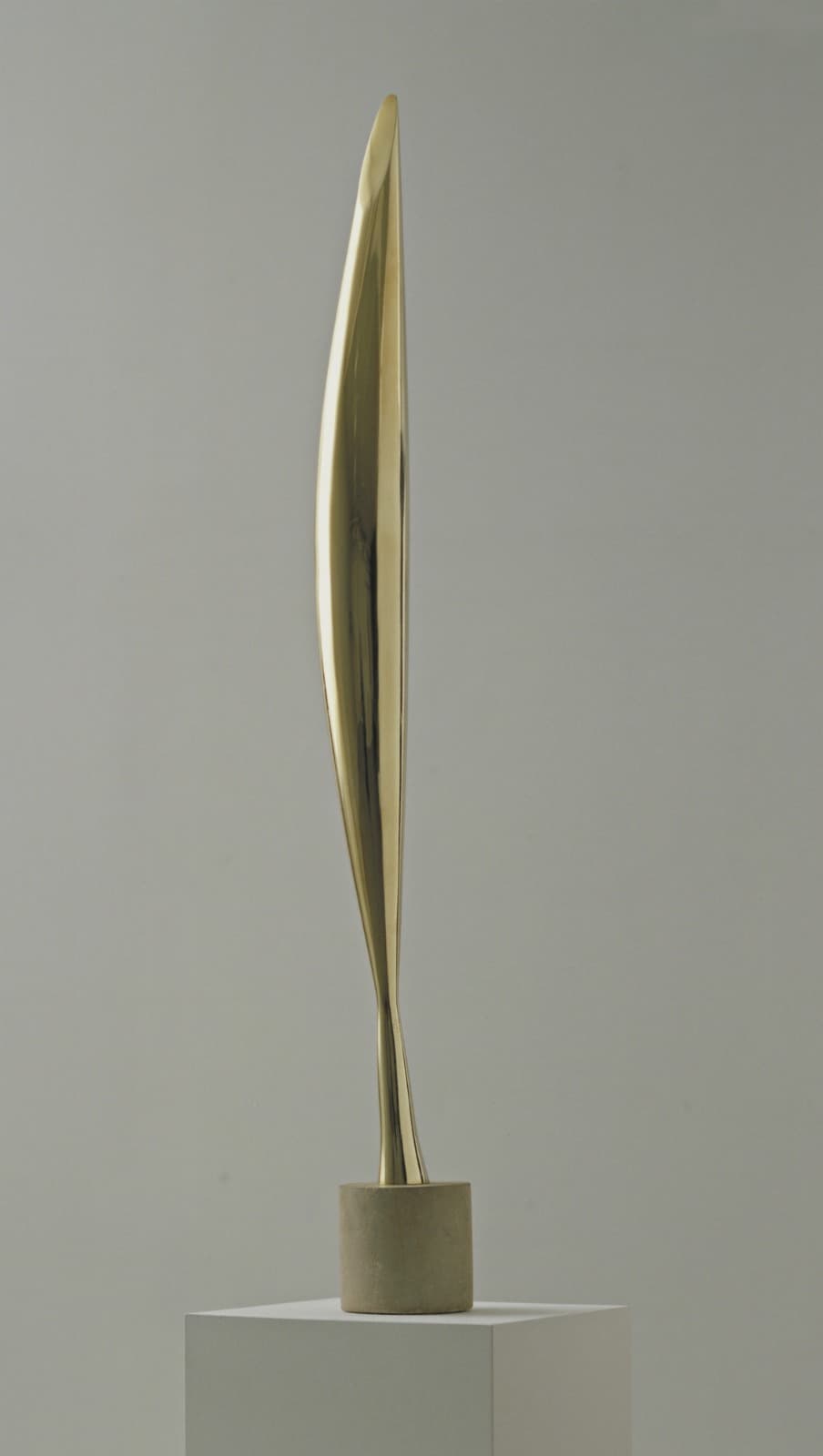
American customs taxed it as industrial metal until Brancusi v. United States in 1928 forced the law to recognize abstract sculpture as art.
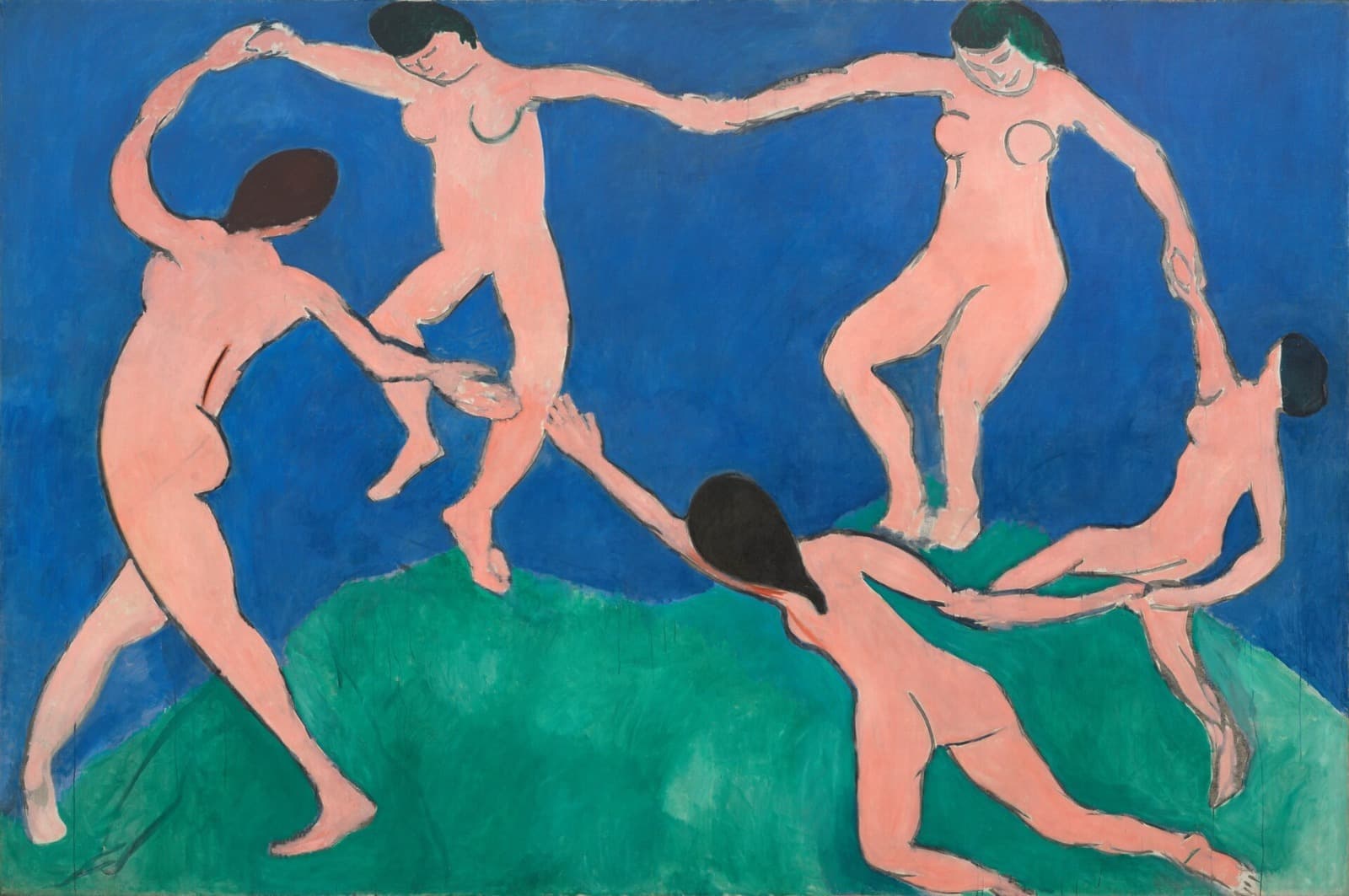
Five figures wheel in a ring against blue and green, reduced to three colors and the strain of holding hands at speed.
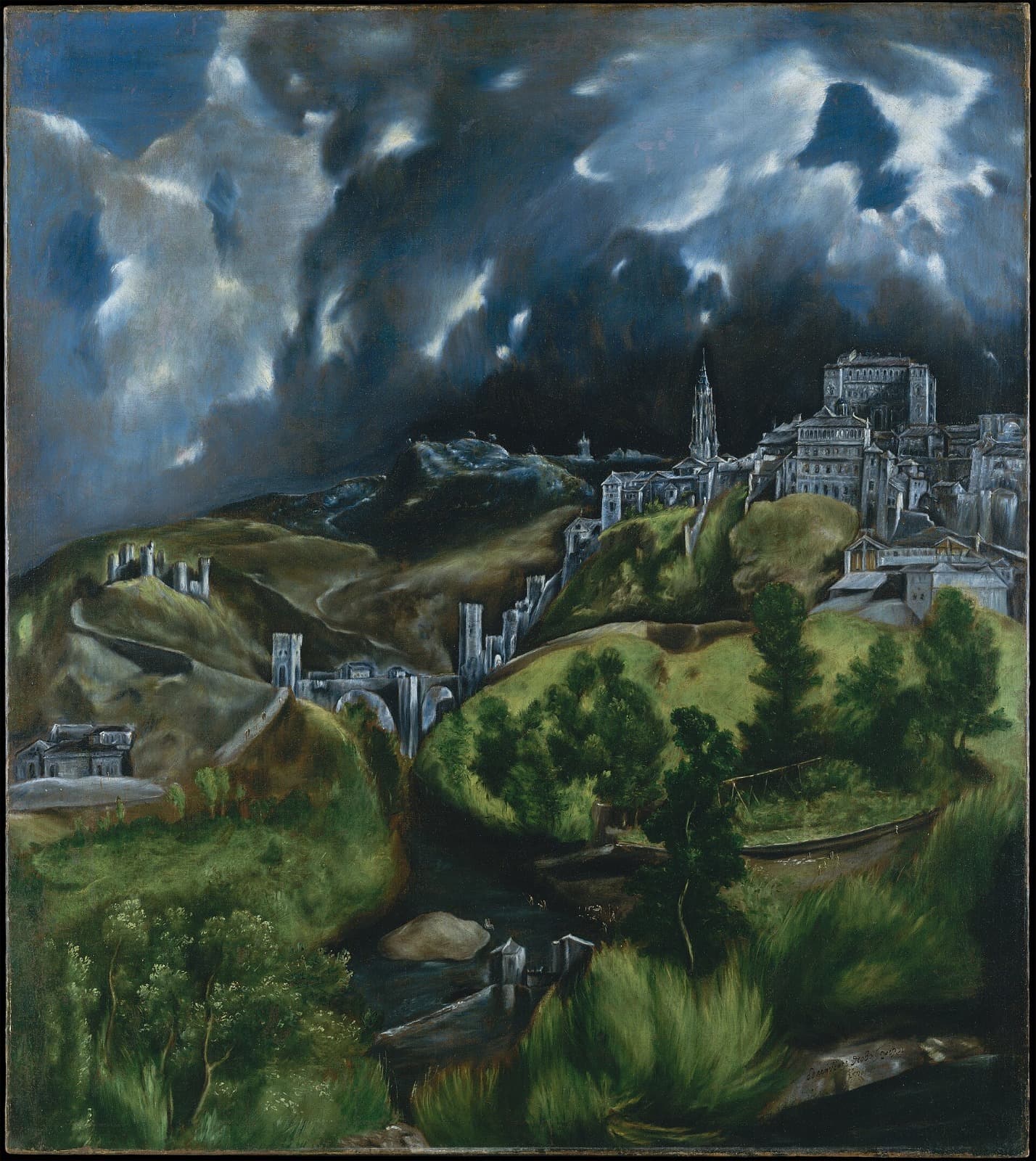
El Greco moved the cathedral tower off its real site for the sake of the composition and lit the whole city with a green storm.
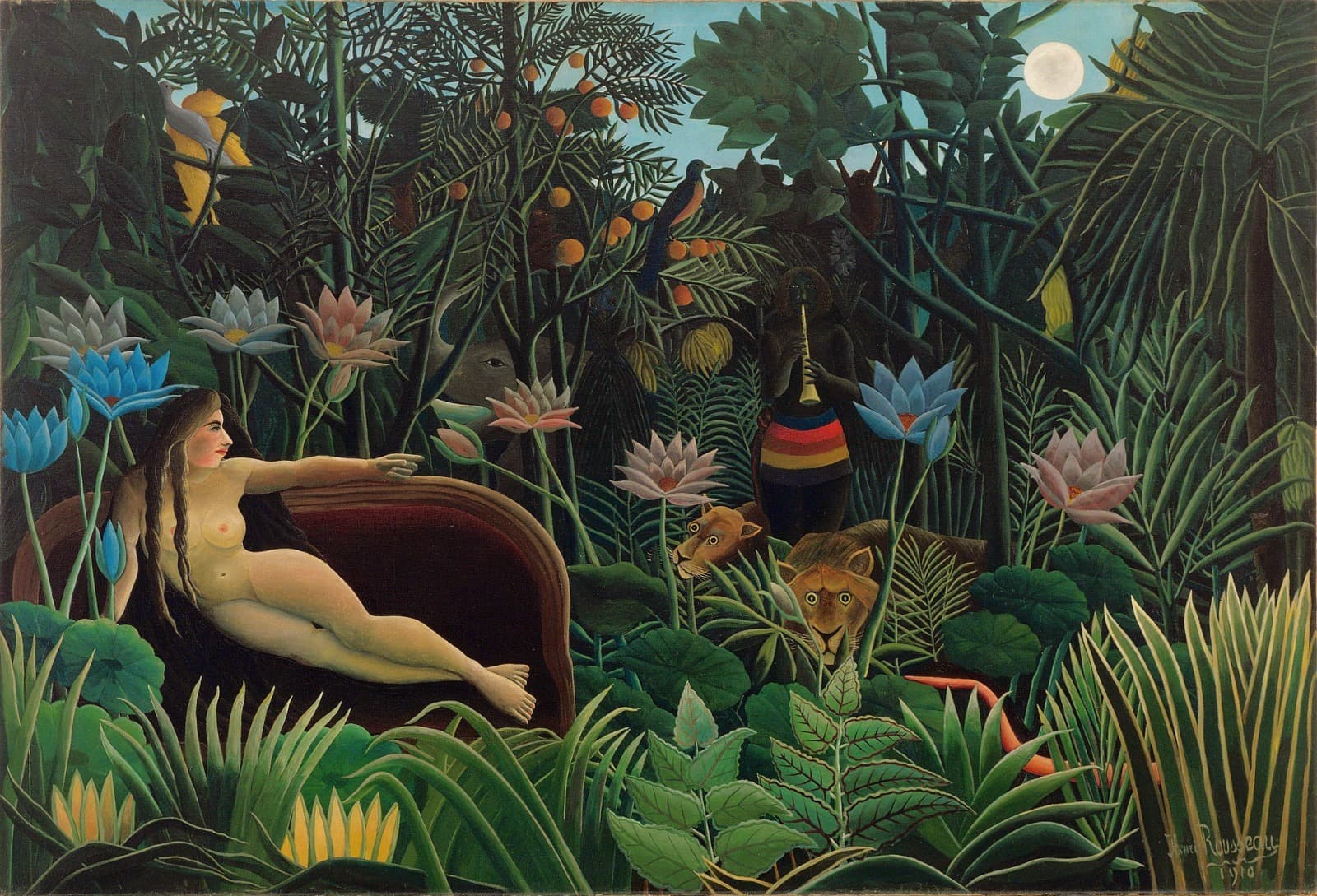
Rousseau painted this in the last year of his life and explained that the woman on the sofa is dreaming herself into the jungle.

Rain falls as fine diagonal scratches over the bridge, a trick Van Gogh admired enough to copy the whole print in oil.

Francis steps barefoot from his hermitage into a light coming from the left, and Bellini gives him no seraph and barely any wounds.

Only the face and hands are painted naturally and the rest is gold. The Nazis seized it, and a long restitution case eventually got it back.
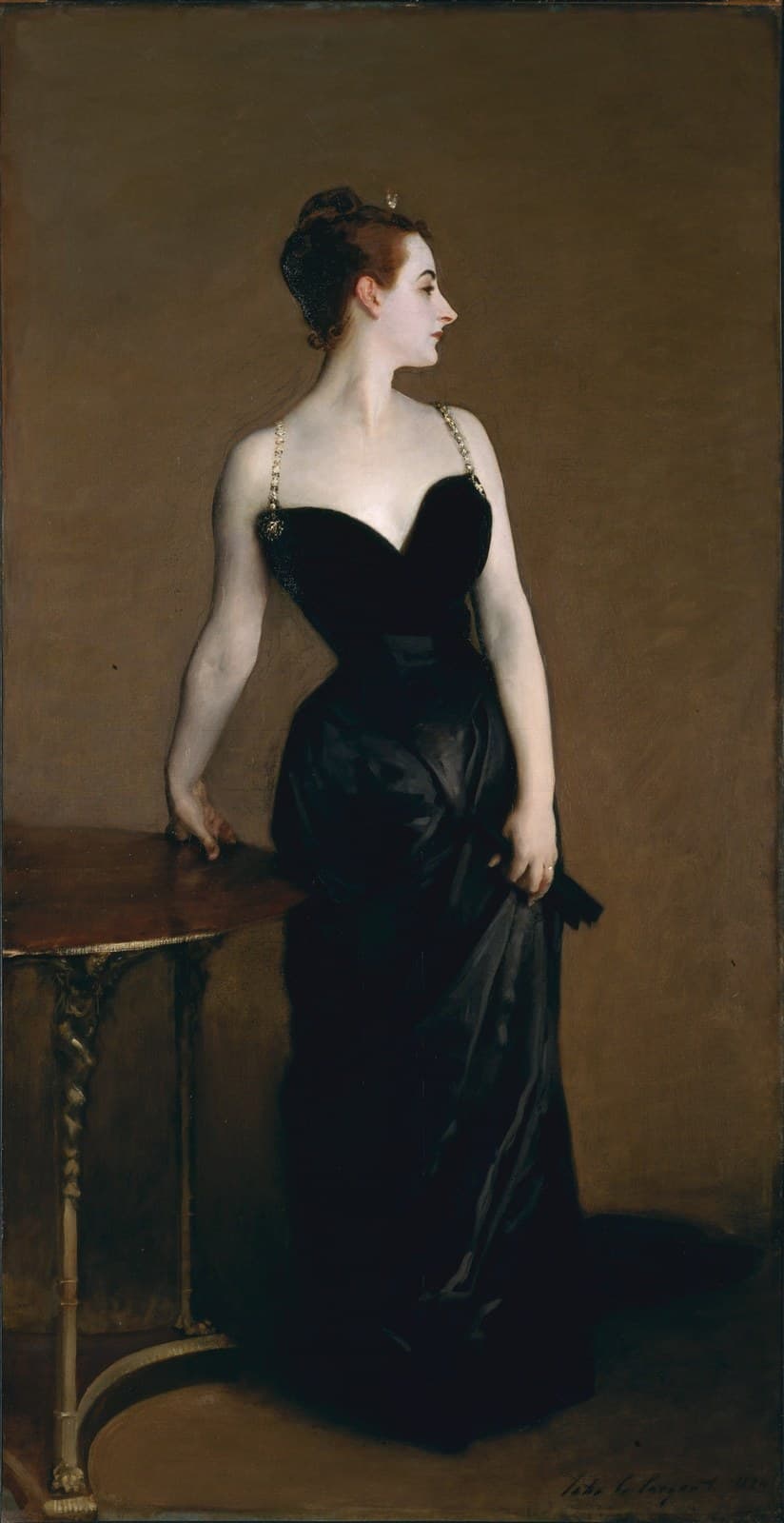
The strap fell off her shoulder in the 1884 version, Paris was scandalized, her family demanded it come down, and Sargent repainted the strap.

Sharaku made about 140 actor prints in ten months and then vanished so completely that people still argue about who he was.

Pareja was Velázquez's enslaved assistant, freed soon after this was painted in Rome as a warm-up before the pope sat for him.

A marble head, a red rubber glove and a green ball hang together on a wall, and a train goes by in the distance.
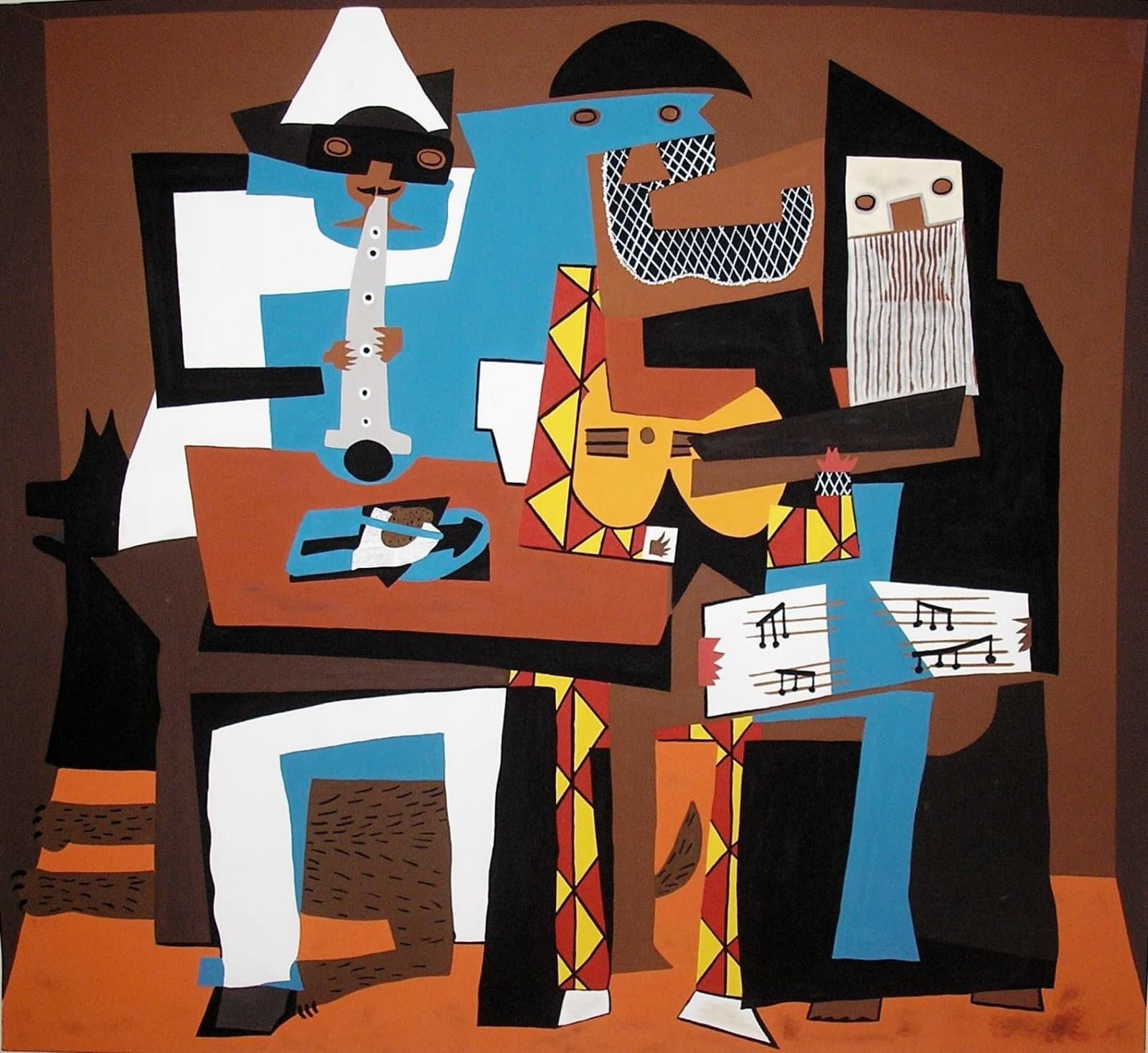
A harlequin, a Pierrot and a monk in flat interlocking shapes that look cut from paper. Synthetic Cubism at its grandest and most deadpan.
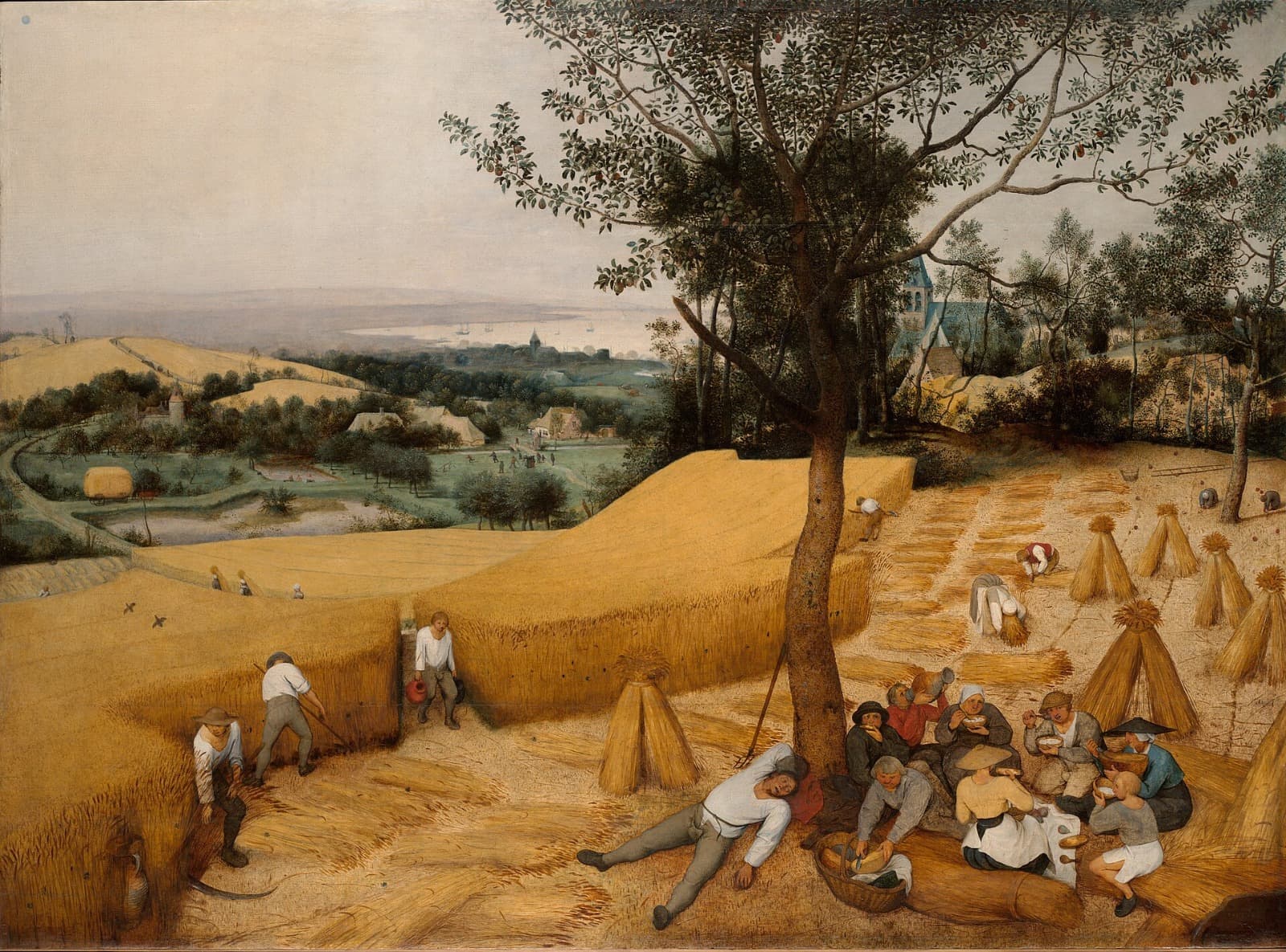
One man lies flat on his back with his mouth open while the others cut wheat. Late summer, from the same series of months.