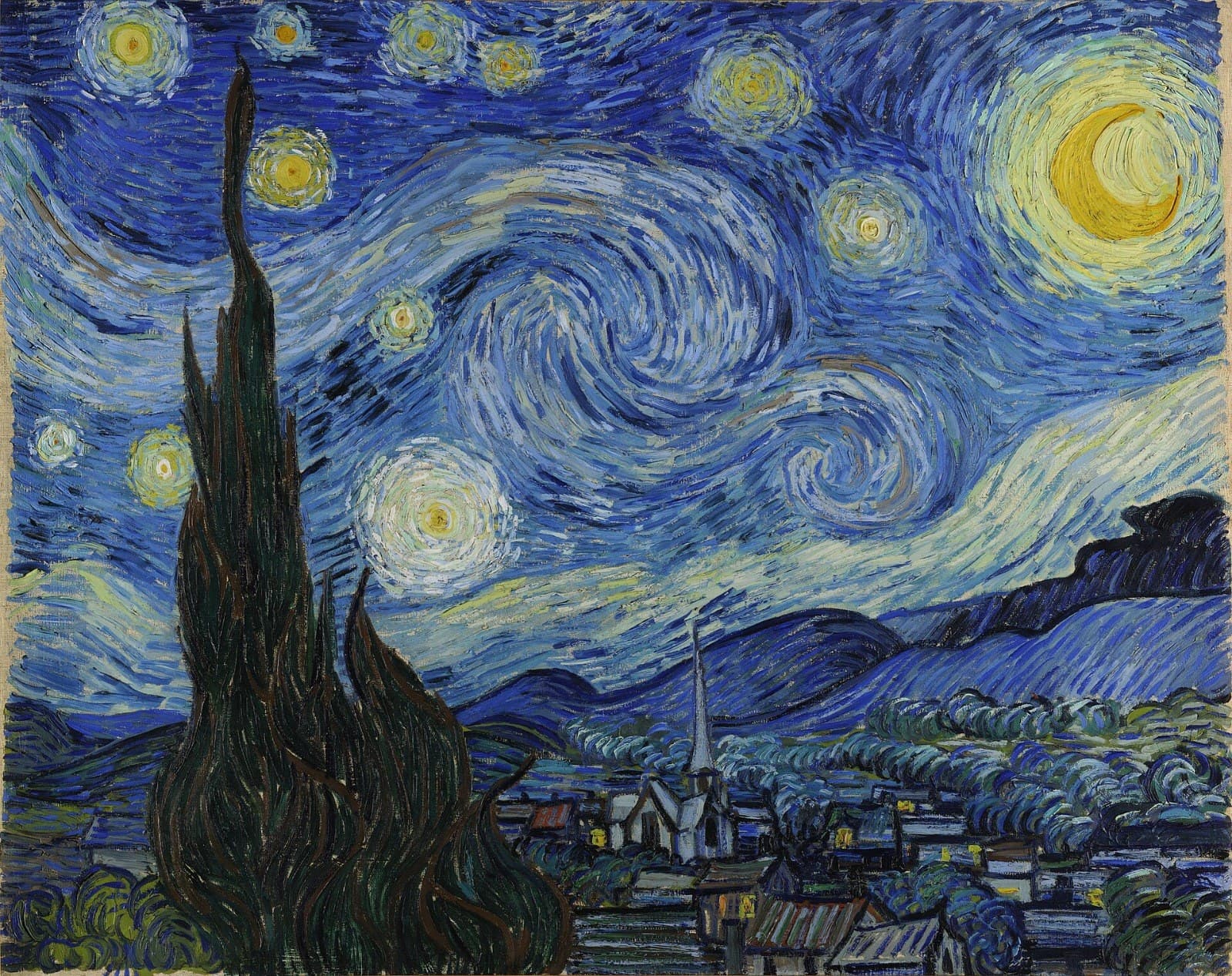
Starry Night
1889 · Museum of Modern Art, New York City
Van Gogh painted the churning sky and its eleven stars from a window of the asylum at Saint-Rémy, partly from memory.
★ 9.6
 skopia
Van Gogh painted the churning sky and its eleven stars from a window of the asylum at Saint-Rémy, partly from memory.

Five nude women stare out with their faces turned into masks, and Picasso kept the canvas rolled up in his studio for years.

Thirty-two canvases, one for every variety Campbell's then sold, hung in a row like stock on a supermarket shelf.

Dalí said the soft watches came to him from a camembert melting in the sun, and he painted them with hallucinatory precision.
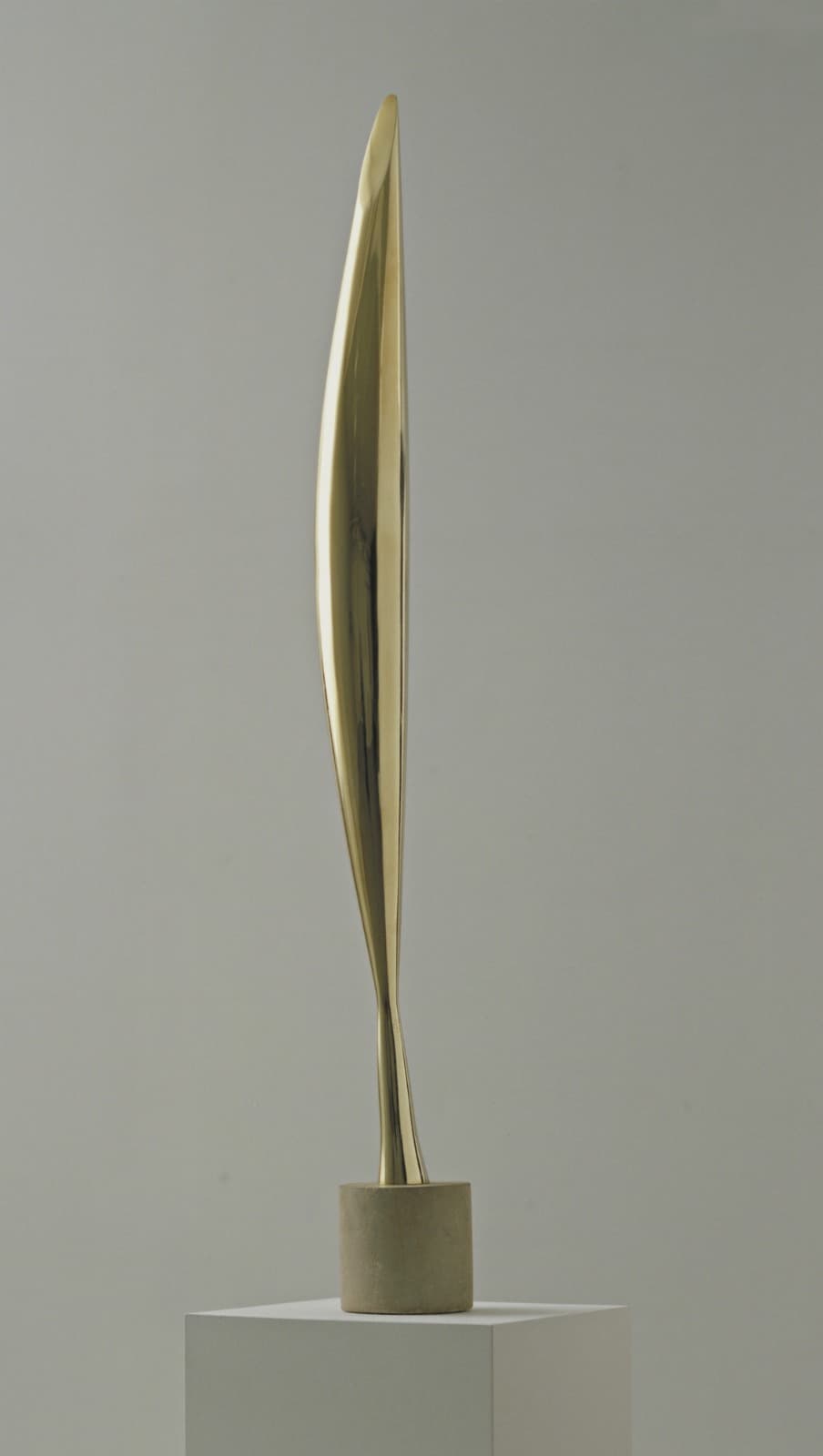
American customs taxed it as industrial metal until Brancusi v. United States in 1928 forced the law to recognize abstract sculpture as art.
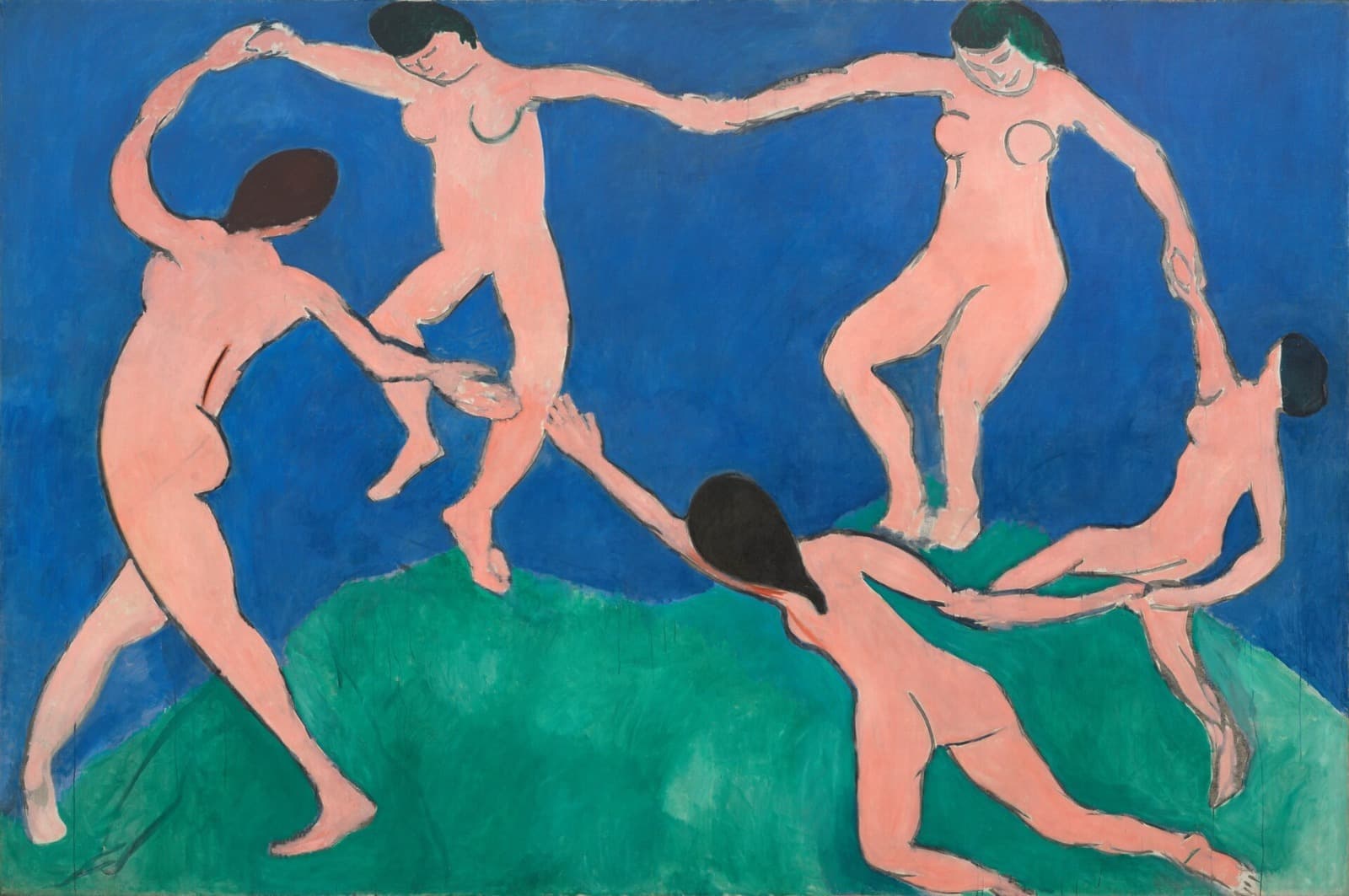
Five figures wheel in a ring against blue and green, reduced to three colors and the strain of holding hands at speed.
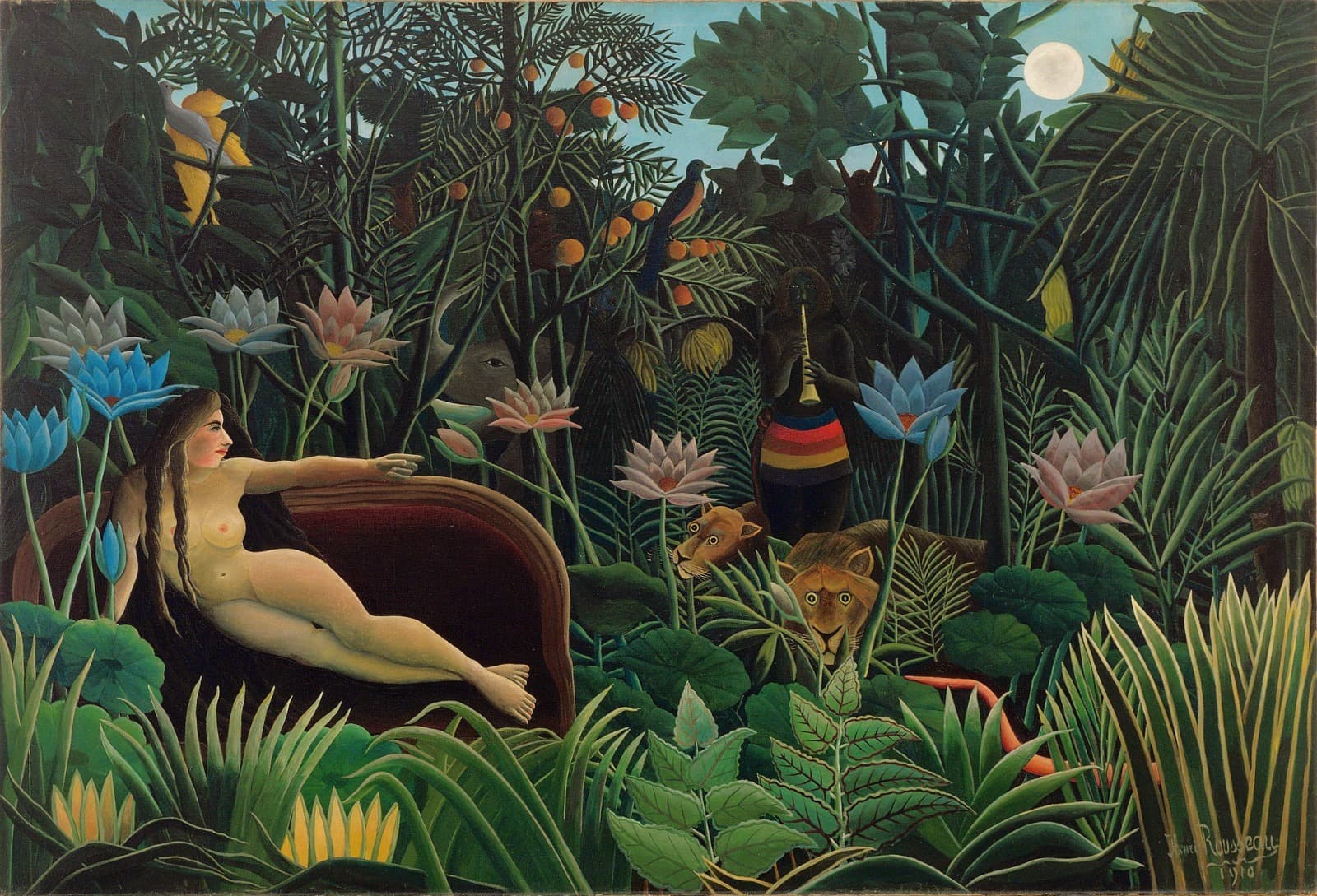
Rousseau painted this in the last year of his life and explained that the woman on the sofa is dreaming herself into the jungle.

A marble head, a red rubber glove and a green ball hang together on a wall, and a train goes by in the distance.
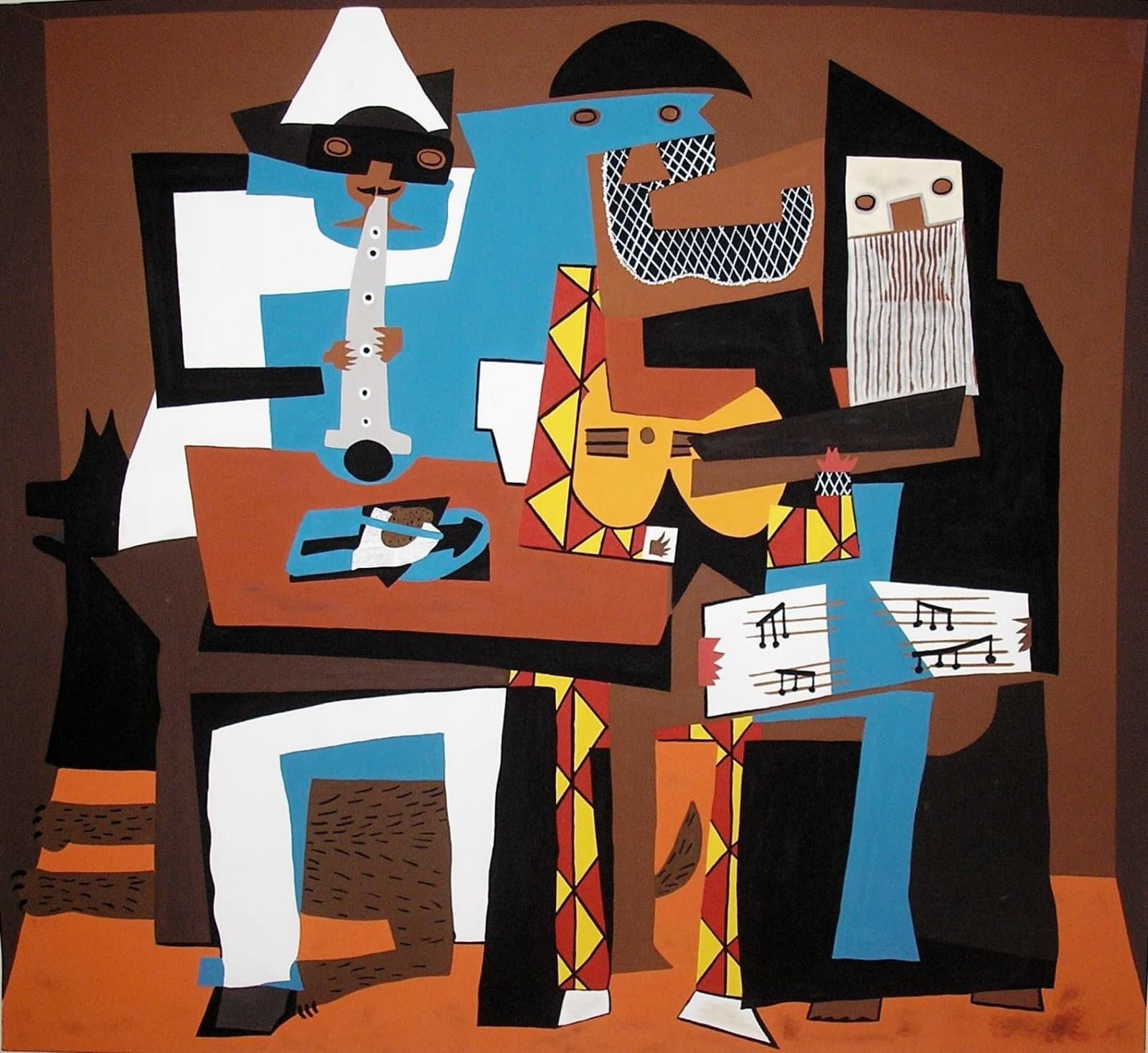
A harlequin, a Pierrot and a monk in flat interlocking shapes that look cut from paper. Synthetic Cubism at its grandest and most deadpan.

Mondrian broke his own grid into blinking squares after moving to New York, where he loved the traffic and the jazz.
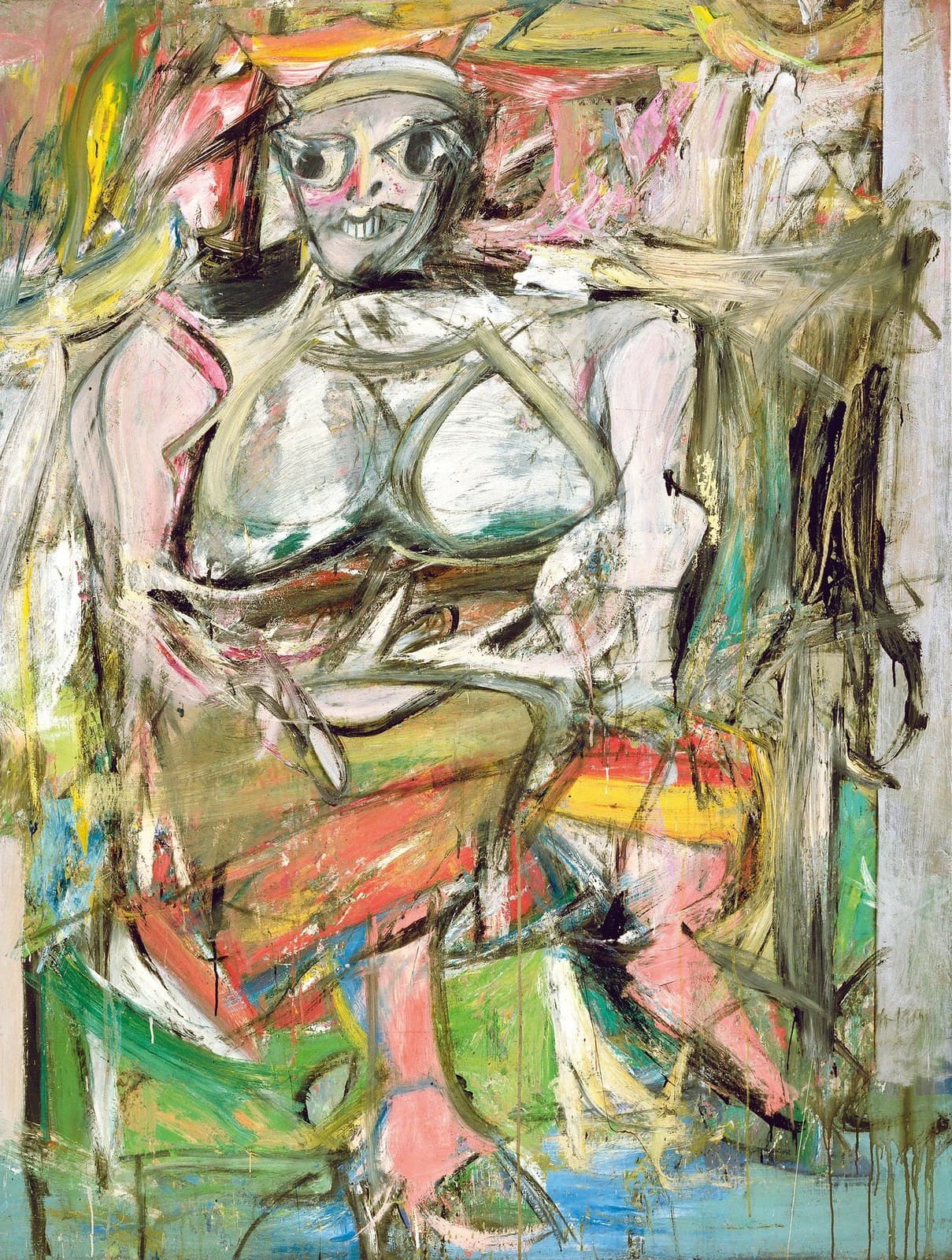
De Kooning dragged the figure back into abstract painting at the moment that was least acceptable, and worked this canvas over for two years.

Monet dug the pond himself at Giverny, built the Japanese bridge over it, and then painted the place for the rest of his life.

A green-faced peasant and a cow look at each other, and the houses behind them are upside down. Chagall grew up in Vitebsk.
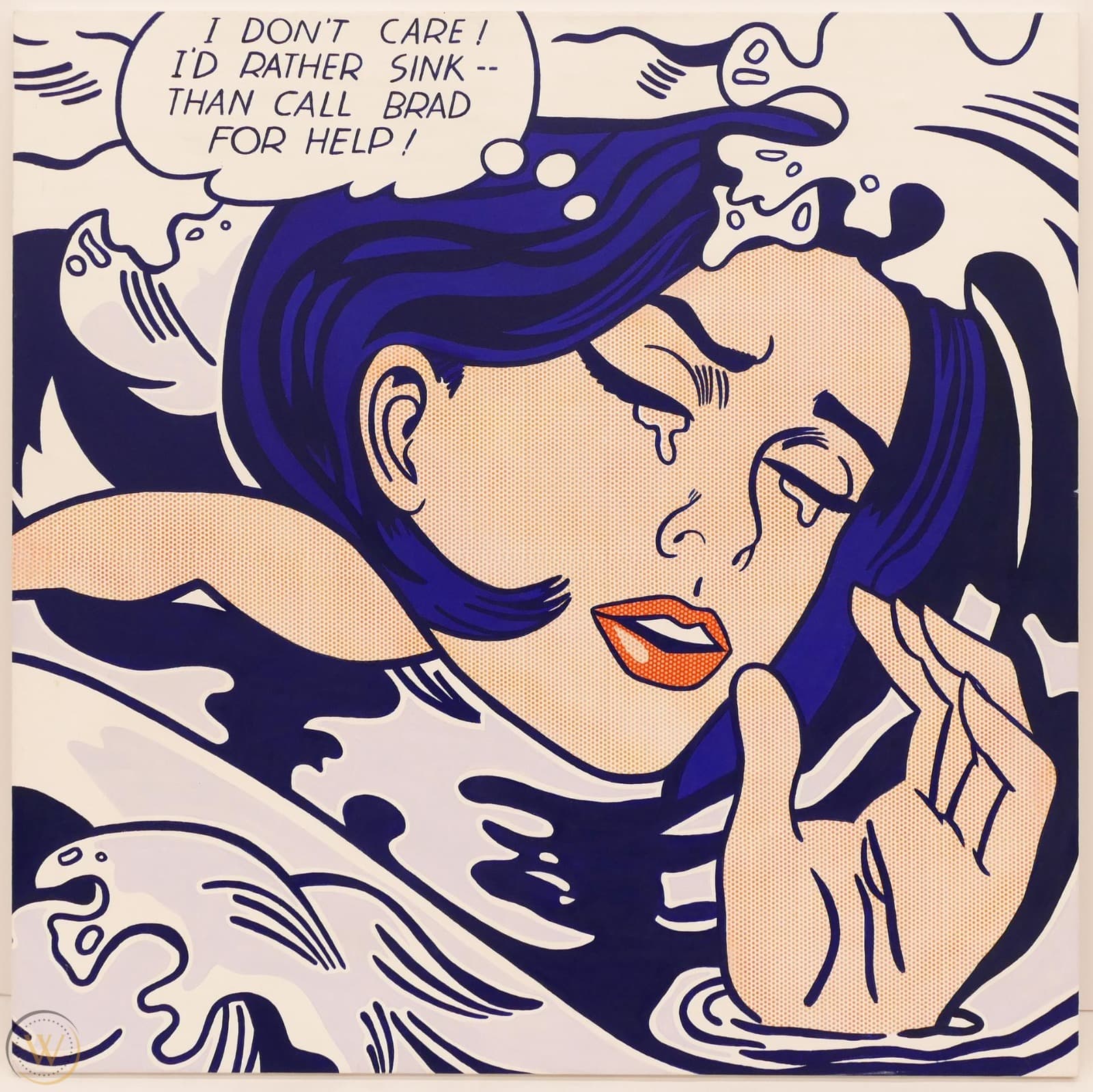
She would rather sink than call Brad. Lichtenstein took one panel of a romance comic and blew it up to the size of a serious painting.
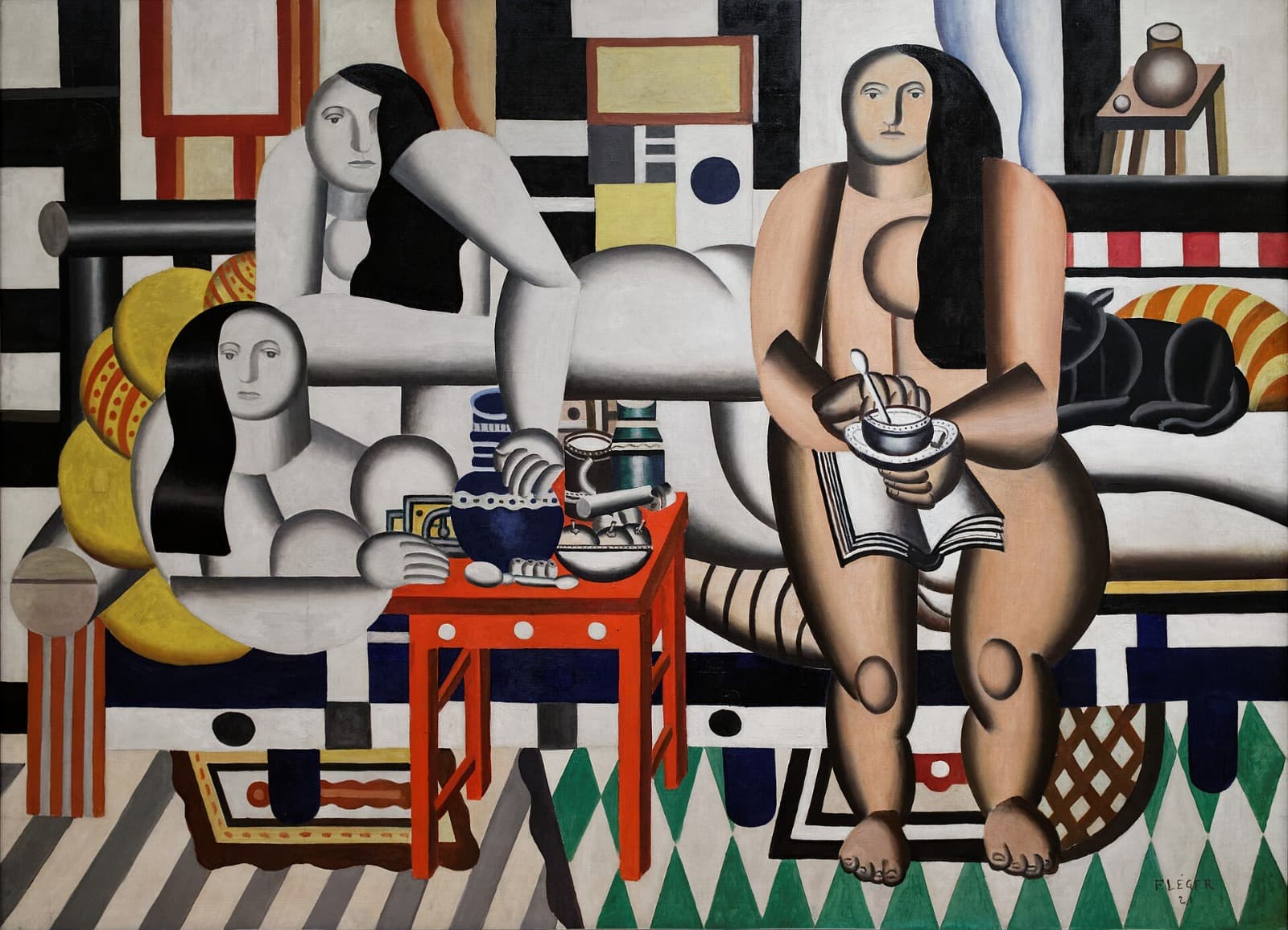
Three nudes turned on a lathe, smooth and tubular, laid out among furniture built to match. The odalisque redone for the age of the factory.
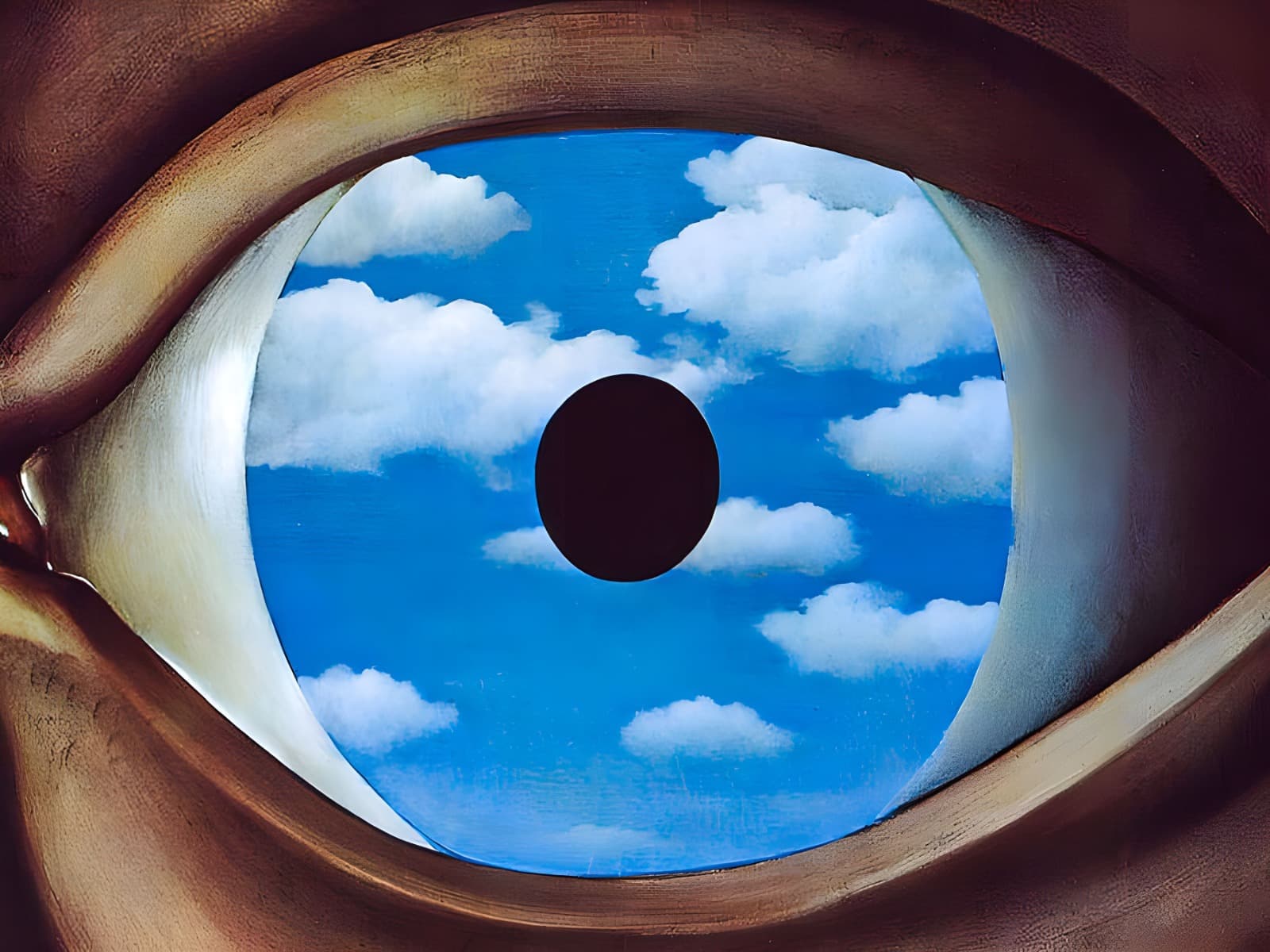
One enormous eye with a cloudy sky for an iris. Whether it is looking out or reflecting back is the question.

The Rose Period cooling off into something graver and more archaic, the boy and horse built like figures off a Greek relief.

A curve of the guitar, some stenciled letters, and otherwise a lattice of brown and grey. Braque and Picasso developed this together, canvas by canvas.
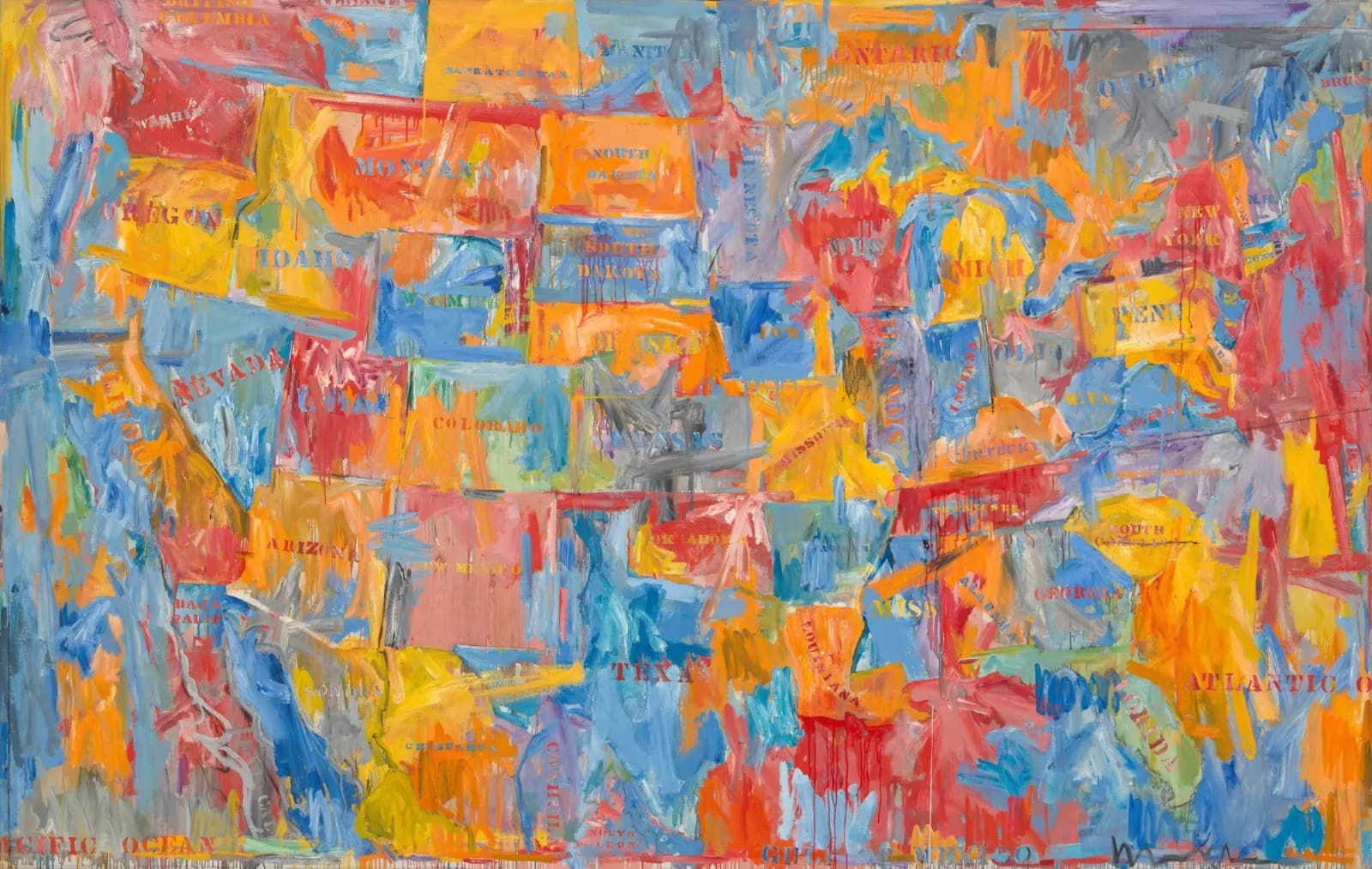
Johns stenciled the state names and then let red, yellow and blue run right over the borders. Another sign everybody already knows.
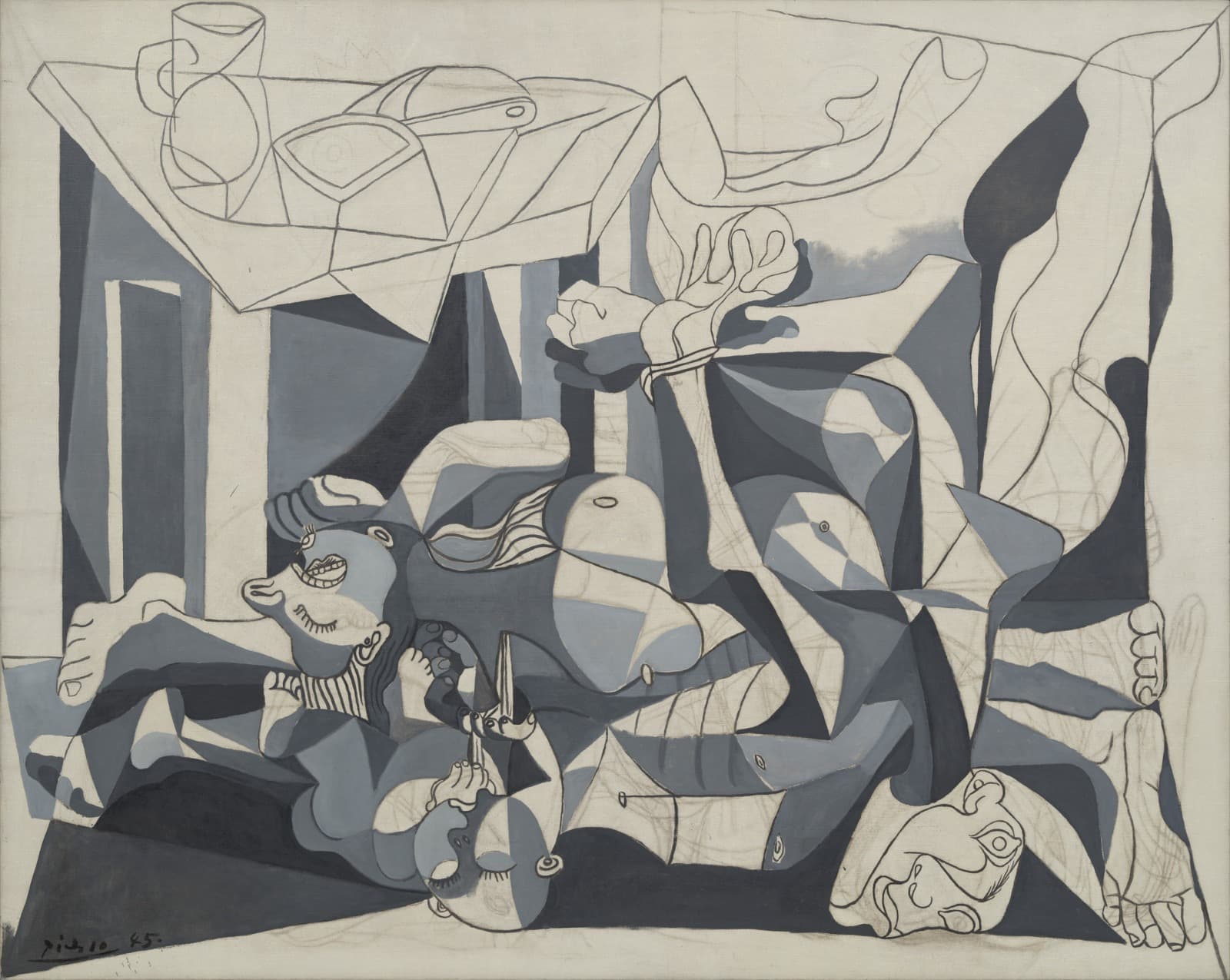
Bodies lie heaped and bound under a kitchen table, in grey. Picasso left it unfinished, painted after the camps were opened.