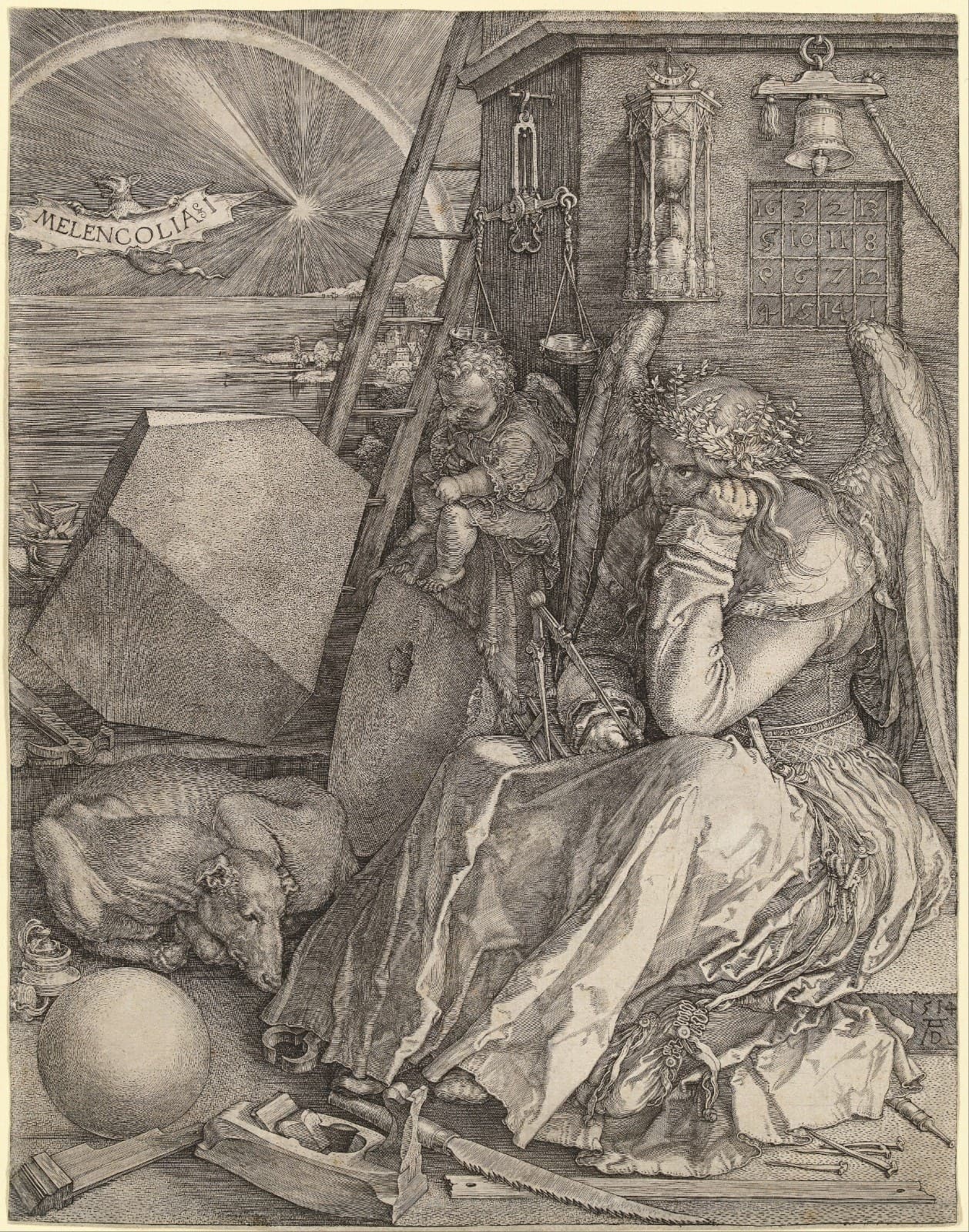
Melencolia I
1514 · Metropolitan Museum of Art, New York
A winged figure sits with her compass idle among abandoned tools, and no print in history has drawn more scholarly argument.
★ 8.6
 skopia
A winged figure sits with her compass idle among abandoned tools, and no print in history has drawn more scholarly argument.
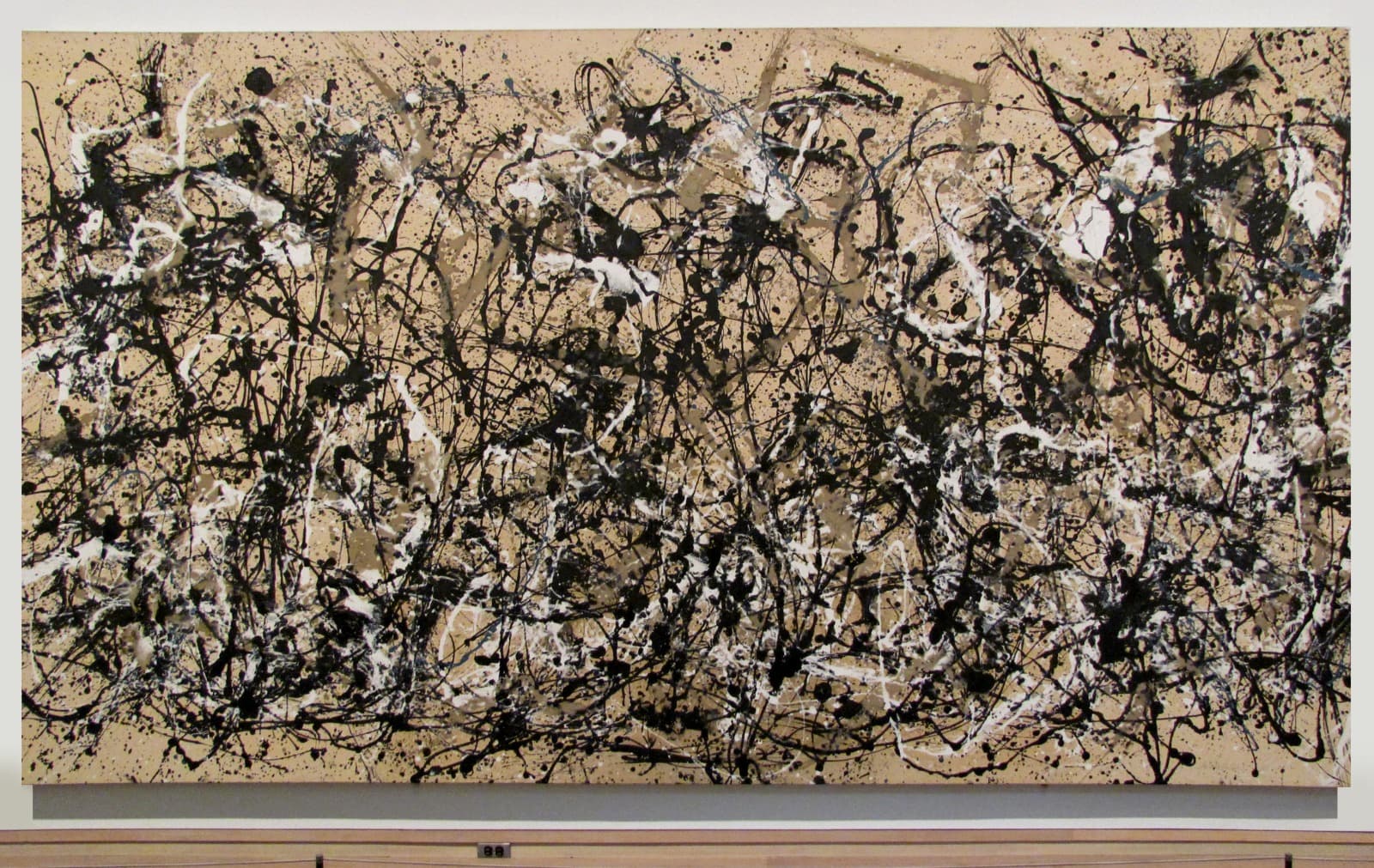
Pollock worked on the floor and moved around the canvas instead of standing at an easel, laying black enamel across raw cotton in 1950.
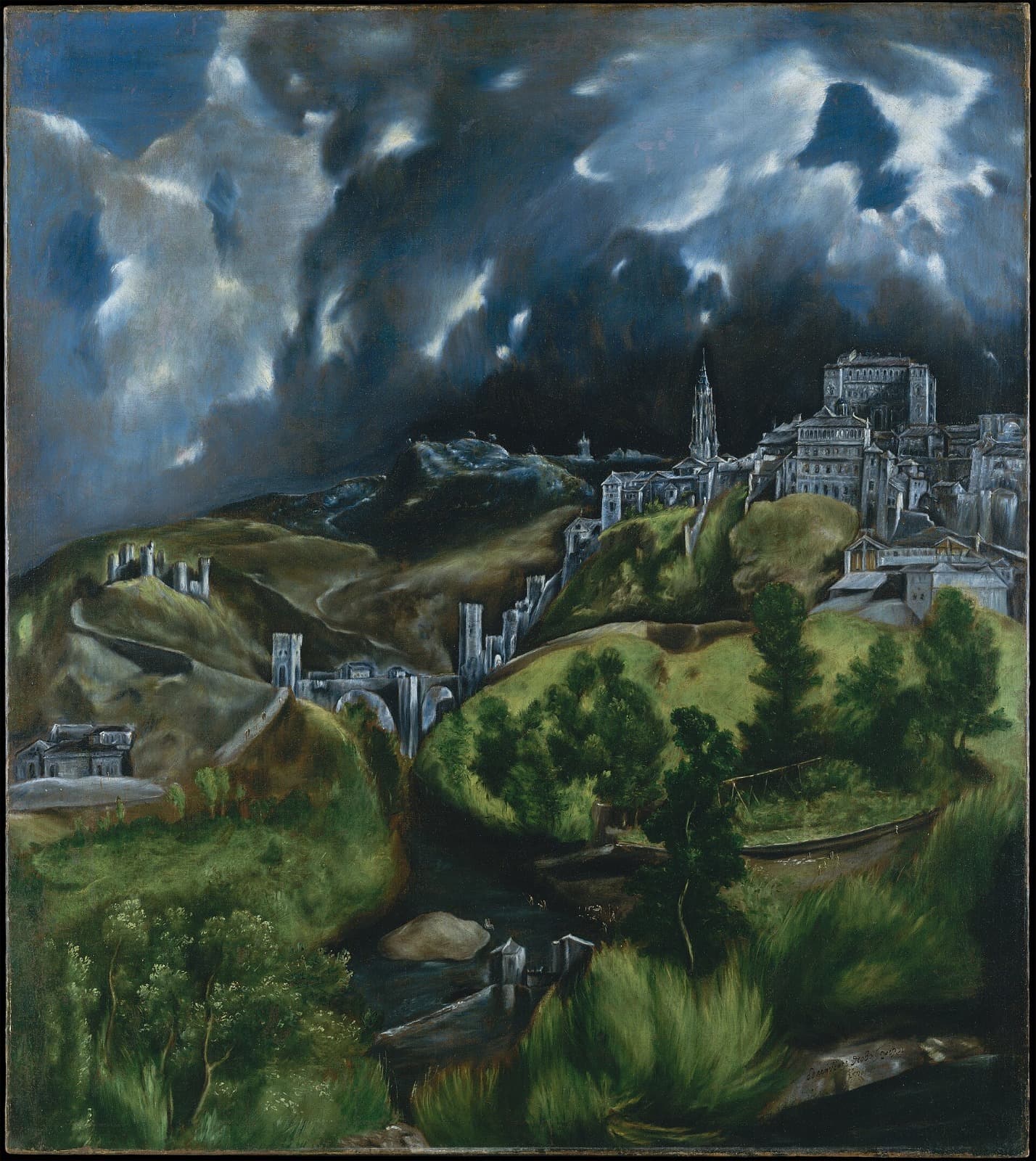
El Greco moved the cathedral tower off its real site for the sake of the composition and lit the whole city with a green storm.
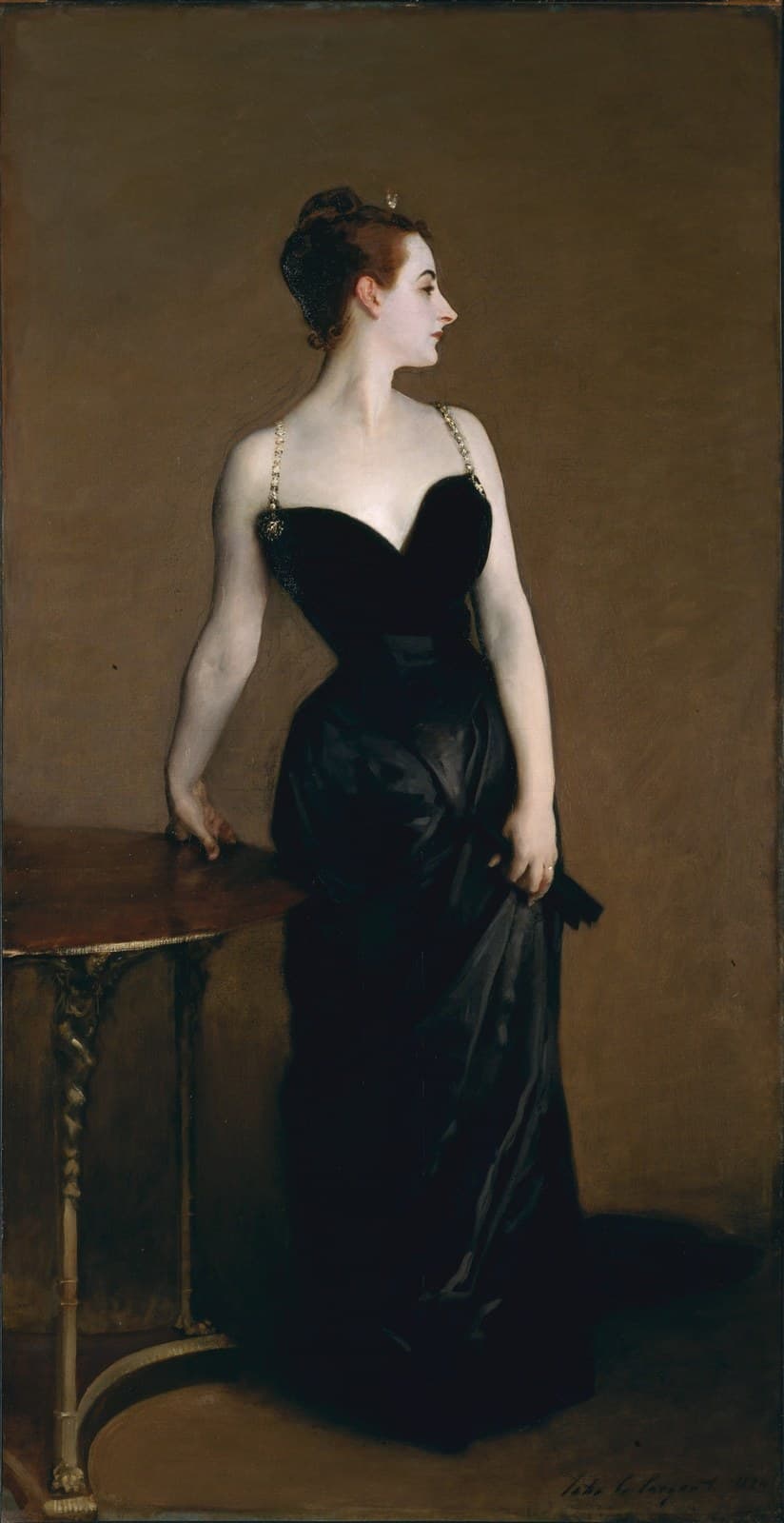
The strap fell off her shoulder in the 1884 version, Paris was scandalized, her family demanded it come down, and Sargent repainted the strap.

Sharaku made about 140 actor prints in ten months and then vanished so completely that people still argue about who he was.

Pareja was Velázquez's enslaved assistant, freed soon after this was painted in Rome as a warm-up before the pope sat for him.
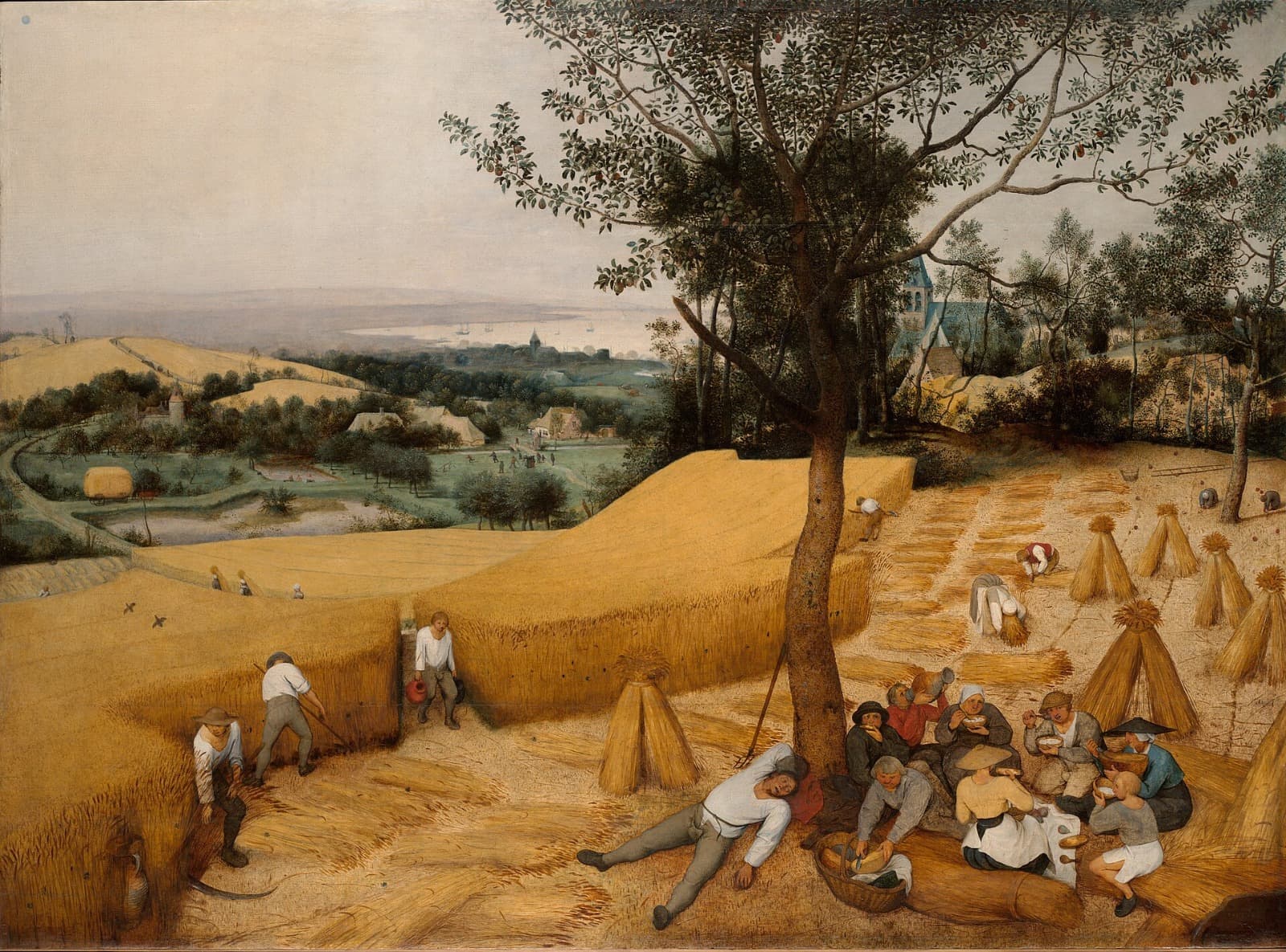
One man lies flat on his back with his mouth open while the others cut wheat. Late summer, from the same series of months.

Van Gogh loved the cypress and compared it to an Egyptian obelisk, then set one flaming up the right side of a Provençal field.

Socrates reaches for the hemlock without looking at it, still arguing with his other hand while his students fall apart around him.

Monet and Renoir set up side by side at this riverside resort and worked out the quick broken stroke that became Impressionism.

Almost every detail is wrong, including the flag and the boat, and Leutze painted it in Germany seventy-five years after the fact.

One hand on the pitcher, one on the window latch, and morning light coming through onto a white cap. Nothing happens, perfectly.

A trapper and his son drift downriver at first light with a chained animal at the prow, the water so still it doubles them.
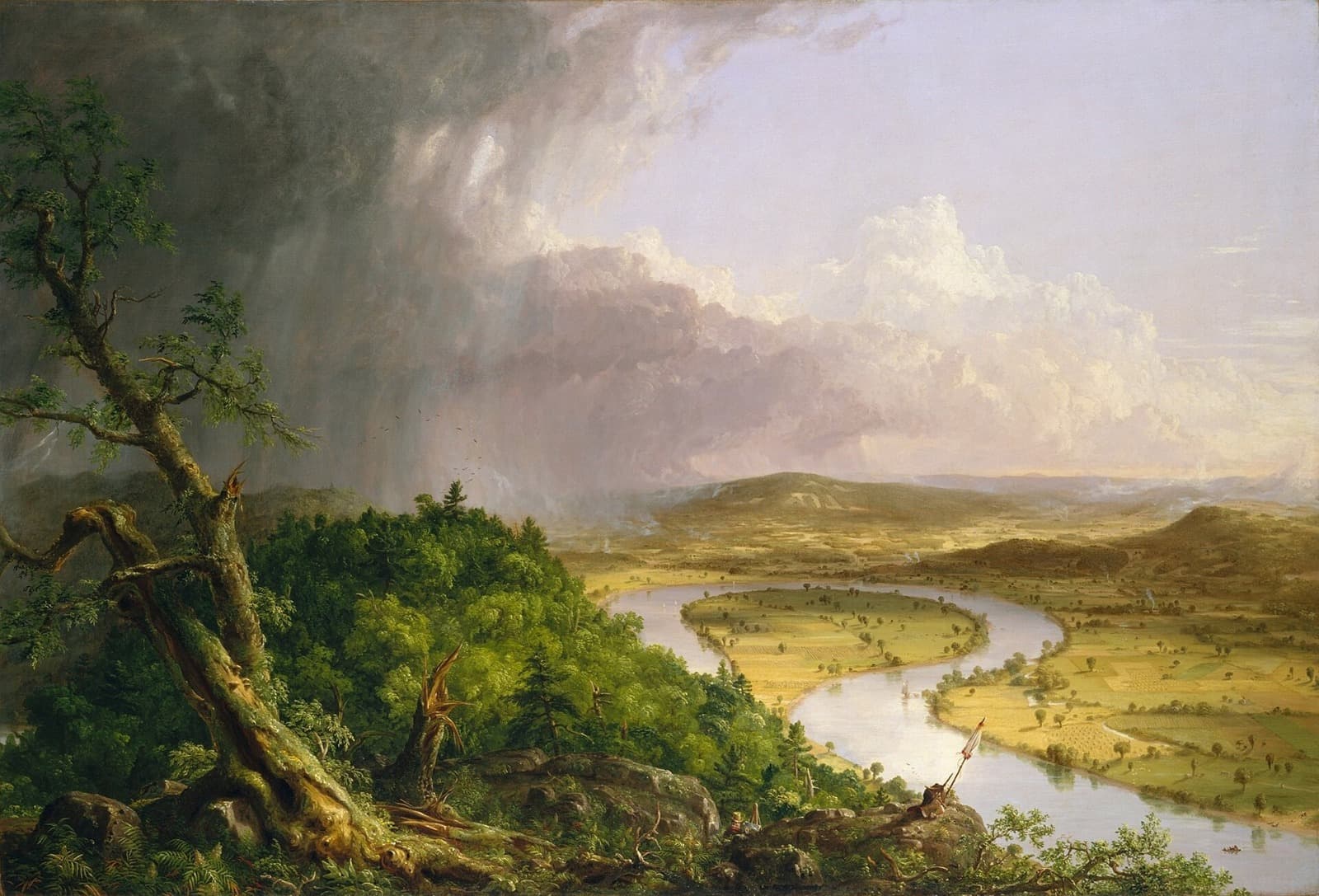
Wilderness under storm on the left, farmland in sunshine on the right, and Cole himself down in the middle, tiny, looking up from his easel.
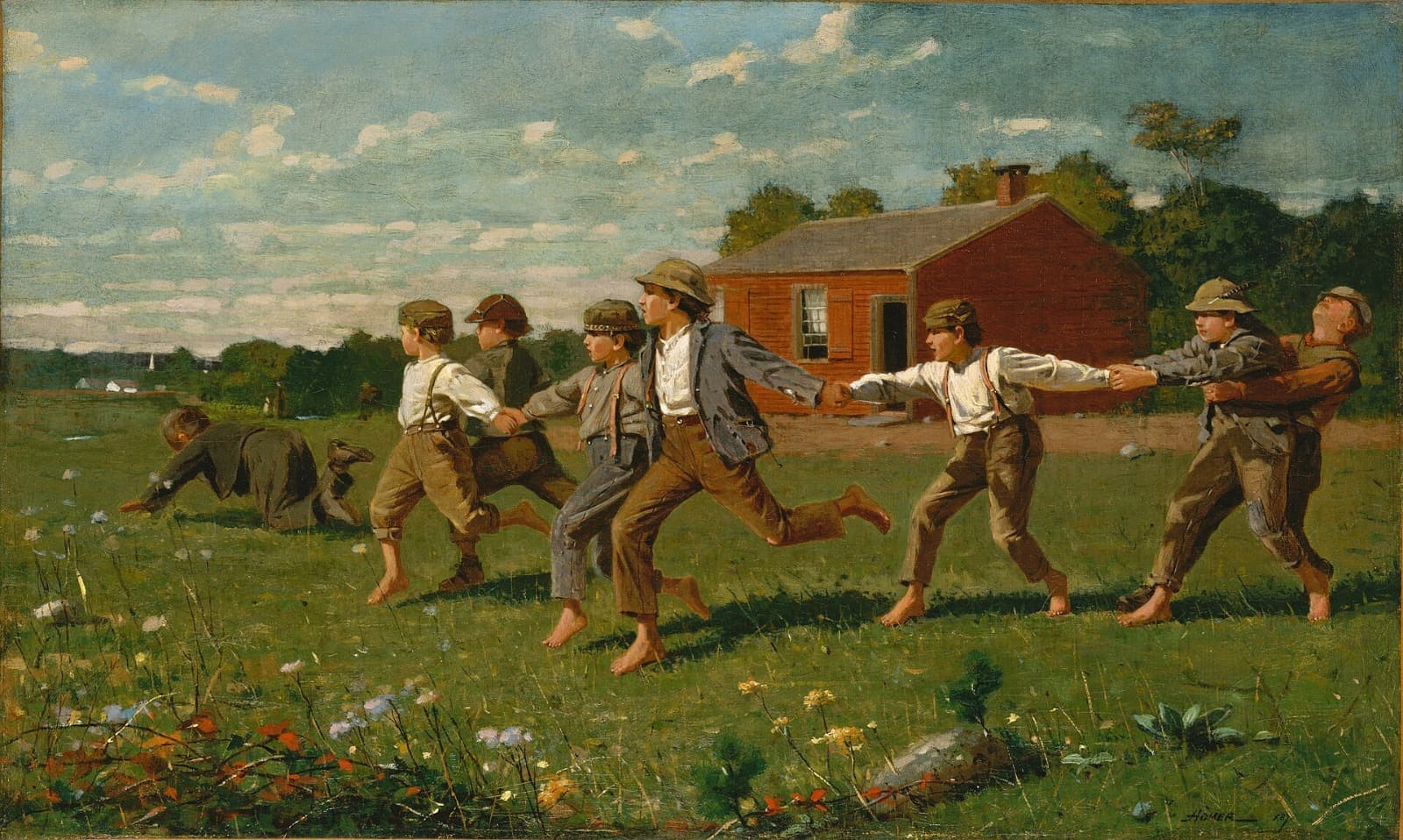
Barefoot boys crack the whip outside a red schoolhouse and the last one is already stumbling. Painted just after the Civil War.
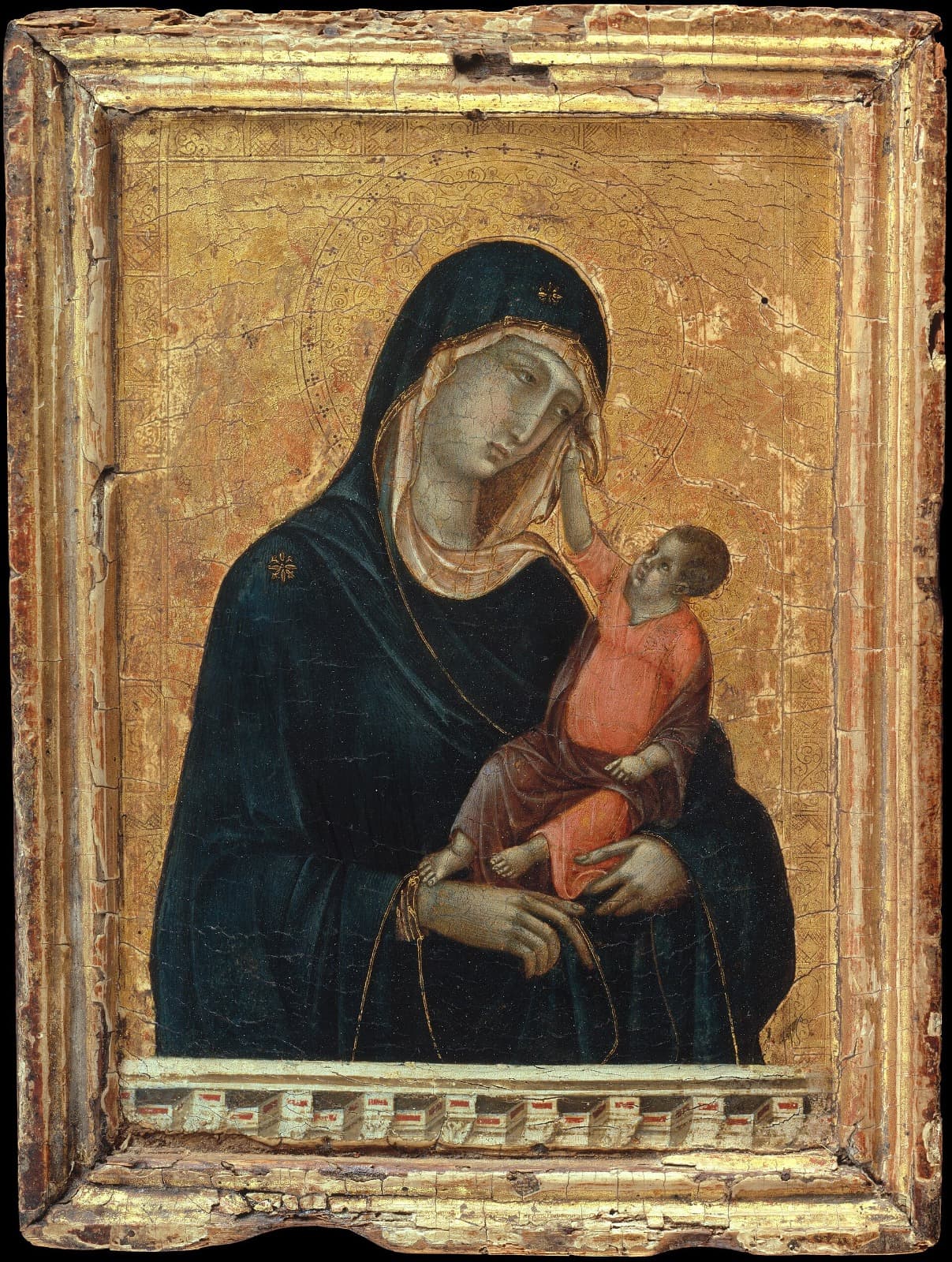
Christ reaches up to push his mother's veil aside. Scorch marks on the original frame record centuries of candles set before it.

Cat, mouse, rabbit, ox and elk stand for the temperaments held in balance, and the cat is about to pounce.
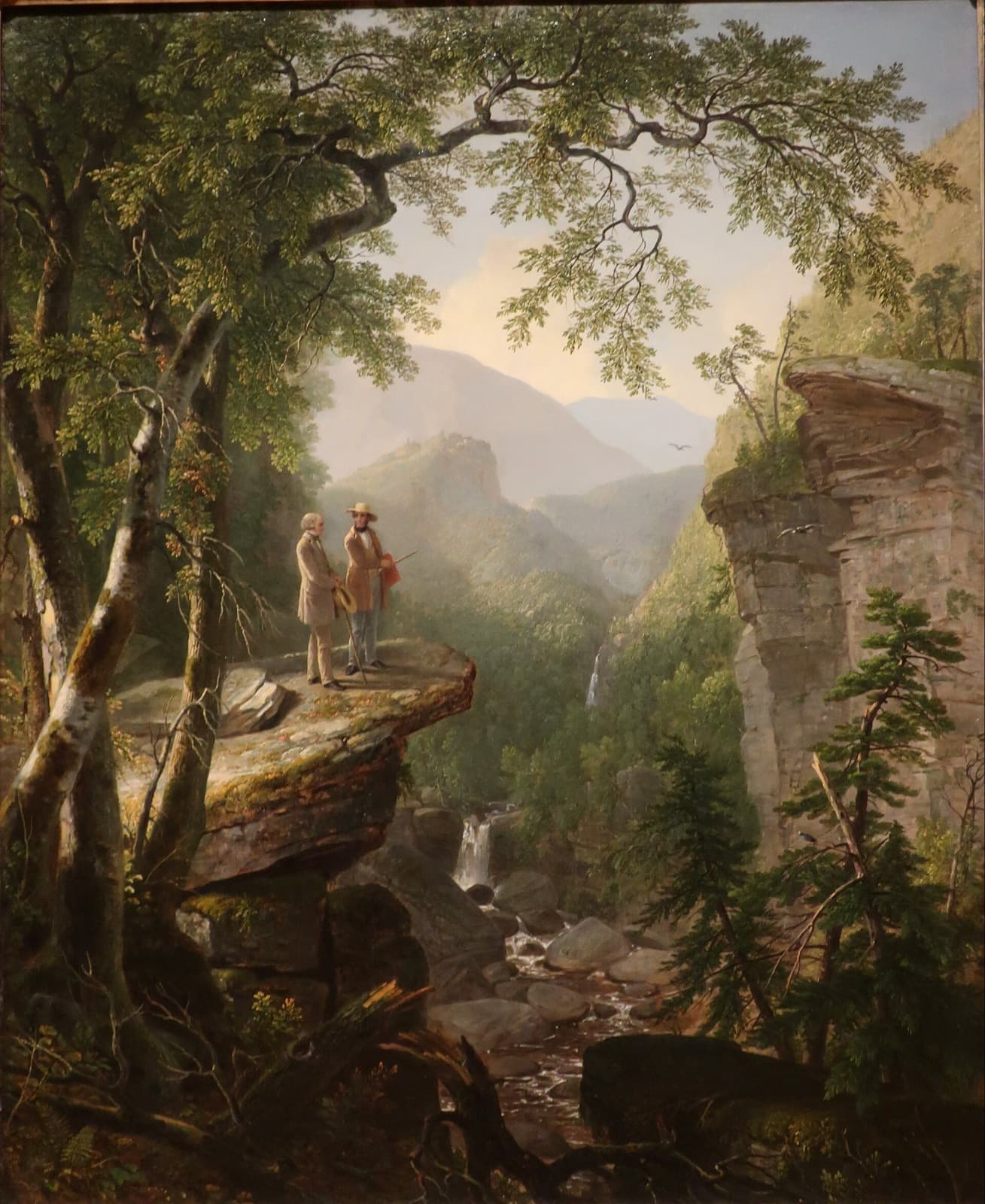
Thomas Cole and the poet Bryant stand on a ledge in the Catskills. Durand painted it as a memorial after Cole died young.

Bierstadt went west with a survey expedition and came home with peaks lit like an opera set, which is what the country wanted.
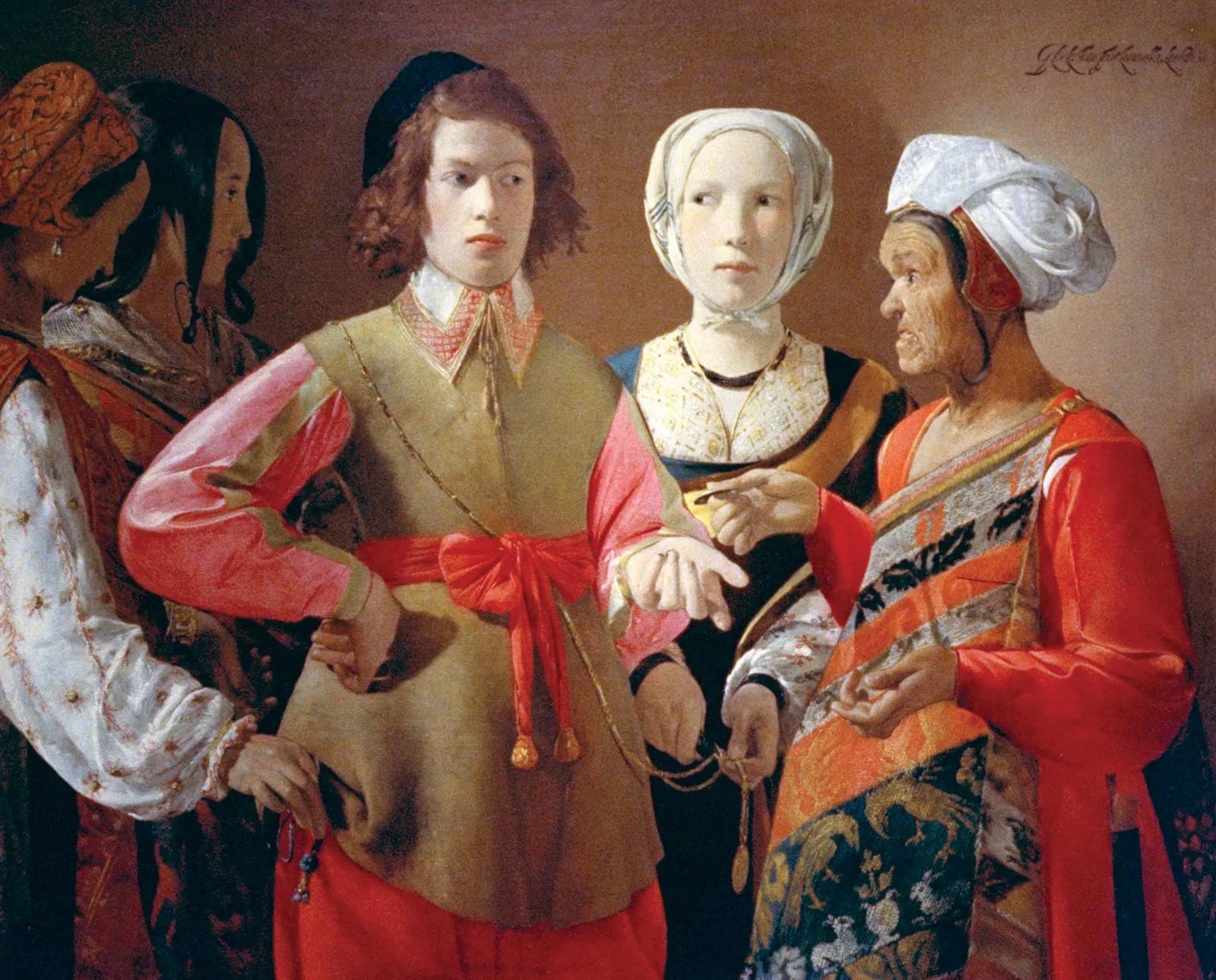
While the old woman reads his palm, three young accomplices are quietly taking his purse and lifting a medal off his neck.