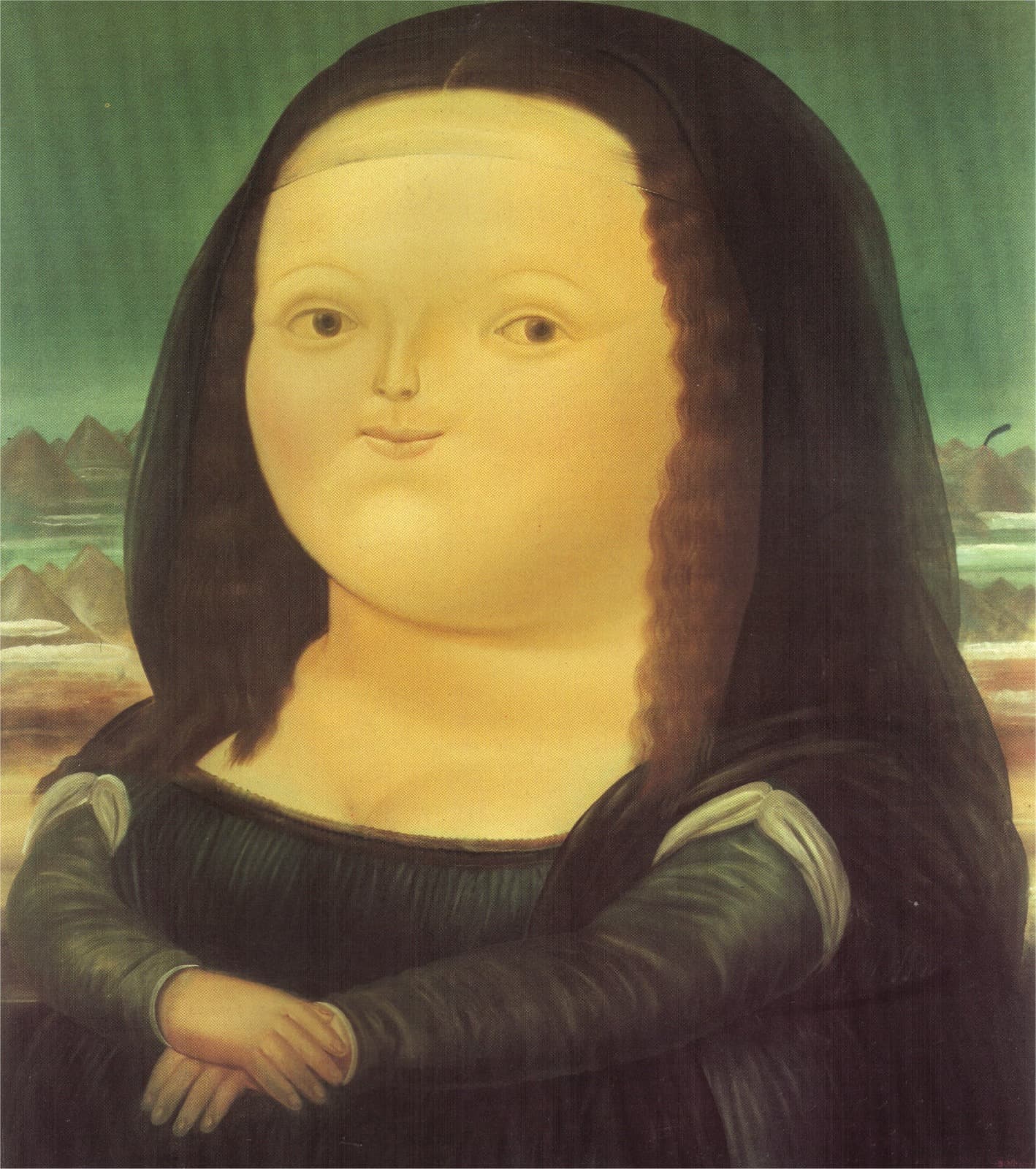
Mona Lisa (Botero)
1978 · Location unknown
Botero inflated the most famous face in the world until the little mouth vanished into acres of cheek. Affectionate rather than cruel.
★ 4.4
 skopia
Botero inflated the most famous face in the world until the little mouth vanished into acres of cheek. Affectionate rather than cruel.

A few sweeps of brush and brown ink, most of the paper left bare, and the whole weight of a sleeping head is there.

Only the mouth and chin survive, in honey-yellow jasper, and the break seems to concentrate the thing rather than diminish it.
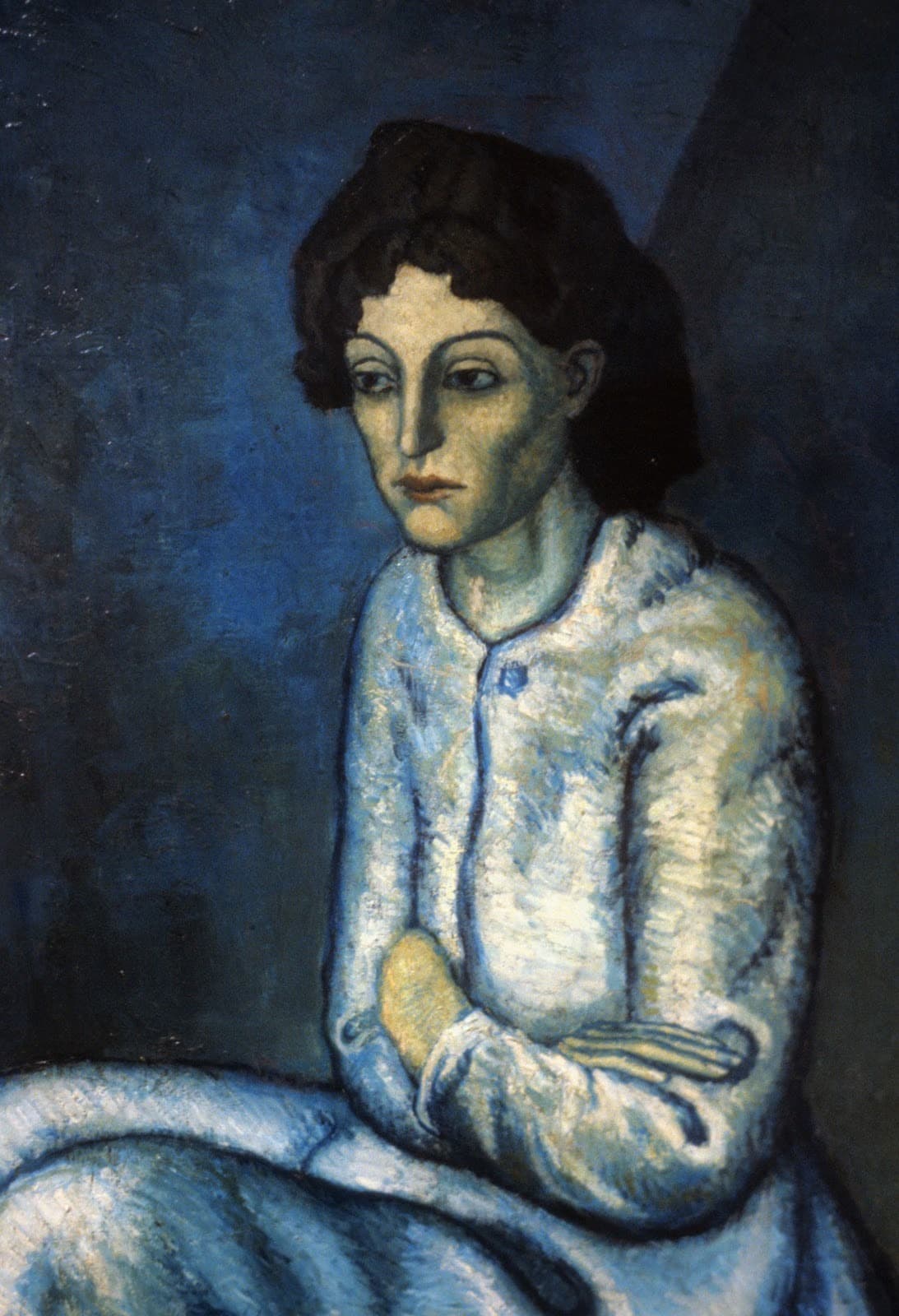
Her crossed arms are a wall against the world, and the blue does the rest. Picasso was painting the outcast and the destitute.

She sits in profile against a hedge of carnations with butterflies going past, a sprig of juniper on her sleeve punning on her name.
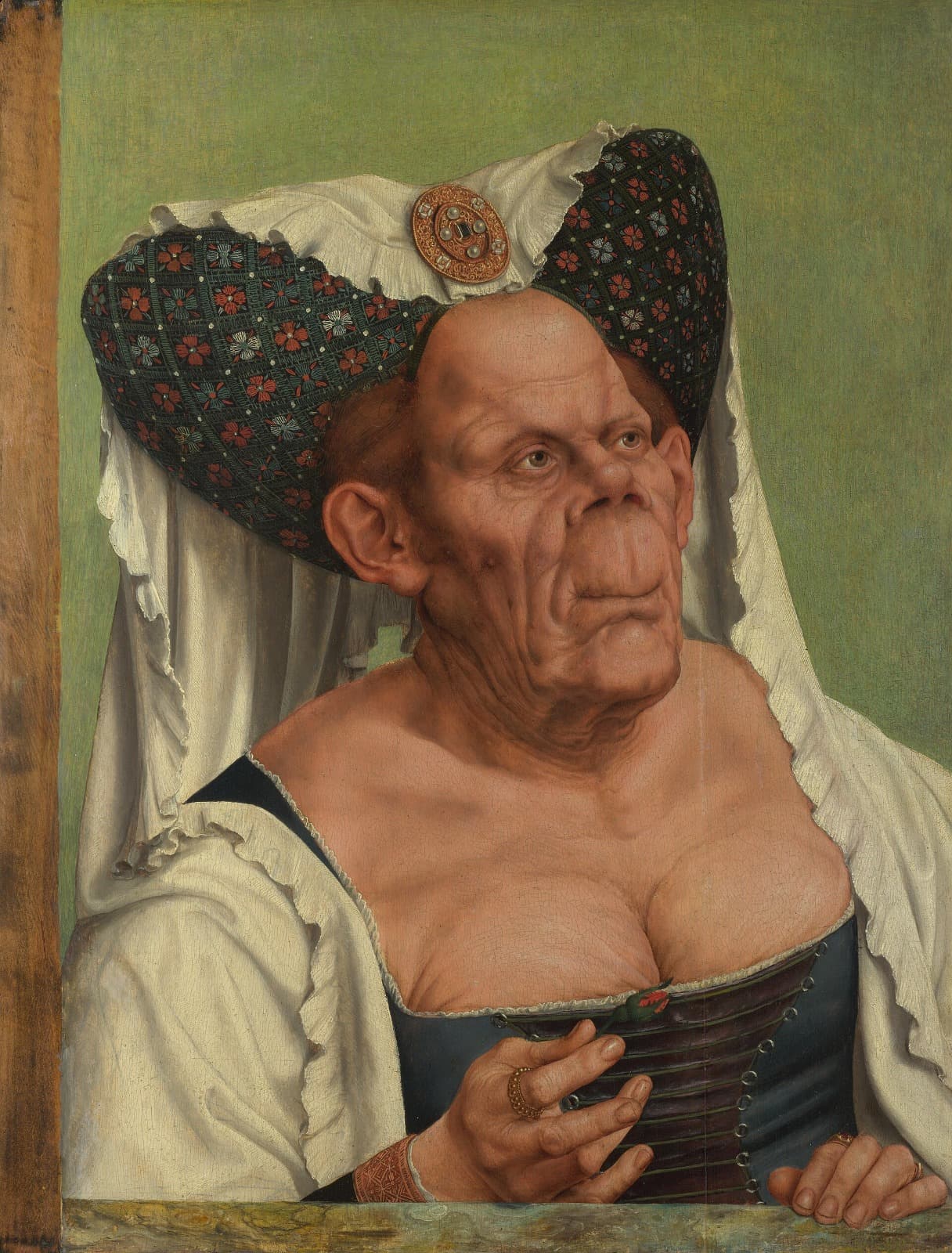
Satire on old age aping youth, in a headdress two generations out of date. Tenniel used her for the Duchess in Alice in Wonderland.
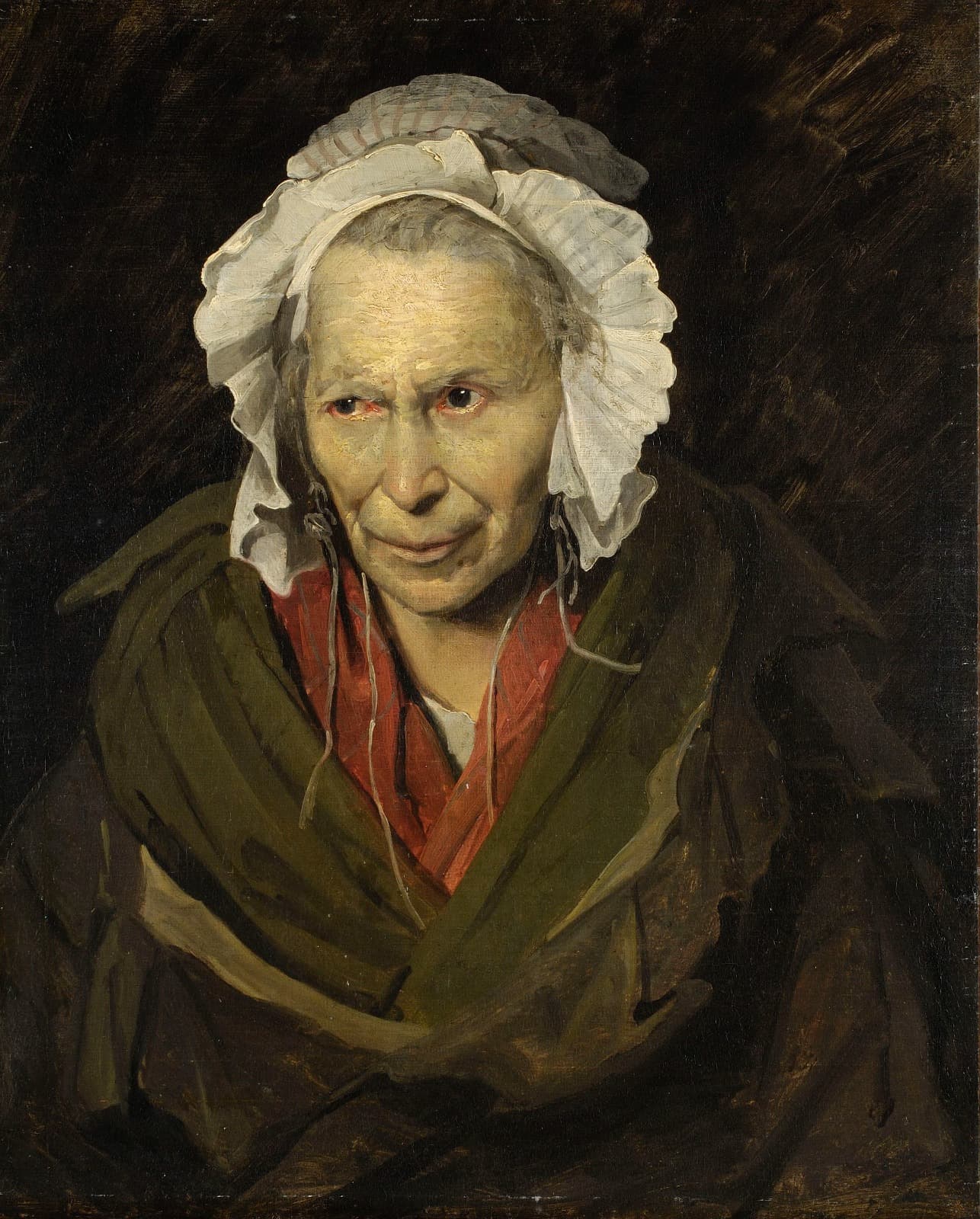
One of a series Géricault painted of asylum patients for a doctor studying obsession, and he gave her the seriousness of a commissioned portrait.

Her face is finished and breathing while the hair around it stays loose scribble, and nobody knows whether Leonardo considered it done.
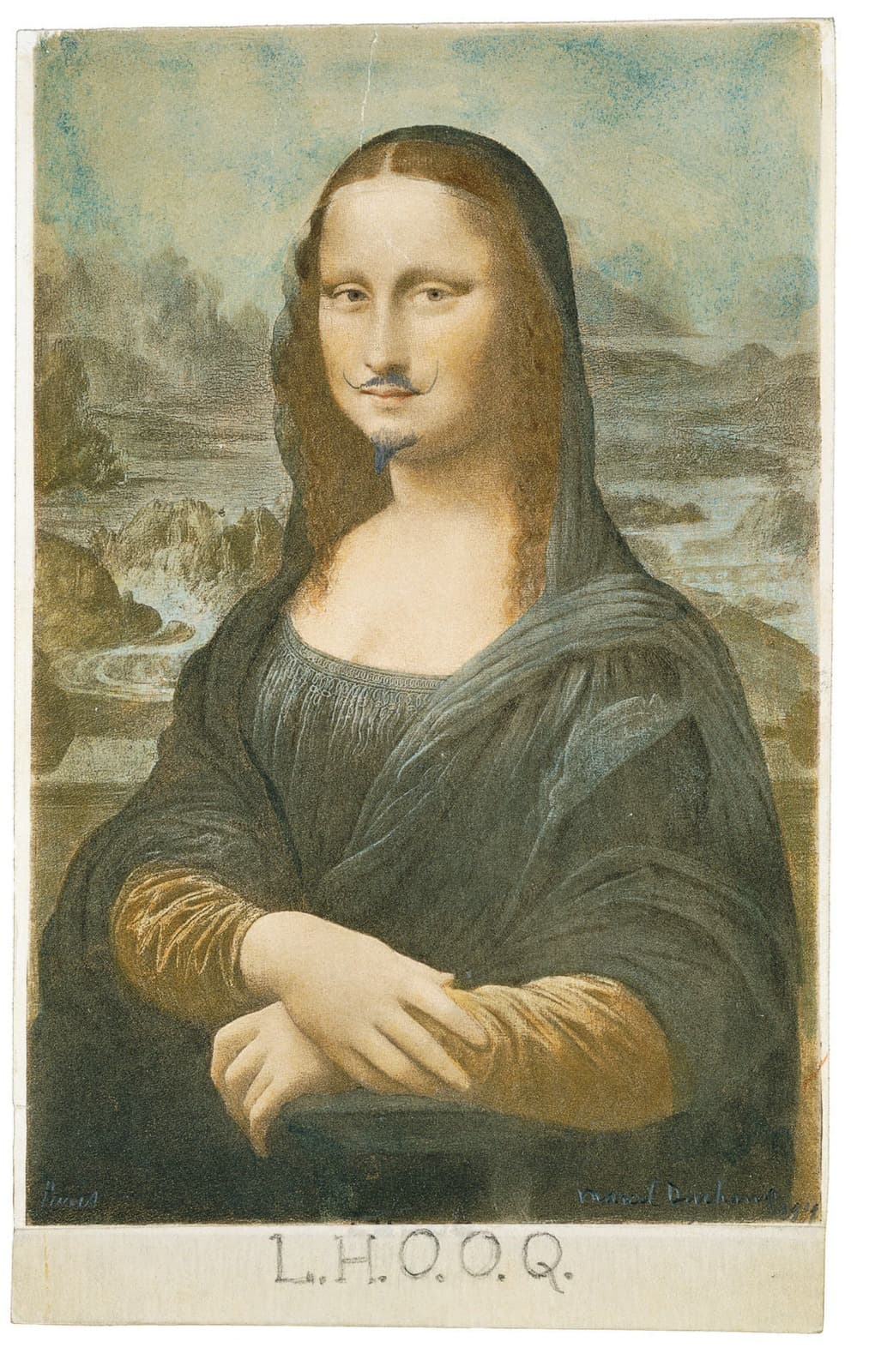
Duchamp bought a postcard of the Mona Lisa, drew a moustache on it, and added five letters that make a crude joke in French.

Goyo oversaw every stage of his prints himself and finished only a handful before dying young. This is the one everyone knows.
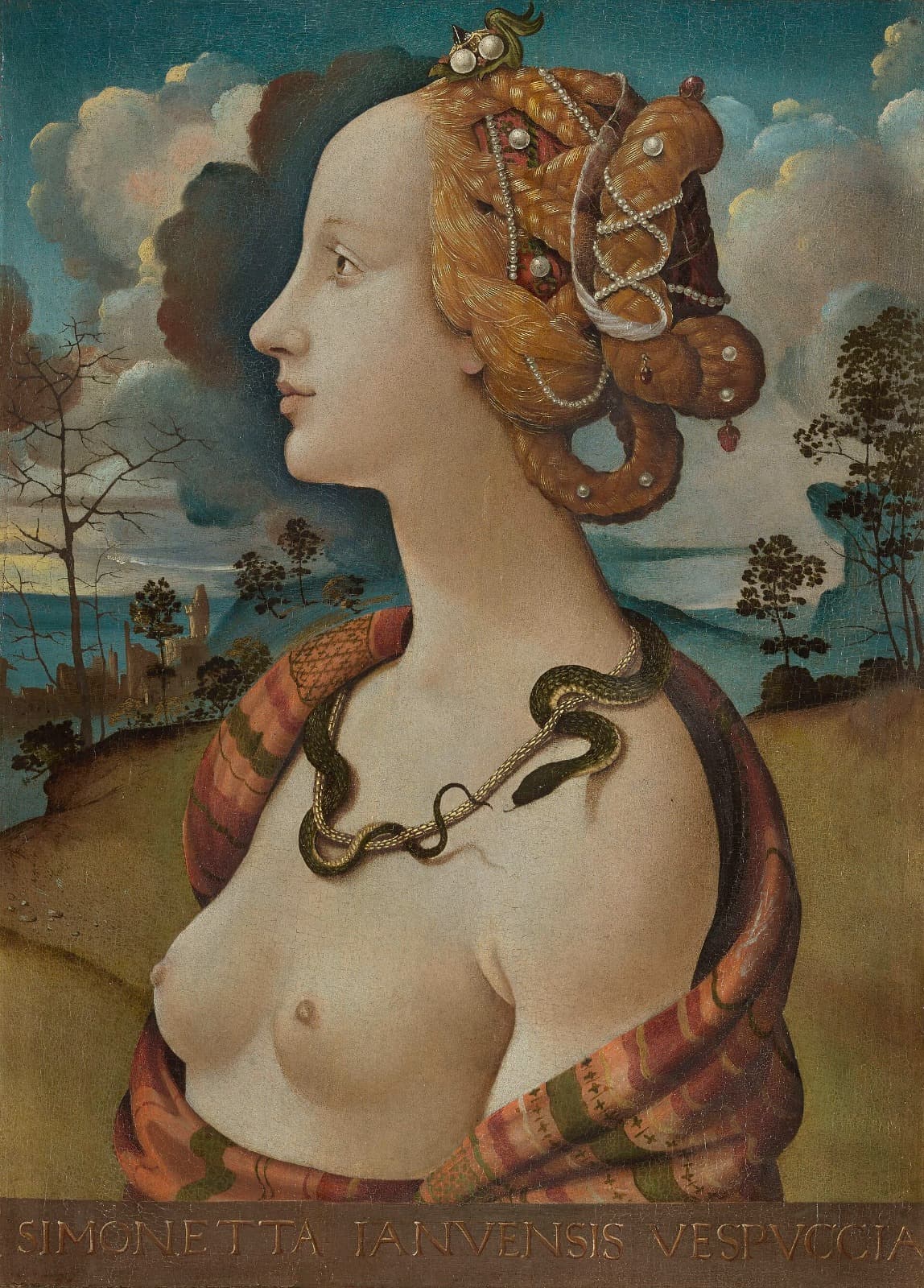
She had been dead for years when this was painted, and the asp at her throat turns her into Cleopatra.
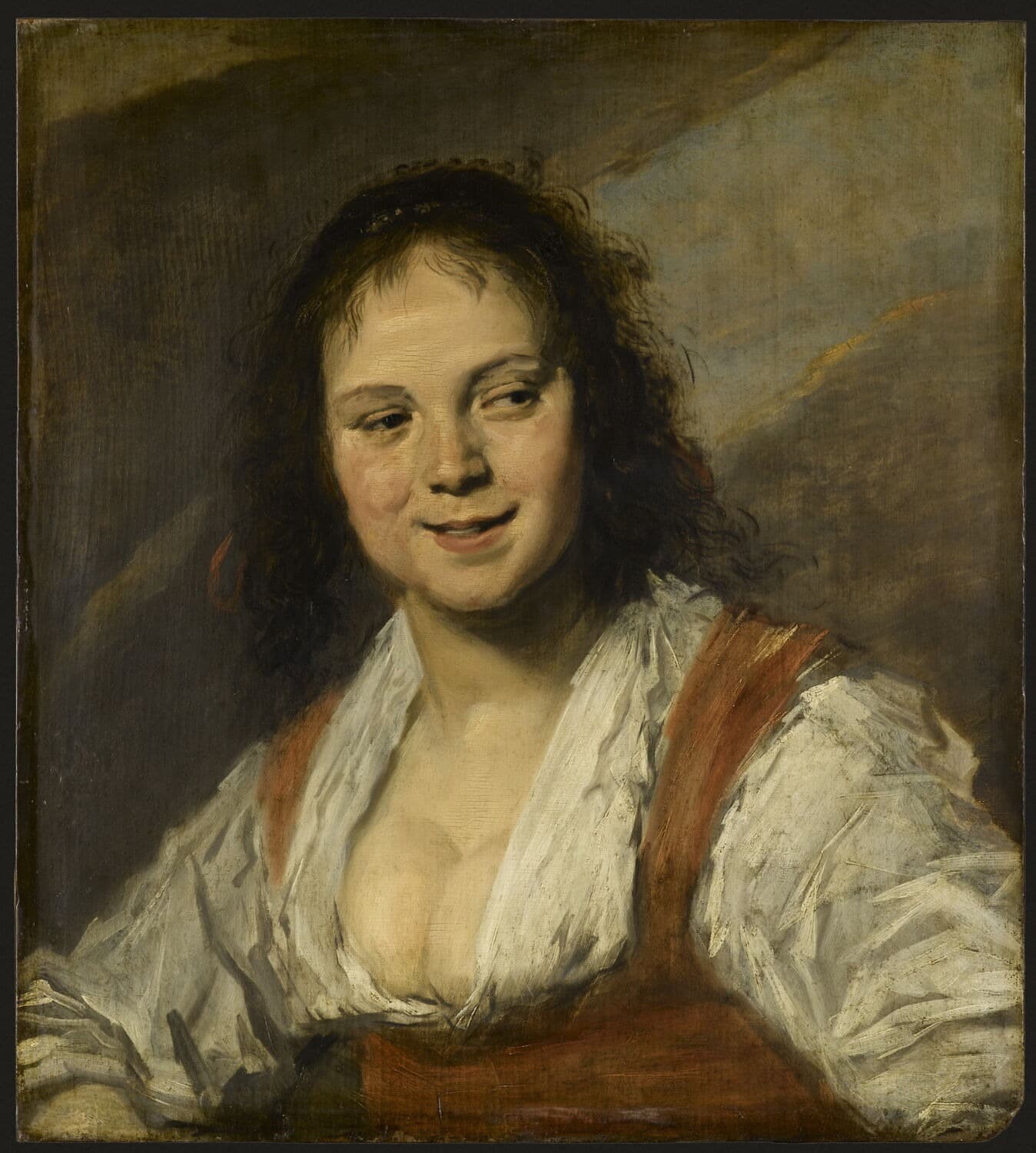
Not a commission but a tronie, a character study made to show off. Hals catches her half-laugh before it has finished.
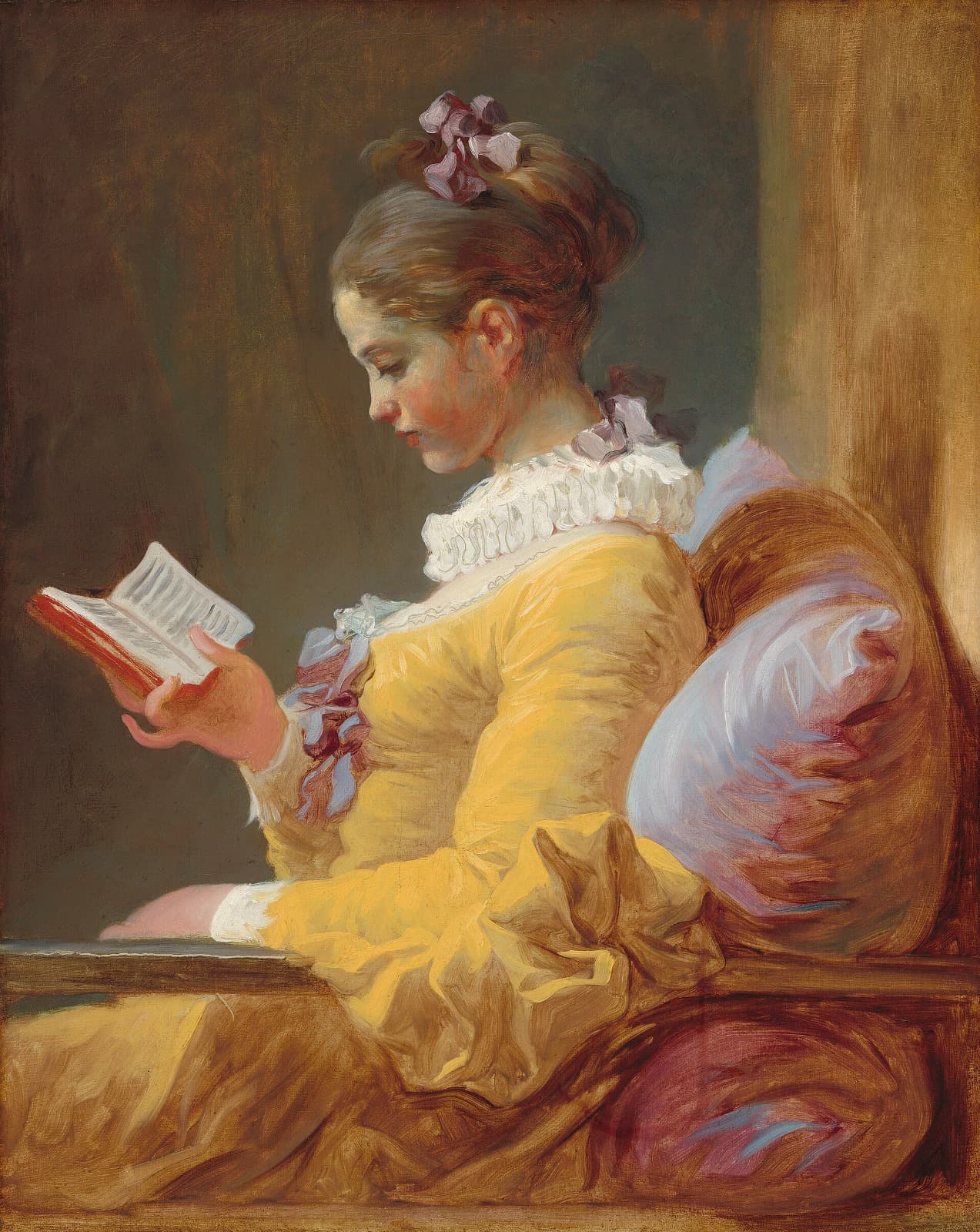
For once Fragonard is not being naughty. A girl in yellow reads, and the ruff at her wrist is a few flicks of impasto.

The same woman, same cushions, same pose, now dressed. It is thought to have hung in front of the nude and slid aside.
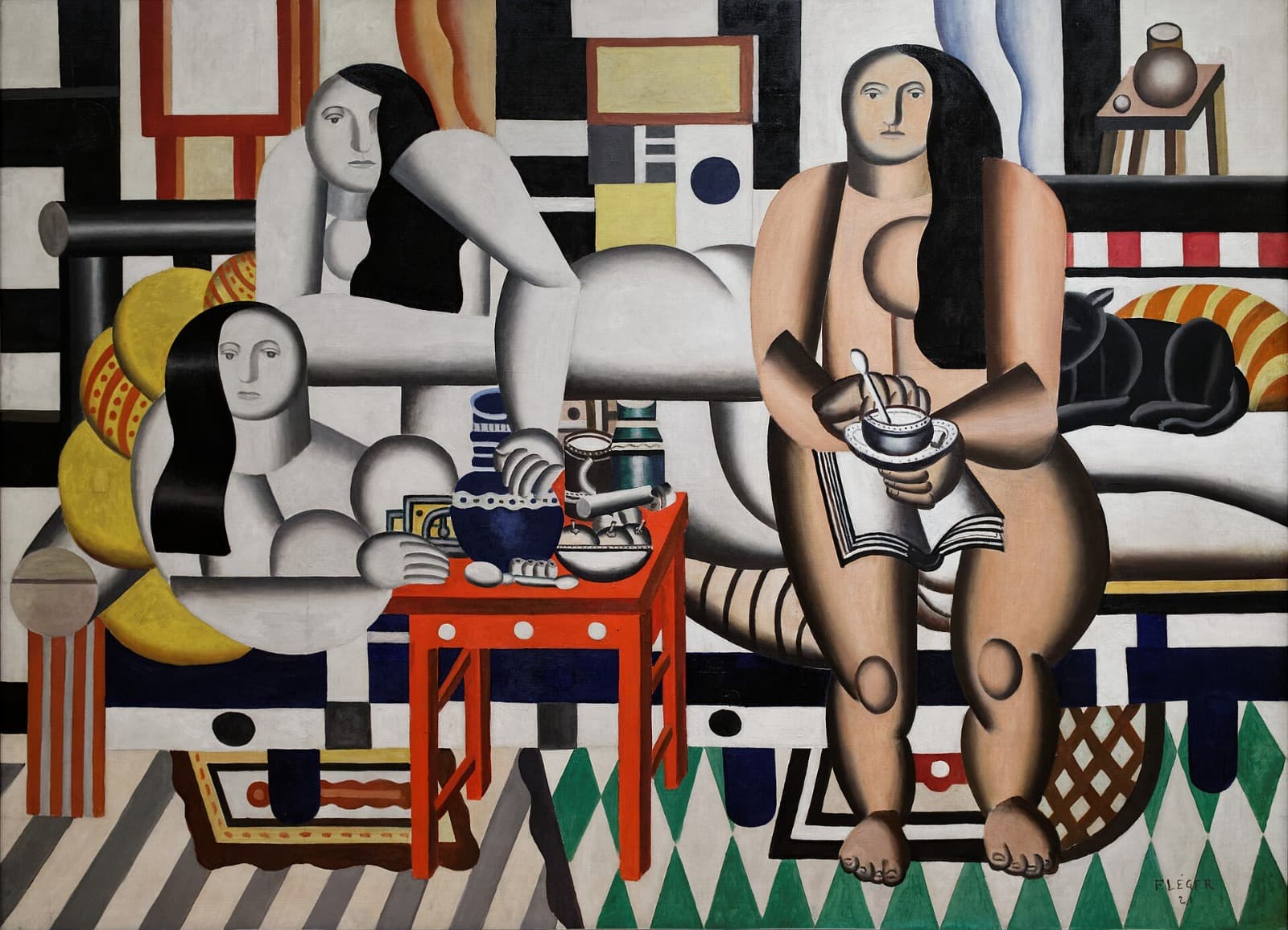
Three nudes turned on a lathe, smooth and tubular, laid out among furniture built to match. The odalisque redone for the age of the factory.

A juniper bush stands behind her as a pun on her name. The panel was later cut down at the bottom, taking her hands with it.
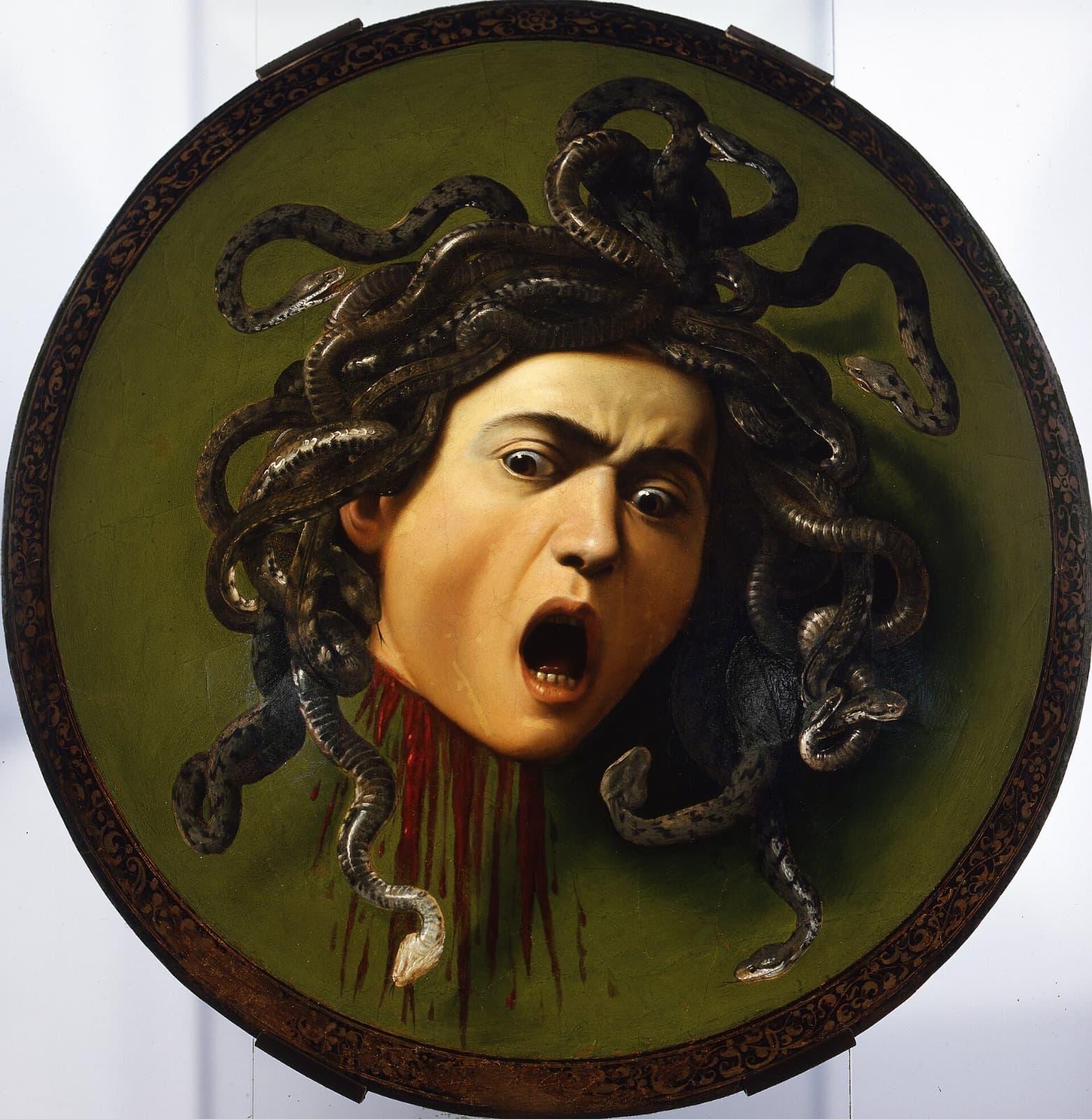
Painted on a convex parade shield, so the head bulges toward you at the exact instant of the scream. A showpiece gift for the Medici.

Matisse ran a green stripe down his wife's face to divide warm from cool, and used color to do the work of light.
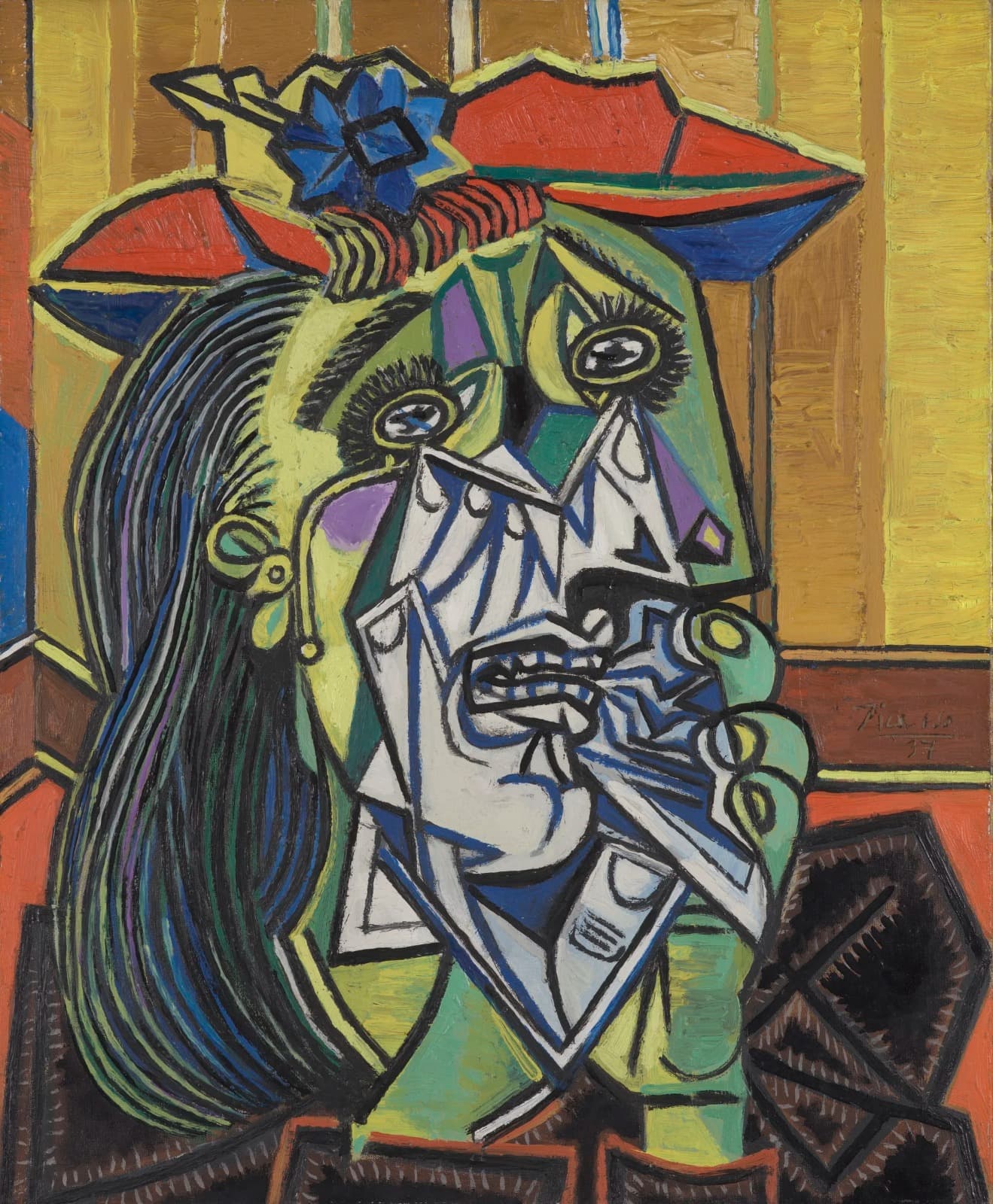
Picasso pulled her out of the screaming mother in Guernica and gave her the face of Dora Maar, his lover and a photographer.
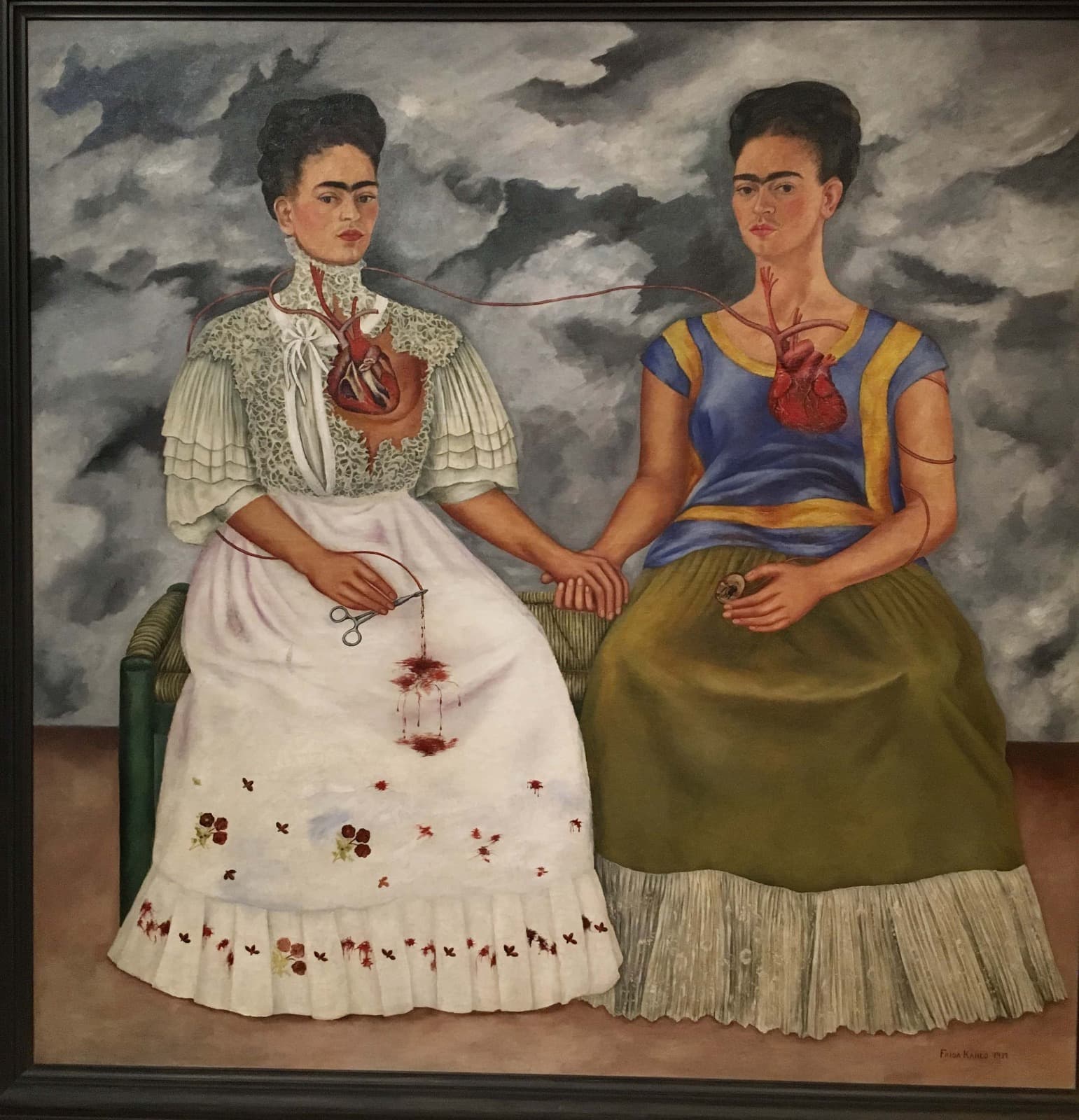
Two versions of herself hold hands with one artery running between them, clamped shut. She painted it as her marriage to Rivera fell apart.

Three famous women of 1790s Edo on mica ground, their faces nearly identical, so you have to read them from the tilt of an eye.

A critic looked at this and called Matisse and his friends fauves, wild beasts, which is how the movement got its name.
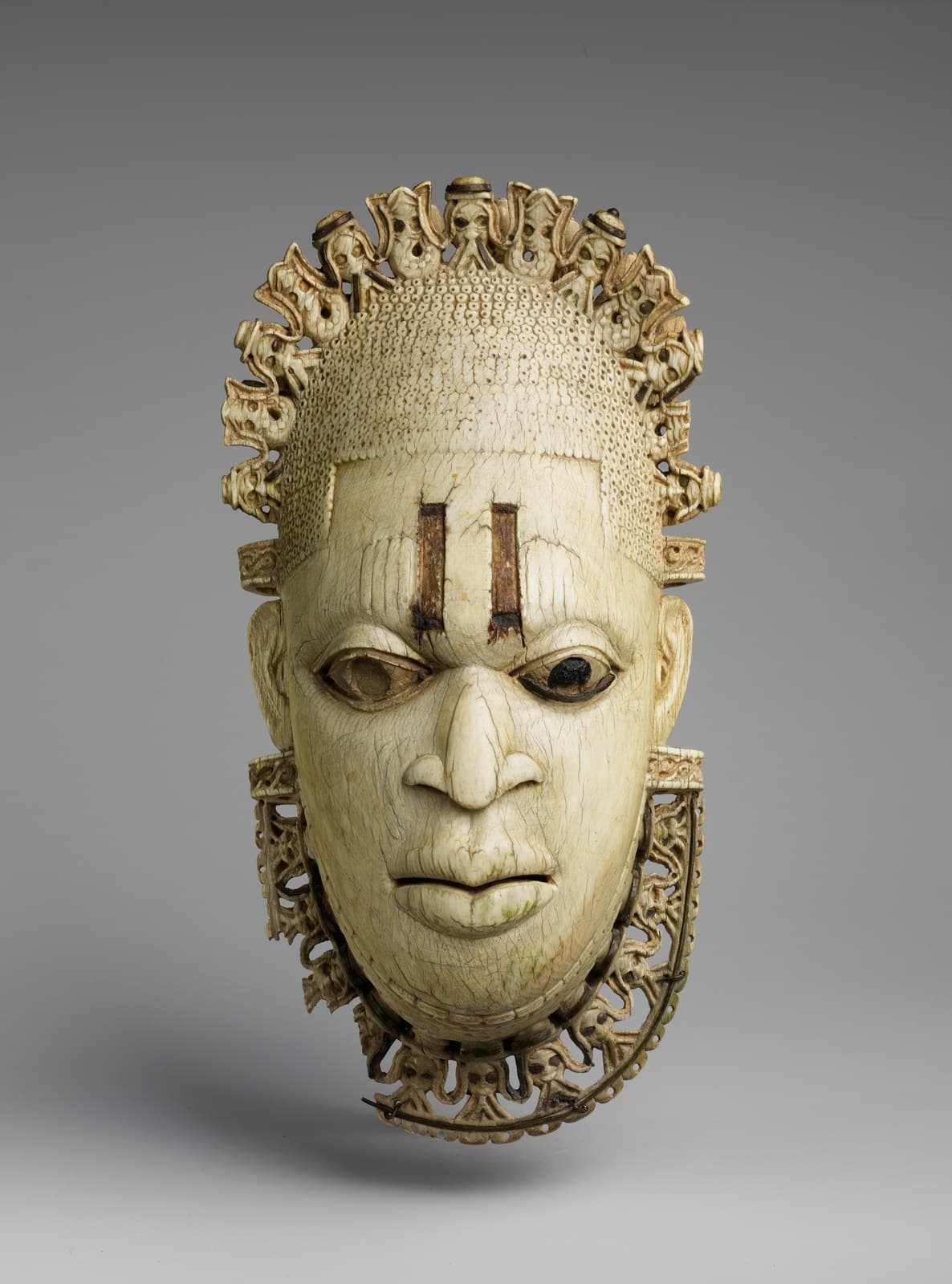
The oba wore it at his hip, its crown made of tiny Portuguese heads. A British expedition looted it from Benin in 1897.
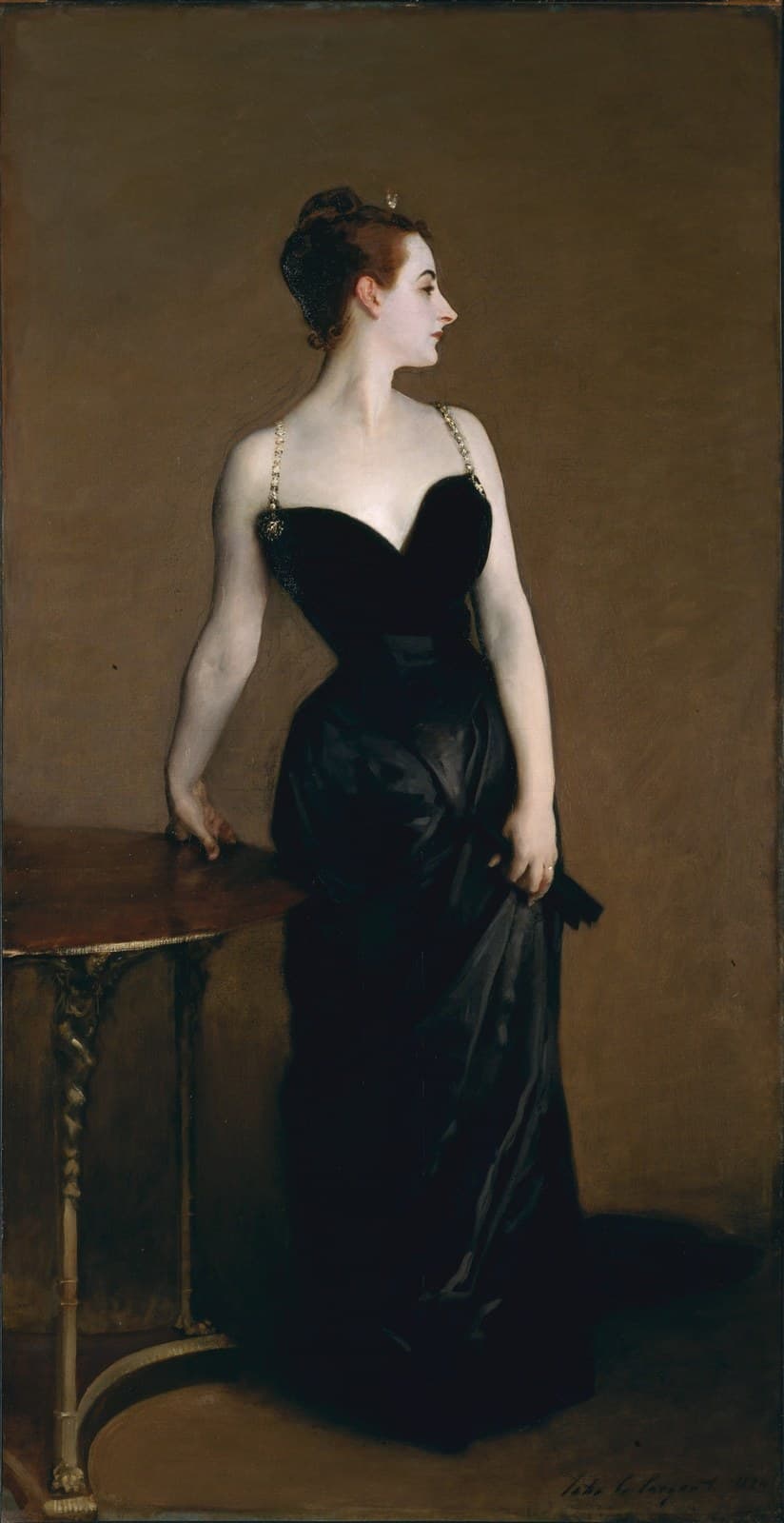
The strap fell off her shoulder in the 1884 version, Paris was scandalized, her family demanded it come down, and Sargent repainted the strap.

Whistler called it Arrangement in Grey and Black and insisted it was about tone, not feeling. The sitter was his mother, and nobody was fooled.

Only the face and hands are painted naturally and the rest is gold. The Nazis seized it, and a long restitution case eventually got it back.

Cecilia Gallerani turns as if someone has come in, and the ermine turns with her. It was her patron's emblem and a pun on her name.

Not a portrait of anyone in particular but a tronie, a study of a type, which somehow made her the most looked-at girl in art.
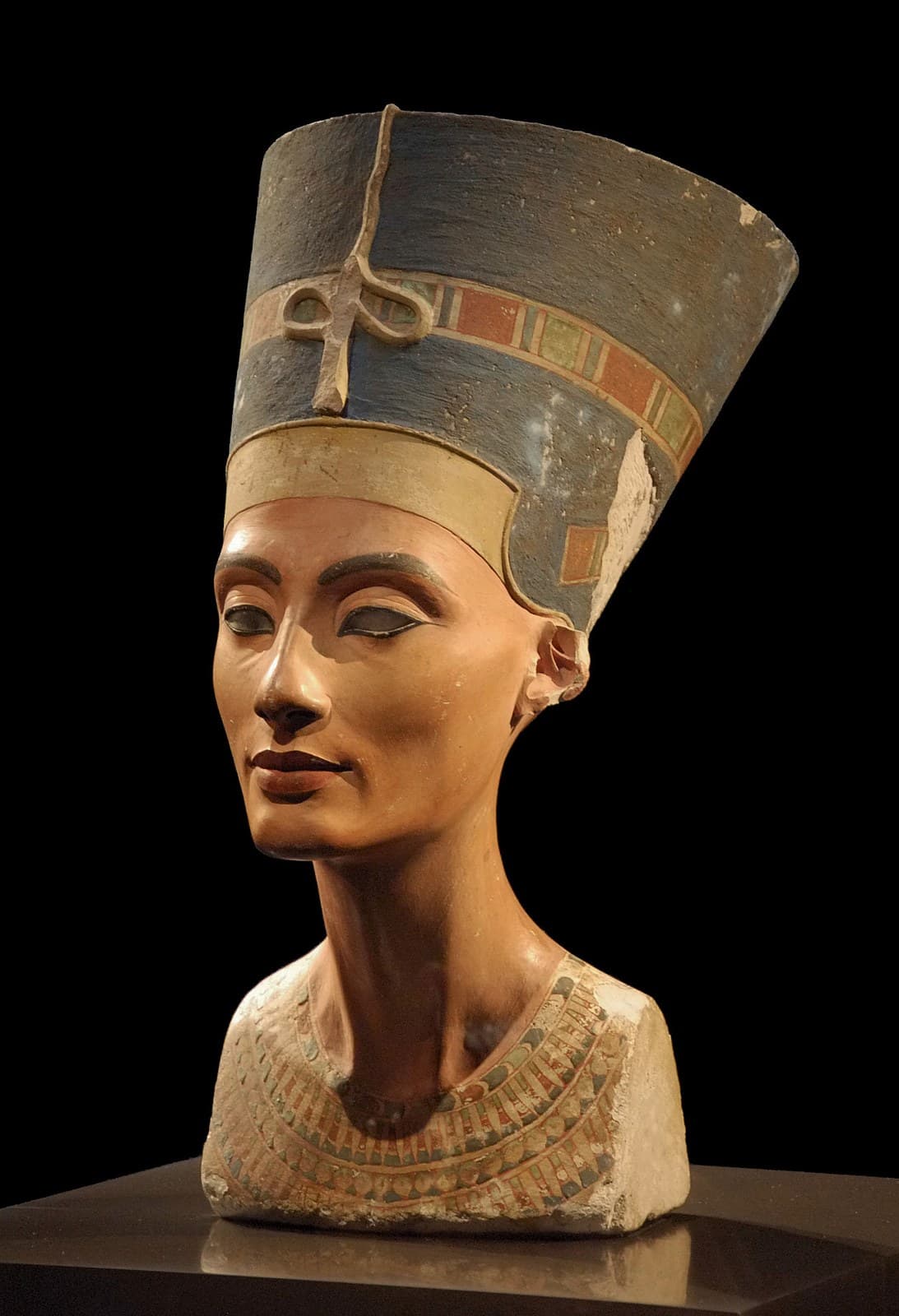
One eye is inlaid and the other left blank, which suggests the bust was a master model kept in the sculptor's workshop at Amarna.
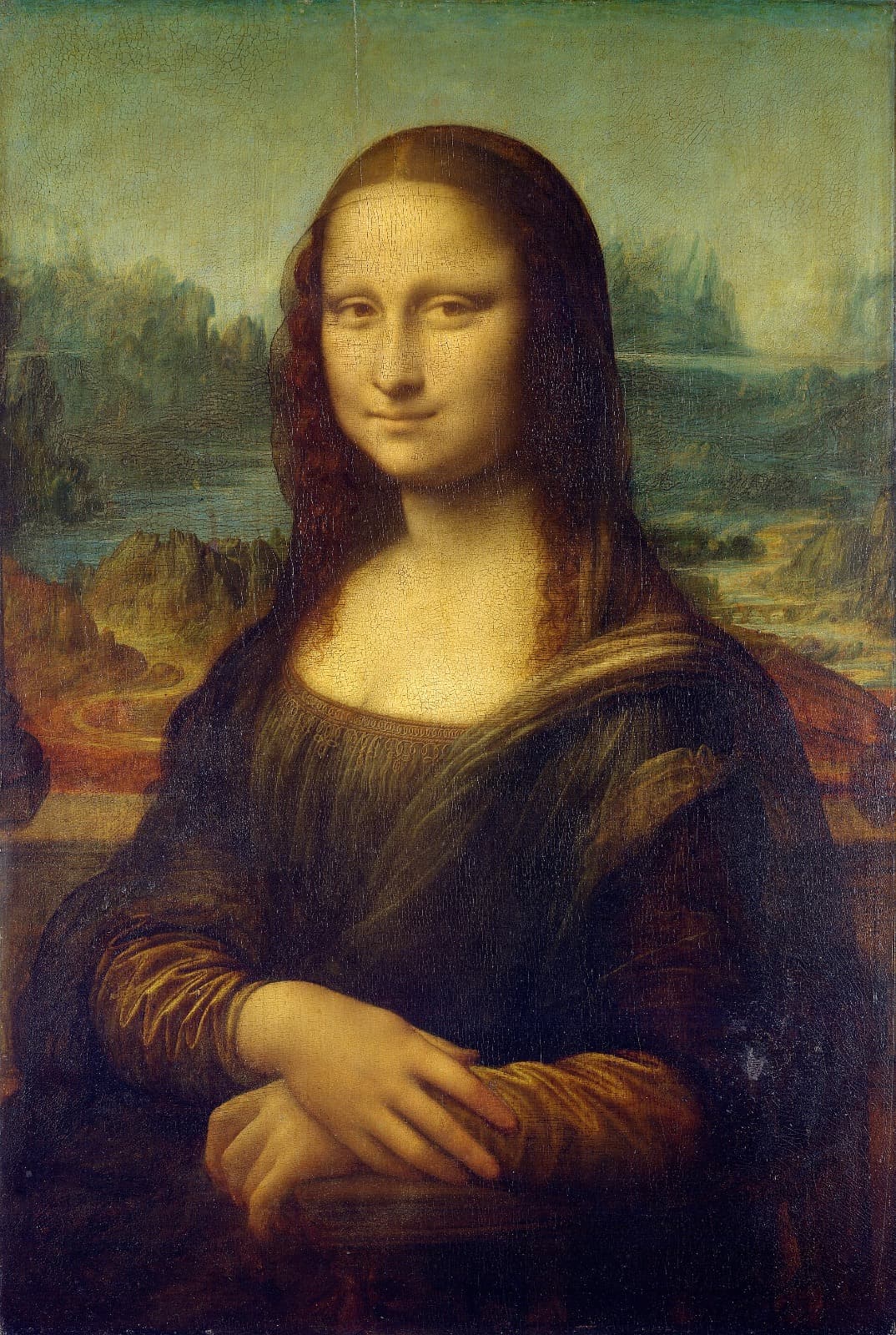
She was probably Lisa Gherardini, a merchant's wife, and Leonardo kept reworking her for years and never handed the portrait over.