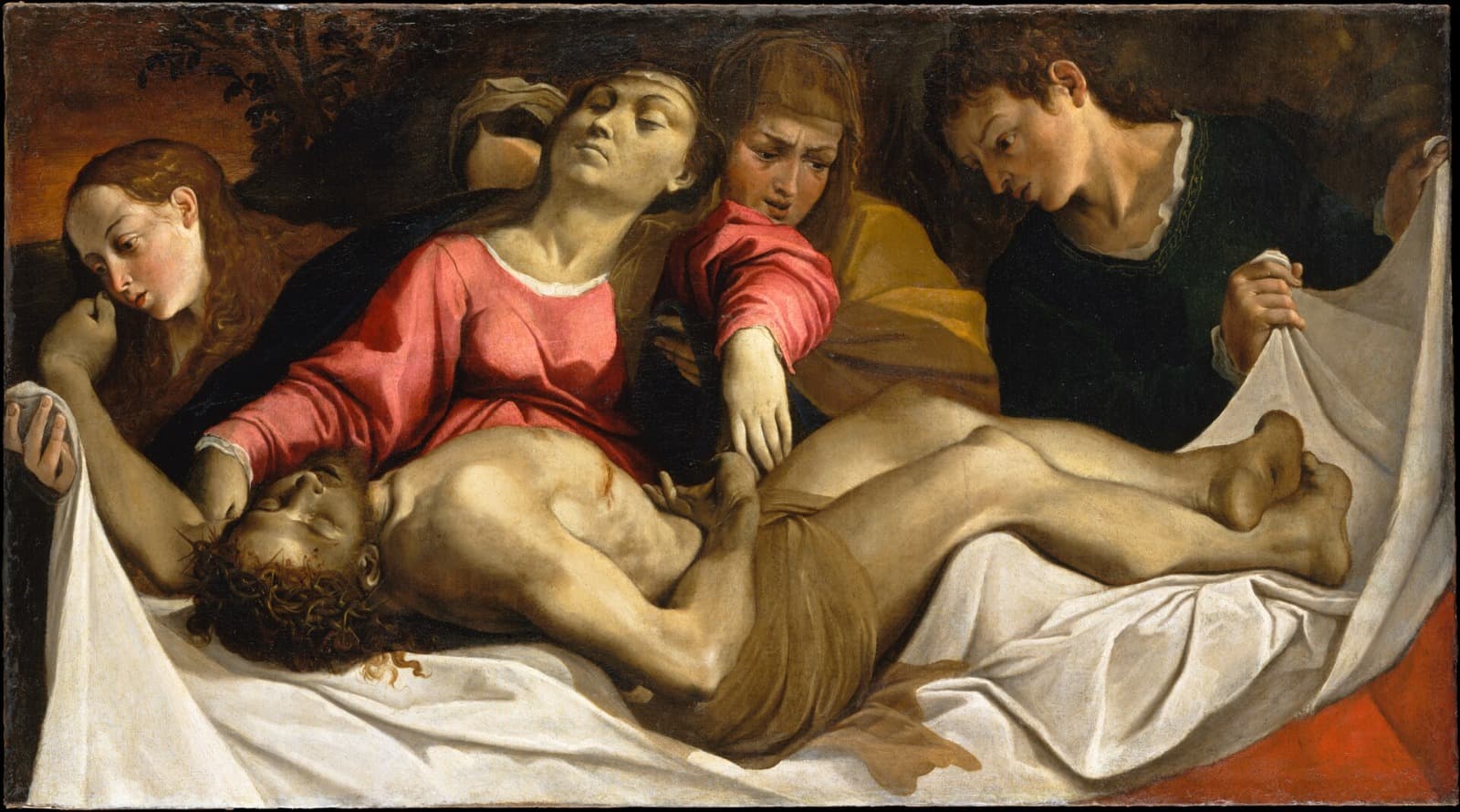
The Lamentation
1582 · Metropolitan Museum of Art, New York City
The body pushed close to the viewer and lit in sharp pools. The Carracci taught a generation to weld grandeur to direct feeling.
★ 4.4
 skopia
The body pushed close to the viewer and lit in sharp pools. The Carracci taught a generation to weld grandeur to direct feeling.
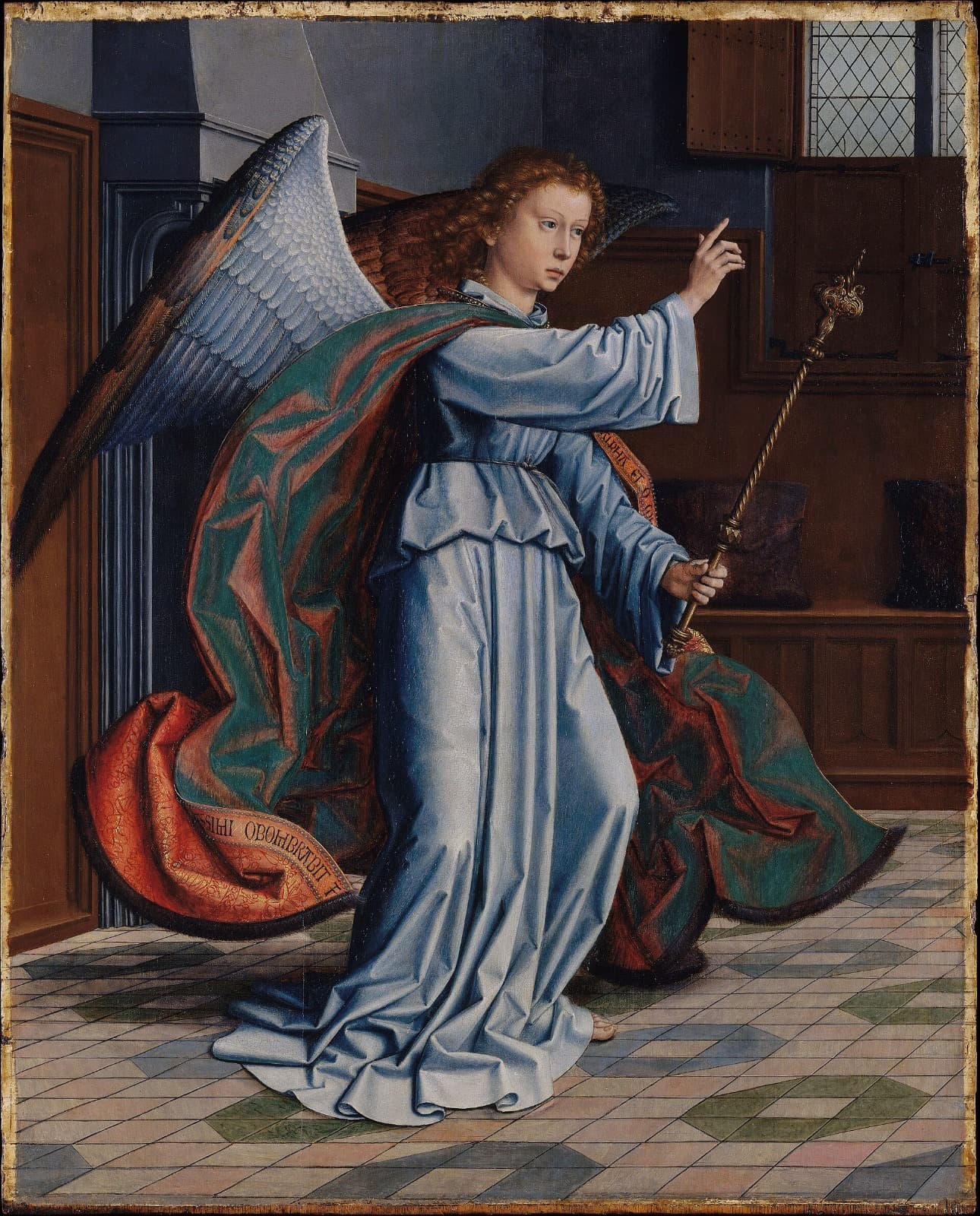
This is only the angel. Mary received the message on a companion panel, and the two now hang together as a pair.
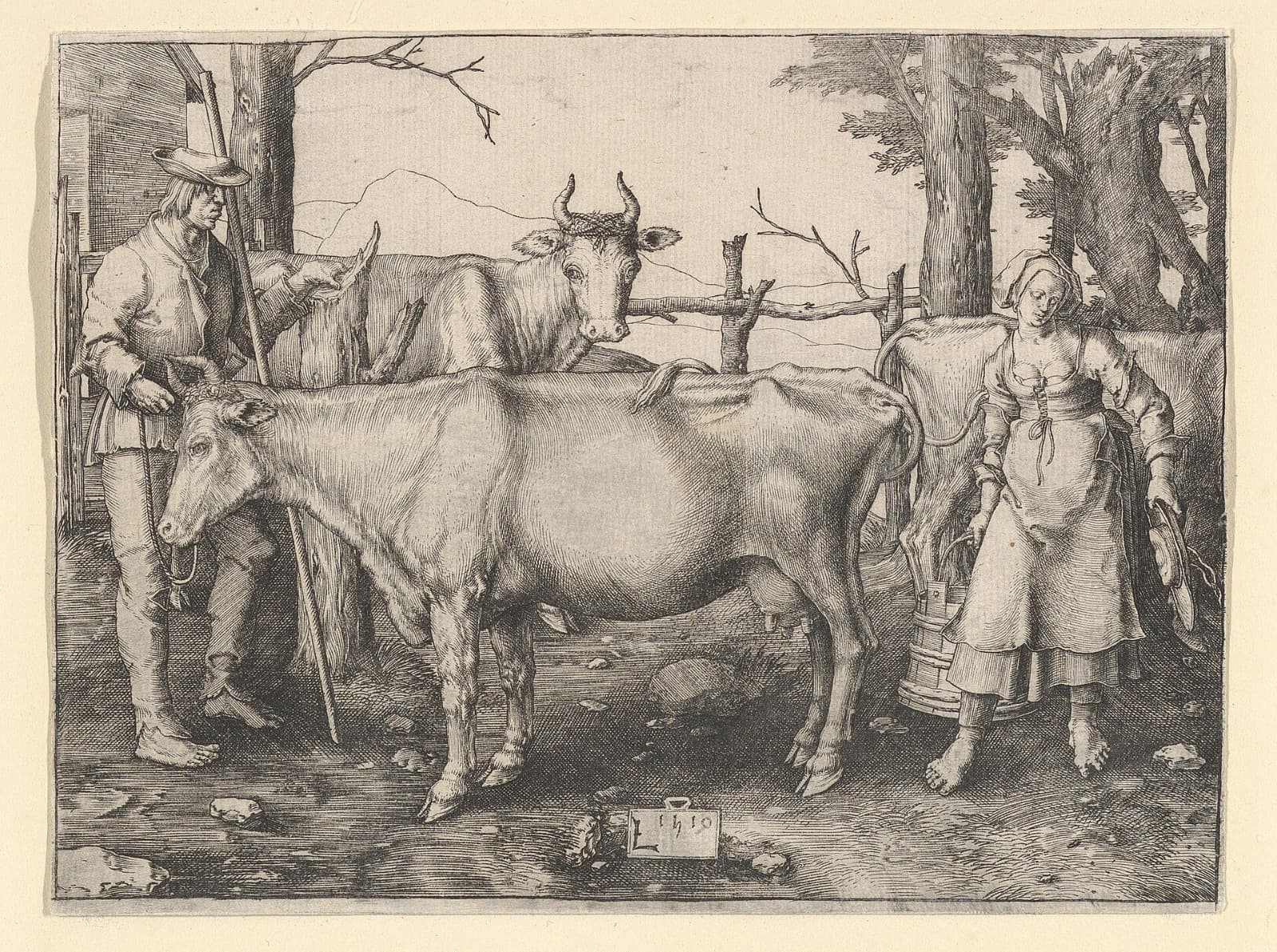
A milkmaid, a herdsman and two cows, and almost nothing happening. One of the first prints to take peasants as a subject worth the burin.

Only the mouth and chin survive, in honey-yellow jasper, and the break seems to concentrate the thing rather than diminish it.

A Union officer faces three captured Confederates and the two halves of the country study each other. Homer had covered the war as an illustrator.

Courbet took the nude to the Salon with her hair loose, her body relaxed, and a parrot on her hand instead of a myth.

Bodhidharma meditates before a broken lattice with the moon behind it. Yoshitoshi is reckoned the last great master of the woodblock print.

When Napoleon carried off the Apollo Belvedere, the Vatican put this on the empty pedestal, a modern work judged fit for the company.

Painted in hot colored beeswax and bound over the face of a mummy. The strokes are still visible and the eyes startlingly present.

El Greco stripped out the crowd and the road and left the face and the embraced wood, a formula he repeated many times for Toledo.
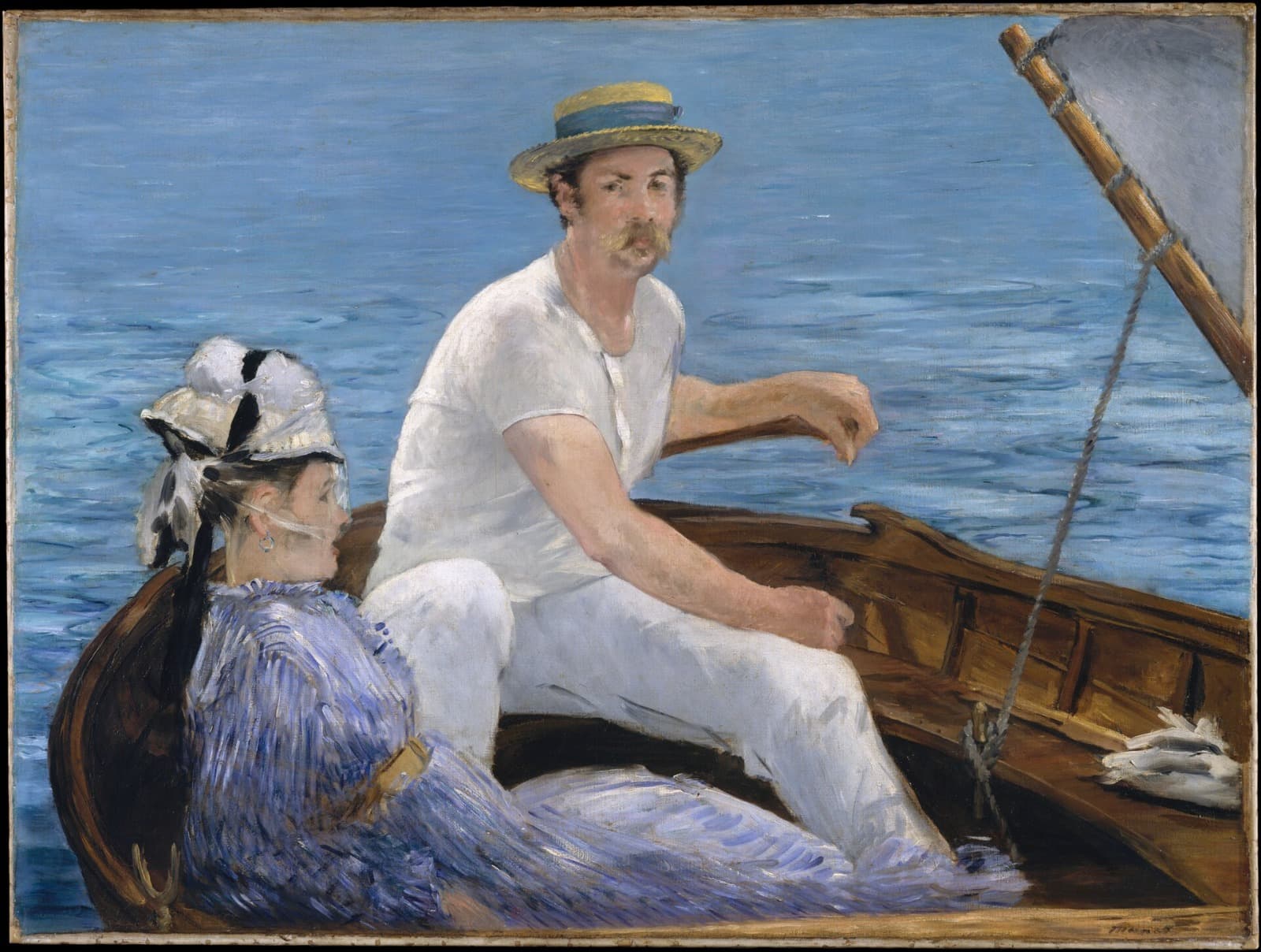
Manet painted this beside Monet at Argenteuil and let the blue water climb all the way to the top edge of the canvas.
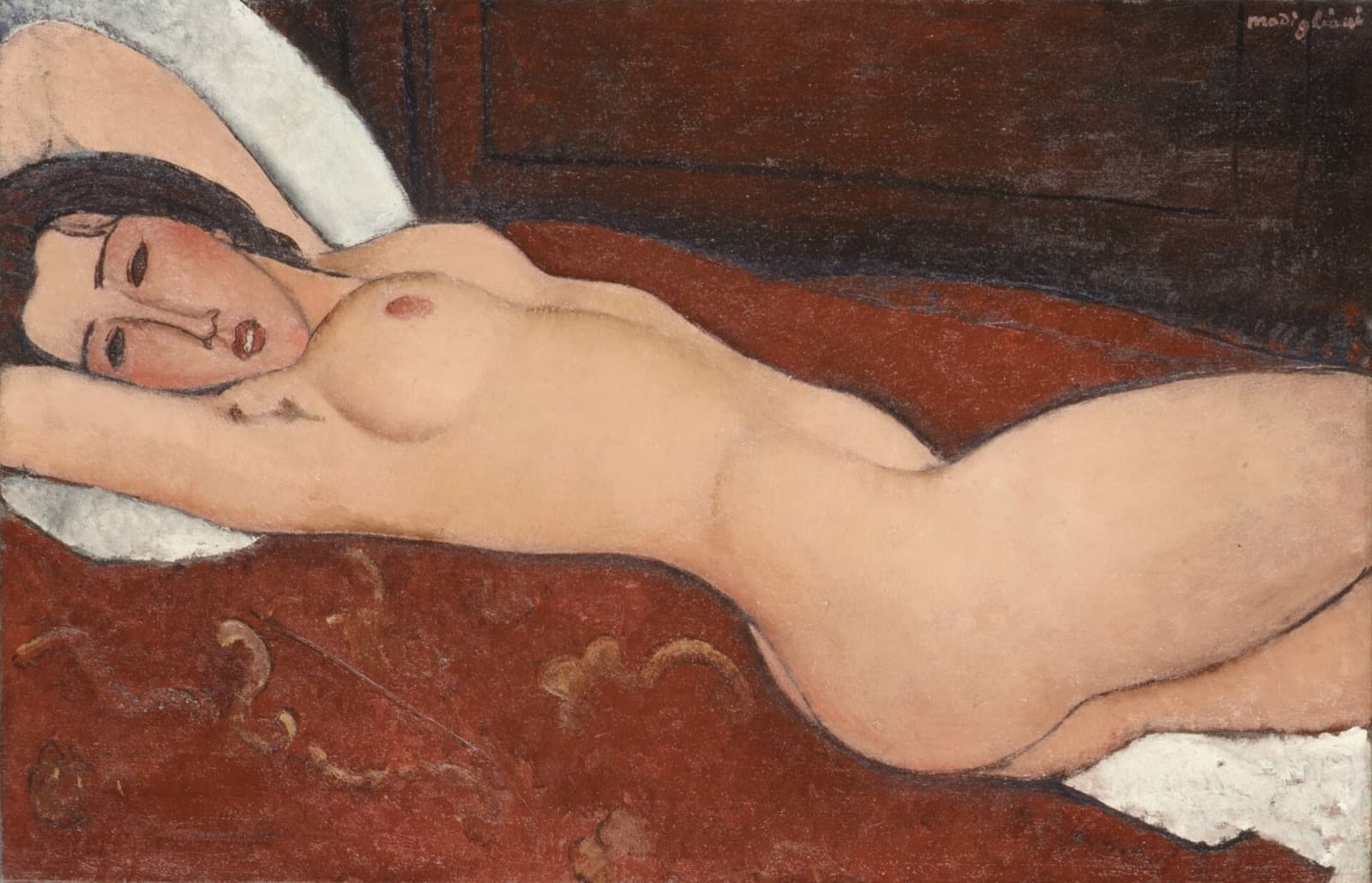
African masks, Cycladic figures and Renaissance Venuses, folded into one long golden diagonal. Among the most expensive paintings ever sold.

Two women in white smile out from the railing while two men in dark cloaks stand behind them in the shadow, watching.

Monet's own father sits among the gladioli on a terrace, and the young painter tips the space up in flat bands like a Japanese print.

A Union jacket lies discarded in the corner while the man who wore it swings a scythe through wheat, which is the whole point.
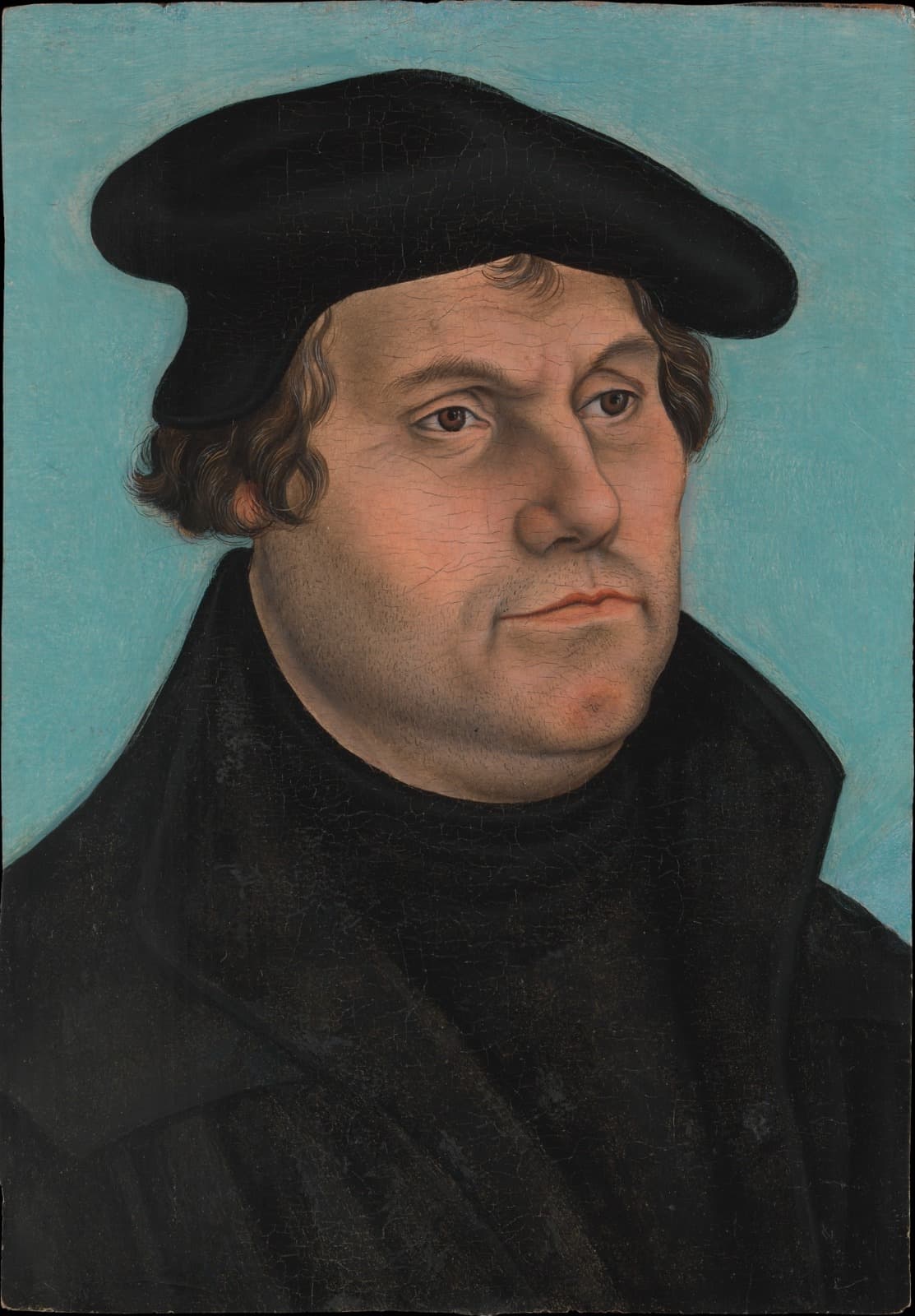
Cranach was Luther's friend and godfather to his children, and his workshop turned out this face by the score for Protestant Germany.
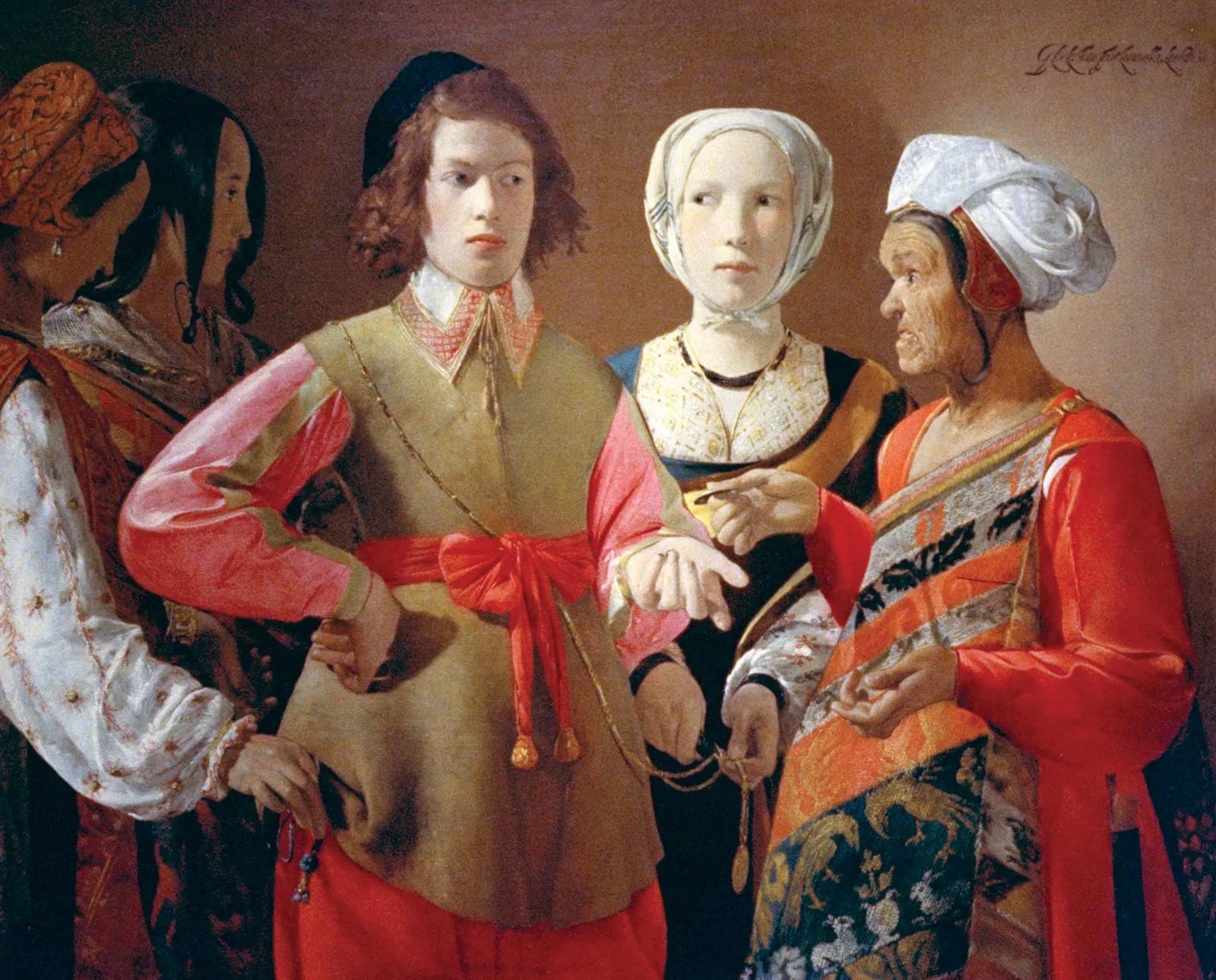
While the old woman reads his palm, three young accomplices are quietly taking his purse and lifting a medal off his neck.
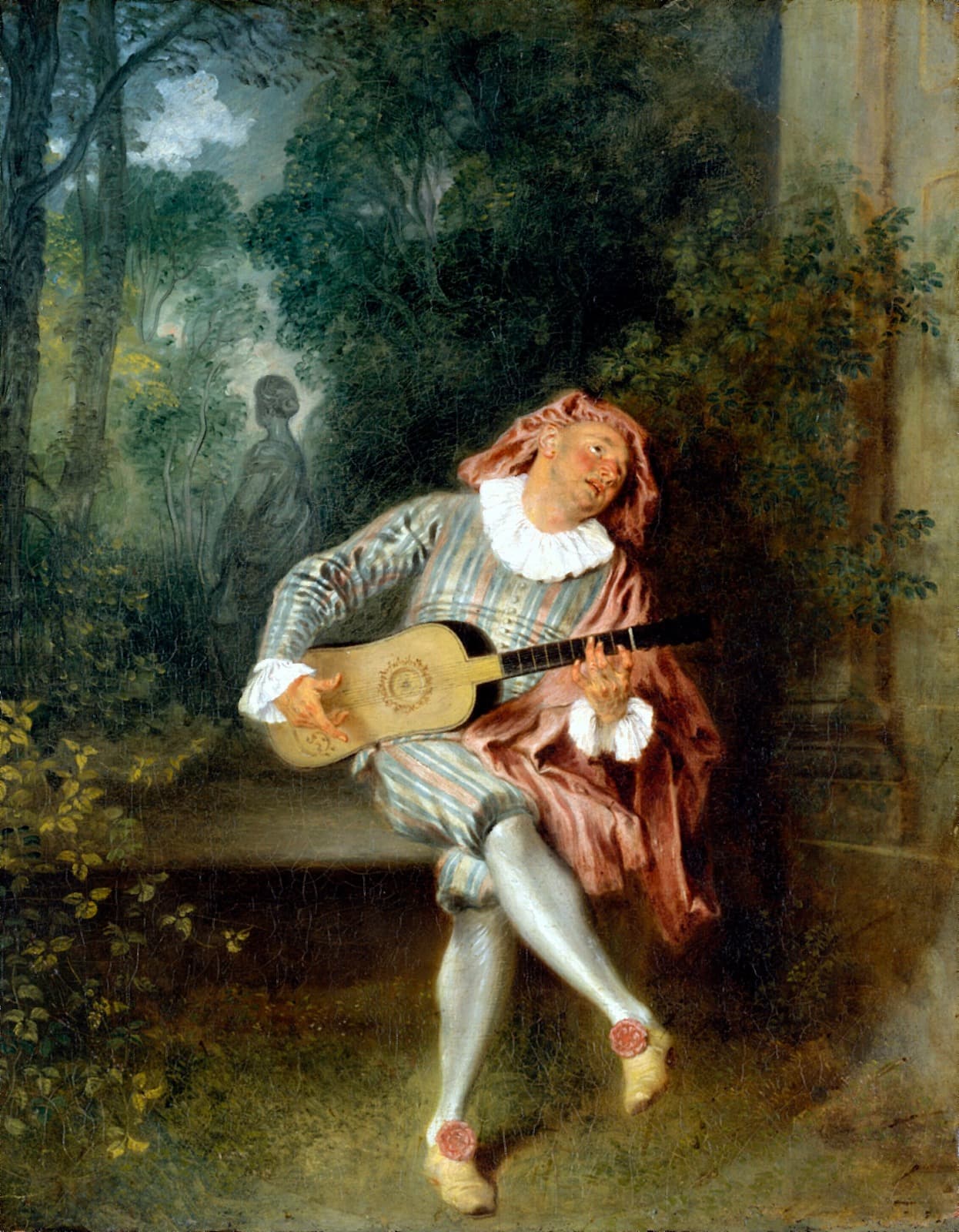
He sings up at a window and nobody comes, while behind him a stone statue has its back turned.

Ugolino bites his own knuckles while his sons starve against his legs, from the passage in Dante where he is tempted to eat them.
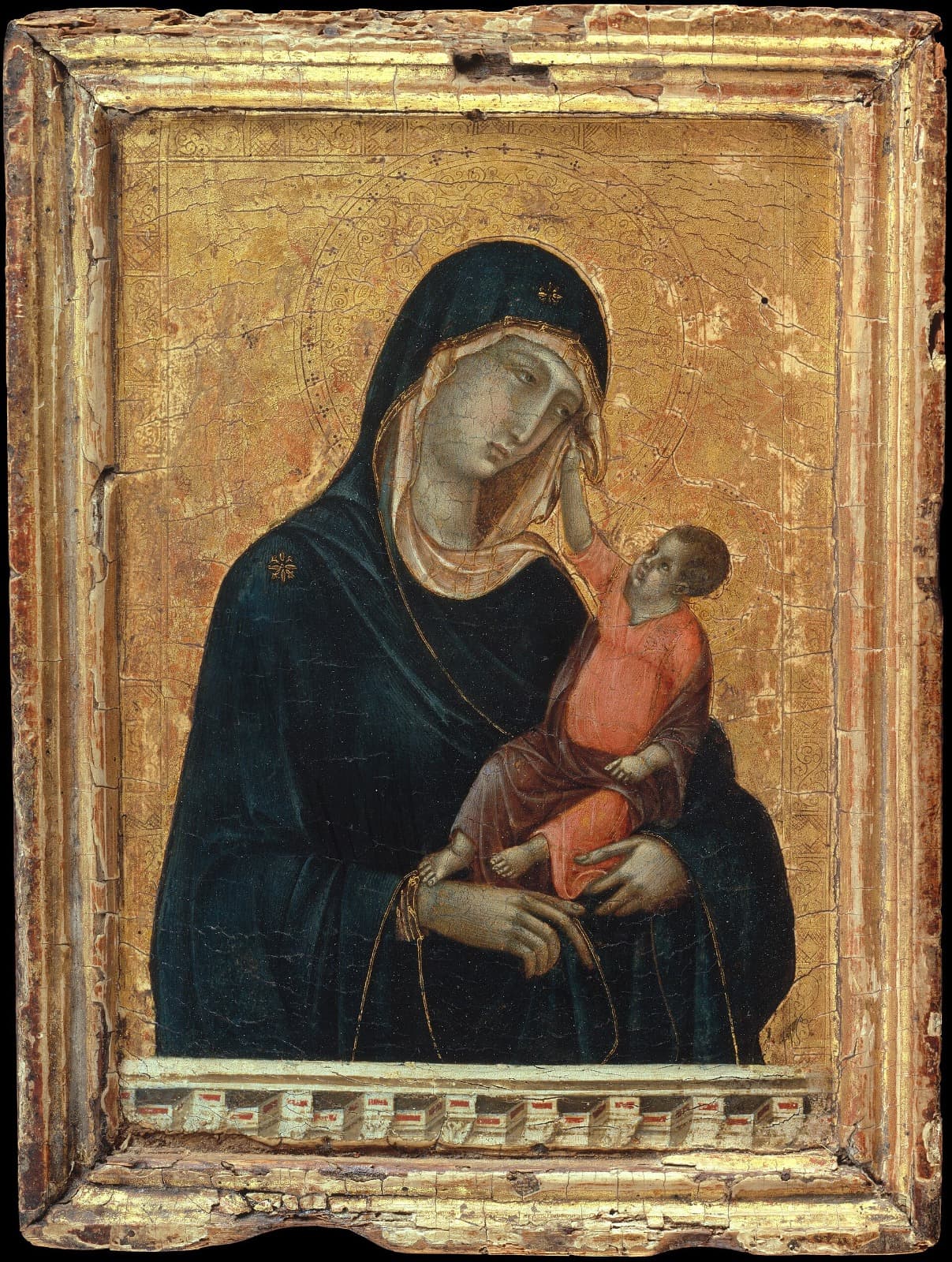
Christ reaches up to push his mother's veil aside. Scorch marks on the original frame record centuries of candles set before it.

Cat, mouse, rabbit, ox and elk stand for the temperaments held in balance, and the cat is about to pounce.
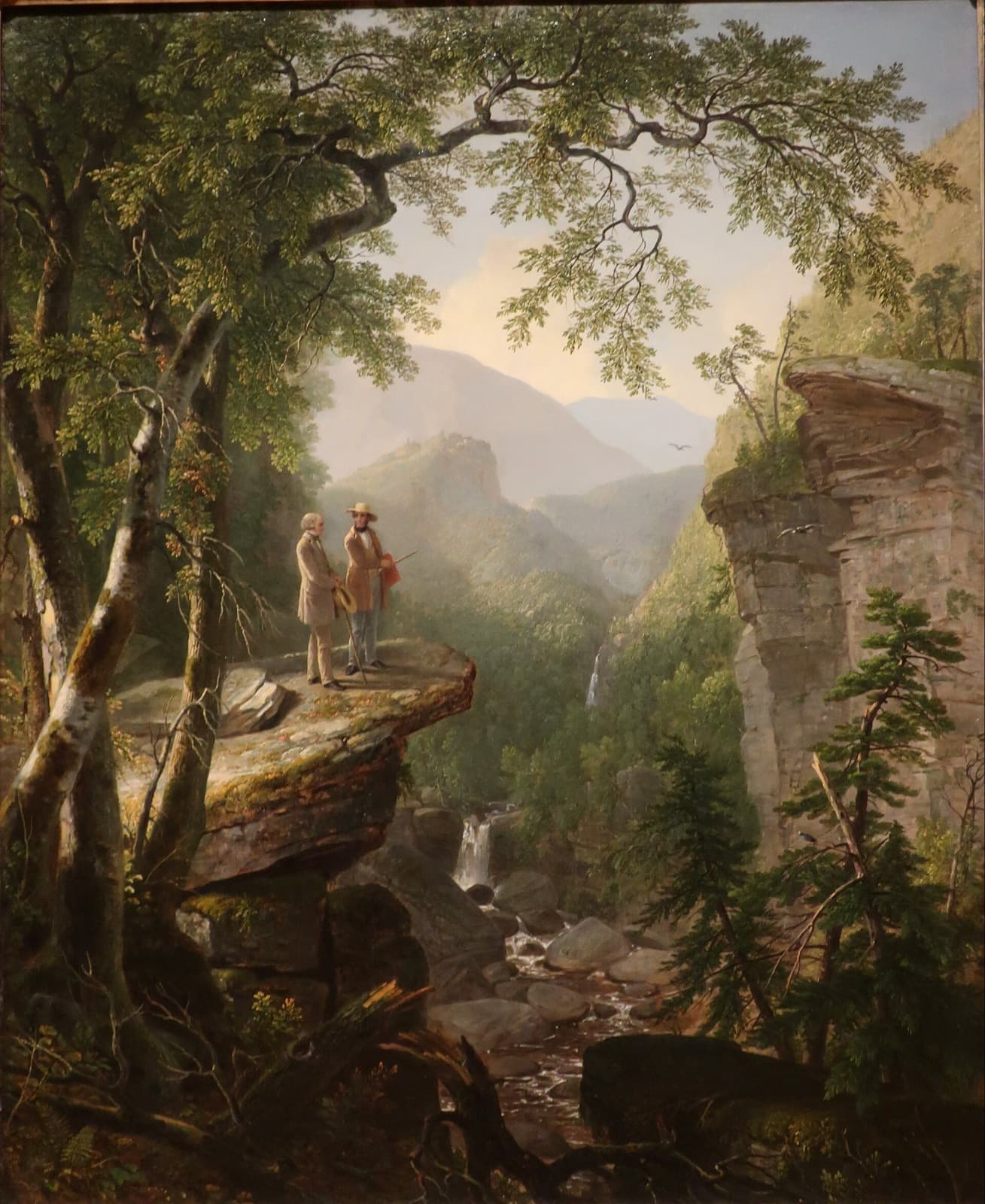
Thomas Cole and the poet Bryant stand on a ledge in the Catskills. Durand painted it as a memorial after Cole died young.

Bierstadt went west with a survey expedition and came home with peaks lit like an opera set, which is what the country wanted.
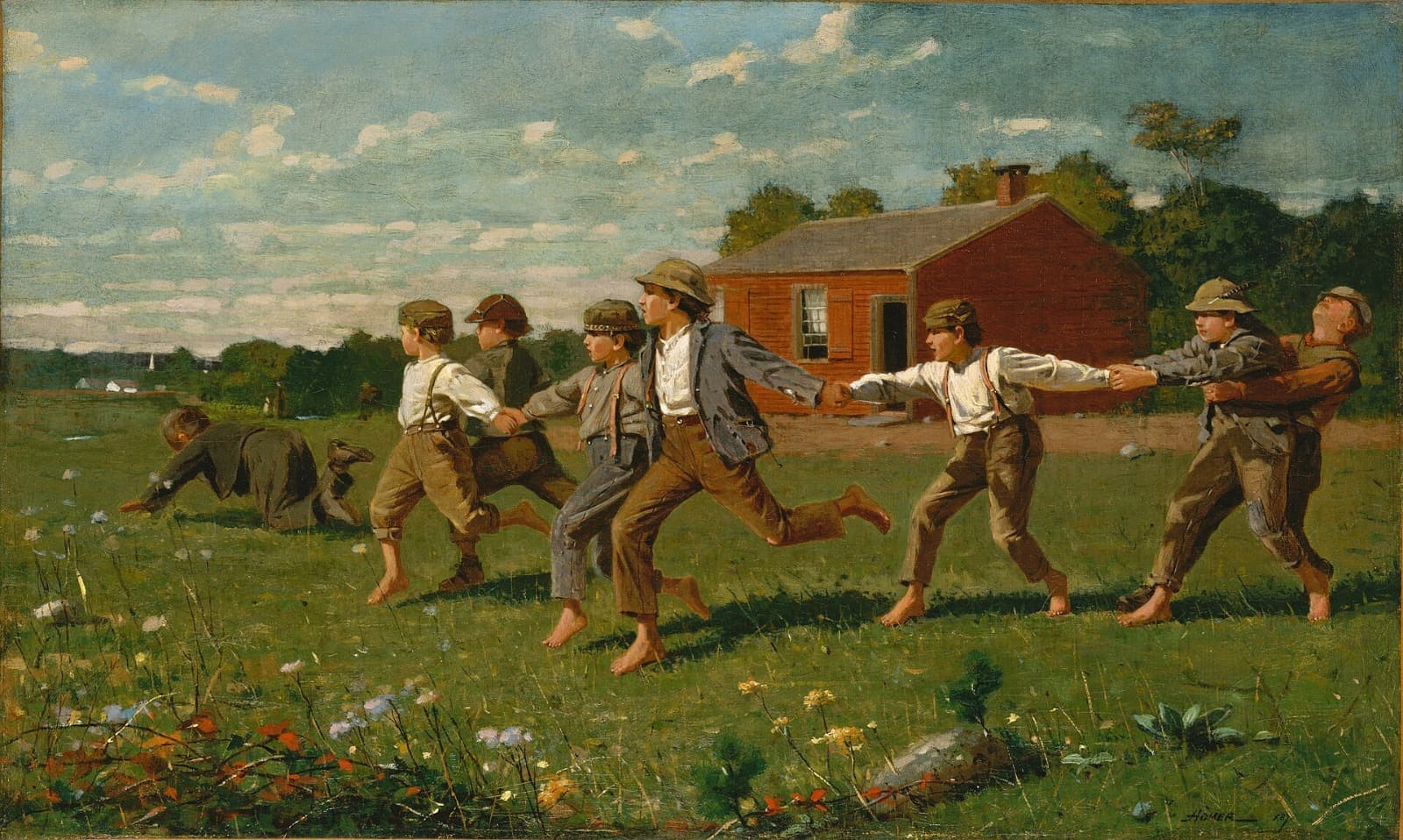
Barefoot boys crack the whip outside a red schoolhouse and the last one is already stumbling. Painted just after the Civil War.
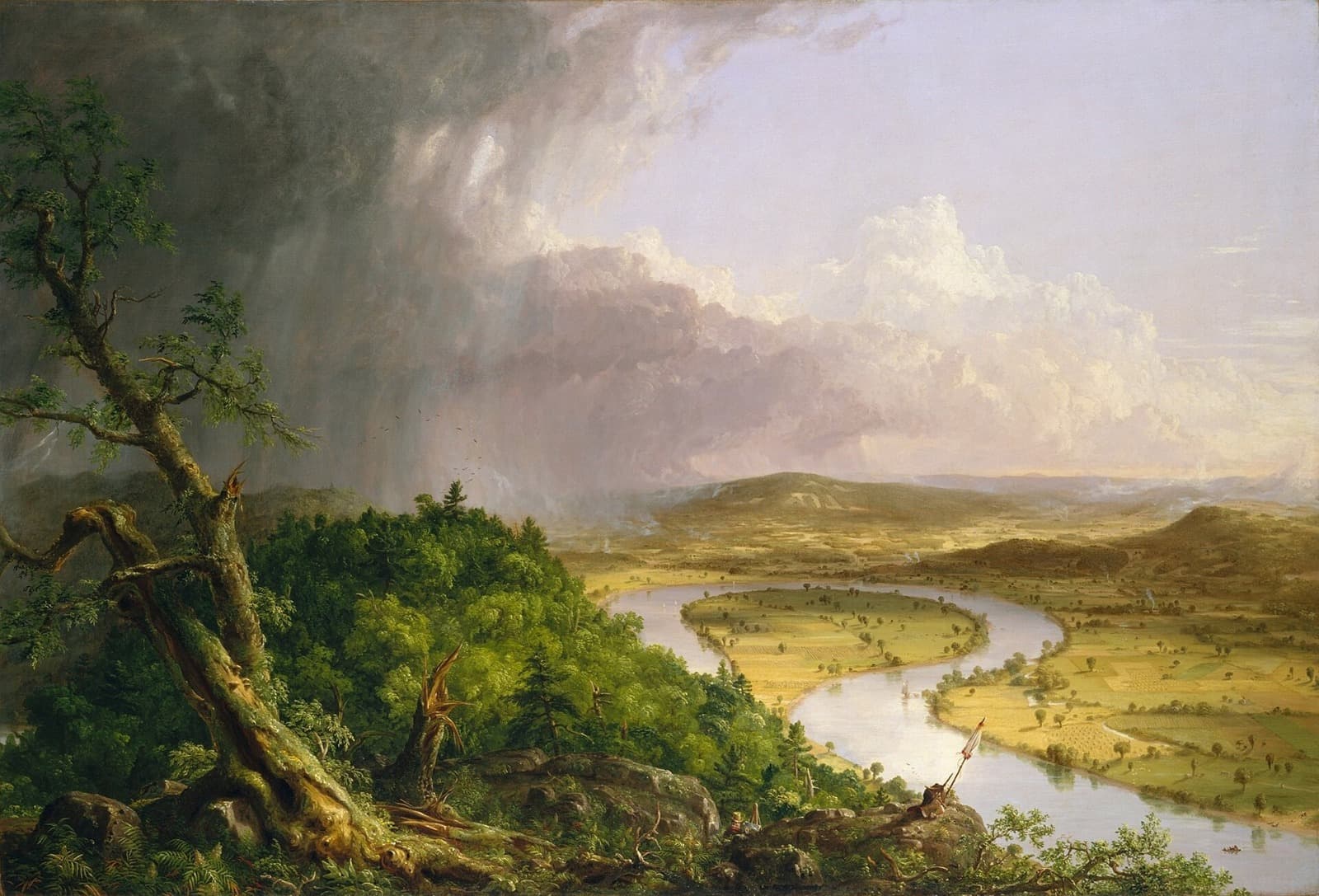
Wilderness under storm on the left, farmland in sunshine on the right, and Cole himself down in the middle, tiny, looking up from his easel.

One hand on the pitcher, one on the window latch, and morning light coming through onto a white cap. Nothing happens, perfectly.

A trapper and his son drift downriver at first light with a chained animal at the prow, the water so still it doubles them.

Almost every detail is wrong, including the flag and the boat, and Leutze painted it in Germany seventy-five years after the fact.

Monet and Renoir set up side by side at this riverside resort and worked out the quick broken stroke that became Impressionism.

Socrates reaches for the hemlock without looking at it, still arguing with his other hand while his students fall apart around him.

Van Gogh loved the cypress and compared it to an Egyptian obelisk, then set one flaming up the right side of a Provençal field.
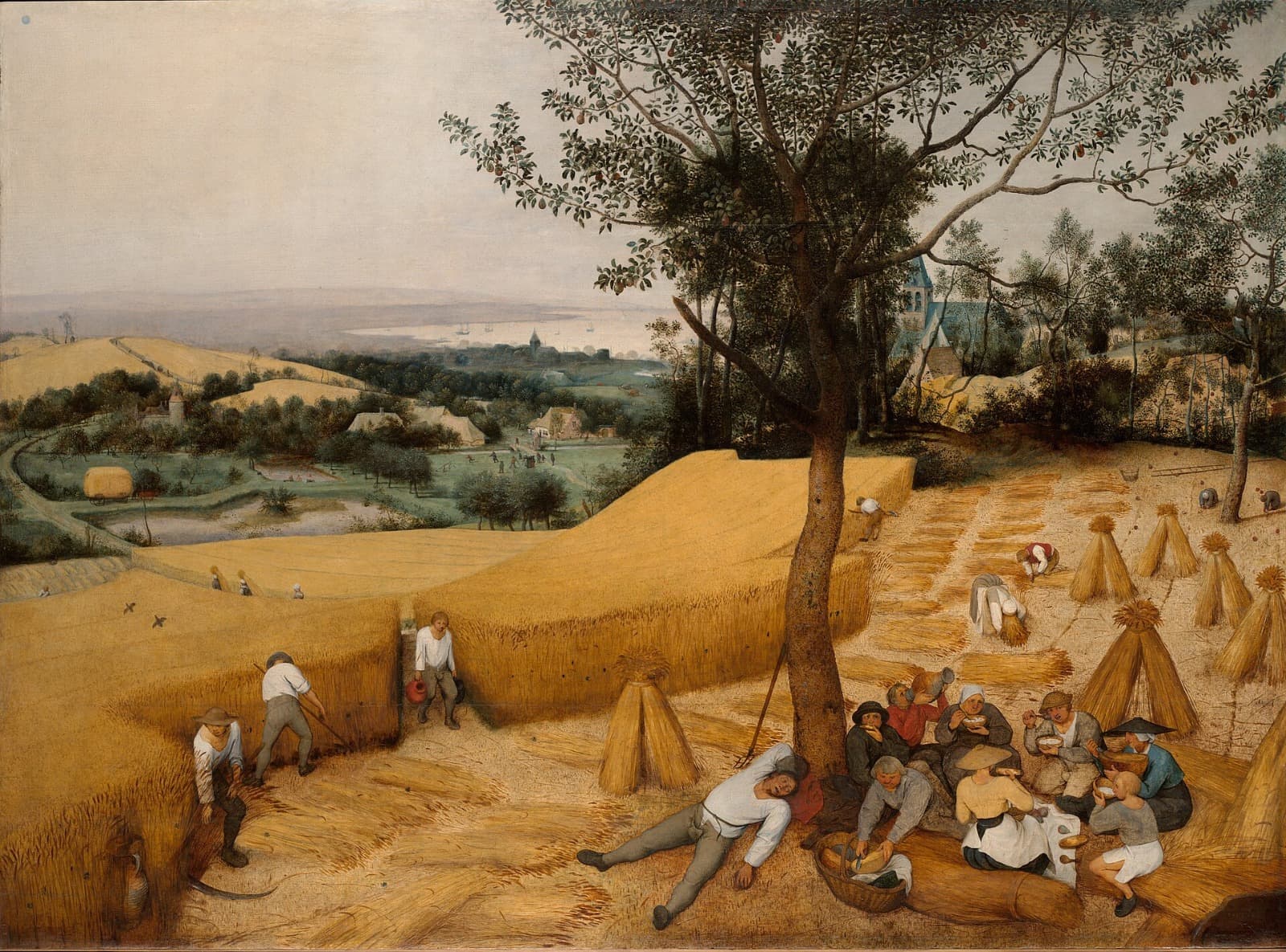
One man lies flat on his back with his mouth open while the others cut wheat. Late summer, from the same series of months.

Pareja was Velázquez's enslaved assistant, freed soon after this was painted in Rome as a warm-up before the pope sat for him.

Sharaku made about 140 actor prints in ten months and then vanished so completely that people still argue about who he was.
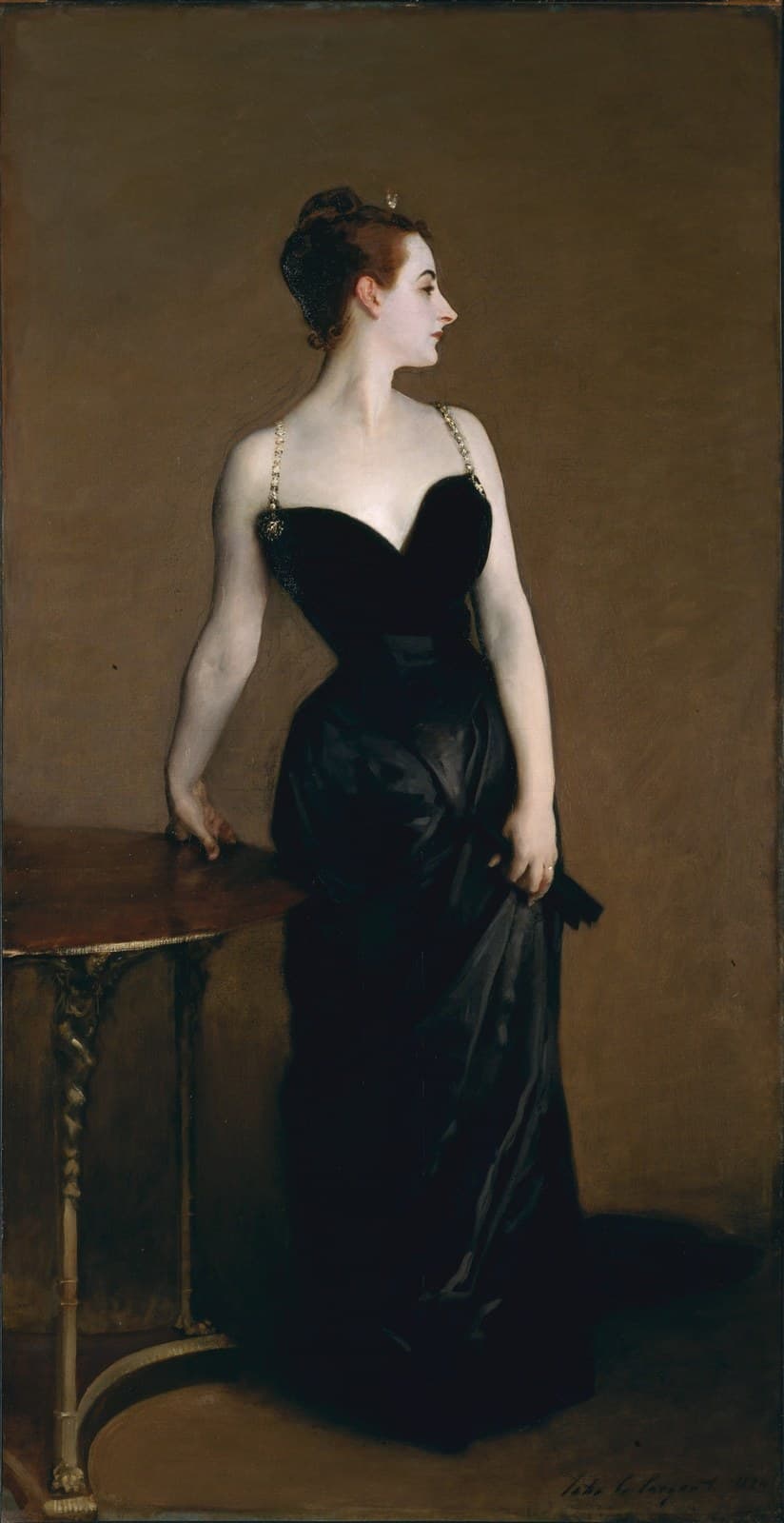
The strap fell off her shoulder in the 1884 version, Paris was scandalized, her family demanded it come down, and Sargent repainted the strap.
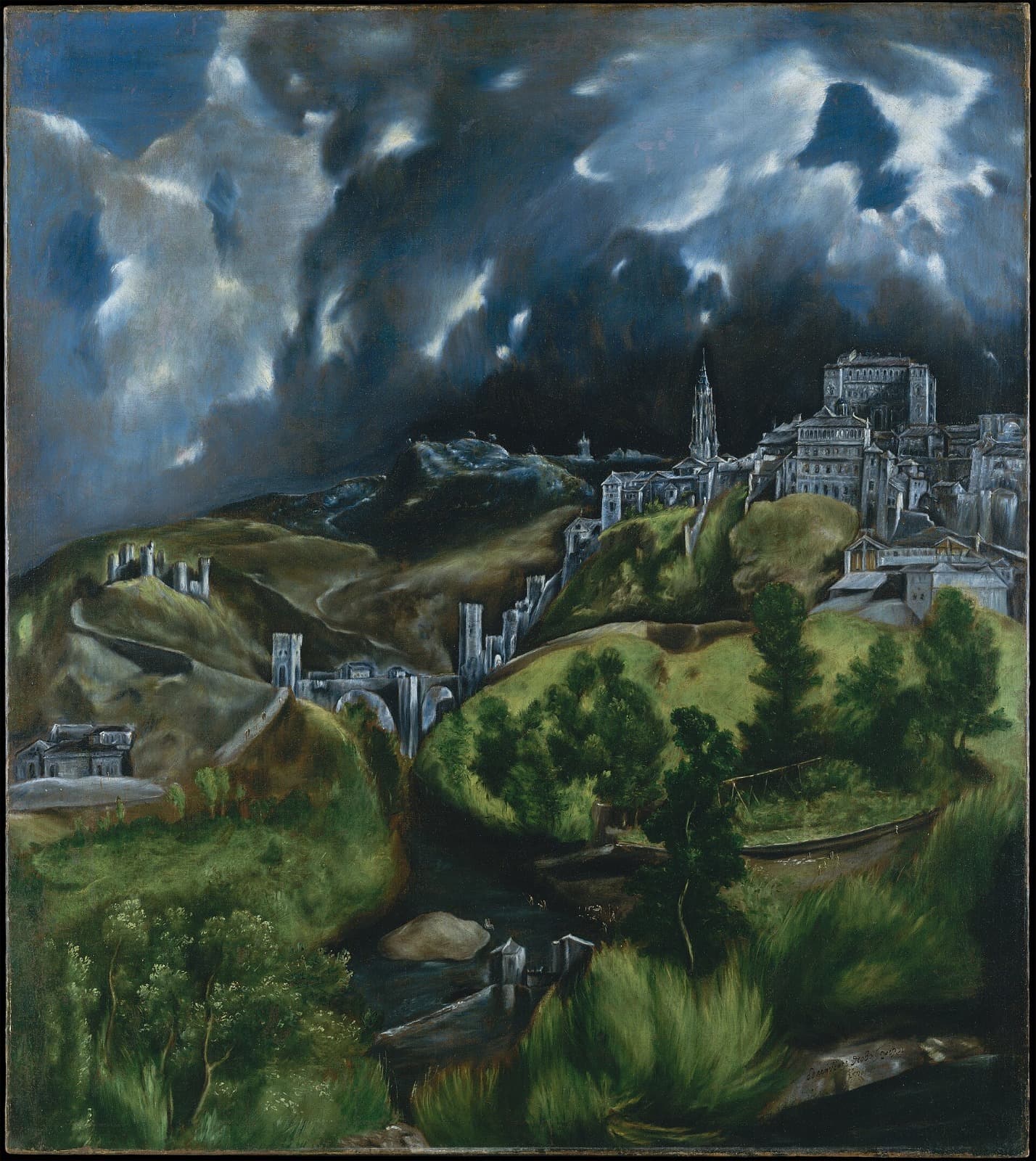
El Greco moved the cathedral tower off its real site for the sake of the composition and lit the whole city with a green storm.
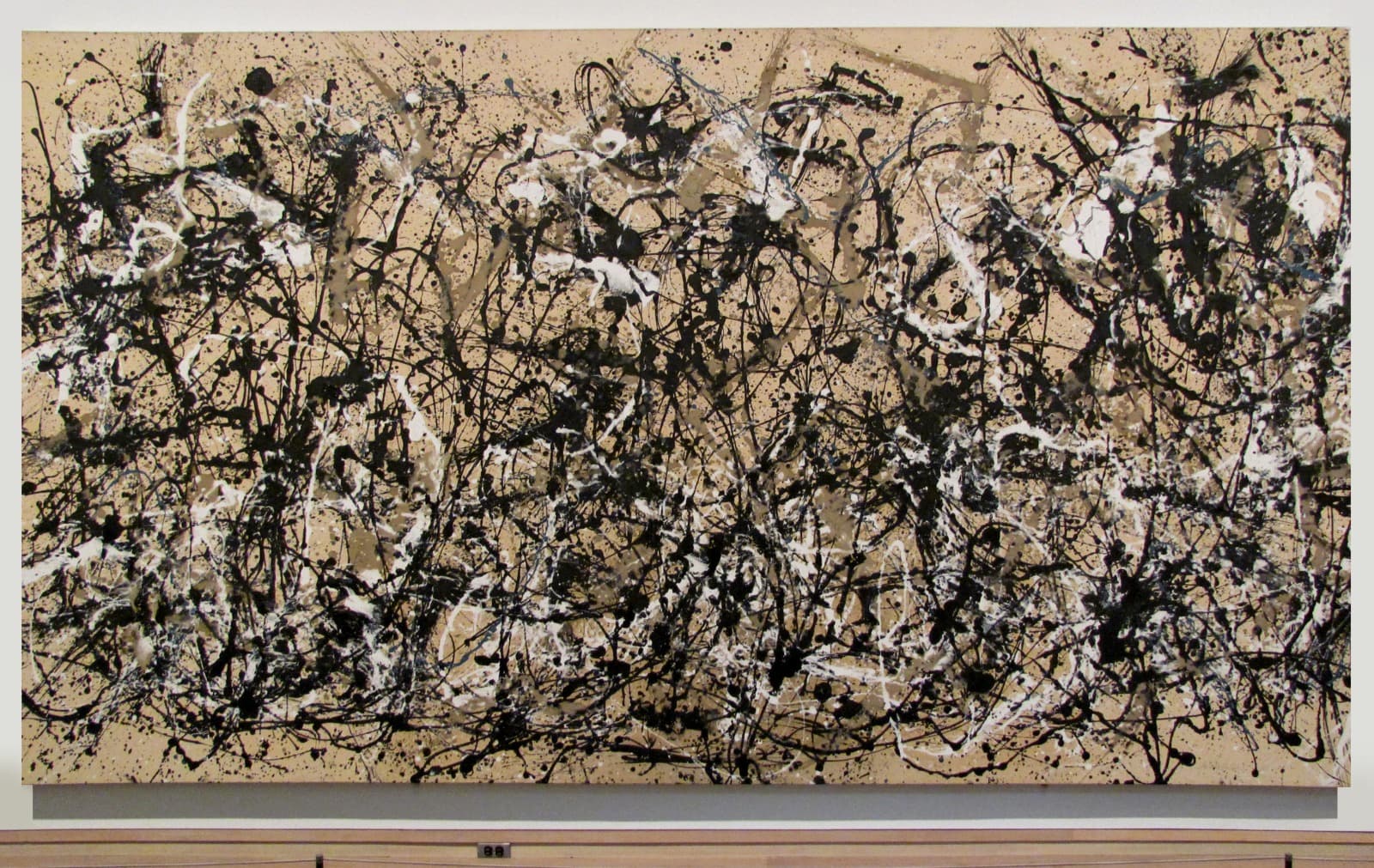
Pollock worked on the floor and moved around the canvas instead of standing at an easel, laying black enamel across raw cotton in 1950.
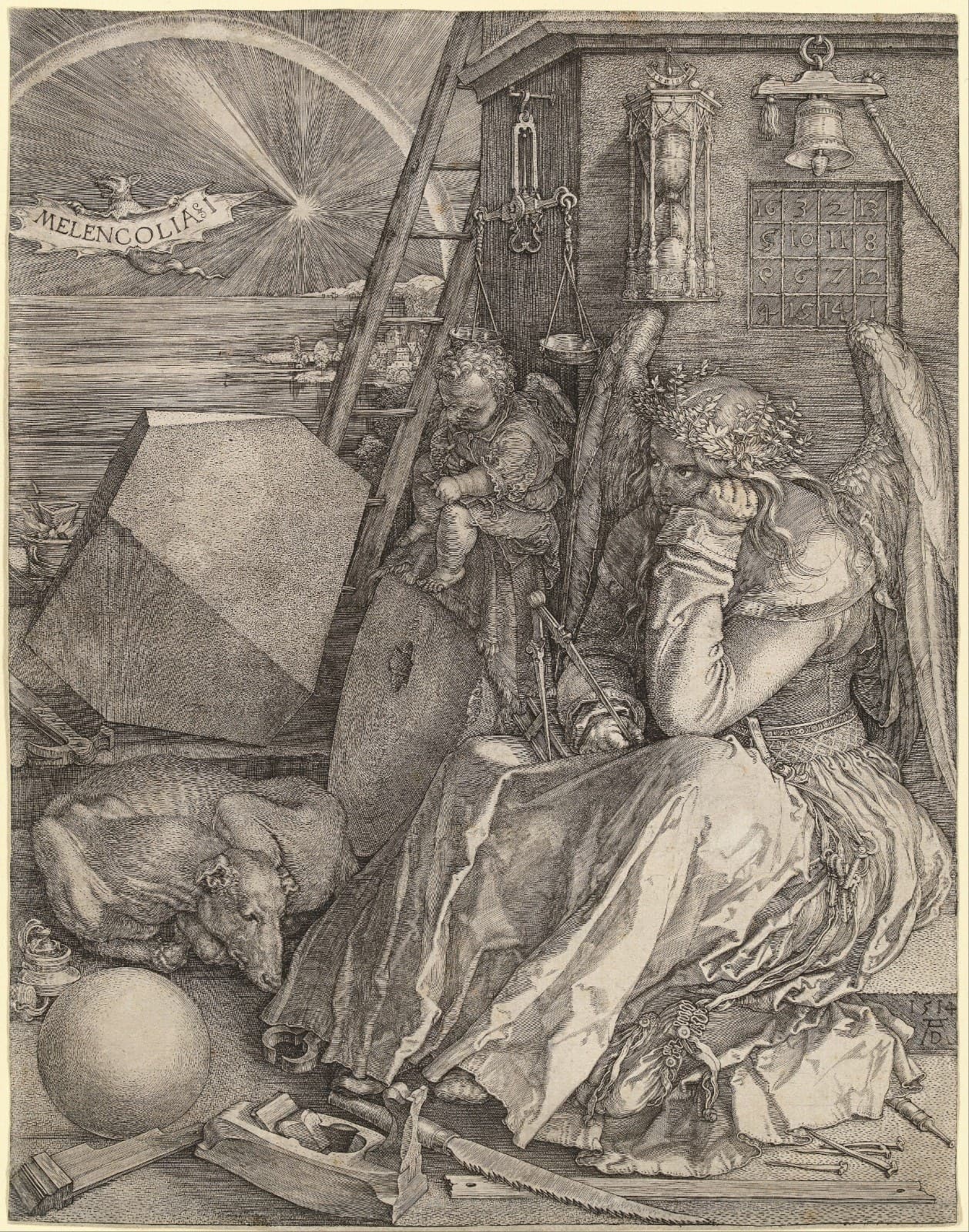
A winged figure sits with her compass idle among abandoned tools, and no print in history has drawn more scholarly argument.