
Young Woman Sleeping
1654 · British Museum, London
A few sweeps of brush and brown ink, most of the paper left bare, and the whole weight of a sleeping head is there.
★ 5.2
 skopia
A few sweeps of brush and brown ink, most of the paper left bare, and the whole weight of a sleeping head is there.

Bacon started from a snapshot of a friend dozing in a park and then removed the head, the identity and the ease.

The episode appears in no Gospel at all, and Altdorfer nearly buries the figures under a forest of enormous trees and luminous sky.

Neptune drives his trident down to still the waters. It was made for a fountain, so real water once finished the sculpture.

Bare priming still shows where the Virgin was meant to sit. Michelangelo probably set it aside to go back to Florence and carve the David.
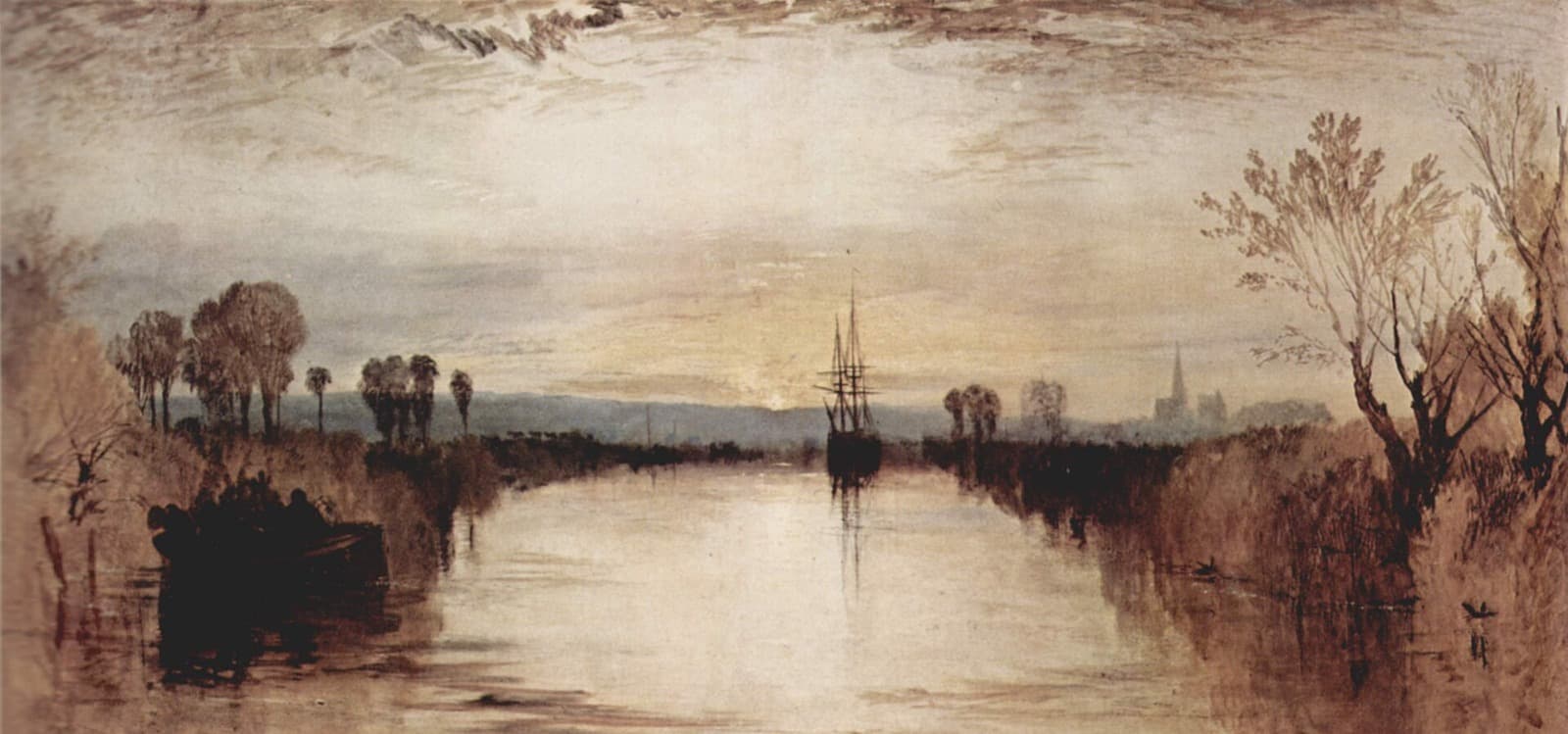
Masts stand black against a sky going from gold to soft blue, and almost nothing else in the picture is solid.

Spartan girls taunt the boys into wrestling, and Degas made the bodies awkward rather than ideal, which is not how history painting was done.

He swivels over his shoulder to look at you, holding a block that nobody can identify, and his name has been lost entirely.
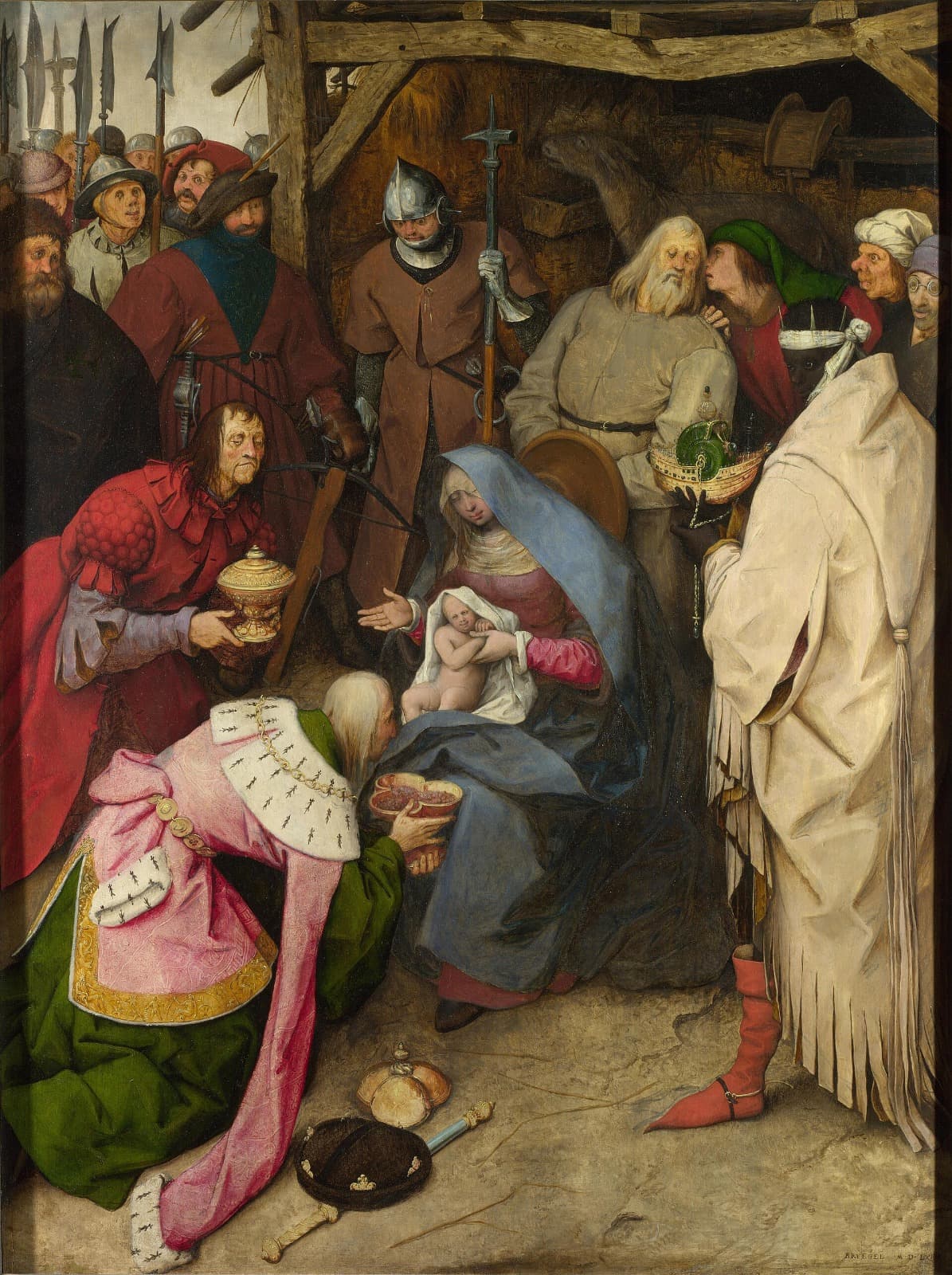
Bruegel gives the holy figures plain faces and surrounds them with gawkers and whisperers, which makes reverence hard to come by.

Richelieu appears three times on one canvas so that a sculptor in Rome could carve a bust without ever meeting him.

One vast skeleton pushes through a torn bamboo blind, where the convention had always been crowds of small phantoms. Three sheets wide.
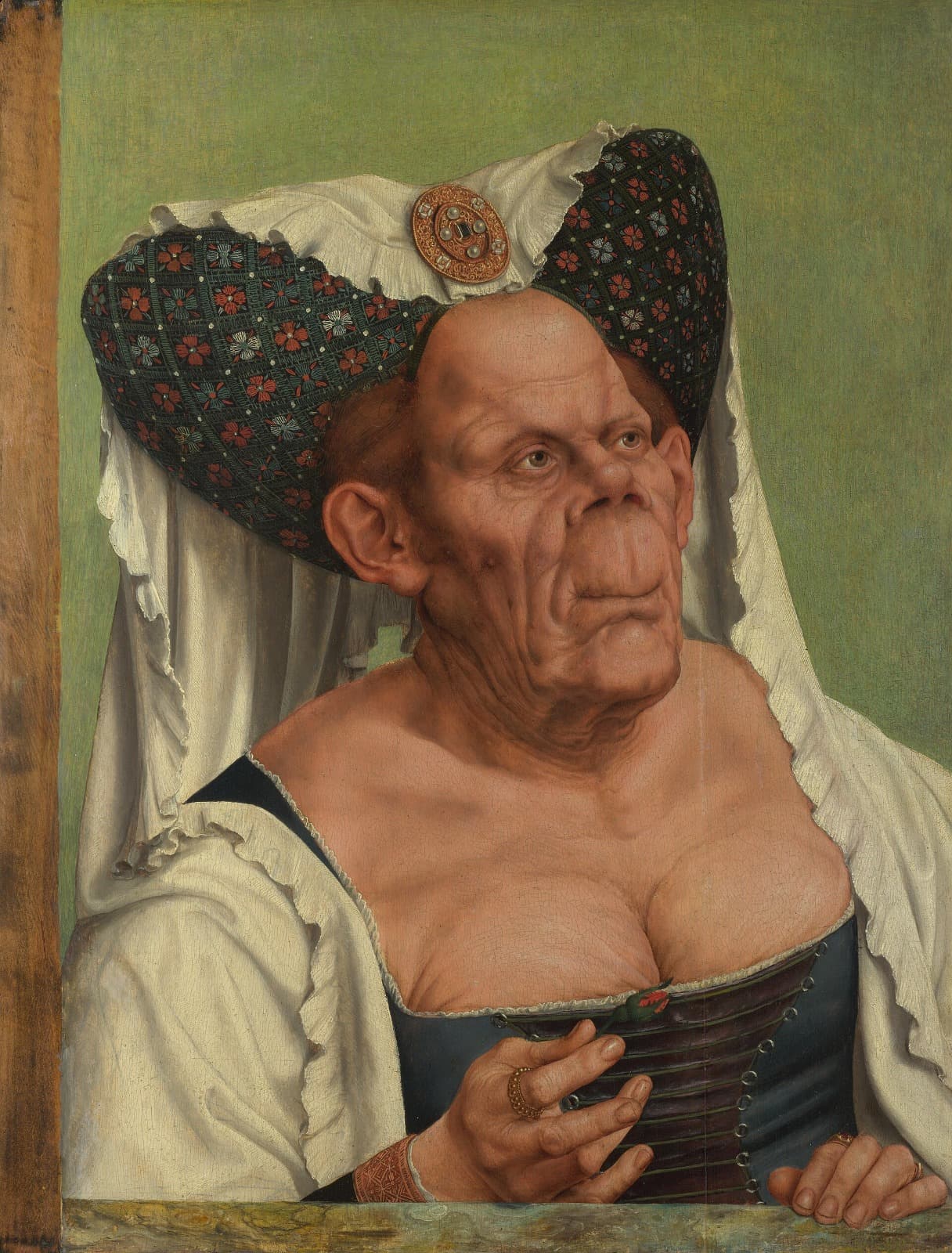
Satire on old age aping youth, in a headdress two generations out of date. Tenniel used her for the Duchess in Alice in Wonderland.

Splintered stumps and shell craters under a cold sun, and Nash gave it that title on purpose, as an official British war artist.

A satyr kneels and touches the dead woman with extraordinary gentleness while her dog keeps watch and wading birds stand along the shore.

The kneeling figure on the left is the same shape as the stone hand on the right, holding an egg with a flower coming out.

Mantegna carved the rock like an engraver while Judas already leads the soldiers down the road. His brother-in-law Bellini painted the same scene, softer.

A red cap, a parapet, and a gaze that meets yours. Antonello brought the Netherlandish portrait into Italy and killed off the profile.

The princess has the dragon on a leash made from her own belt, and a spiral storm cloud winds up behind the saint.

Lazarus heaves upright still wrapped in his shroud while the crowd recoils from the smell. Michelangelo supplied drawings to help beat Raphael.

Marie-Thérèse asleep beside a sculpture of her own head and a philodendron, from the year Picasso could seemingly do nothing wrong.

Pissarro painted these boulevards from a hotel window over and over, but only once after dark, the gaslight smeared across wet pavement.
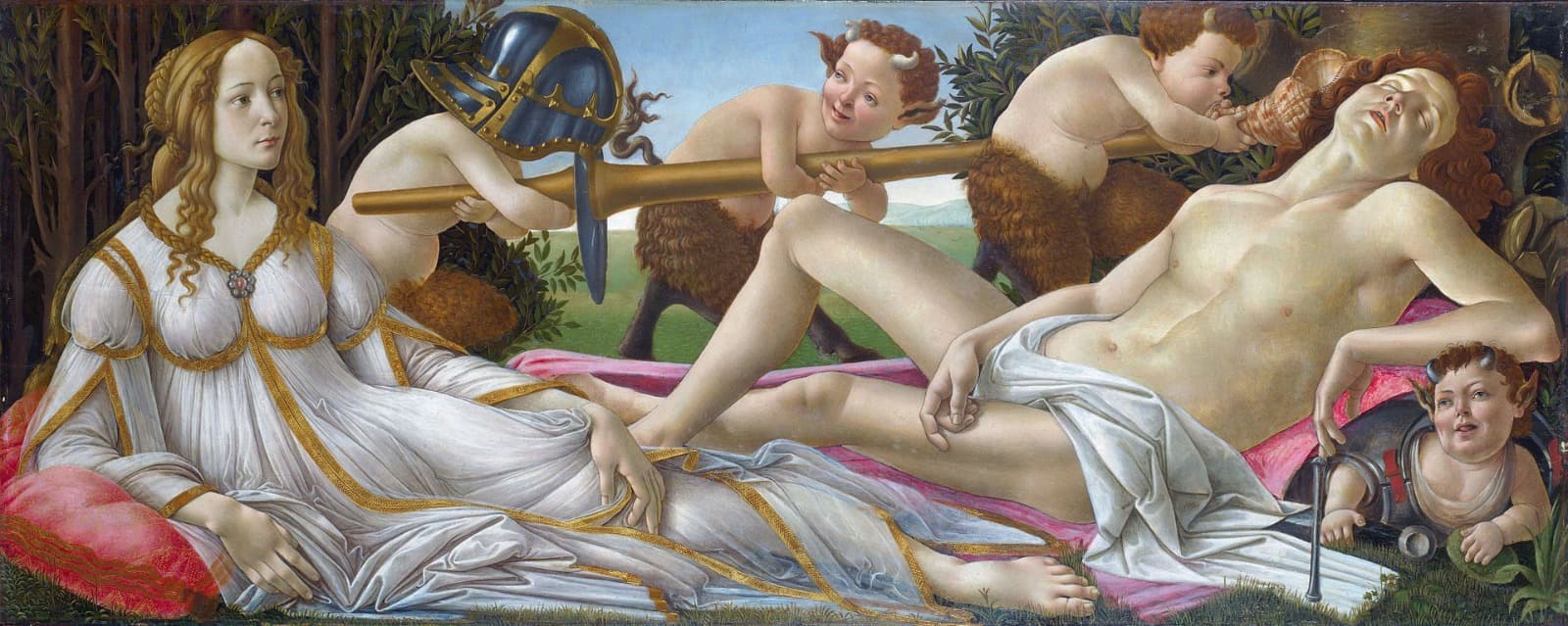
Mars sleeps the sleep of the spent lover while satyrs make off with his lance, one blowing a conch in his ear without waking him.
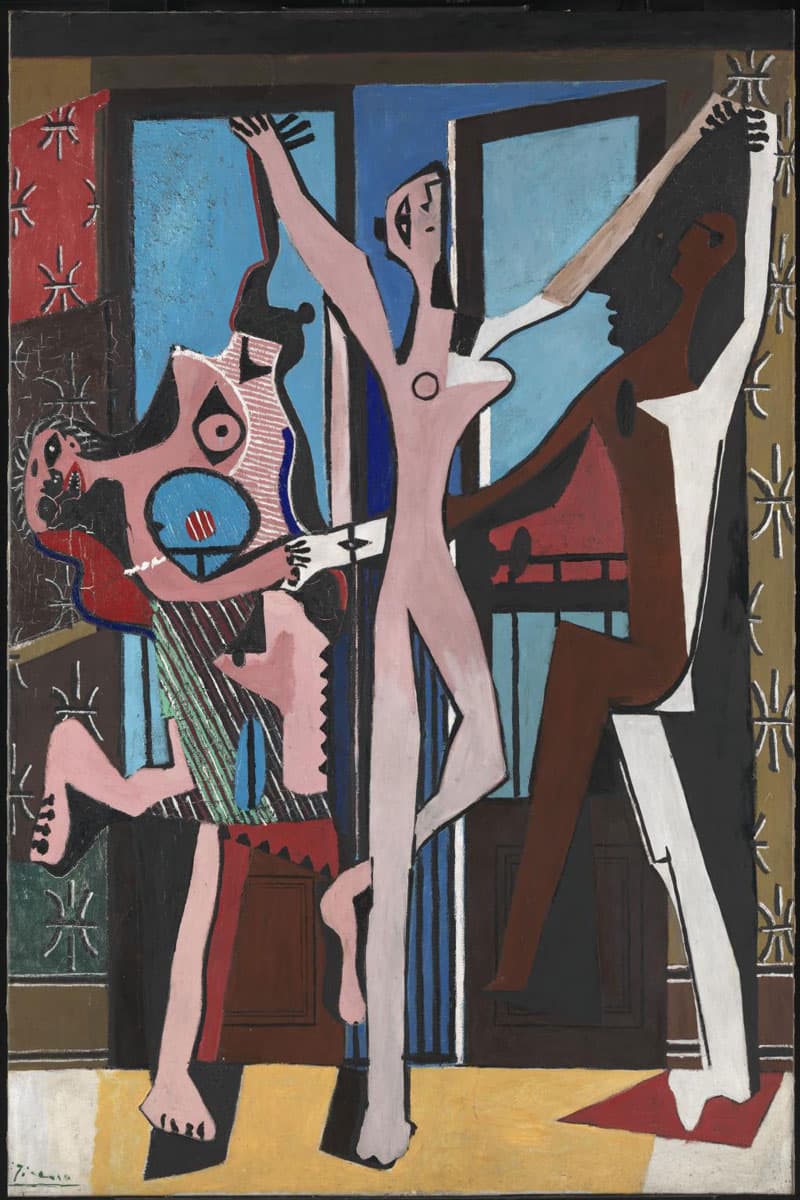
Picasso's classical calm breaks here into something jagged and violent, the limbs flung out almost crucified, set off by the death of an old friend.
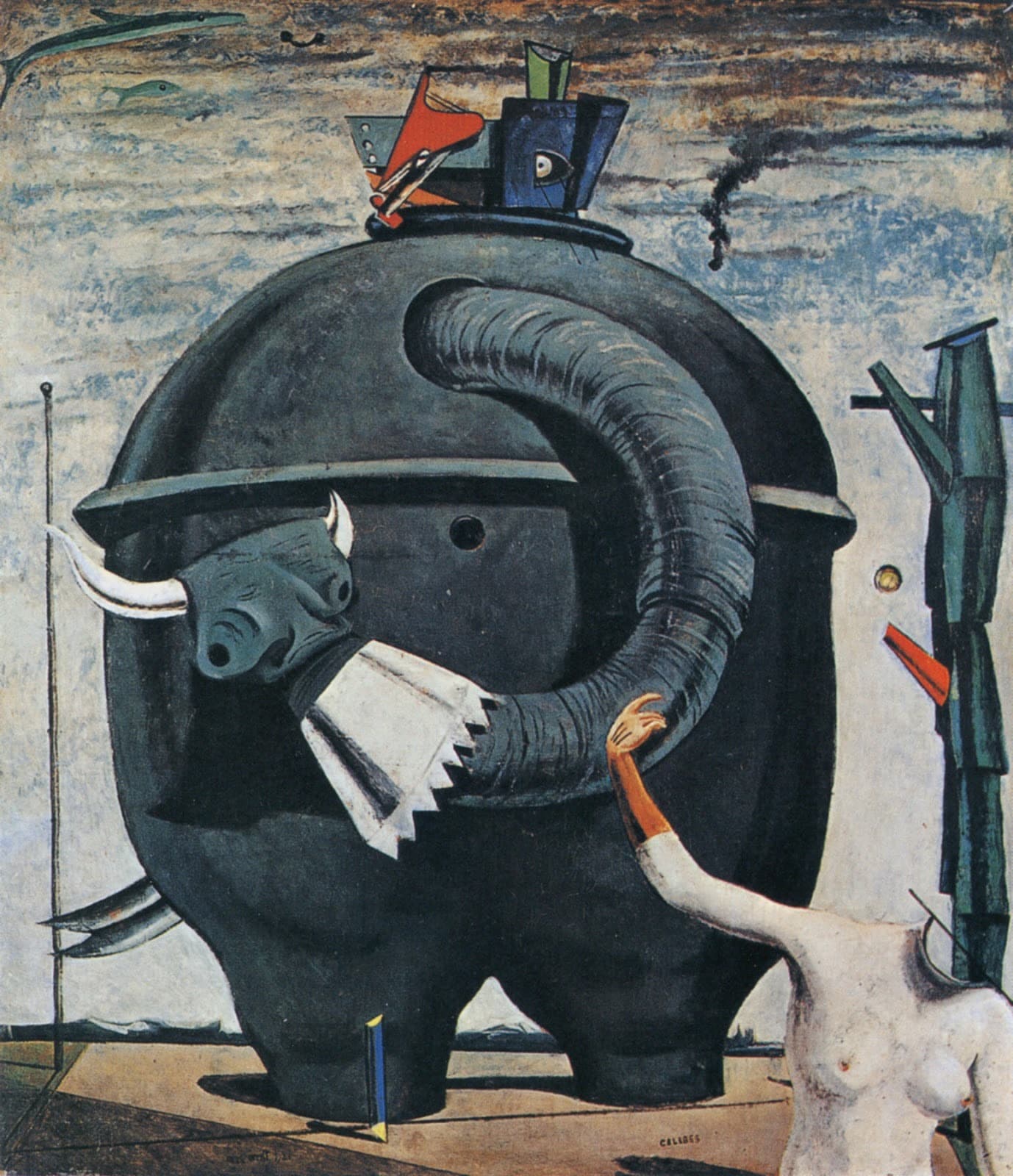
Part boiler, part elephant, with a tusked hose coming out of its head. Ernst took the shape from a photograph of an African grain bin.

Saint Ursula is on the quay somewhere, but the real subject is the light coming up the water between the palaces at dawn.

The sun sits low over a glassy harbor and floods everything. Turner admired it so much he insisted his own work hang beside it.
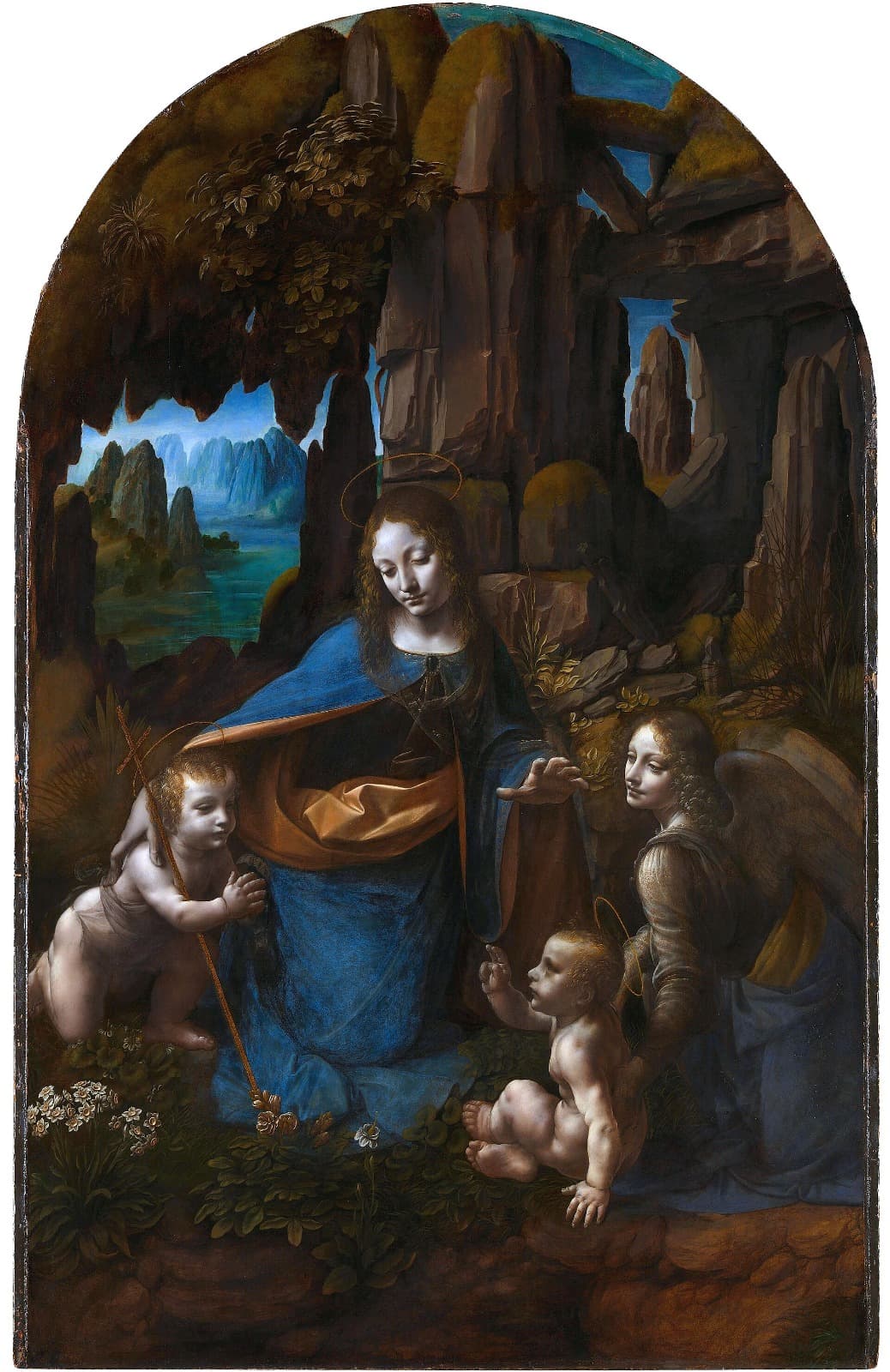
The second version, painted to settle a long quarrel with the confraternity. Everyone now has a halo and the angel has stopped pointing.

Bellini painted the brocade thread by thread and turned the official portrait from a profile on a coin into a man met face to face.

Erasmus rests his hands on a book whose edge is inscribed The Labors of Hercules, his own joke about how much scholarship costs.
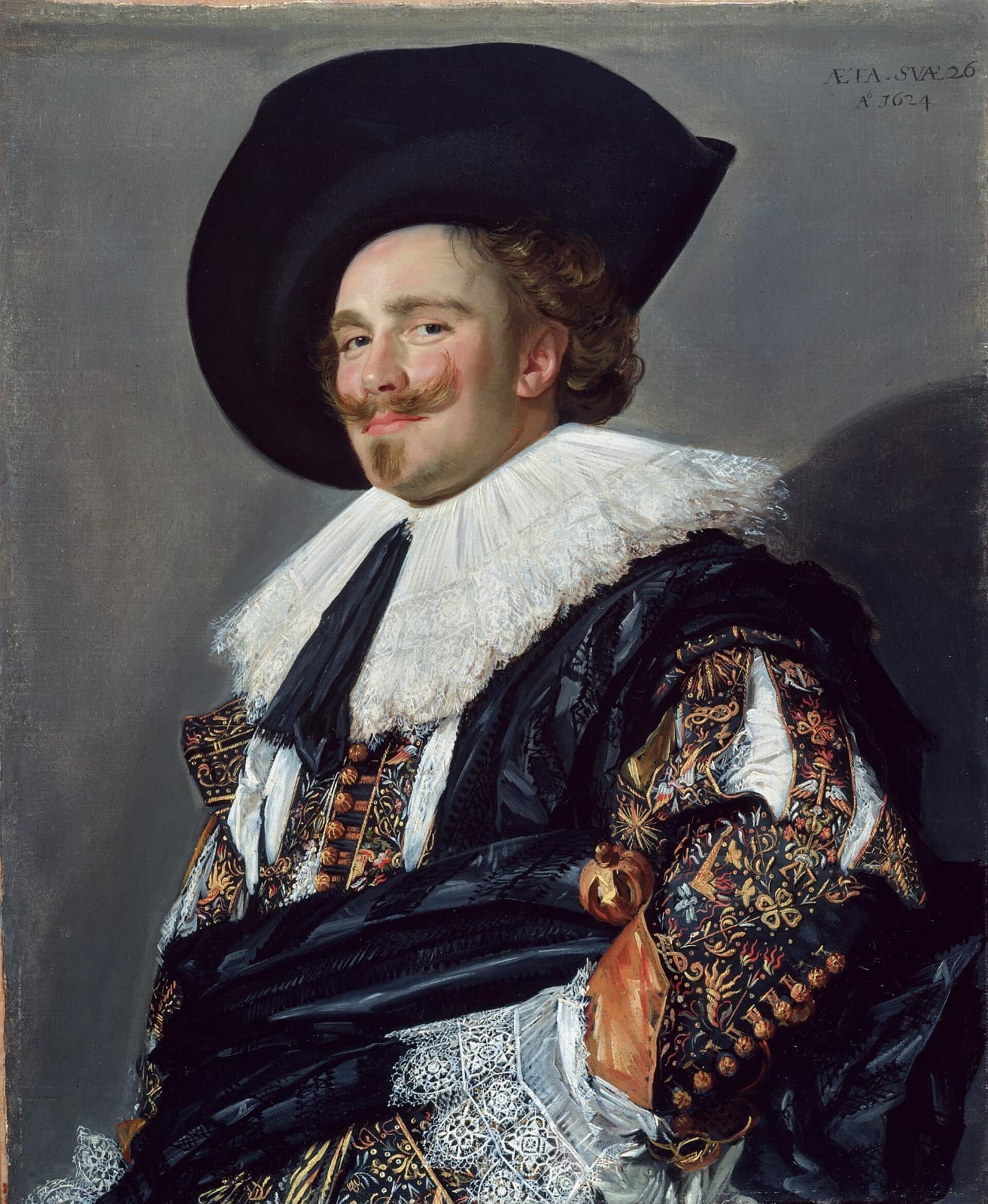
He is neither laughing nor a cavalier. The lace and gold thread on that sleeve were flicked on in a few confident strokes.
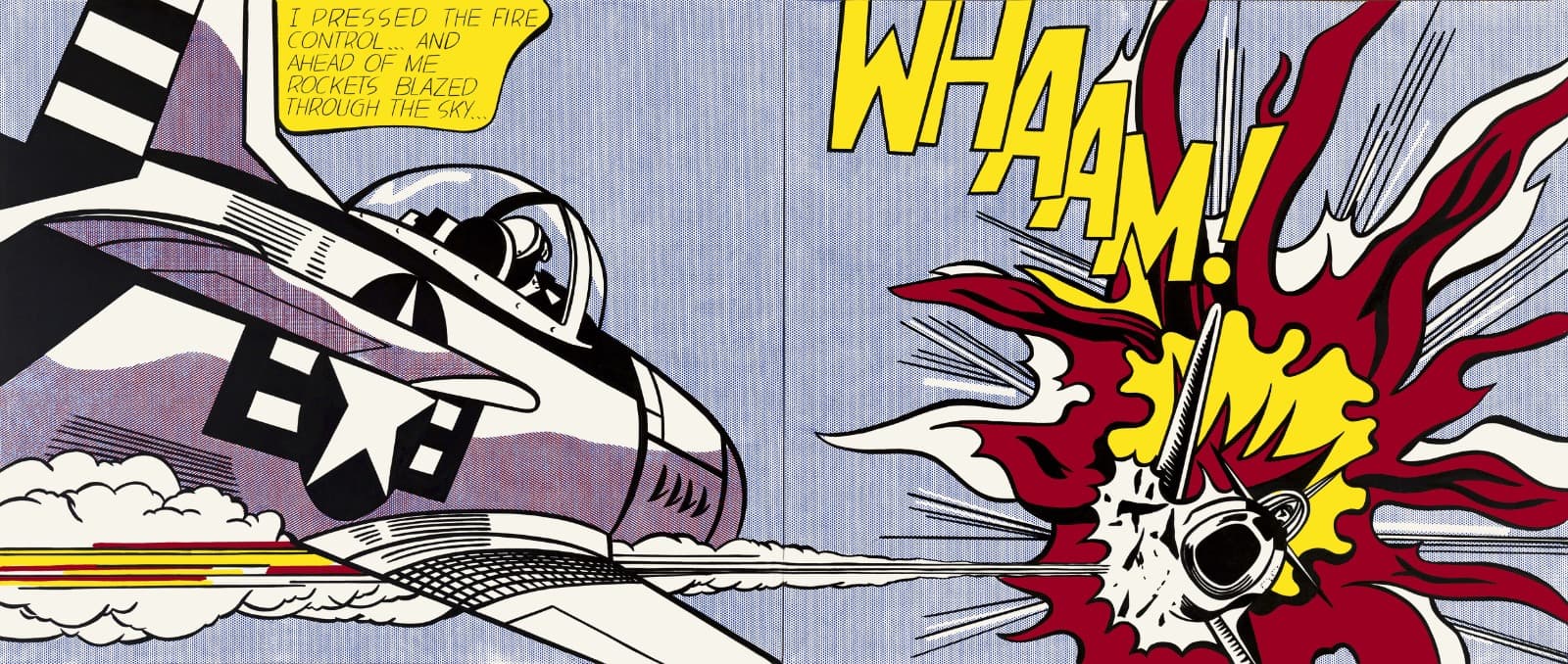
Lichtenstein blew a single war-comic panel up to mural scale across two canvases, Ben-Day dots, caption box and all.
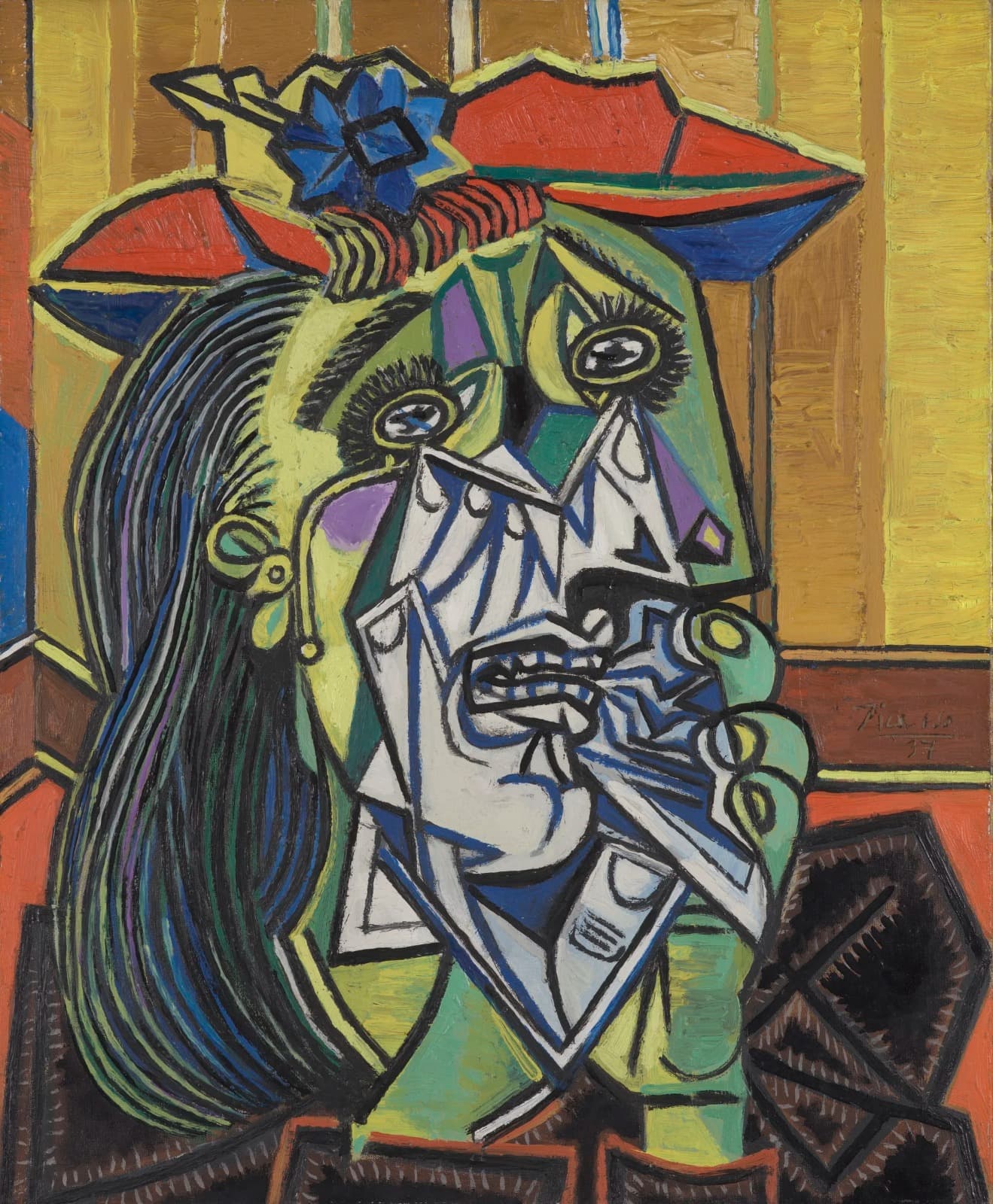
Picasso pulled her out of the screaming mother in Guernica and gave her the face of Dora Maar, his lover and a photographer.

Black lines, white ground, three primary colors and nothing else. Mondrian spent decades taking painting down to this and called it Neo-Plasticism.
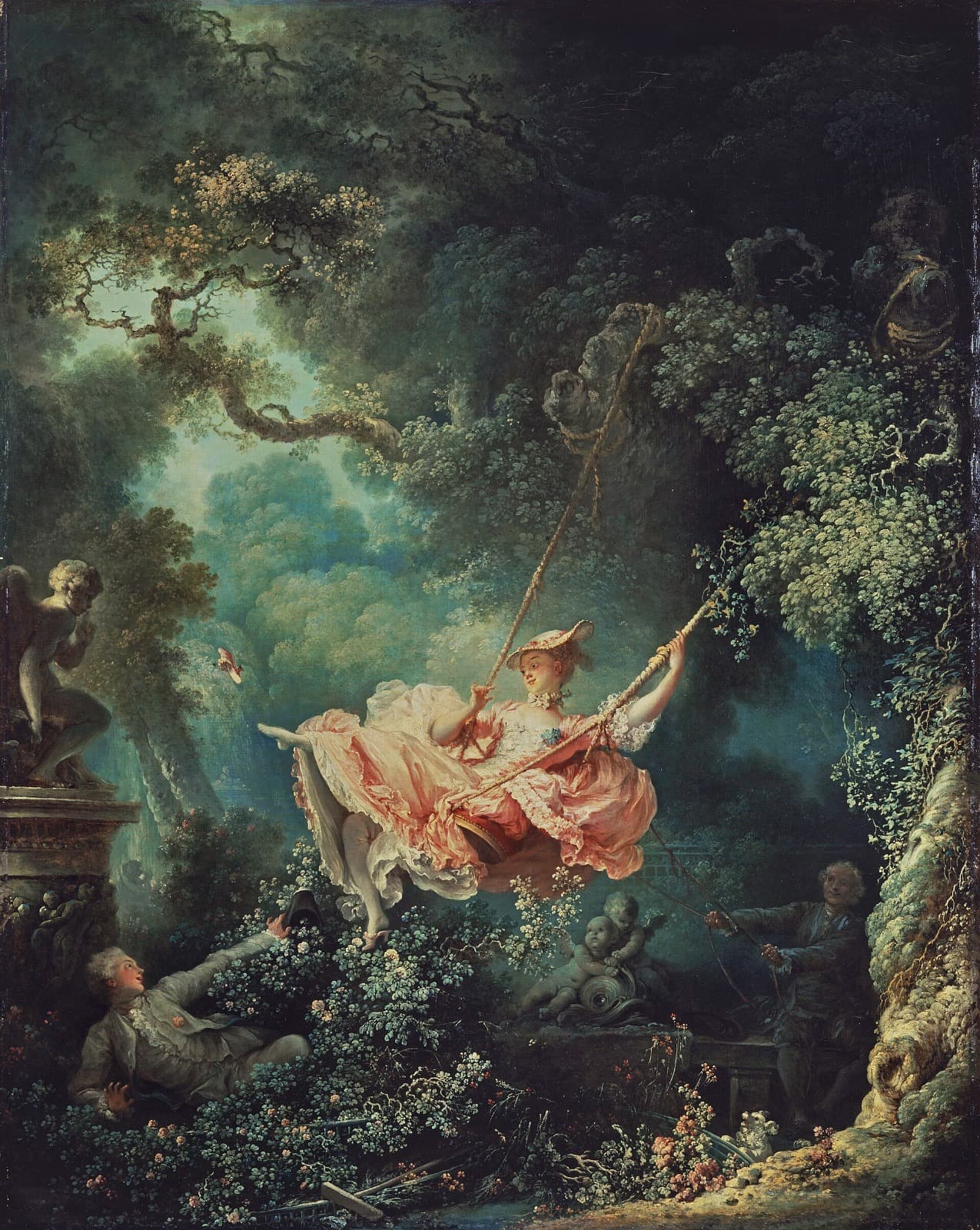
An old man works the ropes without knowing the young man in the bushes is looking straight up her skirts. A slipper flies off.

The wary, straight-on gaze is what a painter sees in a mirror, which is why this is probably van Eyck looking at himself.

A girl with a reptile's body offers a honeycomb and Time pulls back a curtain. The cold puzzle was probably a gift for the French king.
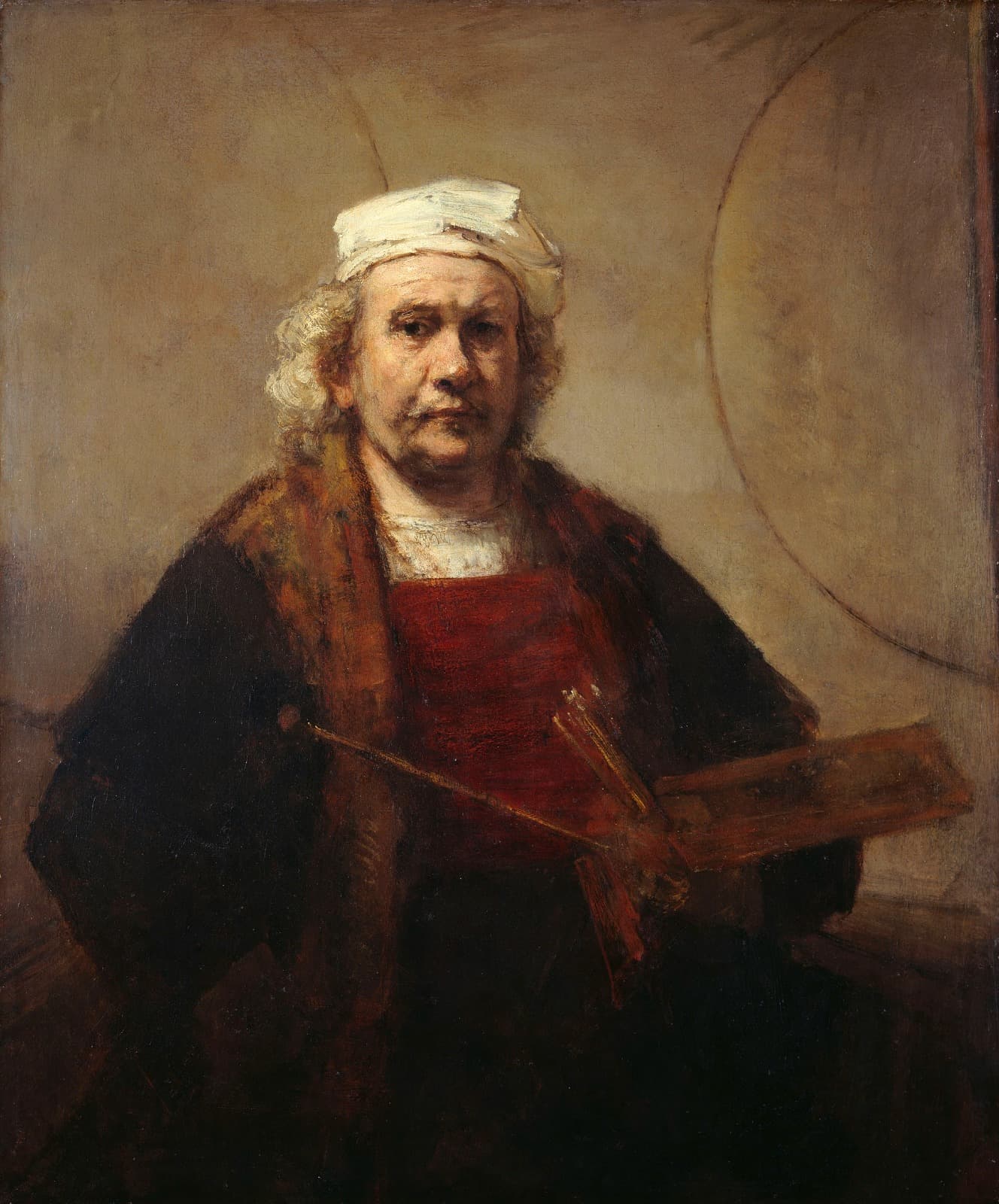
The old painter holds his brushes and palette, and behind him two large arcs are drawn on the wall that nobody has explained.
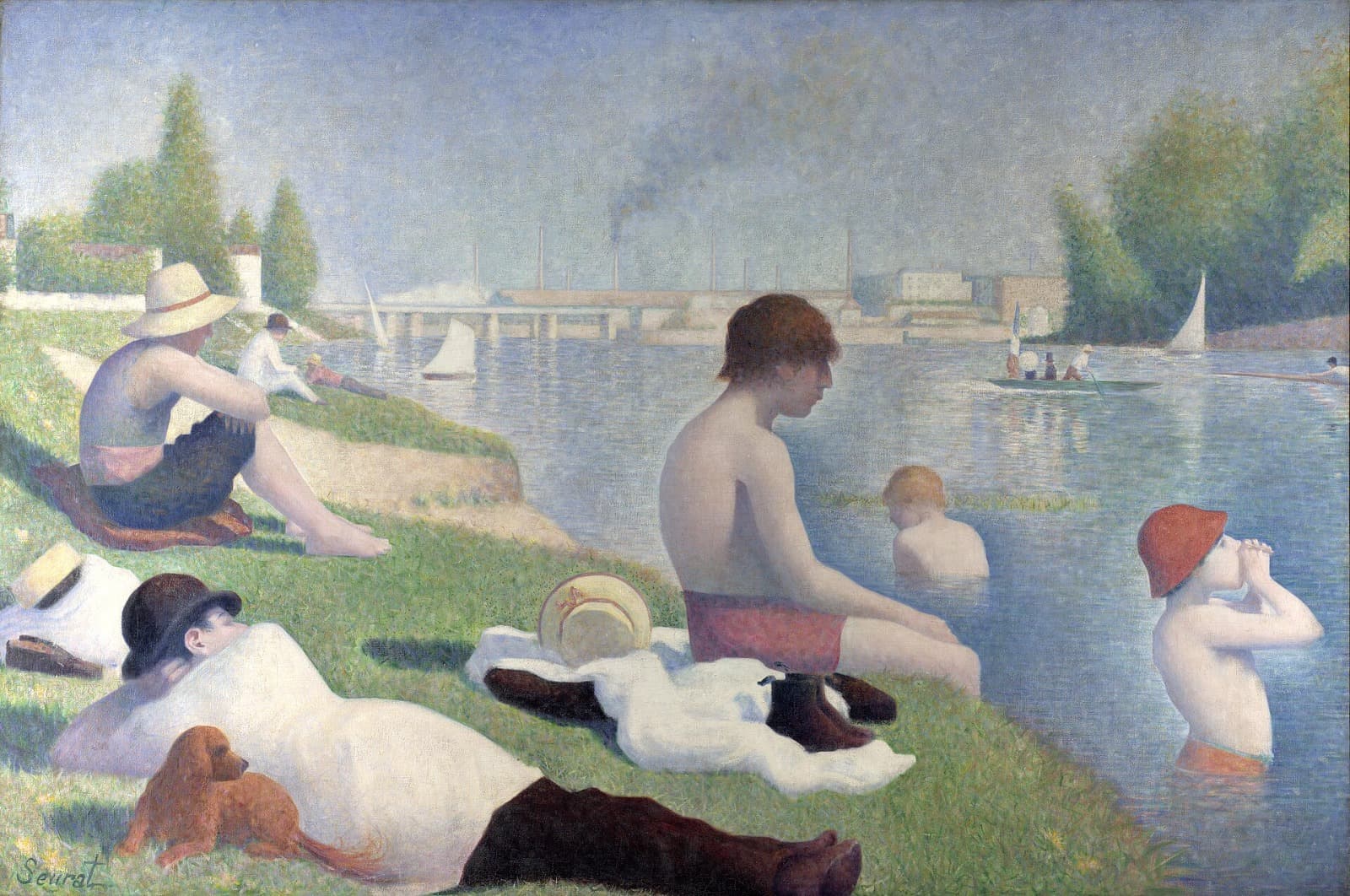
Working men bathe on the bank while factory chimneys smoke across the river, the figures given the weight of a classical frieze.
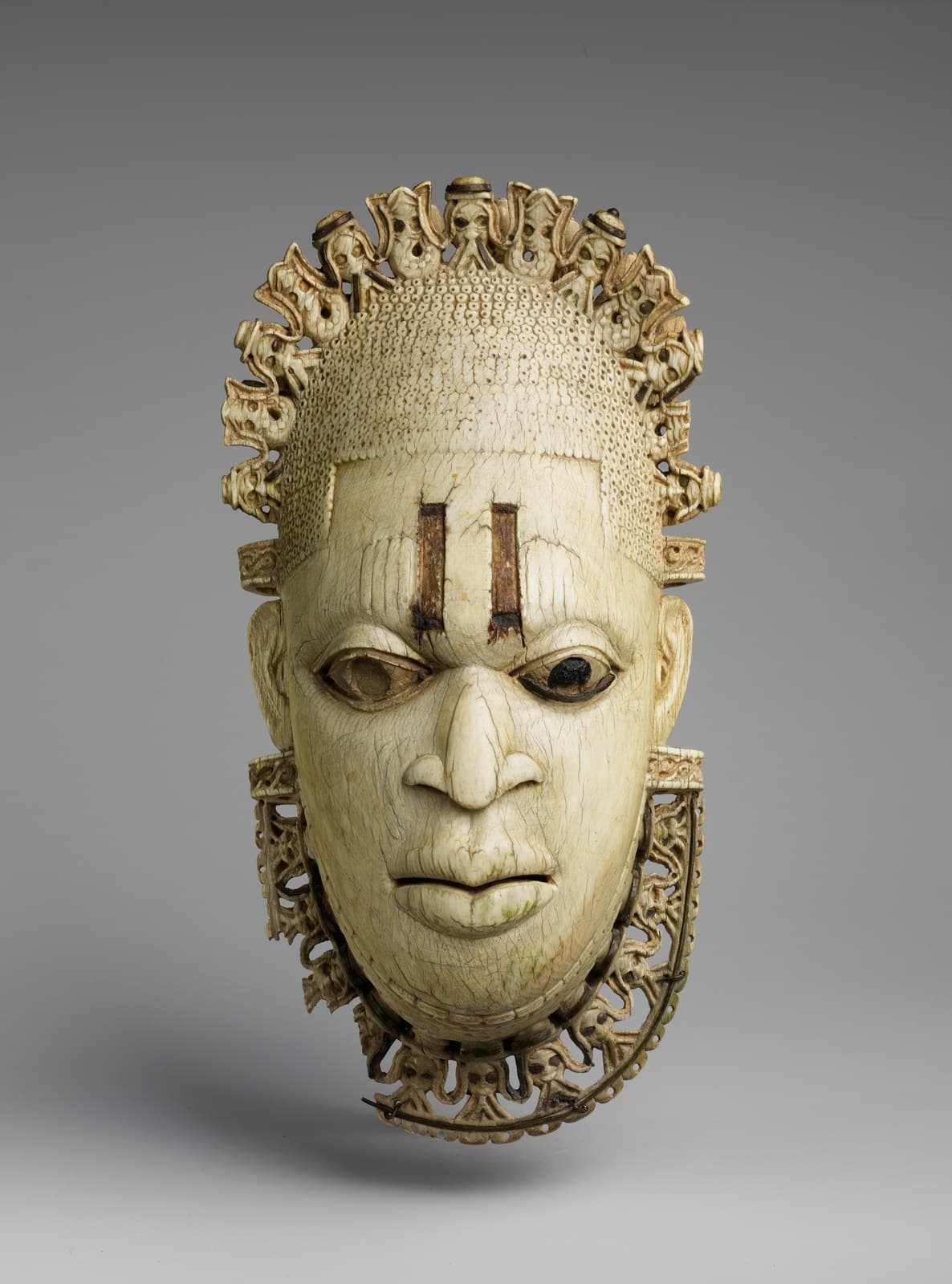
The oba wore it at his hip, its crown made of tiny Portuguese heads. A British expedition looted it from Benin in 1897.

Three flayed creatures crane and scream on orange grounds. Shown as the war ended in 1945, they made Bacon's reputation overnight.