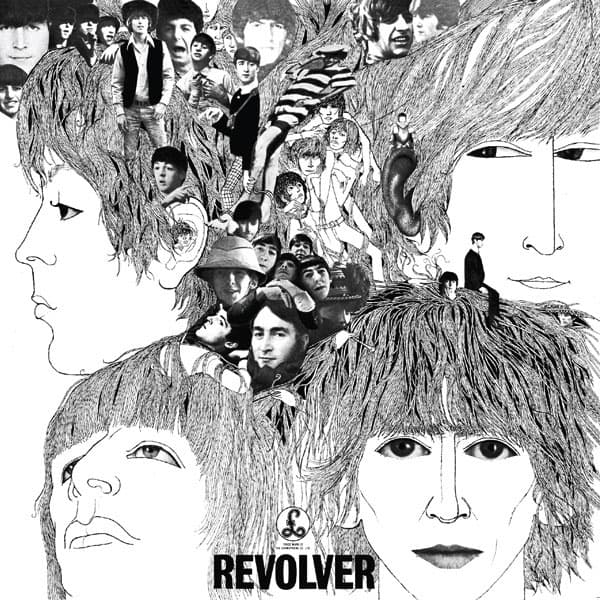
Revolver
1966
On Tomorrow Never Knows, engineers held five tape loops on pencils and mixed them live. No Beatle plays an instrument on Eleanor Rigby.
★ 9.9
 skopia
On Tomorrow Never Knows, engineers held five tape loops on pencils and mixed them live. No Beatle plays an instrument on Eleanor Rigby.
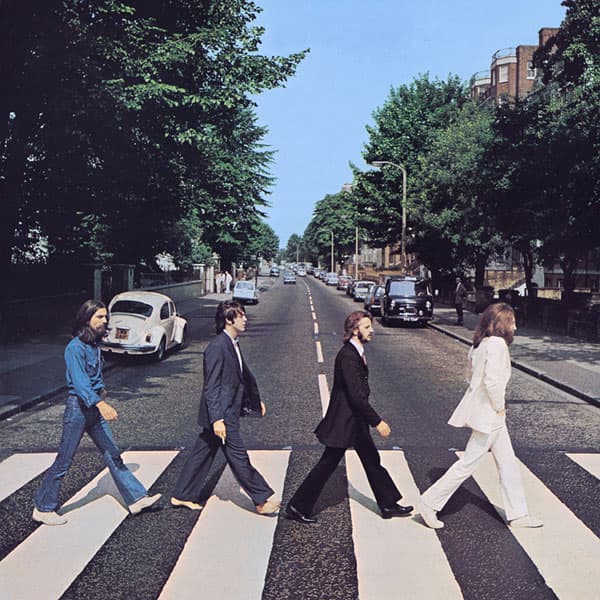
The last album they recorded together, with side two stitched out of songs nobody had finished. The cover shoot took about ten minutes.

It took about seven hundred hours of studio time when their first album took one day, and no singles were released from it.

They asked people around the studio questions on cue cards and used the answers. It then stayed on the American chart for fourteen years.
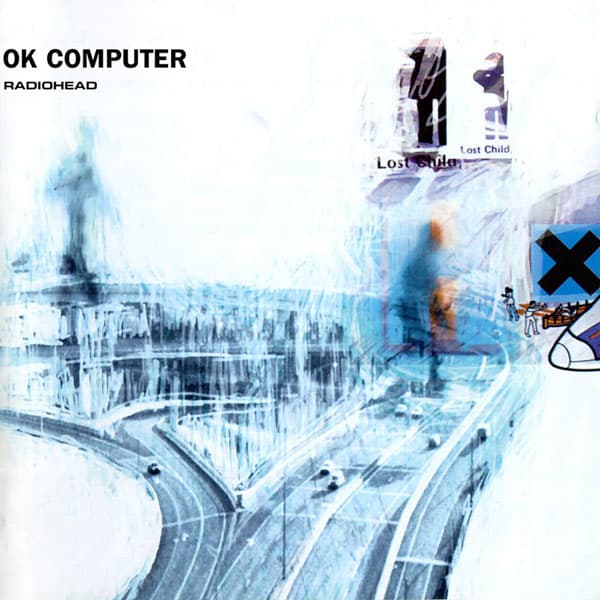
Recorded in a fifteenth-century mansion the band rented from an actress, with one track narrated entirely by the computer voice on a Macintosh.
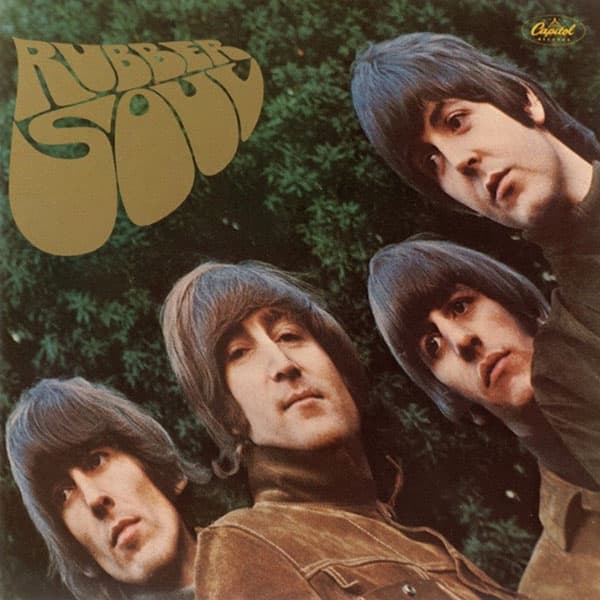
Norwegian Wood has the first sitar on a pop record. The stretched cover photograph happened when a slide slipped during the projection.

Bowie announced from the stage in 1973 that it was the last show Ziggy would ever play, without telling his own band first.
Ringo Starr quit for two weeks during the sessions and Paul played drums in his absence. The cover is plain white with a stamped serial number.
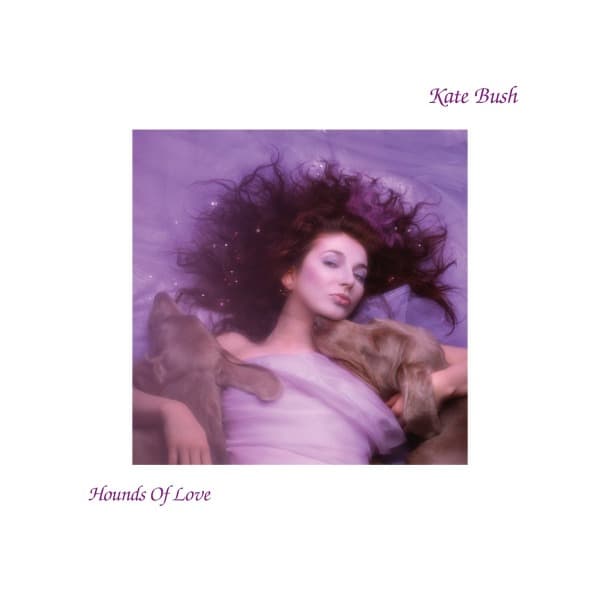
Bush built her own studio at home so nobody could interfere, then gave over an entire side to a woman drowning through one night.
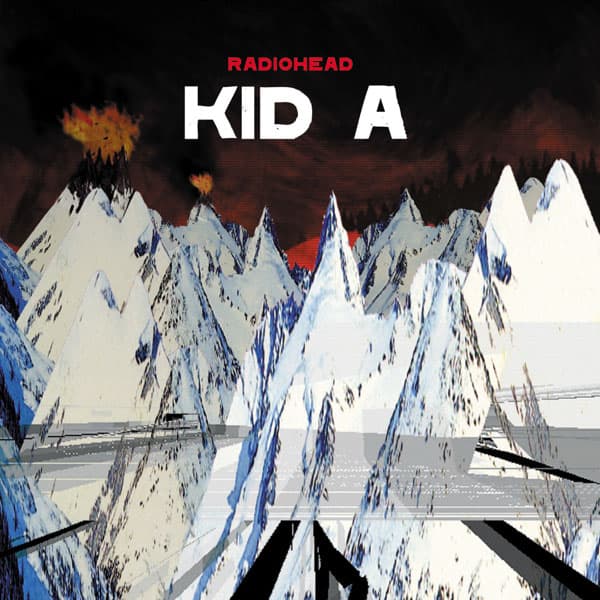
Singer Thom Yorke pulled the lyrics out of a hat because he could not write, and the band released it with no singles and no interviews.
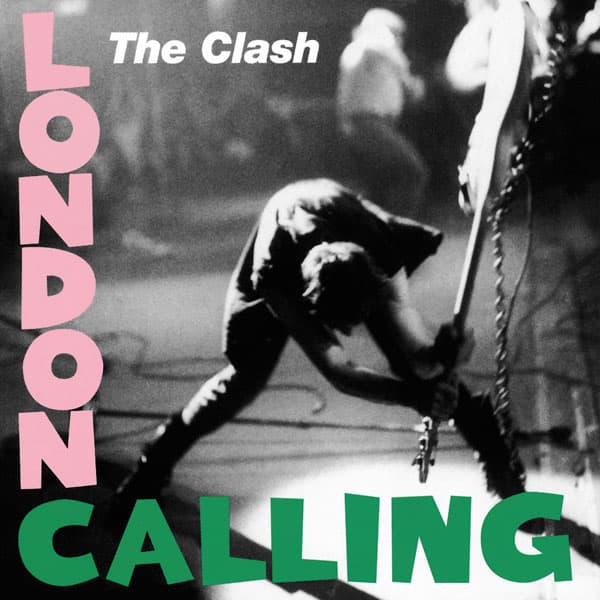
Their producer motivated the sessions by swinging ladders around the studio and pouring wine into the piano. The sleeve copies Elvis's first album.
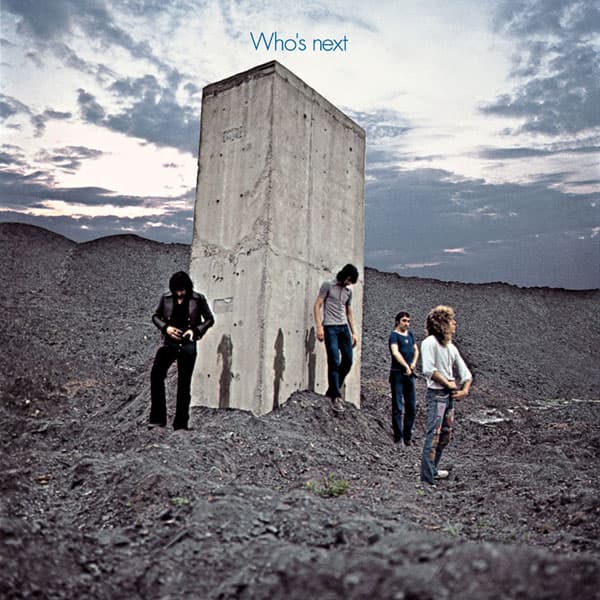
What survived an abandoned science-fiction project became this record. The keyboard figure opening Baba O'Riley was generated by a machine rather than played.
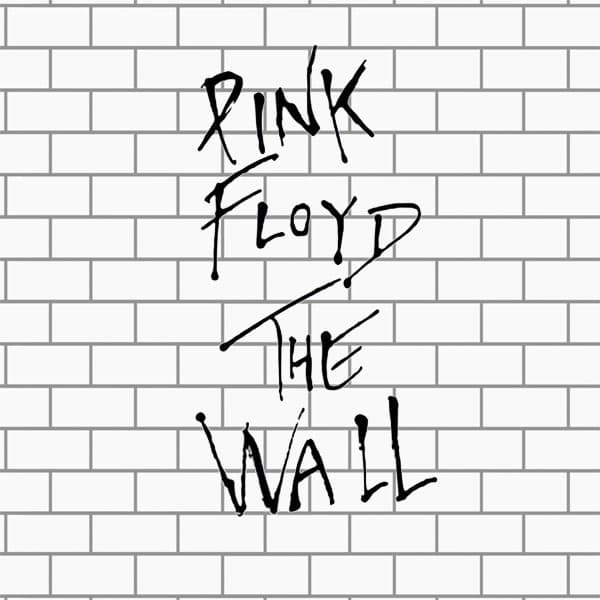
Roger Waters got the idea after spitting at a fan in Montreal and being appalled at himself. A school near the studio supplied the children's choir.
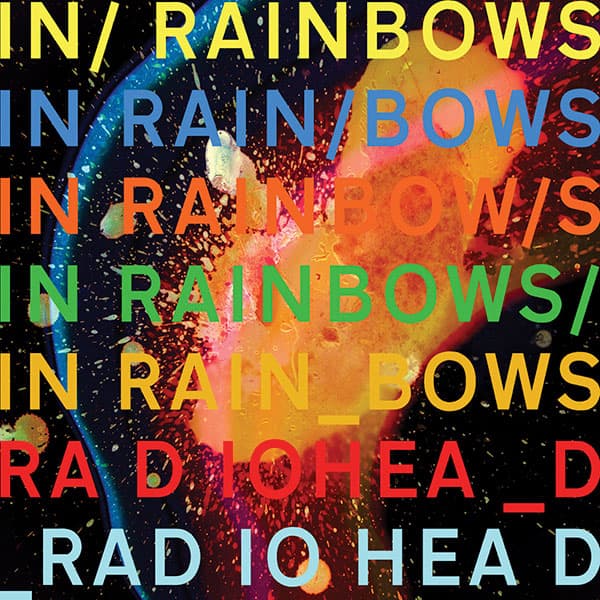
They put it online and let people pay whatever they wanted, including nothing. Some of the songs had been played live for ten years.
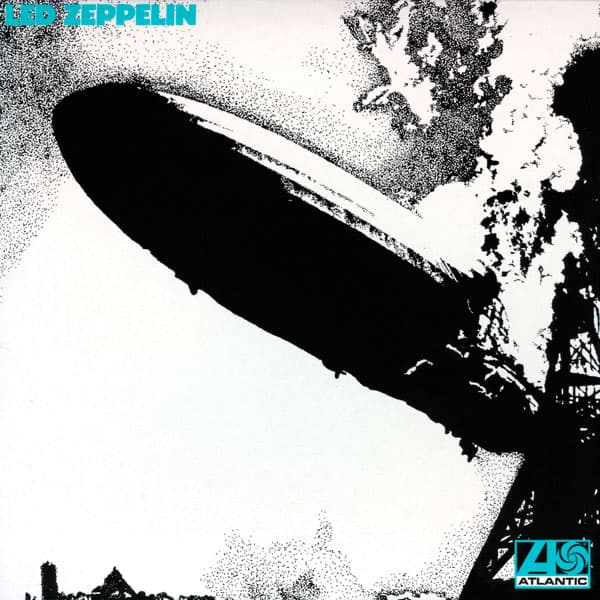
Guitarist Jimmy Page paid for the sessions himself and the record took about thirty-six hours of studio time. Nobody had heard drums recorded like that.

Sid Vicious barely plays on it, and a record shop was taken to court over the word bollocks and won.
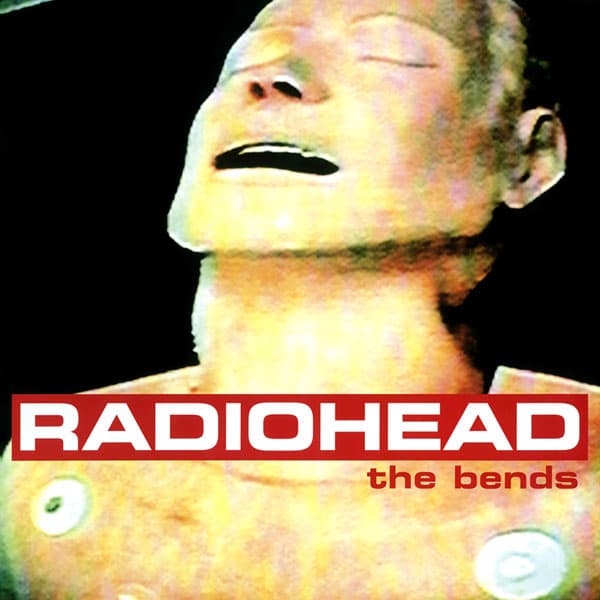
They were exhausted and sick of being the Creep band, and nearly fell apart making it. Nothing on it sounds anything like Creep.

The band were in a legal fight with their label while making it, and the title track opens with a clip from a 1962 British film.
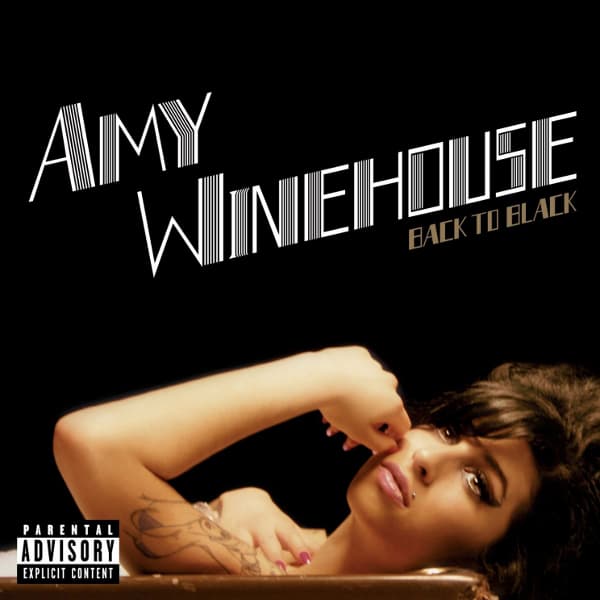
Producer Mark Ronson had a Brooklyn soul band play it live to tape like a sixties session. Winehouse wrote about the man she kept leaving.
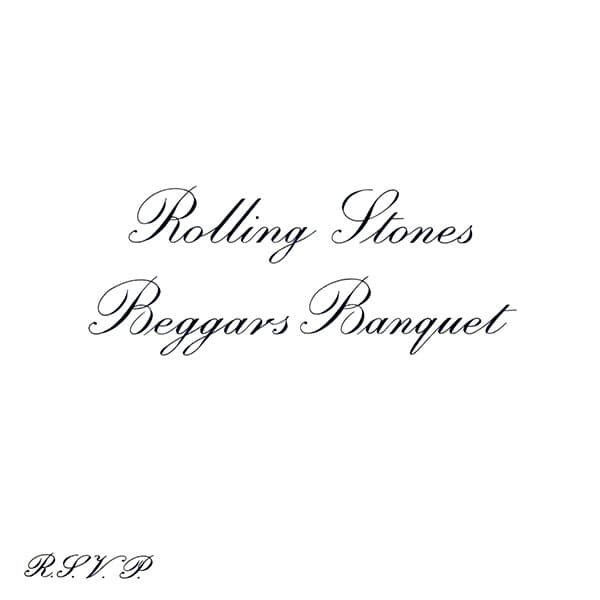
The label refused the original sleeve, a photograph of a graffitied lavatory wall, and held the record back for months over it.

They tried to record it in Jamaica, gave up, and made the whole double album in about two weeks in a French château instead.
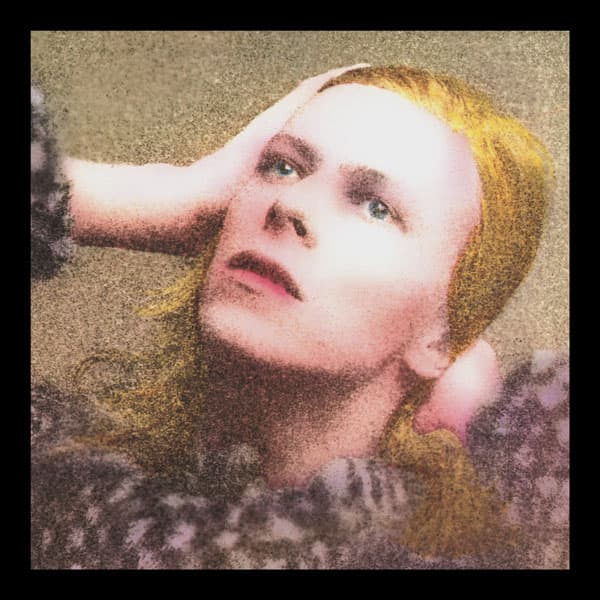
Rick Wakeman plays the piano throughout, and Bowie wrote Kooks in an afternoon for his newborn son. Ziggy Stardust was still a year away.
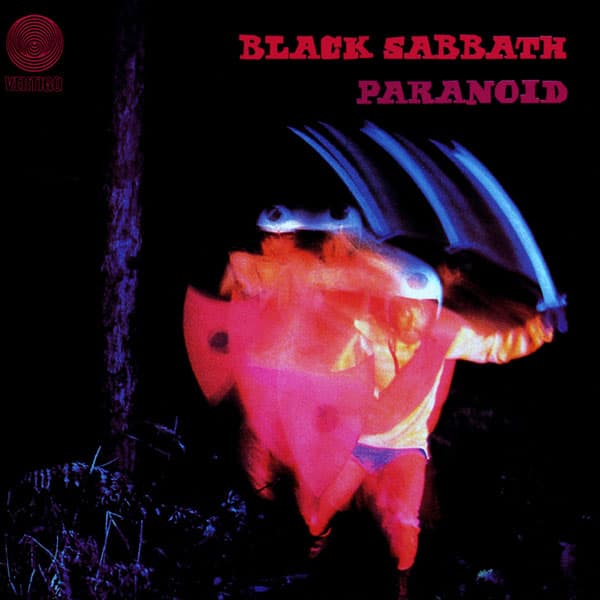
The title song was written in about twenty minutes as filler. Tony Iommi plays with plastic fingertips after losing his in a factory.
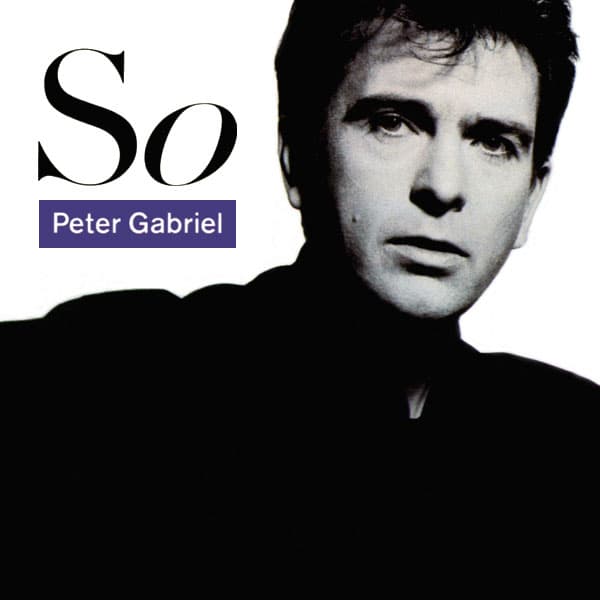
The Sledgehammer video was shot frame by frame with Gabriel lying under glass for sixteen hours. Youssou N'Dour sings the end of In Your Eyes.
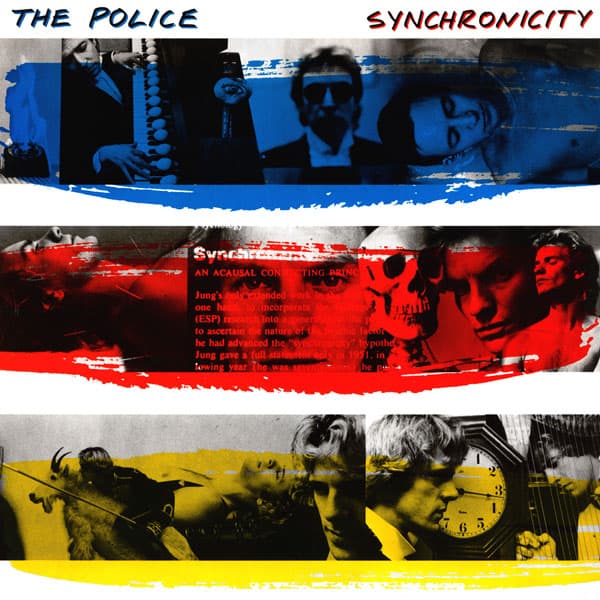
The three of them recorded in separate rooms because they could no longer stand each other, and then made the biggest album of the year.
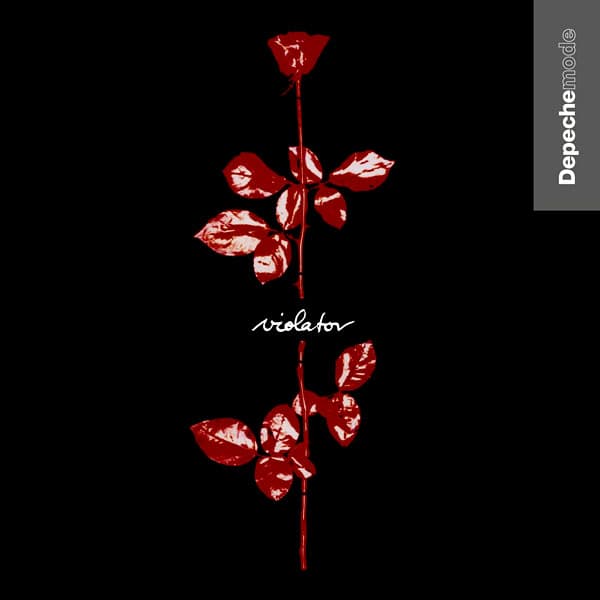
The band announced a signing at a Los Angeles record shop and around seventeen thousand people came, which ended with riot police.
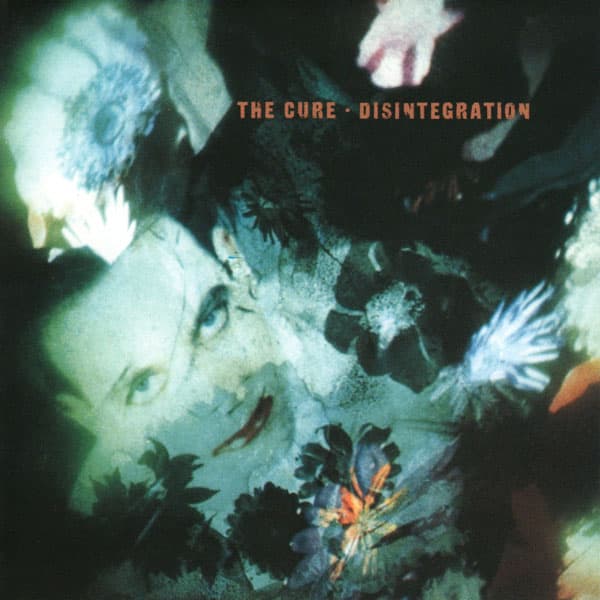
Robert Smith turned thirty, decided he was finished, and made the biggest record of the band's life about it.
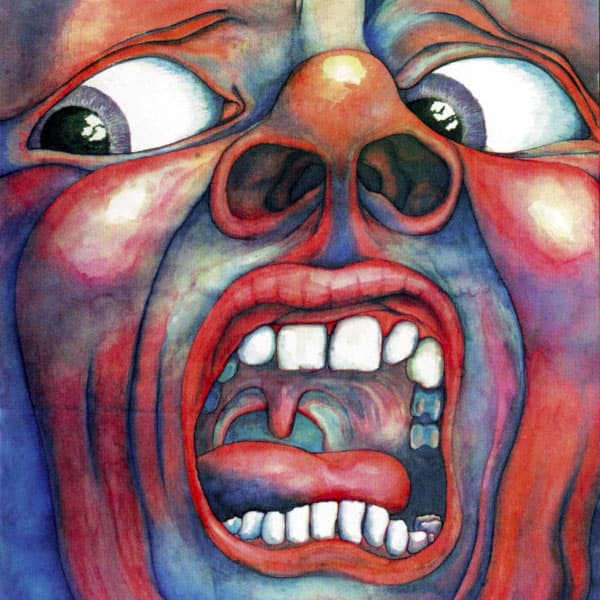
The Mellotron carries most of it, a keyboard that plays back tapes of a real orchestra instead of synthesizing the sound.
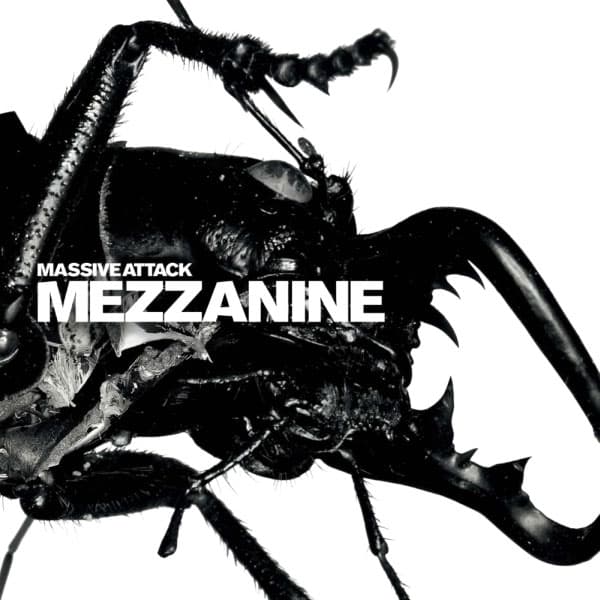
The three of them fell out badly making it, and Elizabeth Fraser sang Teardrop while grieving for Jeff Buckley, who had just drowned.
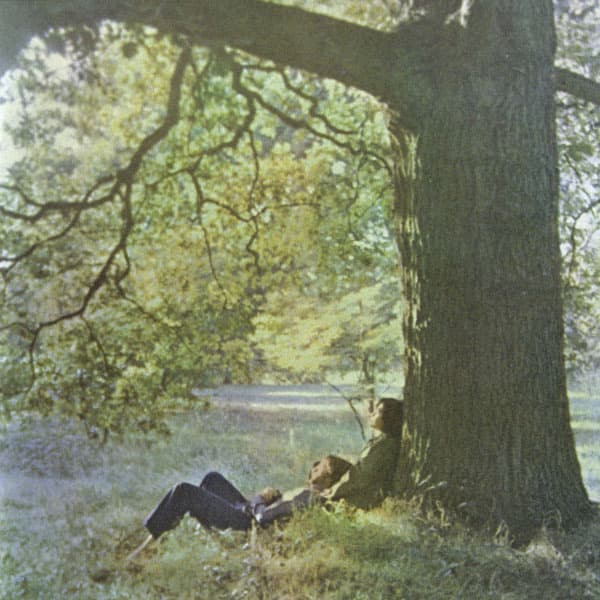
Lennon made it straight after four months of primal scream therapy, with almost nothing on it but piano, bass and drums.
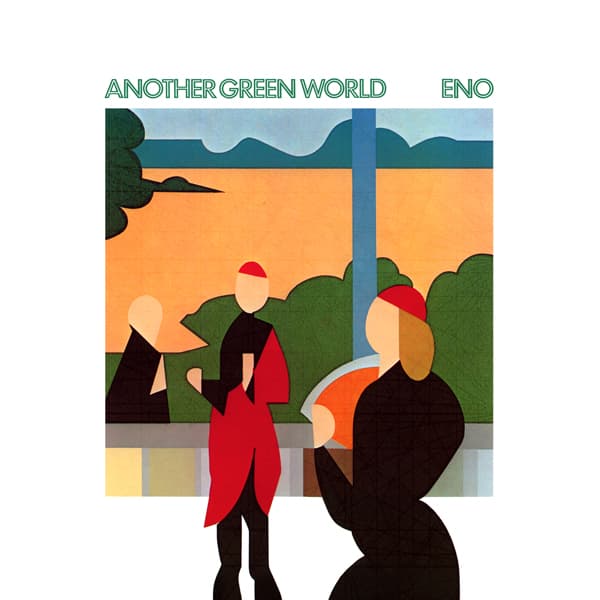
Eno arrived at the studio with nothing written and worked from a deck of cards printed with instructions. Only five tracks ended up with words.
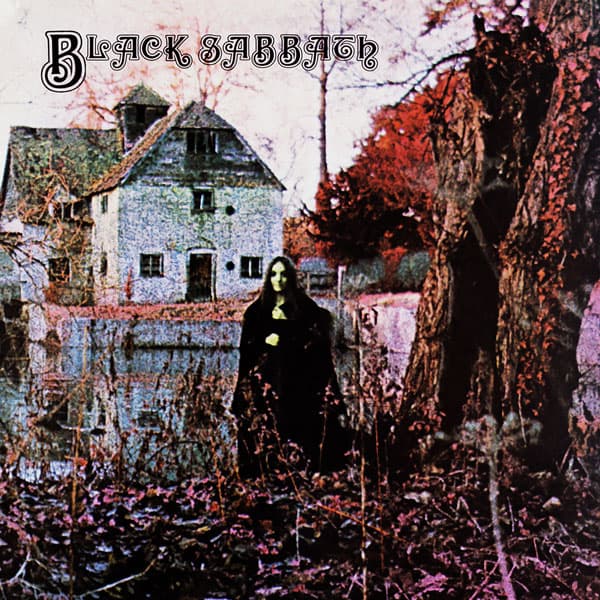
Recorded in a single day for a few hundred pounds and released on a Friday the thirteenth. The riff is a devil's interval.
Bill Bruford finished the drums, decided he never wanted to work that hard again, and left the band before the tour.
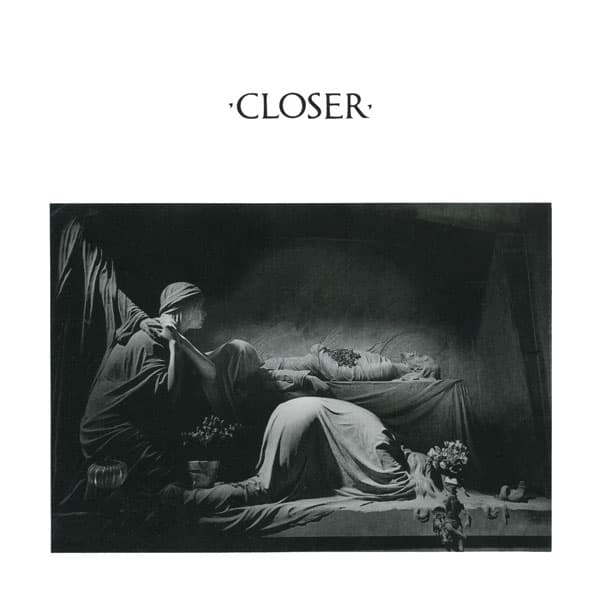
Ian Curtis killed himself two months before it came out. The sleeve, chosen beforehand, is a photograph of a tomb.
Daft Punk set out to make the music they had loved at ten years old, and had the whole album animated as a film.
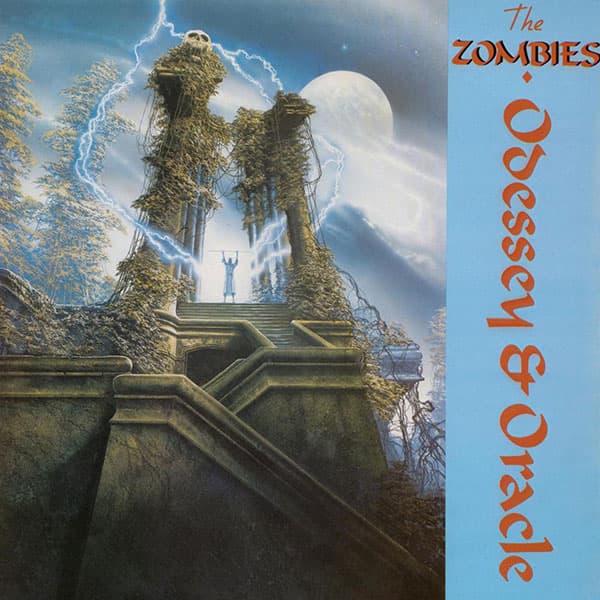
The misspelling on the sleeve was the cover artist's mistake and they left it. The band had broken up before it came out.
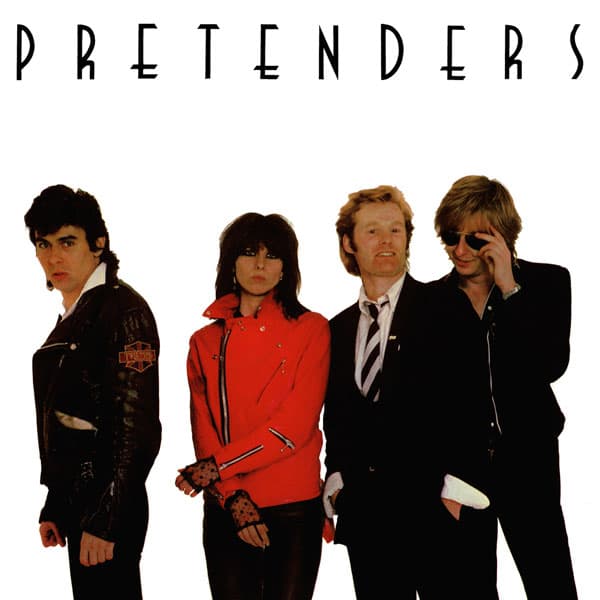
Chrissie Hynde moved from Ohio to London, worked in Malcolm McLaren's clothes shop and wrote for the NME before getting a band together.
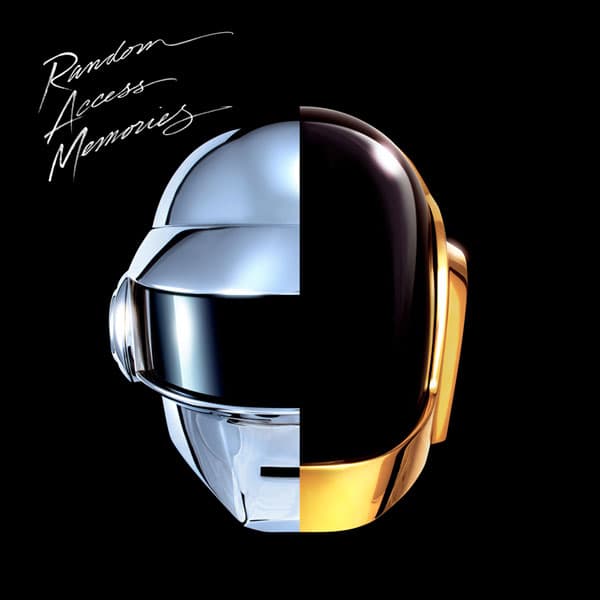
They put the drum machines away and hired session players who had made the records they grew up on. Giorgio Moroder narrates his own life.
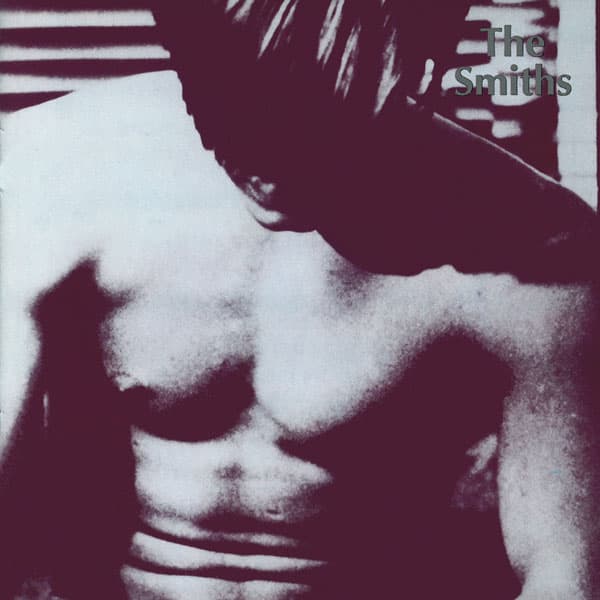
Johnny Marr knocked on Morrissey's door with a friend to propose the band. Morrissey had been writing letters to the music papers for years.

Costello had been working as a computer operator two years earlier. The sleeve was printed deliberately off-center with the camera and tripod showing.
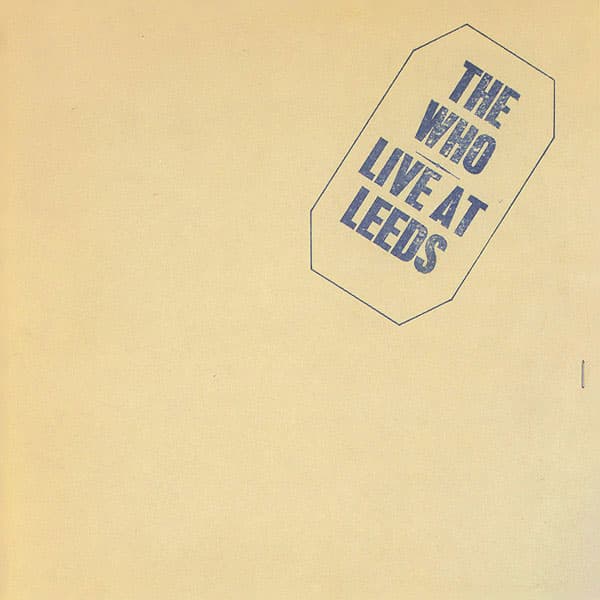
They burned the tapes of every other show on the tour and kept this one, packaged deliberately to look like a bootleg.
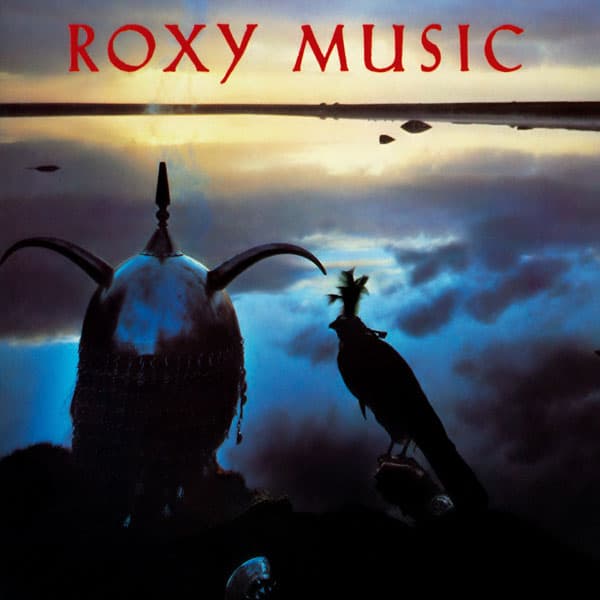
Roxy Music's last record, made partly in the Bahamas and finished so smoothly it barely sounds played. Bryan Ferry never made another with the band.
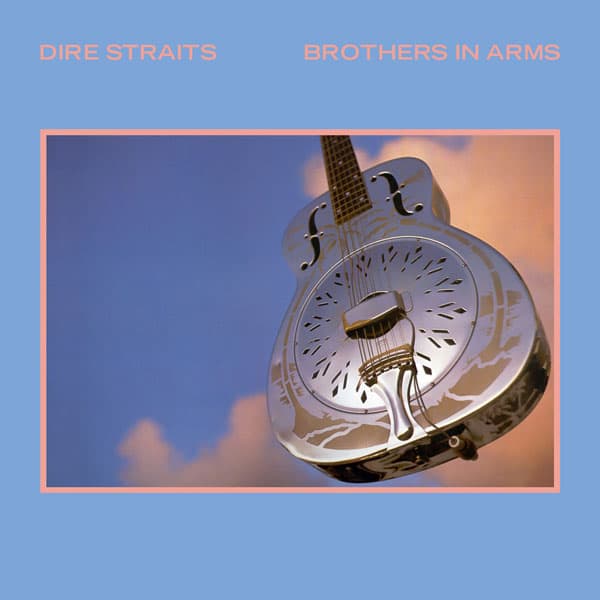
The first album to sell a million copies on compact disc, and one of the first recorded digitally start to finish.
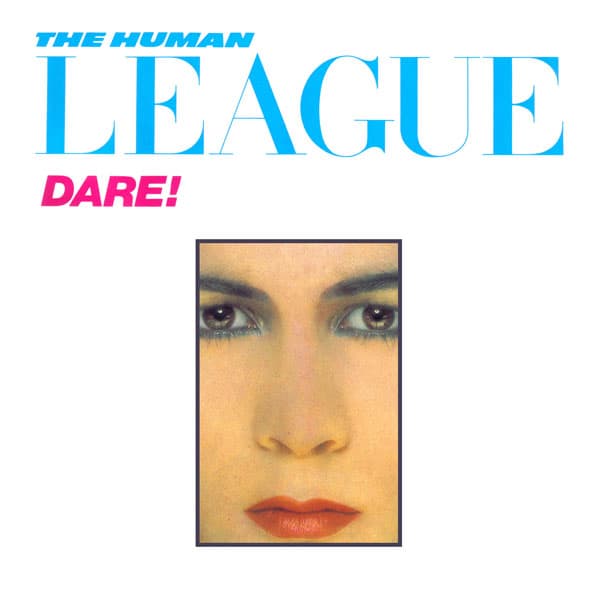
Singer Phil Oakey found two of his backing vocalists dancing in a Sheffield nightclub and put them on stage within weeks. Neither had sung professionally.
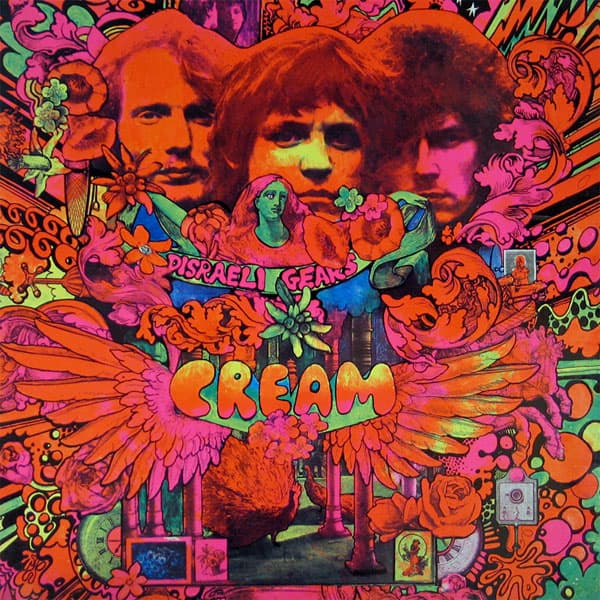
The title came from a roadie getting derailleur gears wrong. They recorded the whole thing in New York in under a week.
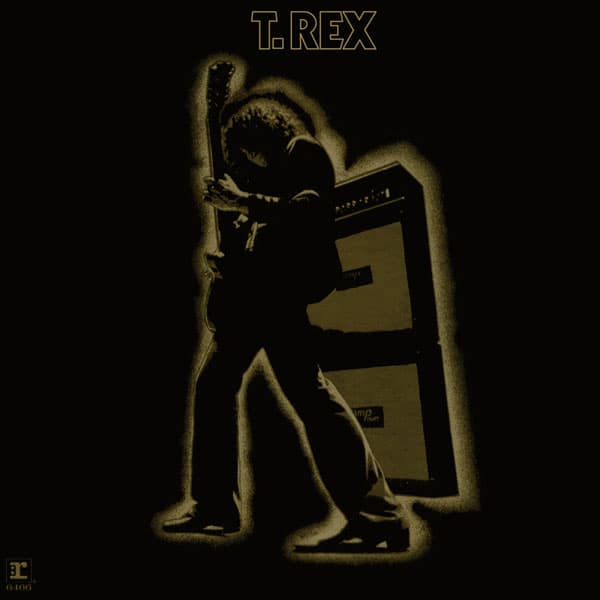
Marc Bolan sings everything with the same wobbling vibrato over two-chord boogie, and producer Tony Visconti buried strings underneath it.

The mandolin on Maggie May was played by a session man paid fifteen pounds, whose name Stewart admitted he had forgotten in the sleeve notes.
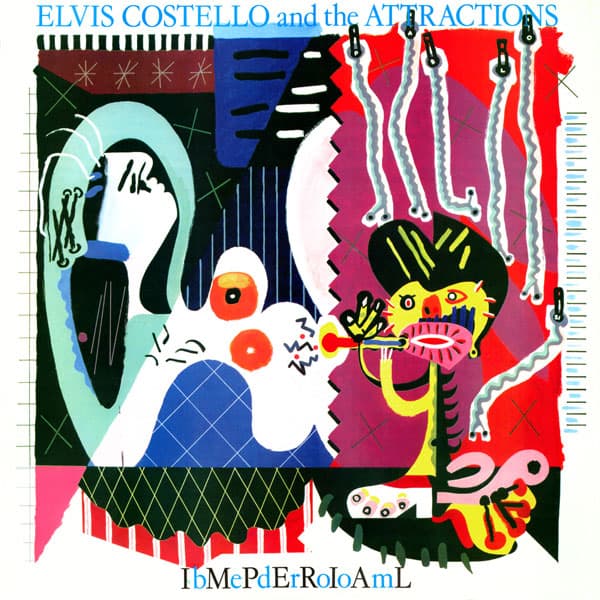
Geoff Emerick, who had engineered Sgt. Pepper, produced it, and the lyrics were printed on the sleeve as one unbroken block of text.

Costello recorded it on days off from his job at a cosmetics factory, backed by an American bar band that included Huey Lewis.
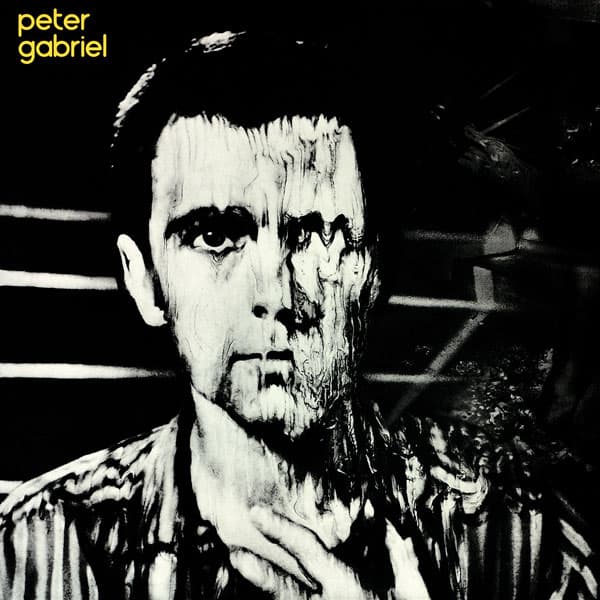
Gabriel banned cymbals from the entire record, which forced the drummers into the gated sound that the whole of the eighties then copied.
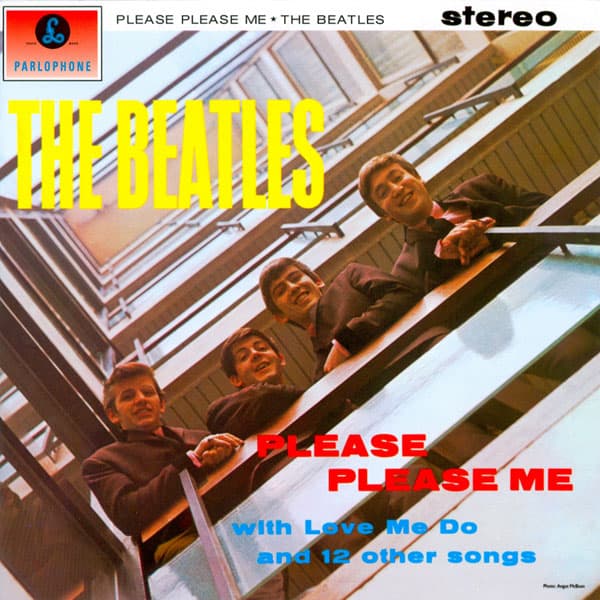
Recorded in a single day. Lennon had a heavy cold and sang Twist and Shout last, in one take, because his voice was about to go.
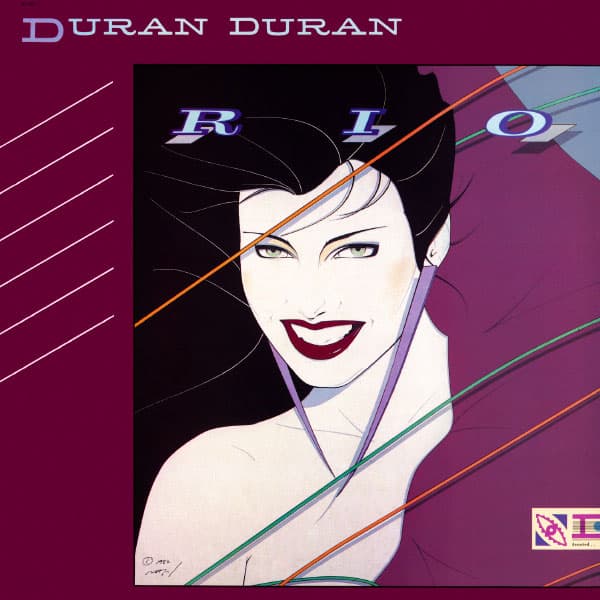
The videos were shot in Sri Lanka and Antigua on a yacht, which was the point. Patrick Nagel painted the woman on the sleeve.
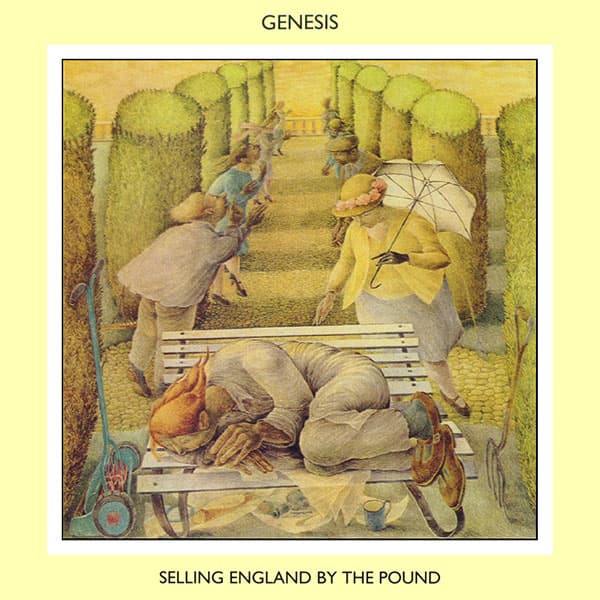
Gabriel performed these songs in costume, sometimes as a flower. John Lennon mentioned on the radio that he rather liked the band.

The piano figure in Clocks turned up so late in the sessions that it nearly missed the record. Everything here is built to fill arenas.
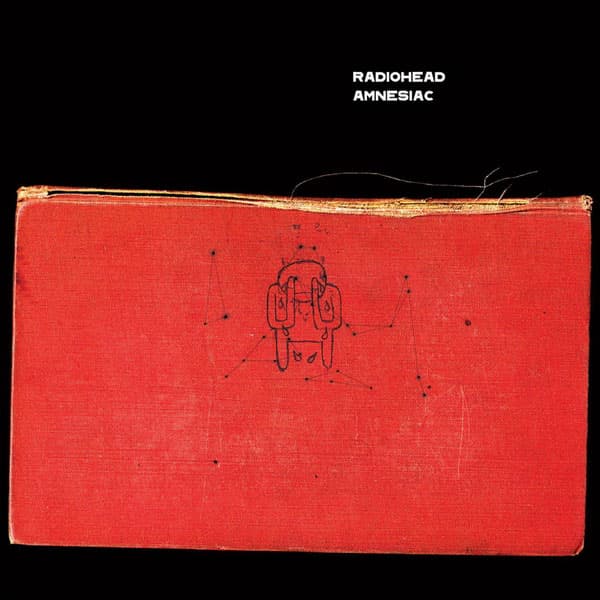
Recorded at the same sessions as Kid A and held back eight months. The band spent years insisting it was not a collection of leftovers.

The band's early demos spread on burned CDs and file-sharing sites, passed around by fans rather than the band, long before any label appeared.
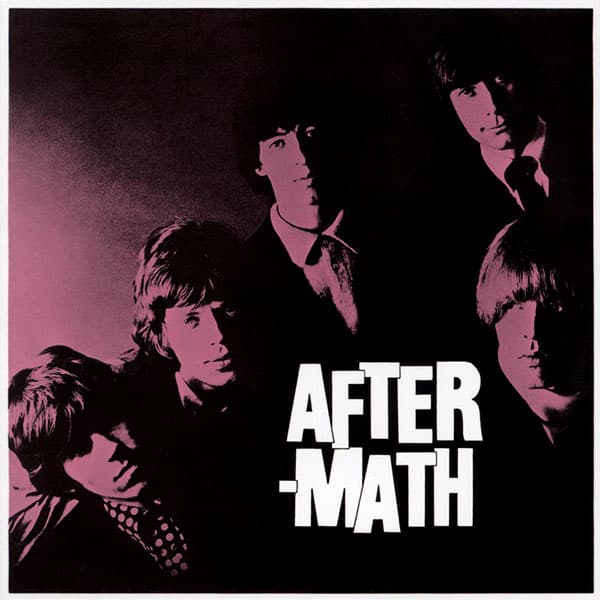
Their first album written entirely in-house, with Brian Jones reaching for the marimba, the dulcimer and the sitar between the blues numbers.