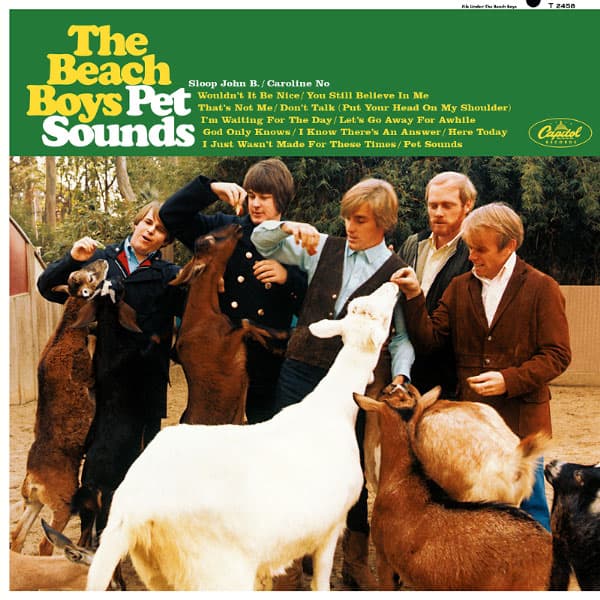
Pet Sounds
1966
Brian Wilson made it with session players while the rest of the band toured, using bicycle bells, dog whistles and a Coca-Cola can.
★ 9.9
 skopia
Brian Wilson made it with session players while the rest of the band toured, using bicycle bells, dog whistles and a Coca-Cola can.
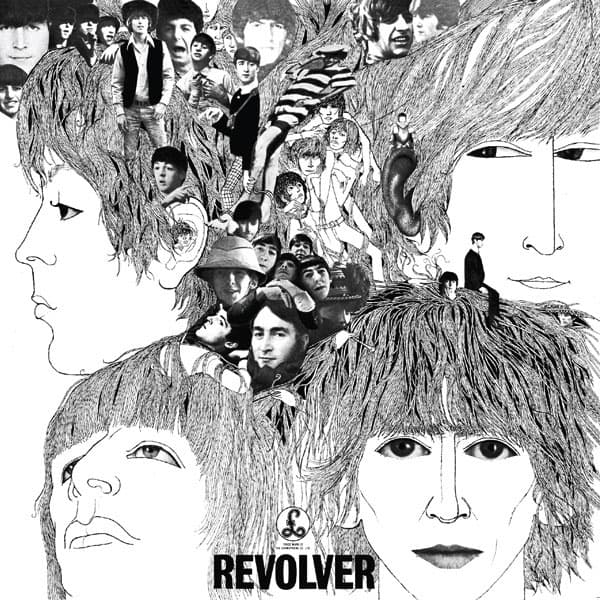
On Tomorrow Never Knows, engineers held five tape loops on pencils and mixed them live. No Beatle plays an instrument on Eleanor Rigby.
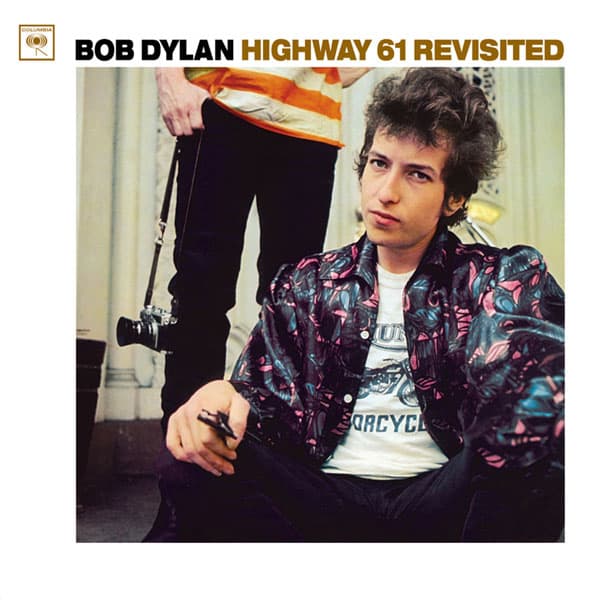
Al Kooper was not the organ player and sat down at it anyway, which is the sound everybody remembers from Like a Rolling Stone.
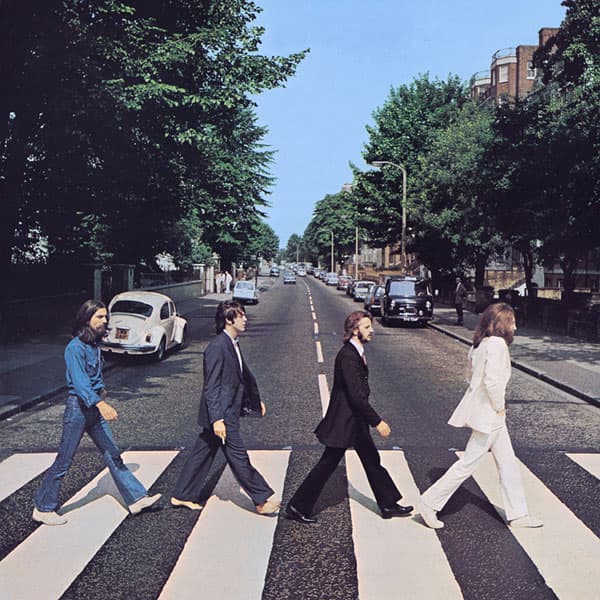
The last album they recorded together, with side two stitched out of songs nobody had finished. The cover shoot took about ten minutes.
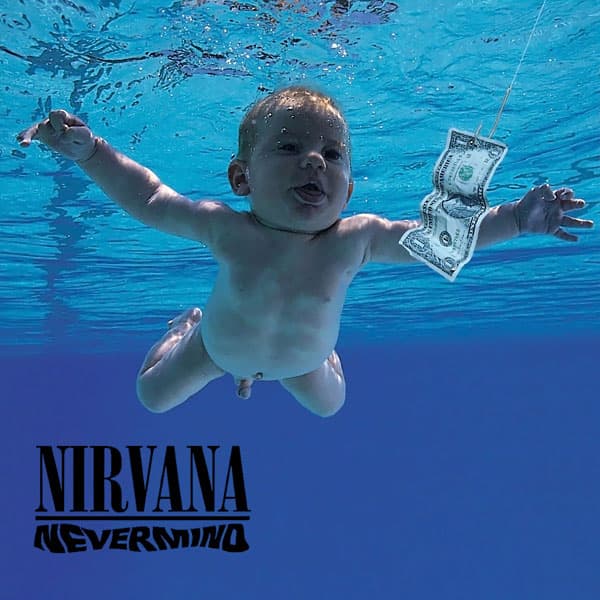
The baby on the cover was paid two hundred dollars. Four months after release it knocked Michael Jackson off the top of the chart.

It took about seven hundred hours of studio time when their first album took one day, and no singles were released from it.

Dylan finished it, then rerecorded half the songs in Minneapolis with local musicians his brother rounded up, days before it was due out.

They asked people around the studio questions on cue cards and used the answers. It then stayed on the American chart for fourteen years.

Andy Warhol's only real production instruction was to leave the mistakes in. It sold badly enough that the band were dropped soon afterwards.
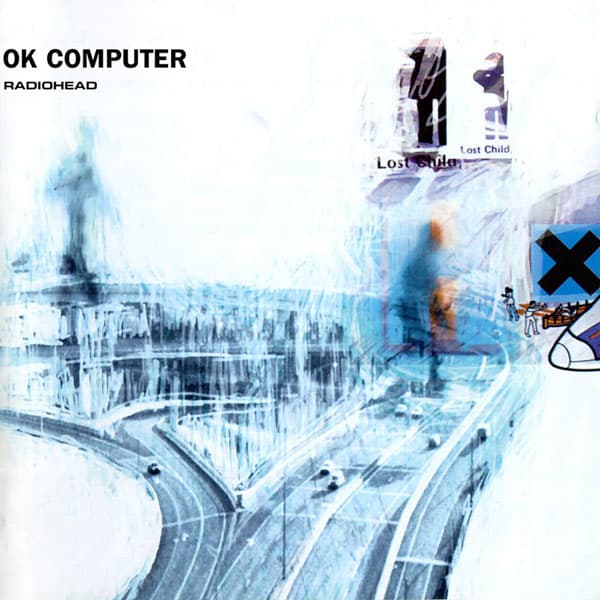
Recorded in a fifteenth-century mansion the band rented from an actress, with one track narrated entirely by the computer voice on a Macintosh.
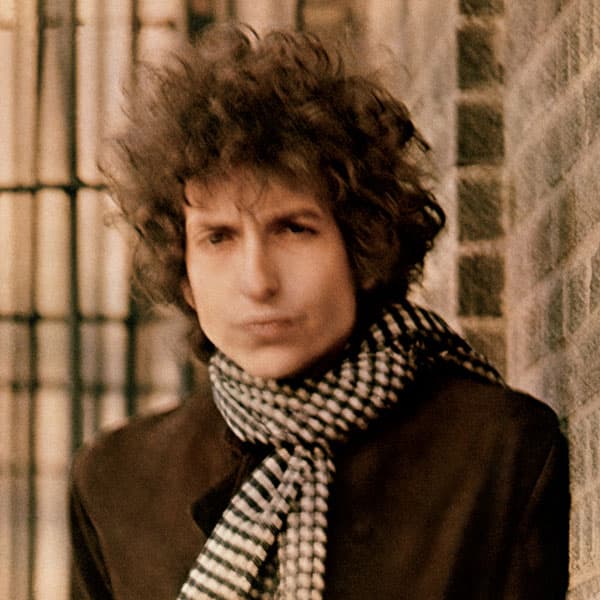
The Nashville session men sat around for hours while Dylan finished writing. Sad Eyed Lady of the Lowlands was cut at four in the morning.

Hendrix cut it on four tracks in stolen studio hours between gigs, and nobody had heard a guitar do any of it before.
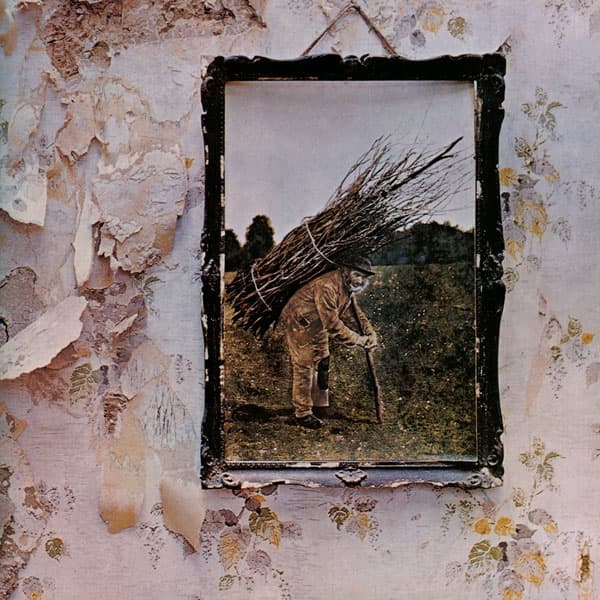
There is no title and no band name anywhere on the sleeve, just four symbols the members chose. The label thought it was commercial suicide.
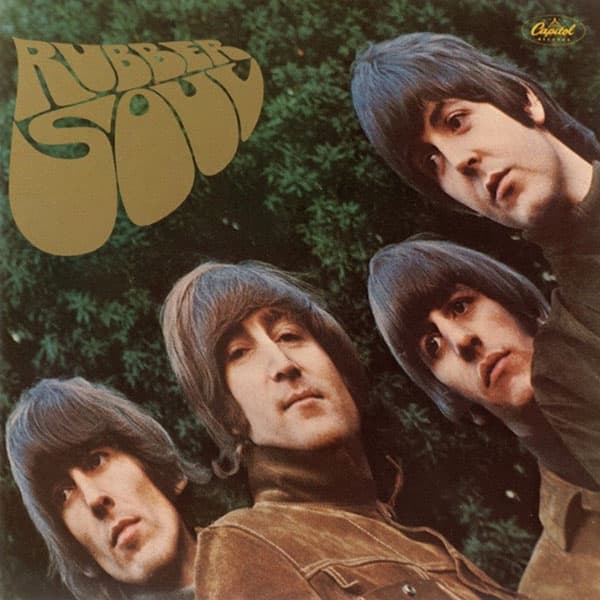
Norwegian Wood has the first sitar on a pop record. The stretched cover photograph happened when a slide slipped during the projection.

Bowie announced from the stage in 1973 that it was the last show Ziggy would ever play, without telling his own band first.
Ringo Starr quit for two weeks during the sessions and Paul played drums in his absence. The cover is plain white with a stamped serial number.
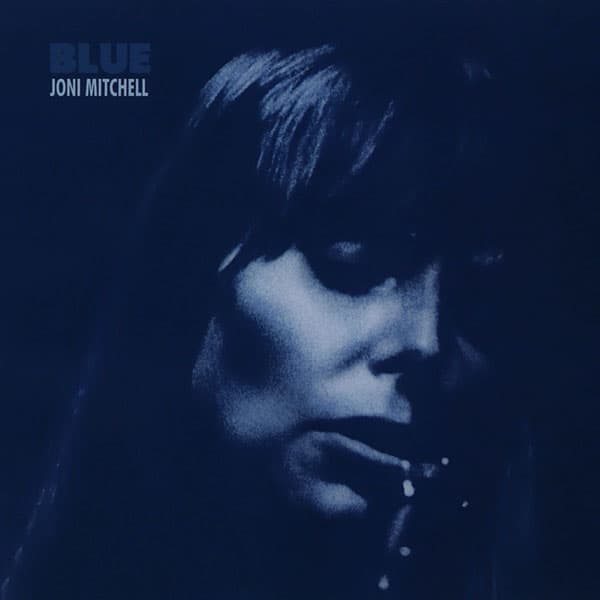
Mitchell was so exposed making it that she asked visitors to leave the studio. Kris Kristofferson told her to keep something back for herself.
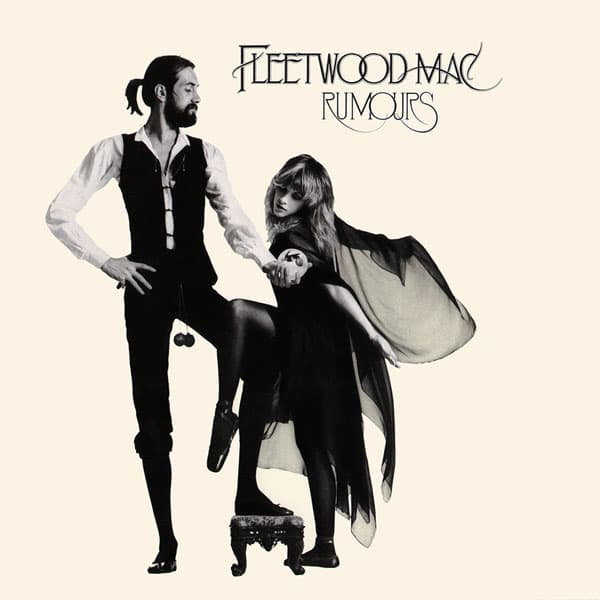
Two couples in the band were breaking up while they recorded, and kept writing songs about each other that the other had to sing.

Recorded in the basement of a rented French villa while the band were dodging British tax, in heat so bad guitars would not stay in tune.
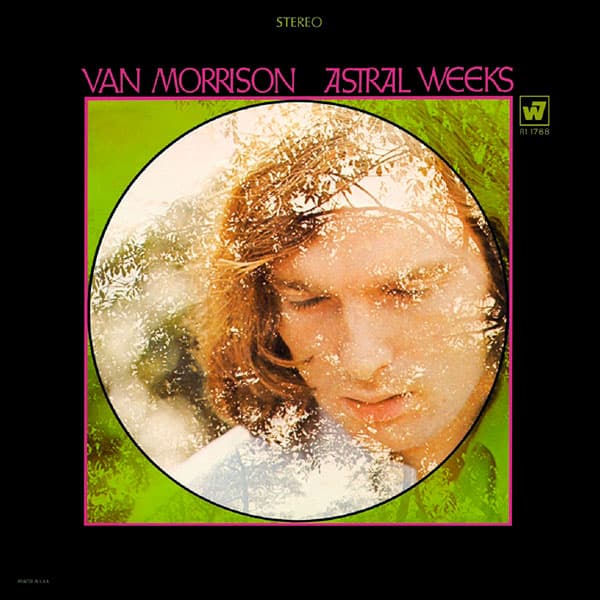
Morrison sat in an isolation booth and barely spoke to the jazz players hired to back him. The whole thing was done in three sessions.
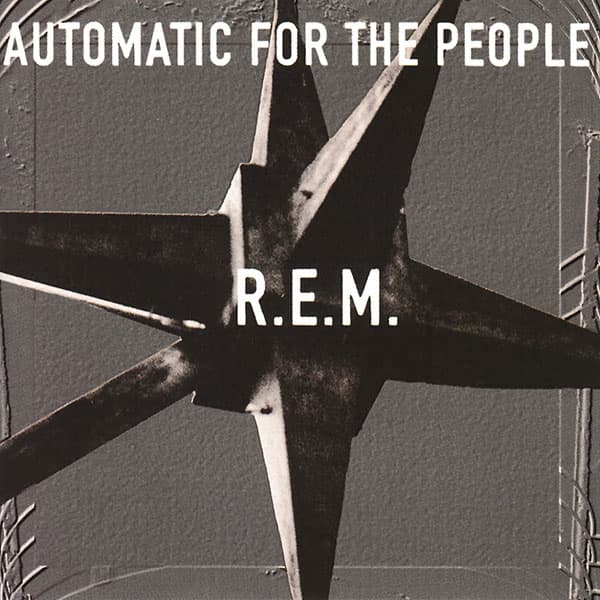
They set out to make a loud record and ended up with a quiet one. John Paul Jones of Led Zeppelin wrote the string parts.

One side plugged in, one side not. A few months later Dylan took the electric half to Newport and the folk crowd turned on him.

Hendrix produced it himself, and spent so long in the studio that his manager walked out. One track is thirteen minutes of imagined underwater life.
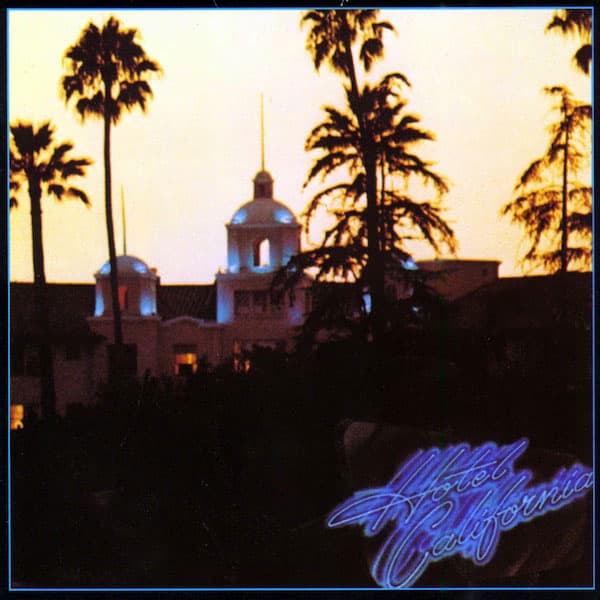
The two guitars at the end of the title track were worked out note for note in advance, and have to be played identically every night.

Merry Clayton was called in at midnight, heavily pregnant, to sing on Gimme Shelter. Her voice cracks on the third take and Jagger whoops.
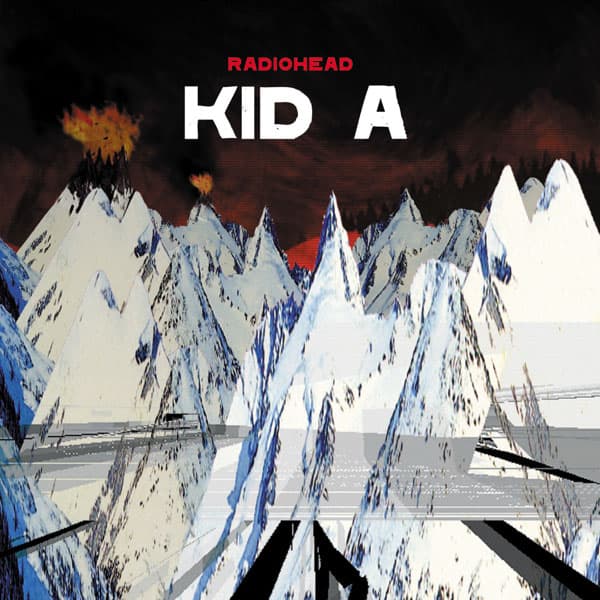
Singer Thom Yorke pulled the lyrics out of a hat because he could not write, and the band released it with no singles and no interviews.
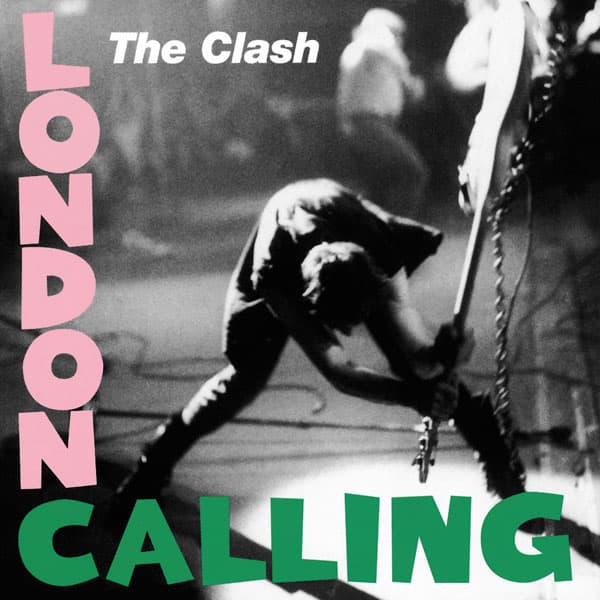
Their producer motivated the sessions by swinging ladders around the studio and pouring wine into the piano. The sleeve copies Elvis's first album.
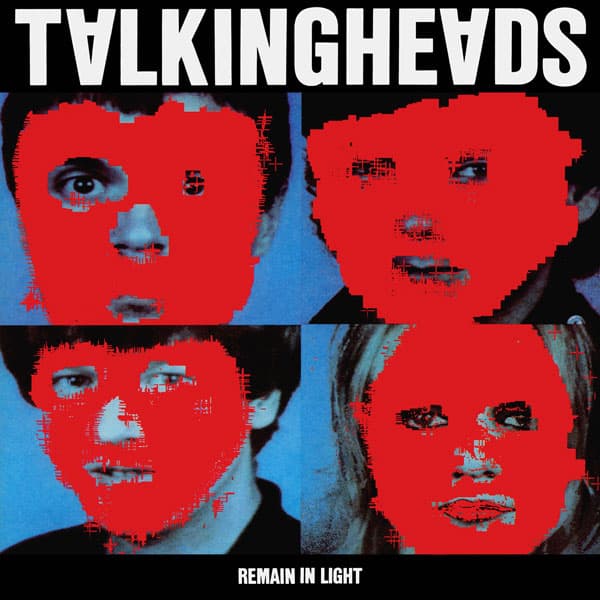
Most of it is built on a single chord that never changes, with the interest coming entirely from layers of interlocking rhythm.
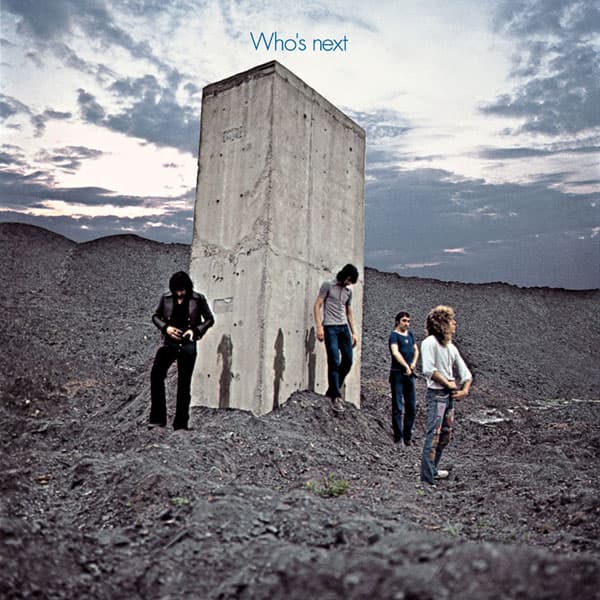
What survived an abandoned science-fiction project became this record. The keyboard figure opening Baba O'Riley was generated by a machine rather than played.
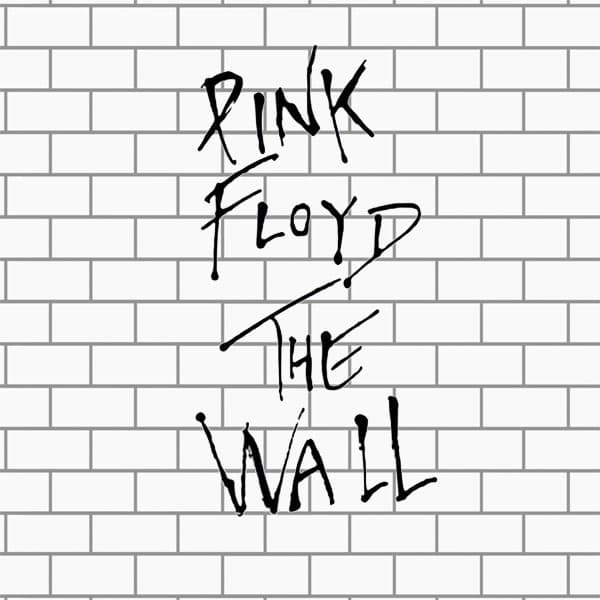
Roger Waters got the idea after spitting at a fan in Montreal and being appalled at himself. A school near the studio supplied the children's choir.

It sold almost nothing for a year until MTV agreed to play Welcome to the Jungle once, at four in the morning. Then it never stopped.
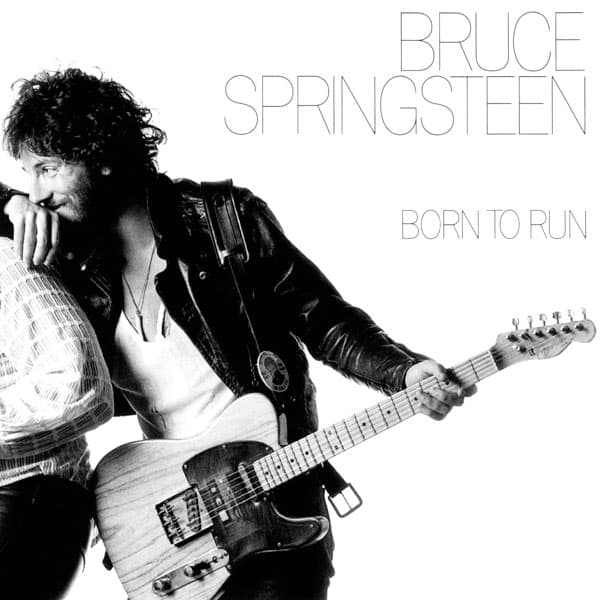
Springsteen spent six months on the title track alone and hated the finished record so much he wanted to throw it in a swimming pool.
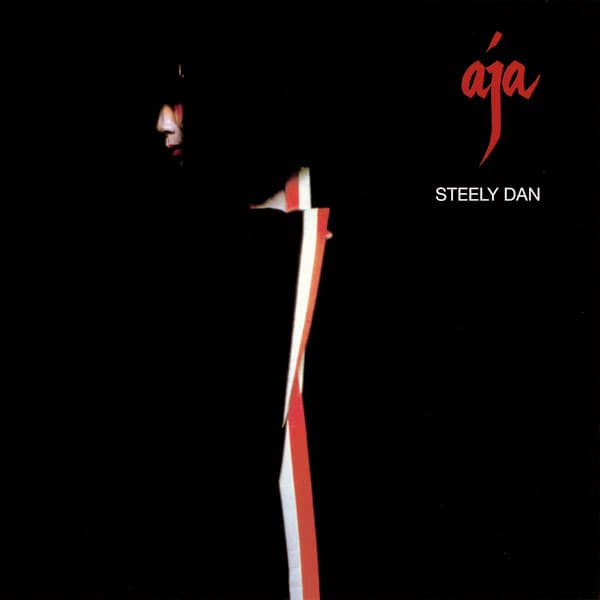
Becker and Fagen ran seven guitarists through the solo on Peg before they kept one, and worked the rest of the record the same way.
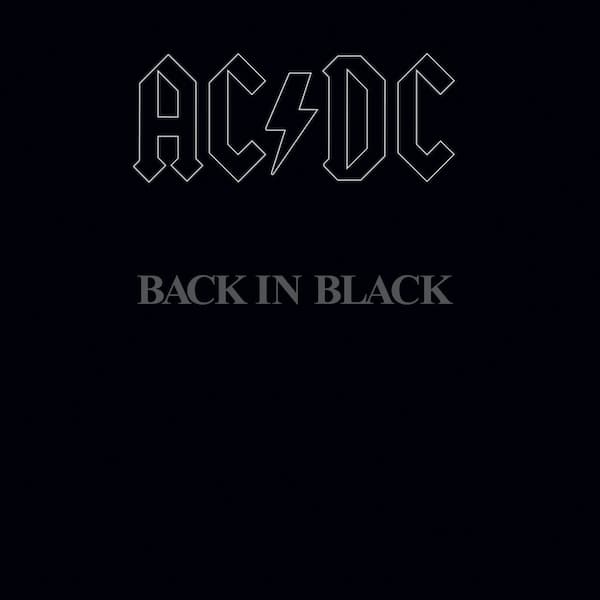
Their singer had died five months earlier. They hired Brian Johnson, put out a record in an all-black sleeve, and sold fifty million.

Reagan's campaign tried to borrow the title song, which is sung by a veteran who cannot get a job. Seven singles went top ten.

Simon wrote the title song and gave it to Garfunkel to sing alone, and spent years regretting it. They had broken up by release.
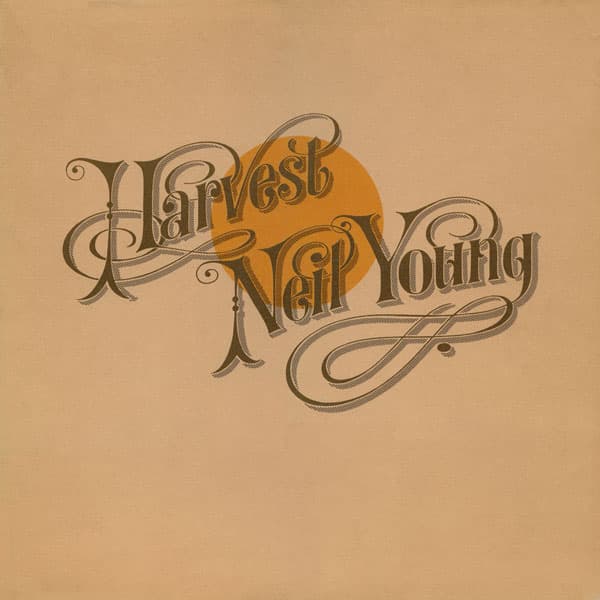
Young had hurt his back and recorded much of it sitting down in a brace. The London Symphony Orchestra plays on two of the songs.
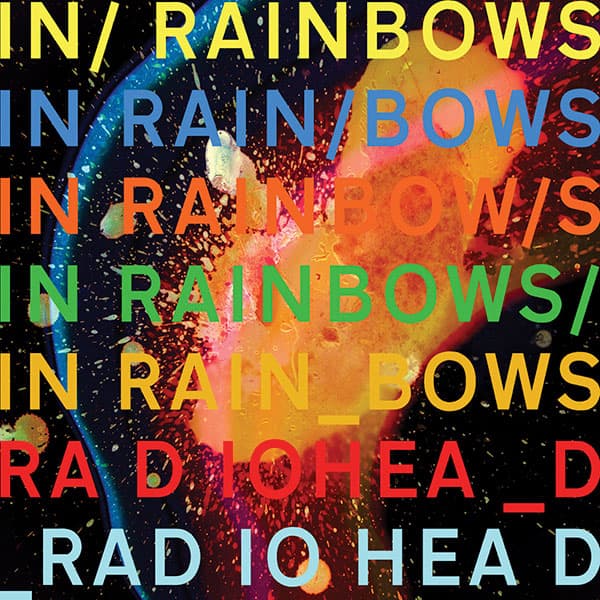
They put it online and let people pay whatever they wanted, including nothing. Some of the songs had been played live for ten years.
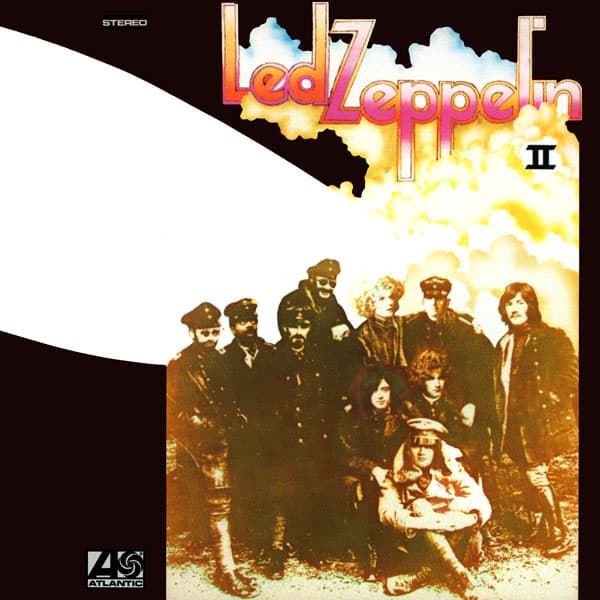
Written and recorded in snatched hours in studios across two continents while touring. Willie Dixon later sued over the words to Whole Lotta Love.
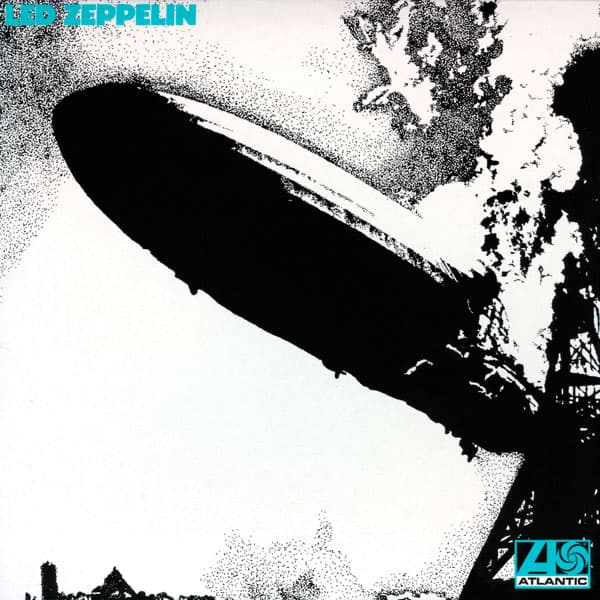
Guitarist Jimmy Page paid for the sessions himself and the record took about thirty-six hours of studio time. Nobody had heard drums recorded like that.

They wrote it in the basement of a pink house near Woodstock, and Bob Dylan painted the picture on the front.

Sid Vicious barely plays on it, and a record shop was taken to court over the word bollocks and won.
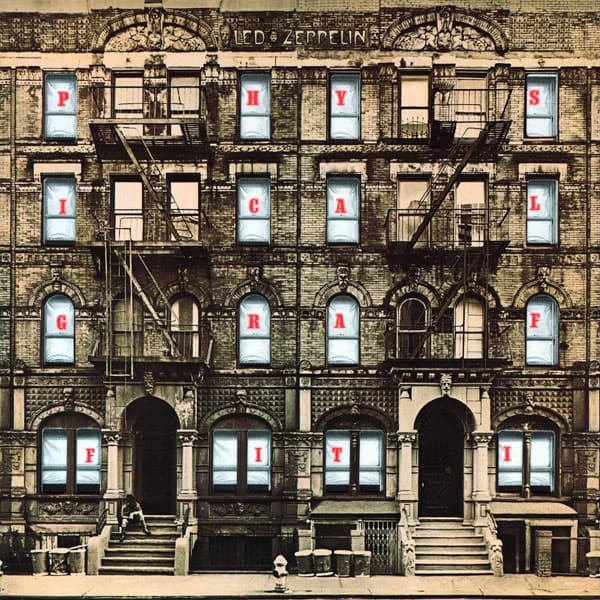
They did not have enough songs for a double album, so they raided outtakes from three earlier records to fill it out.
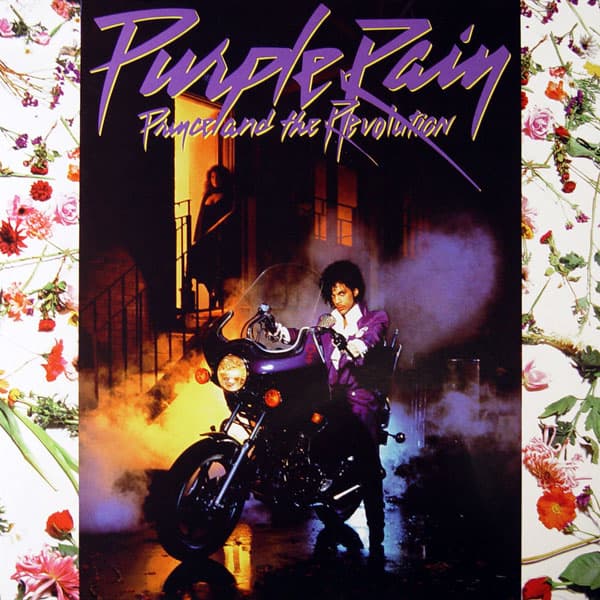
When Doves Cry has no bass on it at all, which Prince did deliberately. Several tracks were taped live at a Minneapolis club.
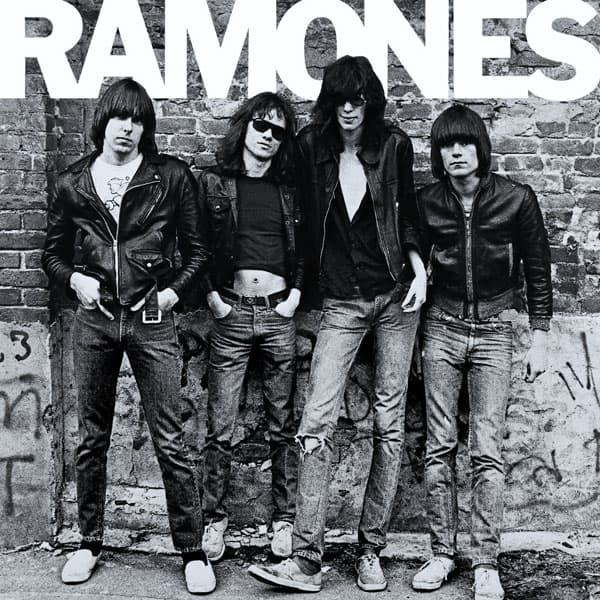
Fourteen songs in twenty-nine minutes, recorded for about six thousand dollars. Nothing on it is longer than two and a half minutes.
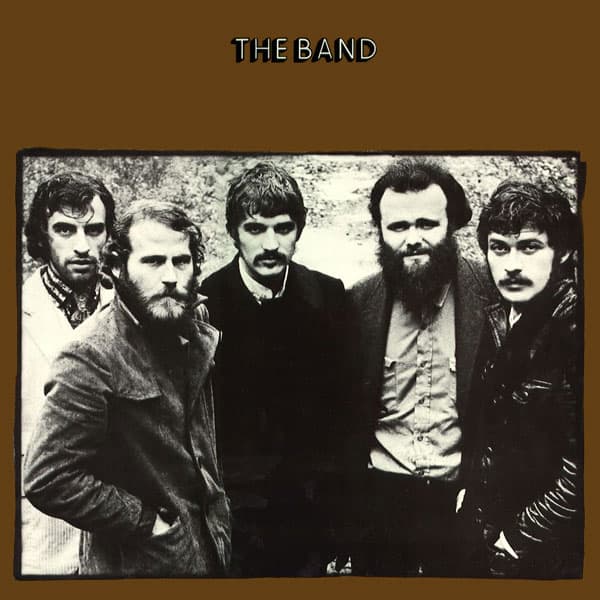
They converted the pool house of a rented Hollywood home into a studio. Most of these songs about the American South were written by a Canadian.
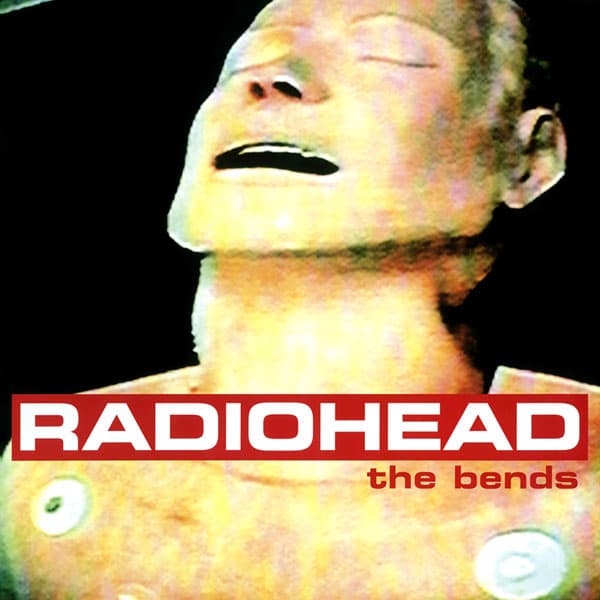
They were exhausted and sick of being the Creep band, and nearly fell apart making it. Nothing on it sounds anything like Creep.
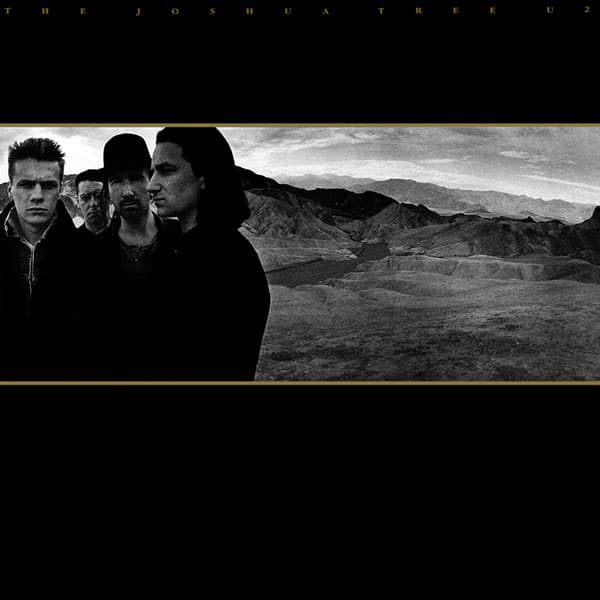
Where the Streets Have No Name took so long to record that Brian Eno considered wiping the tape to force them to start again.

The band were in a legal fight with their label while making it, and the title track opens with a clip from a 1962 British film.

Producer Rick Rubin moved the band into a Hollywood mansion they were convinced was haunted. Guitarist John Frusciante quit within a year of its release.
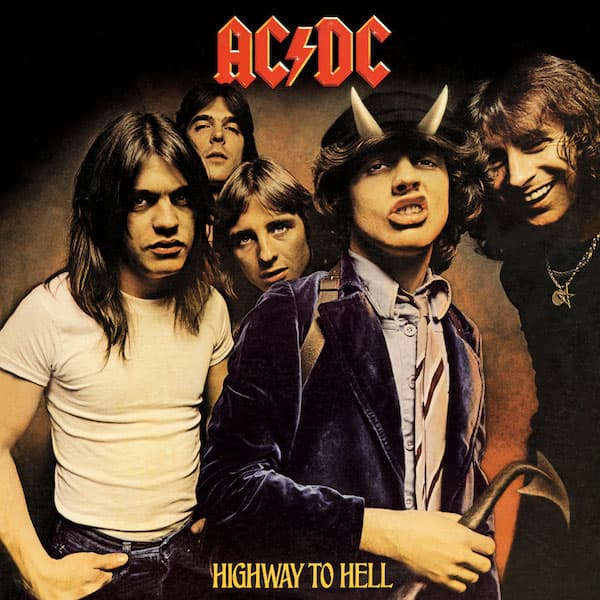
Bon Scott was dead six months after it came out. It was the first record they made with a producer who cared about choruses.
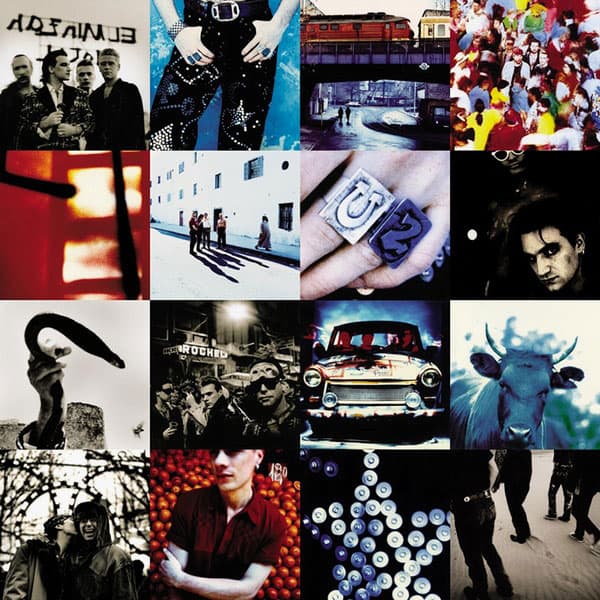
They went to Berlin just after the Wall came down, argued badly enough to nearly break up, and got the song One out of it.

The most expensive record ever made at the time, and they layered the Bohemian Rhapsody vocals until the tape went nearly transparent.

Recorded mostly in the basement of his Topanga house, with an eighteen-year-old Nils Lofgren on piano, an instrument he had not played before.
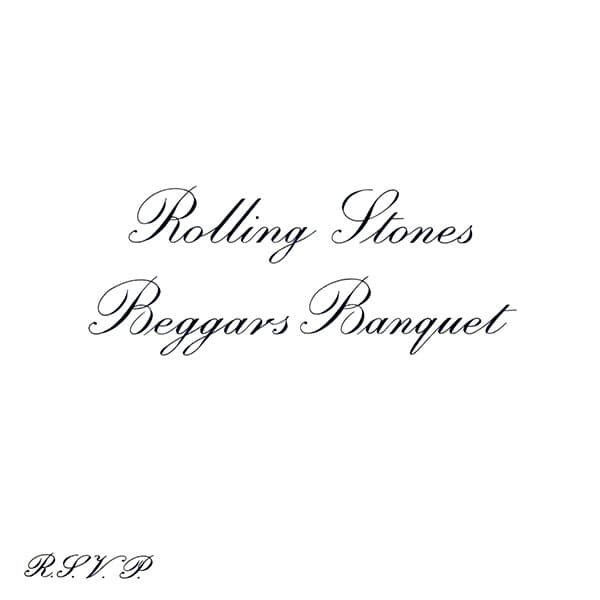
The label refused the original sleeve, a photograph of a graffitied lavatory wall, and held the record back for months over it.
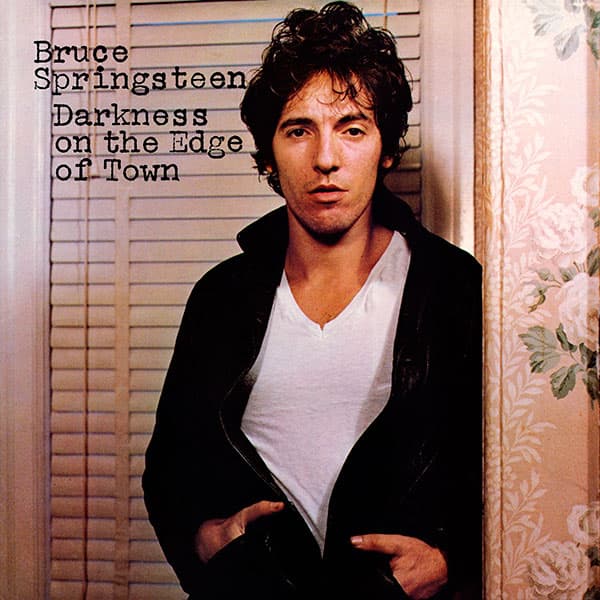
Three years of litigation kept Springsteen out of a studio, and when he got back in he gave away most of the catchy songs.

It took roughly eight hundred hours of studio time, and by the end the four of them were barely speaking to each other.

They tried to record it in Jamaica, gave up, and made the whole double album in about two weeks in a French château instead.
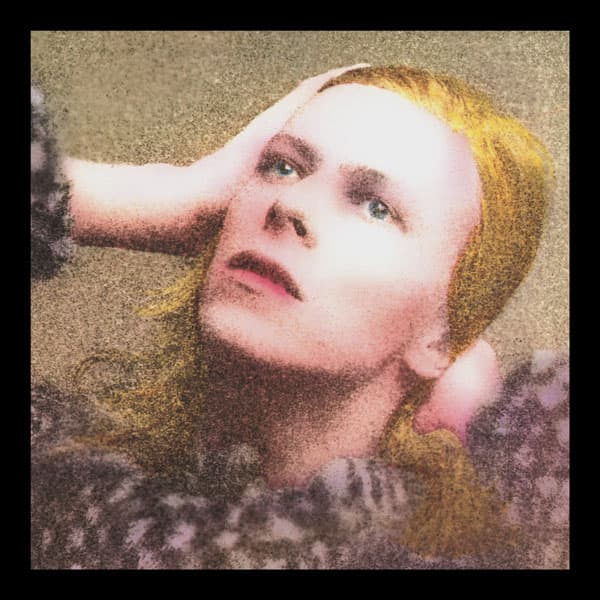
Rick Wakeman plays the piano throughout, and Bowie wrote Kooks in an afternoon for his newborn son. Ziggy Stardust was still a year away.

Clapton wrote it about his best friend's wife. The long piano ending was brought in by the drummer, and he was paid for the co-write.