Pet Sounds
1966
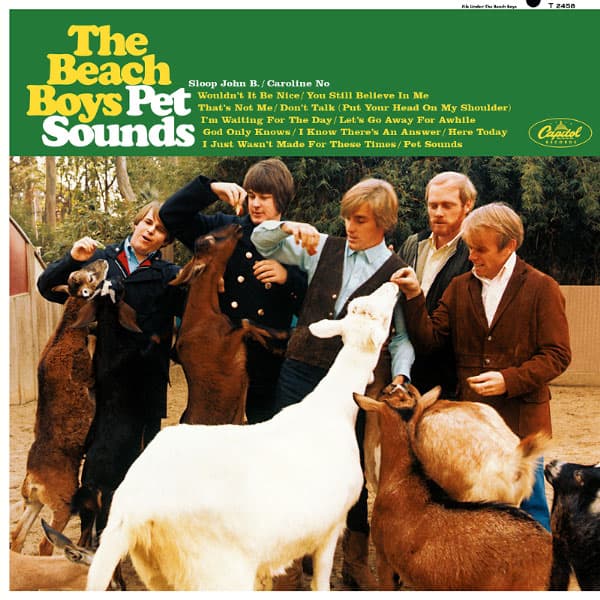
Brian Wilson made it with session players while the rest of the band toured, using bicycle bells, dog whistles and a Coca-Cola can.
★ 9.9
 skopia
Brian Wilson made it with session players while the rest of the band toured, using bicycle bells, dog whistles and a Coca-Cola can.
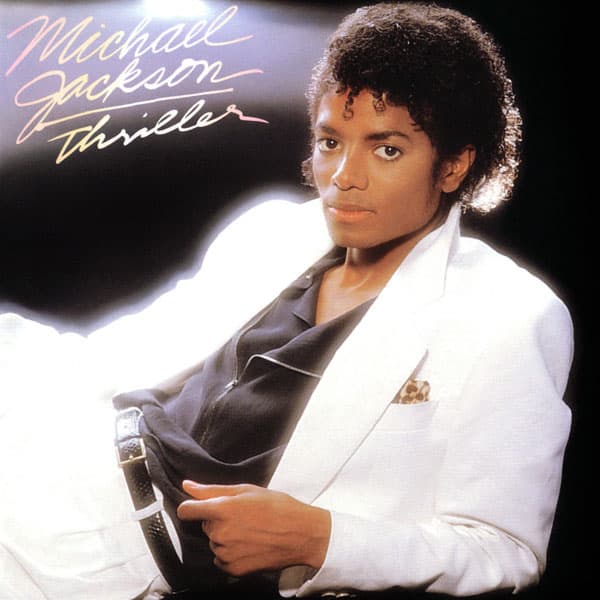
Quincy Jones and Jackson remixed the whole record because the first version sounded thin, and Eddie Van Halen played his solo for free.

It took so long that Wonder and the band took to wearing T-shirts reading We're Almost Finished. Twenty-one songs, and no filler.
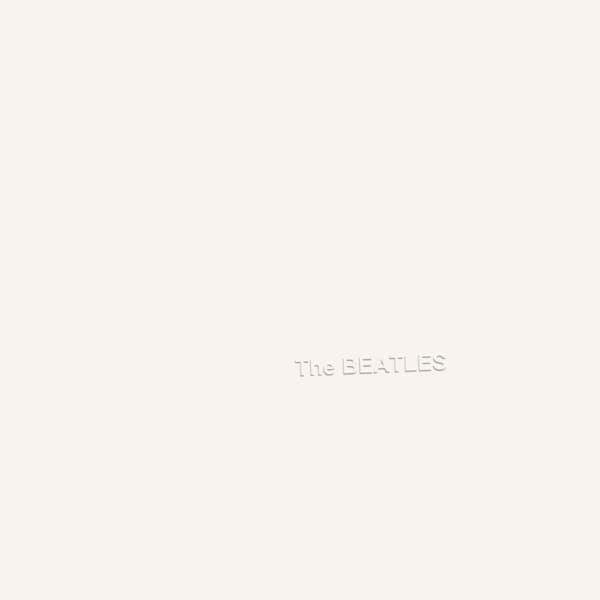
Ringo Starr quit for two weeks during the sessions and Paul played drums in his absence. The cover is plain white with a stamped serial number.
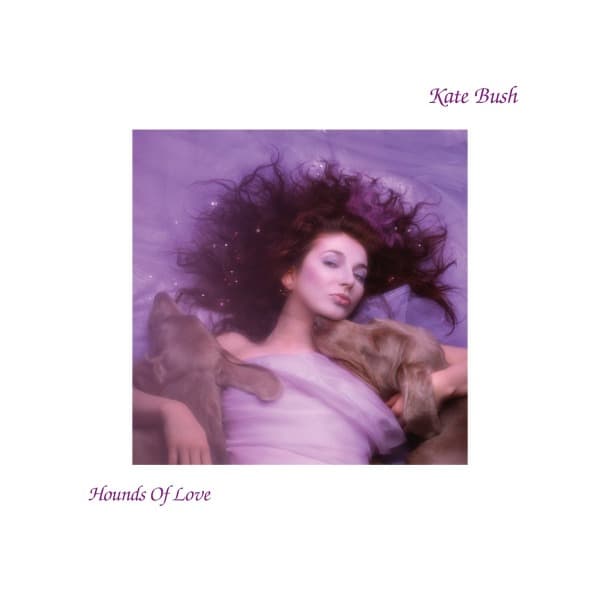
Bush built her own studio at home so nobody could interfere, then gave over an entire side to a woman drowning through one night.
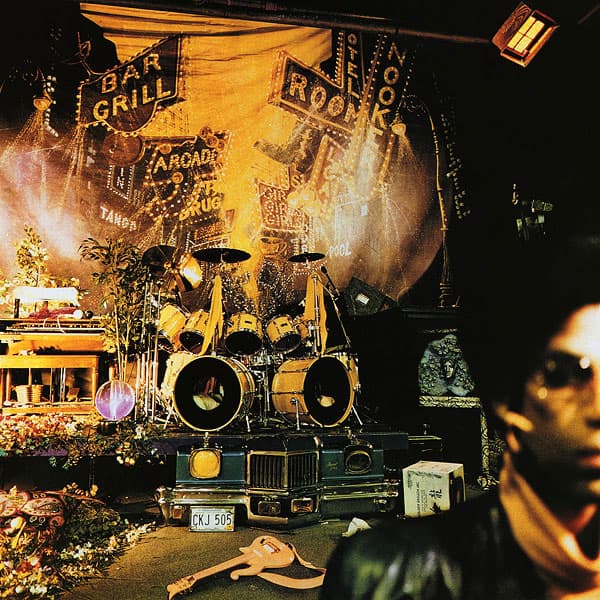
It was meant to be a triple album and the label refused. Some of it is sung by a sped-up alter ego called Camille.
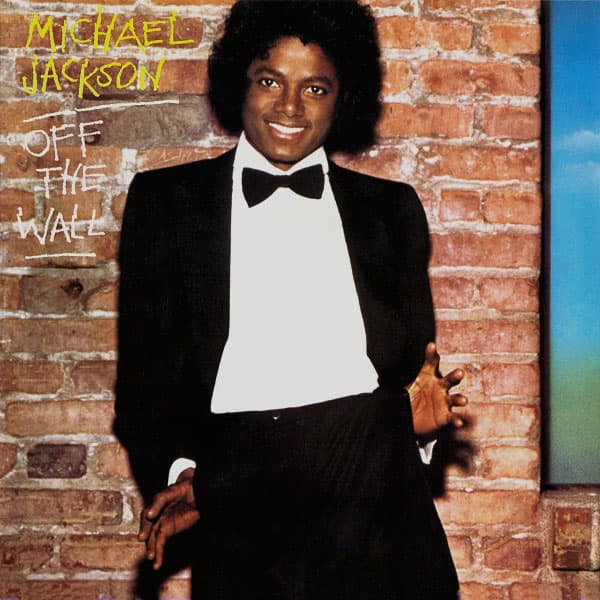
Jackson was twenty-one and wrote the two best songs on it himself. It won a single Grammy, which he took as an insult.
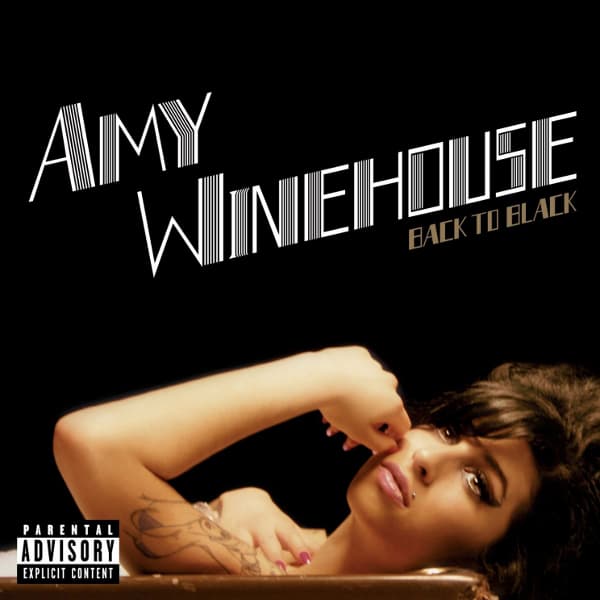
Producer Mark Ronson had a Brooklyn soul band play it live to tape like a sixties session. Winehouse wrote about the man she kept leaving.

They tried to record it in Jamaica, gave up, and made the whole double album in about two weeks in a French château instead.
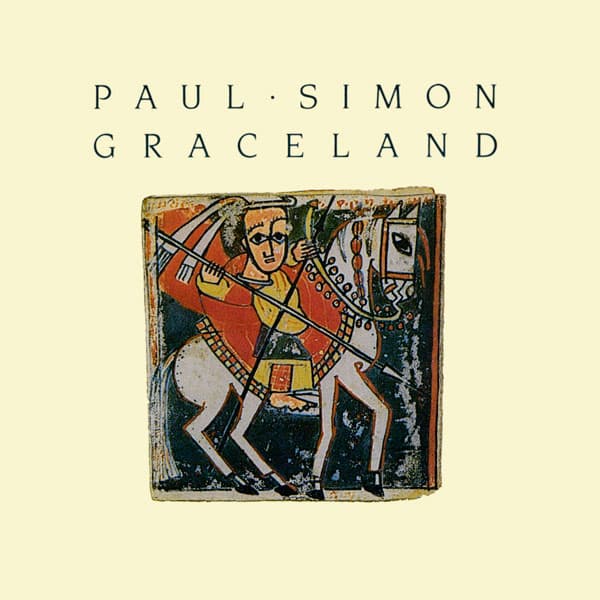
Simon recorded with South African musicians in defiance of the cultural boycott and was condemned for it. Bakithi Kumalo's fretless bass runs through everything.
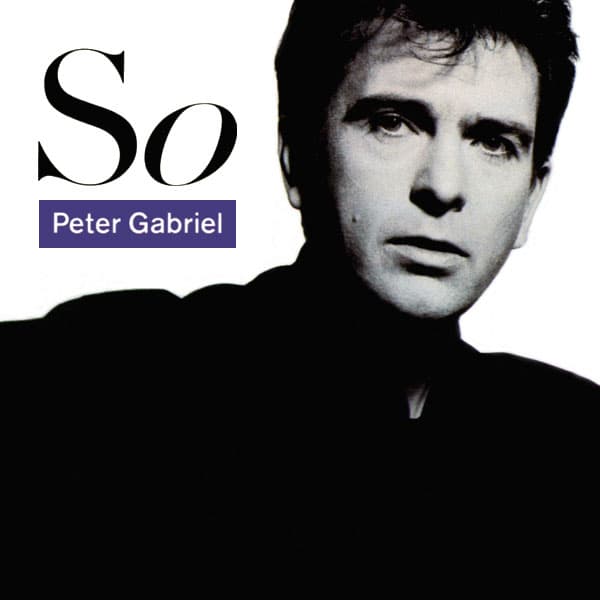
The Sledgehammer video was shot frame by frame with Gabriel lying under glass for sixteen hours. Youssou N'Dour sings the end of In Your Eyes.

It is really two solo albums in one box, and the two of them barely appear on each other's halves.
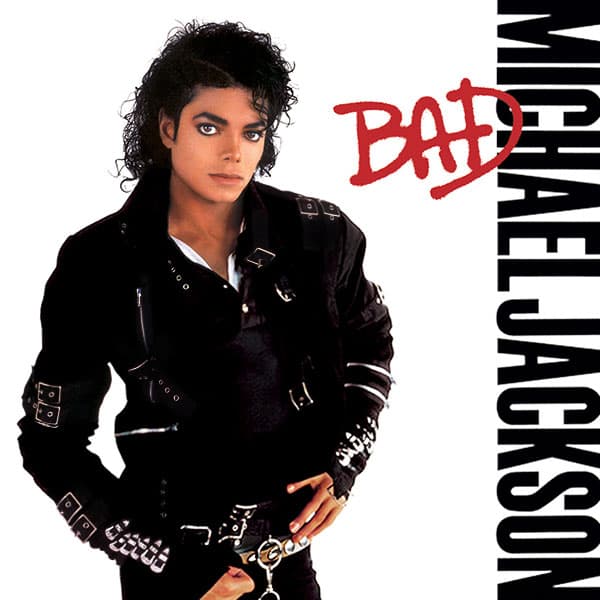
Prince was supposed to sing the title track with Jackson and turned it down. Five singles from it went to number one anyway.

Springfield was so intimidated by the Memphis players that she could not sing in front of them. Her vocals were added later in New York.
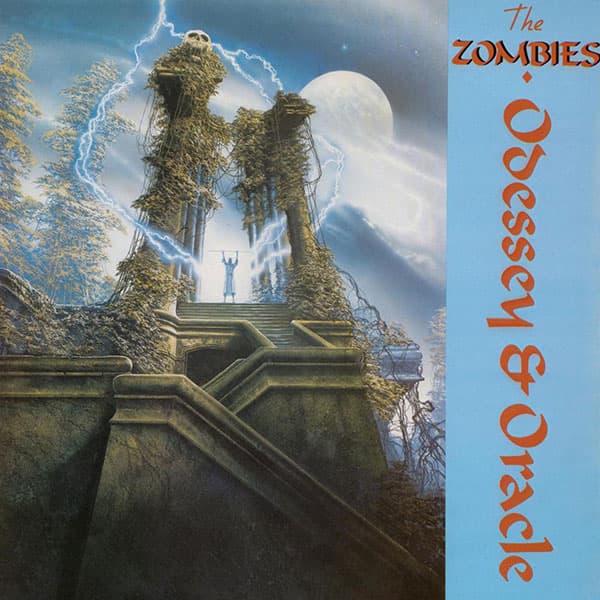
The misspelling on the sleeve was the cover artist's mistake and they left it. The band had broken up before it came out.
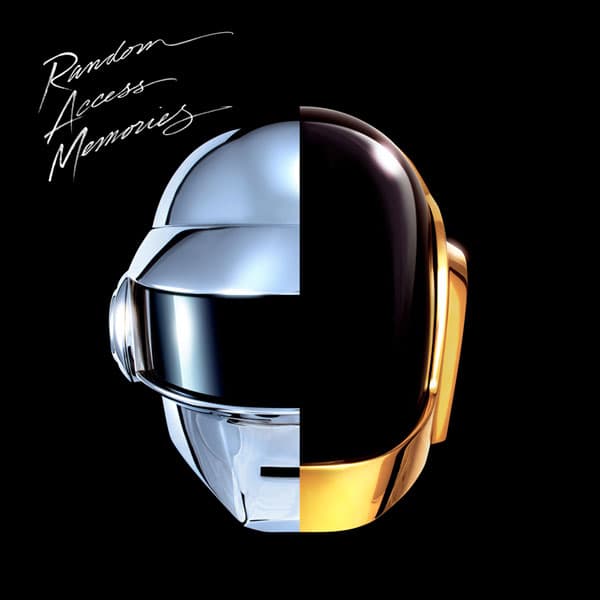
They put the drum machines away and hired session players who had made the records they grew up on. Giorgio Moroder narrates his own life.
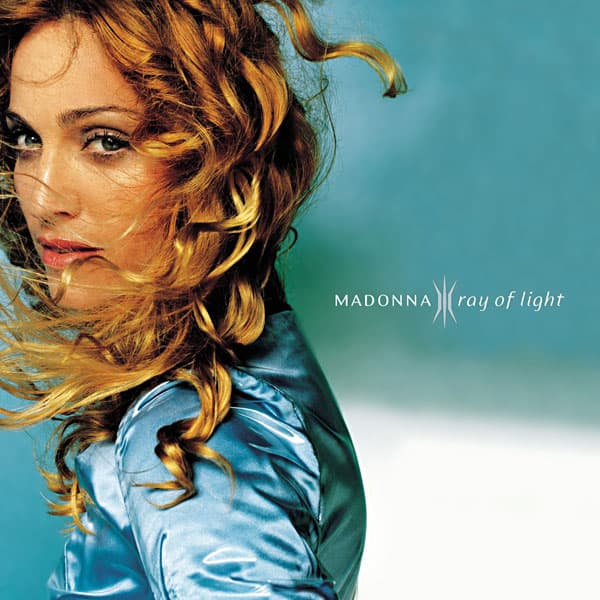
Madonna had trained her voice for a year to play Evita, which is why she suddenly sounds like she can sing. William Orbit did the rest.

The Bee Gees wrote most of it in about two weeks in a French château, without having read the script or seen a frame.

John Cale had left, taking the viola and the noise with him. They recorded it through small amplifiers because their equipment had been stolen.

The Kinks were banned from touring America for four years, which is part of why Ray Davies spent this record writing about English villages.

Costello had been working as a computer operator two years earlier. The sleeve was printed deliberately off-center with the camera and tripod showing.
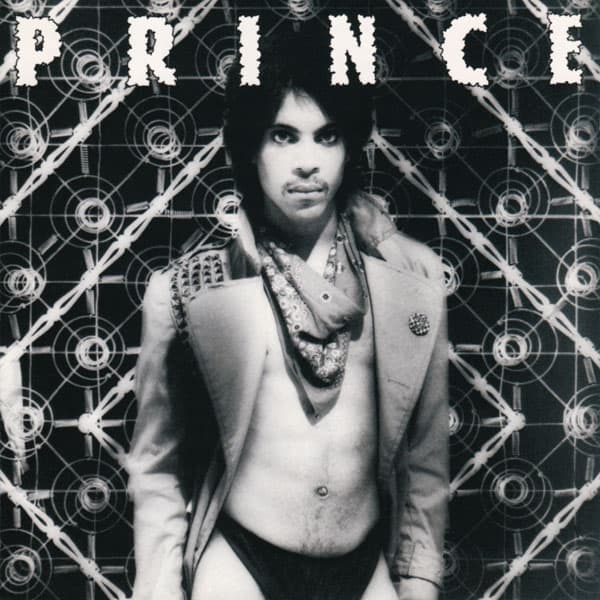
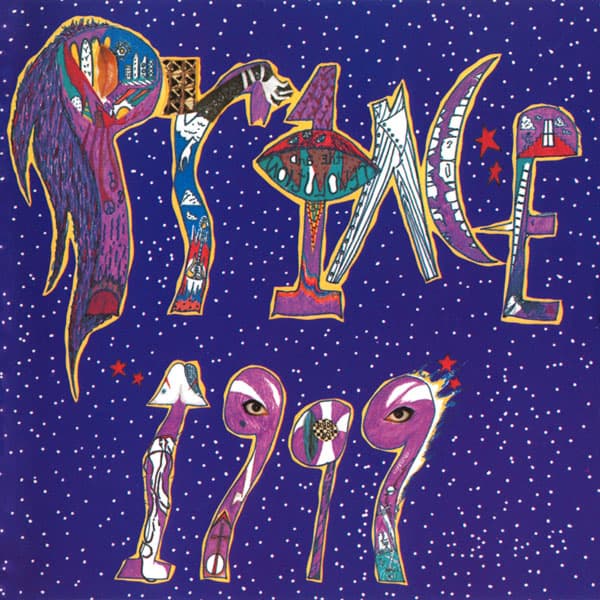
Prince made it at home as a set of demos, and Warner decided to put them out exactly as they were.
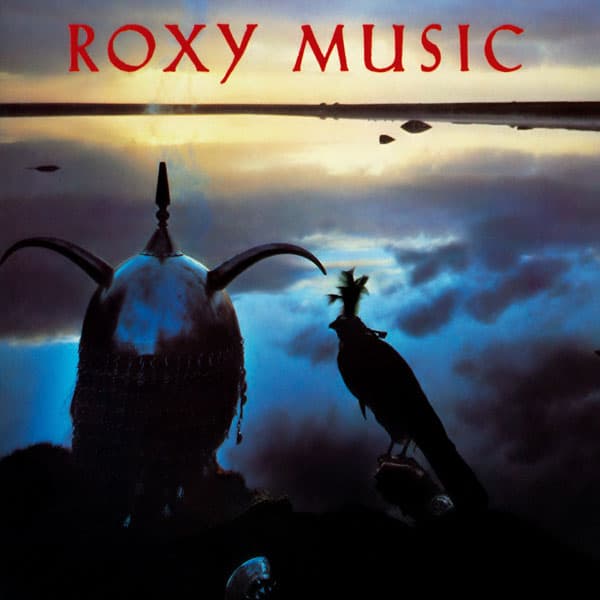
Roxy Music's last record, made partly in the Bahamas and finished so smoothly it barely sounds played. Bryan Ferry never made another with the band.
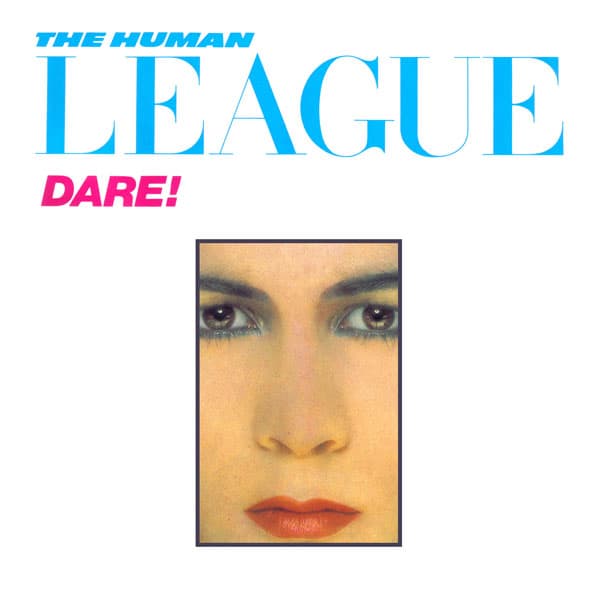
Singer Phil Oakey found two of his backing vocalists dancing in a Sheffield nightclub and put them on stage within weeks. Neither had sung professionally.

His first proper studio album in eight years of films, cut with a Memphis house band who treated him like any other singer.
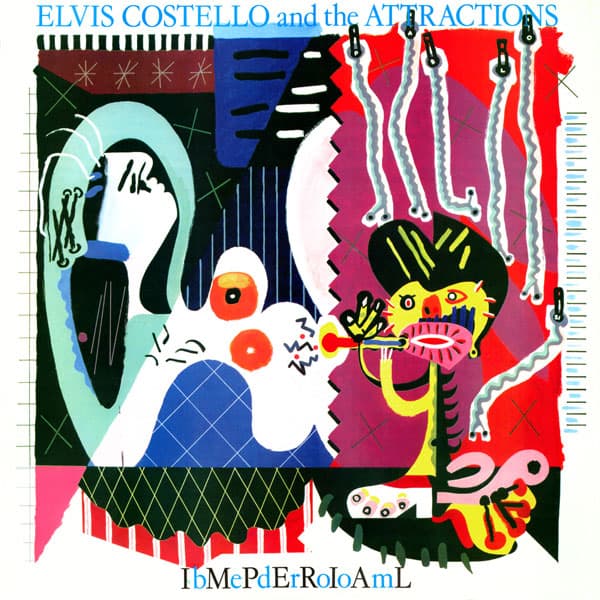
Geoff Emerick, who had engineered Sgt. Pepper, produced it, and the lyrics were printed on the sleeve as one unbroken block of text.
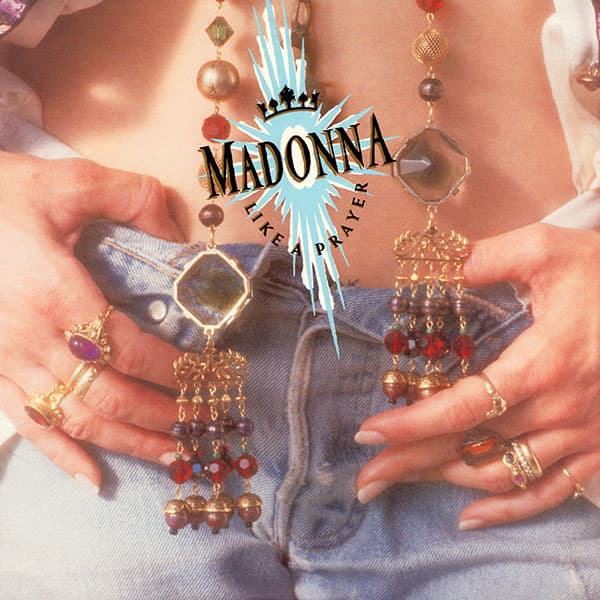
Pepsi paid five million dollars to use the title song, then dropped the advert within a day when the video appeared.

Costello recorded it on days off from his job at a cosmetics factory, backed by an American bar band that included Huey Lewis.
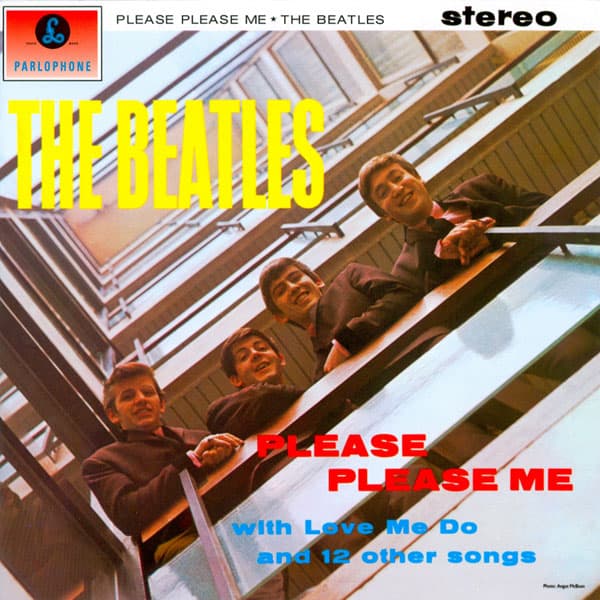
Recorded in a single day. Lennon had a heavy cold and sang Twist and Shout last, in one take, because his voice was about to go.
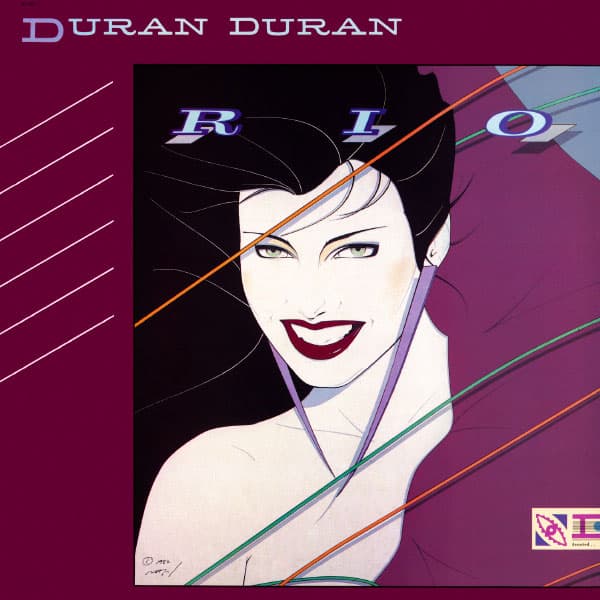
The videos were shot in Sri Lanka and Antigua on a yacht, which was the point. Patrick Nagel painted the woman on the sleeve.

The trombone solo in I've Got You Under My Skin was played by a man standing on a box to reach the microphone.
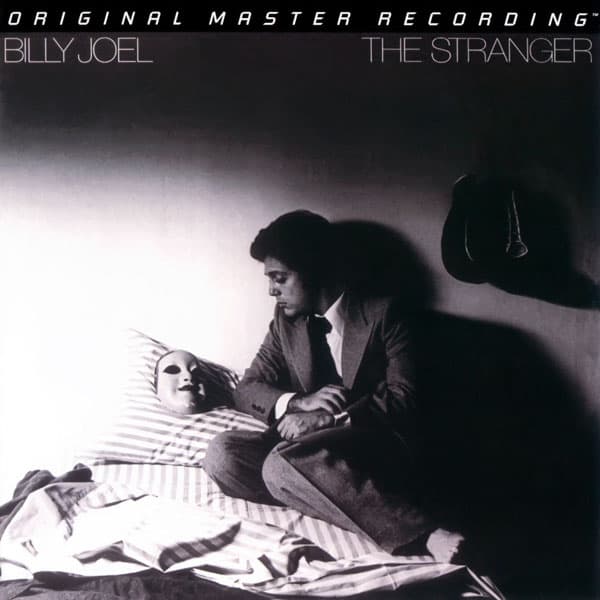
Scenes from an Italian Restaurant is three unfinished songs stitched into one. The whistling at the start of the record is Joel himself.
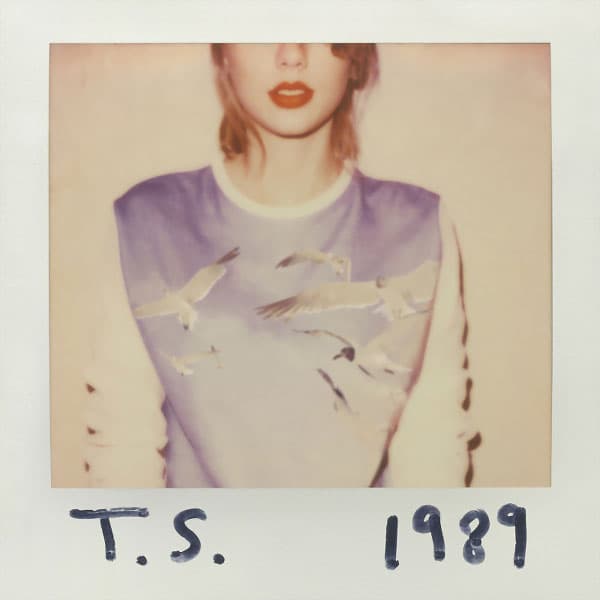
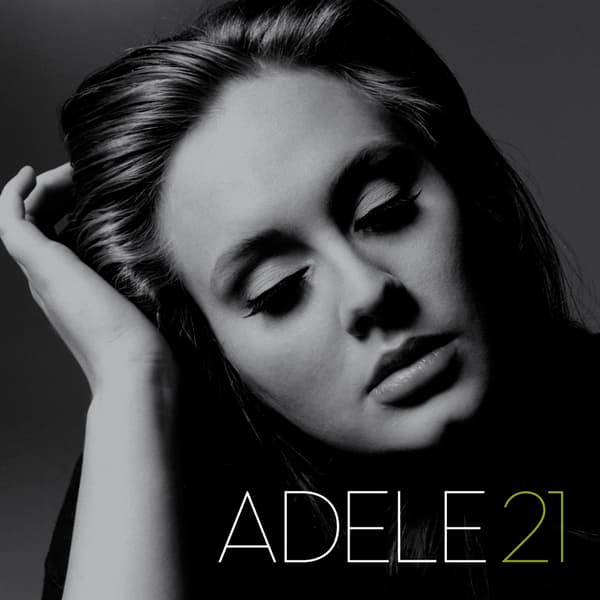
Swift named the record for the year she was born and dropped country entirely, writing straight synth-pop for the first time.
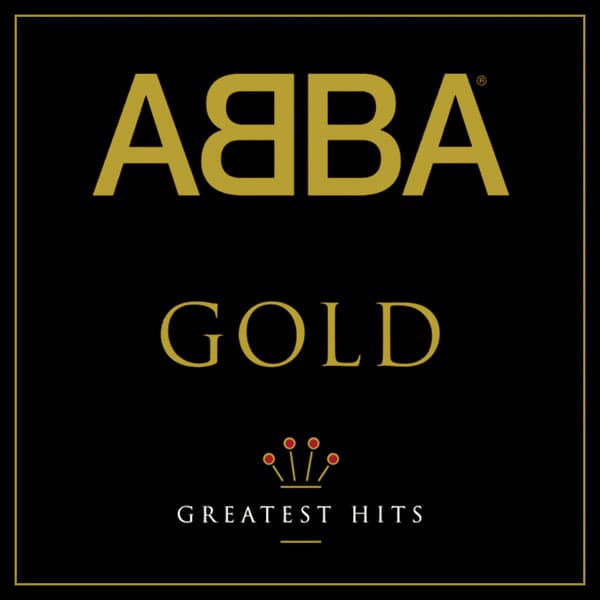
Two of the four were married to the other two, and were divorcing by the end. The sadness sits under melodies in bright major keys.

The producer Timbaland built most of the tracks in two halves, so the songs change shape halfway through instead of repeating a chorus.
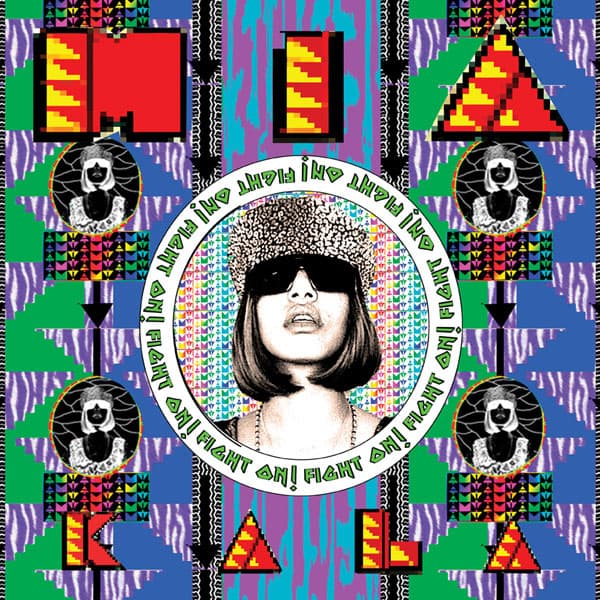
Denied a visa to work in America, she recorded it instead in India, Trinidad, Liberia and Australia, with whoever was in the room.
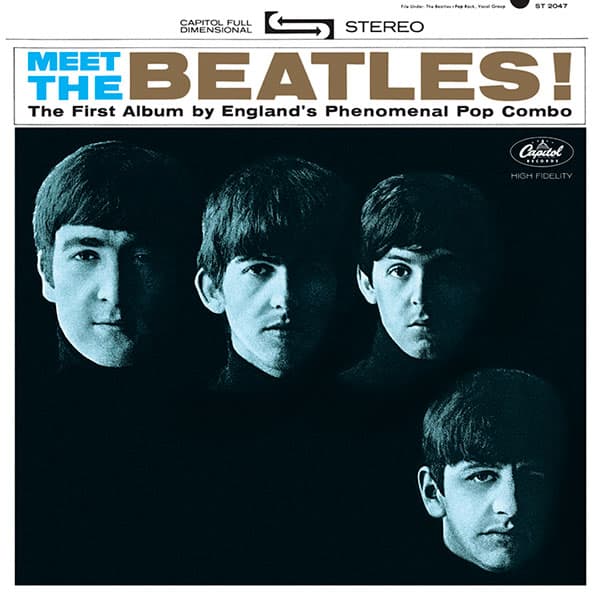
Capitol assembled it themselves from a British album and some singles. The half-shadowed cover photograph came from a hotel session that took barely an hour.
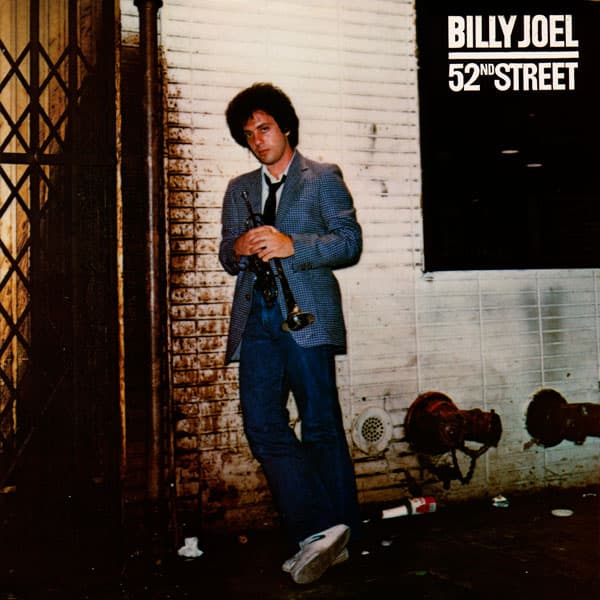
Joel brought in jazz session players and a horn section, and this became the first album anywhere to be released commercially on compact disc.

The songs run in order through the years Elton John and Bernie Taupin spent failing. It was the first album ever to enter at number one.
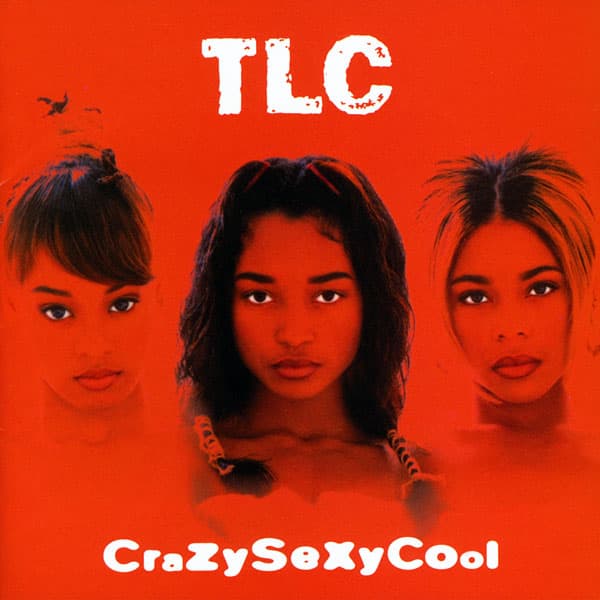
Lisa Lopes burned down her boyfriend's house while they were making it. The album sold over twenty million and the group still went bankrupt.
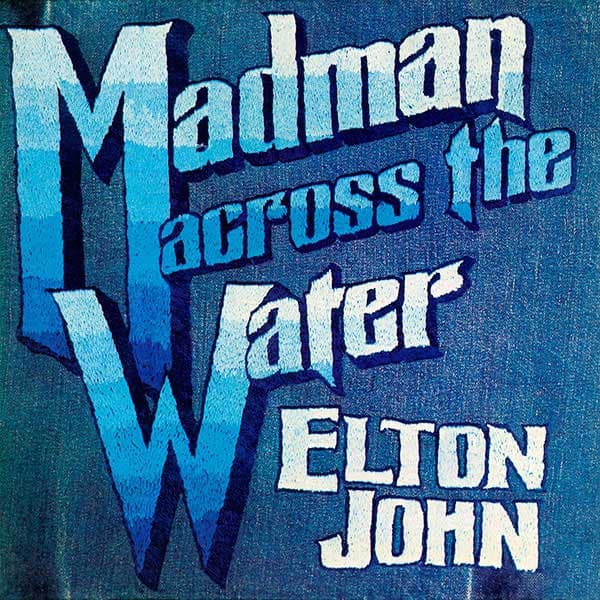
Paul Buckmaster's orchestra was recorded live in the room with the band rather than added afterward, which is why the strings breathe with them.
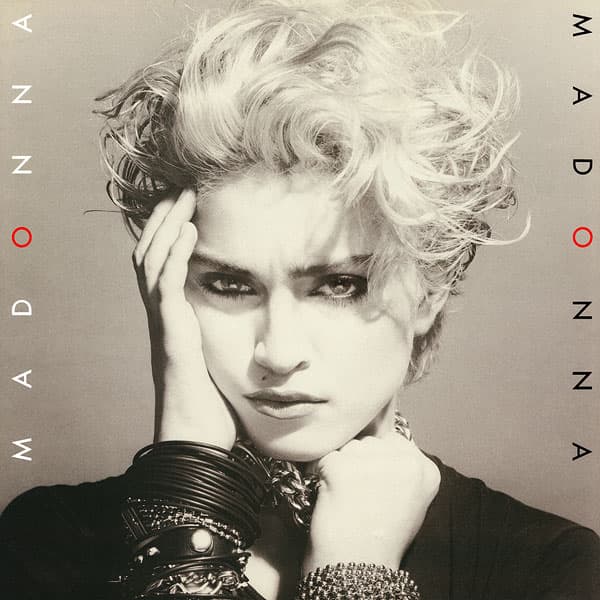
Madonna fought the label for control of her own debut and got a club DJ brought in to remix it. It sold ten million.
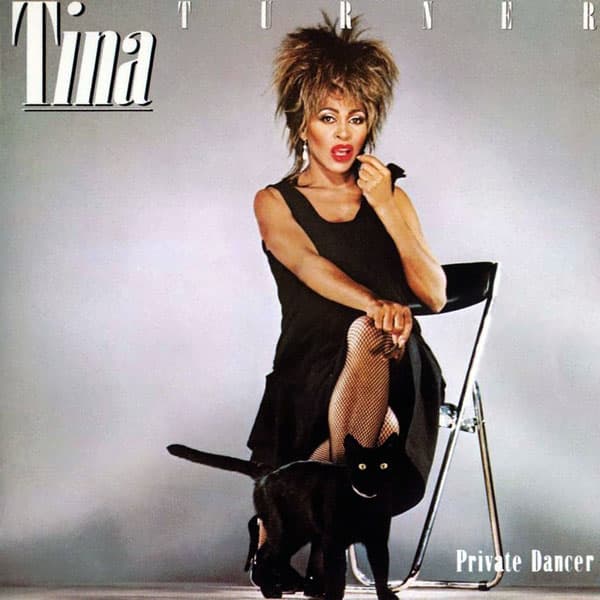
Recorded in about two weeks in London on almost no budget, when Turner was forty-four and considered finished. Mark Knopfler wrote the title song.
Lorde was sixteen, recording after school in an Auckland studio, and the tracks are built from almost nothing but voice, bass and finger snaps.
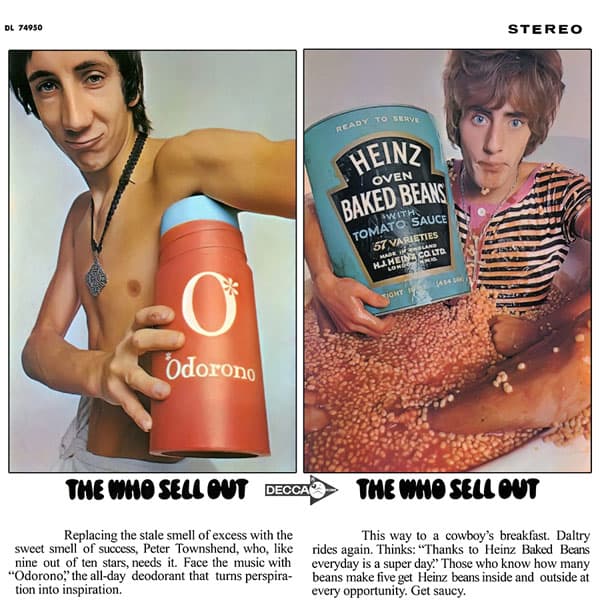
One sleeve photograph left Roger Daltrey sitting in a bath of cold baked beans long enough to catch pneumonia. The radio jingles between songs are real.
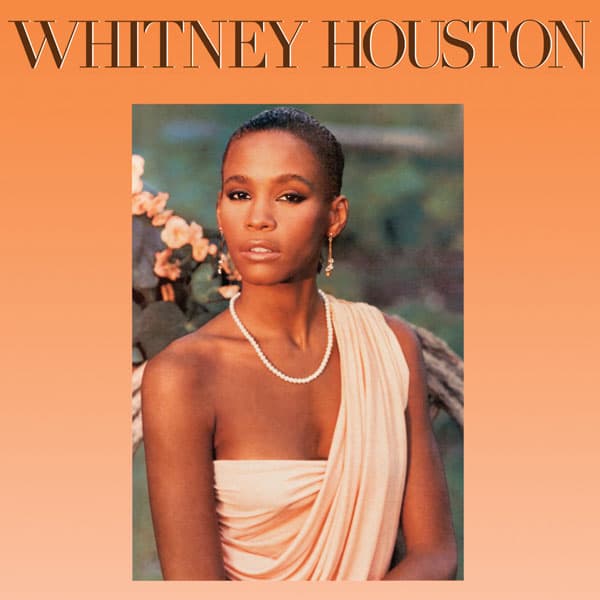
Her mother sang backing vocals for Aretha Franklin. Arista spent two years and a great deal of money picking songs before releasing any of it.

Spector put the Wall of Sound behind sleigh bells and Darlene Love. It came out the day Kennedy was shot and sank without trace.
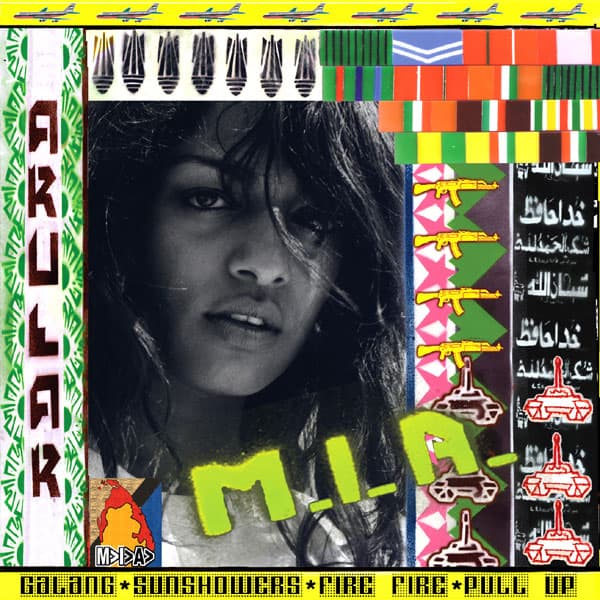
Named after her father, a Tamil militant she barely knew, and built largely on a cheap secondhand sequencer in a London flat.

A twenty-two-year-old on a jazz label made a very quiet record, and it sold twenty-seven million copies and swept the Grammys.

The four of them sang in a block harmony nobody had used in pop, and the first cover photograph had them all in a bathtub.
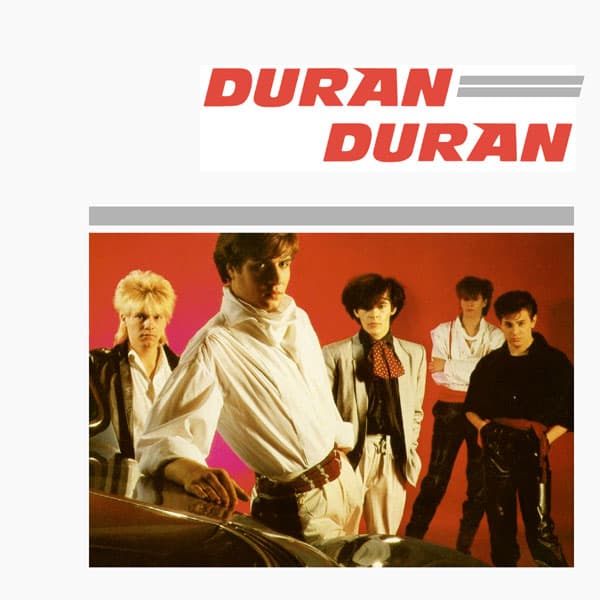
John Taylor's bass carries the tunes the way a lead guitar normally would, which is what separates this from the synth-pop around it.
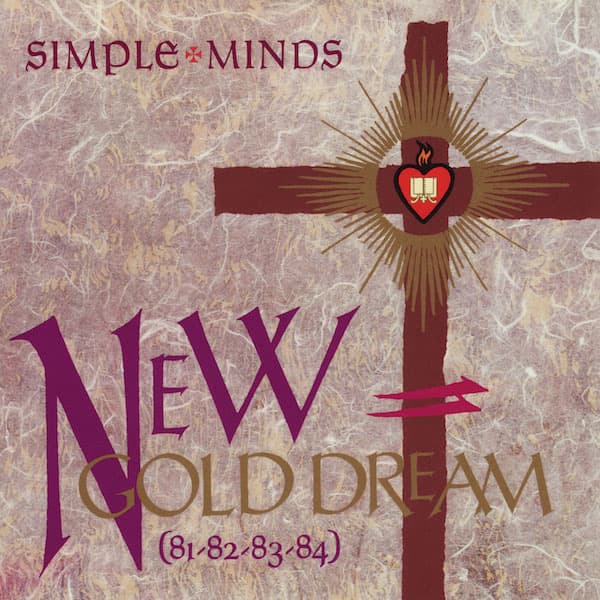
Herbie Hancock turns up to play a keyboard solo on one track, which nobody expected on a Scottish post-punk record.

The drum figure that opens Be My Baby is four beats long, and Brian Wilson has said he played it hundreds of times over.
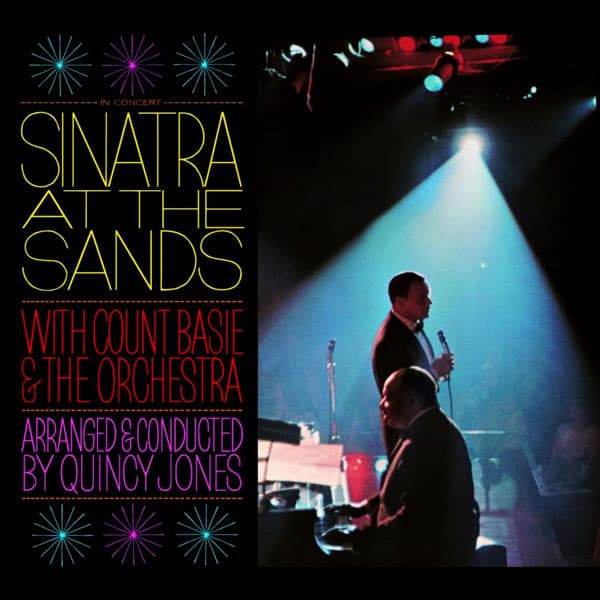
Count Basie's orchestra behind him, Quincy Jones's arrangements, and a long unscripted monologue in the middle that is half the reason people keep it.
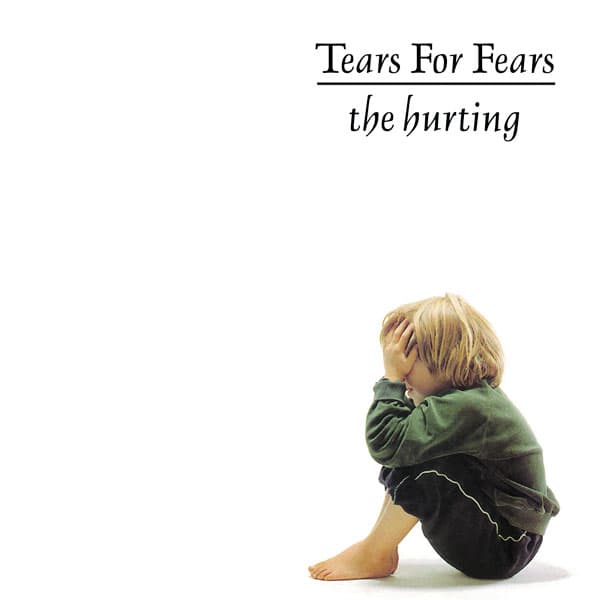
The two of them had played together in a Bath mod band as teenagers, and named this one after a line in a psychology book.
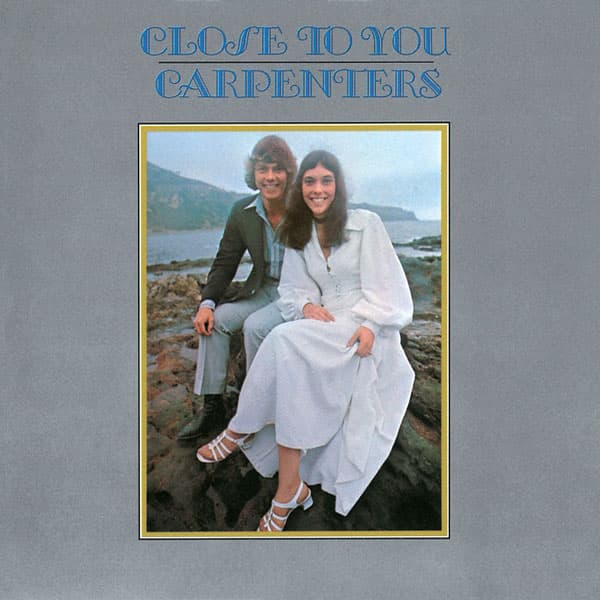
Karen Carpenter was the drummer, and sang from behind the kit until someone persuaded her to come out in front of it.