Franz Ferdinand
2004
The band said they wanted to make records girls could dance to, and rehearsed in a derelict Glasgow warehouse they had taken over.
★ 2.3
 skopia
The band said they wanted to make records girls could dance to, and rehearsed in a derelict Glasgow warehouse they had taken over.
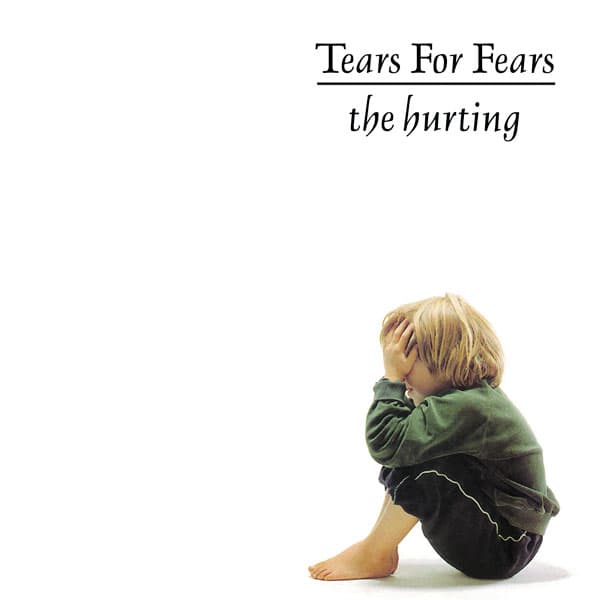
The two of them had played together in a Bath mod band as teenagers, and named this one after a line in a psychology book.
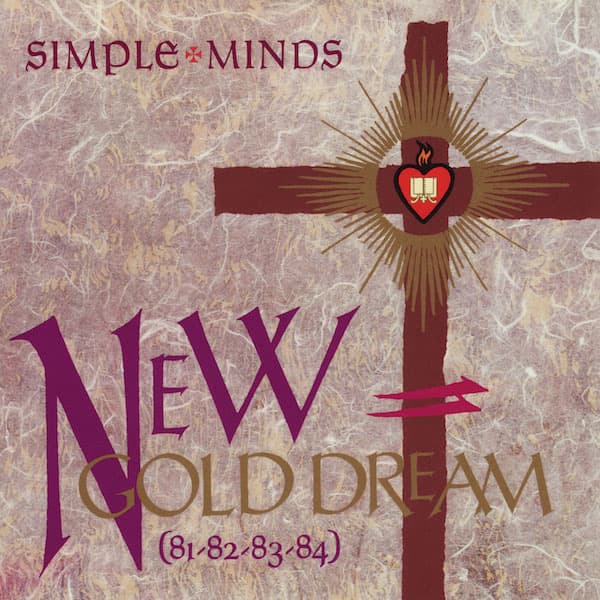
Herbie Hancock turns up to play a keyboard solo on one track, which nobody expected on a Scottish post-punk record.
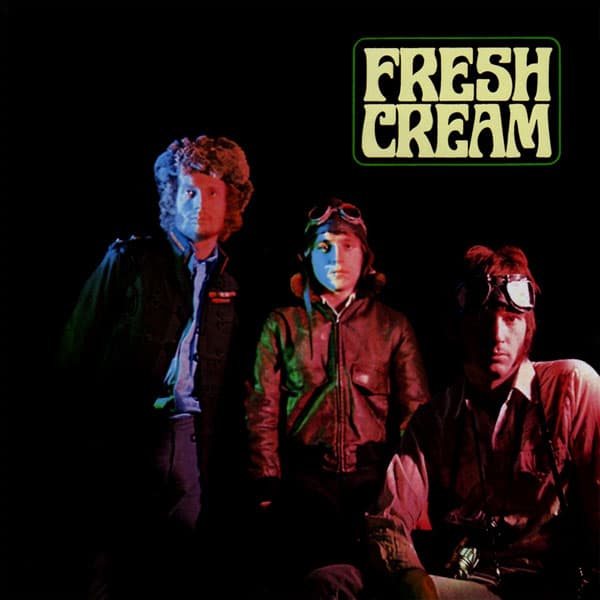
Jack Bruce and Ginger Baker had already been throwing things at each other in a previous band. Baker's drum solo takes up five minutes.
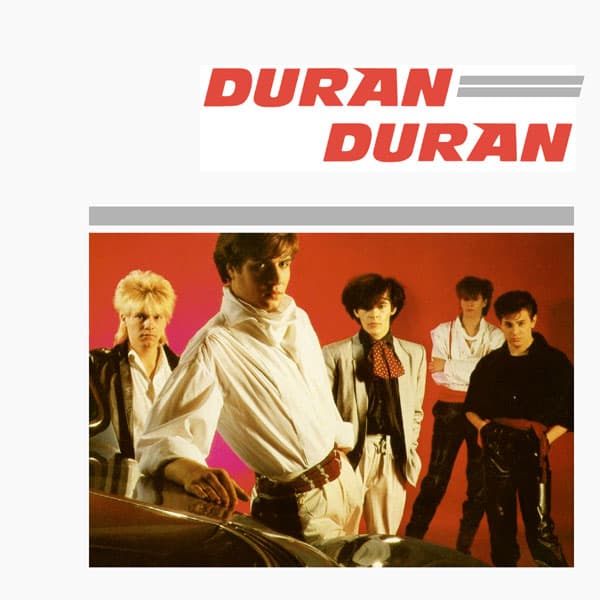
John Taylor's bass carries the tunes the way a lead guitar normally would, which is what separates this from the synth-pop around it.
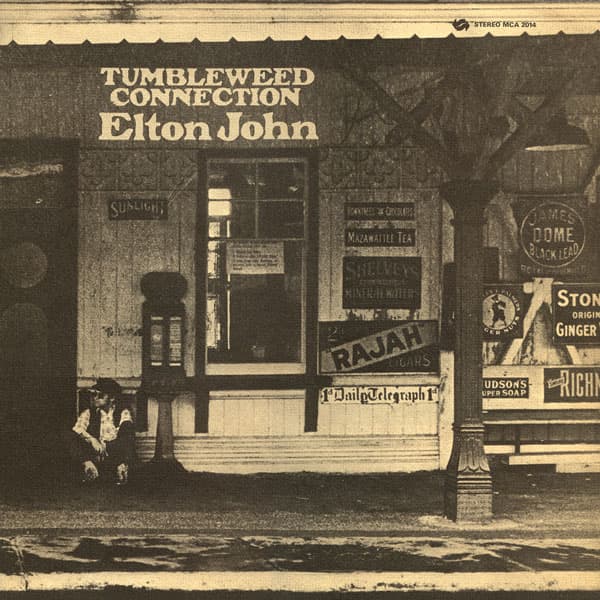
Neither John nor Bernie Taupin had set foot in America when they wrote these songs about it. Taupin had been listening to The Band.

Eighteen songs across a double album, deliberately in as many different styles as the band could manage, recorded in a French farmhouse.
Eno was bedridden after a car accident with a harp record playing too quietly to hear properly, and got the idea for ambient music.
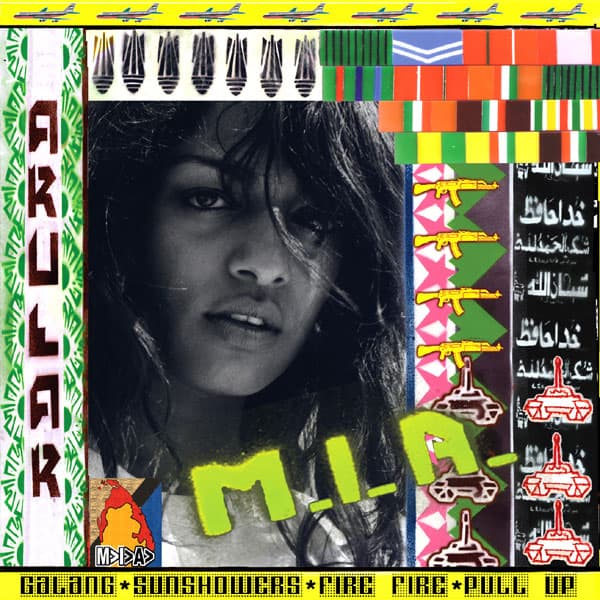
Named after her father, a Tamil militant she barely knew, and built largely on a cheap secondhand sequencer in a London flat.
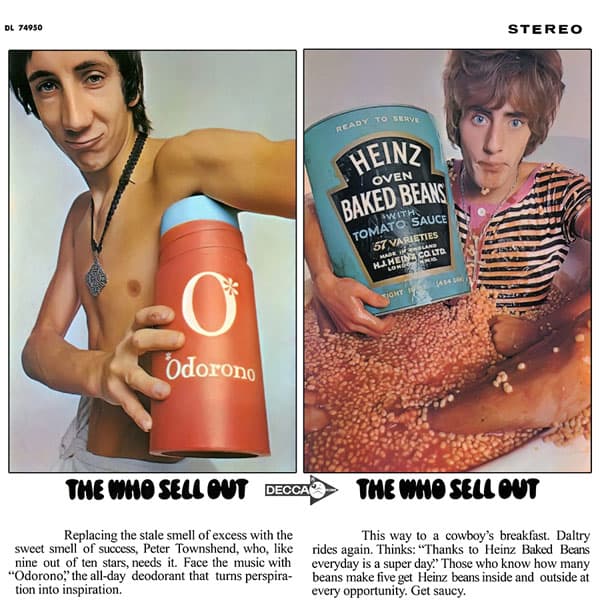
One sleeve photograph left Roger Daltrey sitting in a bath of cold baked beans long enough to catch pneumonia. The radio jingles between songs are real.

Peter Gabriel wrote all the words alone against the rest of the band's wishes, and left the group as soon as the tour ended.
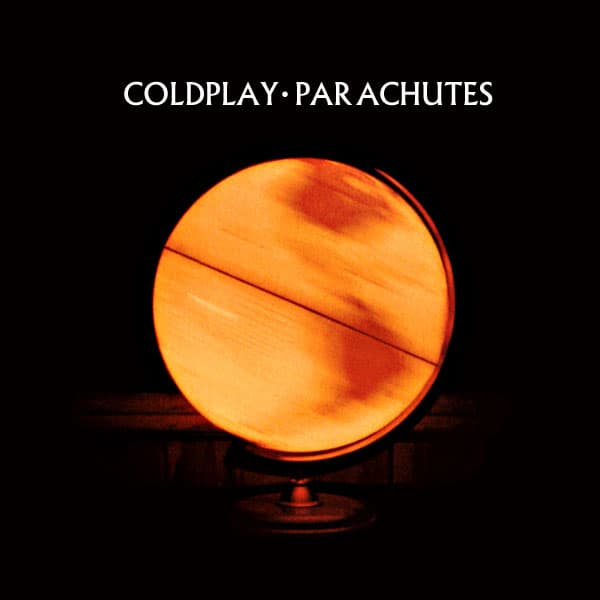
It cost a few thousand pounds to make. Chris Martin has said Yellow came from looking up at the stars outside a Welsh studio.
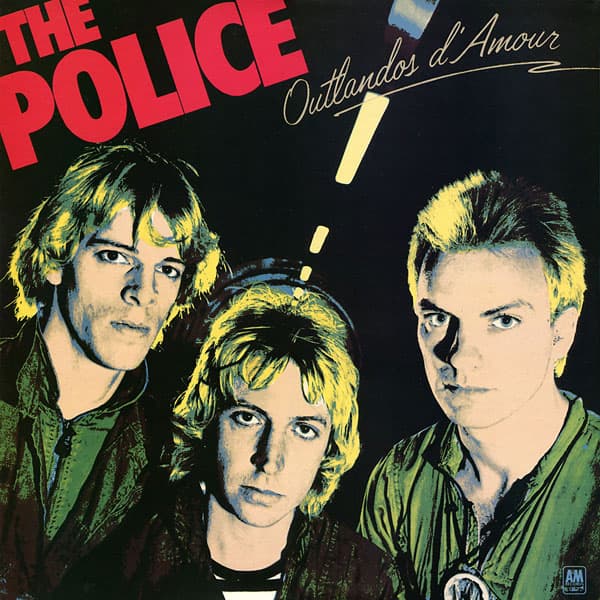
Made in scraps of studio time for about fifteen hundred pounds, and Roxanne is named after a poster the band walked past in Paris.
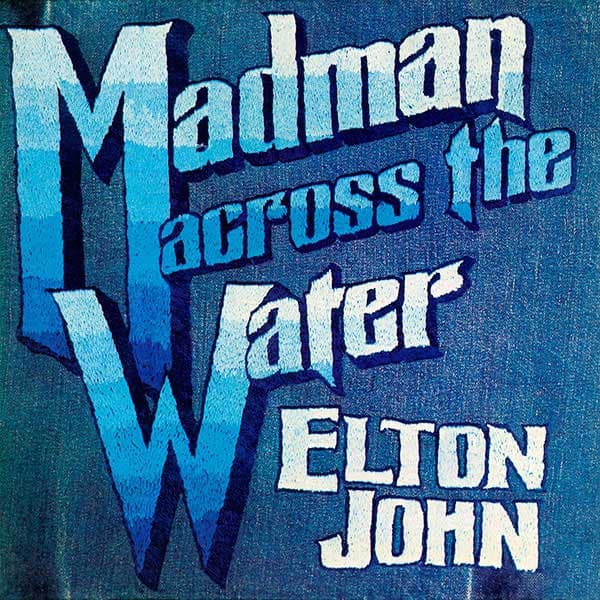
Paul Buckmaster's orchestra was recorded live in the room with the band rather than added afterward, which is why the strings breathe with them.
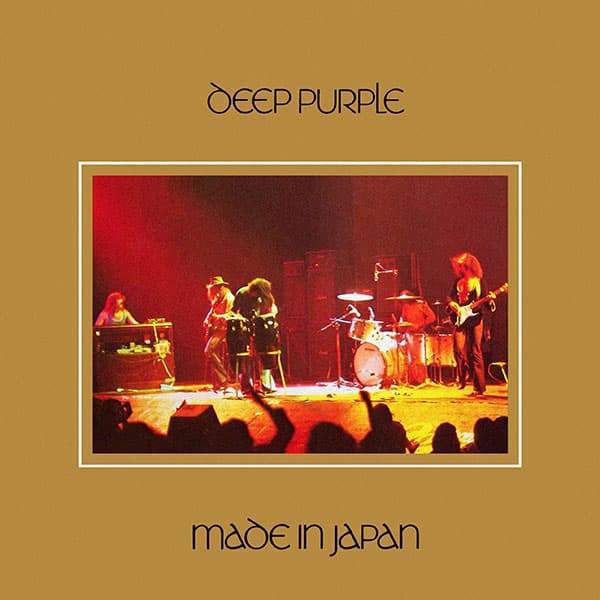
The band thought a live album was a waste of time and only agreed because it was for the Japanese market alone.

Recorded on the 1969 American tour, weeks before Altamont. Charlie Watts posed for the cover with a donkey carrying the band's instruments.

The songs run in order through the years Elton John and Bernie Taupin spent failing. It was the first album ever to enter at number one.

Keith Richards wanted horns on the Satisfaction riff and used a fuzz pedal as a placeholder. The placeholder is what got released.
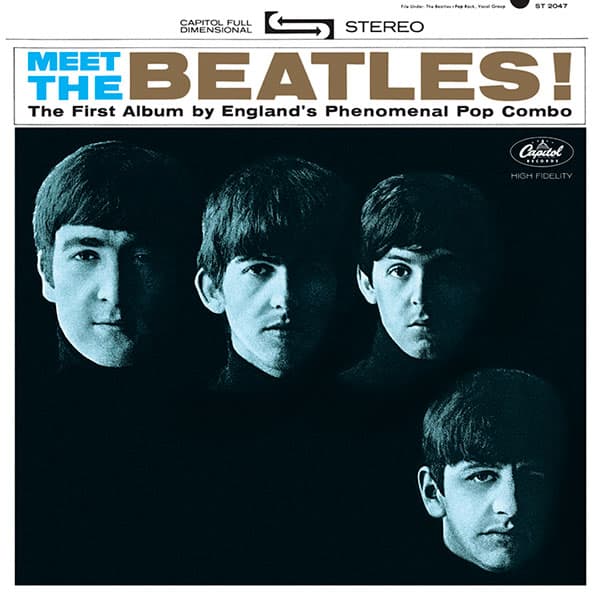
Capitol assembled it themselves from a British album and some singles. The half-shadowed cover photograph came from a hotel session that took barely an hour.
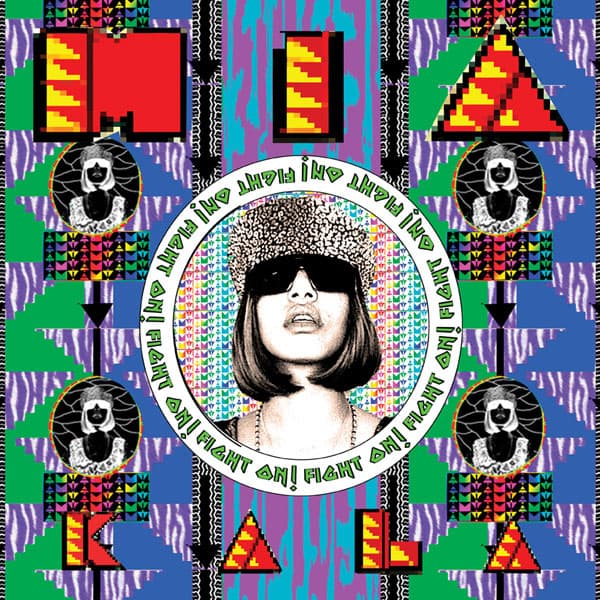
Denied a visa to work in America, she recorded it instead in India, Trinidad, Liberia and Australia, with whoever was in the room.