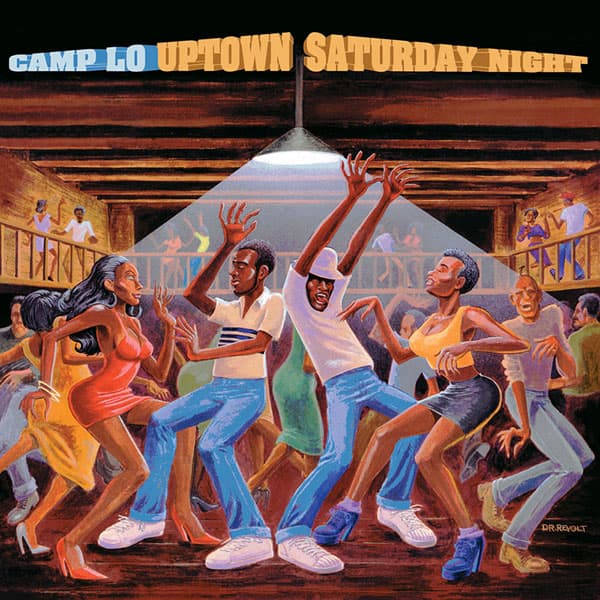
Uptown Saturday Night
1997
Named after a 1974 Sidney Poitier film. Luchini is built on a Dynasty record, and the pair's slang was obscure enough that listeners traded translations.
★ 3.3
 skopia
Named after a 1974 Sidney Poitier film. Luchini is built on a Dynasty record, and the pair's slang was obscure enough that listeners traded translations.

He had written much of N.W.A's material, and a car crash months after this destroyed his voice permanently. He was twenty-one.
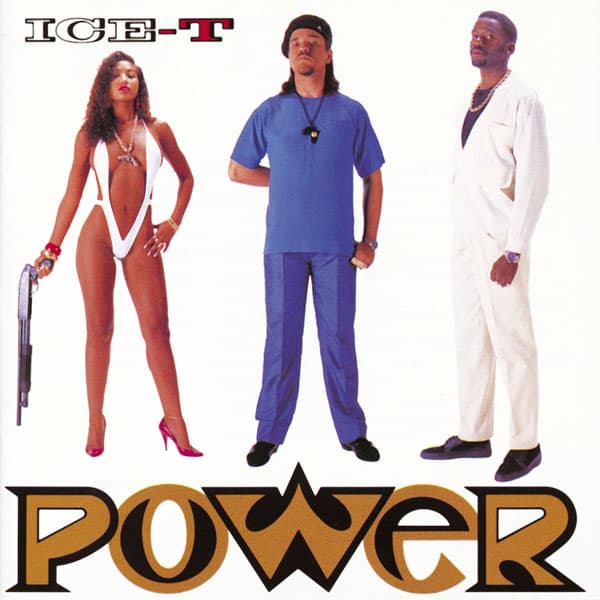
The cover has his girlfriend in a swimsuit holding a shotgun, which got the record removed from a number of shops.
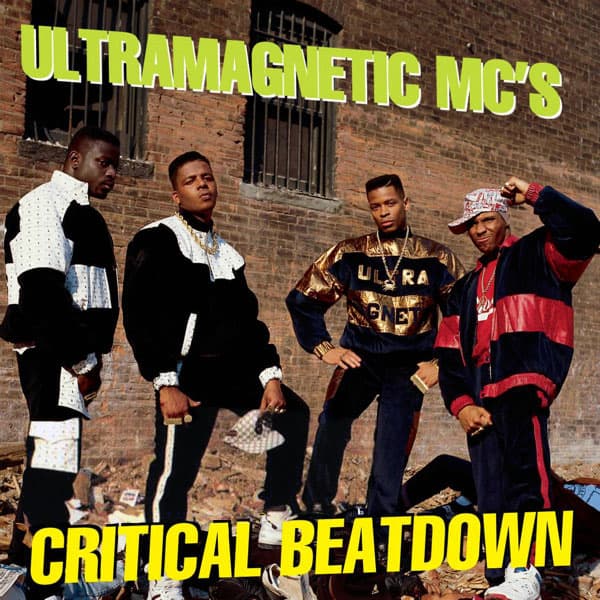
Ced-Gee had already programmed half of Criminal Minded for Boogie Down Productions before making this, and Kool Keith raps like nobody else at all.
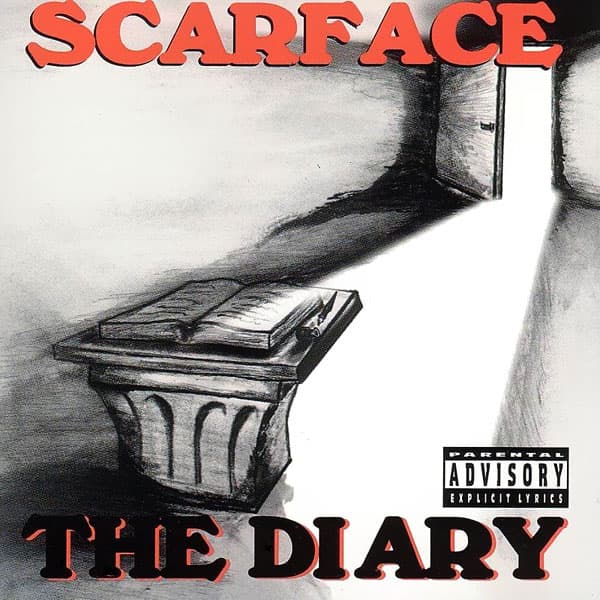
Scarface came out of the Geto Boys and produced much of this himself. He talks over the beats as often as he raps.
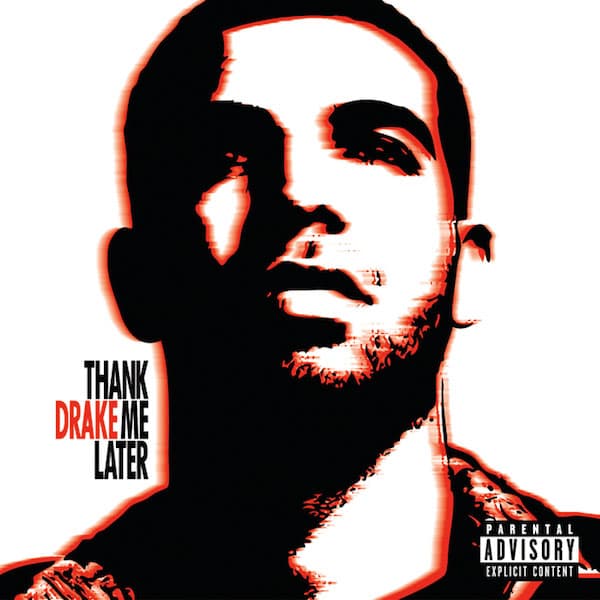
Drake had been a teenage actor on a Canadian school drama, and made a record that raps and sings without marking where one stops.
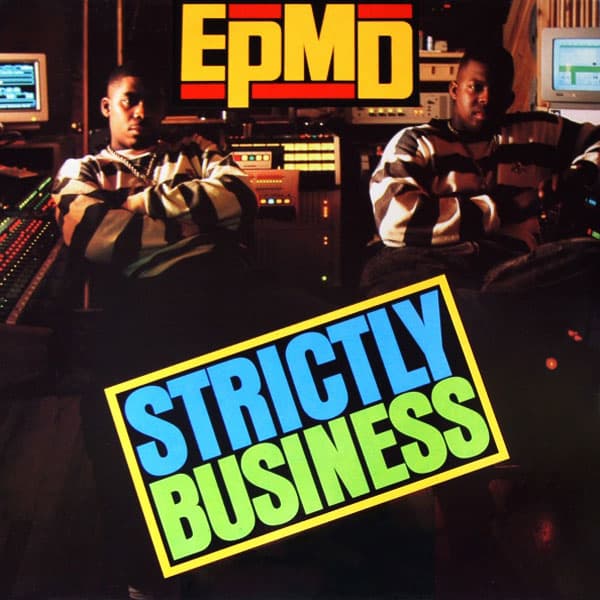
Both of them rap in the same flat monotone, over Zapp and Eric Clapton records, and somehow the lack of energy is the appeal.

The hit is built on a Michael McDonald song from 1982. Warren G is Dr. Dre's stepbrother and got nowhere near his budget.
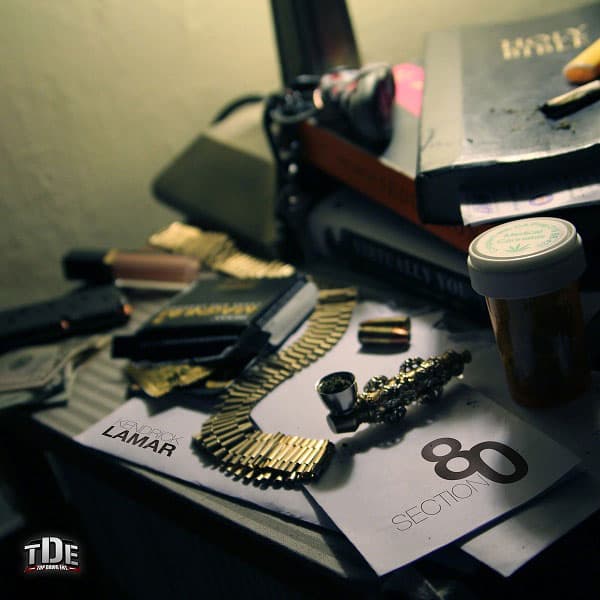
He put it out himself with no label, about the generation born under Reagan, a year before anyone outside Los Angeles knew his name.
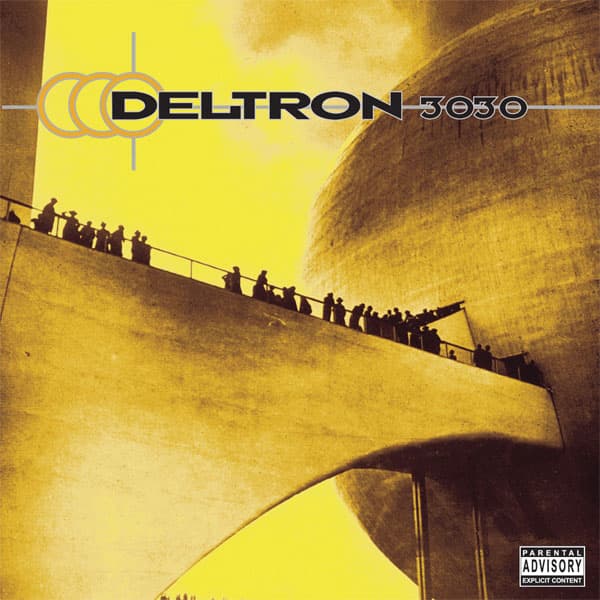
Del plays a mech soldier in the year 3030 fighting a corporate empire with rap battles, and somehow it works.
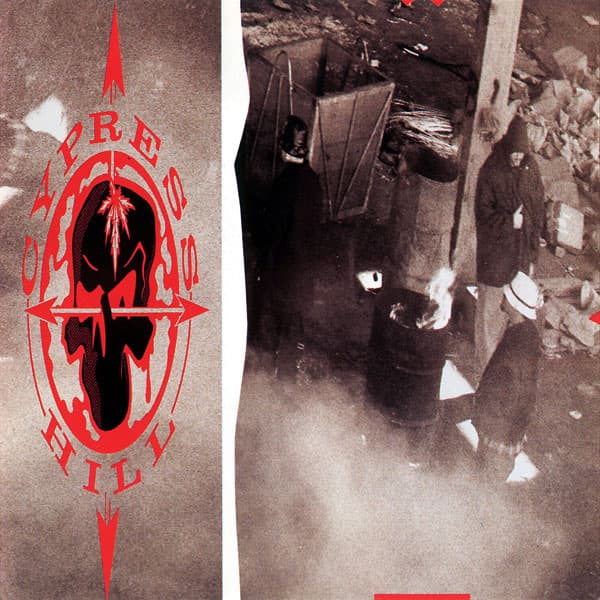
B-Real pitched his voice up into that nasal whine on purpose, because he thought his normal one was too easy to ignore.
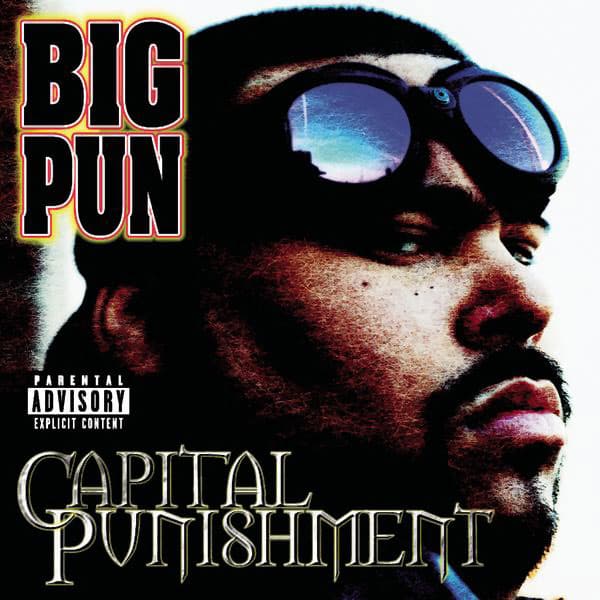
The first solo album by a Latino rapper to go platinum. Big Pun was dead of a heart attack two years later, at twenty-eight.
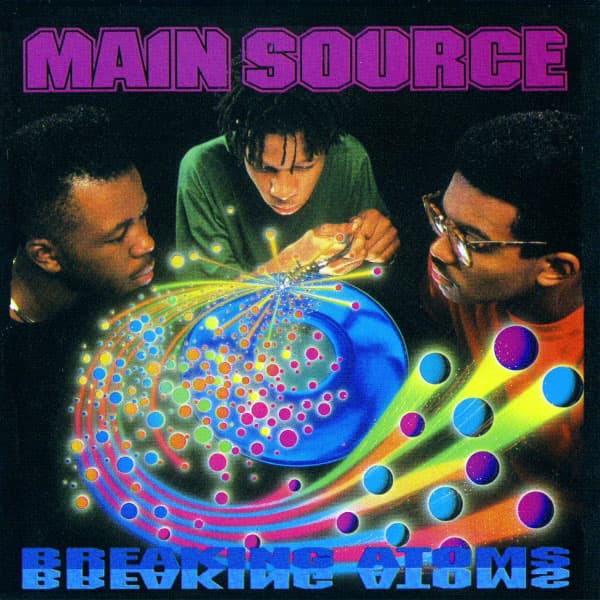
Nas was seventeen and turns up for one verse near the end, which is where most people first heard him.
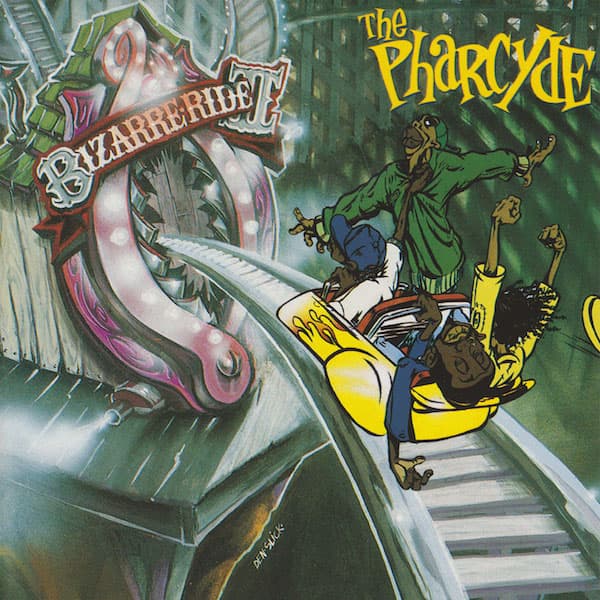
They started out as dancers, and it shows in how loose the record is. Their producer J-Swift built the beats out of jazz records.

They were teenagers when they made it, rapping fast over a Billy Cobham loop about doing very little on a warm Oakland afternoon.
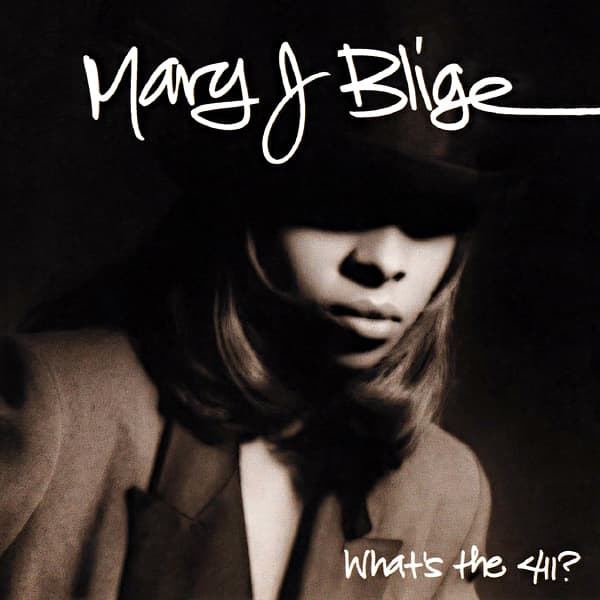
Blige was discovered from a karaoke tape recorded in a shopping mall, and the title comes from the phrase for asking someone's business.

This is where DJ Premier worked out his method of chopping a record into single notes and rebuilding the melody from the pieces.
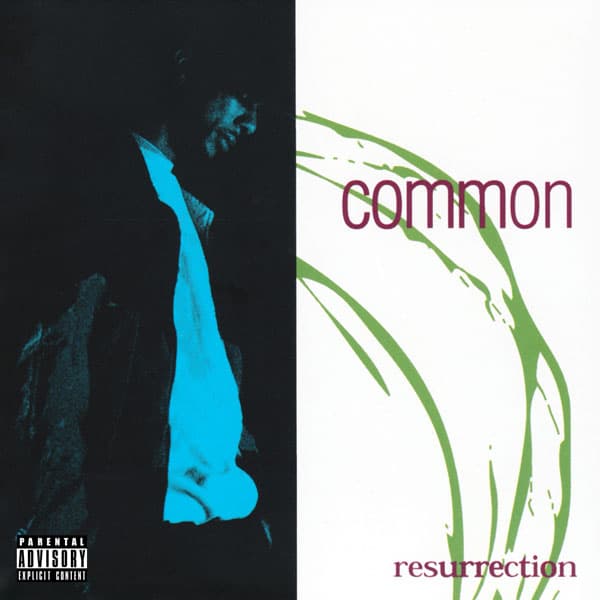
The famous song describes hip hop as a woman he has known since childhood. Ice Cube took it personally and started a feud.
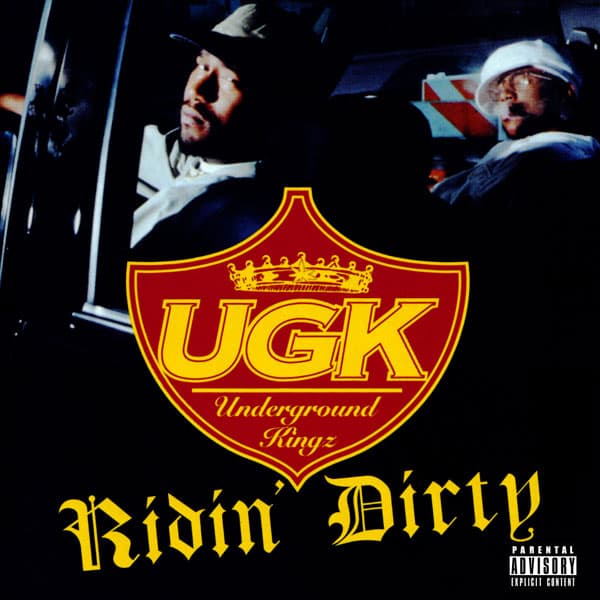
There were no singles and no videos, and it sold on word of mouth across the South while nobody in New York noticed.

The title is what his grandmother told him when critics said he was finished. Marley Marl produced it and the comeback worked.

Kane was already ghostwriting for half the Juice Crew when he made it, and Marley Marl gave him beats built from single drum hits.
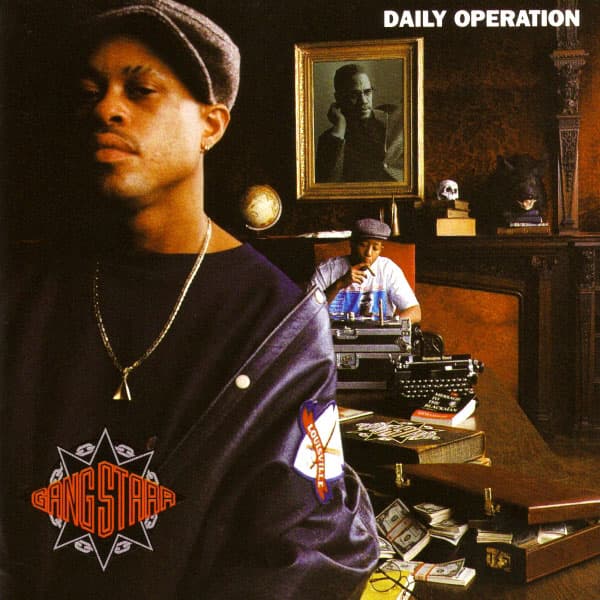
DJ Premier chopped the loops so short they barely repeat, and Guru delivers everything in the same flat voice, which somehow makes it land harder.
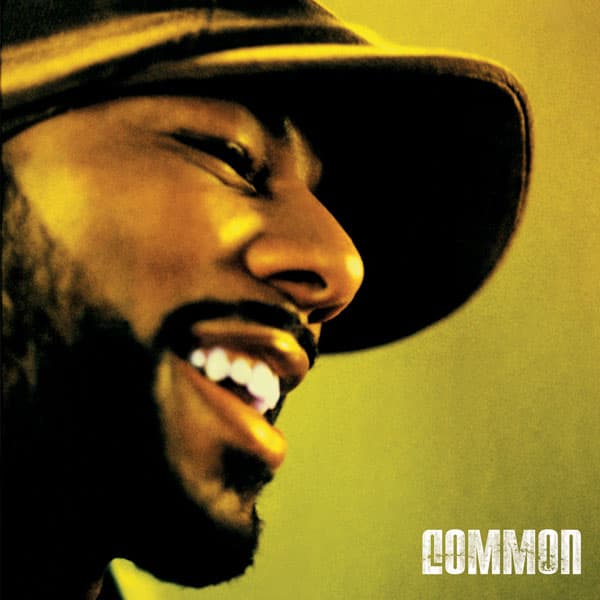
Kanye West produced most of it and J Dilla the rest, and Common's father closes the record talking over the last track.

Jay-Z sampled children singing from the musical Annie for the title track, an idea nobody around him thought would work until it did.

Scott La Rock was shot dead a few months after it came out, which turned the guns on the sleeve into something else entirely.
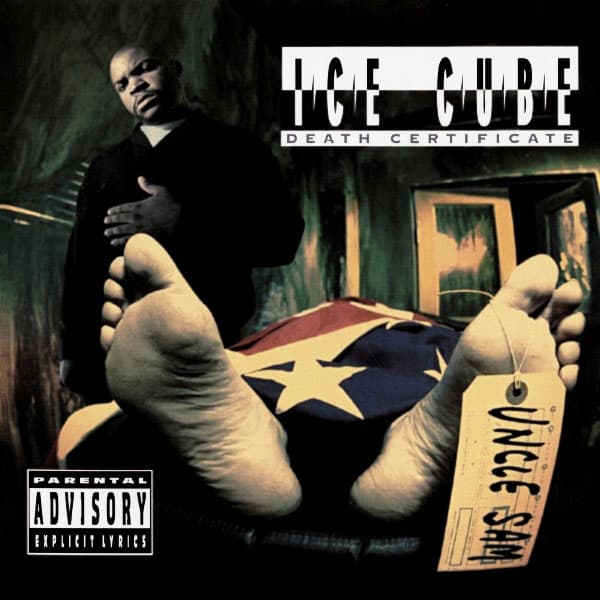
Cube split it into a death side and a life side. Several chains refused to stock it and Billboard ran an editorial against it.
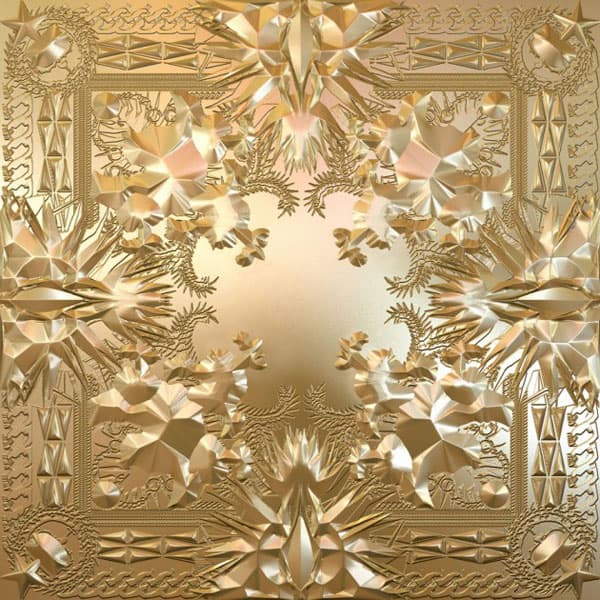
They recorded much of it in hotel suites around the world to stop it leaking, and the gold sleeve was designed by a Givenchy designer.
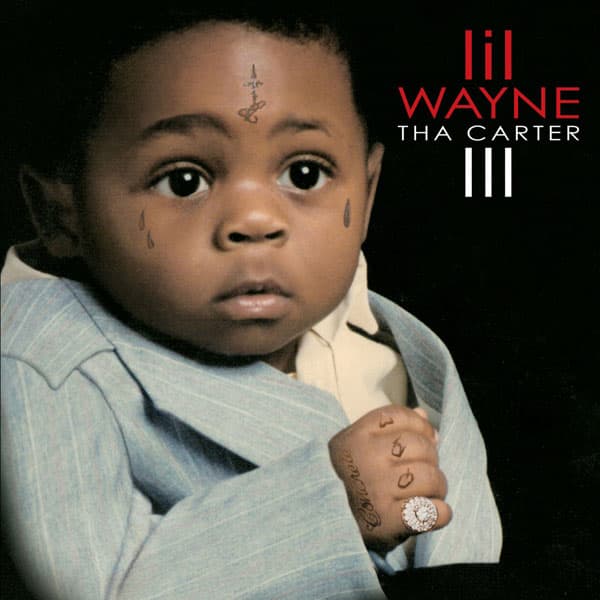
So much of it leaked in advance that he recorded a second album's worth. The A Milli beat is one chopped-up vocal repeated endlessly.
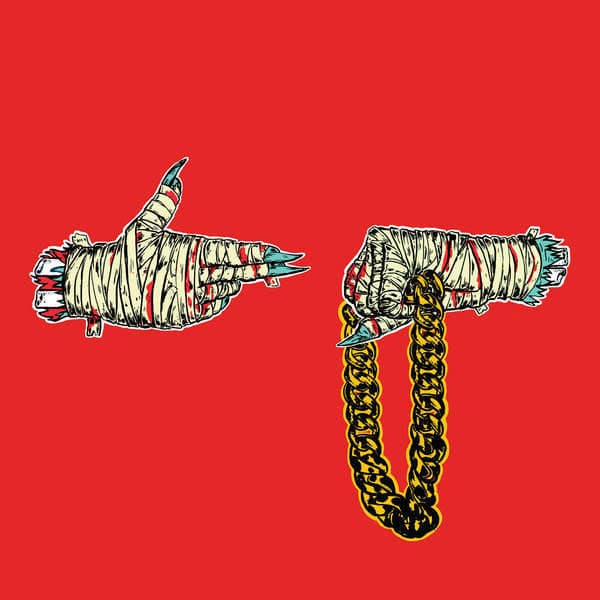
They gave it away free online, as they had the first one, and Killer Mike's verse about being stopped by police arrived weeks before Ferguson.

Mos Def plays several of the instruments himself, and opens by pointing out that hip hop cannot be doing well if its people are not.
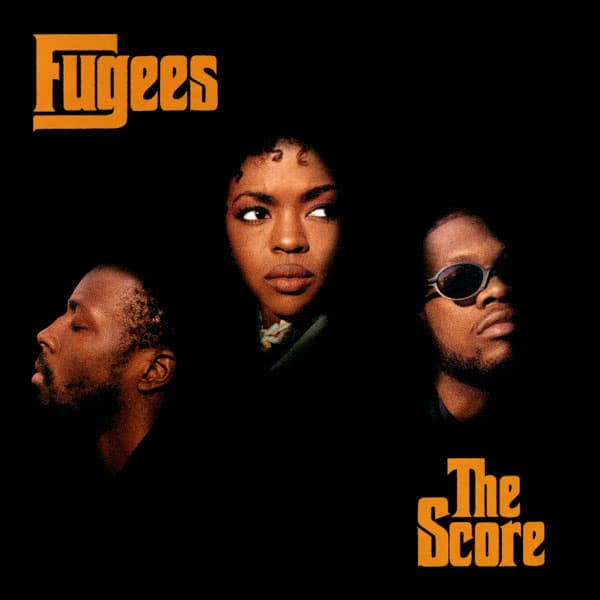
Recorded in a basement studio in New Jersey for about a hundred thousand dollars, and Killing Me Softly was a Roberta Flack hit from 1973.
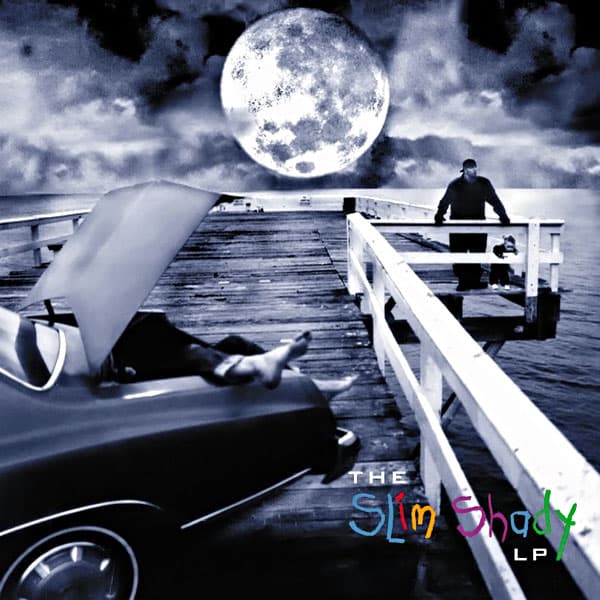
Dr. Dre heard the demo through Jimmy Iovine and signed him within days. Eminem had been washing dishes in a Detroit restaurant.
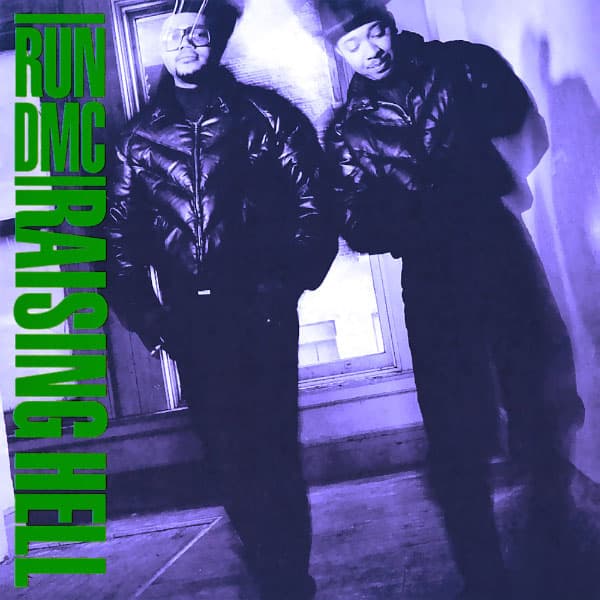
Aerosmith had not heard of Run-D.M.C. and were barely working when Rick Rubin got them into the studio to redo Walk This Way.
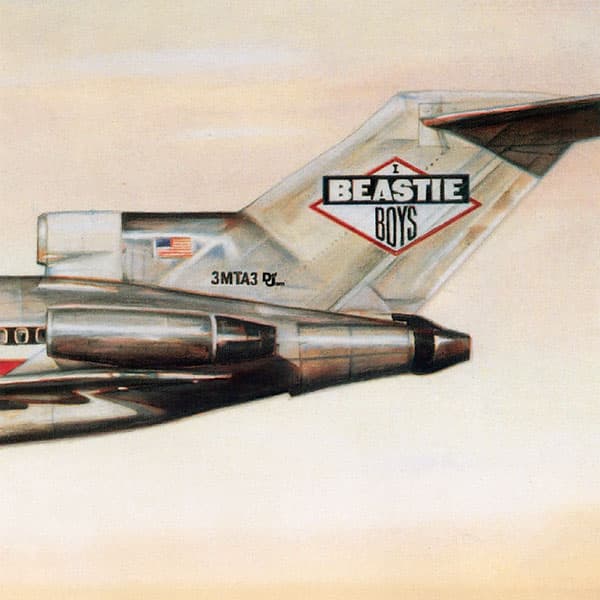
Kerry King of Slayer plays the guitar solo. Rick Rubin built the beats out of Led Zeppelin and AC/DC drums played very loud.
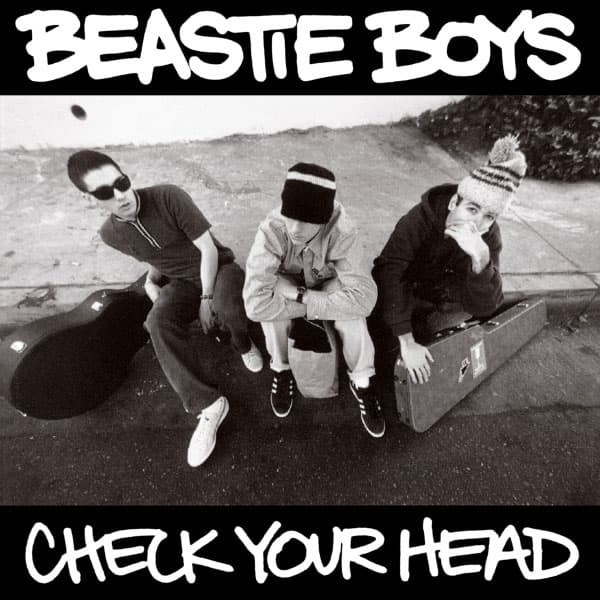
They picked their instruments back up and built a studio with a skate ramp in it, which is roughly how the record sounds.

50 Cent had been shot nine times two years earlier, and the bullet still in his jaw is part of why he sounds like that.
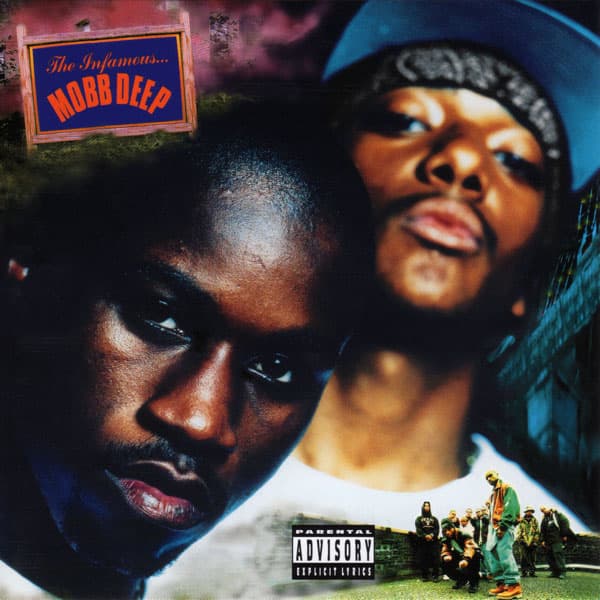
Havoc and Prodigy were nineteen when they made it. Q-Tip helped with the production and is credited on the sleeve under a false name.
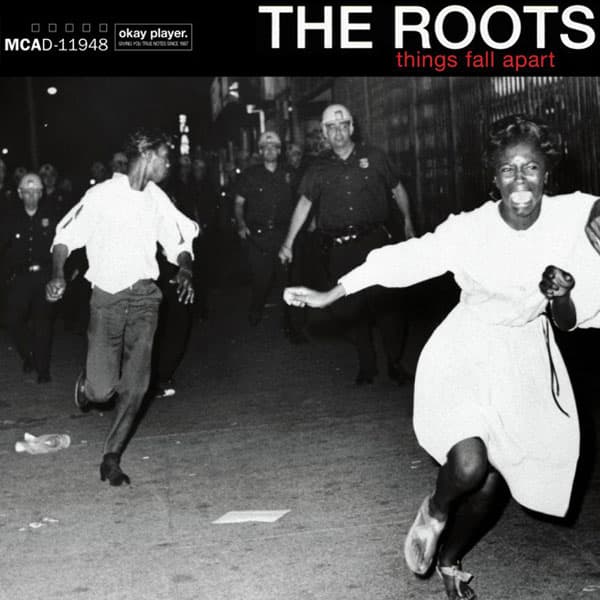
Questlove and Black Thought began by busking on Philadelphia street corners, which is why a live band plays everything here rather than a sampler.
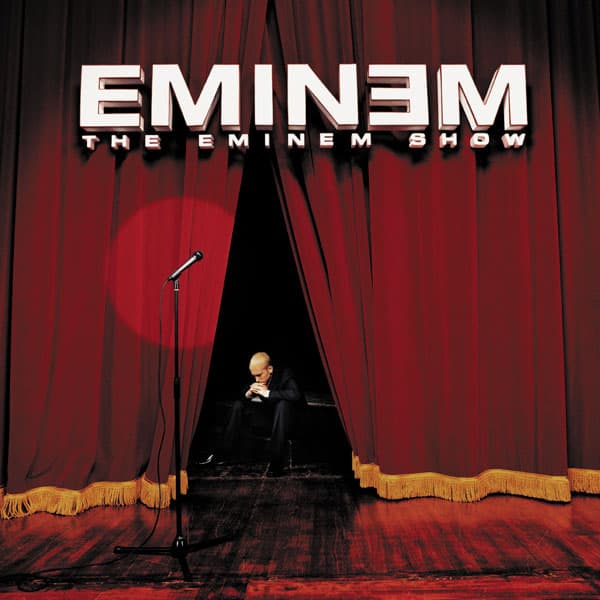
Eminem produced most of this himself rather than handing it to Dr. Dre, and it leaked so widely that the release was moved forward.

It came out on a purple cassette, and Ghostface Killah appears on so much of it that people argue whose album it really is.