Blitzkrieg Bop
1976 · From Ramones
Tommy wanted a Bay City Rollers chant; the album around it cost $6,400 and took seven days.
★ 8.7
 skopia
Tommy wanted a Bay City Rollers chant; the album around it cost $6,400 and took seven days.
Written as "No Future," banned by the BBC, and stuck at number two amid loud suspicion of chart rigging.
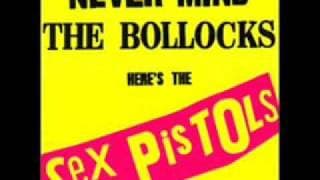
Lydon picked anarchist because it rhymed with antichrist; EMI dropped the band six weeks later and punk was loose.
Two years in the making, with MacColl finally singing the woman's part, and it still stalled at number two.

Armstrong rewrote it around his undiagnosed panic attacks, cut it at Fantasy Studios, and sold punk to the suburbs.
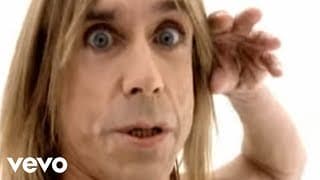
Bowie found the beat in an Armed Forces Network call sign; Hunt Sales hammered it out in Berlin.
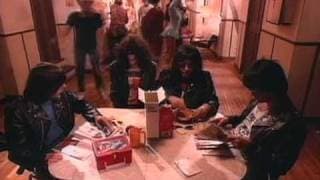
Joey wrote it stranded in a shut-down London at Christmas, and Johnny's solo is one note, repeated.
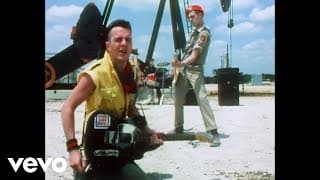
Topper Headon cut the drums, piano and bass himself, and Strummer finished the lyrics in the studio bathroom.
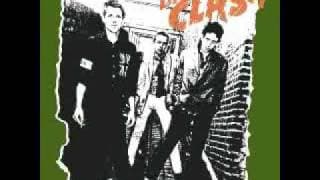
Strummer expected roots rebellion at an all-night Palais reggae bill, got showbiz, and slipped reggae bass into punk.
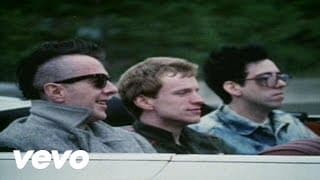
Spanish backing vocals translated by the tape operator's mother over the phone, and a jeans advert made it number one.
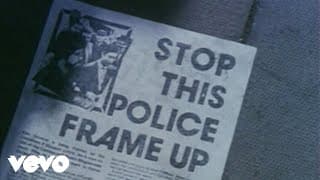
Strummer and Simonon were in the 1976 Notting Hill Carnival riot; the single ran under two minutes and reached thirty-eight.

Matlock's riff, lifted off ABBA's "SOS", and the sound of a generation deciding not to care.
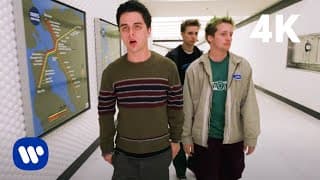
Four palm-muted chords, Dirnt's bass doing the melodic work, and a lyric Armstrong wrote after fighting with Adrienne.
Harry turned a 1973 stalker into a chase song, and Nigel Harrison's riff supplies the relentless forward motion.
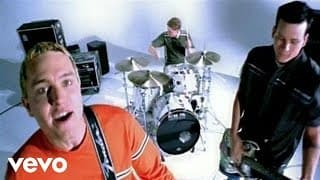
Hoppus turned bumping into an ex into four chords, a Trombino production, and pop punk's great shrug at adulthood.
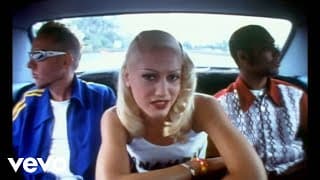
A late drive home from Tony Kanal's house, a father's lecture, and Stefani's first song without brother Eric.
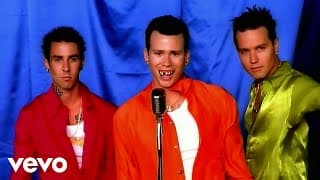
Palm-muted C major at 150 beats a minute, Roger Manning's synth on top, and a boy-band parody video.
A rewrite of a 1959 novelty called "The Beat Generation", with Quine and Julian's guitars turning parody into manifesto.
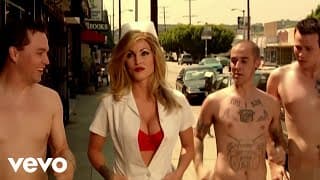
Hoppus was twenty-six and picked twenty-three purely for the rhyme; MCA made them drop the title "Peter Pan Complex".
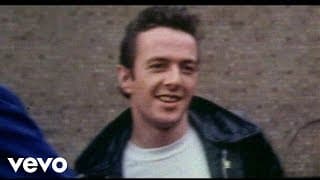
Lee Perry produced it after CBS released a single without the band's consent; Topper Headon's first Clash session.
Booked after the Sex Pistols' visas fell through, Costello halted his SNL performance mid-song to play this unreleased attack instead.
Joey Ramone spliced a jungle-comics heroine with punk's primal charge, and Britain sent it to number twenty-two.
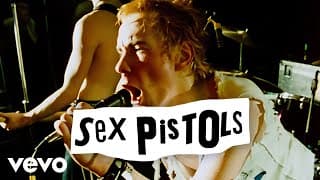
Marching boots open the record, and a collapsed Jersey holiday sent the band to Berlin for their subject.
Armstrong wrote it about squatting in a West Oakland warehouse, and the Dookie re-recording is the one everyone knows.
A slow descending riff, Armstrong's insomnia, and a segue into Jaded that welded the two songs together permanently.
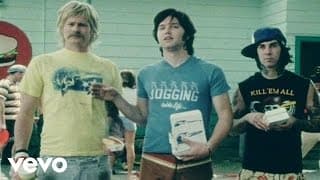
DeLonge wrote it after the band's manager complained the album had no feel-good song; a SeaWorld date supplied the rest.
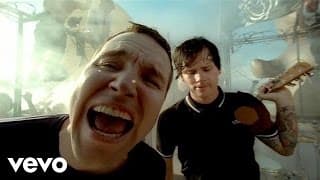
Hoppus and DeLonge wrote in separate rooms, choruses and verses, and Barker's beat locked them together in a day.
Armstrong spent two months doubting the lyrics until Cavallo pushed him; it went to number one on modern rock radio.
Ray Davies cut it at Konk in 1977, a department store Santa mugged by kids who want jobs, not toys.