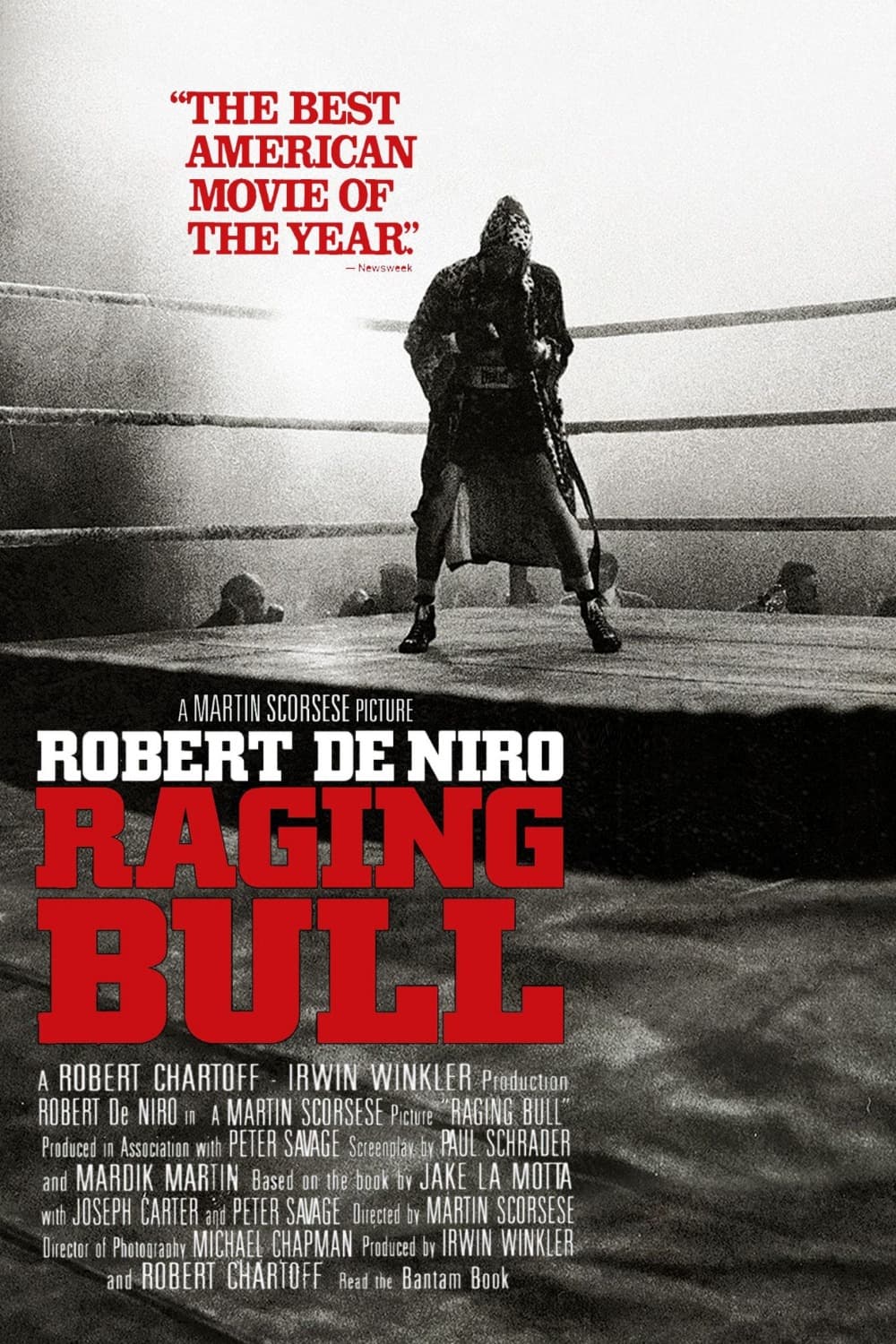
Raging Bull
Directed by Martin Scorsese
1980
Scorsese shot boxing as penance rather than sport, and audiences come out feeling bruised: De Niro's jealousy destroys everyone near him, in the blackest black and white imaginable.
★ 9.6
 skopia
Scorsese shot boxing as penance rather than sport, and audiences come out feeling bruised: De Niro's jealousy destroys everyone near him, in the blackest black and white imaginable.
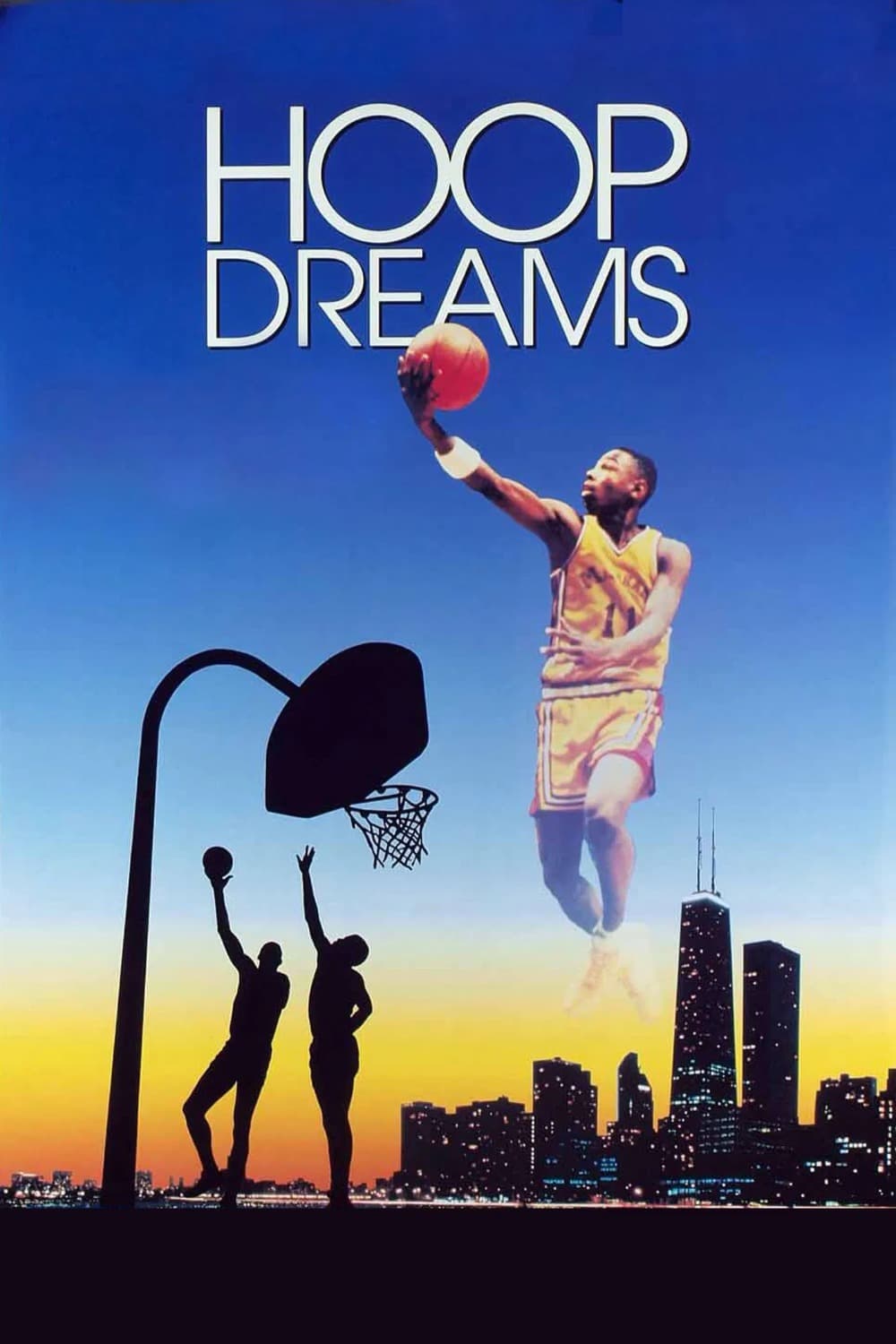
Its exclusion from the documentary Oscar shortlist caused enough outrage that the Academy changed its rules: five years with two Chicago teenagers, and it is barely about basketball.
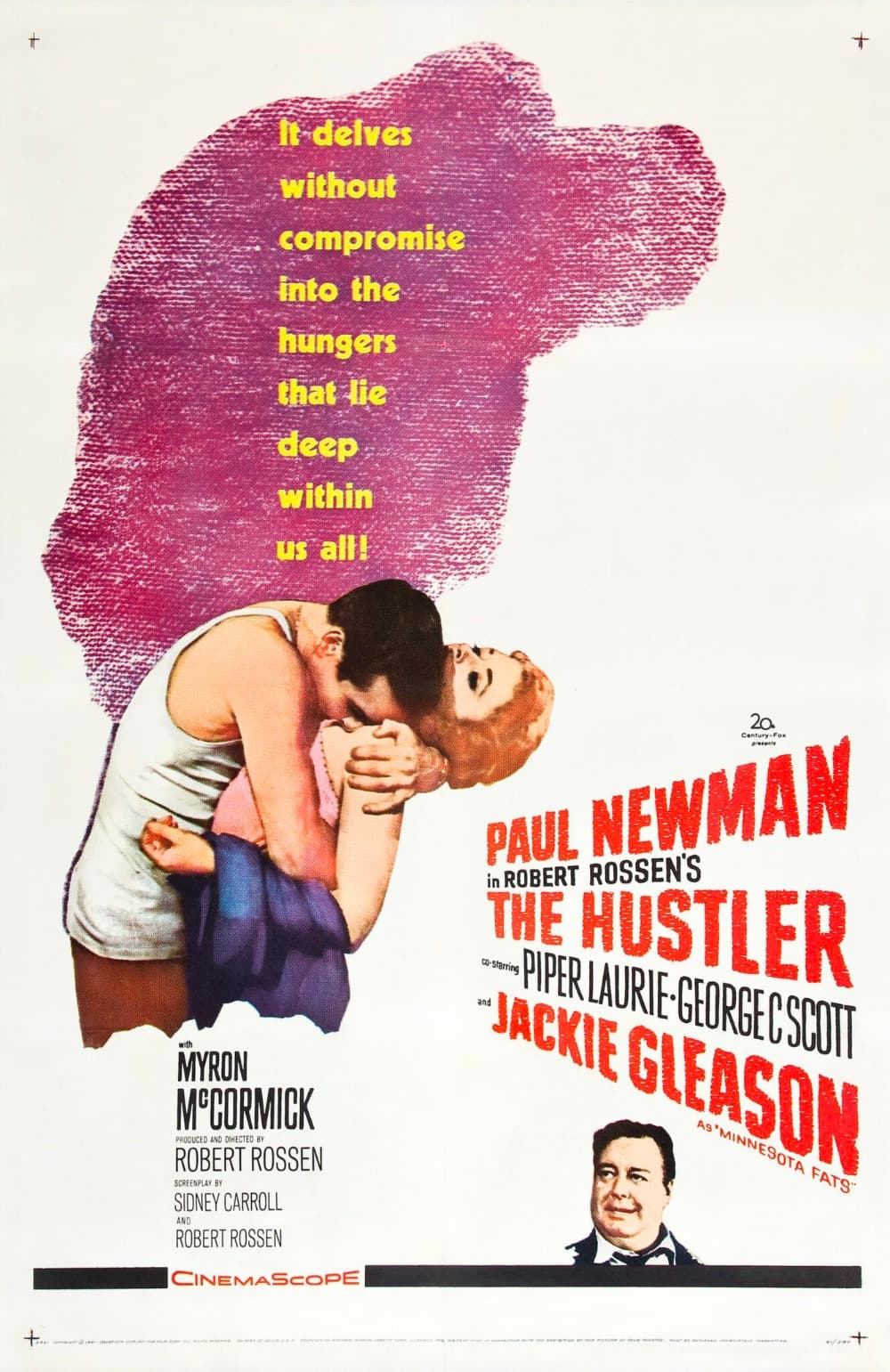
Nobody has filmed a game better: Newman's pool hustler wants to be great and cannot get out of his own way, and the smoke never leaves the room.
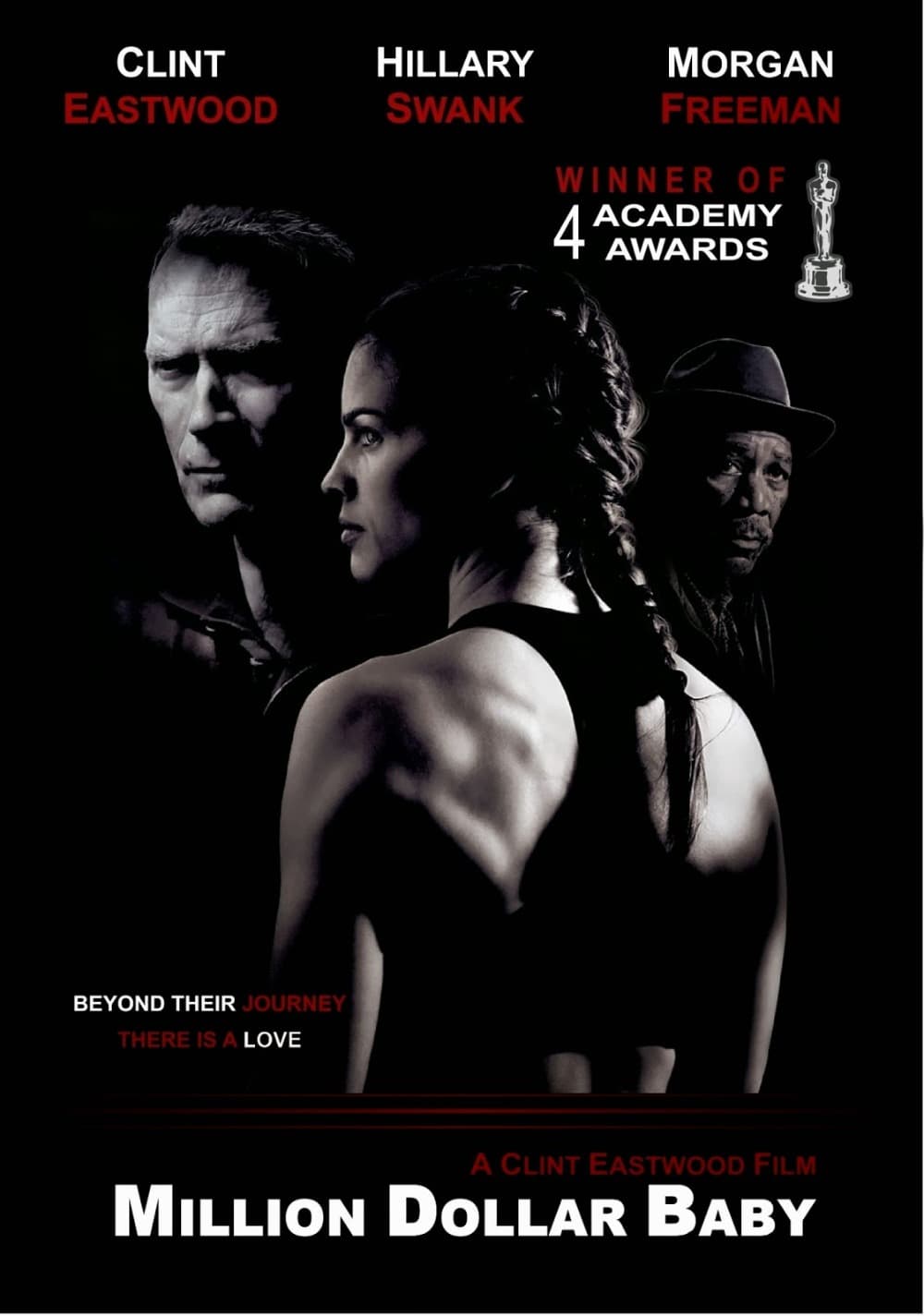
Eastwood spends an hour making you love a boxing underdog story and then does something else entirely: nothing in American film is tougher than where it ends up.
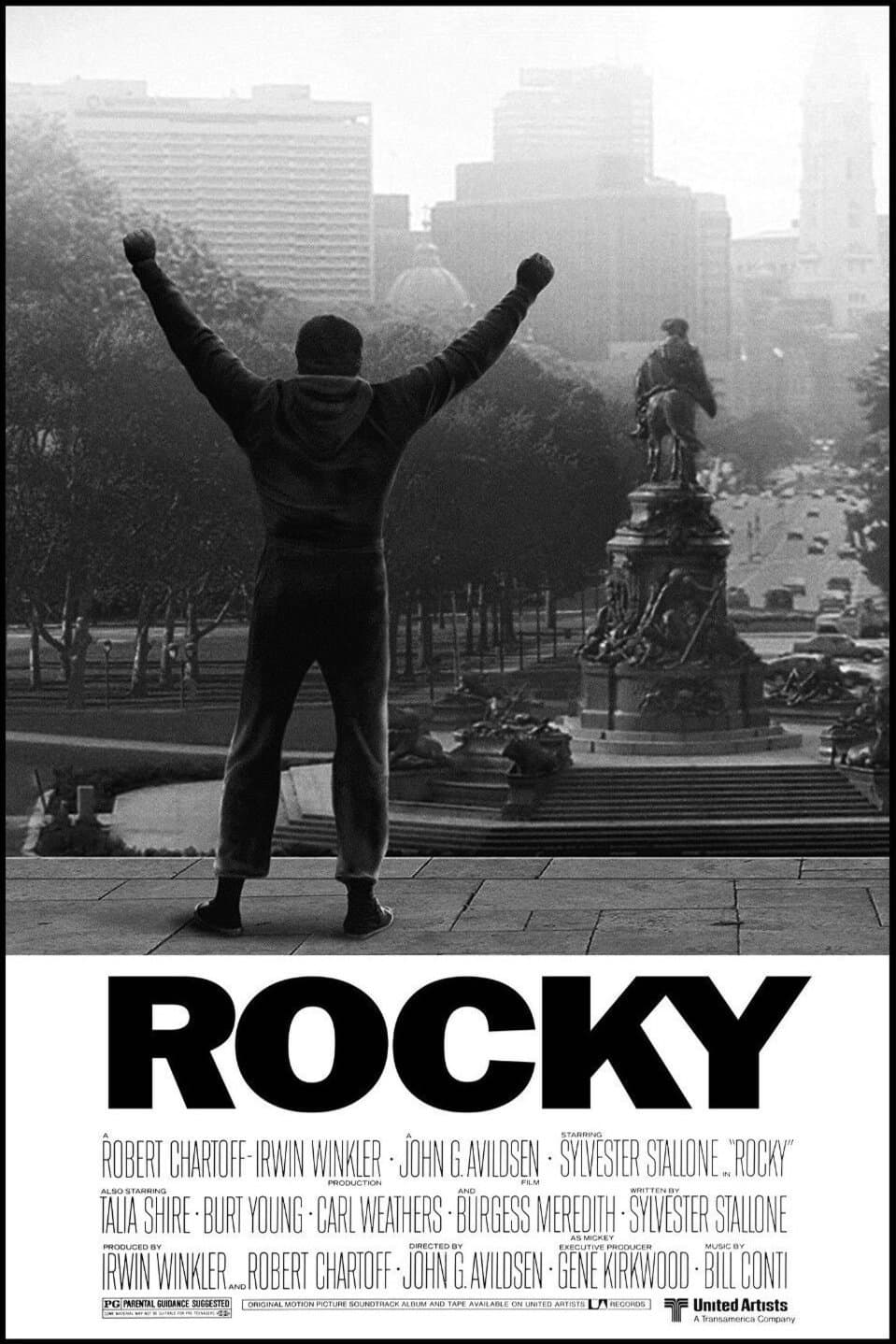
Stallone wrote it himself and would not sell the script unless he could star: a club fighter from Philadelphia is handed a title shot as a publicity stunt, and takes it completely seriously.
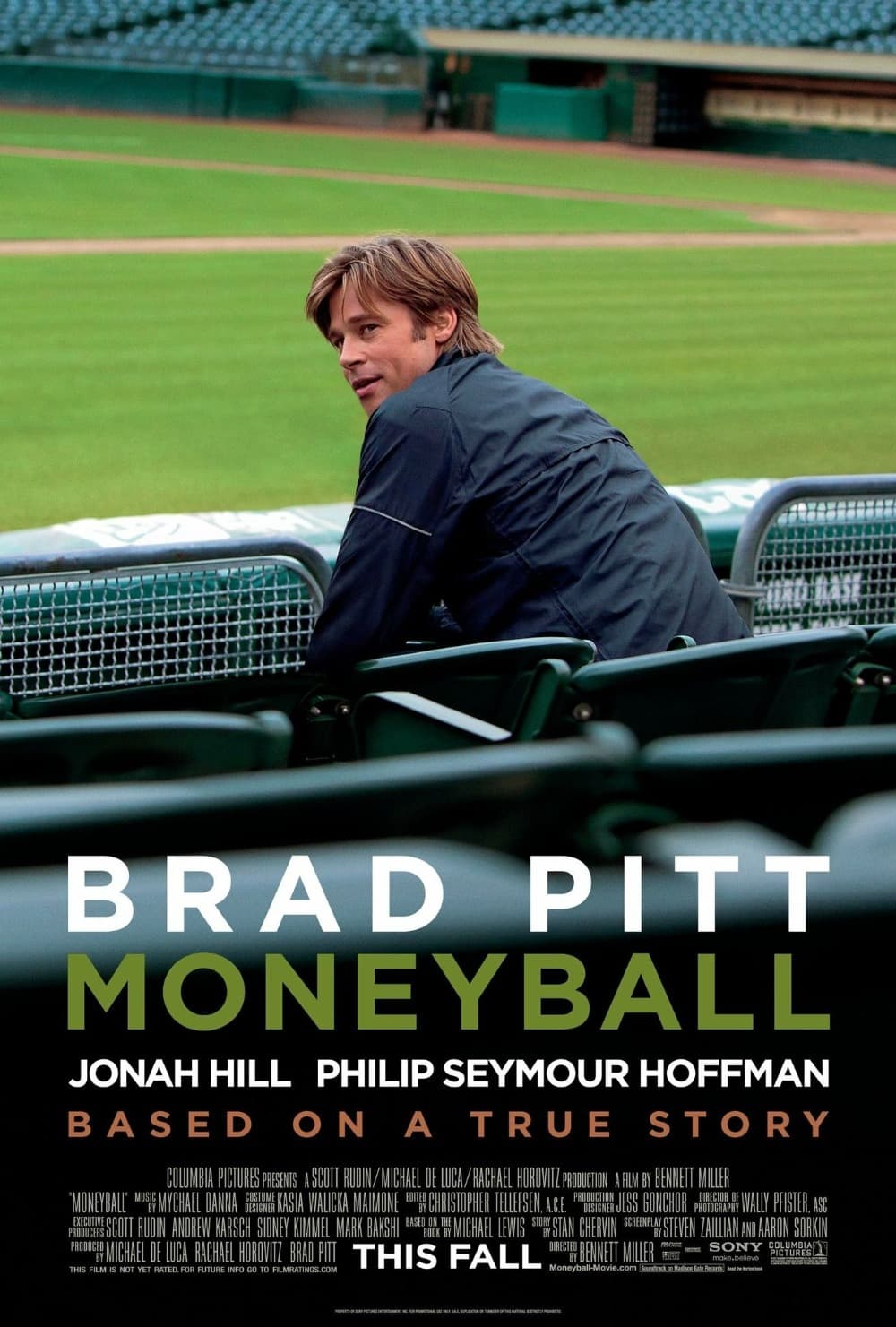
A film about a spreadsheet that plays like a thriller: Sorkin and Zaillian turn Billy Beane's 2002 Oakland roster into an argument between a broke general manager and every scout in his building.
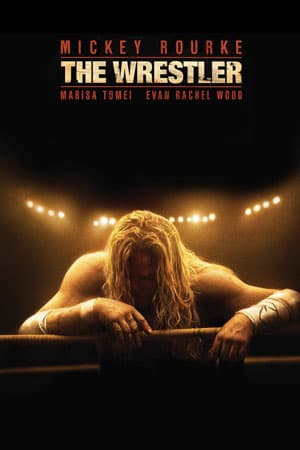
Mickey Rourke had been out of serious work for fifteen years and walked straight back into this: a broken-down wrestler working autograph shows in New Jersey, filmed like a documentary from behind.
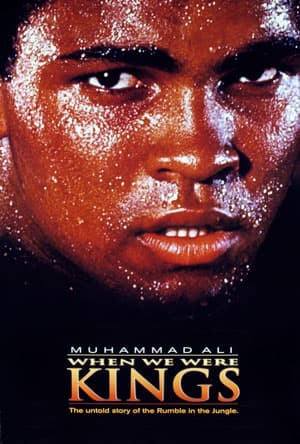
Leon Gast shot the footage in 1974 and could not finish the film for twenty-two years: Ali in Kinshasa, talking constantly, in the weeks before the biggest fight of his life.
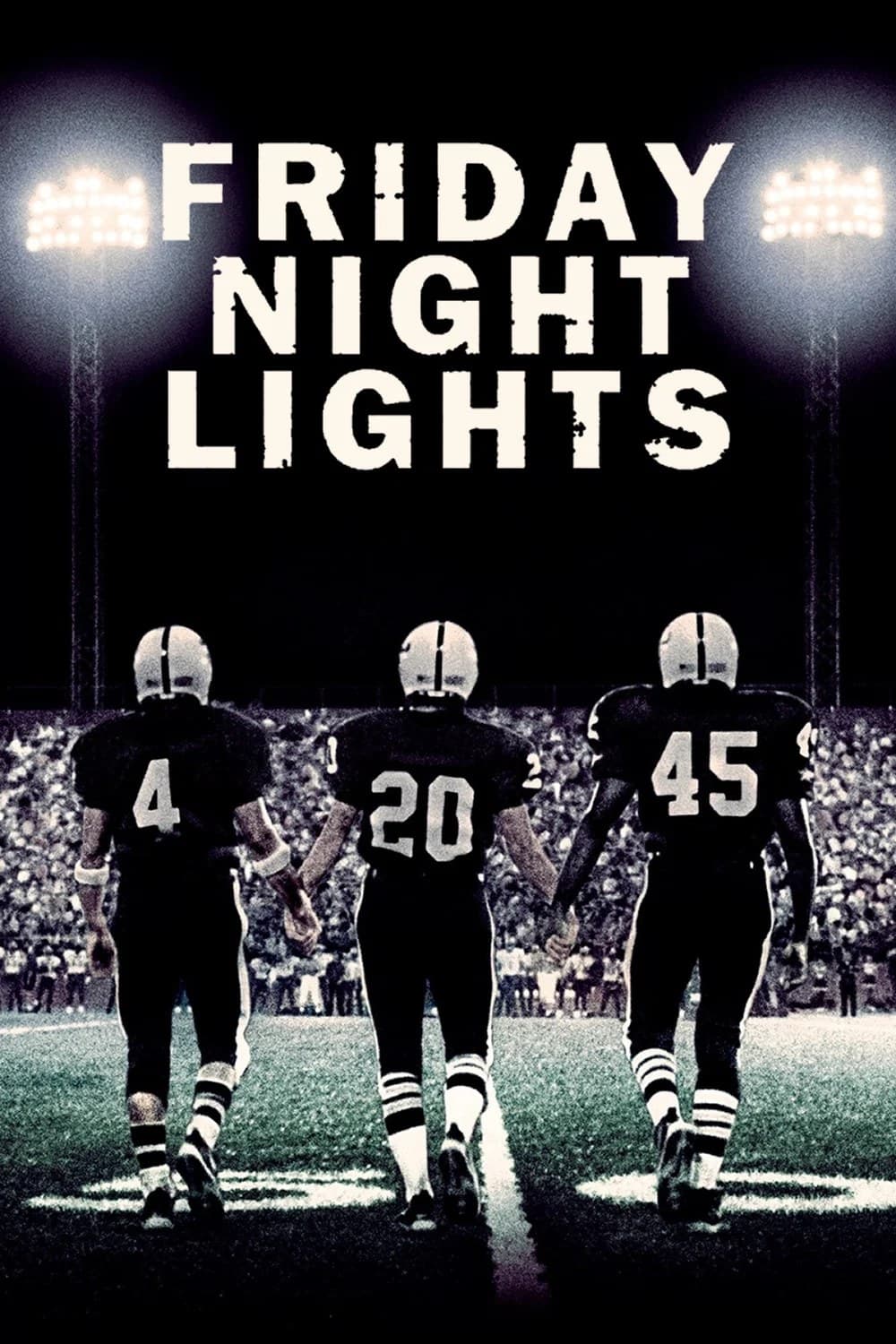
High-school football is the surface; the subject is a town with nothing else: Odessa, Texas in 1988, filmed handheld and close, where a losing season is a civic emergency.
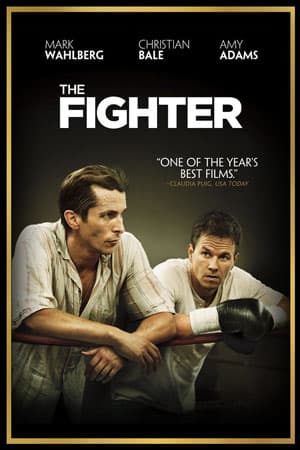
Christian Bale plays the older brother who threw away his own career and cannot stop coaching: Lowell, Massachusetts shot from inside the family, which is the hardest opponent in it.
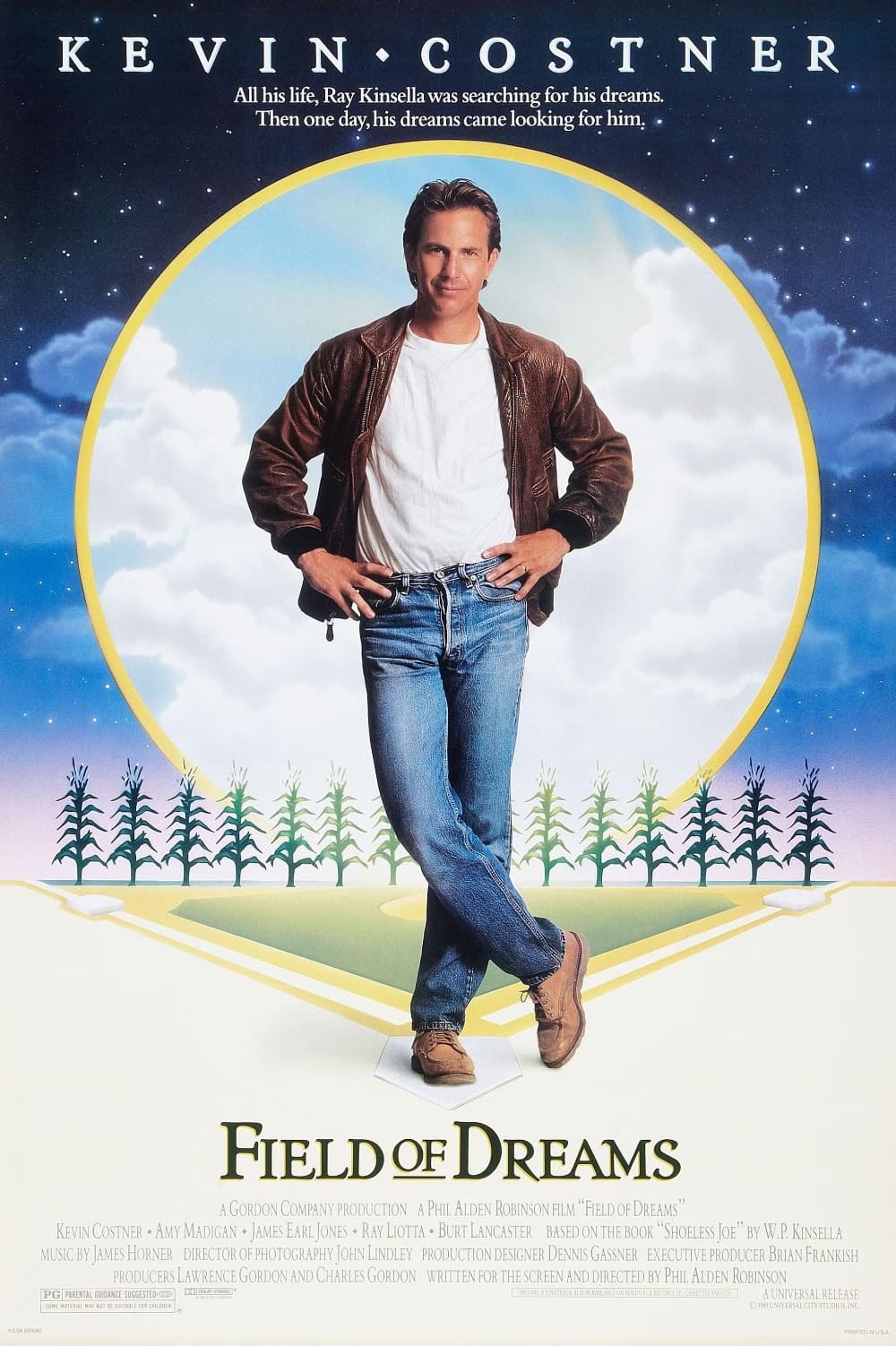
They built the field on an Iowa farm and people still drive to see it: a man plows under his corn because a voice tells him to, and the last reel gets everyone.
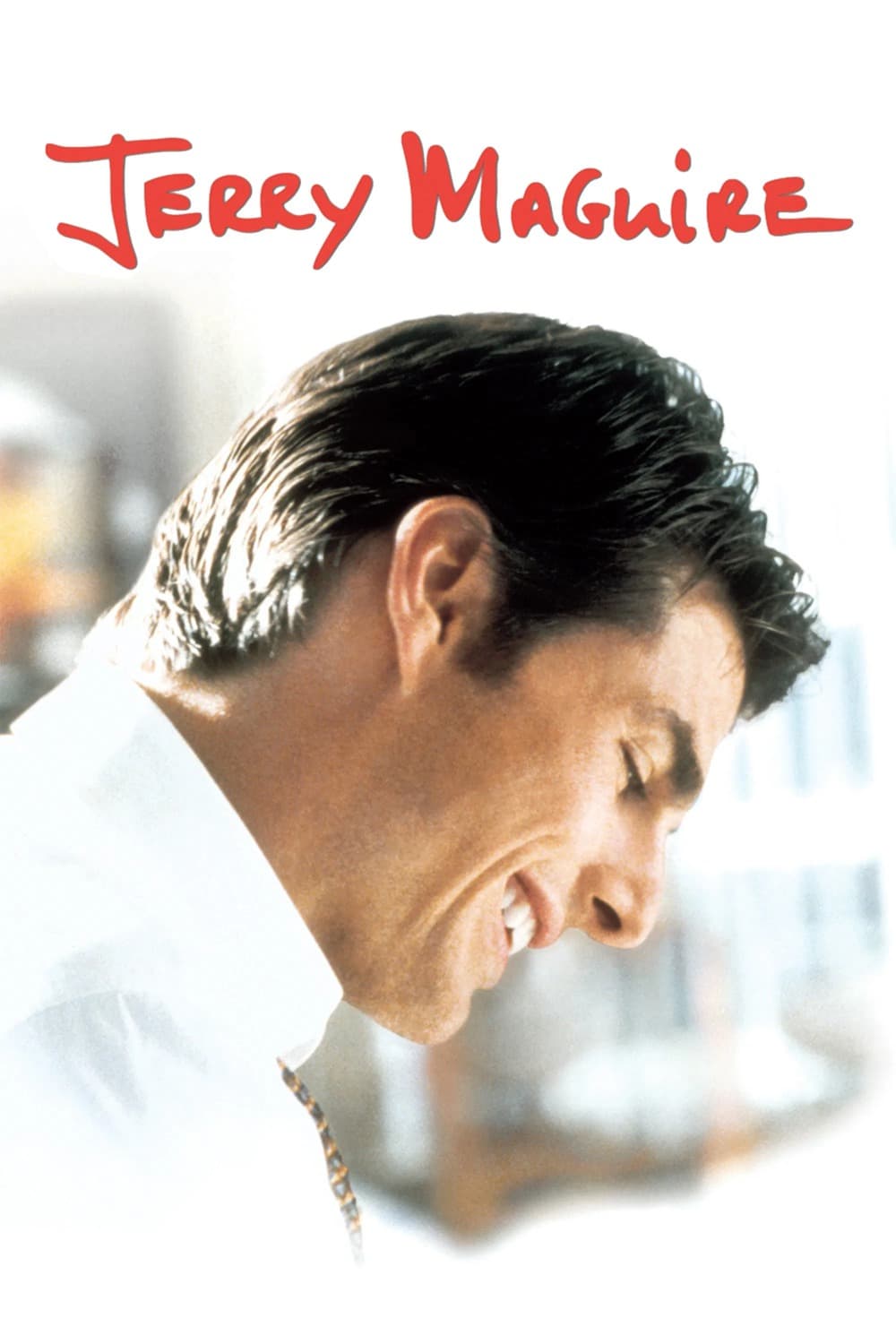
Cameron Crowe wrote a sports movie that is really about whether you can do a job decently: three catchphrases entered the language, and Tom Cruise has never been more likable.
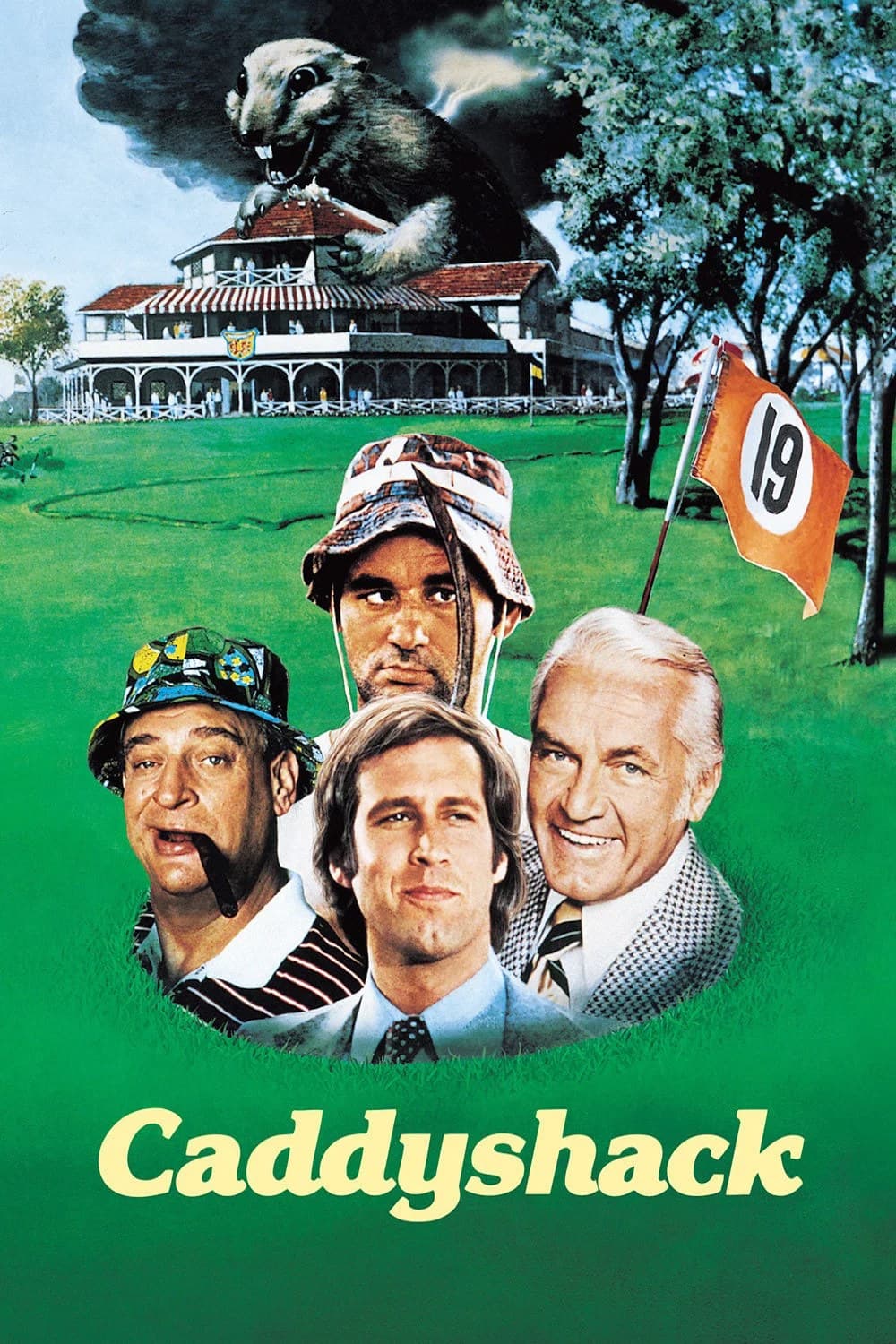
Bill Murray improvised nearly all of his part and the gopher was added after shooting finished: a country club comedy with no functioning plot and absolutely no need for one.
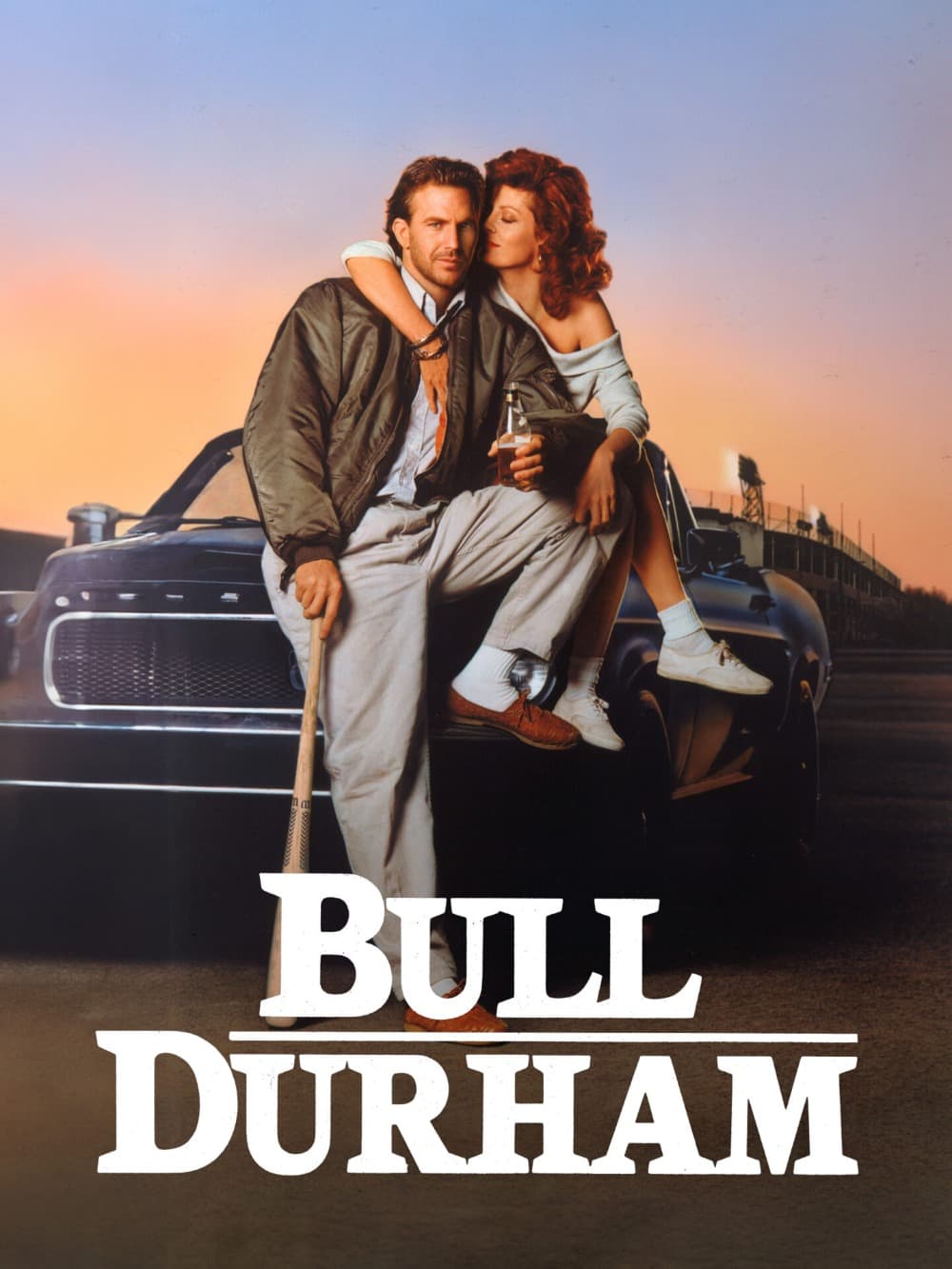
Ron Shelton played five years of minor league baseball and wrote what he actually saw: the mound conference about wedding presents is the funniest scene in any sports film.
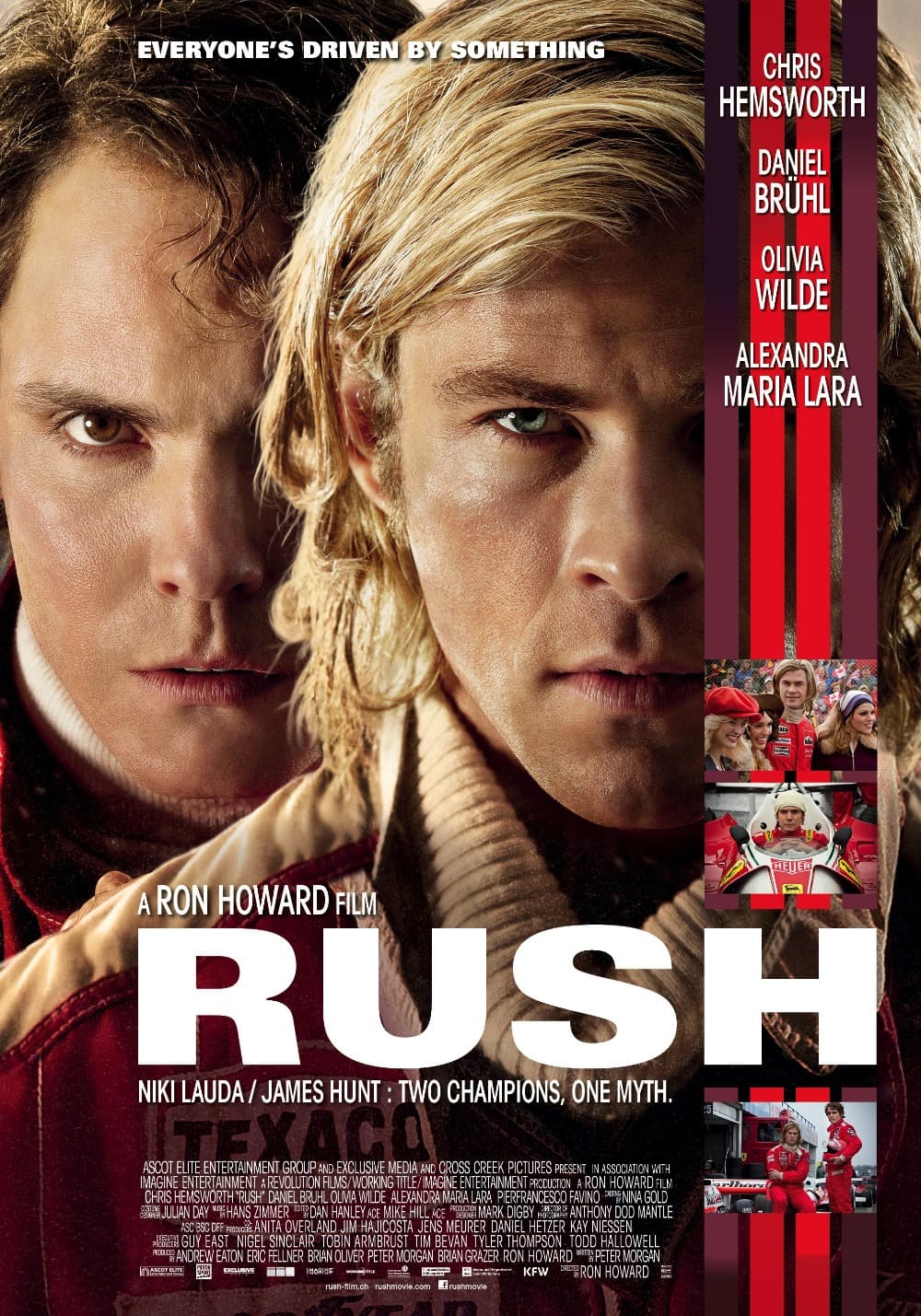
Ron Howard made the best racing film by making it about two men who need each other: James Hunt and Niki Lauda in 1976, and the engines were recorded from the actual cars.
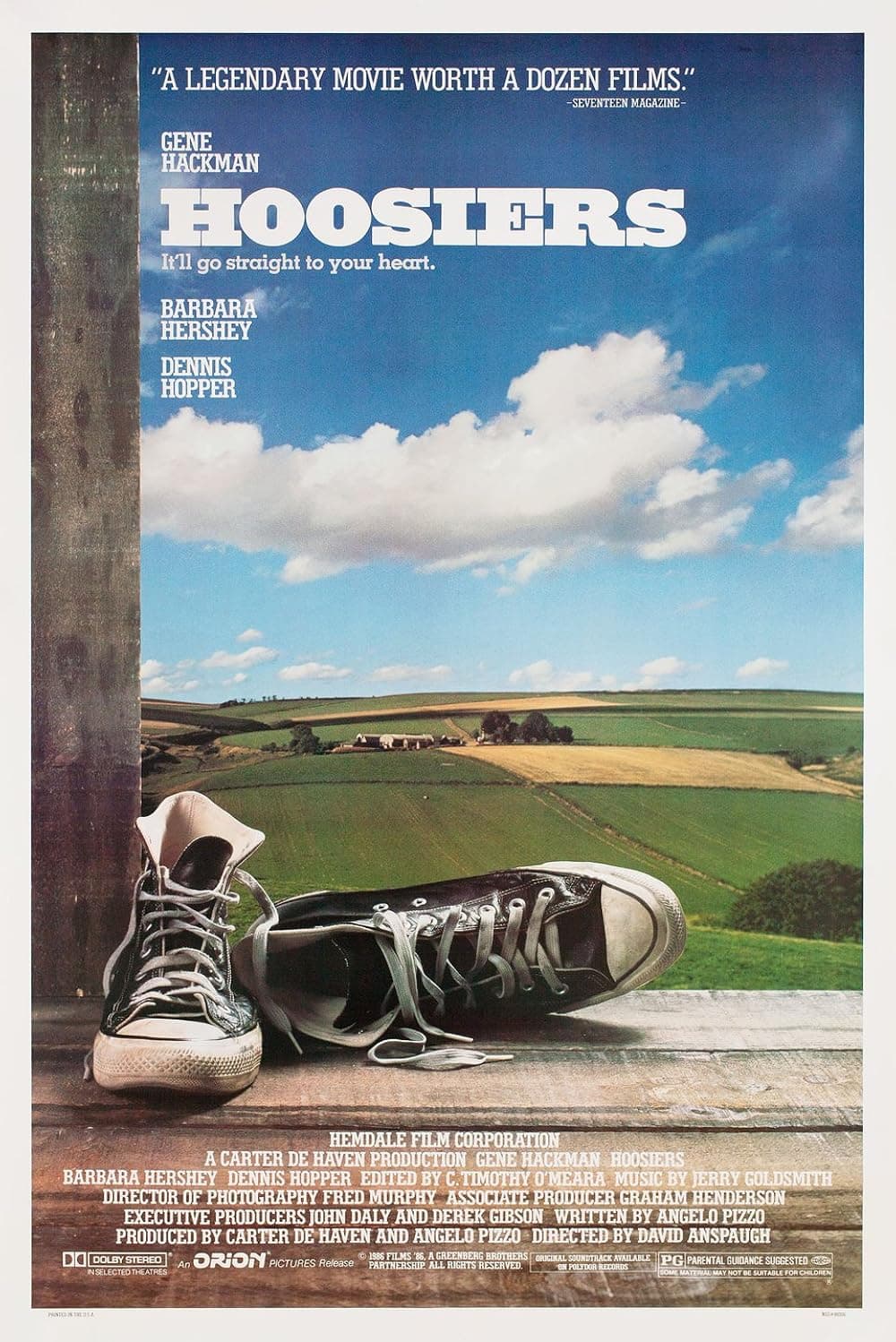
Indiana still argues about how close it is to what actually happened in 1954: Gene Hackman coaches a town of a few hundred people who care about nothing else at all.
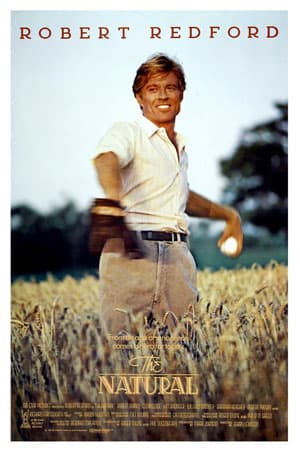
Randy Newman's fanfare is the sound of American sport: Robert Redford plays a player who arrives too old and too late, and the film treats baseball as an outright myth.
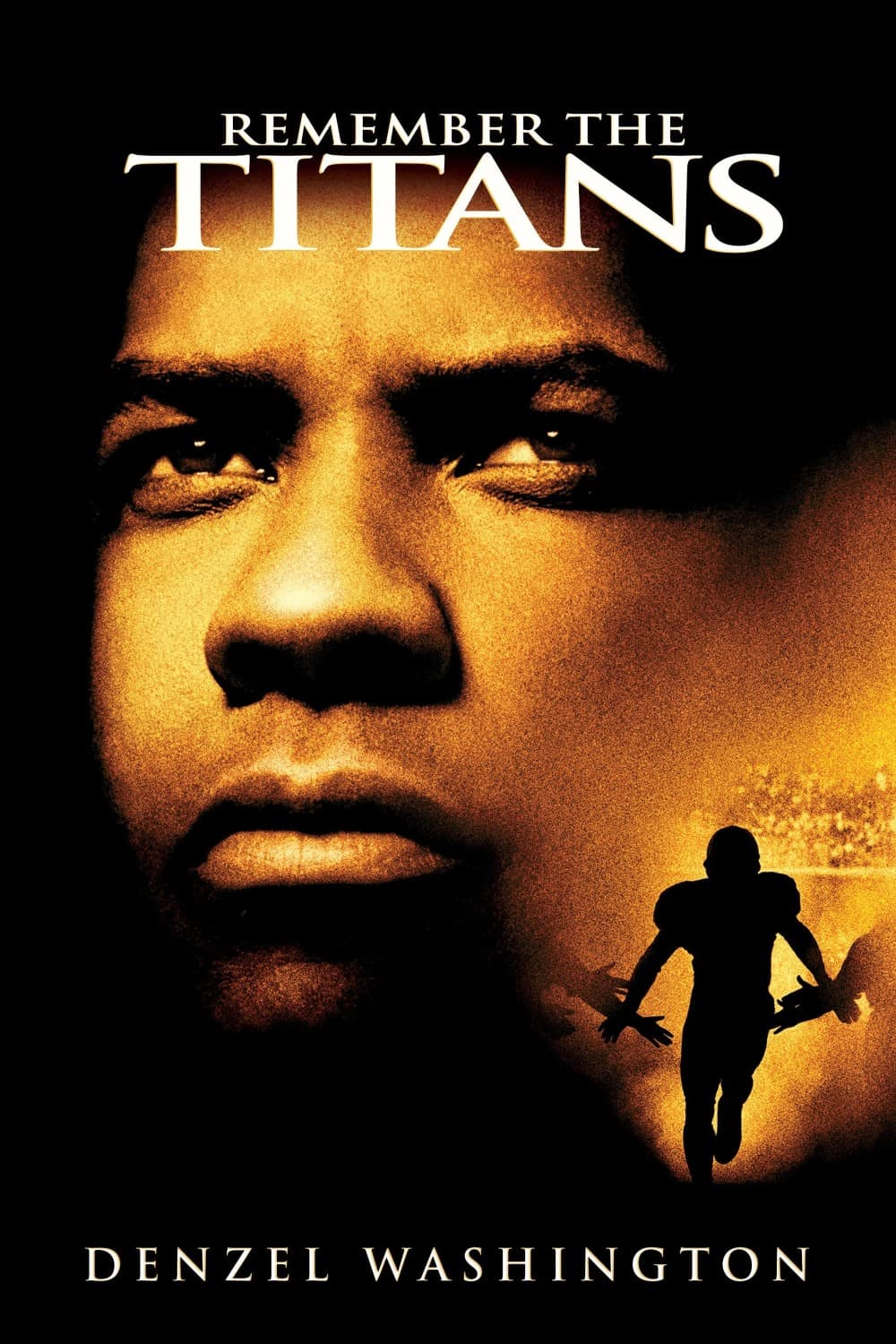
Denzel Washington coaches the first integrated team at a Virginia high school in 1971: the history is tidied up considerably, and it still gets a room every single time.
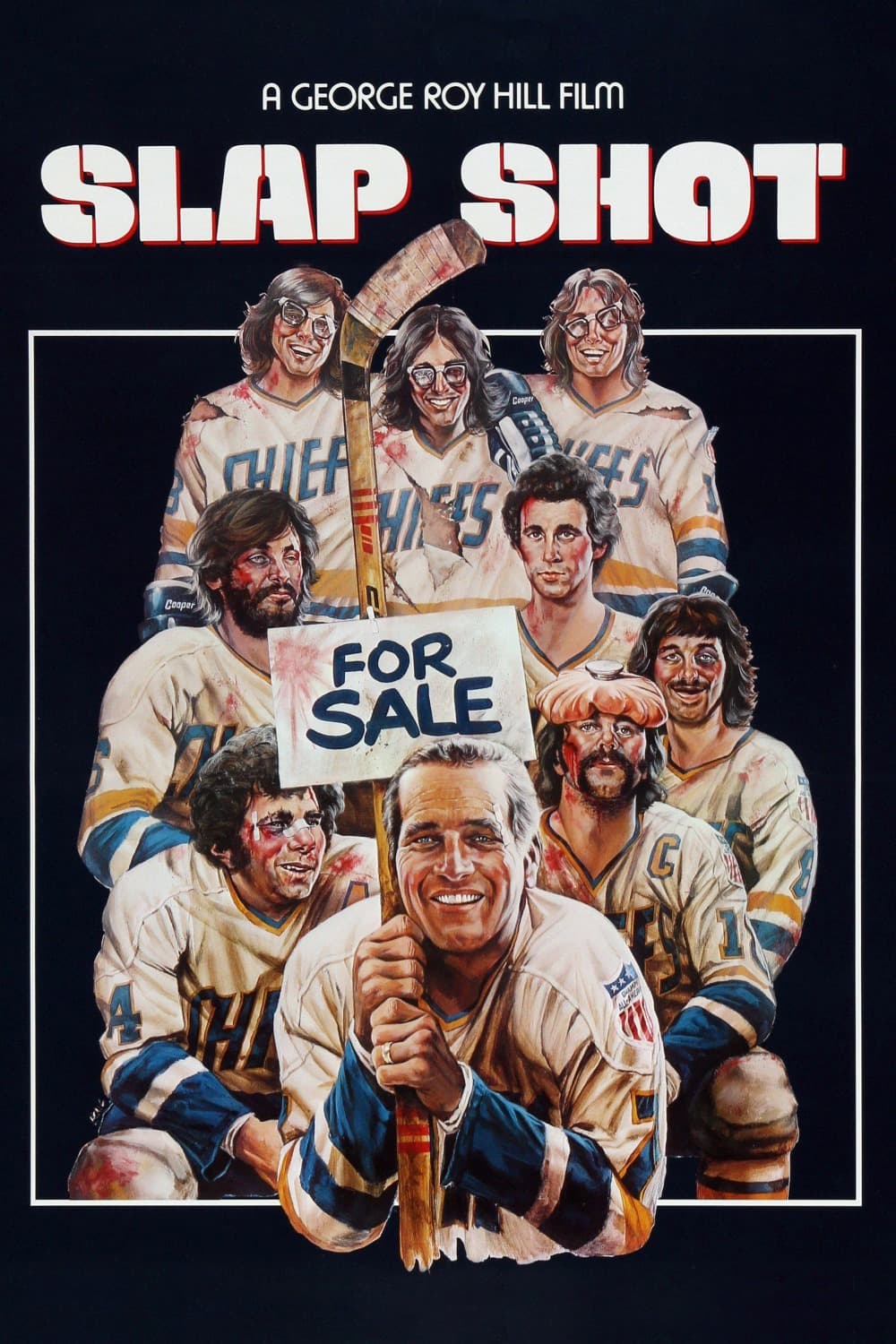
Real minor-league players filled most of the roster and three of them became the Hanson Brothers: Paul Newman coaches a dying team that discovers the crowd will pay for violence.
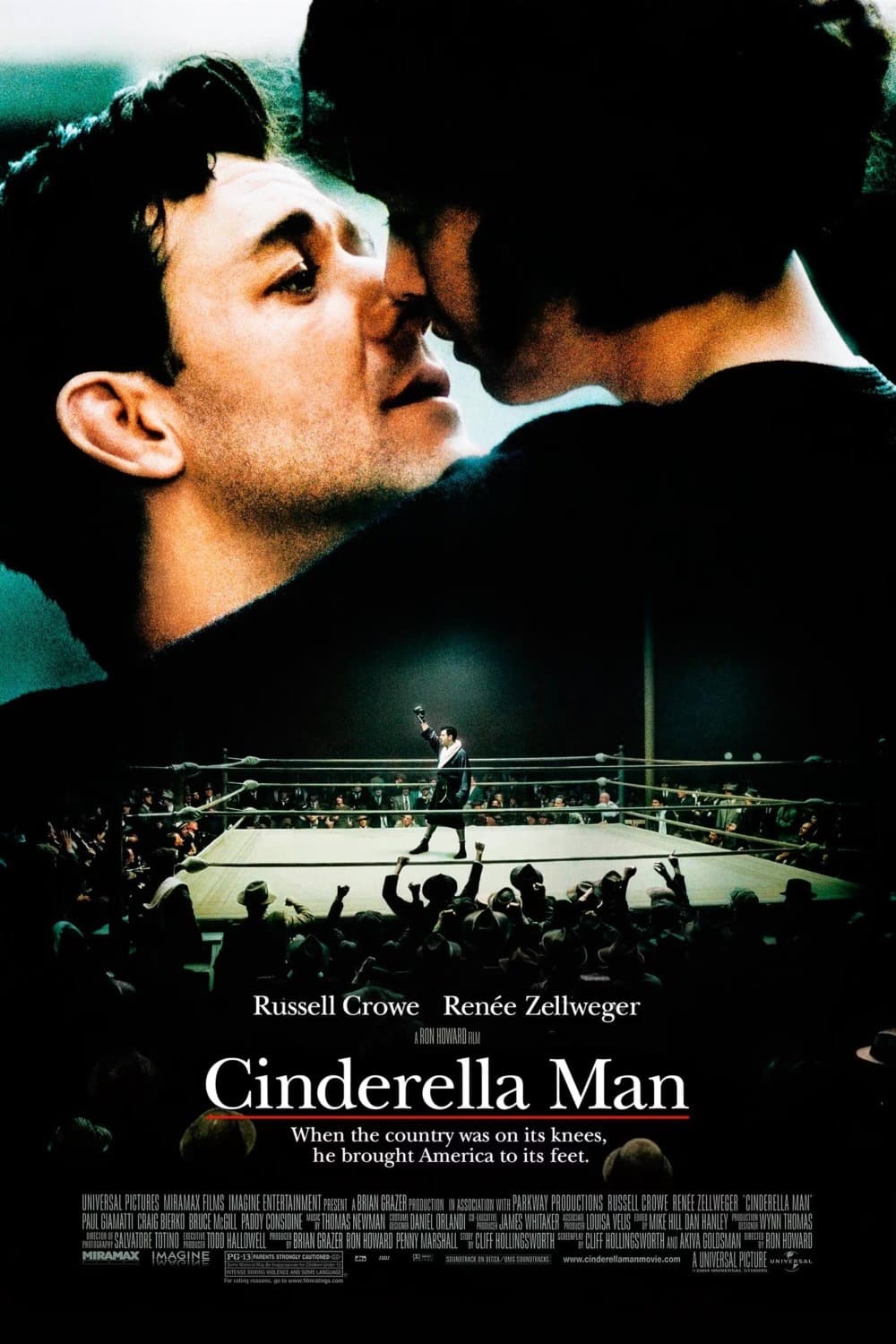
James Braddock was a broken-handed longshoreman on relief when he got a fight nobody expected him to survive: Ron Howard films the Depression as the real opponent, and Paul Giamatti steals it.
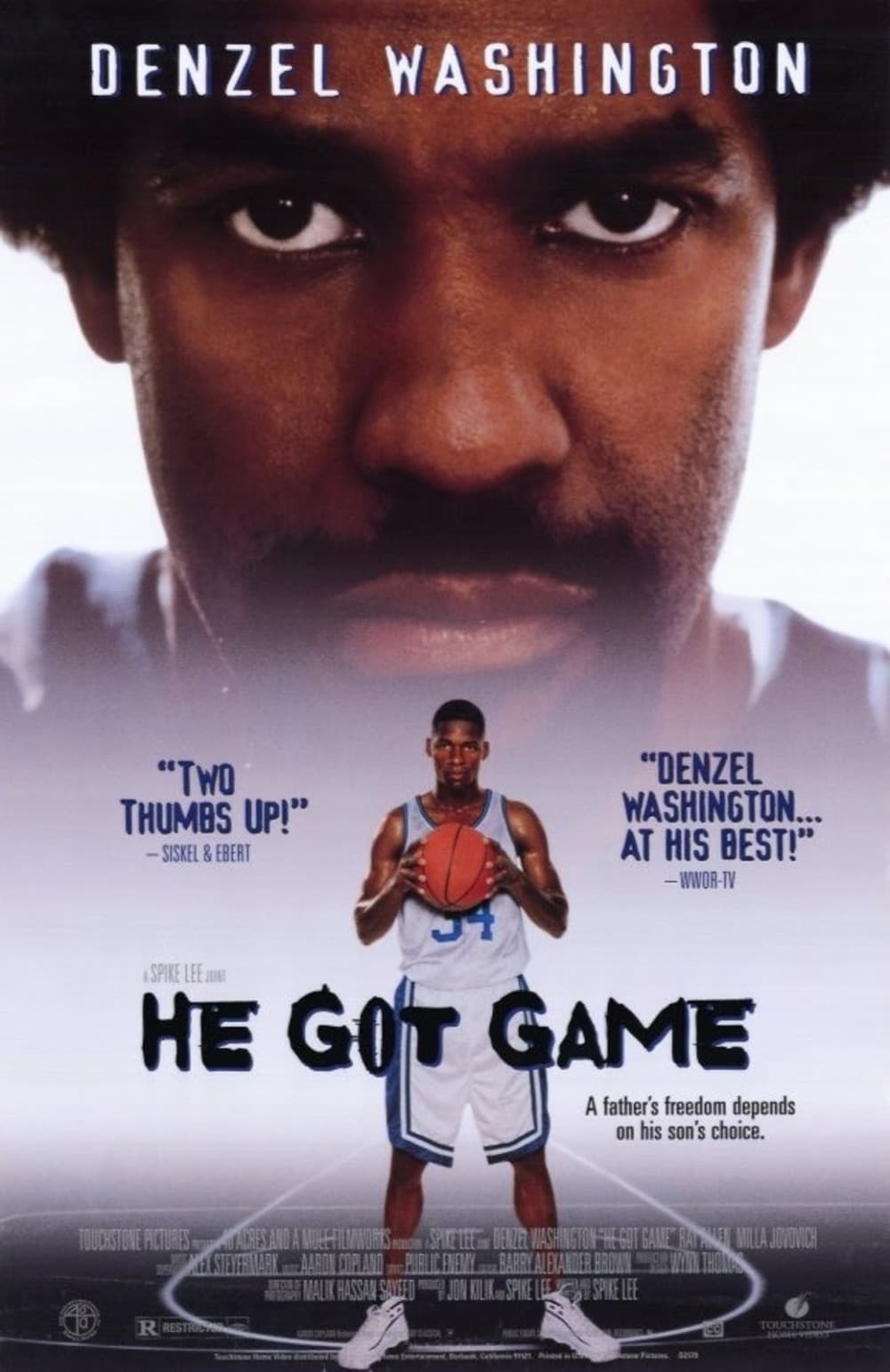
Spike Lee scored a basketball film with Aaron Copland and cast an NBA guard in the lead: a father is released from prison for a week to talk his son into a school.
It has become the film American men quote at each other about being eleven: a new kid in 1962 learns baseball on a vacant lot, and the stakes are imaginary and total.
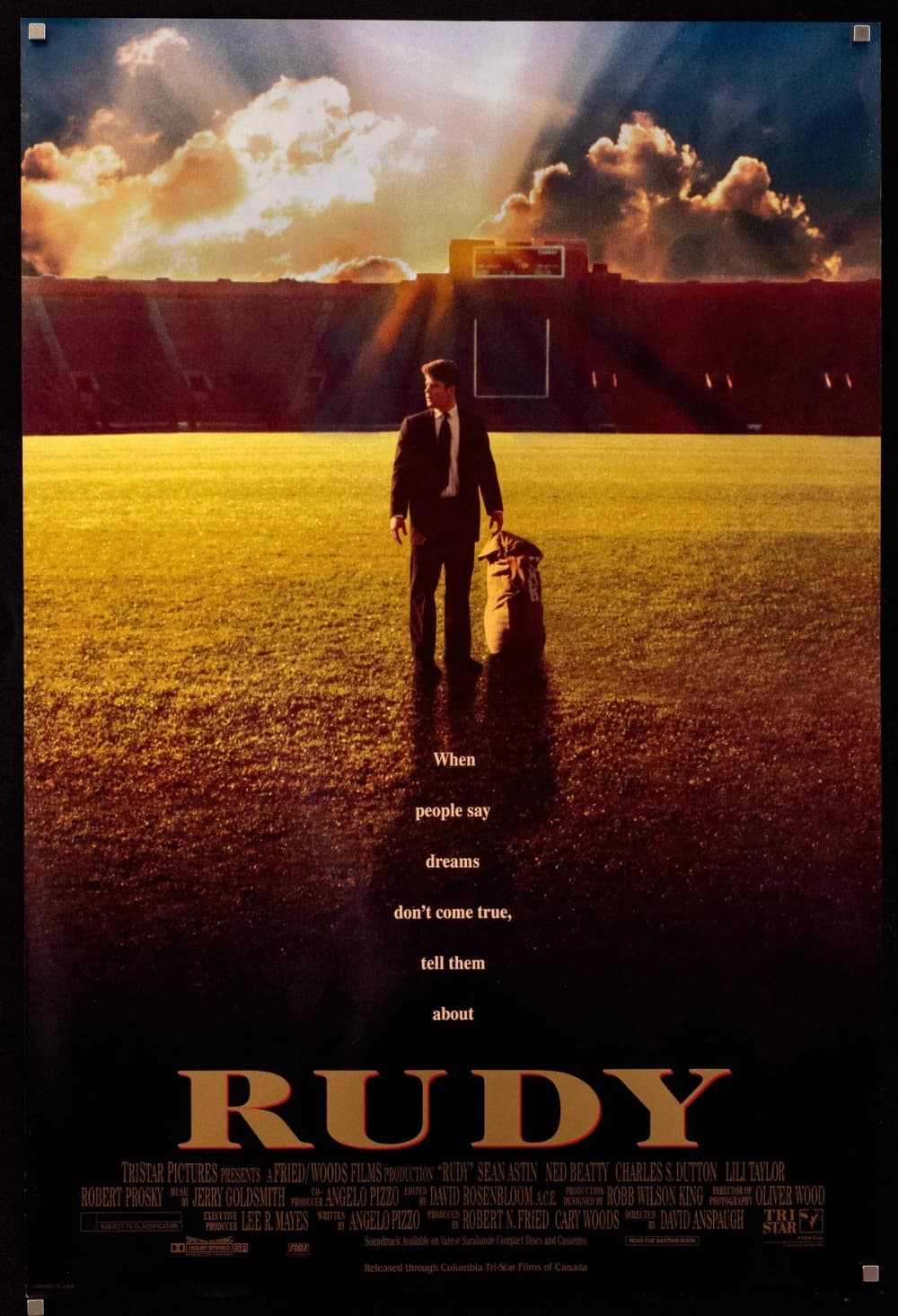
Notre Dame had not allowed a film crew on campus in fifty years: a kid with no size and no grades wants to dress for one game, and everybody tells him no.
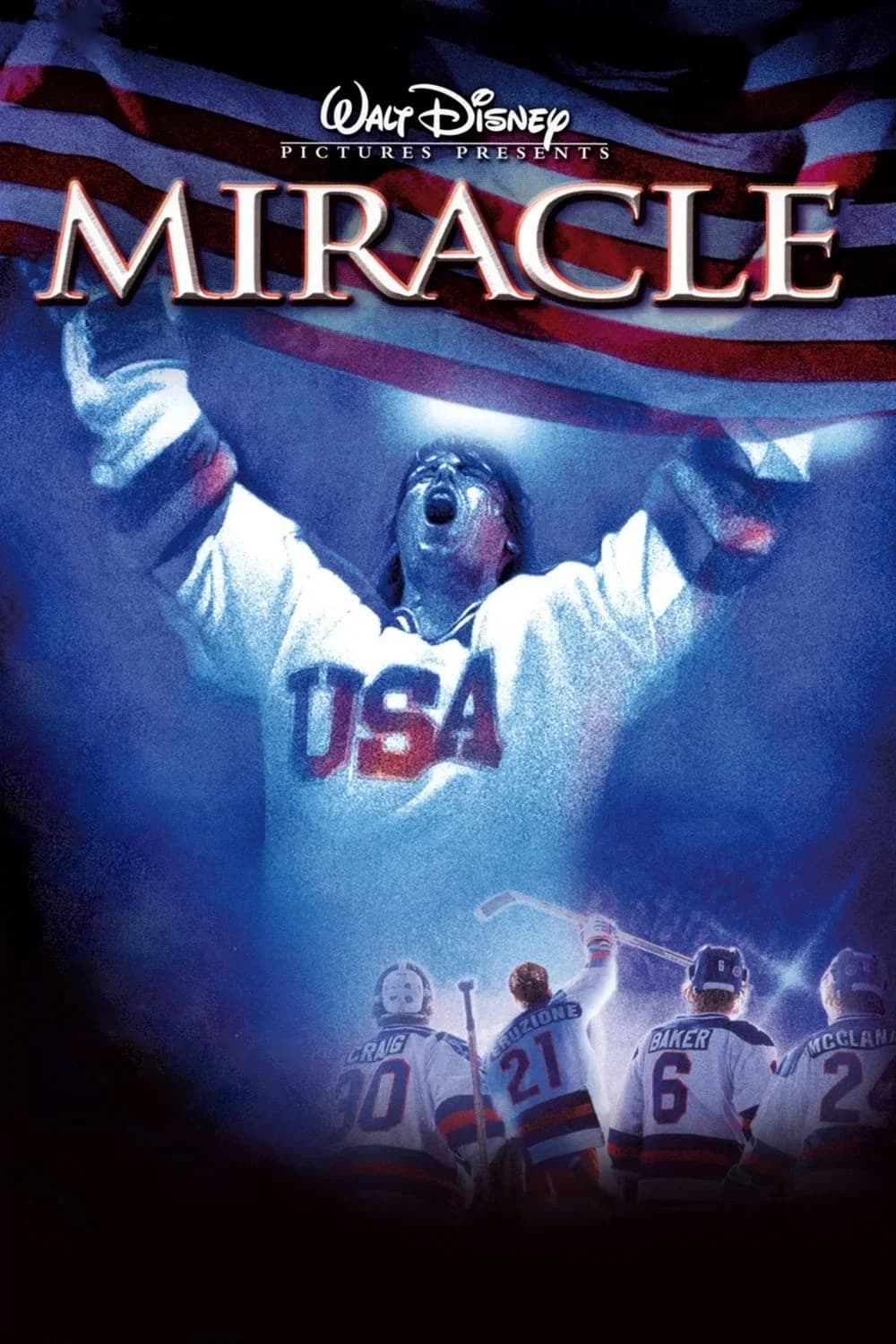
They cast hockey players and taught them to act rather than the reverse: Kurt Russell plays Herb Brooks skating his young Olympic squad into the ground before Lake Placid in 1980.
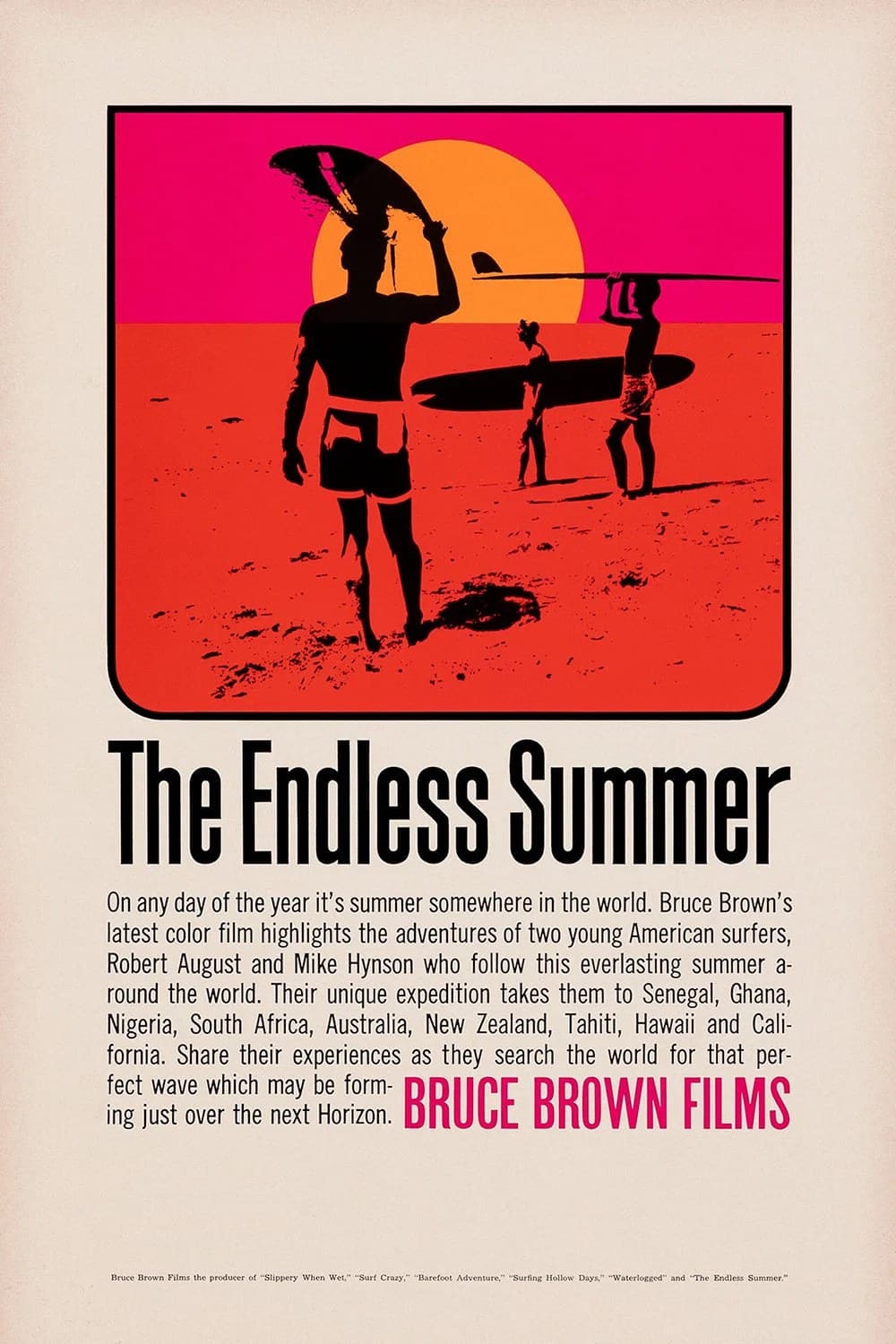
Bruce Brown could not get a distributor so he rented cinemas himself, starting in Wichita in January snow: two surfers follow summer around the world, and the narration is unhurried and dry.
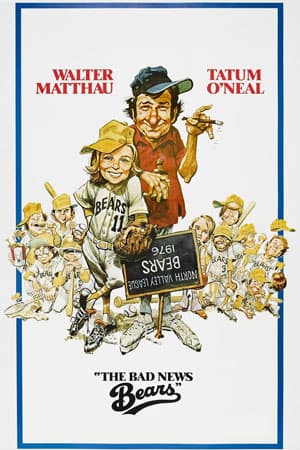
The children swear constantly, the coach drinks in the dugout, and nobody learns very much: Walter Matthau took a Little League team and made the least sentimental sports film ever released.
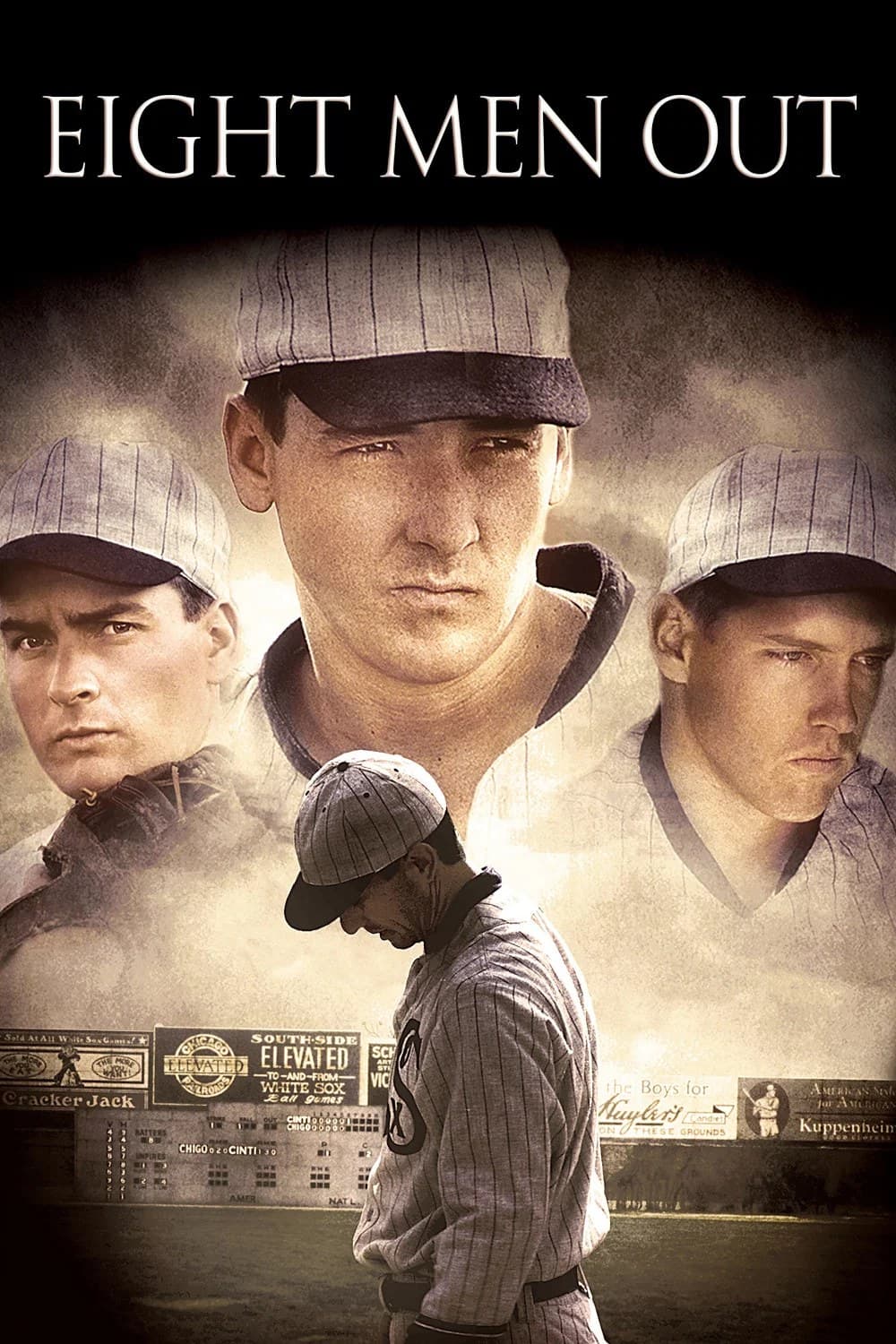
The 1919 World Series fix filmed as a labor dispute rather than a scandal: John Sayles shows eight underpaid White Sox taking money from gamblers, and an owner who pays them nothing.
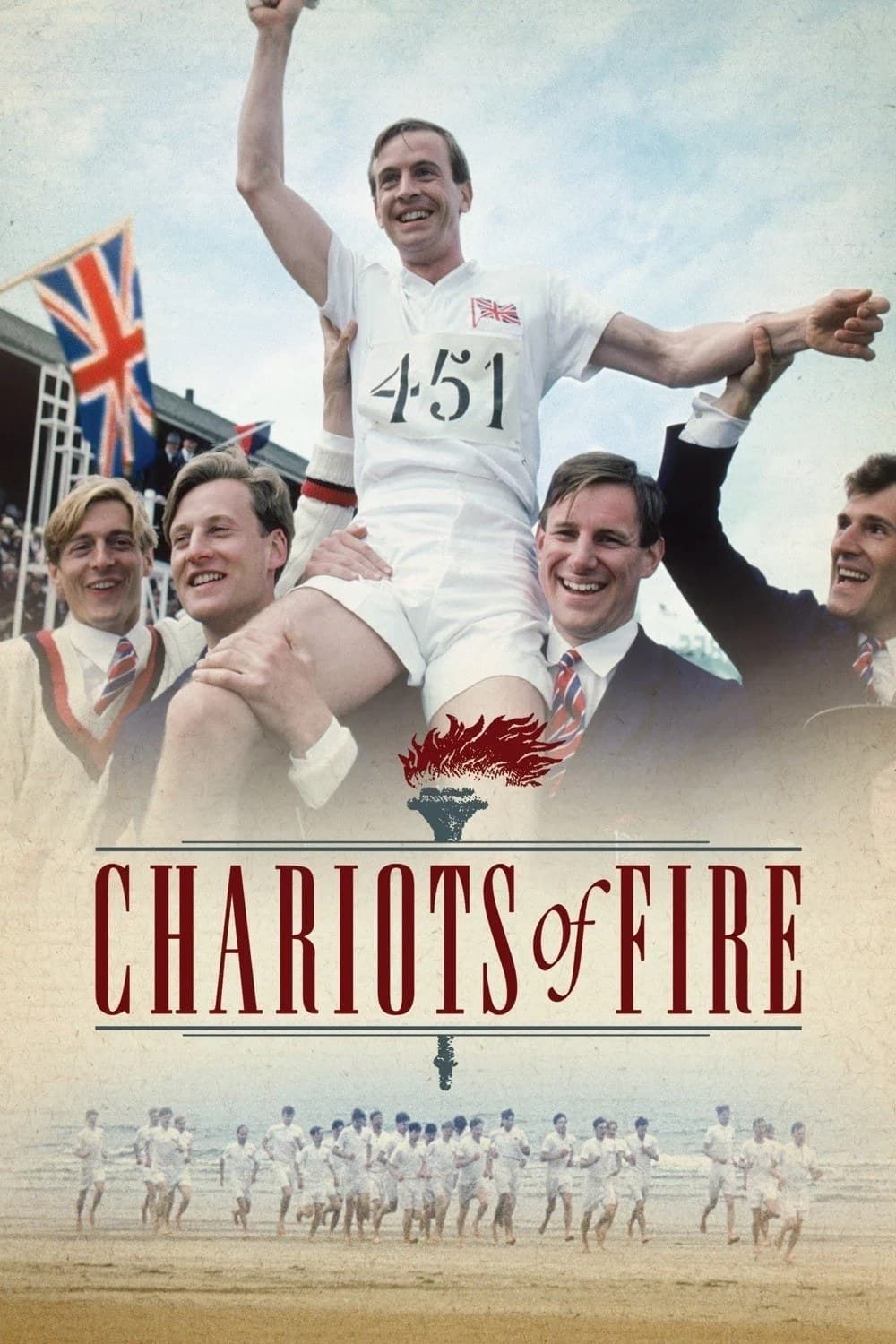
The Vangelis theme is so famous that people forget the film underneath is about religion: two runners at the 1924 Olympics, one running for God and one against English antisemitism.
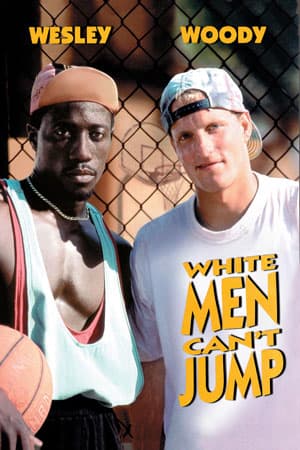
Nobody has ever written trash talk this well: Wesley Snipes and Woody Harrelson hustle Los Angeles playground courts, and the insults are more athletic than the basketball.
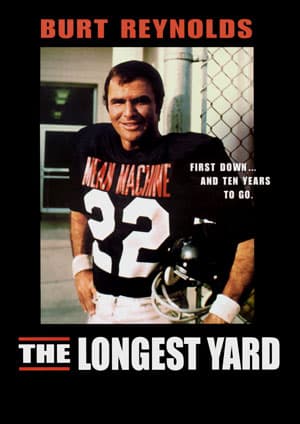
Burt Reynolds played college football and you can see it in every collision: a disgraced quarterback in a Georgia prison is ordered to build a team out of the inmates.
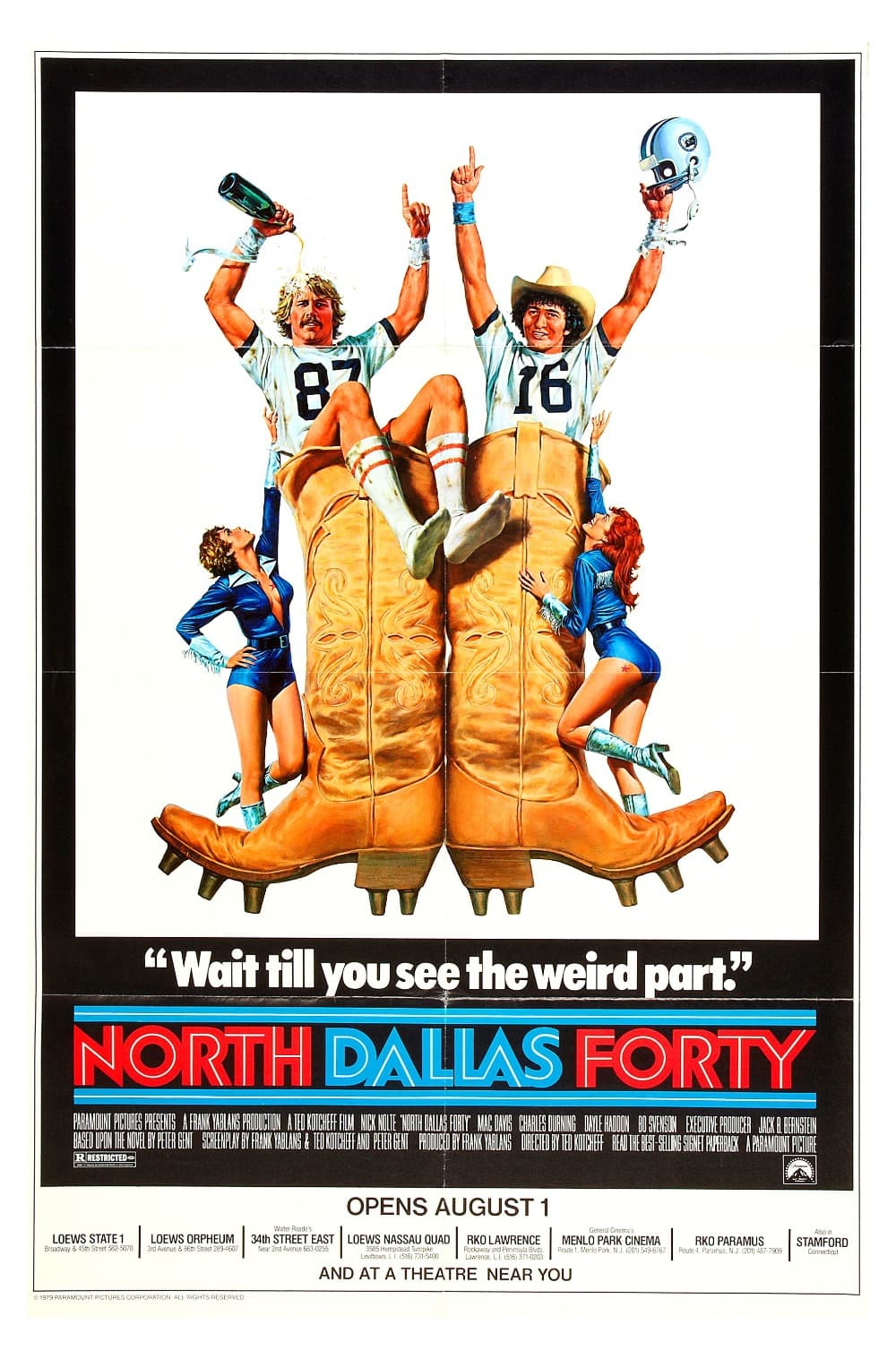
The NFL refused all cooperation and players said it was the only accurate football film ever made: Nick Nolte plays a receiver held together by painkillers and stubbornness for one more season.