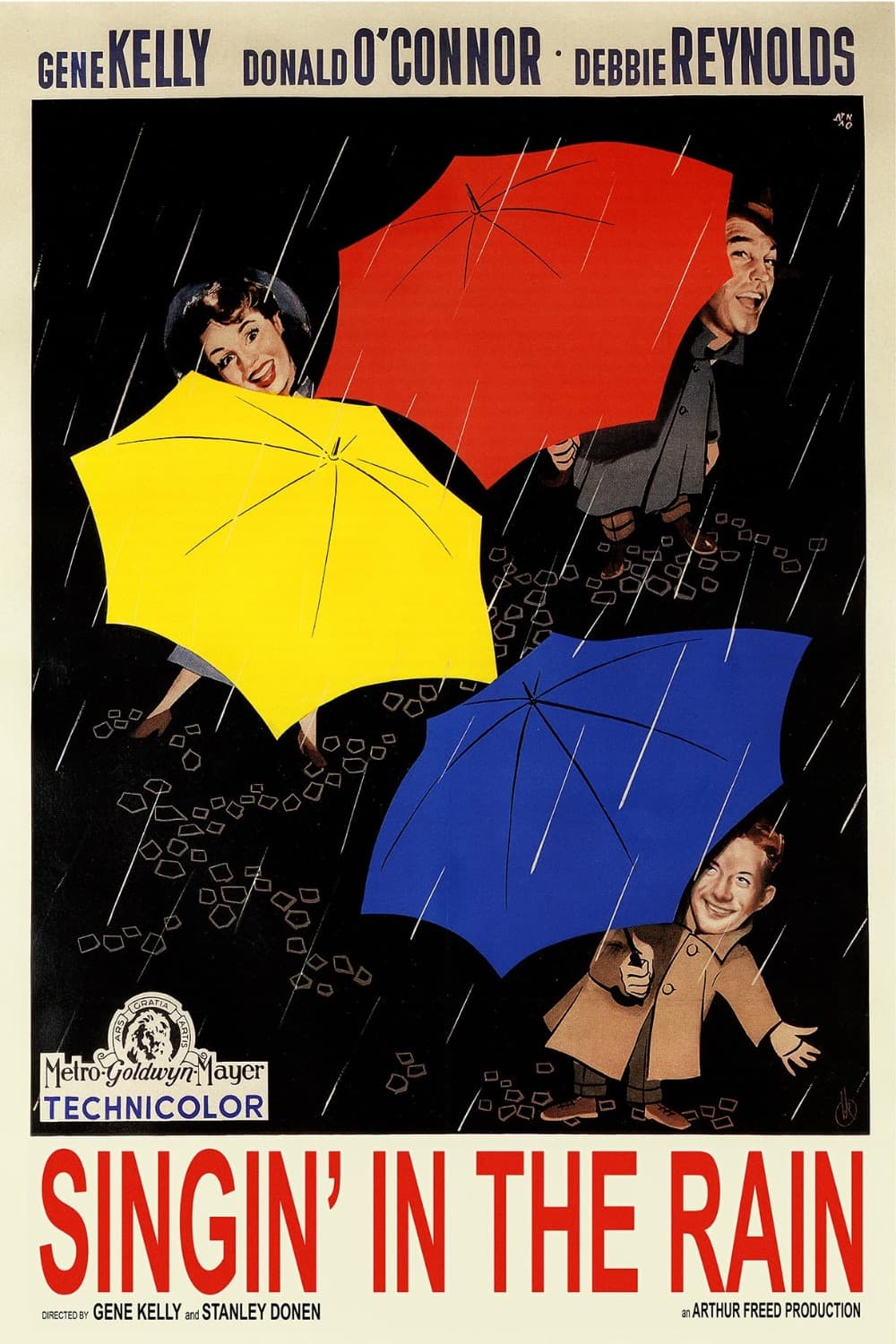
Singin' in the Rain
Directed by Gene Kelly and Stanley Donen
1952
Nothing else on film is this happy, and the subject is an industry in a panic: Hollywood's terror at the arrival of sound became two hours of pure delight.
★ 9.7
 skopia
Nothing else on film is this happy, and the subject is an industry in a panic: Hollywood's terror at the arrival of sound became two hours of pure delight.
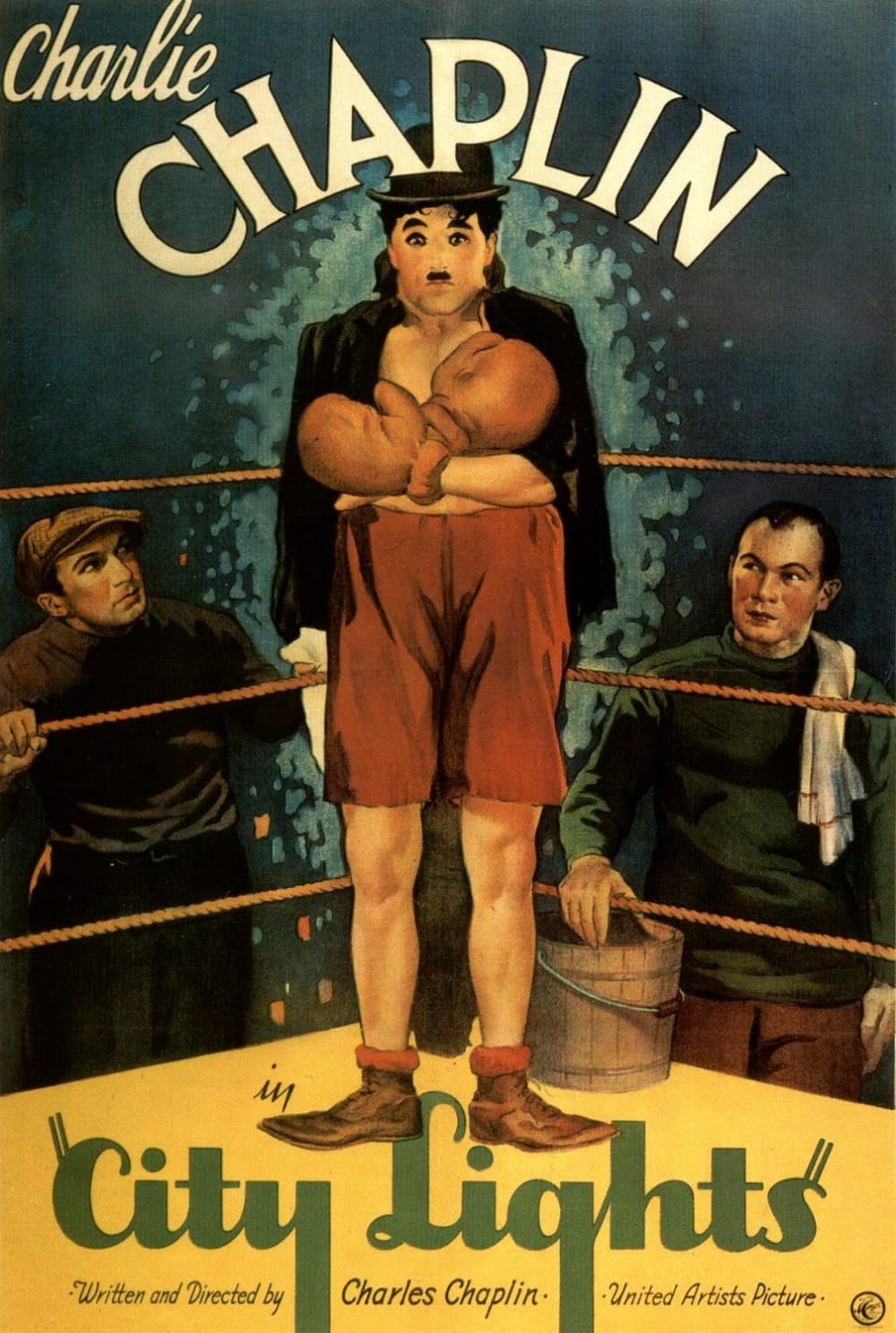
Chaplin's own favorite of his films, and the one people cry at: he refused to make it a talkie, then built ninety minutes toward a final thirty seconds.

No romance this century has come close: Kaufman's premise, that you could pay to have someone erased, turns out to be the most honest thing anyone has said about breakups.
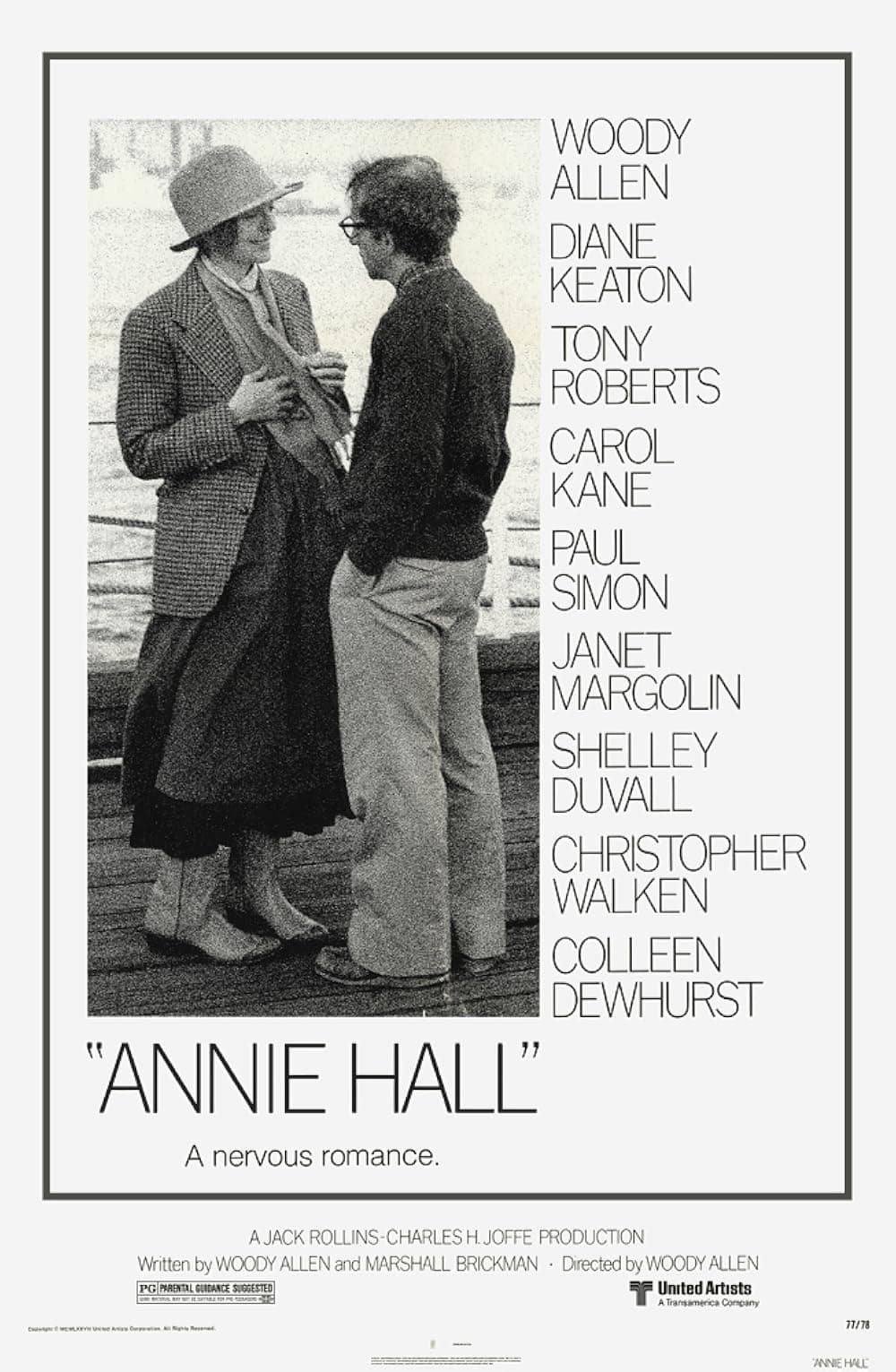
The romantic comedy has never recovered from it: Allen talks to the camera, walks into his own memories, drops subtitles over small talk, and breaks every rule the form had.
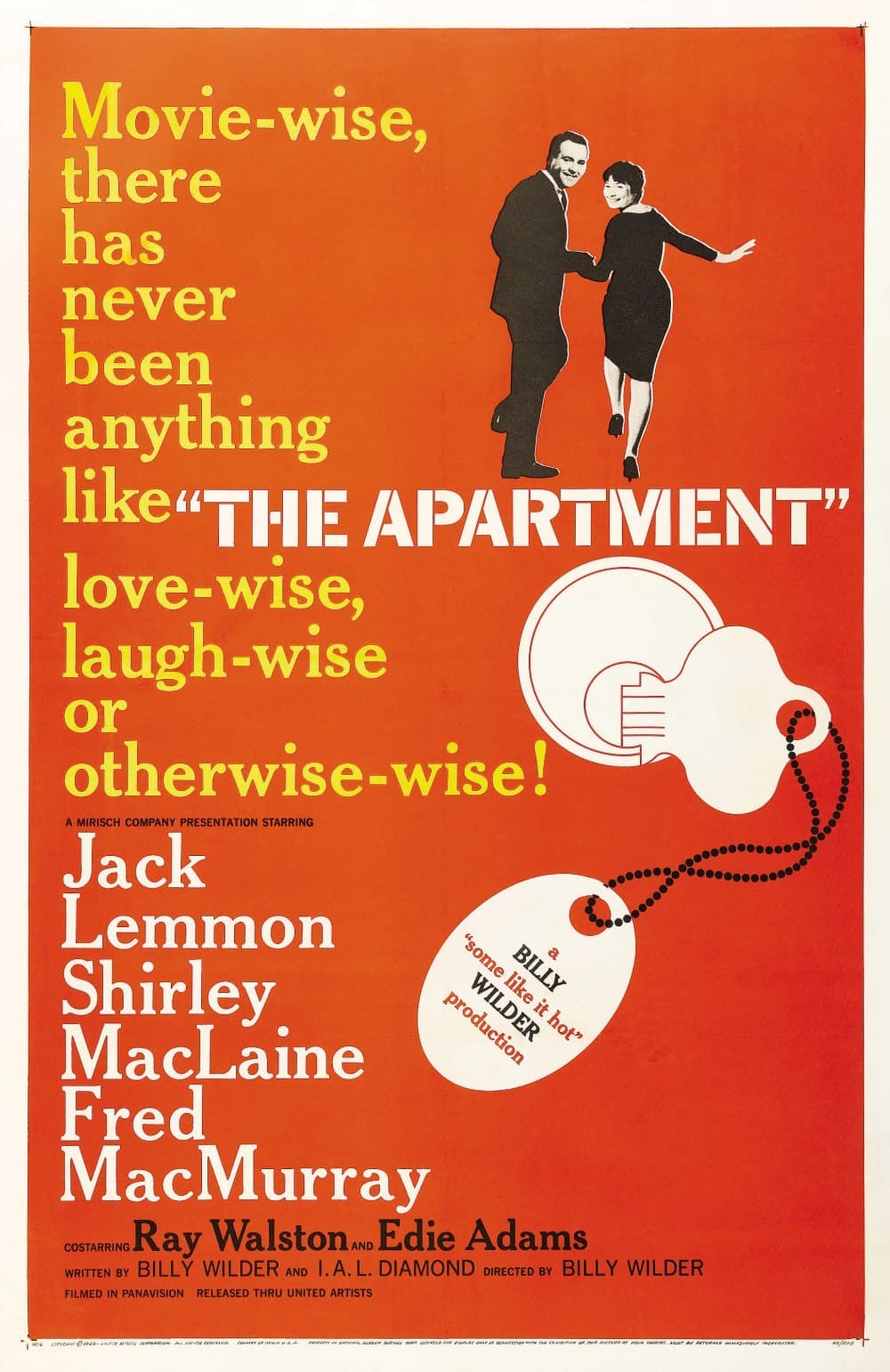
A comedy that breaks your heart and stays funny while doing it: Wilder took the sourest possible subject, a man lending his bed to his bosses, and made it warm.
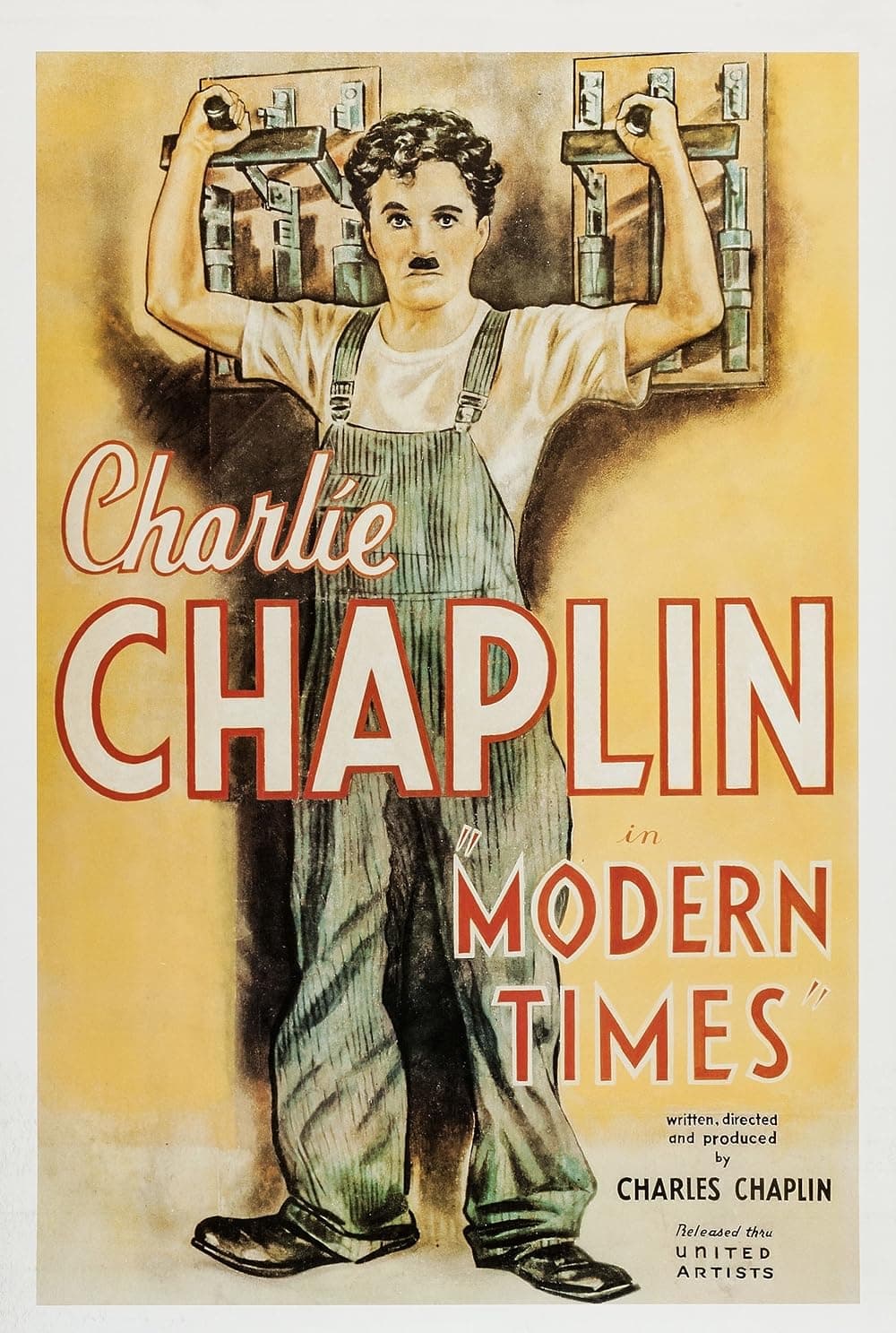
Chaplin's farewell to silence, made nine years into the sound era out of pure stubbornness: the factory gears swallow him, and he answers the talkies entirely on his own terms.
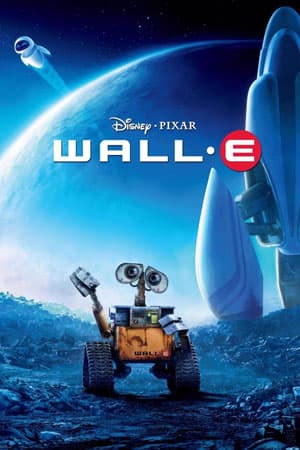
Pixar's bravest film: the first forty minutes have almost no dialogue at all, and a robot with two expressions carries more feeling than most live actors manage.
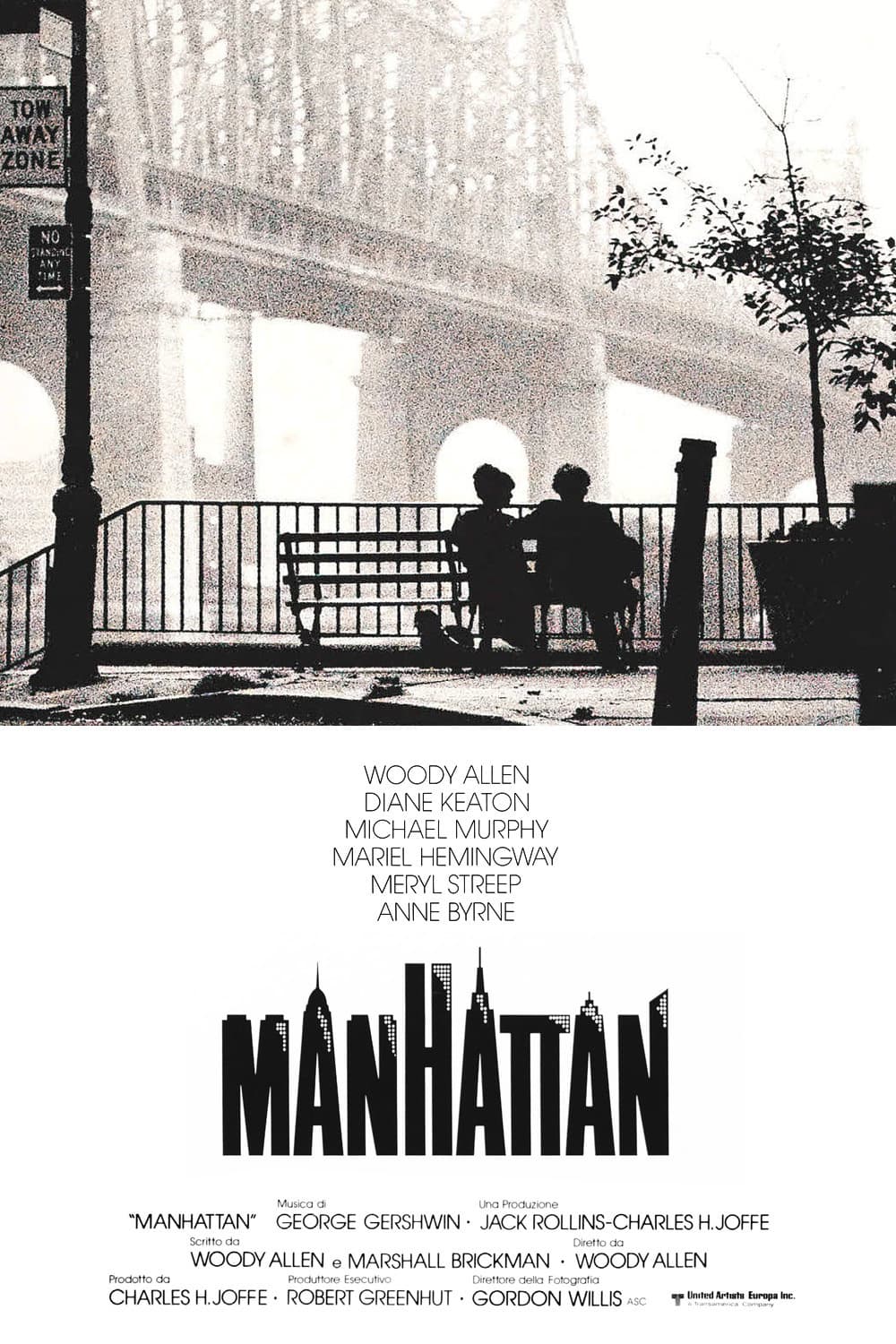
It opens with the best love letter any city has received: Gershwin over black and white Manhattan, and then two hours of people ruining their lives beautifully.
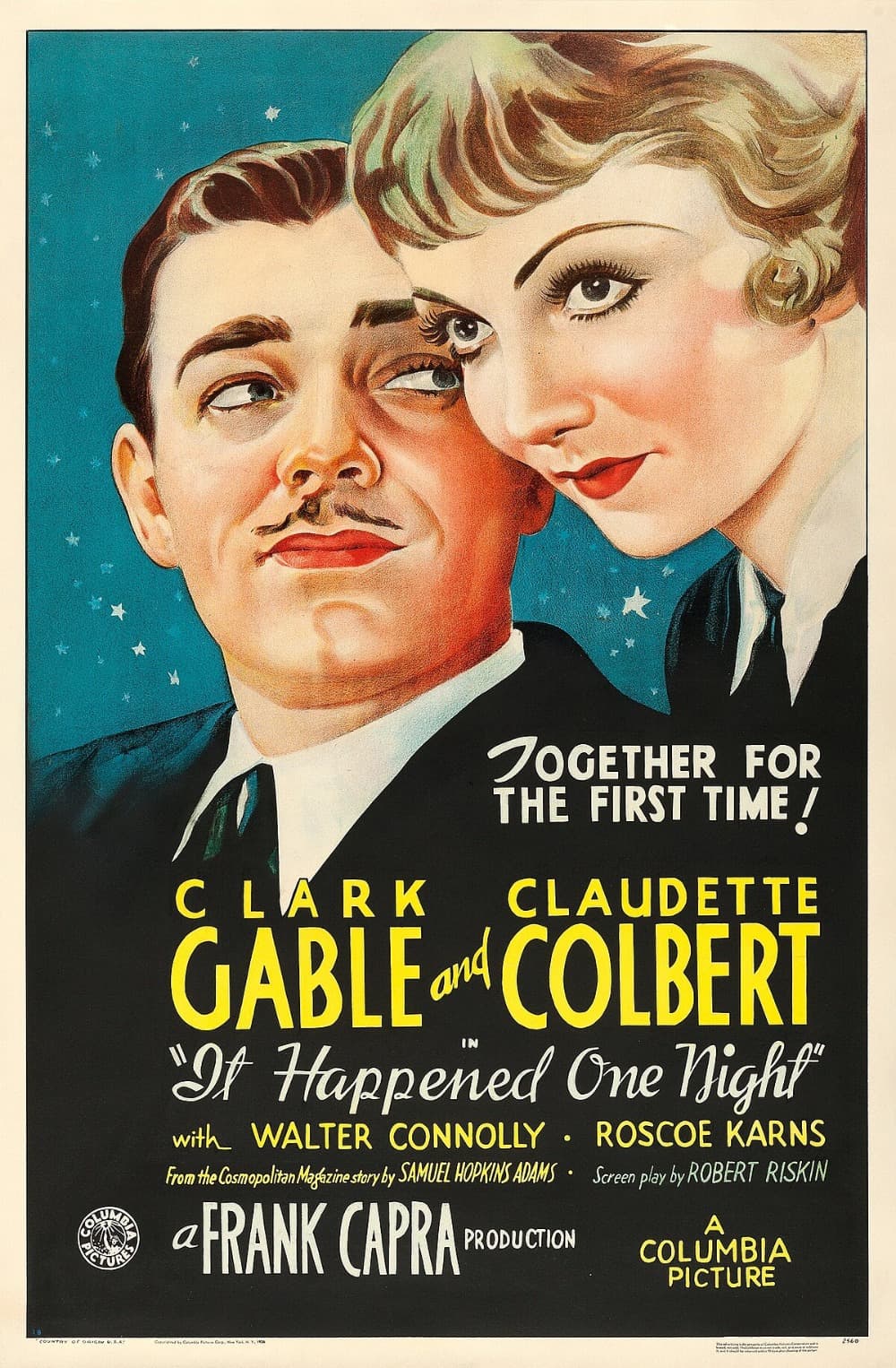
It helped launch the screwball comedy and left fingerprints on every romance that followed: a runaway heiress, a broke reporter, a night bus, and a blanket hung between two beds.
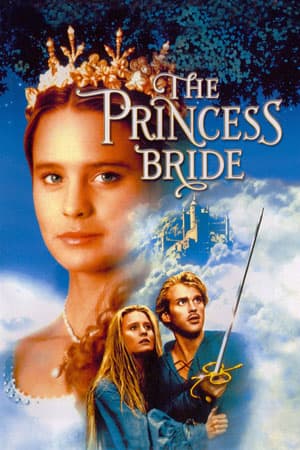
It barely registered in cinemas and built its whole following on video: pirates, giants, a six-fingered man, and a grandfather reading to a boy who does not want the story.
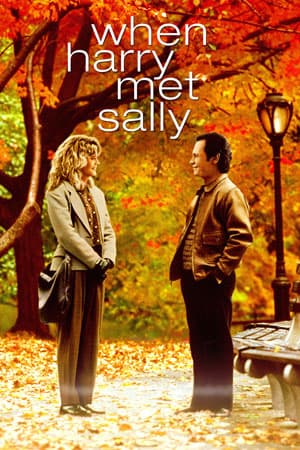
Every romantic comedy since has been trying to write this conversation: two people argue for twelve years about whether men and women can be friends, and Ephron's dialogue wins.
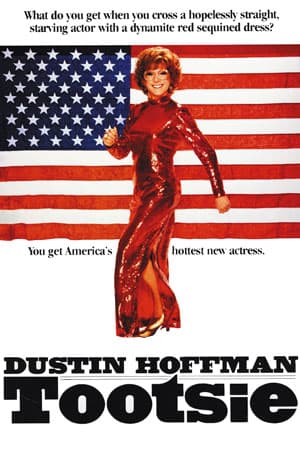
Hoffman said the part permanently changed how he saw women, and what he learned is worked out here as farce: an unemployable actor becomes a soap opera star.
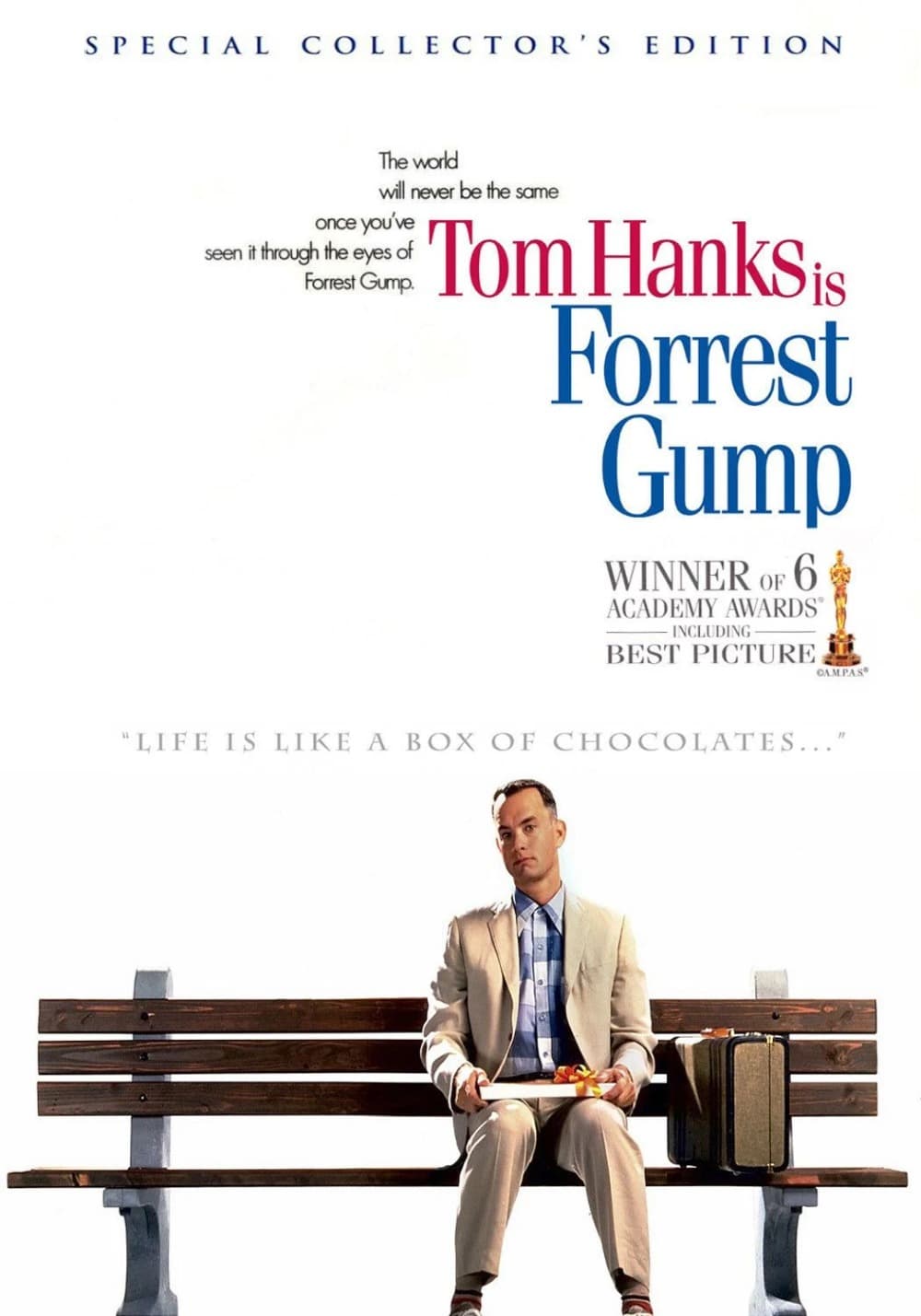
People still argue about whether it is sentimental or sly, and both readings hold: a simple man walks through forty years of American history without ever noticing.
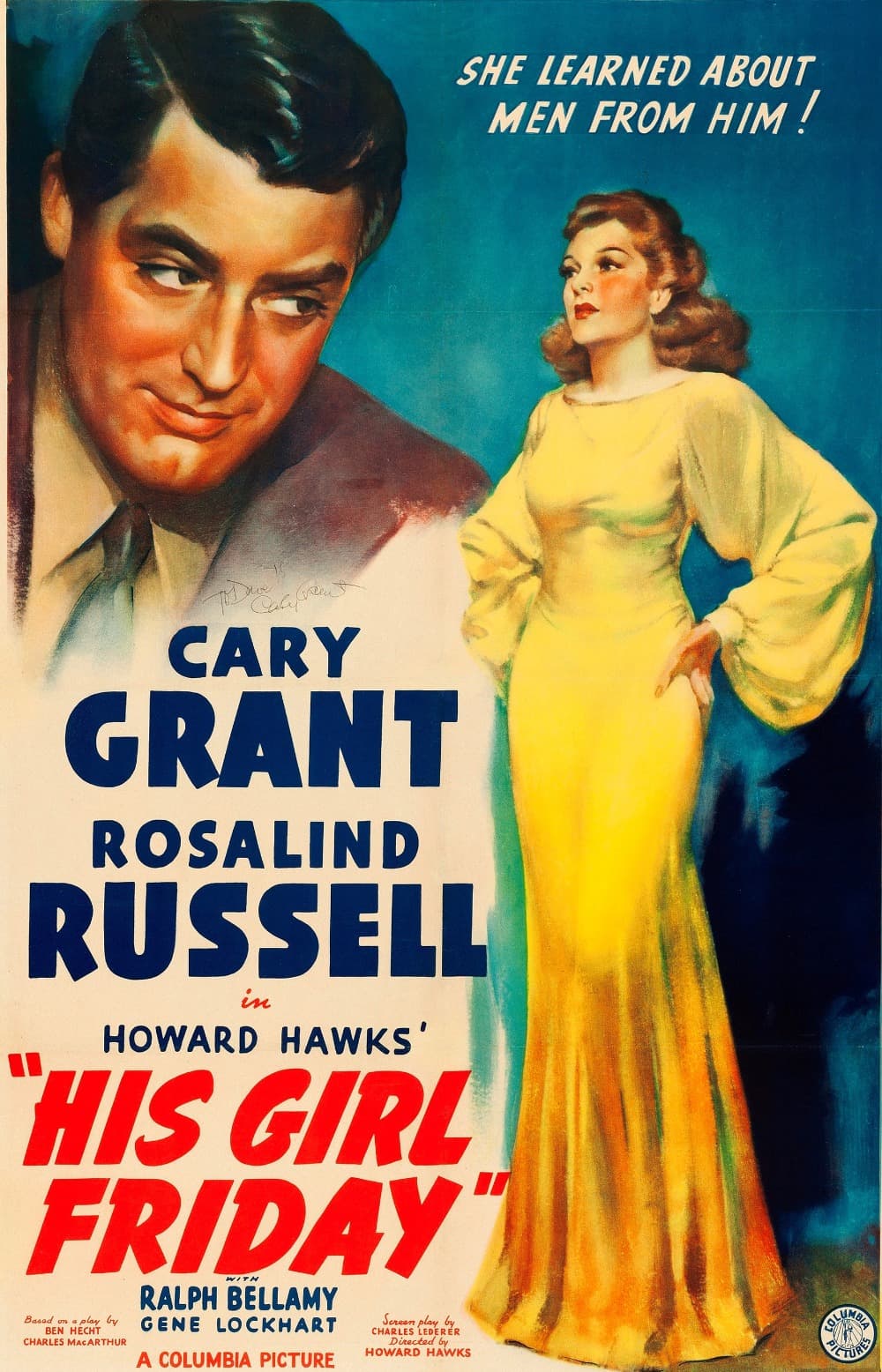
Hawks made the reporter a woman and the ex-husband her editor, then had them talk over each other so fast the film runs at over two hundred words a minute.
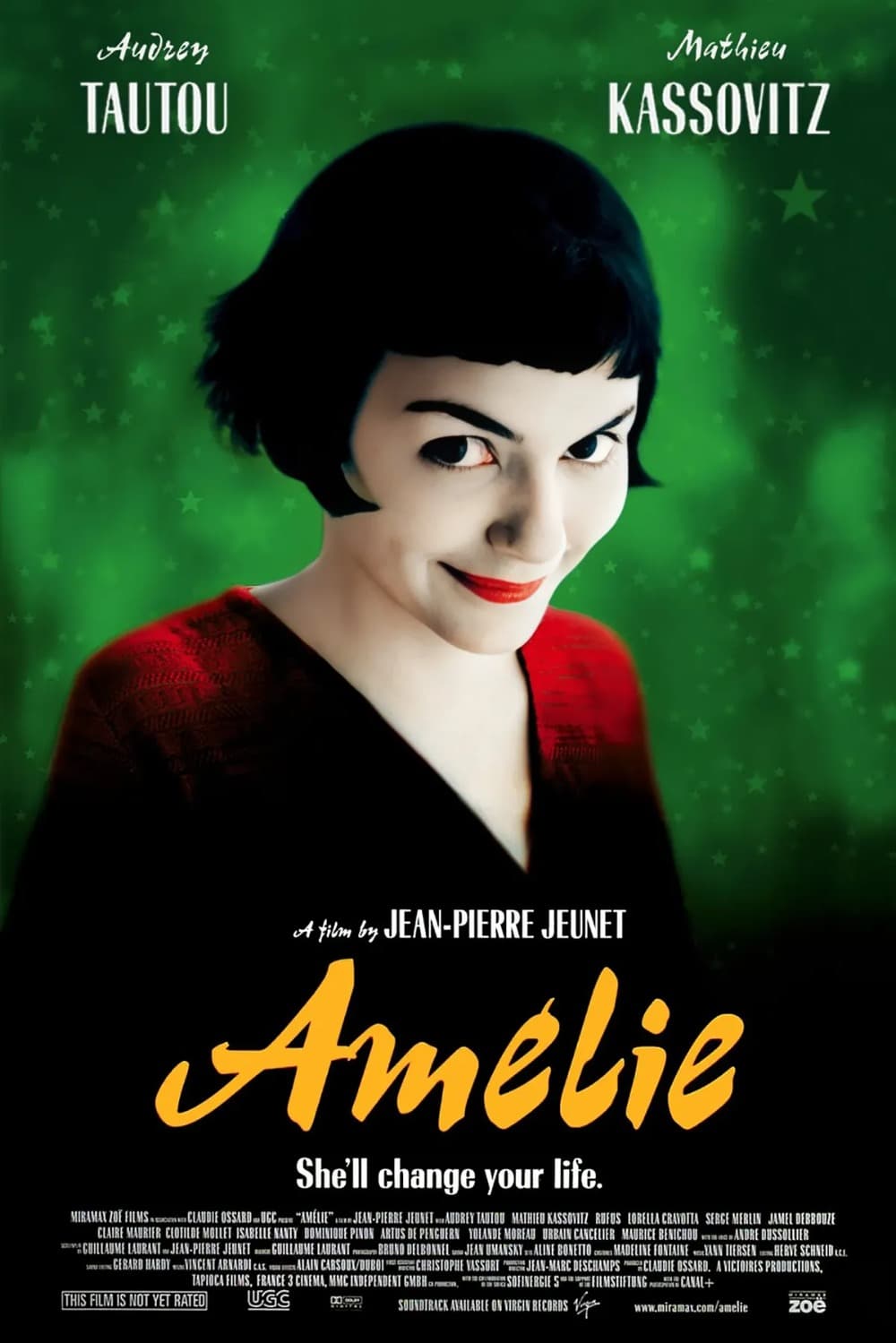
The most exported French film of its generation: Jeunet saturated Paris into green and gold and sent a shy waitress out to quietly rearrange other people's lives.
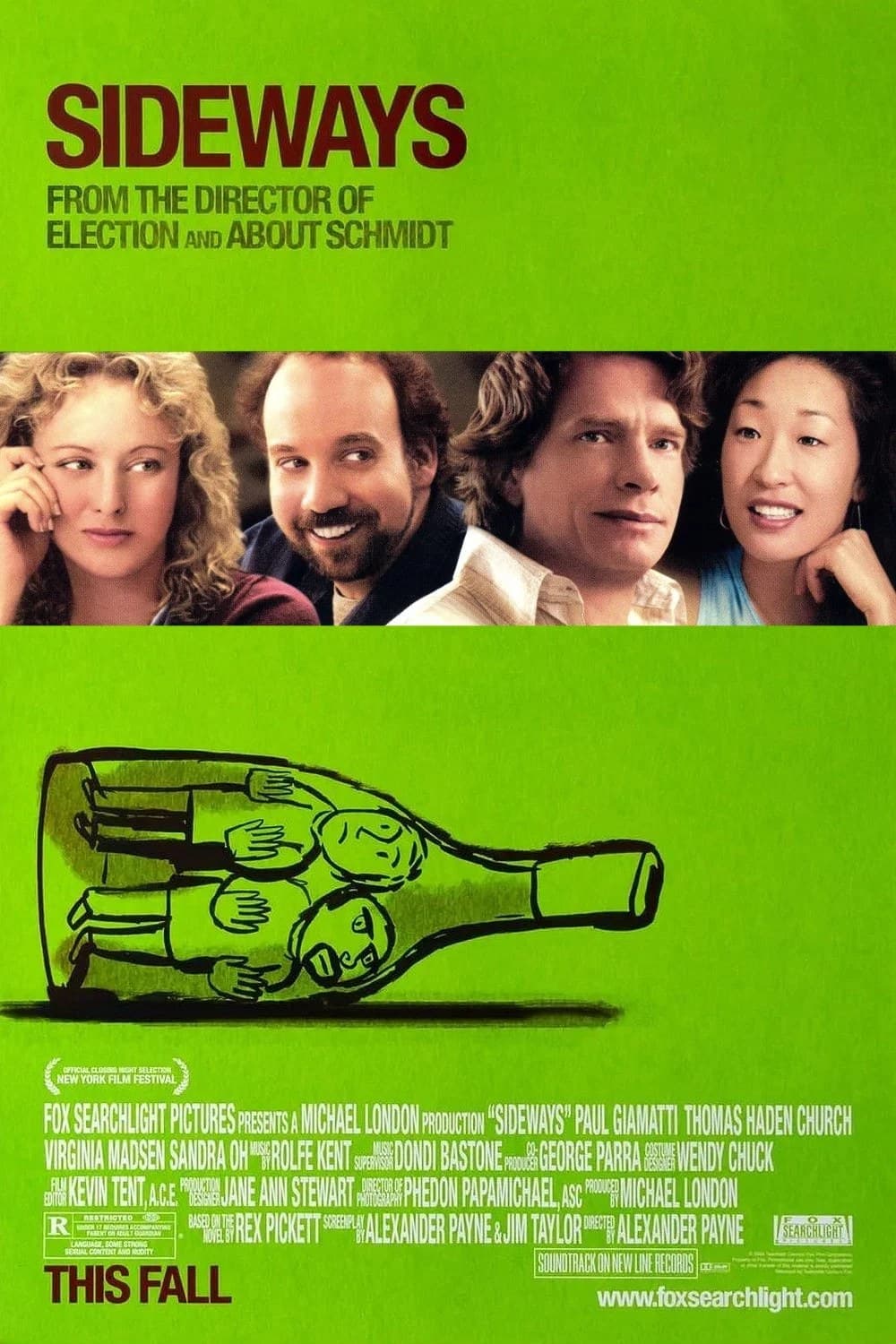
It measurably dented cheap merlot sales and sent pinot noir soaring: two middle-aged men drive through wine country, one about to be married and one unable to move on.
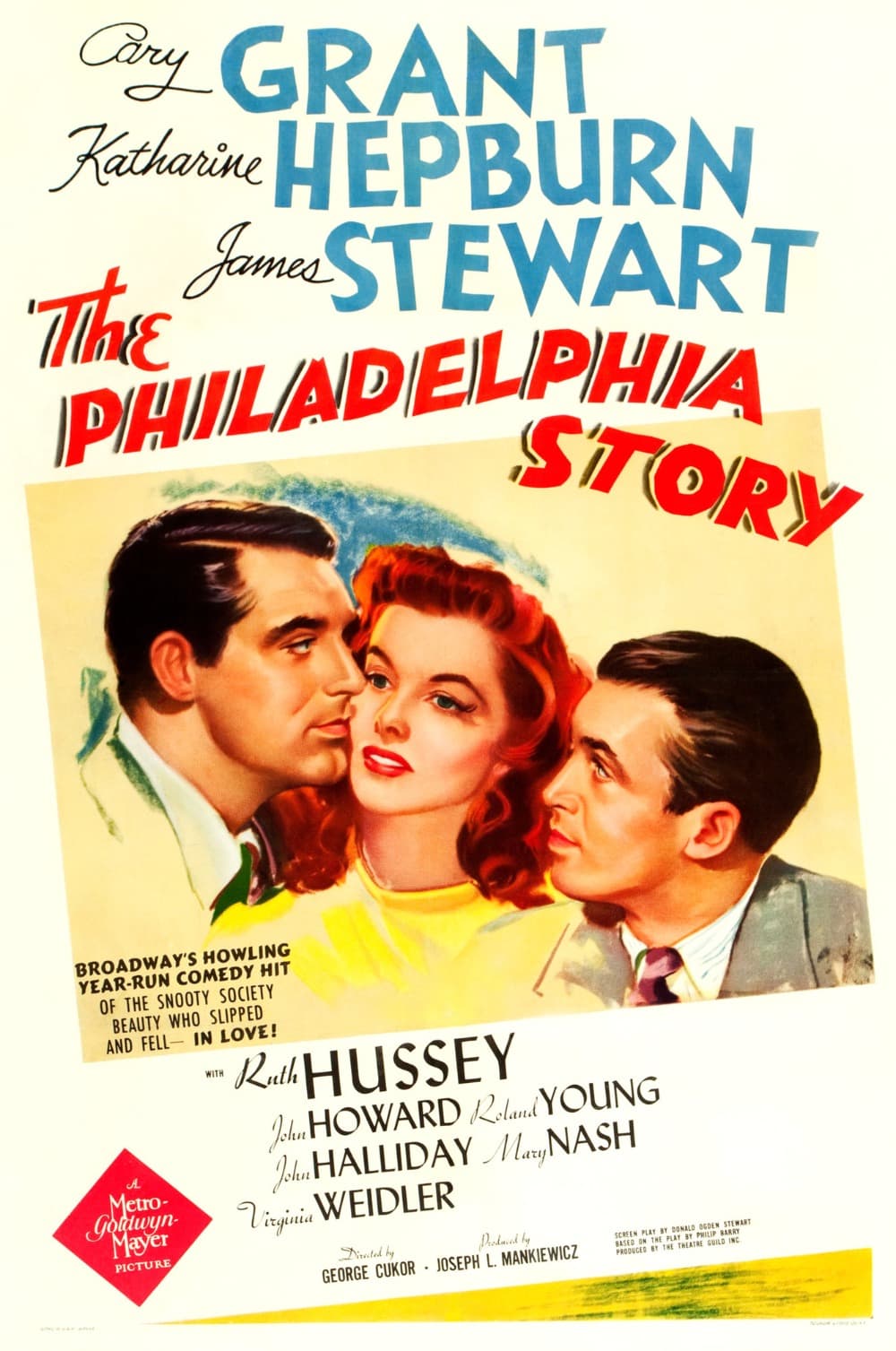
Katharine Hepburn was labeled box-office poison and controlled the rights to her comeback vehicle: she picked the director and approved the cast, then let Cary Grant and James Stewart crash her wedding.
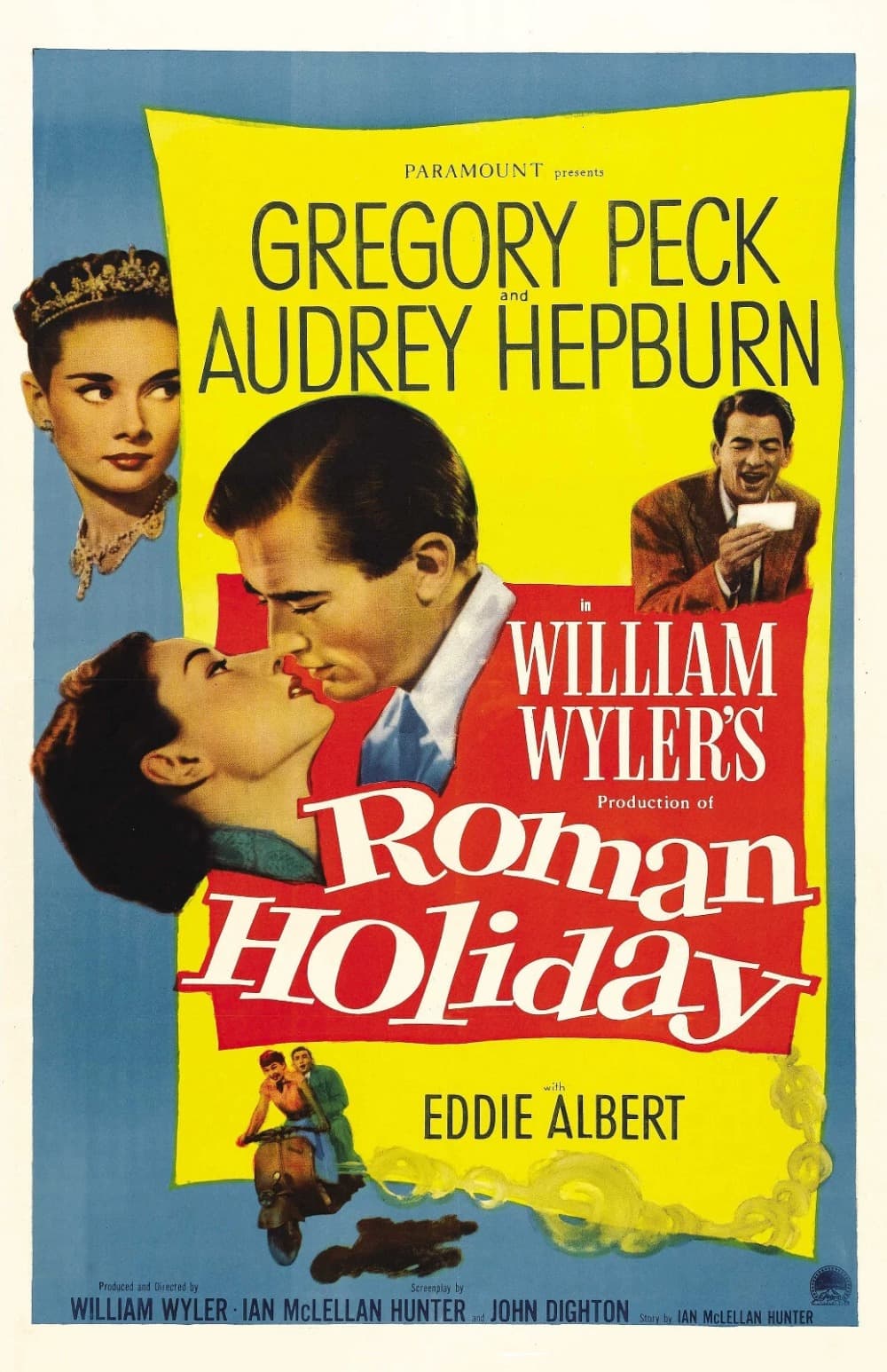
Audrey Hepburn became a star overnight and Dalton Trumbo wrote the script while blacklisted: a princess slips her handlers for one unscheduled day in Rome, with a reporter who knows who she is.
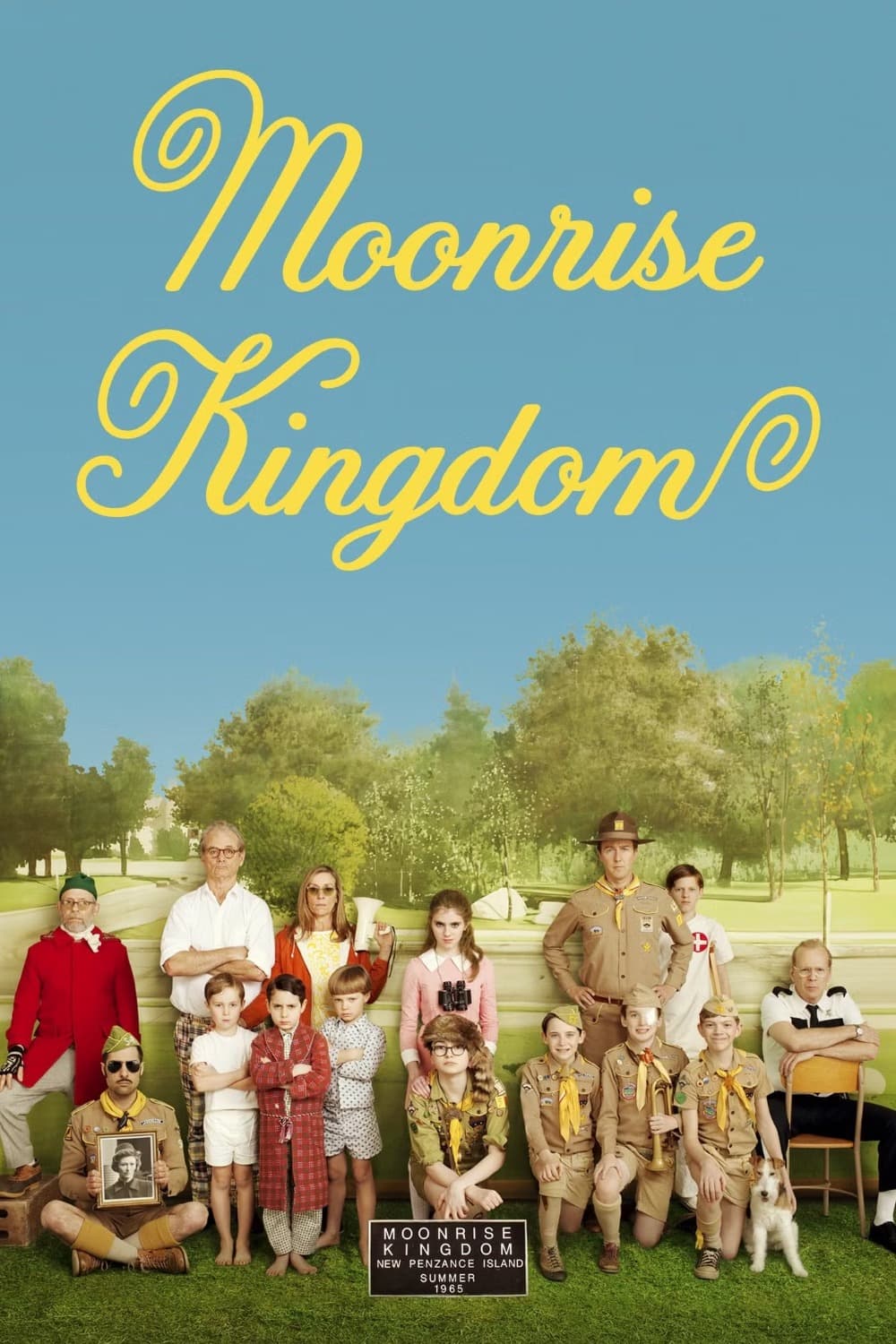
Twelve-year-olds run away together across a New England island in 1965: Wes Anderson's warmest film, and the adults chasing them are lonelier than the children they are trying to catch.
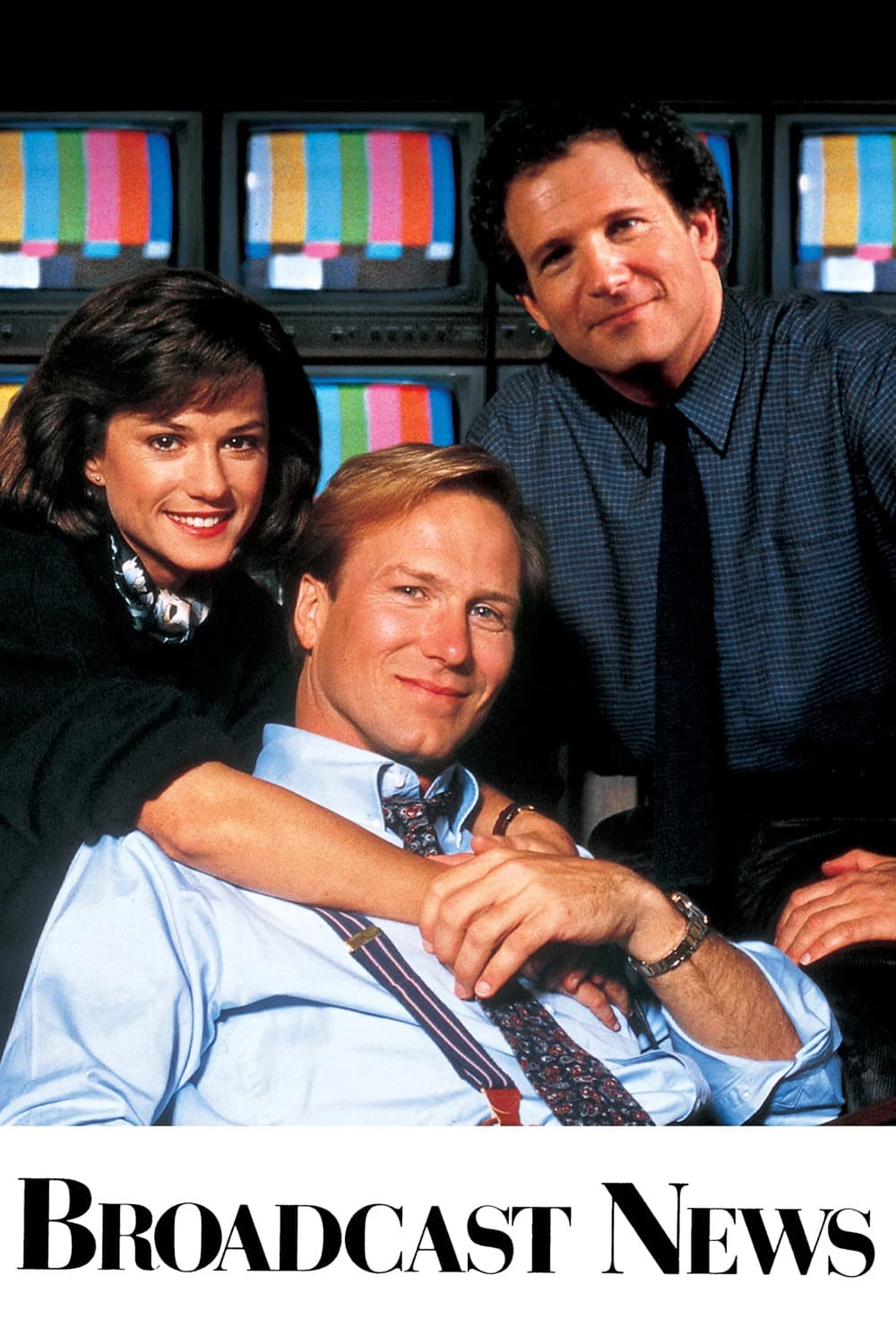
James L. Brooks got the newsroom exactly right and predicted what television news would become: three colleagues tangled up in each other, and the one who is best on camera knows the least.