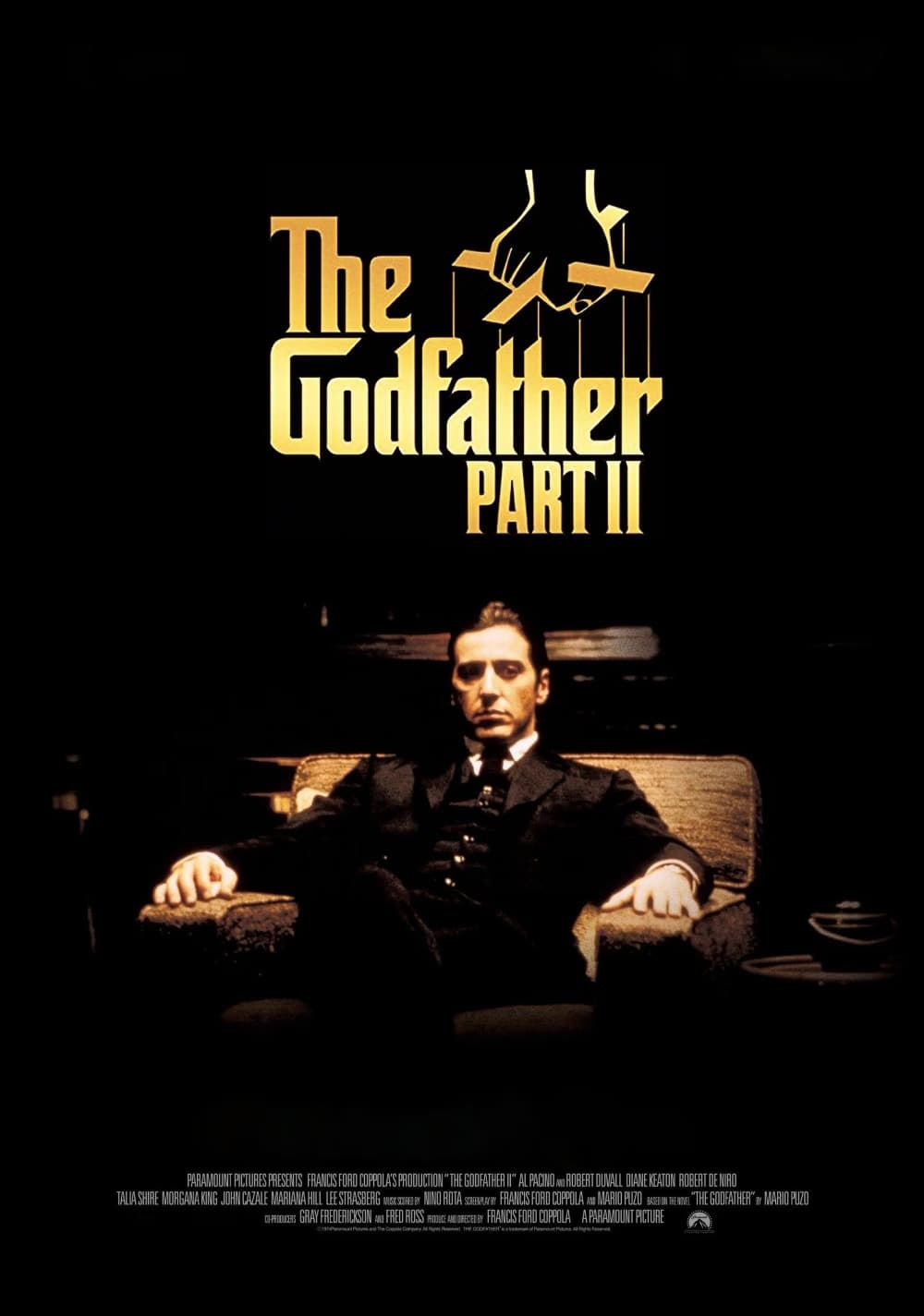
The Godfather: Part II
Directed by Francis Ford Coppola
1974
Coppola did what almost nobody manages, and made a sequel with a real claim to surpassing the original: two eras of one family run side by side, and the colder one wins.
★ 9.8
 skopia
Coppola did what almost nobody manages, and made a sequel with a real claim to surpassing the original: two eras of one family run side by side, and the colder one wins.
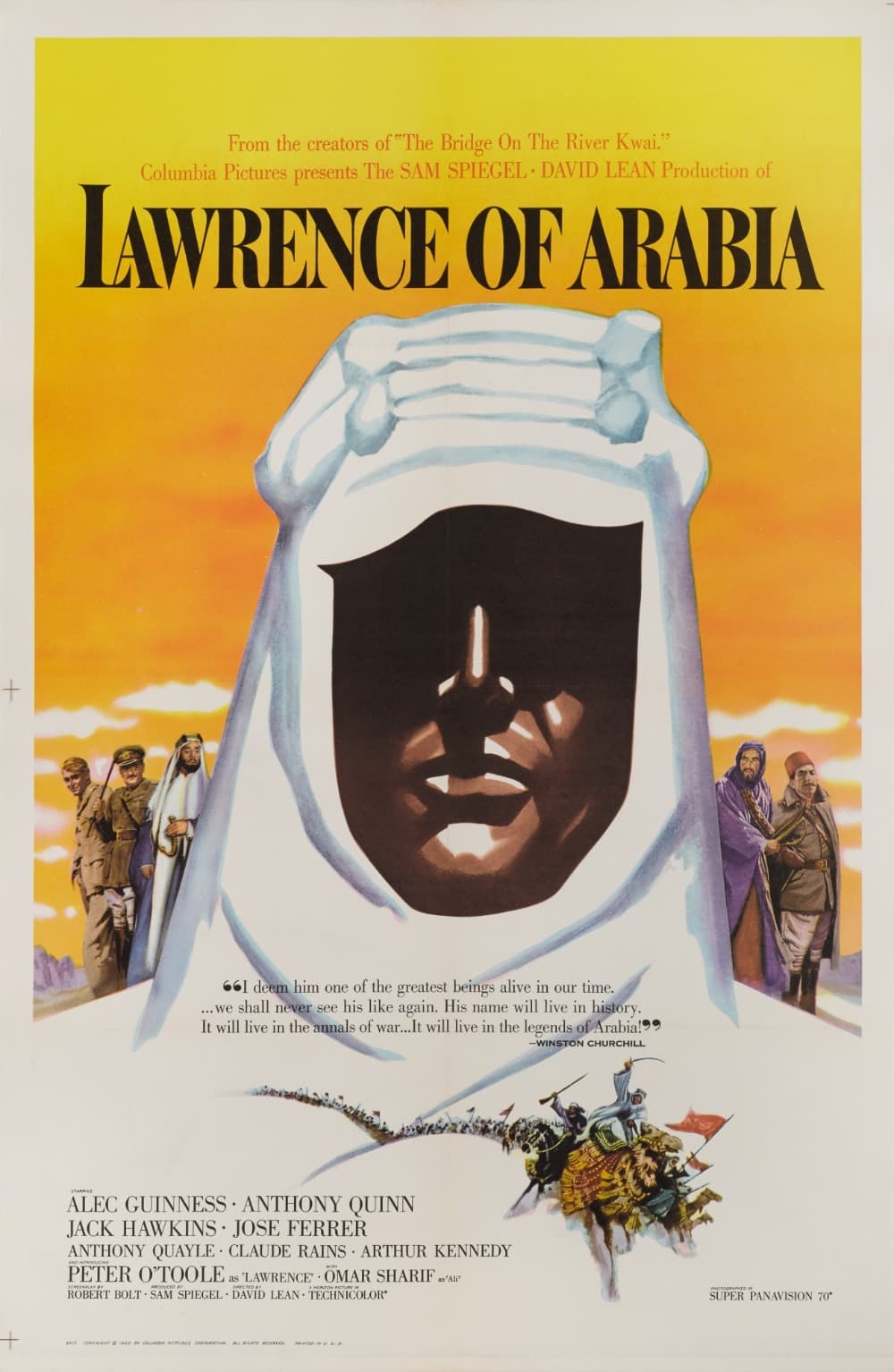
There is no better argument for seeing a film on the largest screen you can find: Lean's desert swallows the frame, and a British officer dissolves inside it over nearly four hours.
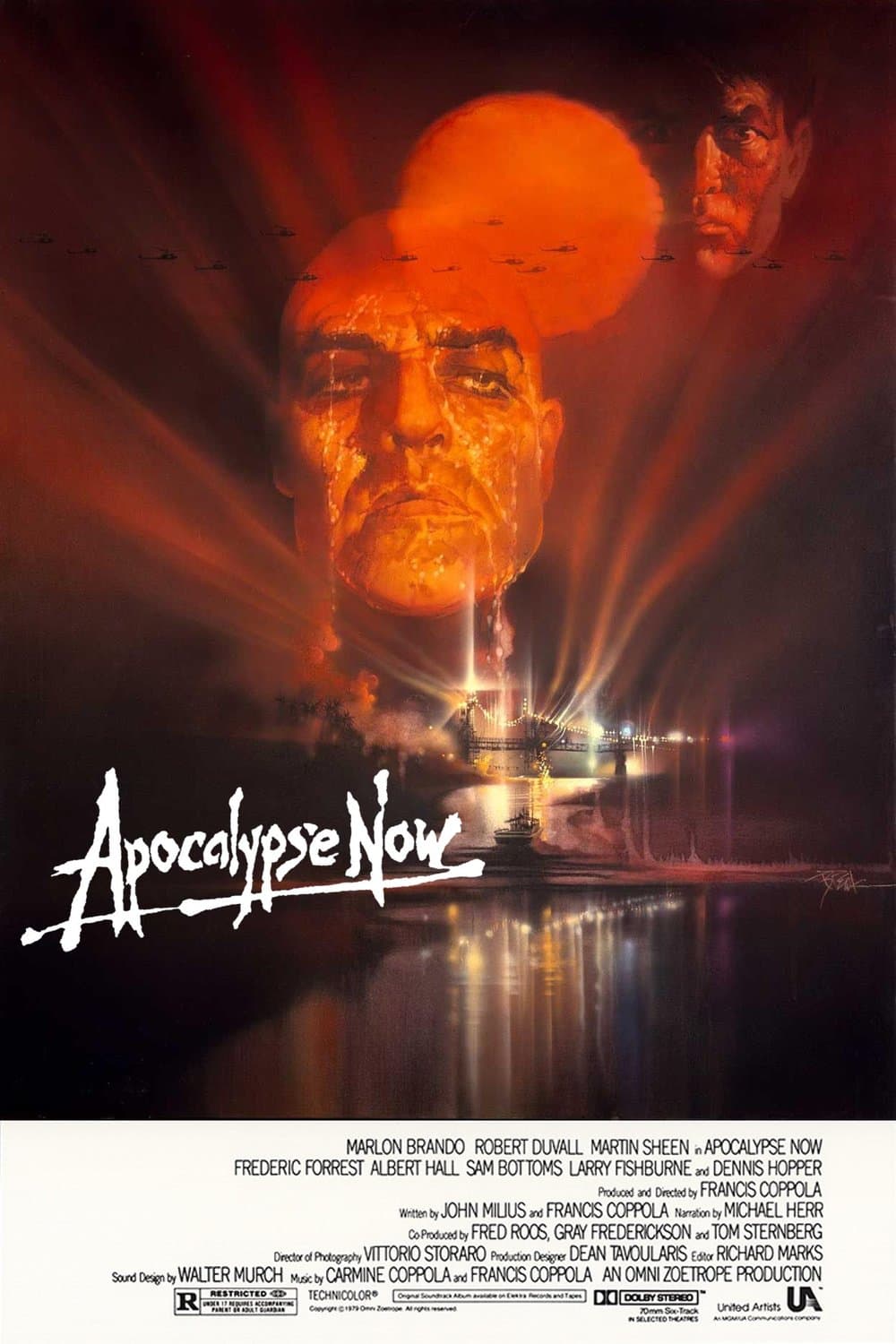
No production has ever gone further off the rails or shown it more clearly: Coppola's Vietnam abandons the war film for pure hallucination, and the helicopters over the trees are permanent.

Modern Hollywood begins here: Lucas told the oldest story there is inside a universe that looked used and lived in, and the blockbuster has run the business ever since.

Everyone learned how to make a sequel from this: the pressure builds for two hours, the tone stays darker than anyone expected, and one line near the close rearranged a generation's childhood.
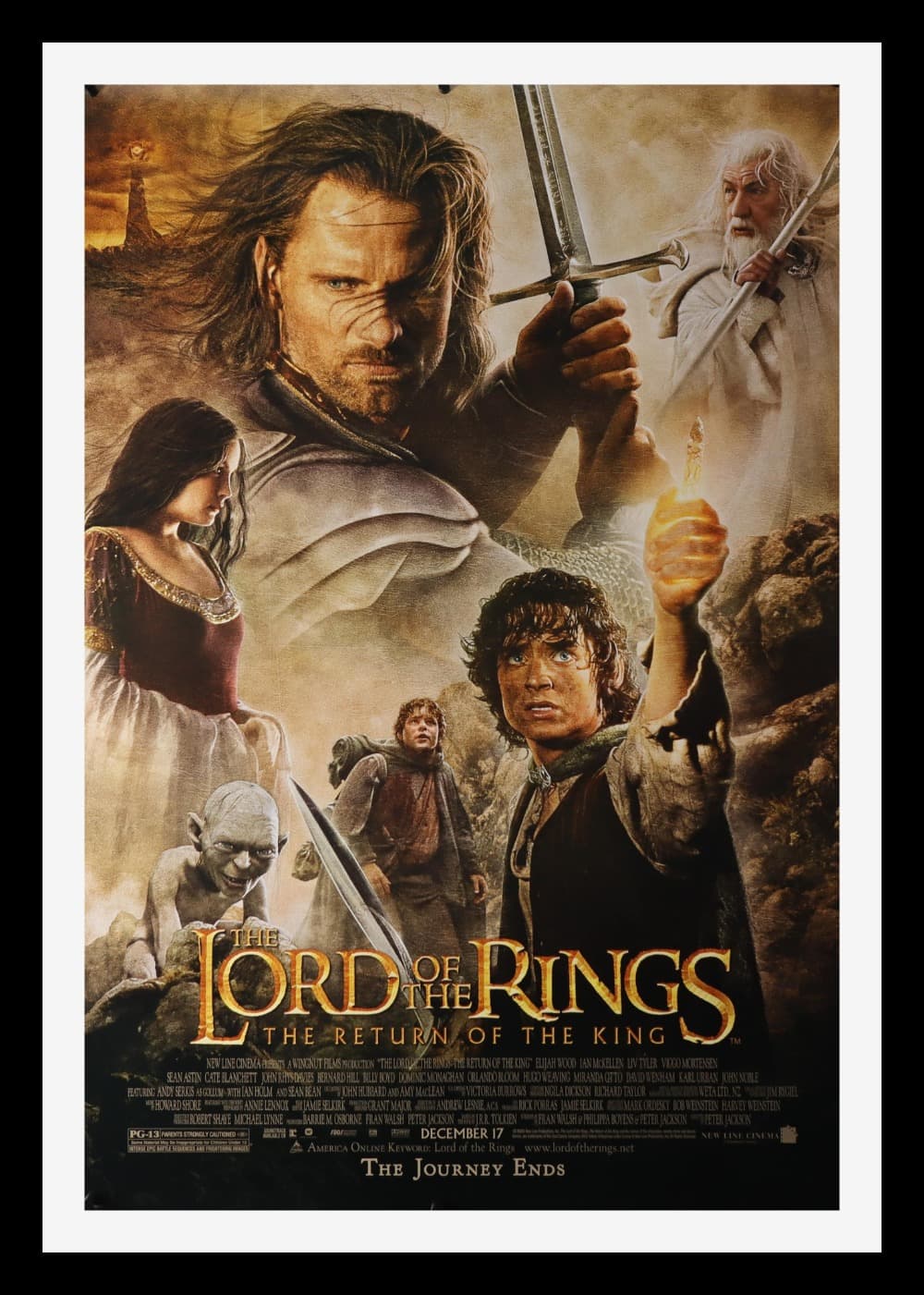
Eleven nominations and eleven wins, a clean sweep no film has bettered: Jackson closed a decade-long gamble with battles at an unattempted scale and an ending that earns its farewells.

Everyone said the book could not be filmed: Jackson shot three films at once in New Zealand and delivered a Middle-earth so furnished you stop noticing it was invented.
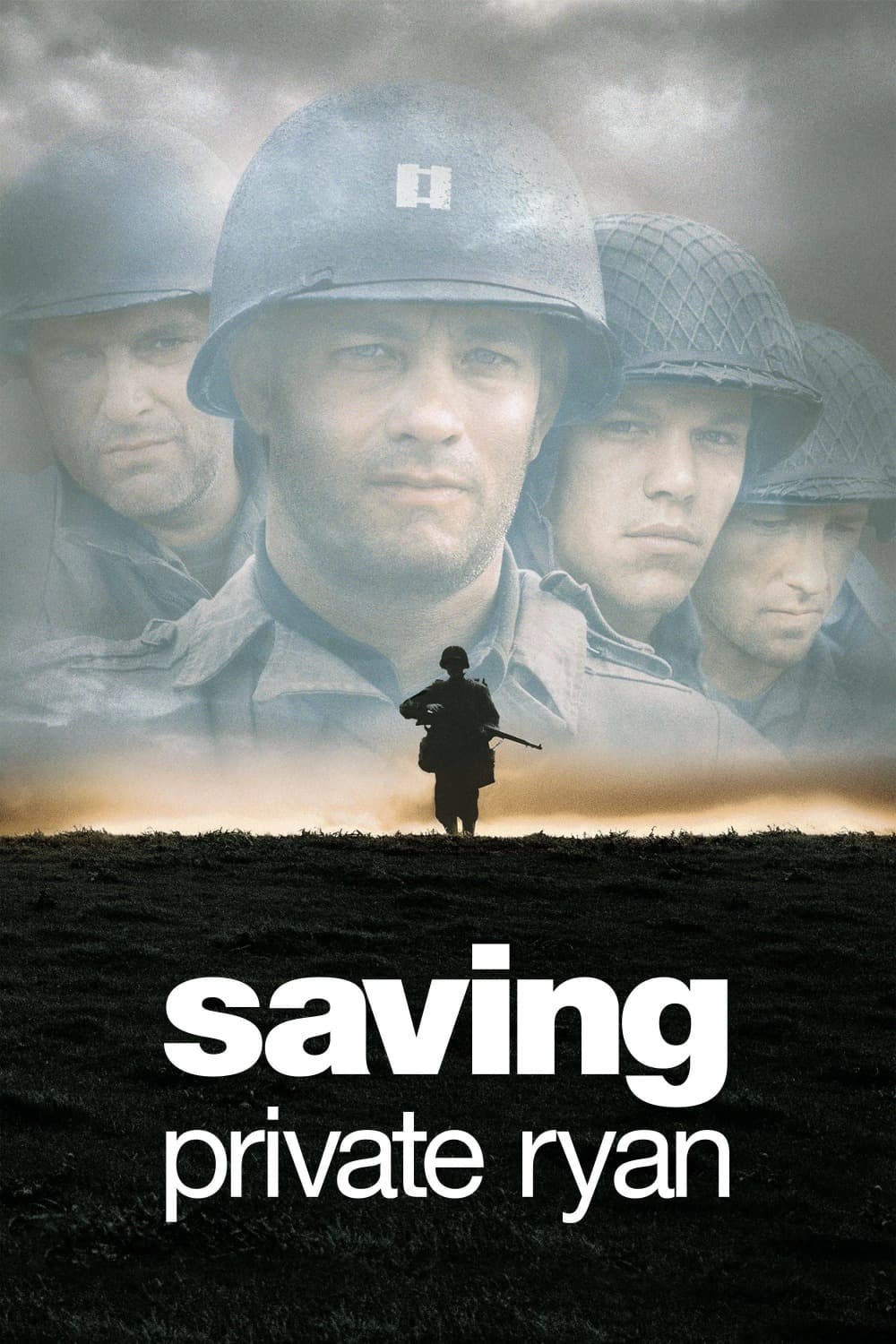
War films look different since the first twenty minutes of this one: Spielberg put the camera in the surf at Omaha Beach and veterans left cinemas unable to speak.
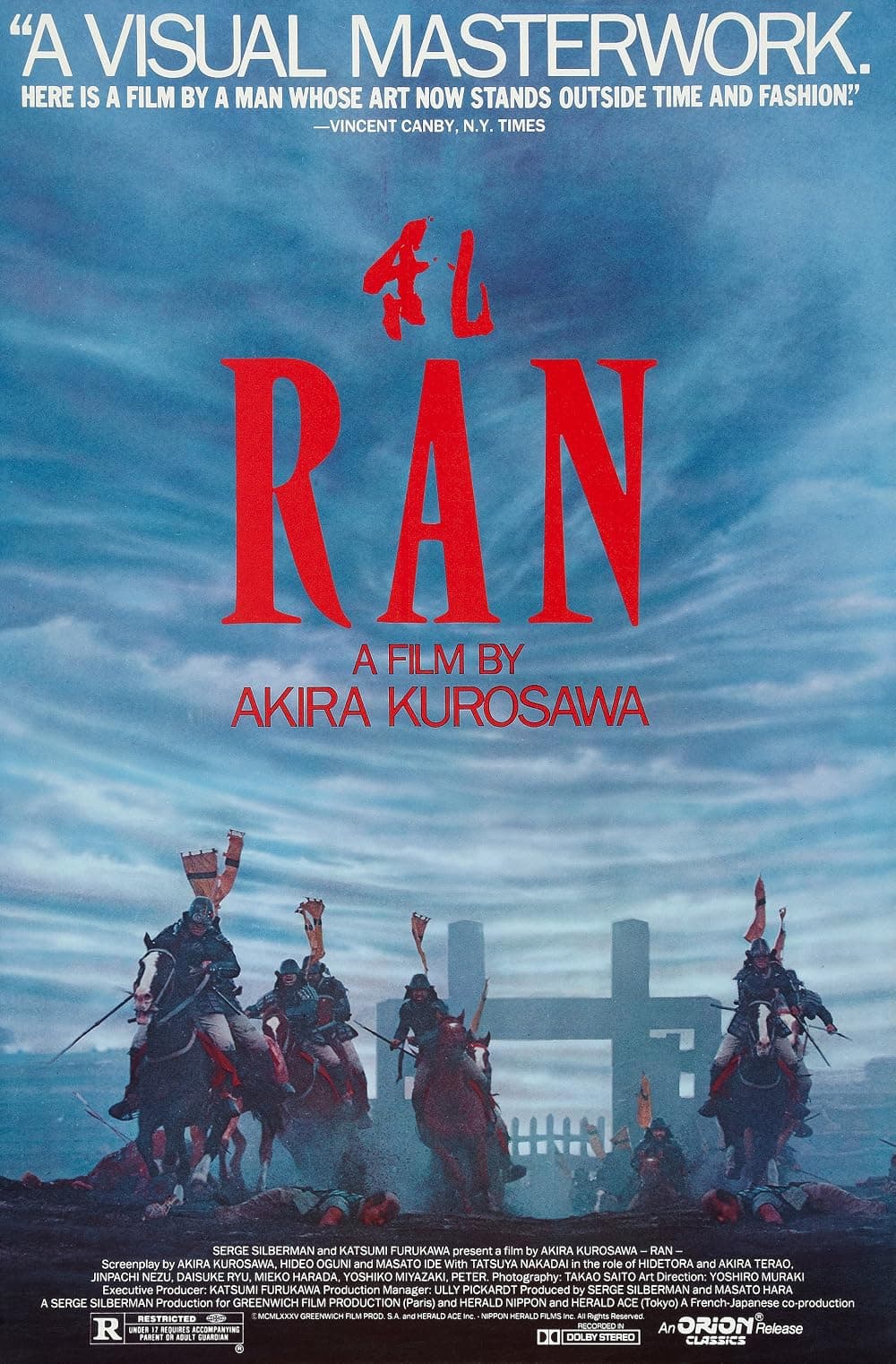
Kurosawa was seventy-five and his eyesight was failing when he made it: King Lear moved to feudal Japan, with a great battle that plays to music and nothing else.

Gollum changed what a digital character could be: Andy Serkis acted him fully and the industry rebuilt itself around motion capture, all inside a four-month night siege in the rain.

Lean built an epic about the seduction of a job well done: a British colonel in a Japanese prison camp finds a strange satisfaction in building their bridge properly.
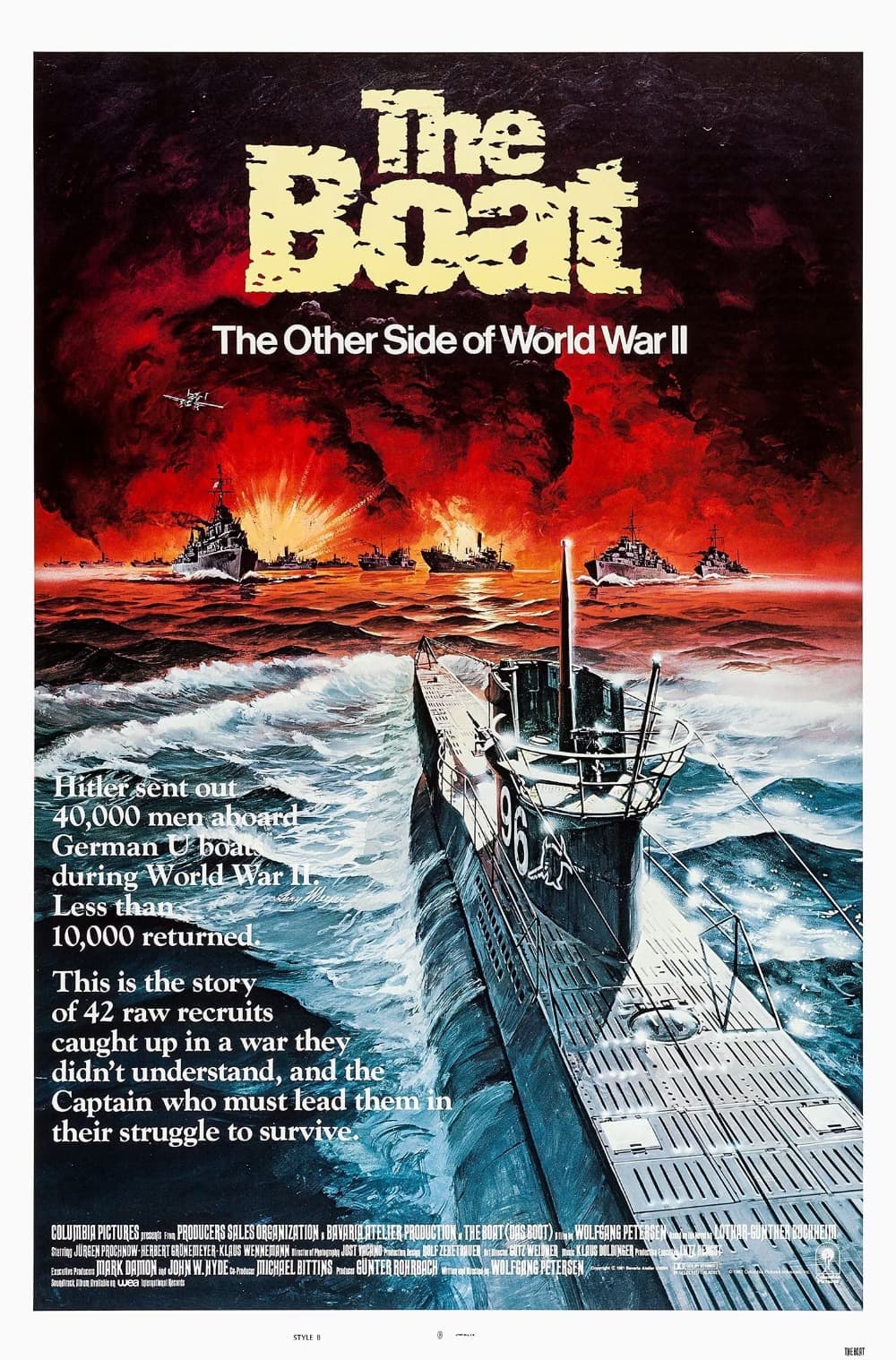
No war film has ever been this claustrophobic: Petersen ran a camera the length of a U-boat again and again until the steel walls start pressing in on you.
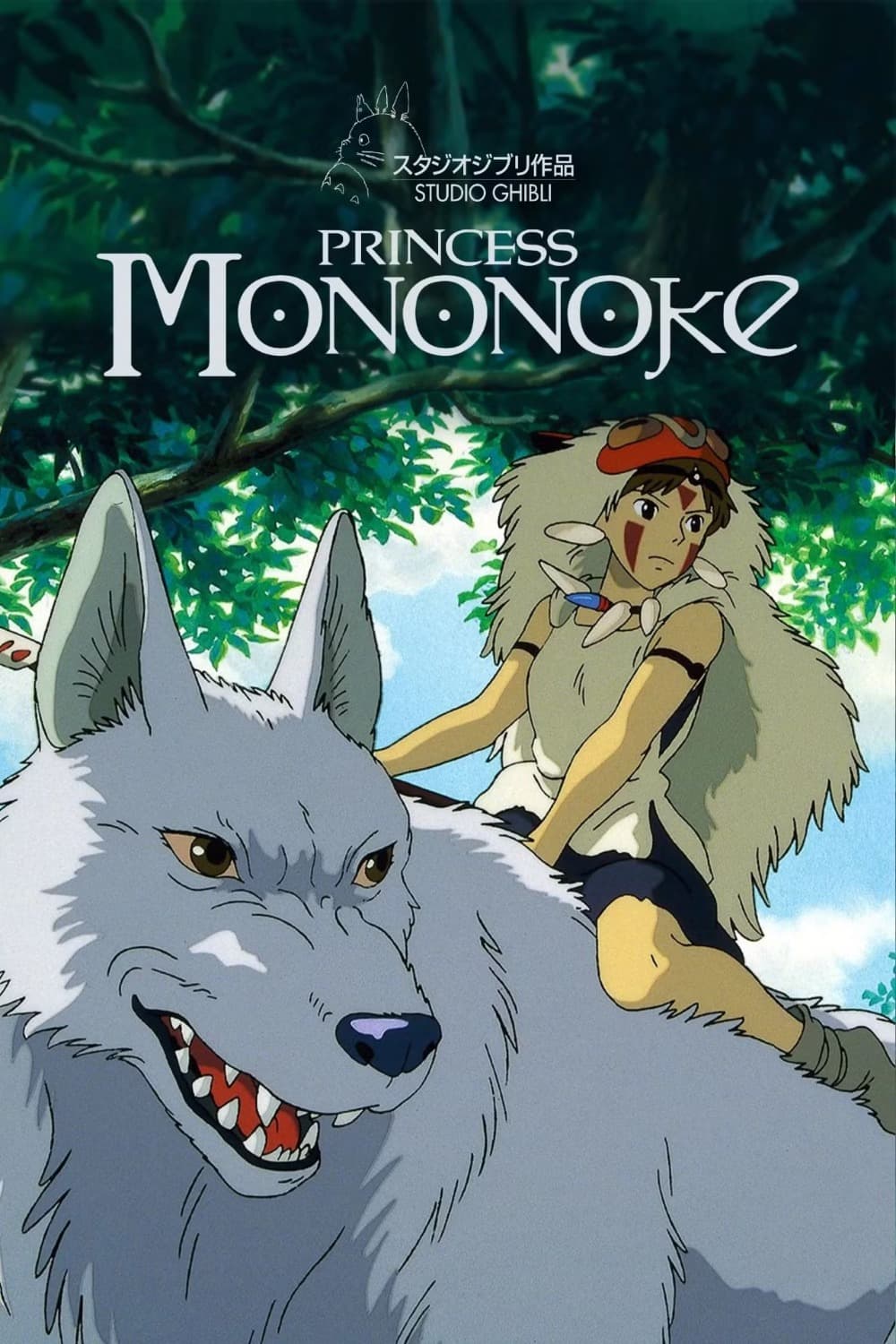
It held the Japanese box office record until Titanic arrived: Miyazaki staged a war between an iron town and the forest gods and refused to name a villain.
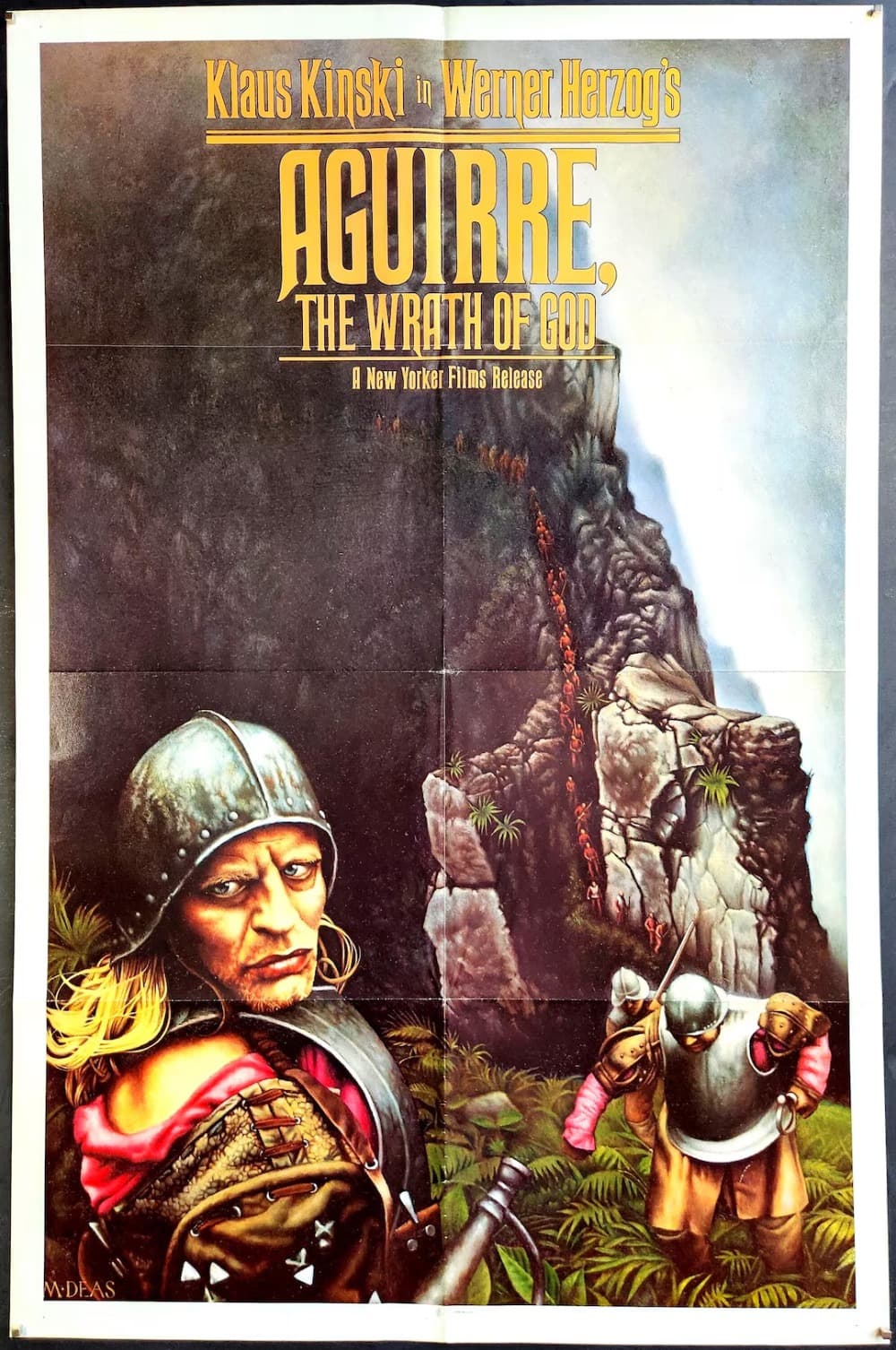
Herzog shot it for almost nothing on a real Amazon river with a lead actor he fought with constantly: Kinski's stare and a shrinking raft do everything.
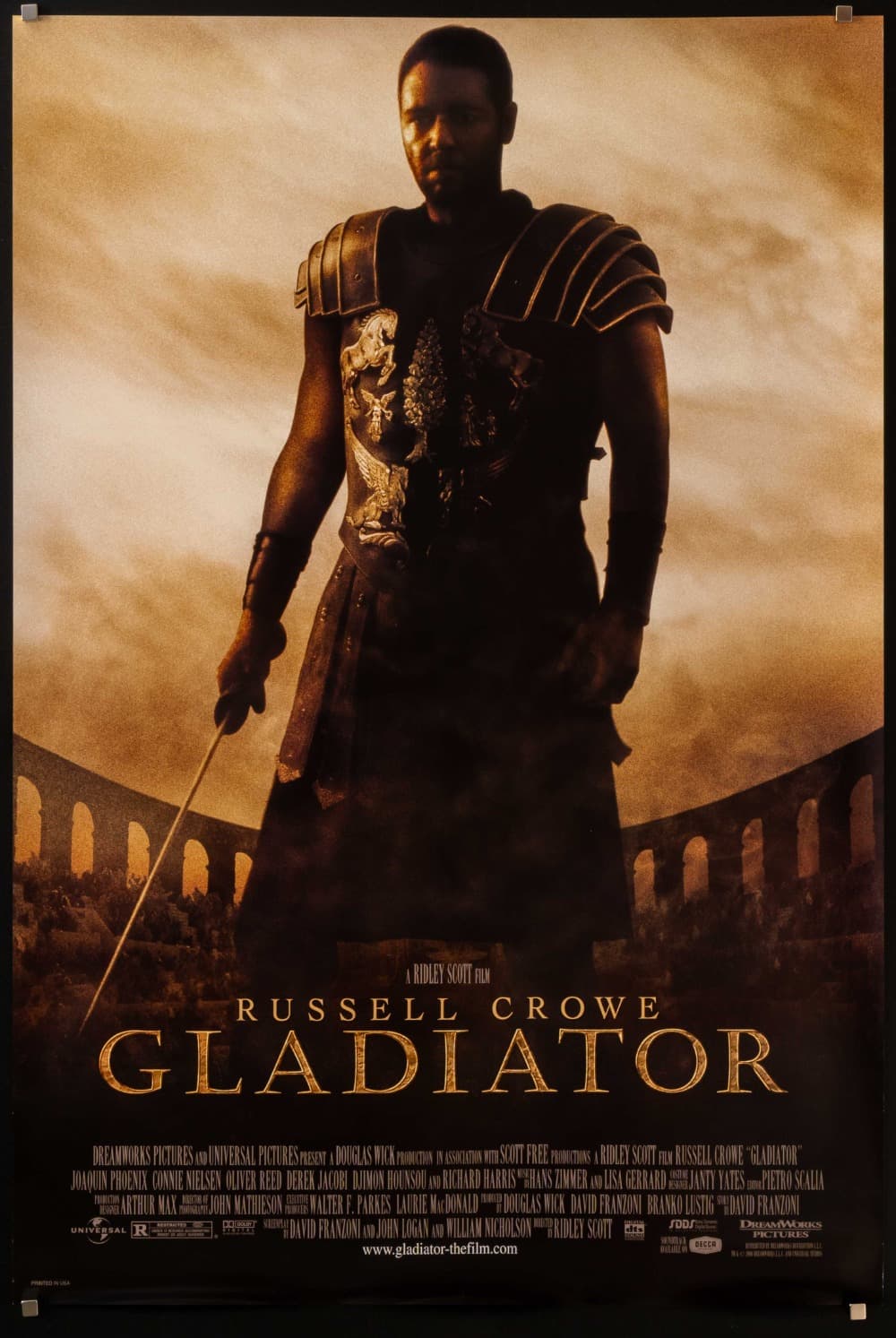
It dragged the Roman epic back after thirty-five years of dormancy: Russell Crowe's fury is the whole engine, and the arena sequences still deliver everything they promise.
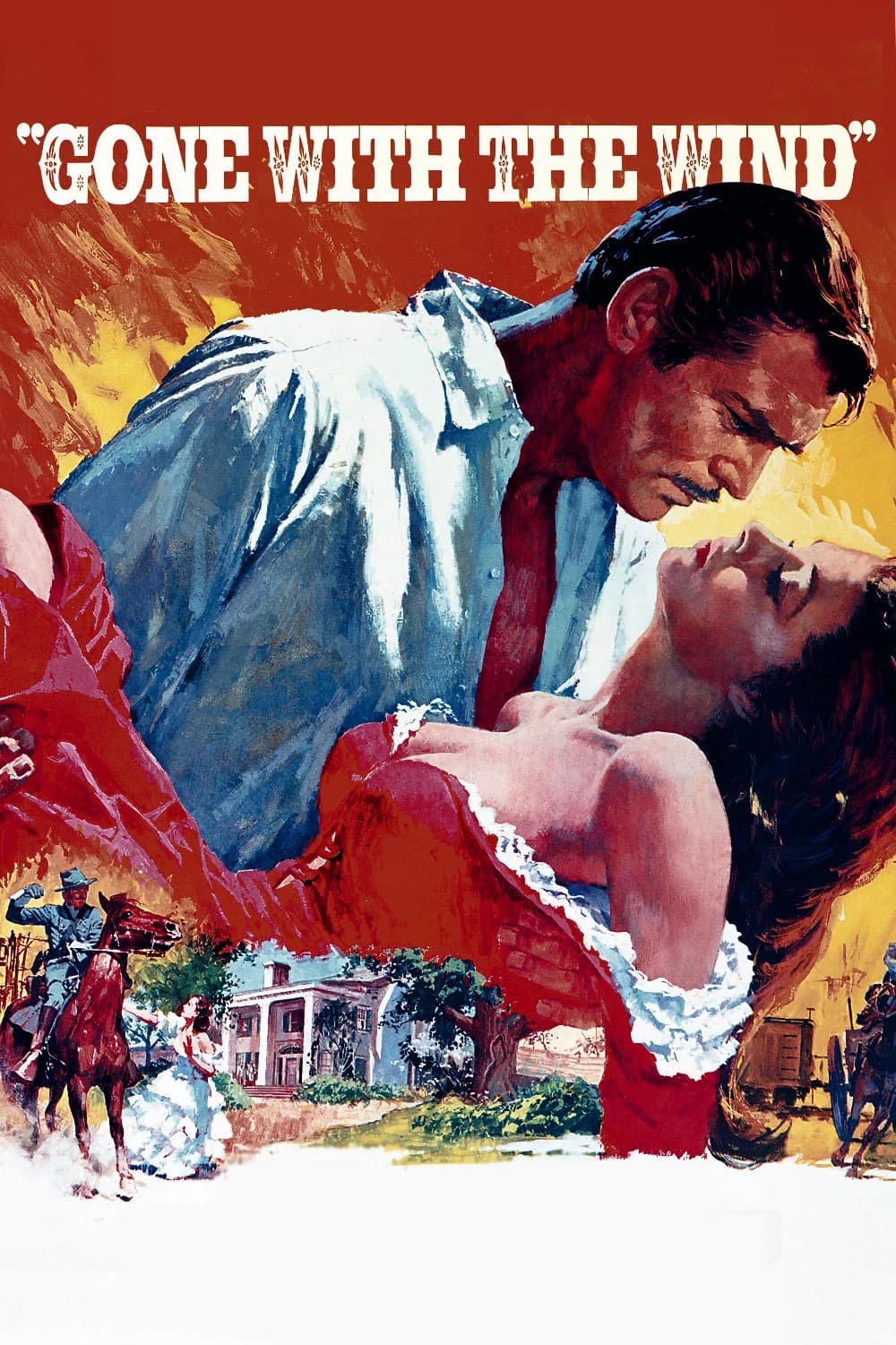
Adjusted for inflation no film has ever earned more, and it is still telling the old South's version of itself: enormous, ravishing, and not to be trusted.
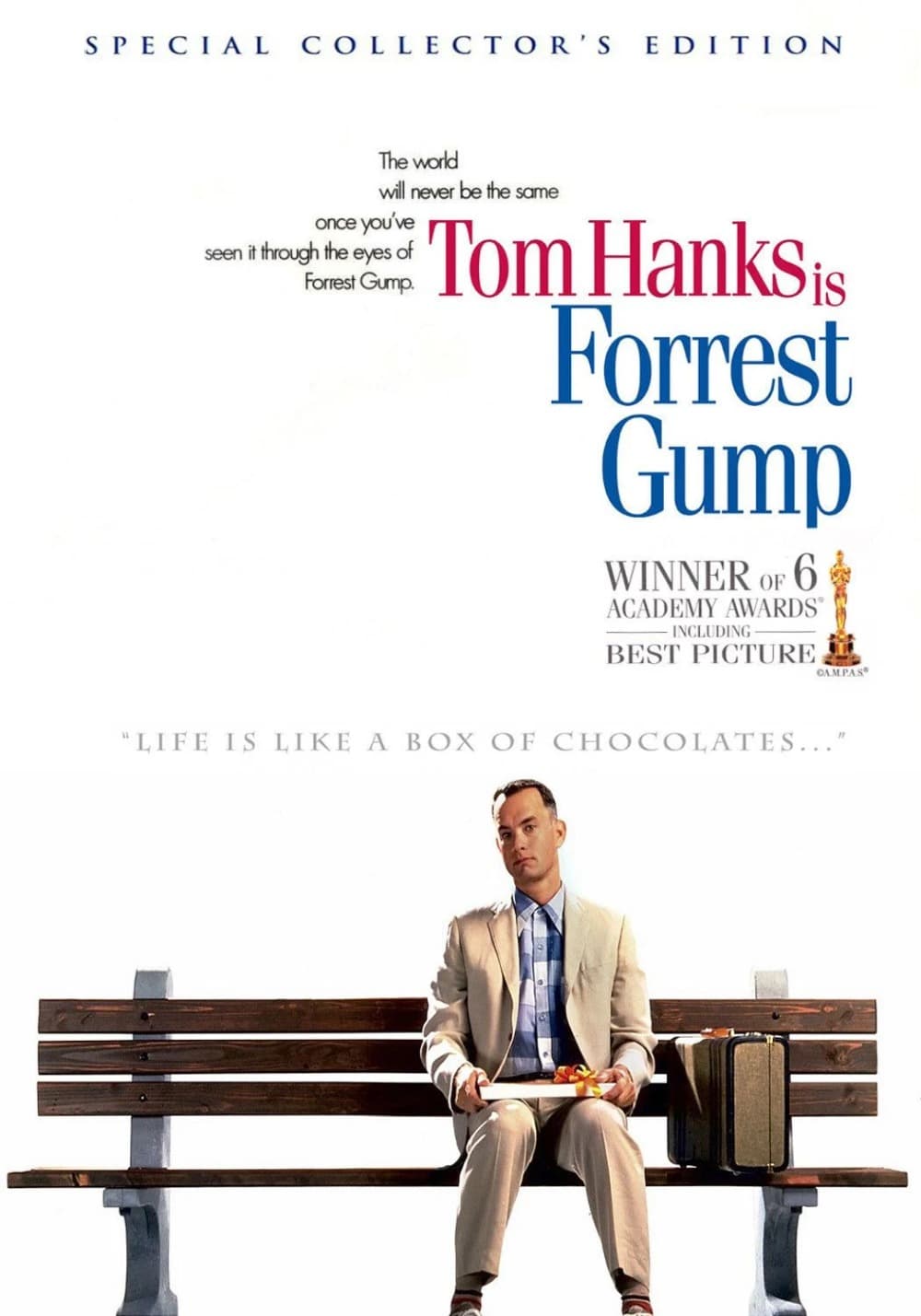
People still argue about whether it is sentimental or sly, and both readings hold: a simple man walks through forty years of American history without ever noticing.
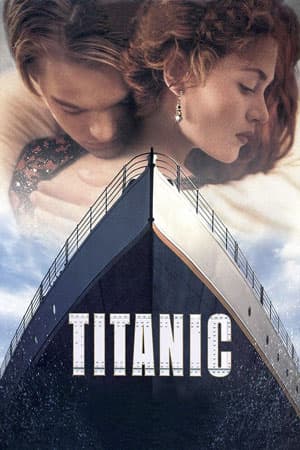
For twelve years no film made more money anywhere on earth: Cameron built the ship, sank it more or less in real time, and made a generation cry in public.
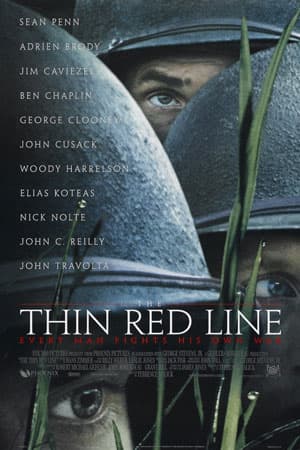
Malick came back after twenty years and made a war film about grass, light and the voices in men's heads: Guadalcanal, filmed as though the island were the subject.
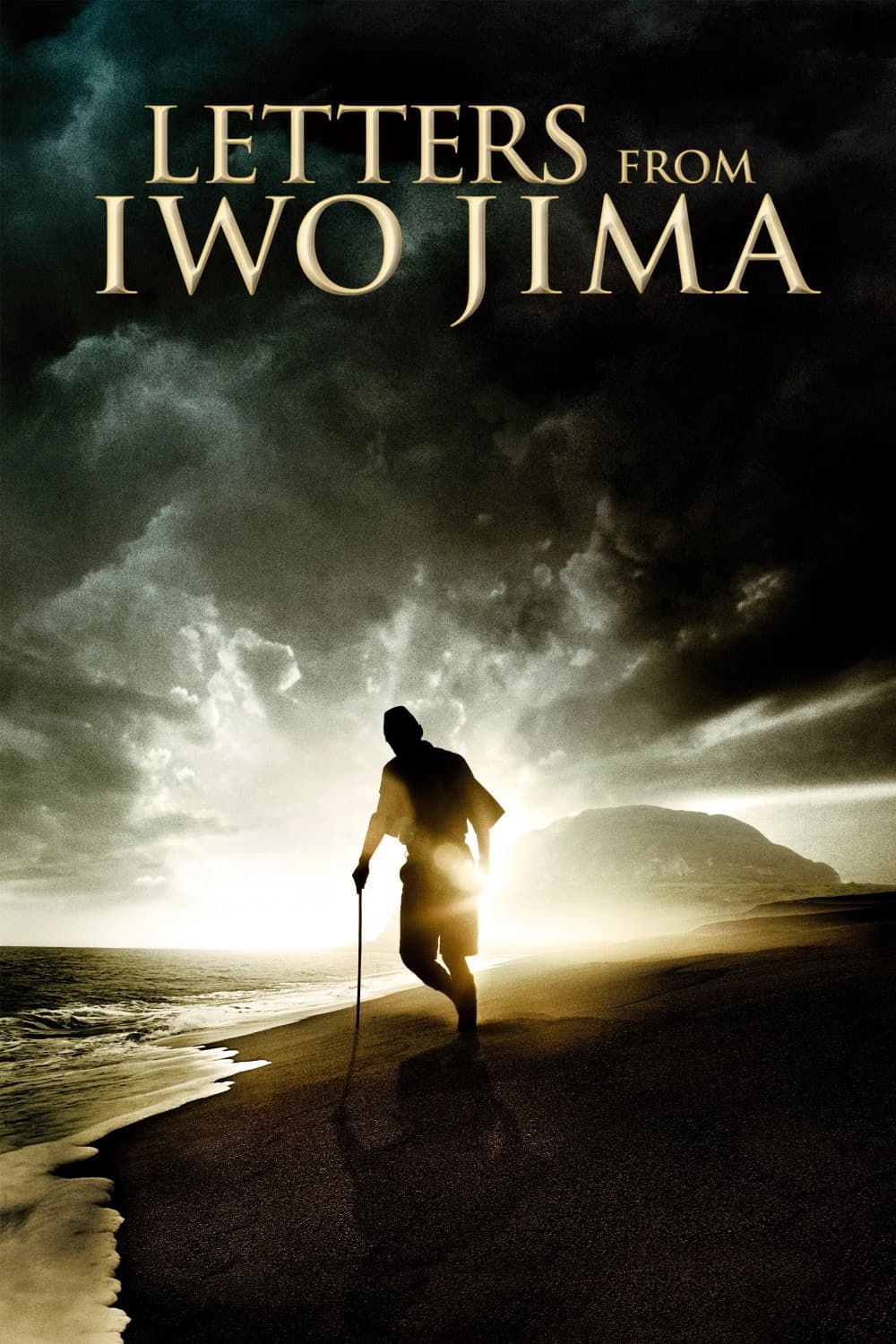
Eastwood made two films about the same battle, and the Japanese one is the better: shot almost entirely in Japanese, with a general nobody in America had heard of.

No film has put an audience inside a wooden warship this completely: Weir's frigate is a working machine of rope and rank, chasing a faster enemy across the bottom of the world.
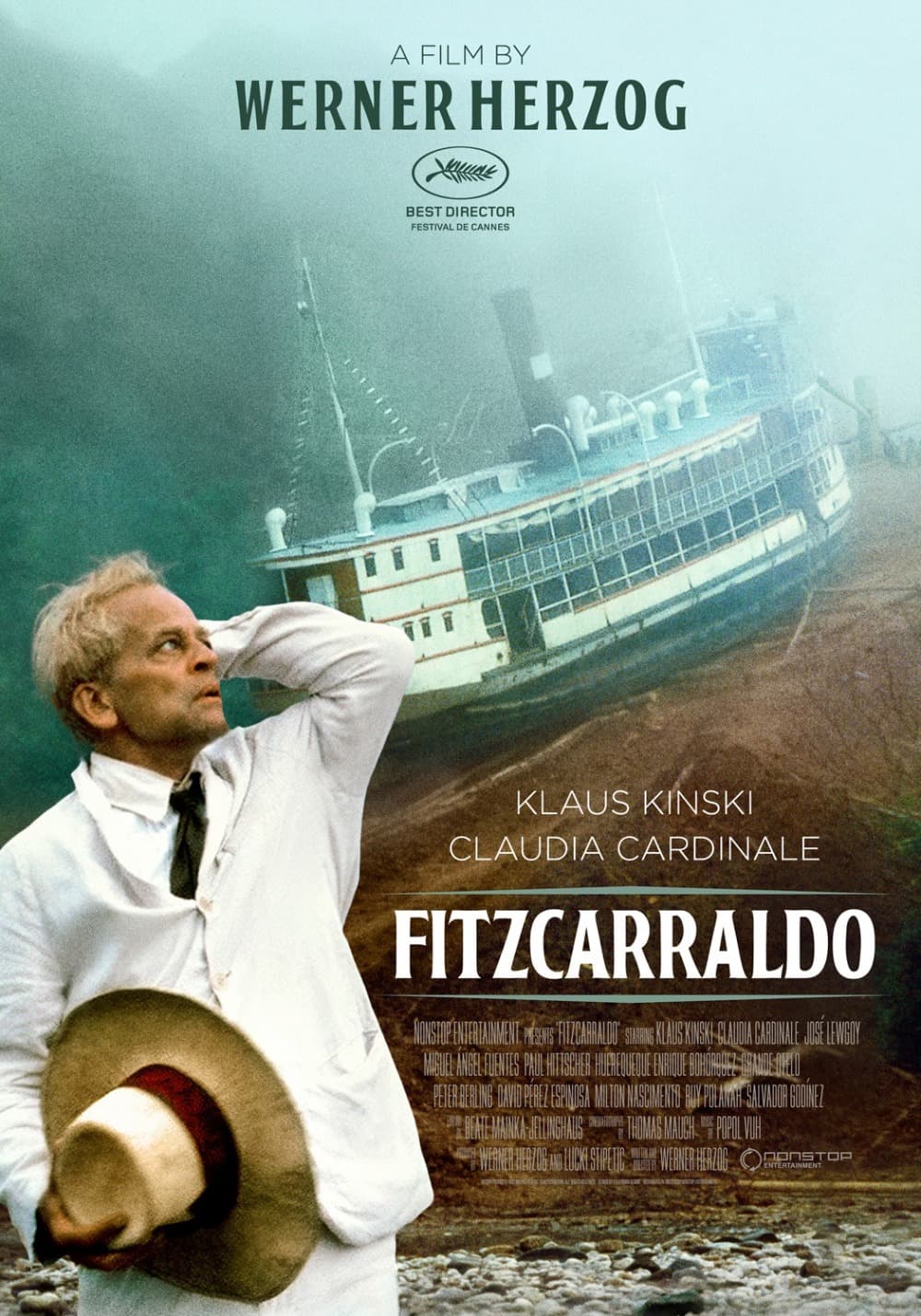
Herzog dragged a 320-ton steamship over a mountain with no models and no effects: his hero wants an opera house in the Amazon, and the production came to resemble the obsession it filmed.
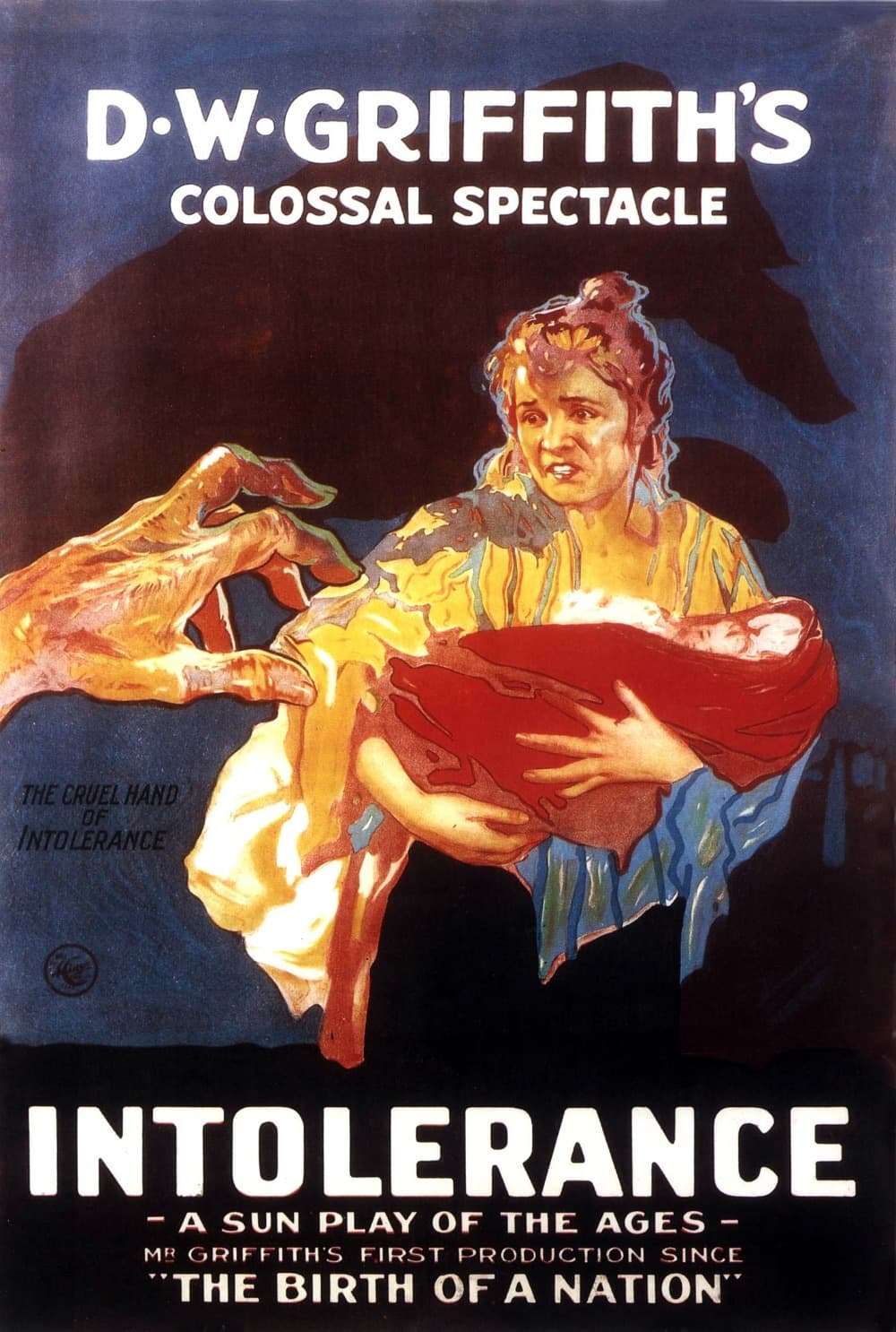
Nothing in 1916 looked remotely like this: Griffith cuts between four eras at once, and his Babylon set was so enormous it was left standing in Hollywood for years afterward.

The trilogy sticks its landing: the speeder chase through Endor still moves better than most digital work made since, and the whole climax runs on puppets, models and matte paintings.

The Nazis sent brownshirts to disrupt its German screenings and banned it outright once in power: the first great sound film about war, told entirely from inside a German schoolboys' trench.
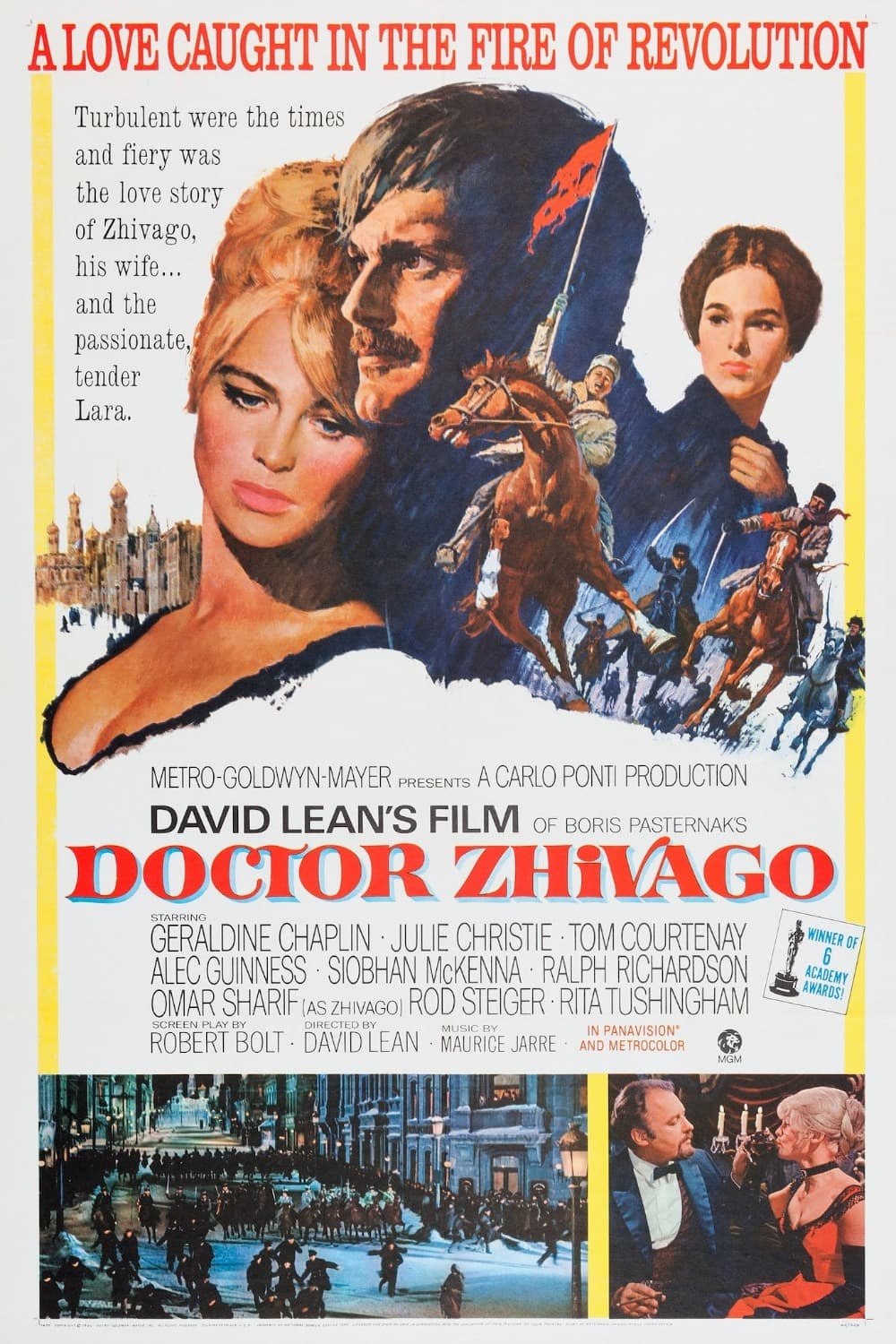
Critics savaged it on release and audiences ignored them completely: Lean shot the Russian winter in Spain, and Maurice Jarre's balalaika theme was inescapable for a decade afterward.
Michael Mann's most romantic film ends with twelve near-wordless minutes carried entirely by the score: Daniel Day-Lewis learned to live off the land for it, and the frontier looks genuinely unmapped.
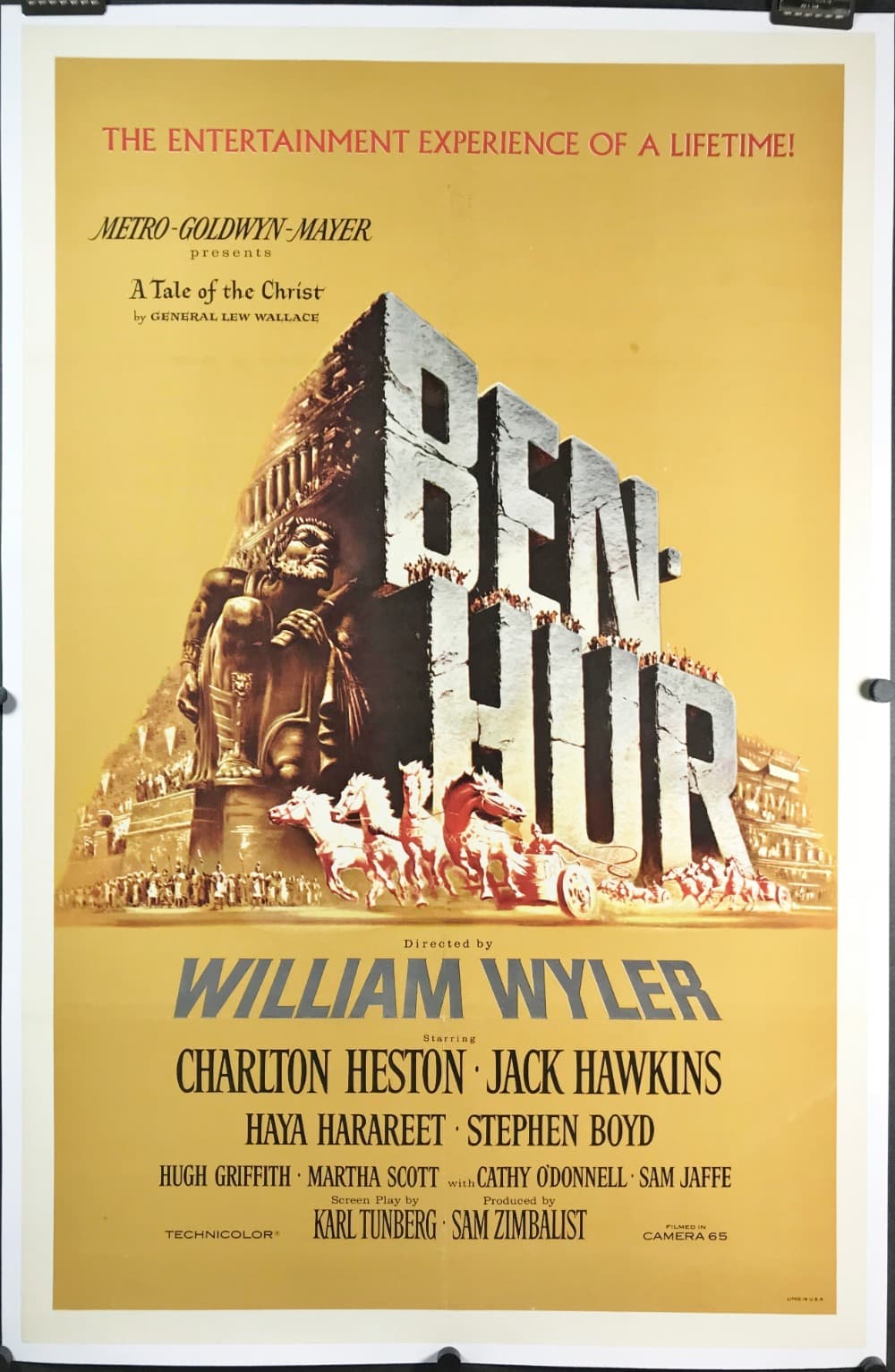
The chariot race took months to shoot and has never been bettered: Wyler's epic runs almost four hours and earns every minute of the nine it spends inside that arena.
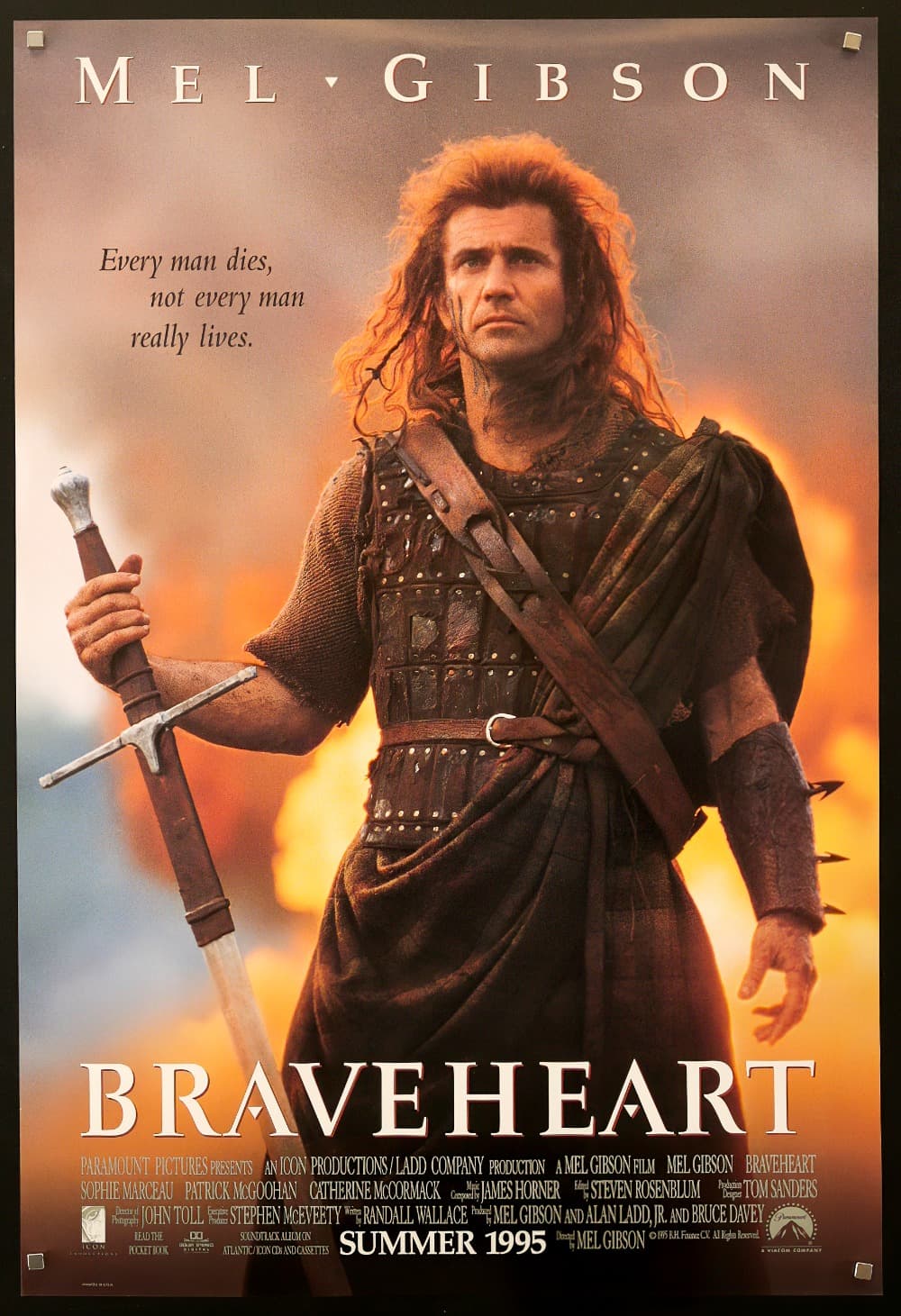
Historians have been correcting it for thirty years and nobody cares: Gibson staged medieval battle with a physical brutality nothing before it had, and the speeches still work on an audience.
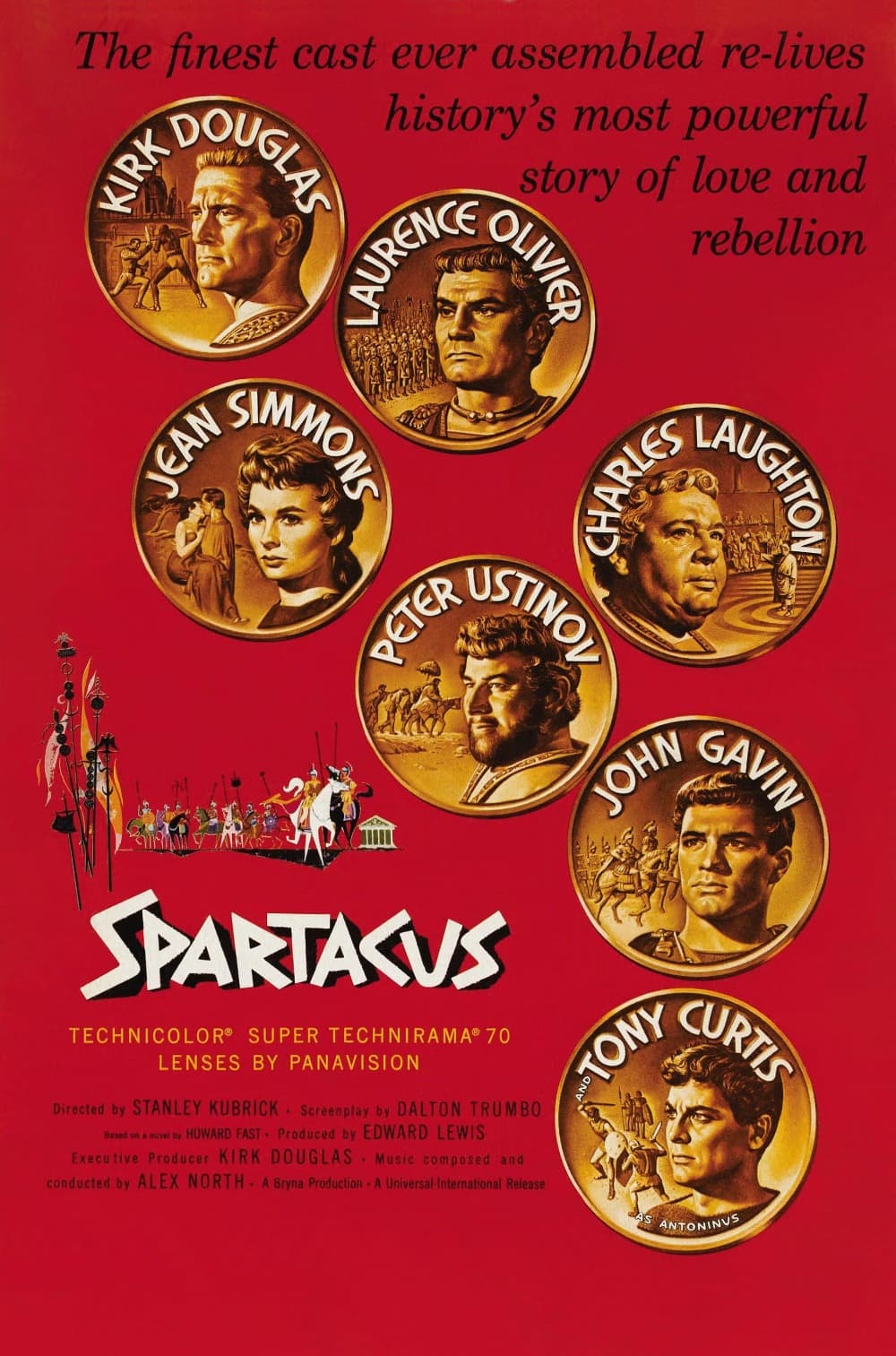
Kirk Douglas helped break the blacklist by putting Dalton Trumbo's real name on this film: a slave revolt against Rome staged at enormous scale, with Laurence Olivier and Charles Laughton circling the politics.
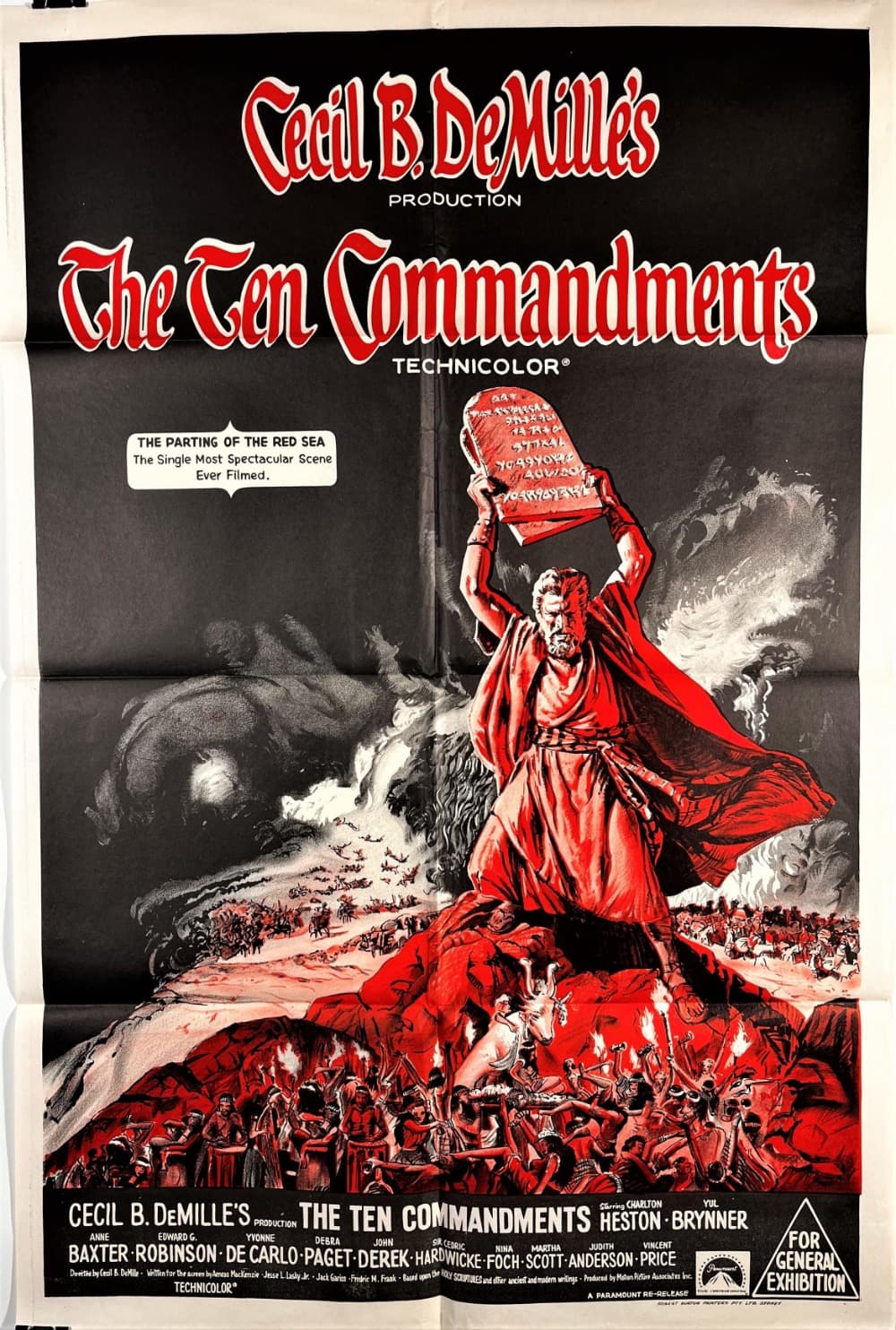
American television has run it every Easter for over fifty years: DeMille parted the Red Sea with gelatin, dumped water and a reversed film, and nobody has topped the sheer nerve of it.
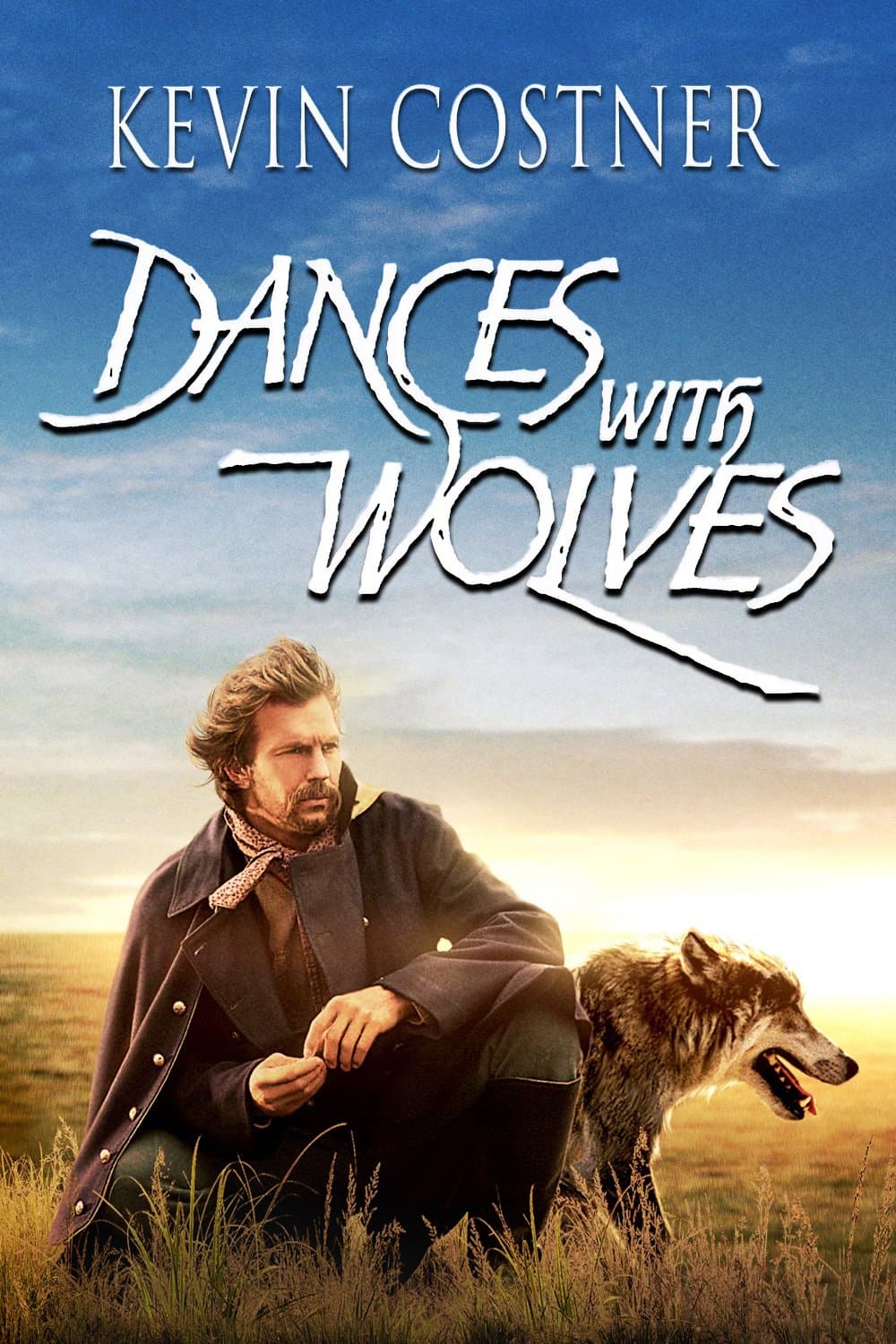
Costner directed it himself, shot a third of it in Lakota with subtitles, and everyone expected disaster: a Union officer posted to an empty frontier fort starts keeping company with his neighbors.
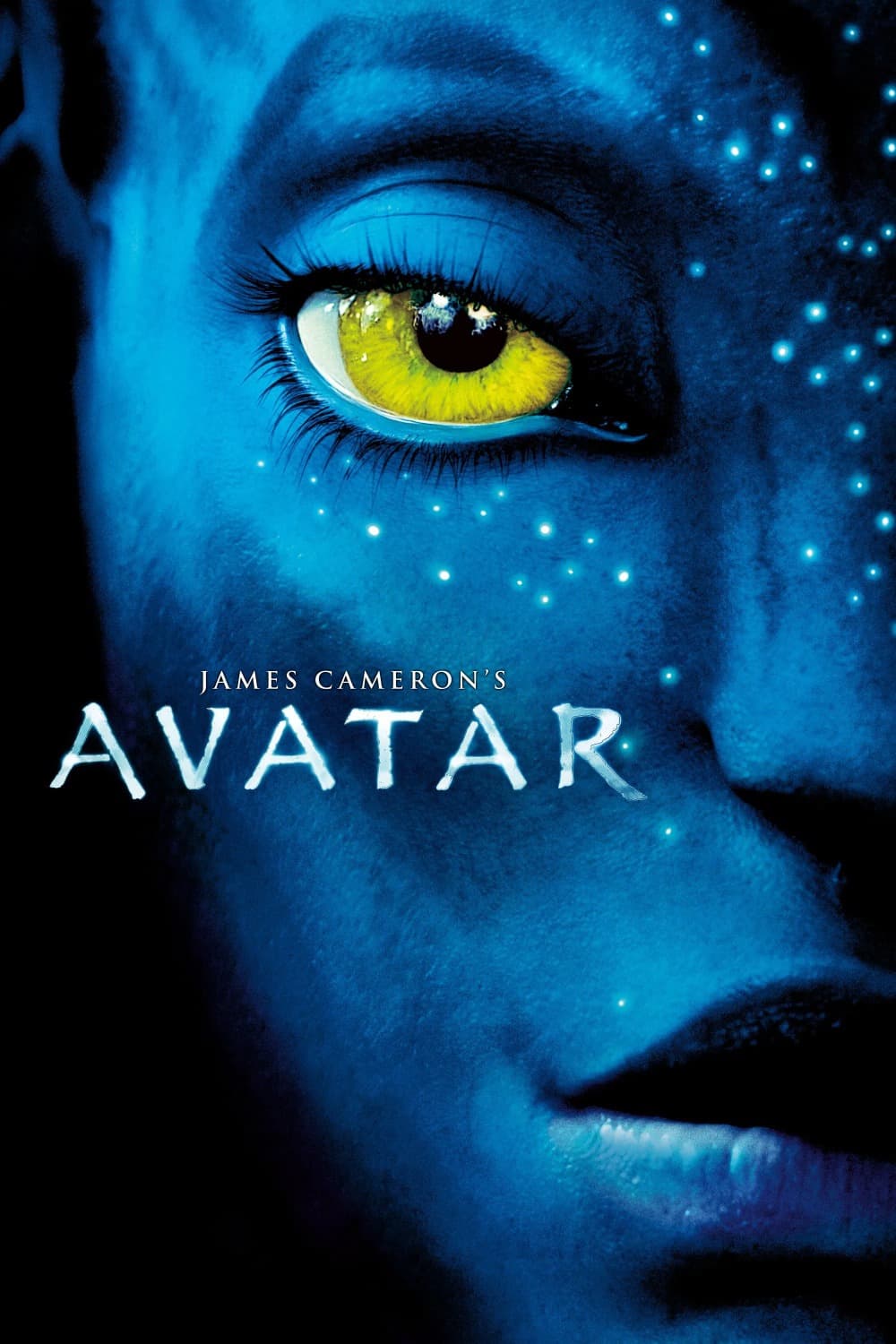
Cameron waited more than a decade for the technology to catch up to his script, then made the highest-grossing film ever released: whatever you make of the story, nothing had looked like this.

Ten years and eight films with the same three actors growing up on camera, which no other series has managed: David Yates closes it with the largest battle the series ever attempted.
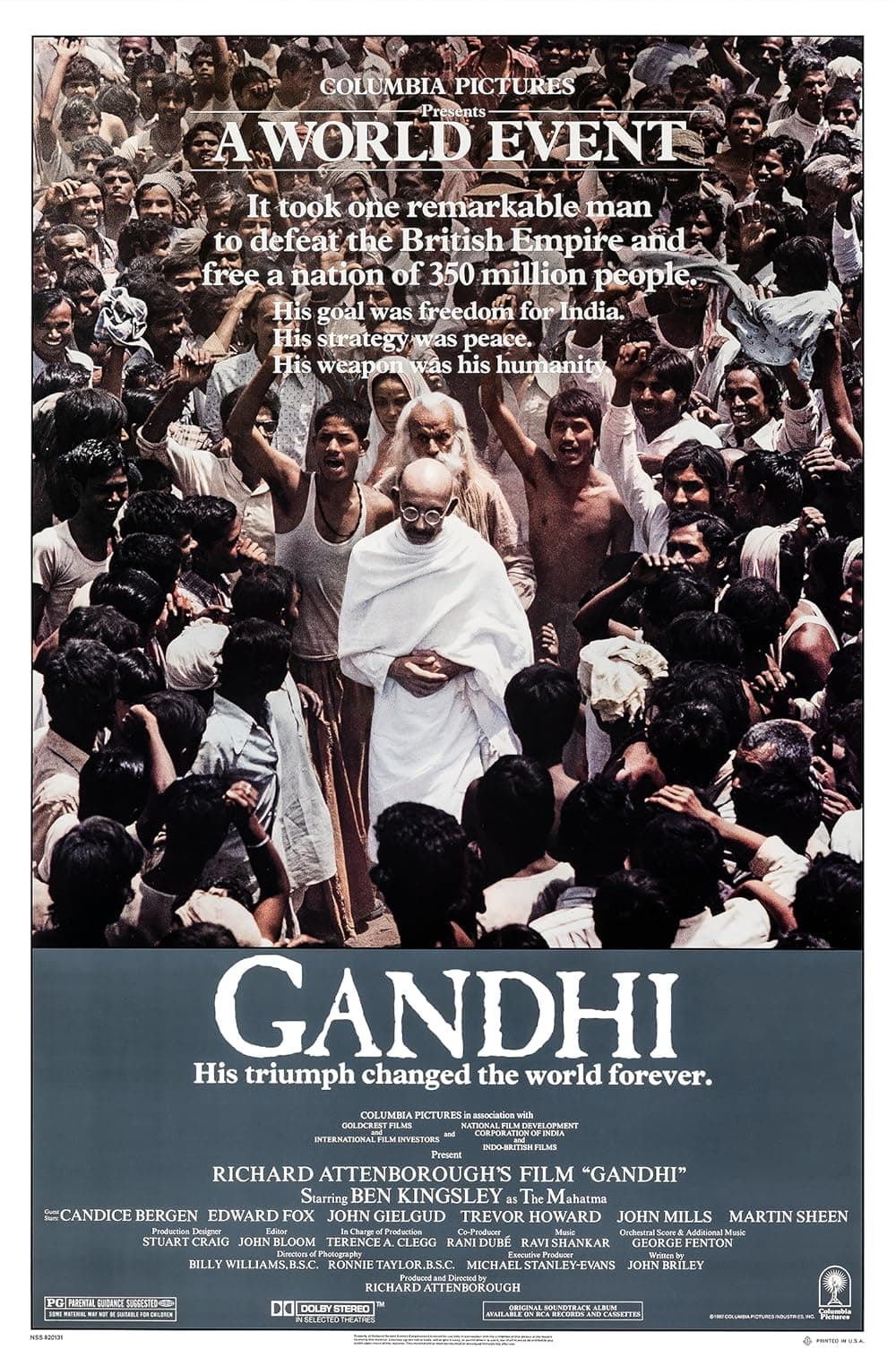
The funeral scene used around three hundred thousand extras, more than any film before or since: Richard Attenborough spent twenty years raising the money, and Ben Kingsley disappears completely.
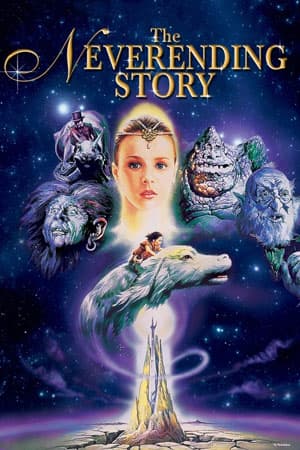
Michael Ende hated the adaptation enough to sue: a bullied boy steals a book from a shop and reads himself into a world being eaten by nothing, and the puppetry is extraordinary.
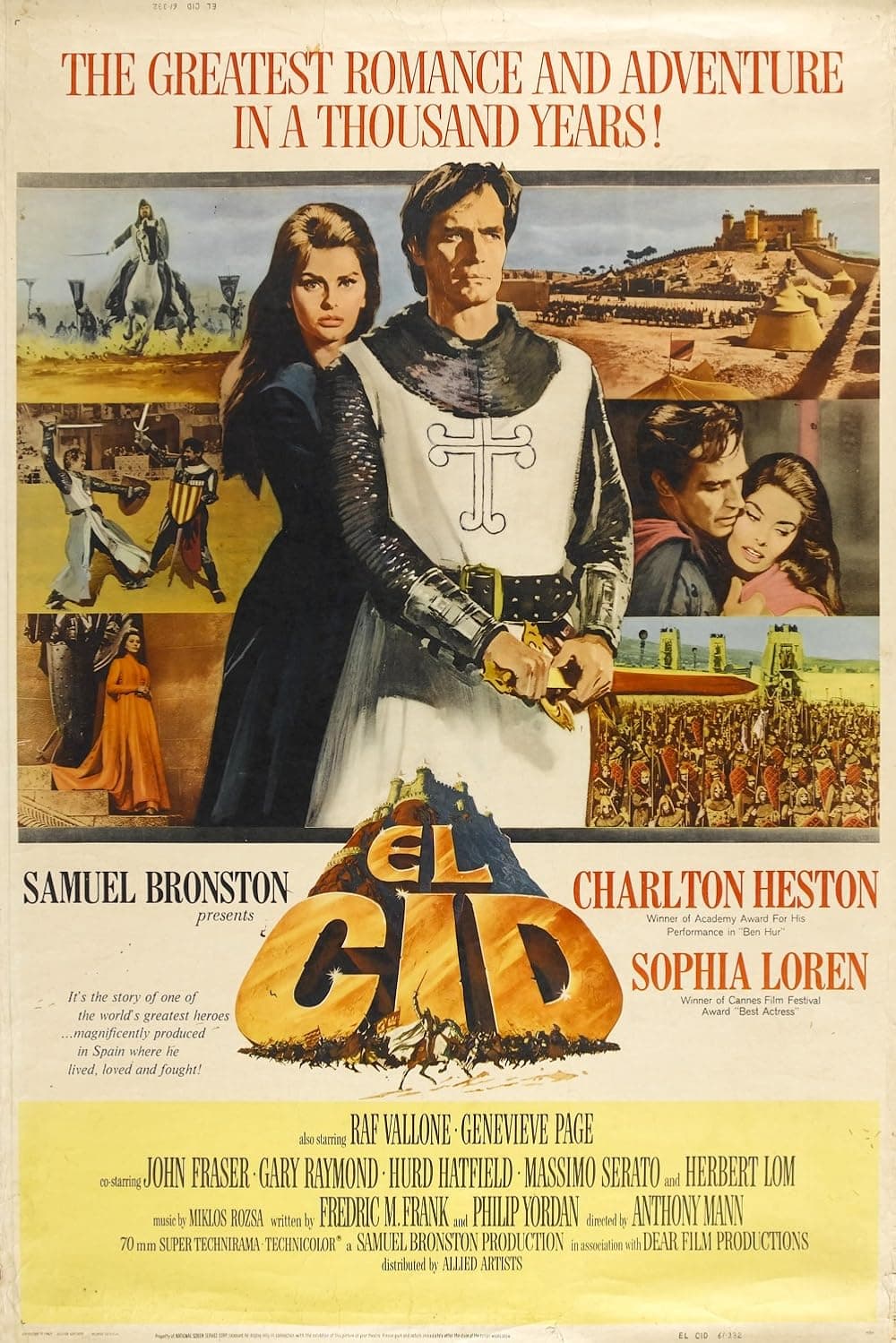
Charlton Heston and Sophia Loren in the last great historical epic before the genre collapsed: real castles in Spain, thousands of extras on horseback, and Miklos Rozsa's score doing the heavy lifting.
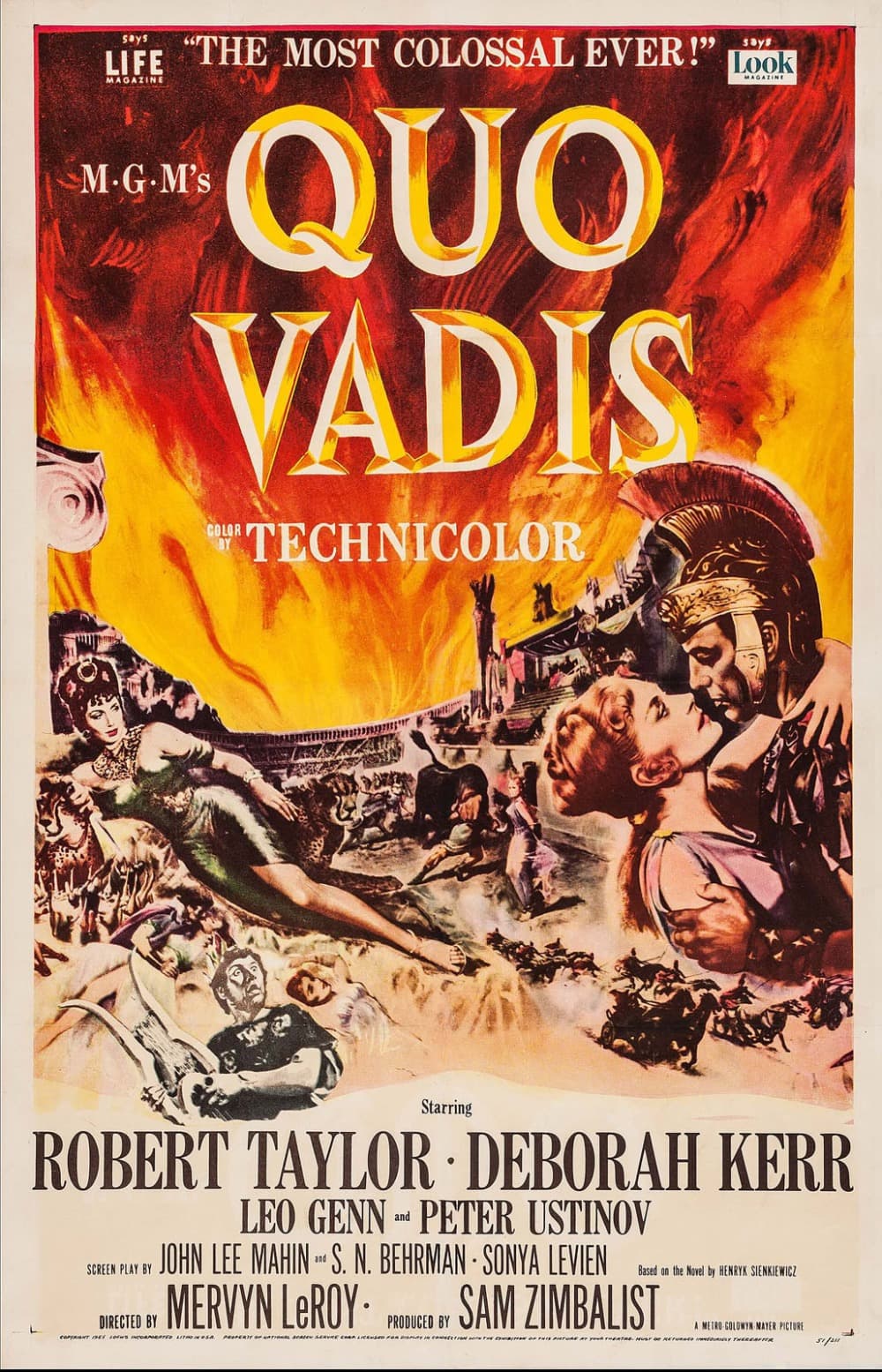
Peter Ustinov plays Nero as a needy child with an empire, and steals the entire picture: MGM built ancient Rome at Cinecitta and the film rescued the studio's finances.