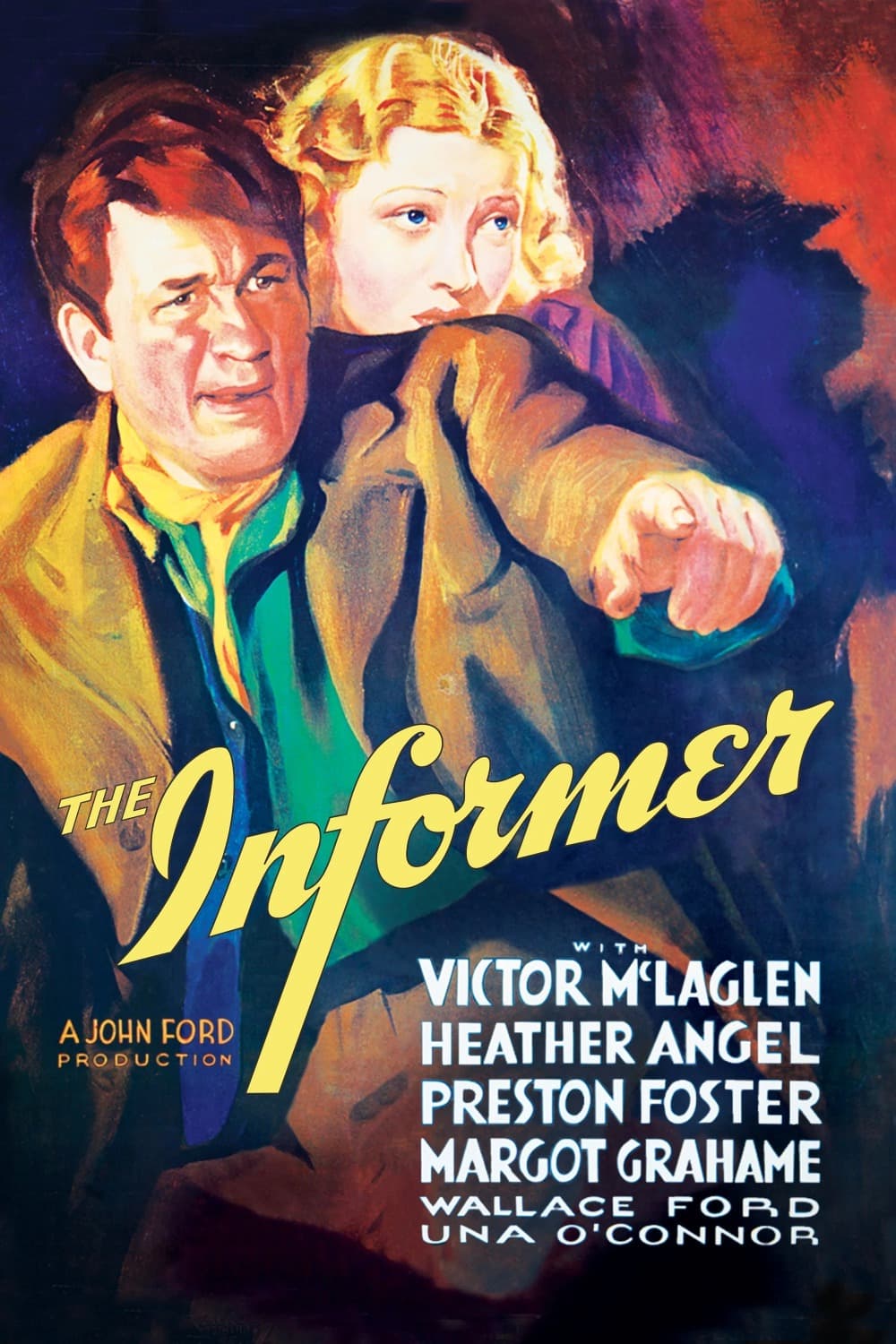
The Informer
Directed by John Ford
1935
Dublin in 1922, shot entirely on a fogged soundstage: John Ford won his first directing Oscar for it, and a slow-witted man sells out a friend for twenty pounds.
★ 1.5
 skopia
Dublin in 1922, shot entirely on a fogged soundstage: John Ford won his first directing Oscar for it, and a slow-witted man sells out a friend for twenty pounds.
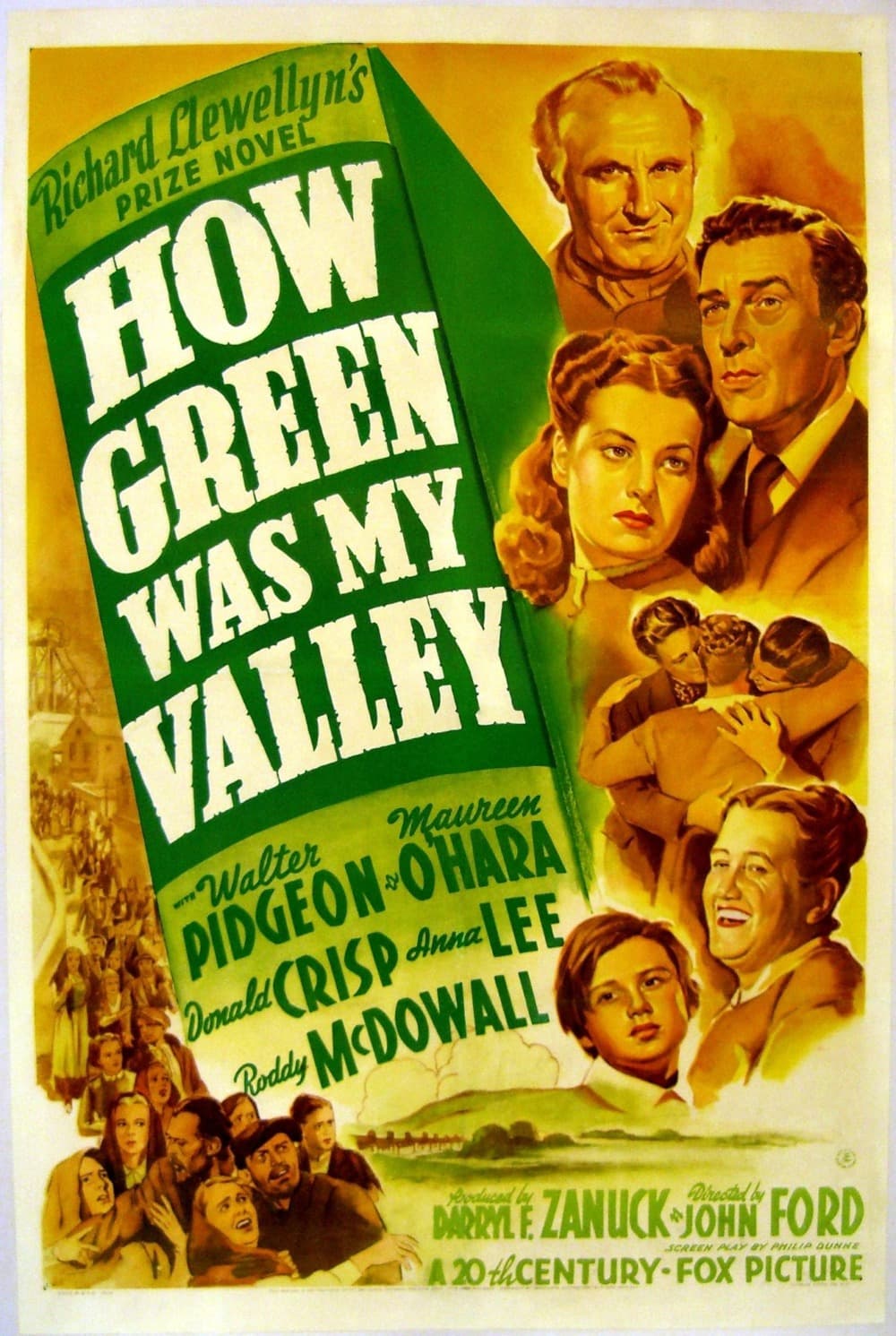
John Ford built an entire Welsh mining village in the California hills and shot it like memory: a colliery family in a valley the pit is slowly ruining, narrated by the youngest son.
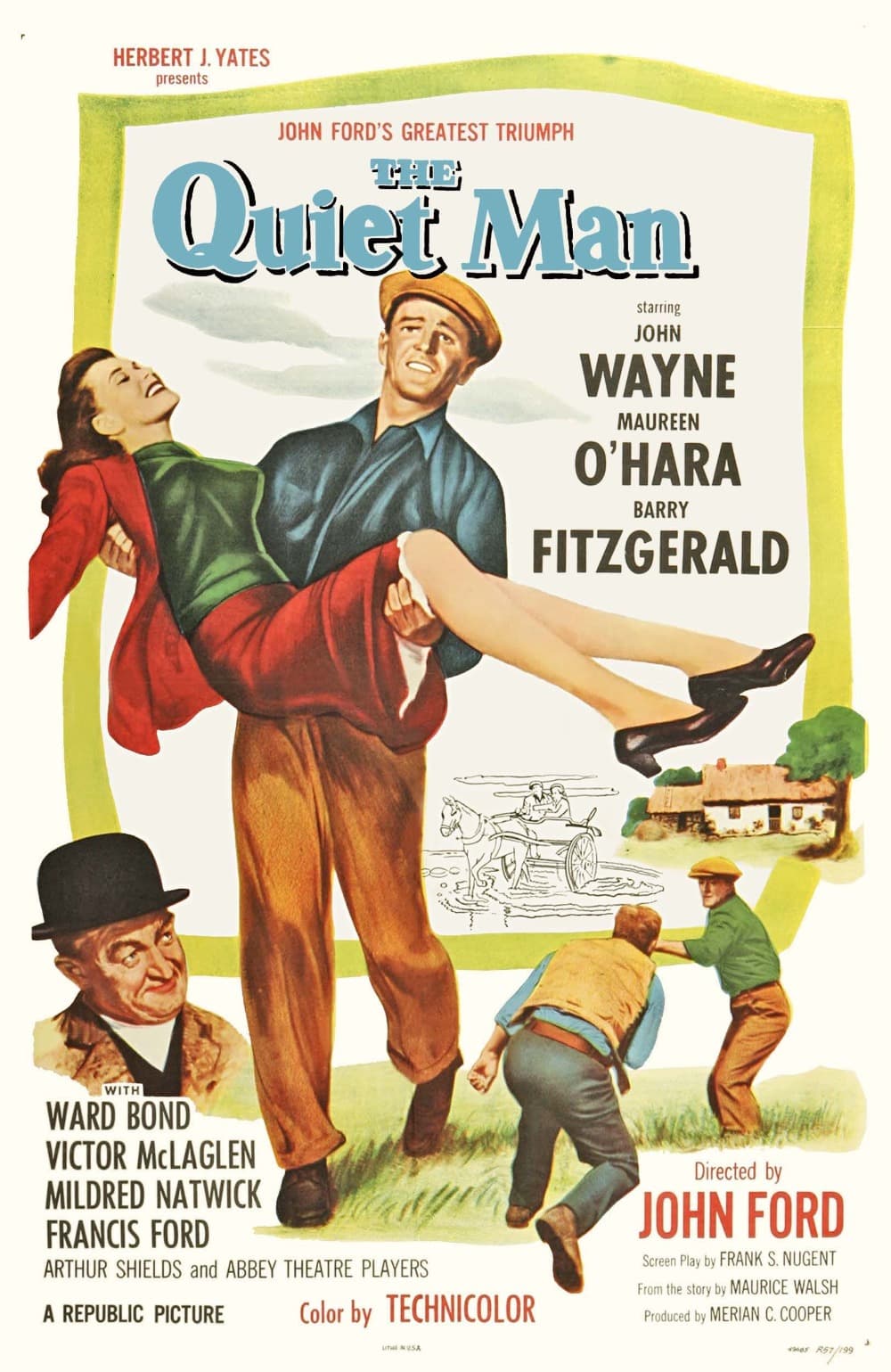
Ford spent twenty years trying to make it and shot Ireland in Technicolor so green it looks invented: an American boxer goes home to Mayo and runs straight into everyone else's customs.
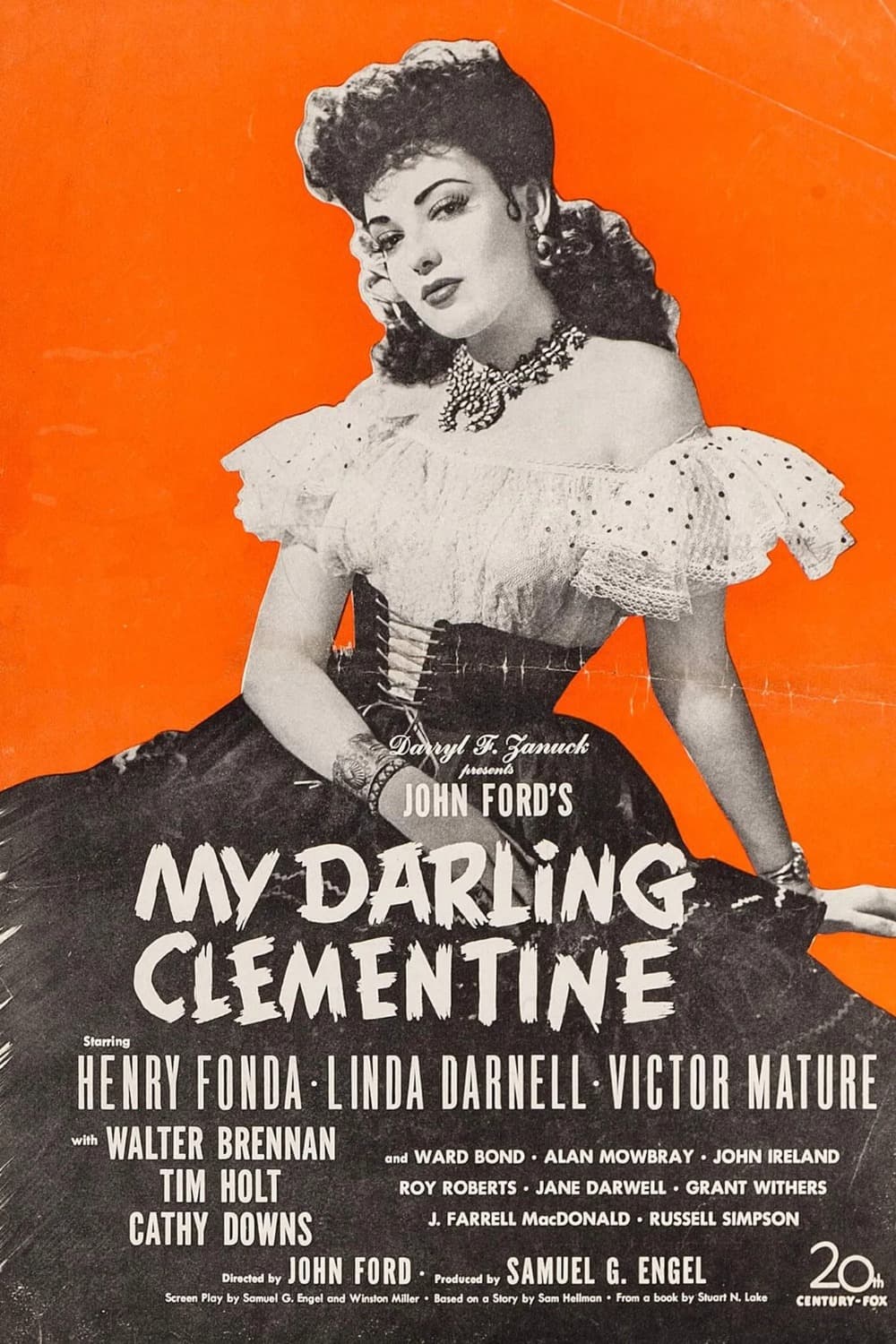
Ford claimed Wyatt Earp himself described the gunfight to him: what stays with people is not the shootout but a church dance on a bare wooden floor under an unfinished roof.
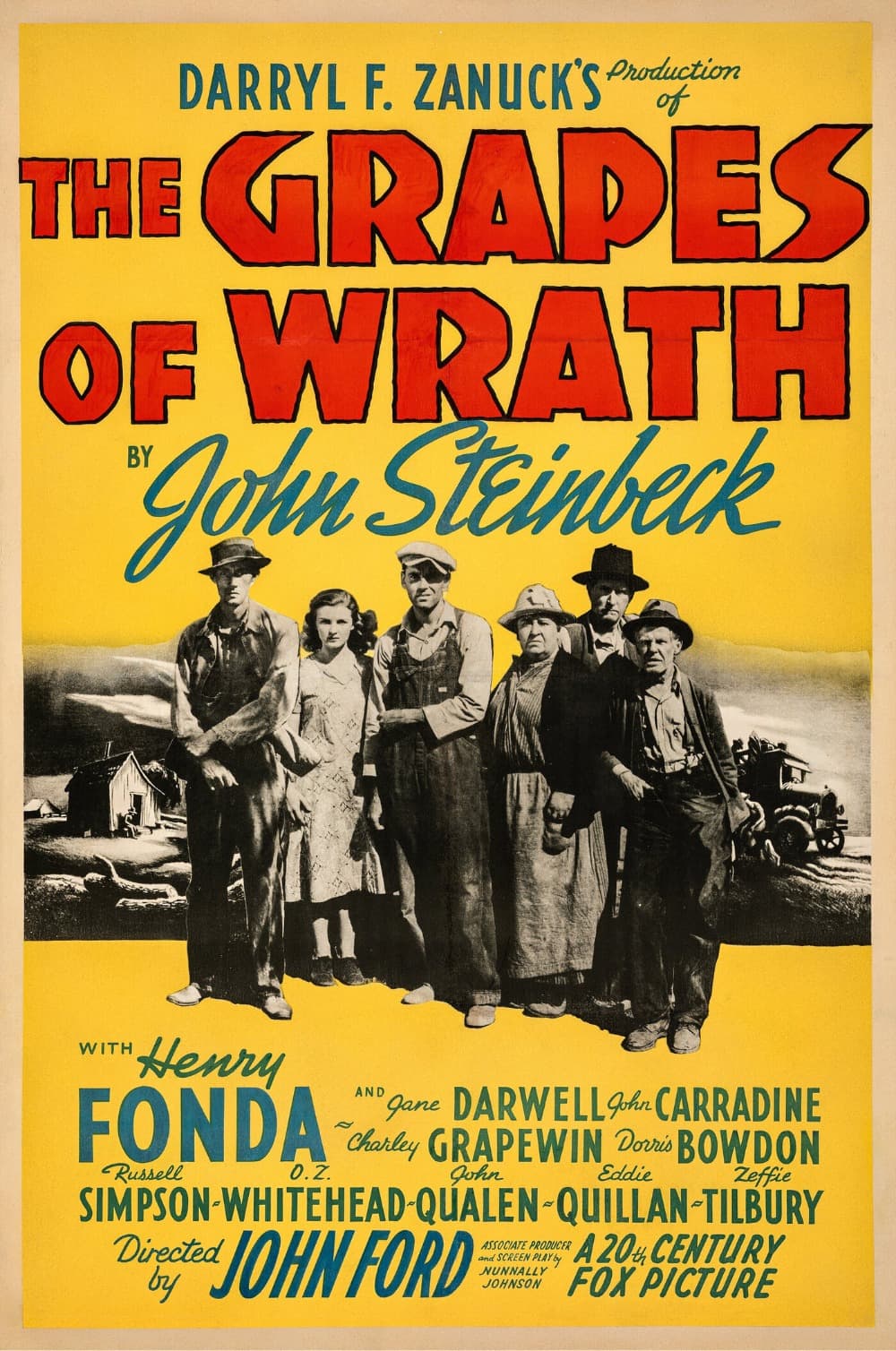
That a major studio released this in 1940 is still hard to believe: Ford films an Oklahoma family driven west by the banks, and Gregg Toland lights the migrant camps like documentary photographs.

It made John Wayne a star, invented Monument Valley as a place in the American mind, and put nine strangers in one coach: every road movie descends from it.

Ford's last word on the myths he spent forty years building: it gave American English the phrase about printing the legend, and it is the bleakest western he made.
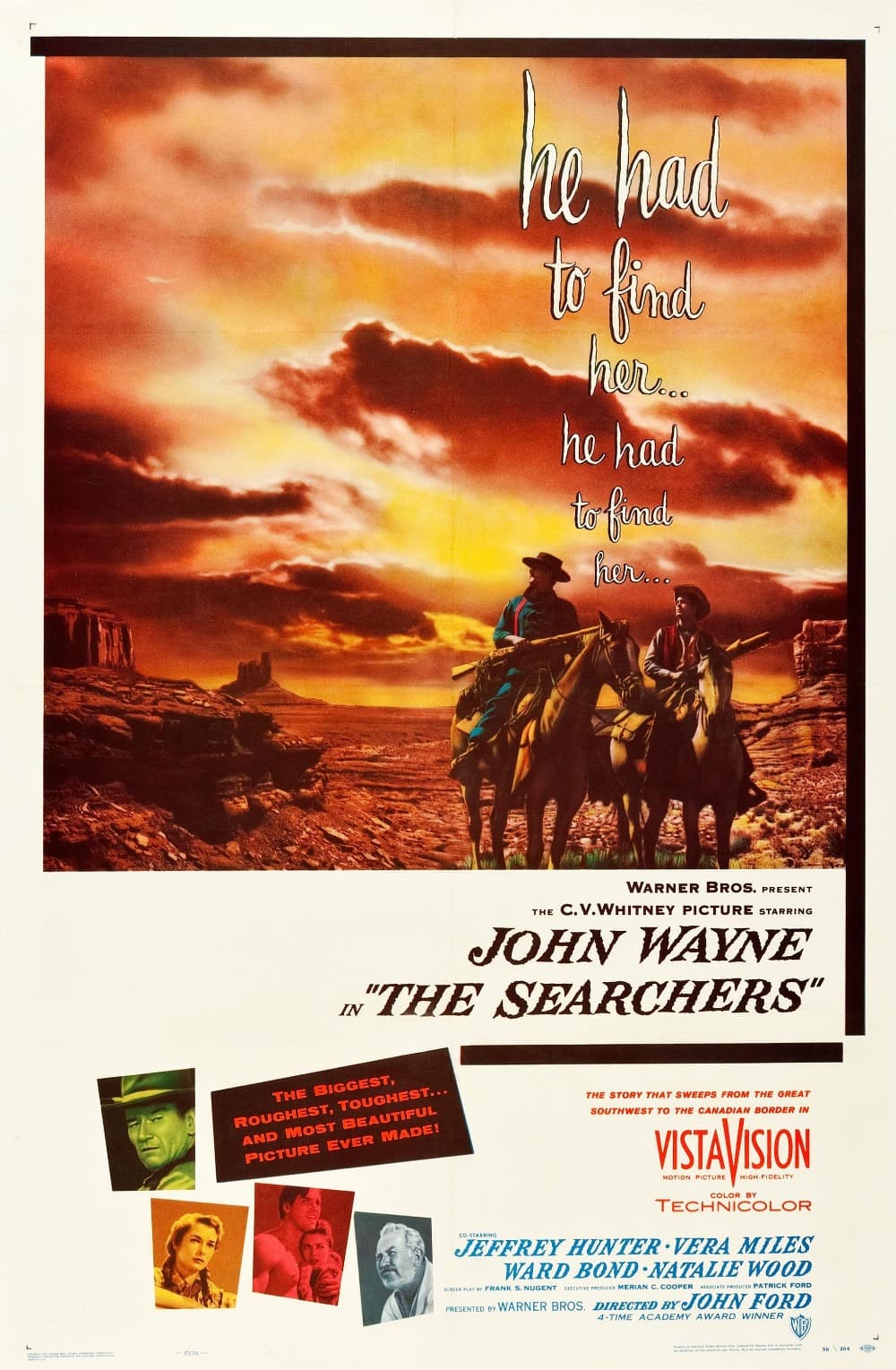
Other directors have been stealing from this western for seventy years: Ford put John Wayne's racism on screen without excusing it, and framed his story in a much-copied doorway.