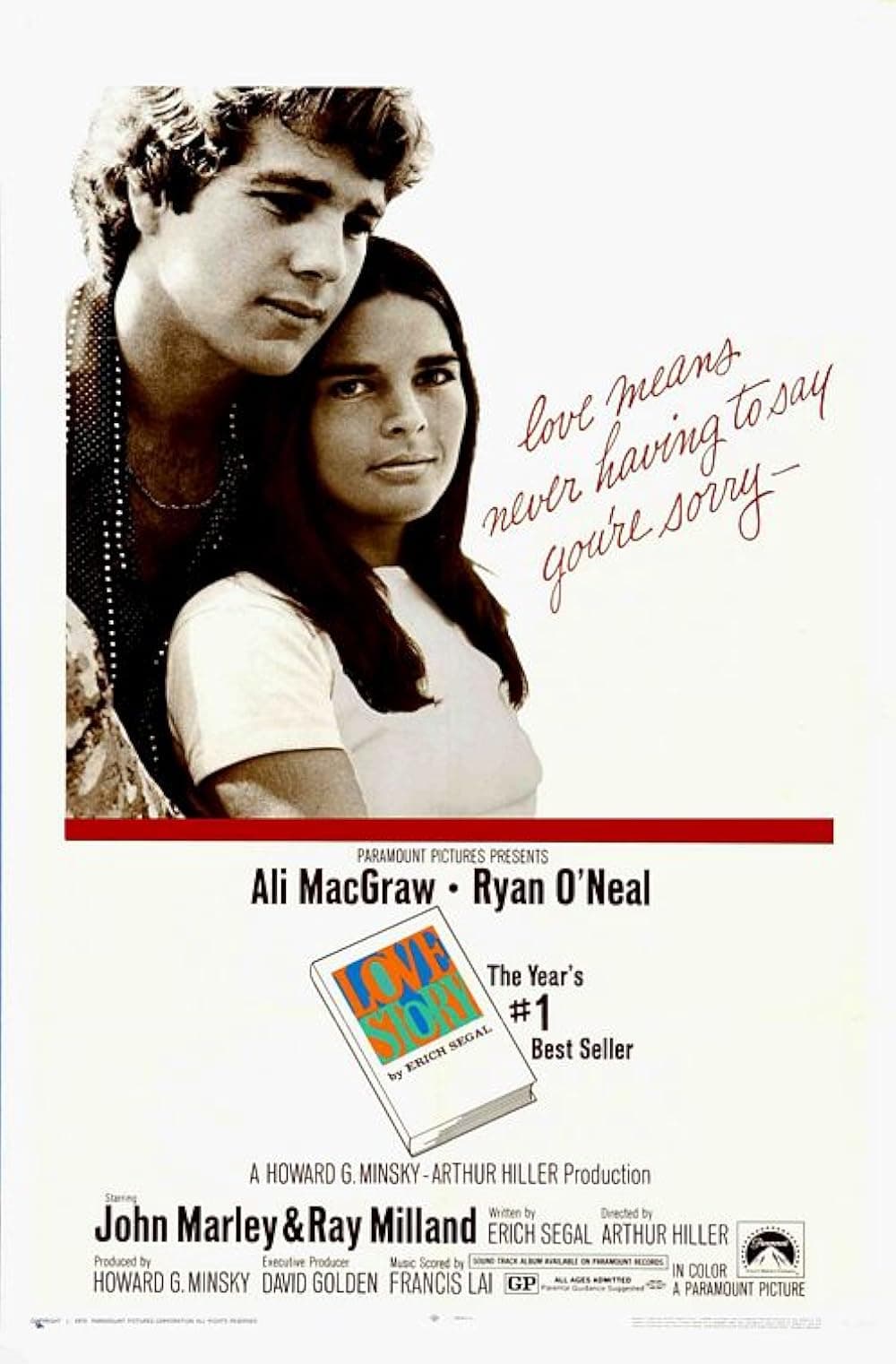
Love Story
Directed by Arthur Hiller
1970
The novel was written from the screenplay and not the other way around: a Harvard hockey player and a Radcliffe music student marry against his father, and one line became inescapable.
★ 1.6
 skopia
The novel was written from the screenplay and not the other way around: a Harvard hockey player and a Radcliffe music student marry against his father, and one line became inescapable.
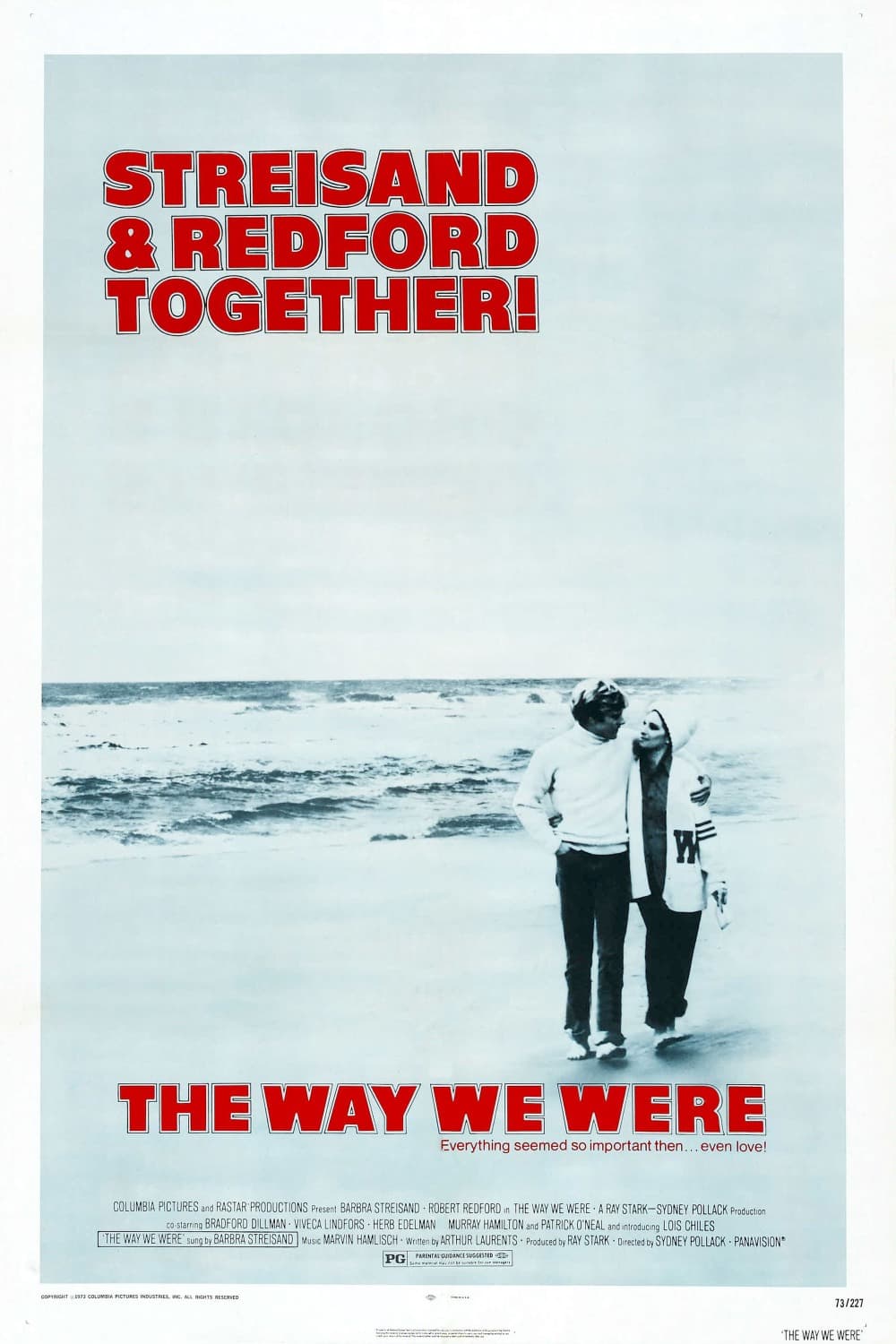
The blacklist plot was cut to almost nothing and Sydney Pollack called that his biggest regret: Barbra Streisand and Robert Redford are mismatched enough that the romance runs on friction alone.
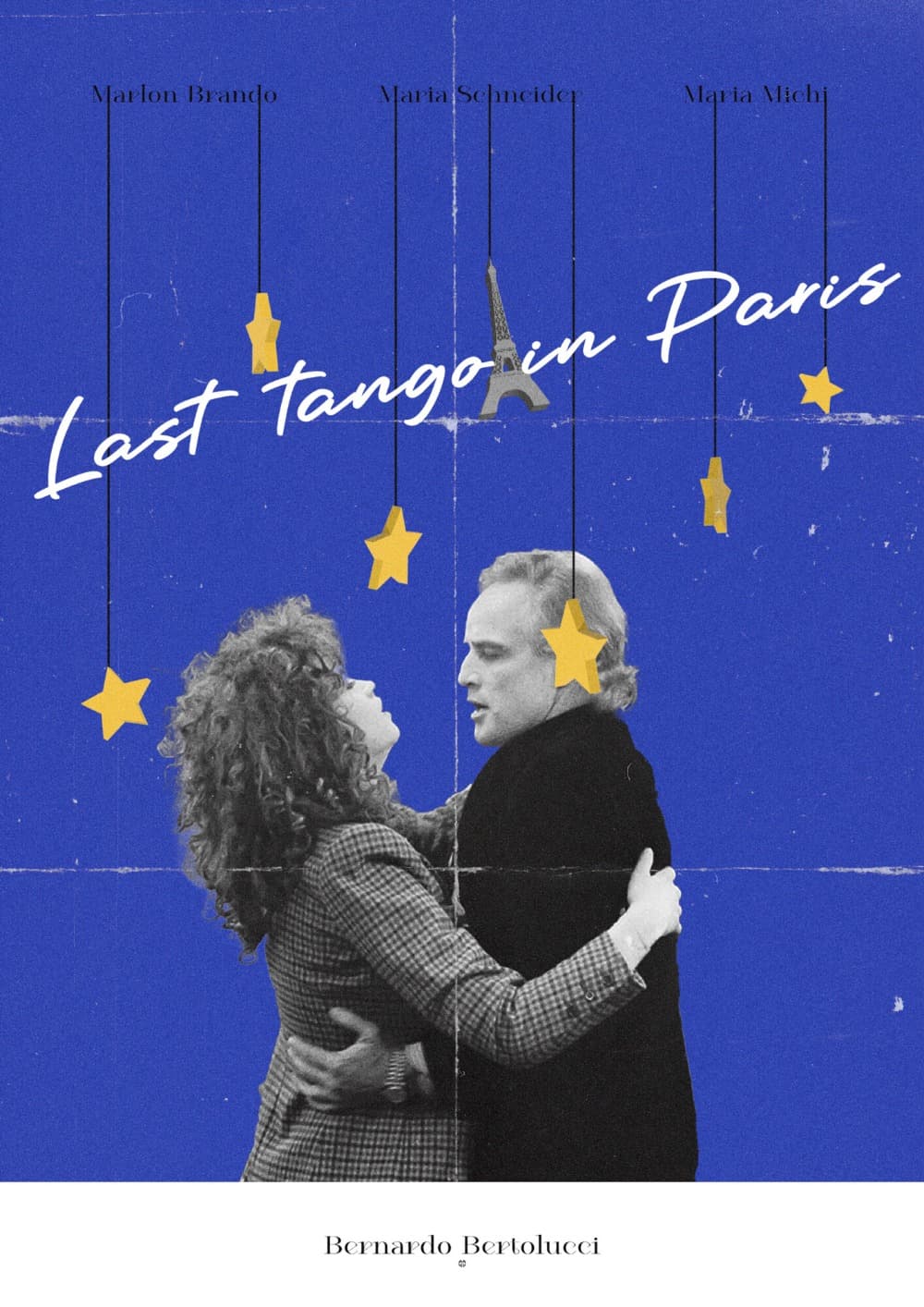
Pauline Kael called the premiere a landmark comparable to the Rite of Spring, and the reputation has since collapsed: Maria Schneider was nineteen and was not told the scene had been changed.
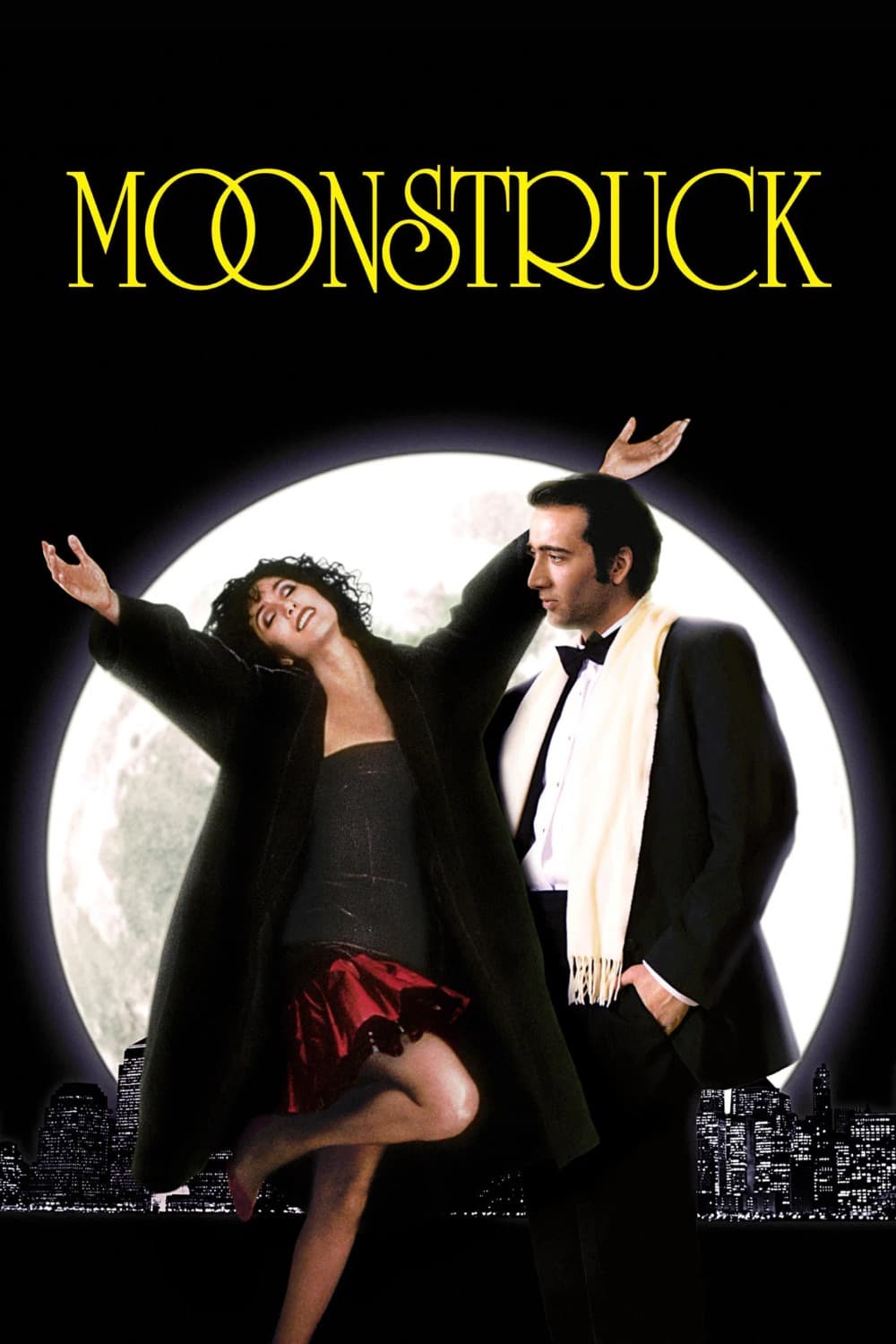
Cher and Olympia Dukakis both took Oscars from it, and the screenplay took a third: John Patrick Shanley wrote a Brooklyn Italian family who argue at operatic volume and mean every word.
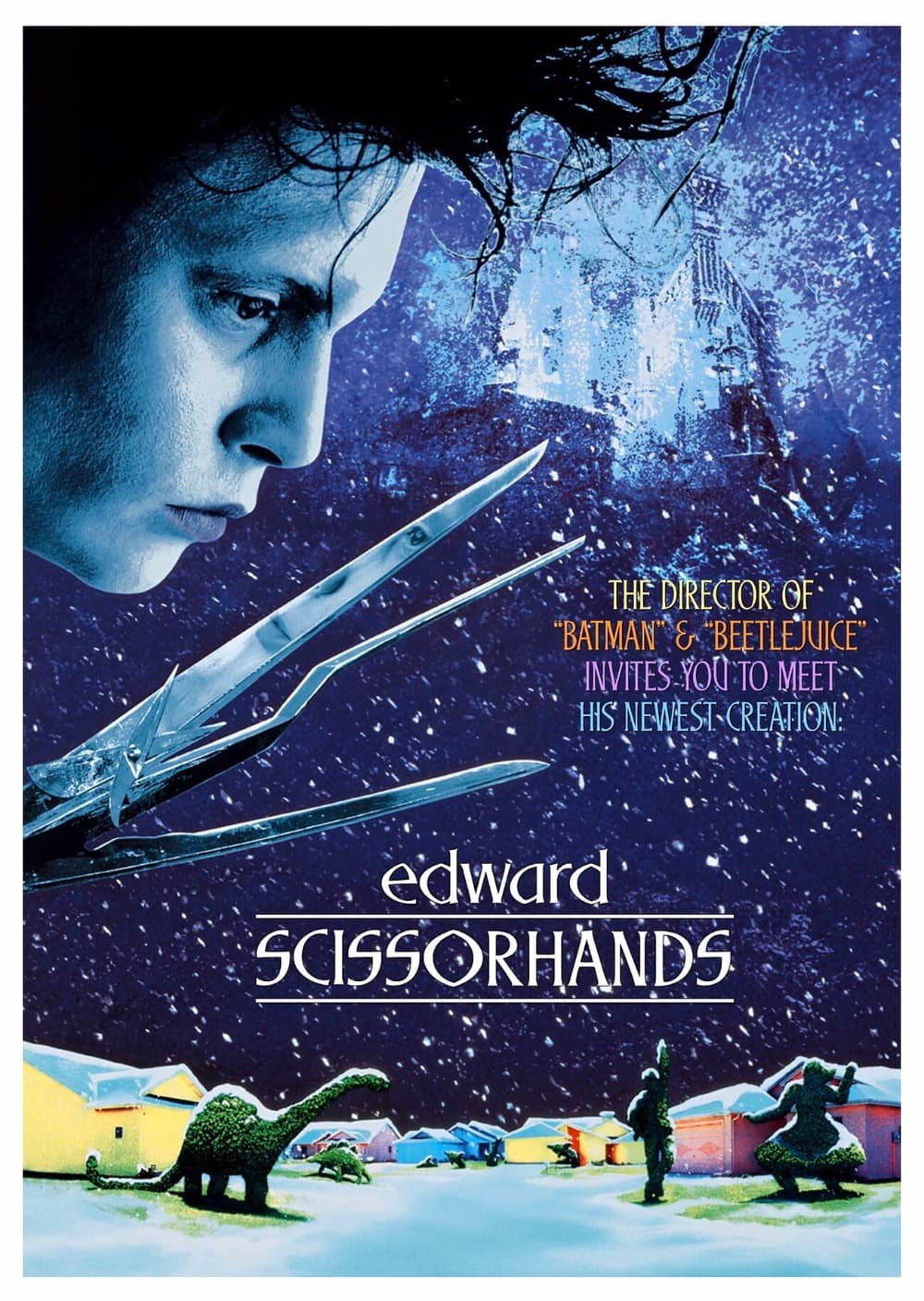
A boy with blades for hands is brought down from a gothic mansion into a pastel suburb: Tim Burton's most personal fairy tale, with the Danny Elfman score he calls a career favorite.
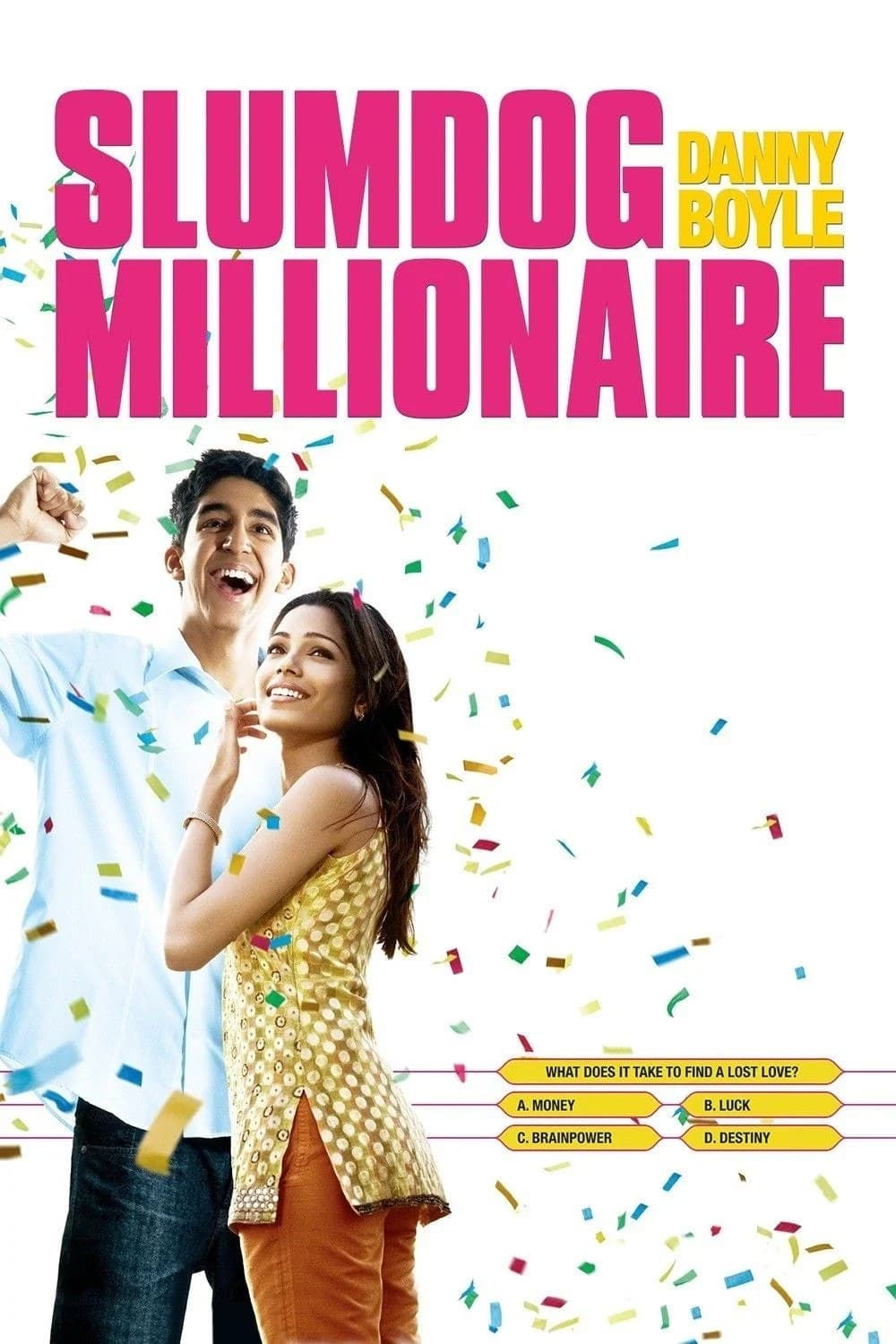
Boyle shot Mumbai on small digital cameras in real streets and Rahman's score carried it around the world: a contestant from the slums is detained for cheating, and each question opens a memory.
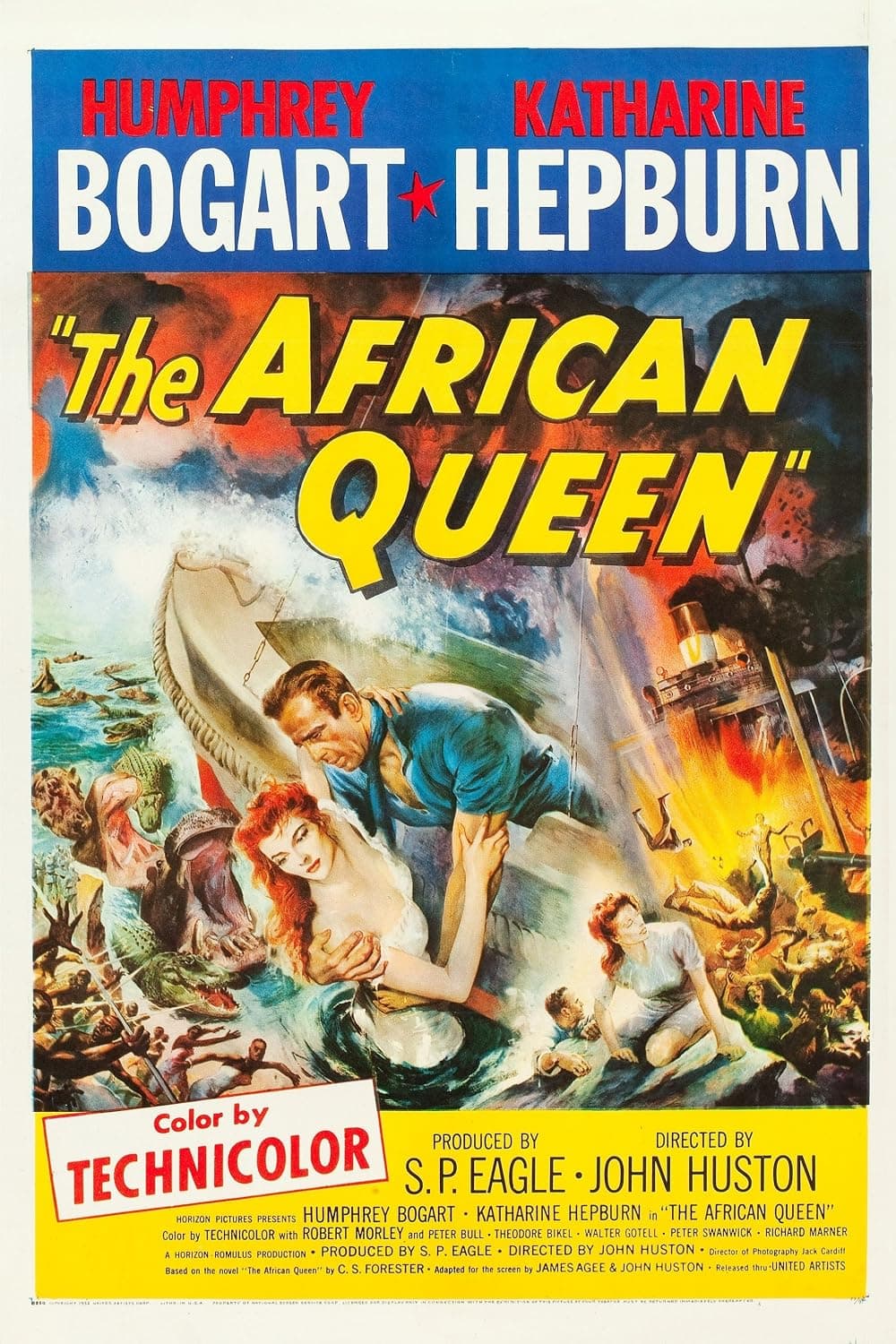
Huston took the production into the Congo and almost everyone fell ill: what came back is Bogart and Hepburn on a battered steam launch, insulting each other into something like love.
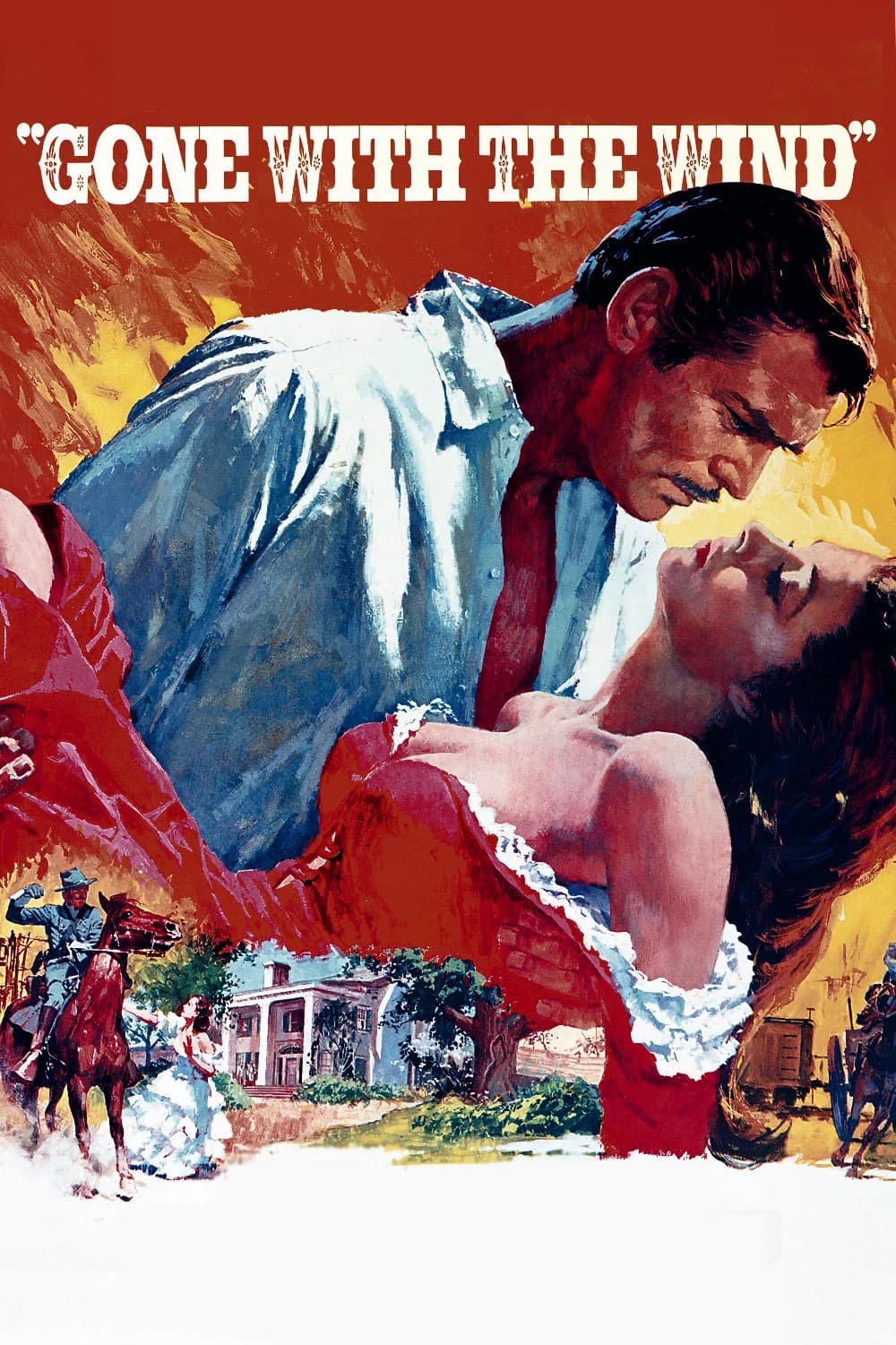
Adjusted for inflation no film has ever earned more, and it is still telling the old South's version of itself: enormous, ravishing, and not to be trusted.
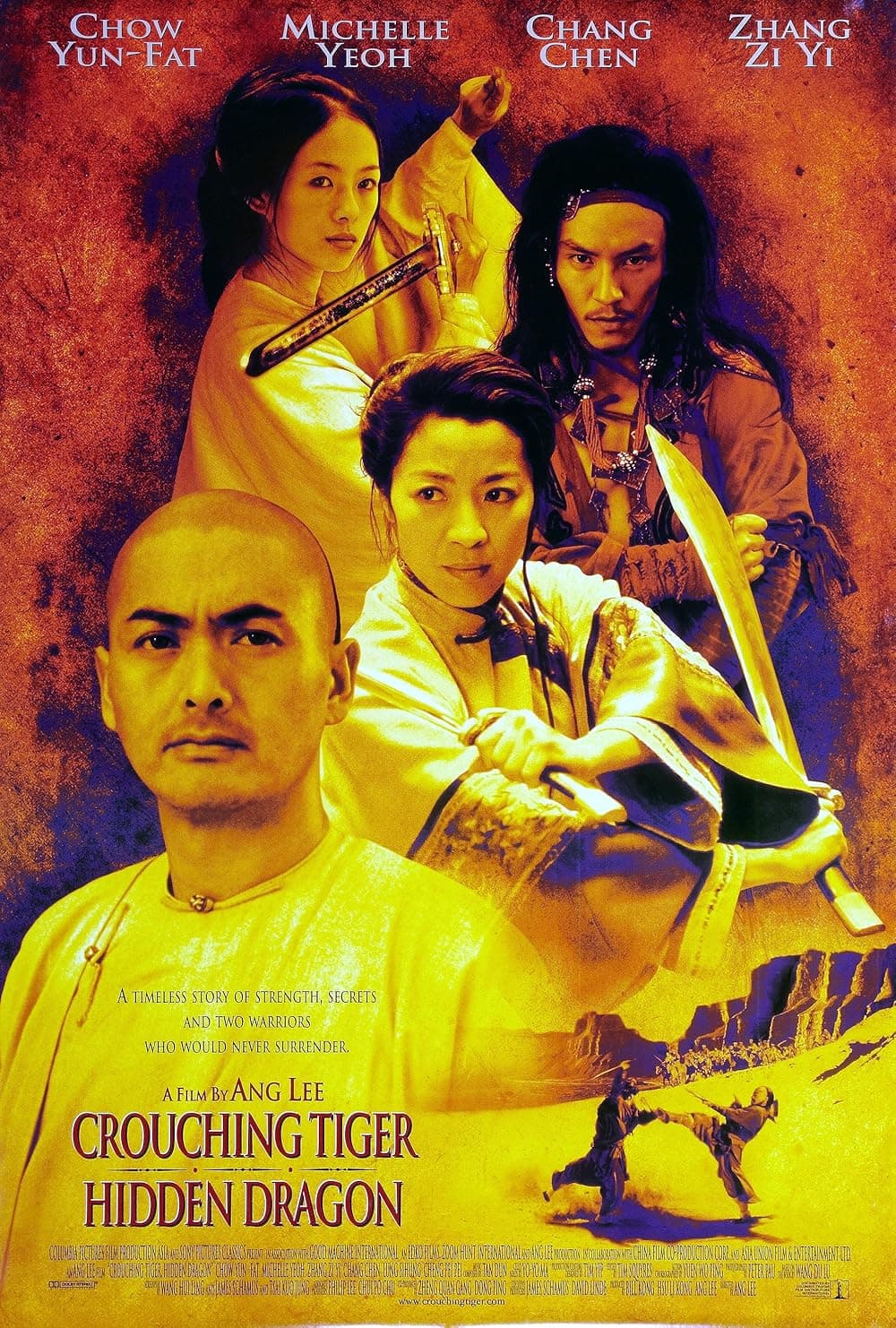
It won four Academy Awards and remains the highest grossing foreign language film ever released in America: wire work so graceful that gravity stops being a consideration.
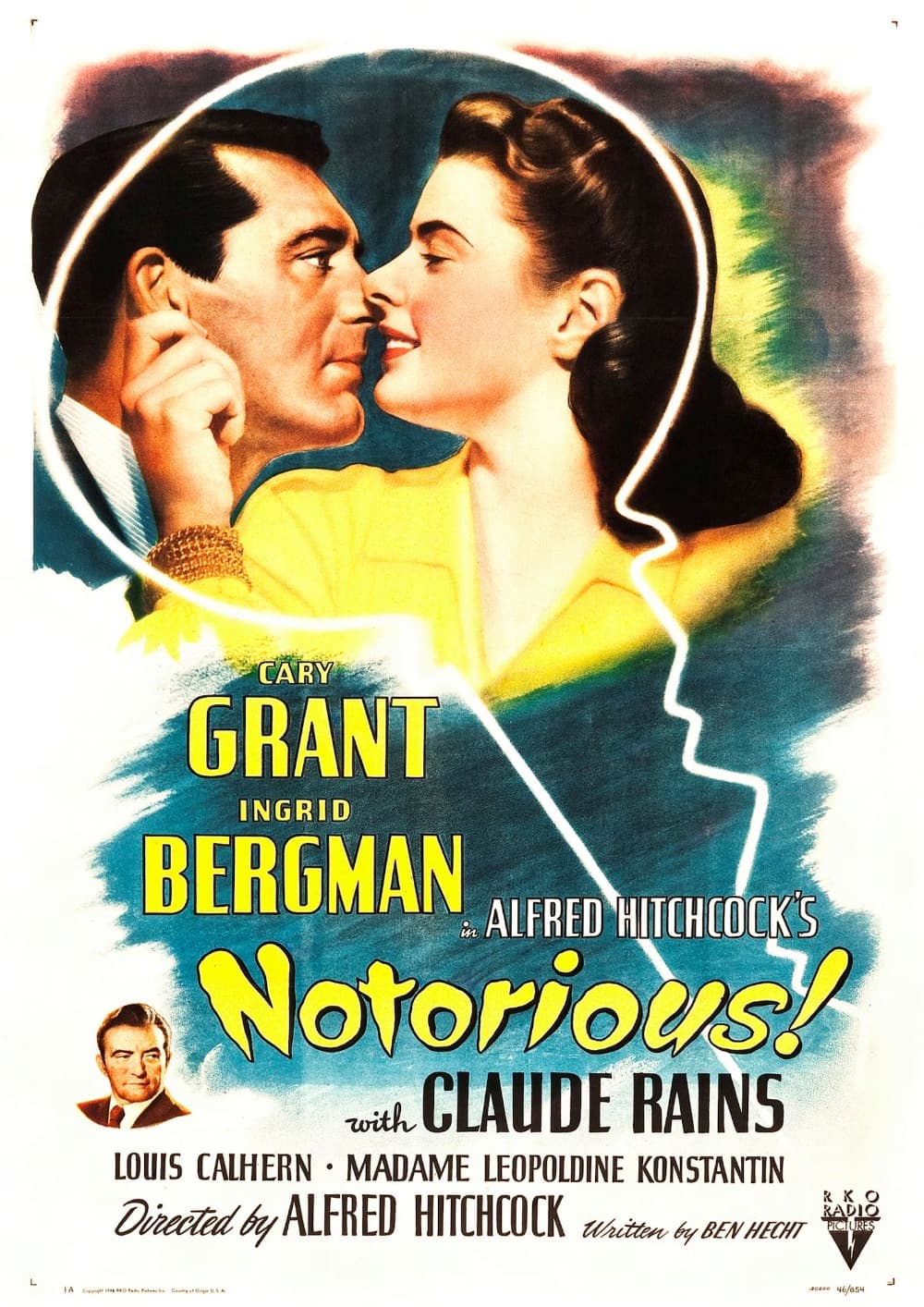
Hitchcock's most grown-up film, and the one where the suspense is entirely about feeling: a woman is sent to seduce a Nazi by the man who loves her.
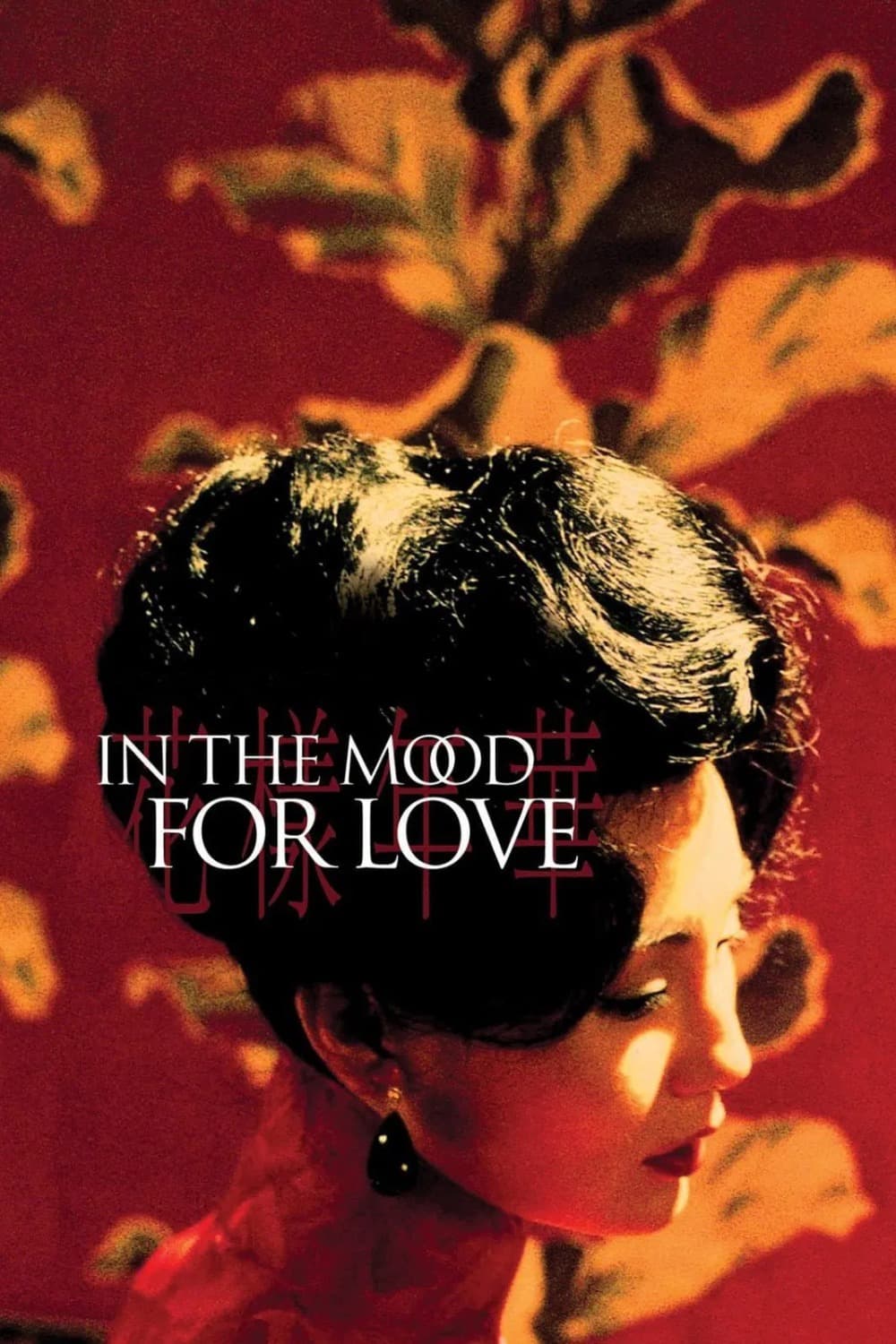
Longing has never been filmed better than this: Wong Kar-wai gets more out of a stairwell and one repeated waltz than most directors manage with an entire script.