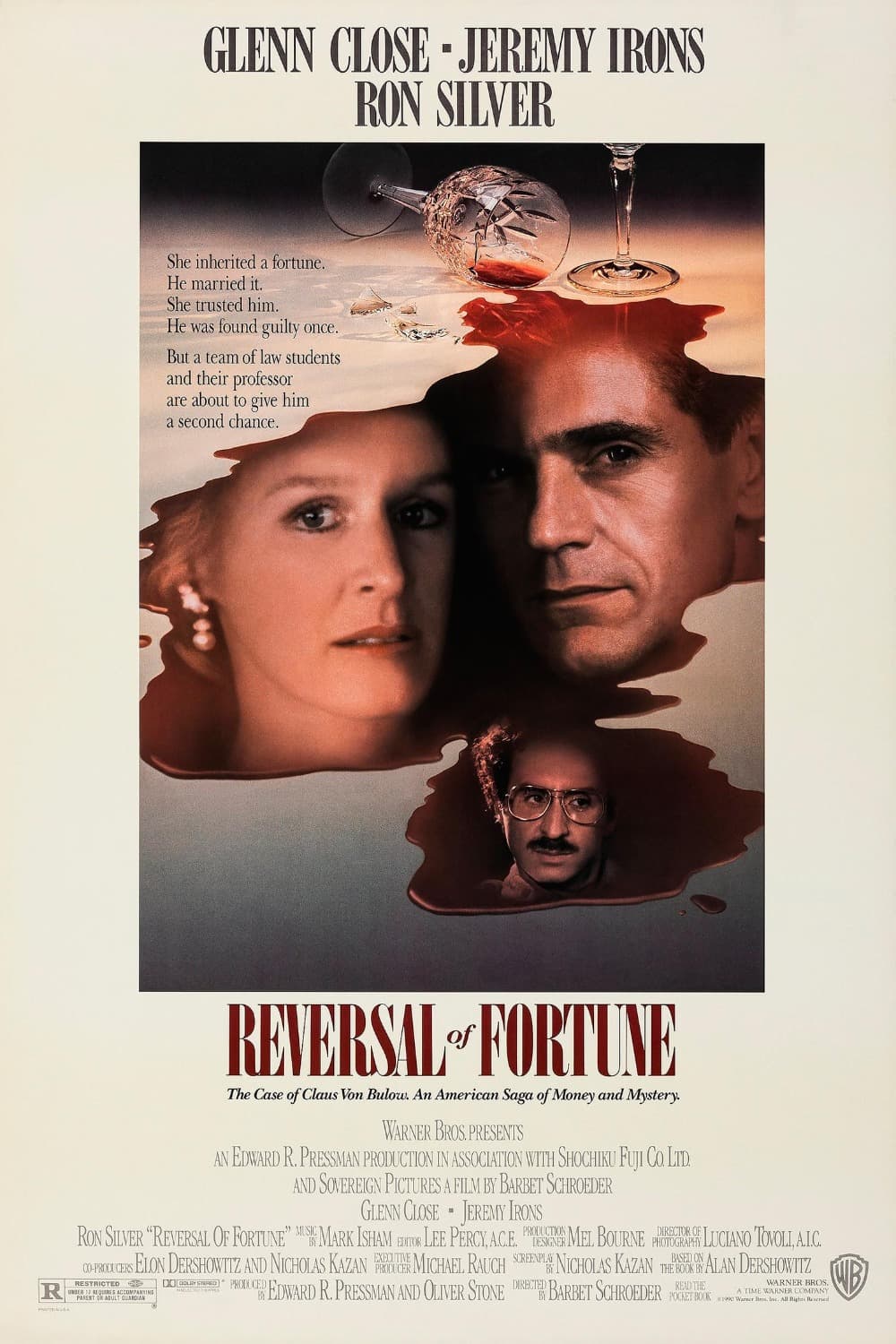
Reversal of Fortune
Directed by Barbet Schroeder
1990
Jeremy Irons plays Claus von Bulow as completely unreadable and was rewarded for it: the film is narrated by his wife from the coma she never woke from, and takes no position.
★ 2.8
 skopia
Jeremy Irons plays Claus von Bulow as completely unreadable and was rewarded for it: the film is narrated by his wife from the coma she never woke from, and takes no position.
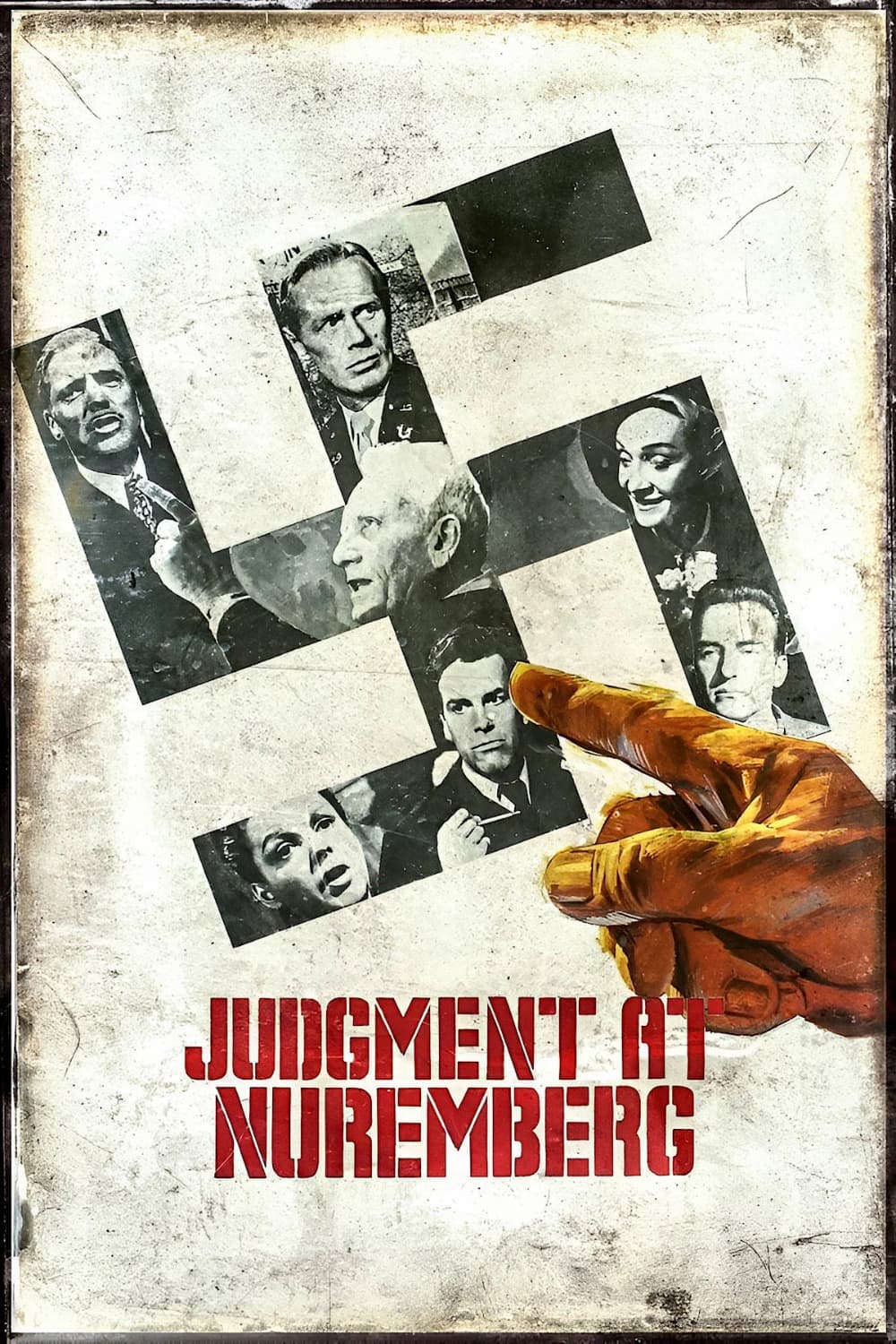
Stanley Kramer put real concentration camp footage into a Hollywood film in 1961 and made audiences sit with it: the trial is of judges, which makes the question about everybody.
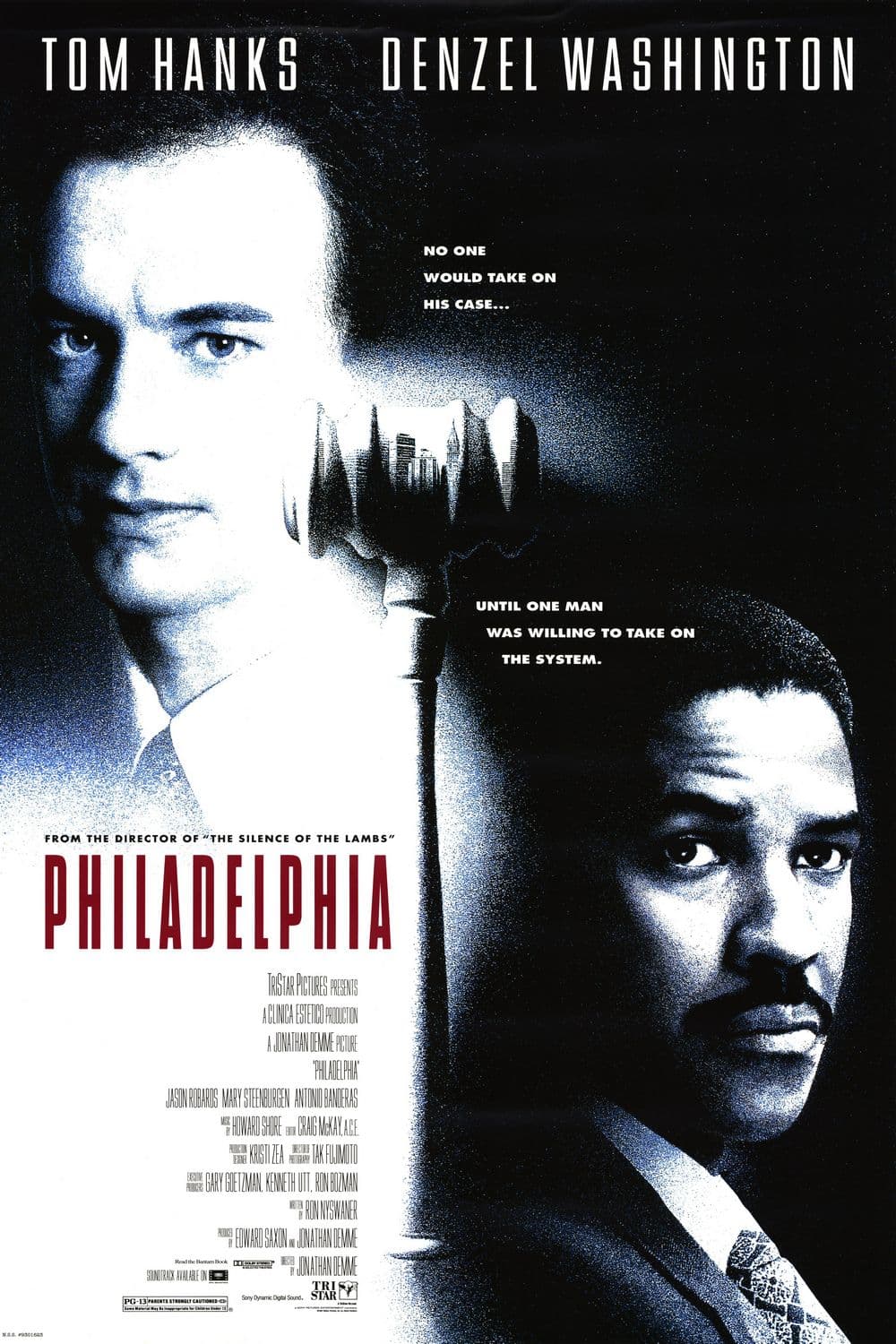
The first major studio film to take AIDS seriously, aimed squarely at people who had not: a lawyer sues the firm that fired him, and Bruce Springsteen wrote the opening song.
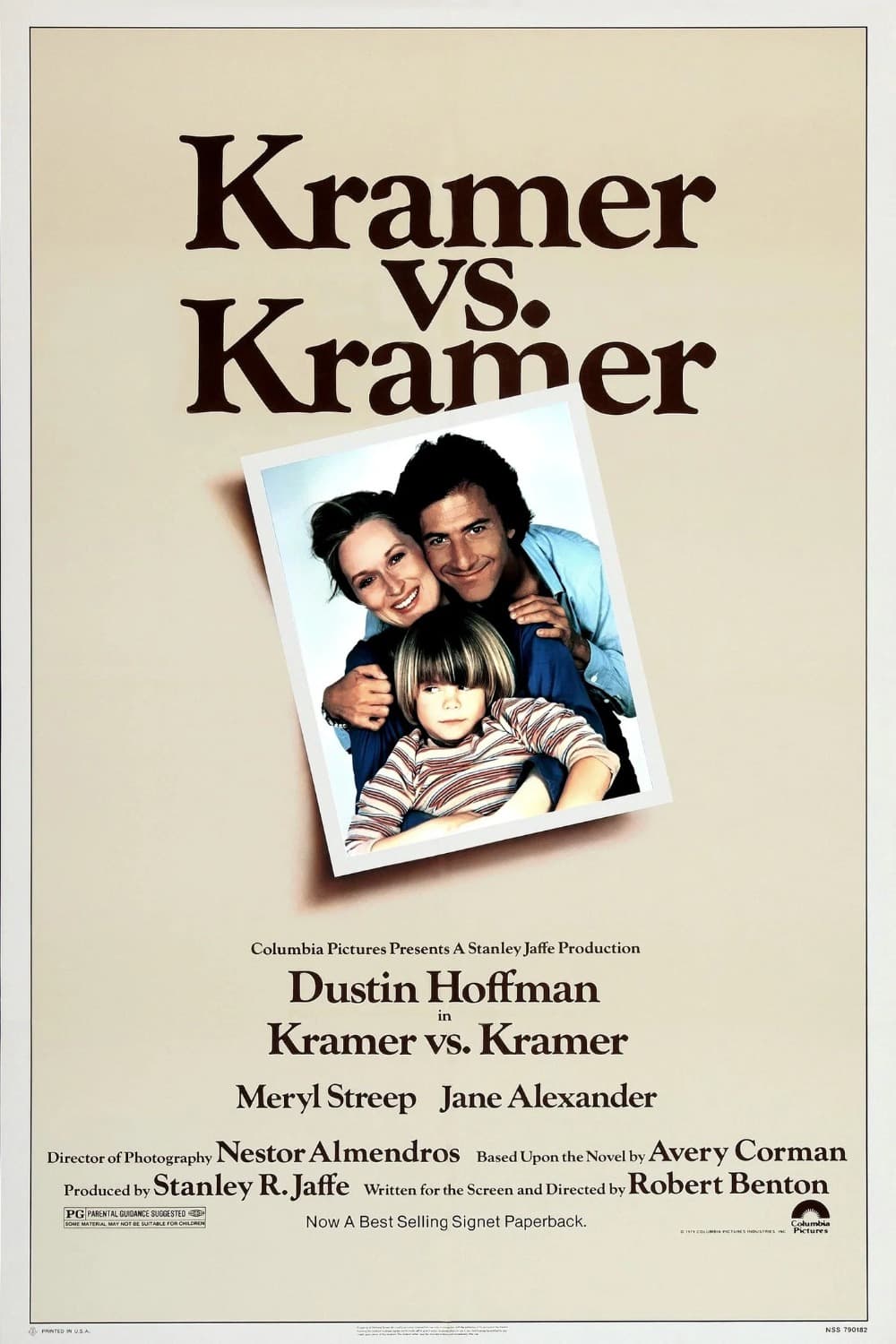
Meryl Streep rewrote her own courtroom speech because she thought the script had the mother wrong: a custody fight filmed at kitchen-table level, where the child is the only honest party.
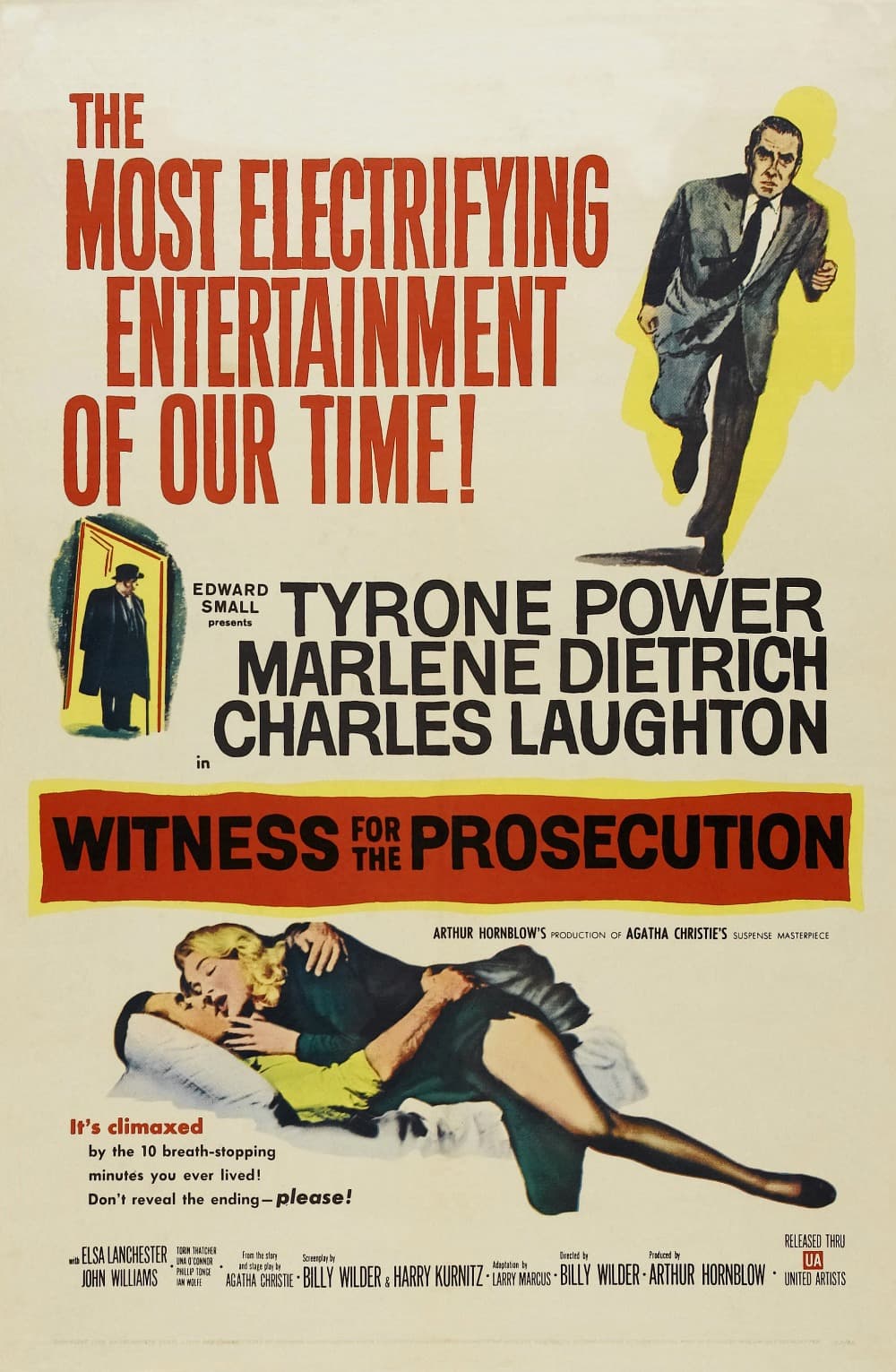
The closing credits ask the audience not to reveal the ending, and audiences mostly obeyed: Wilder turns an Agatha Christie courtroom into a comedy about a barrister who is supposed to be resting.
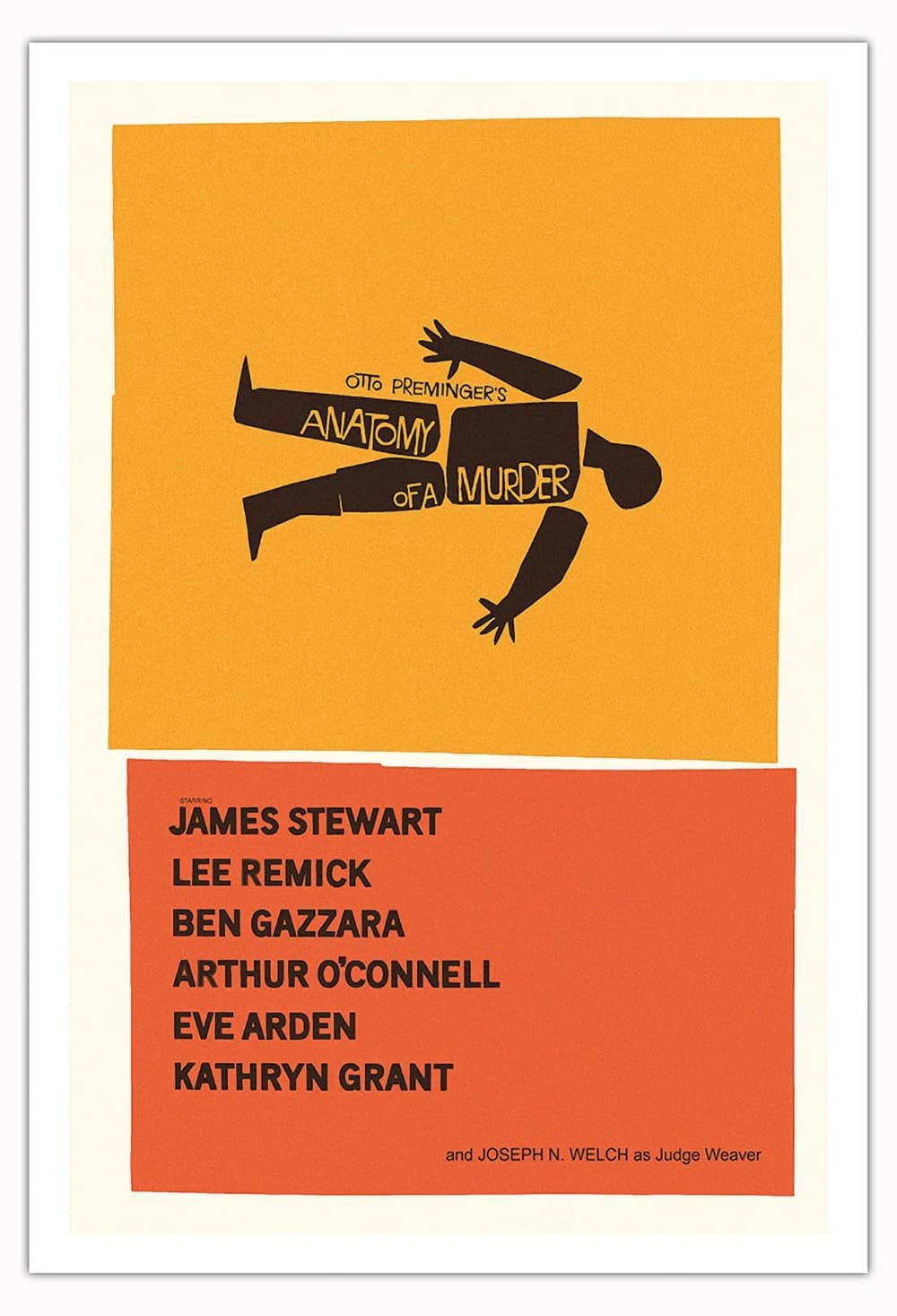
The Army-McCarthy hearings lawyer Joseph Welch plays the judge and Duke Ellington wrote the score: a murder trial turning on an alleged rape, argued in language so frank that 1959 audiences were shocked.
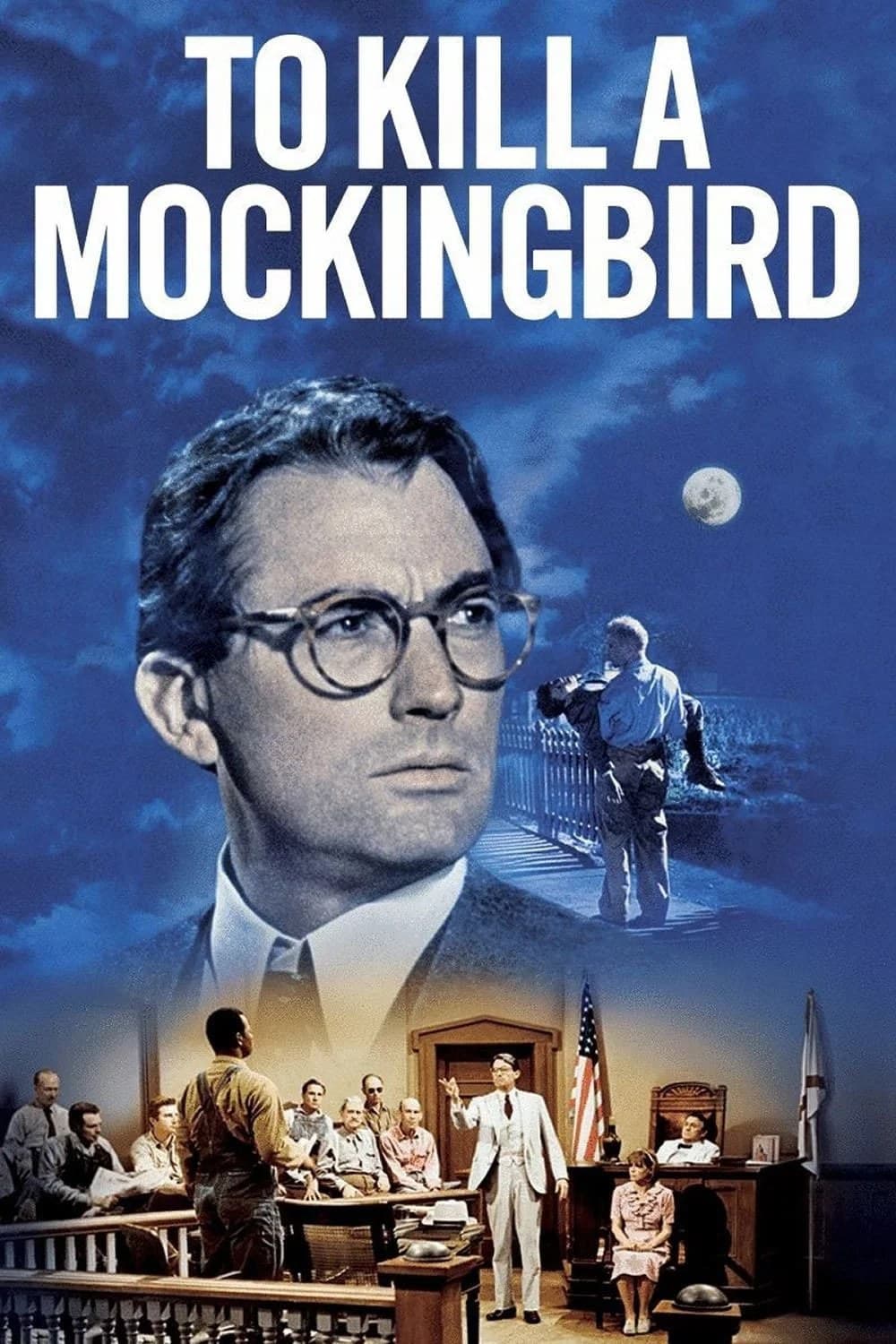
Gregory Peck gave America the father it wanted to believe in: a small-town lawyer defends a Black man in a case the town has already decided, seen through his daughter's eyes.
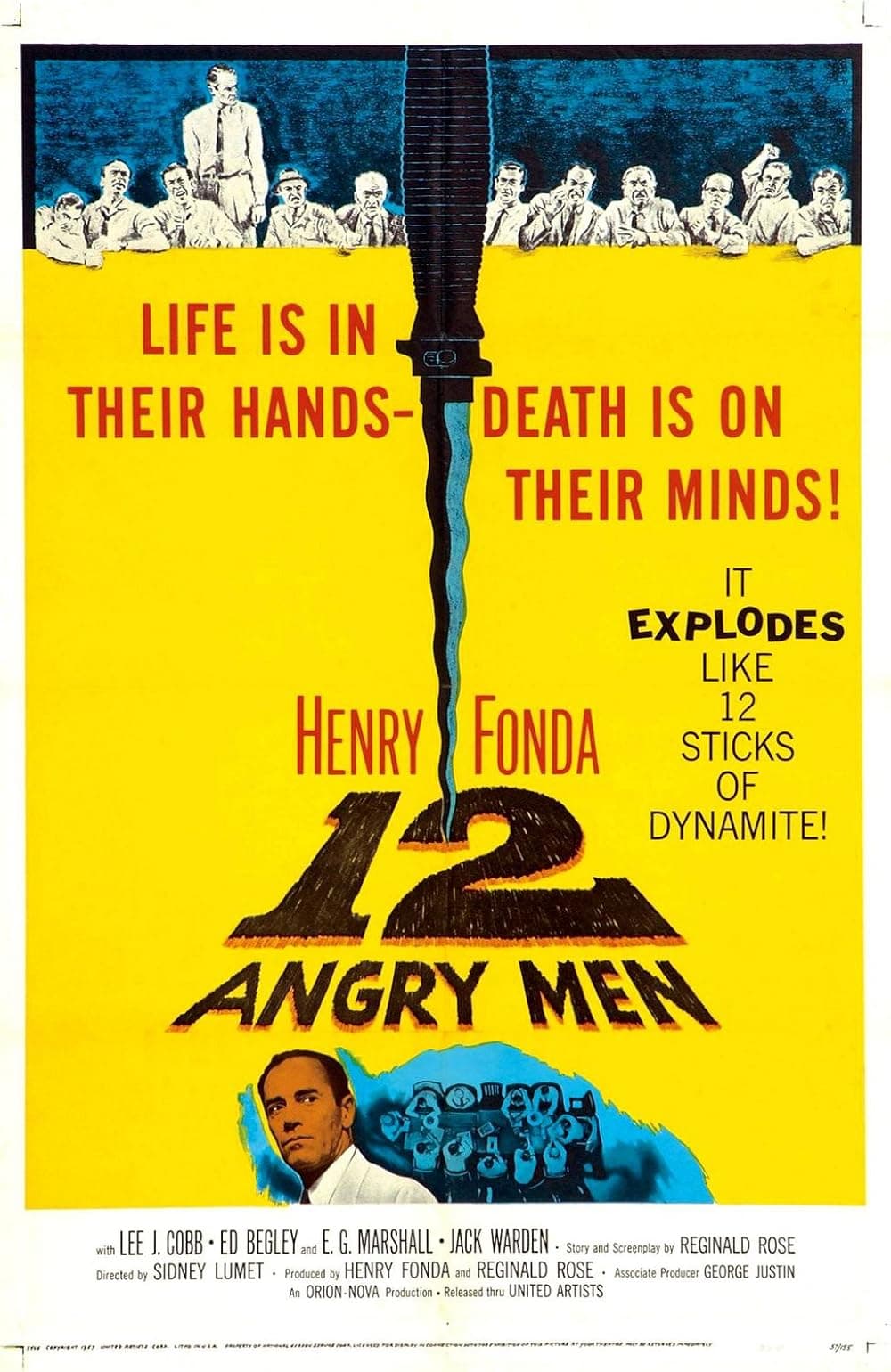
Nothing beats it as a filmed argument, and it happens in a single room: eleven jurors want to go home, one will not, and the temperature keeps rising.