
Meditations on First Philosophy
1641 · 59 pages
Descartes sits by a fire and doubts everything, down to whether a demon feeds him the world. What survives is the thinking, and philosophy has argued from there ever since.
★ 7.5
 skopia
Descartes sits by a fire and doubts everything, down to whether a demon feeds him the world. What survives is the thinking, and philosophy has argued from there ever since.

Look inside for a self and you find only a rush of sensations. Look for cause and effect and you find only habit. Reason itself, Hume concludes, is the slave of the passions.
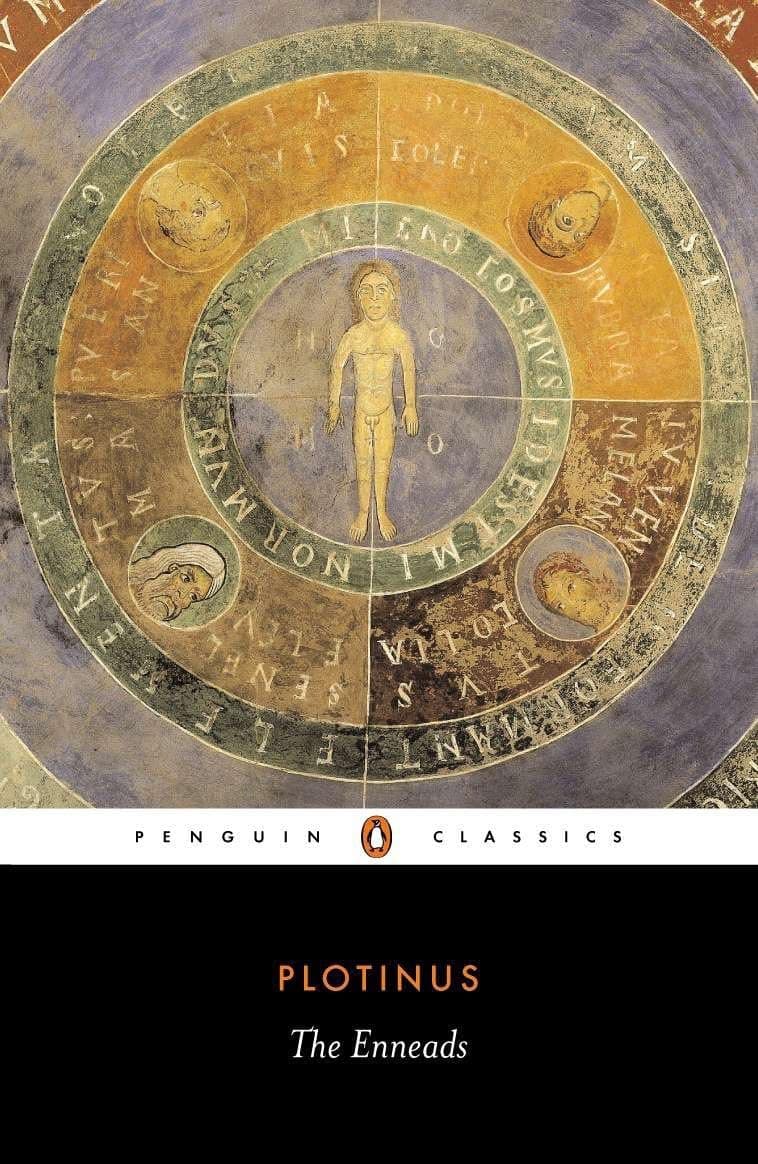
Everything pours out of one source Plotinus calls the One, which is beyond words. Mind, soul, and matter follow from it, and a soul can climb back. Christian mysticism was built on this.

Good sense is the most equally distributed thing in the world, Descartes begins, then shows how to use it: doubt all you can, divide each problem, and rebuild only on what survives.

Hume's clearest book, and his most dangerous: no testimony establishes a miracle, he argues, unless its falsehood would be more miraculous than the event reported. Every later defense of miracles answers him.

Nothing exists but minds and what minds perceive, Berkeley argues, and matter is a word philosophers cannot cash. God does the perceiving that keeps your furniture there once you leave the room.