Democracy in America
No foreigner has ever read America this well. Touring the young republic in 1831, Tocqueville found equality rather than liberty the engine of the place, and warned that majority opinion smothers free minds.

No foreigner has ever read America this well. Touring the young republic in 1831, Tocqueville found equality rather than liberty the engine of the place, and warned that majority opinion smothers free minds.

Hamilton, Madison, and Jay wrote eighty-five essays to sell New York on the Constitution, arguing that a large republic tames factions and that ambition must counteract ambition. Courts still quote them.

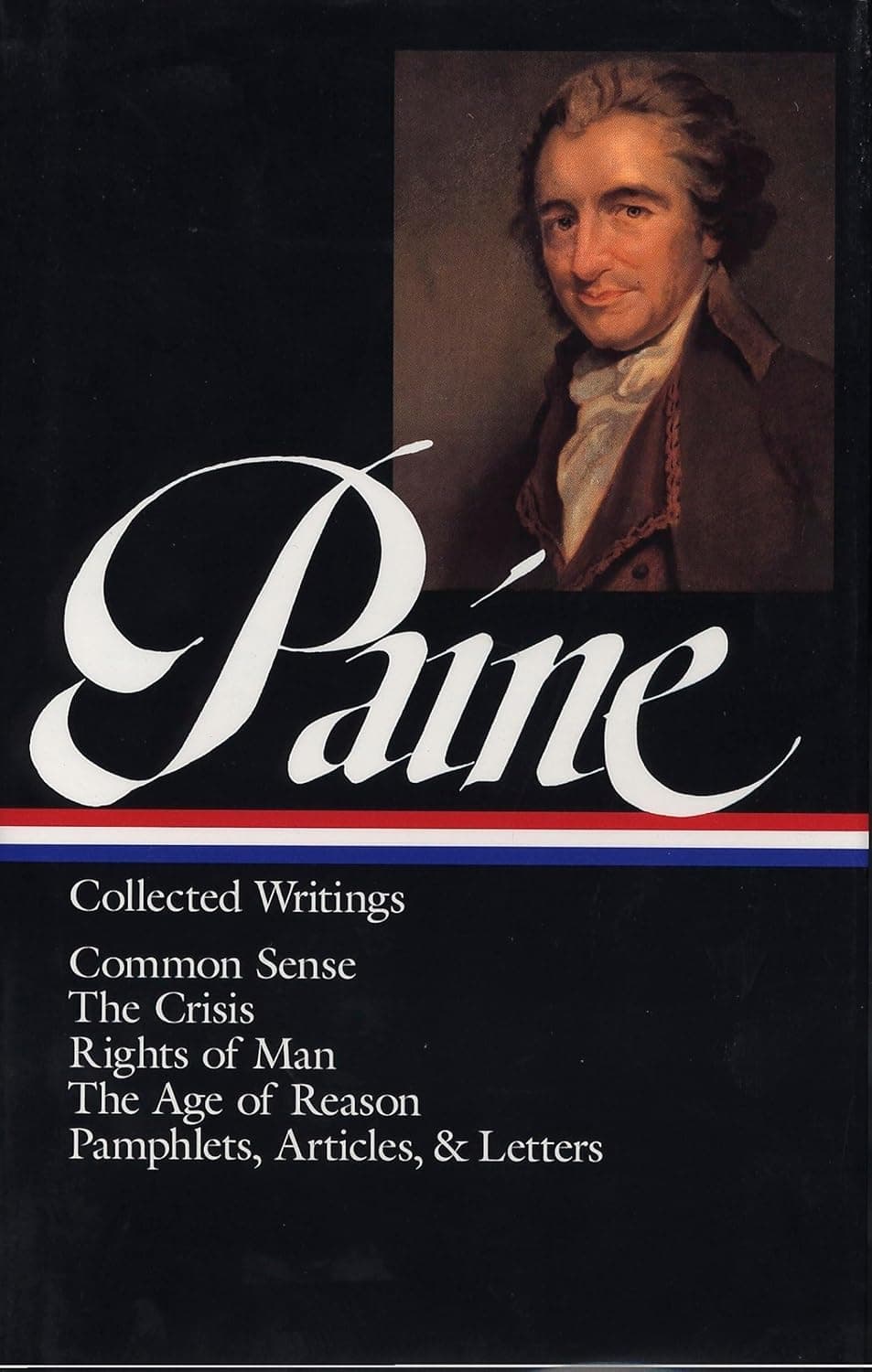
Paine tells the colonists that an island cannot rule a continent and that hereditary kingship is an absurdity. Read aloud in taverns, it turned grievance into independence within months.

Enslaved people freed themselves, Du Bois argues, walking off plantations in a general strike that broke the Confederacy. He then shows what Black voters built during Reconstruction and who tore it down.

Marcuse argues that rich societies control people by satisfying them. The needs advertising invents get met, dissent gets absorbed and sold back, and the capacity to imagine a different arrangement quietly withers away.

Public opinion has a history, and Habermas locates its birth in the coffeehouses, salons, and newspapers where private men first argued about power. Advertising and mass media turned that argument back into spectacle.

Guha carries India from independence in 1947 to the present and asks why it never broke apart, given partition, famine and insurgency. He calls it an unnatural nation and an unlikely democracy.

Liberal democracy won, Fukuyama argued as the Soviet Union fell: no rival idea of how to organize a society remains. Then he asks what becomes of men with nothing left to struggle over.