
The Stranger
1942 · 123 pages
Meursault buries his mother without crying, takes a lover, and shoots a man on a hot Algiers beach. At his trial the tears he never shed matter more than the killing.
★ 8.9
 skopia
Meursault buries his mother without crying, takes a lover, and shoots a man on a hot Algiers beach. At his trial the tears he never shed matter more than the killing.
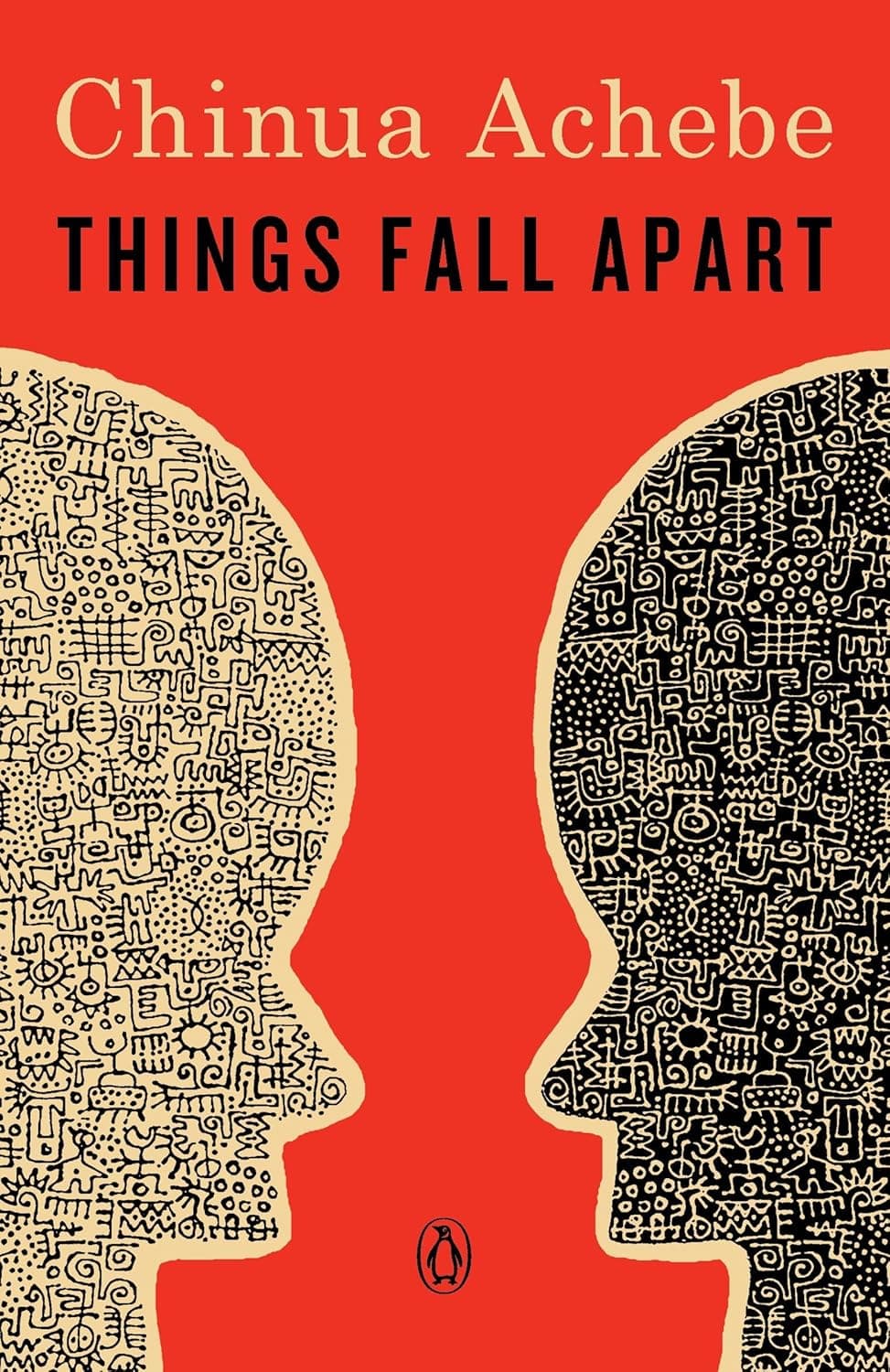
Okonkwo is a wrestler and a hard man in an Igbo village, terrified of resembling his gentle, indebted father, when the missionaries arrive. Achebe builds a whole world before letting it come apart.
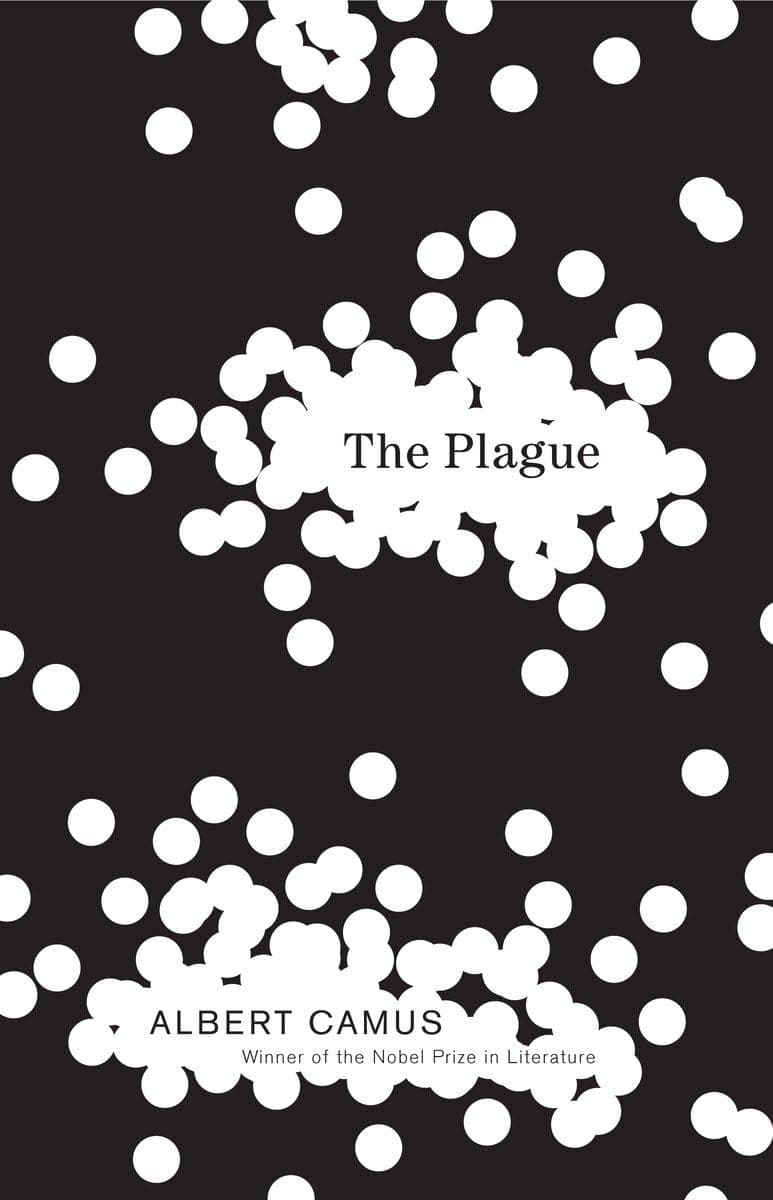
Rats die in the streets of an Algerian port, the gates shut, and a doctor named Rieux keeps working. Camus meant the German occupation, and every epidemic since has proved him right.
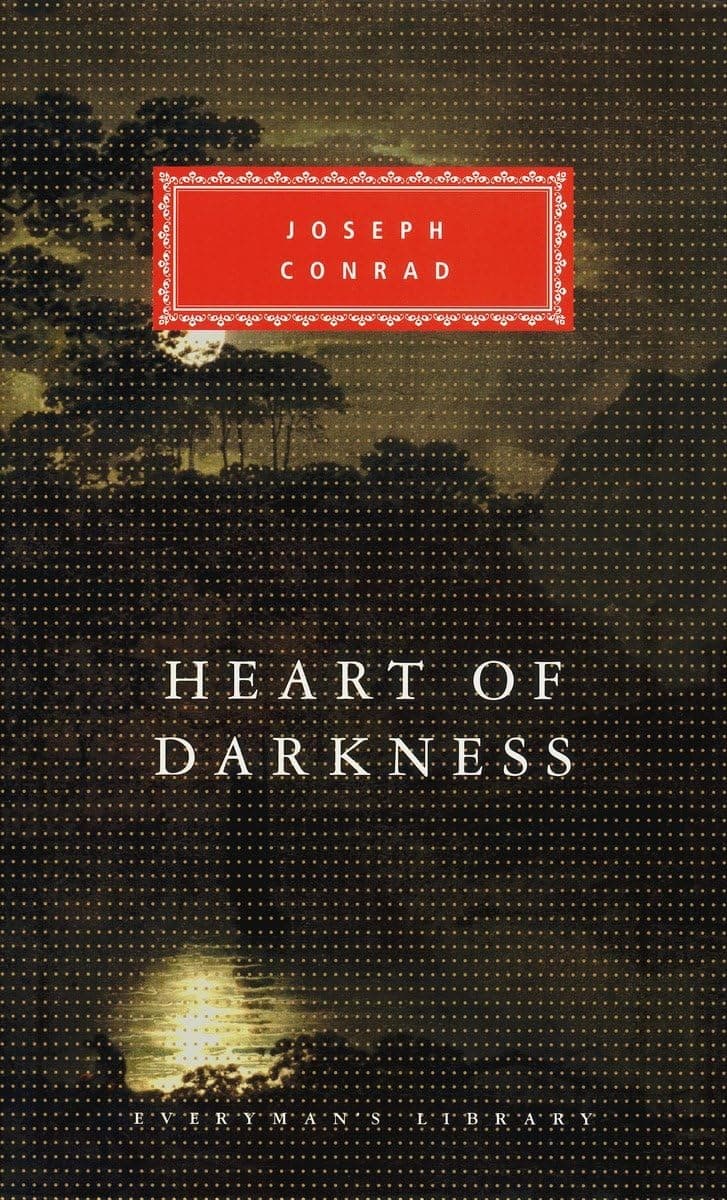
Marlow steams up the Congo to retrieve an ivory agent gone strange upriver. Conrad found empire hollow, and the novelist Achebe's charge of racism has kept the book under argument ever since.
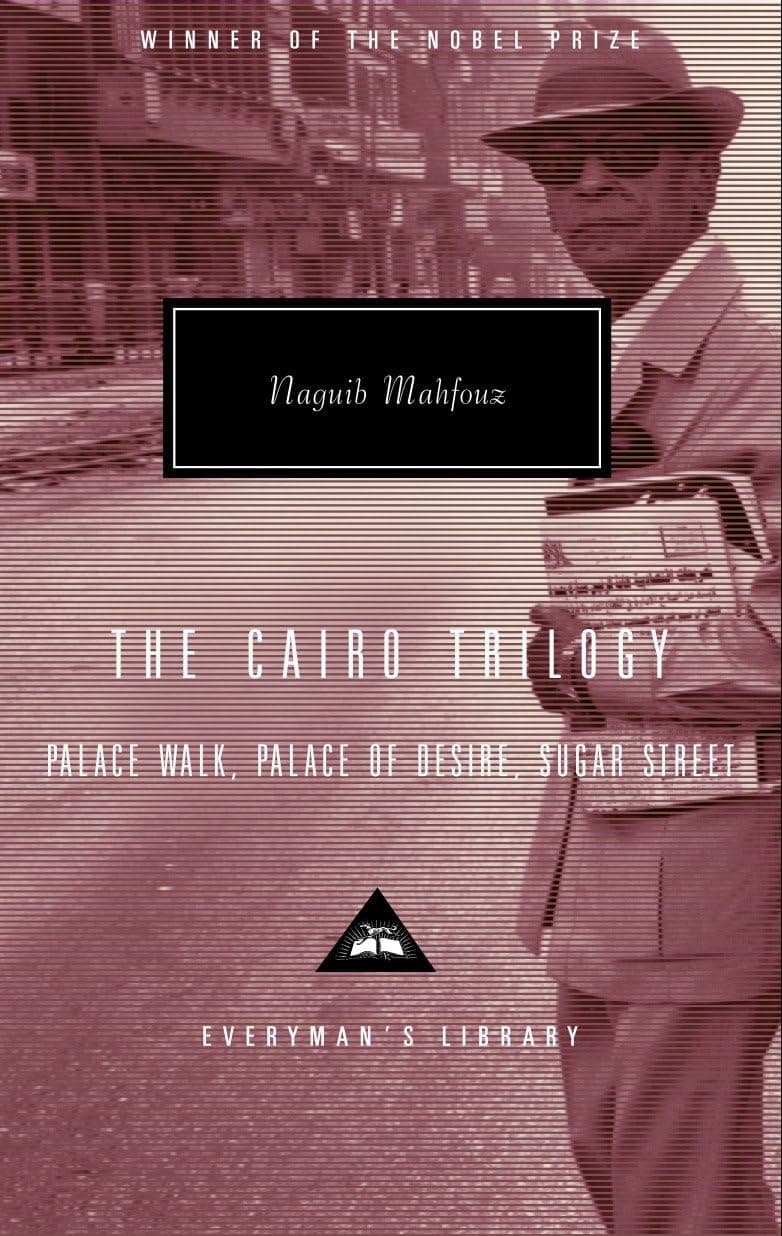
A Cairo merchant rules his household as a tyrant and drinks his nights away with singers while his wife may not step outside. Over three generations, revolution and war reach inside that house.
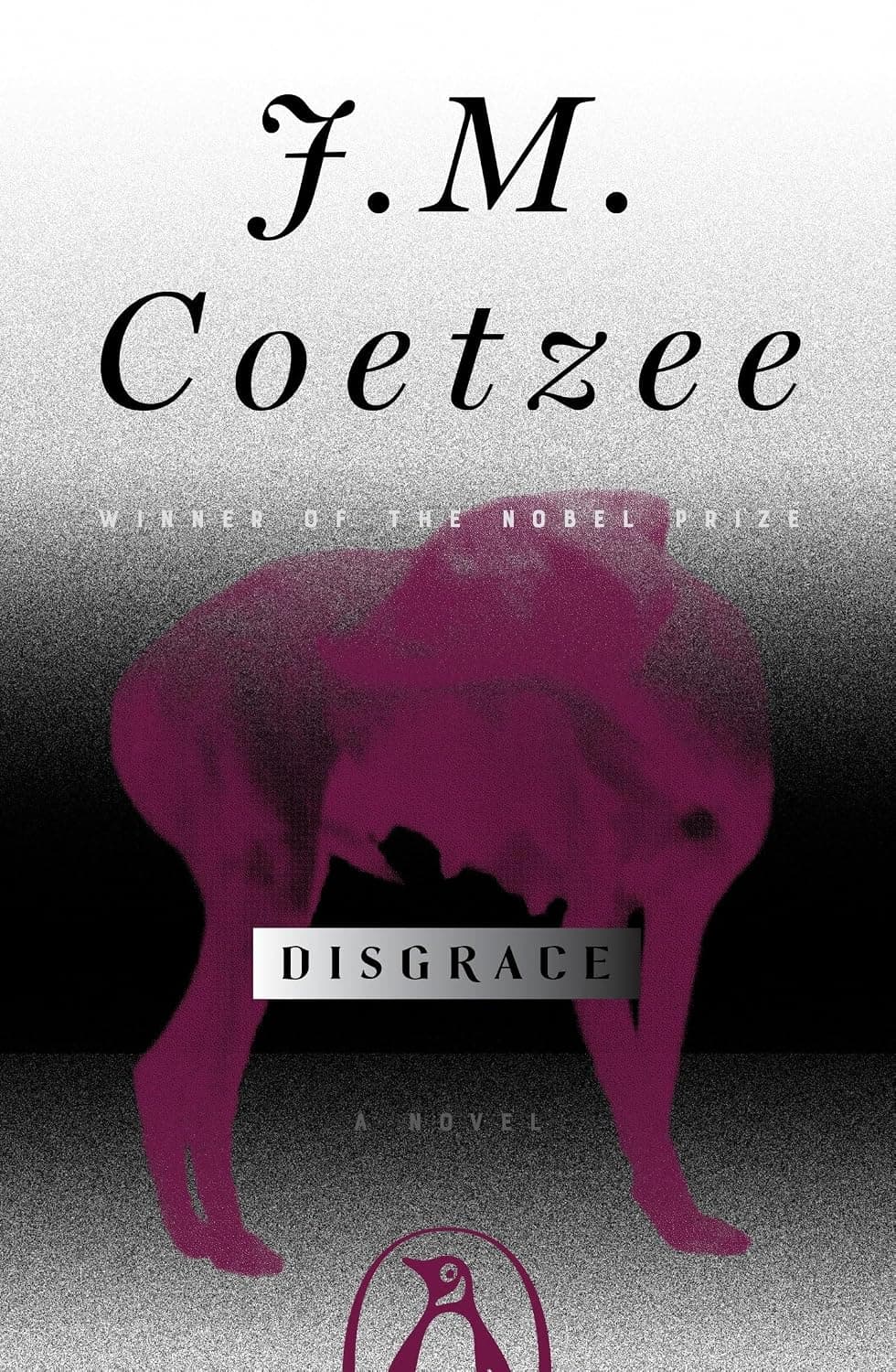
David Lurie loses his professorship over an affair with a student and retreats to his daughter's farm in the new South Africa, where three men arrive. Coetzee offers no comfort and no absolution.

One Cairo alley holds human history entire. Its founder withdraws into a great house, and each generation raises a redeemer, Adam then Moses then Jesus then Muhammad, defeated by the same protection racket.

A Zulu parson goes to Johannesburg to find his son and learns the boy killed a white man who fought for black South Africans. Paton's fifteen million readers made apartheid a world scandal.

Egypt's instructions for the dead, copied onto papyrus and buried with the body. Your heart is weighed against the feather of truth, and one spell begs it not to testify against you.
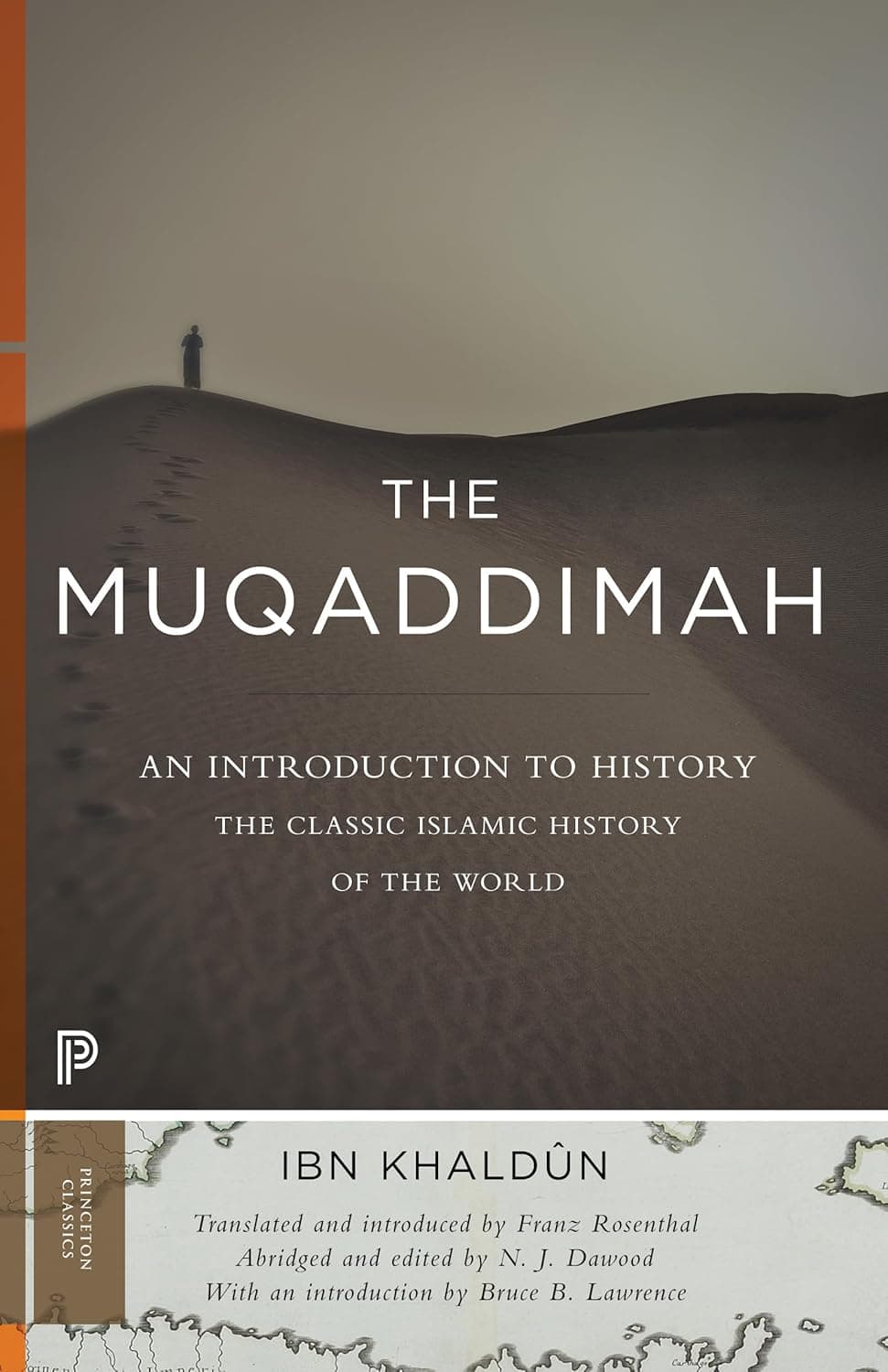
Ibn Khaldun found history's engine in group solidarity, which carries a tribe from desert to throne, then dissolves in city luxury within three generations. Europe produced nothing comparable for centuries.
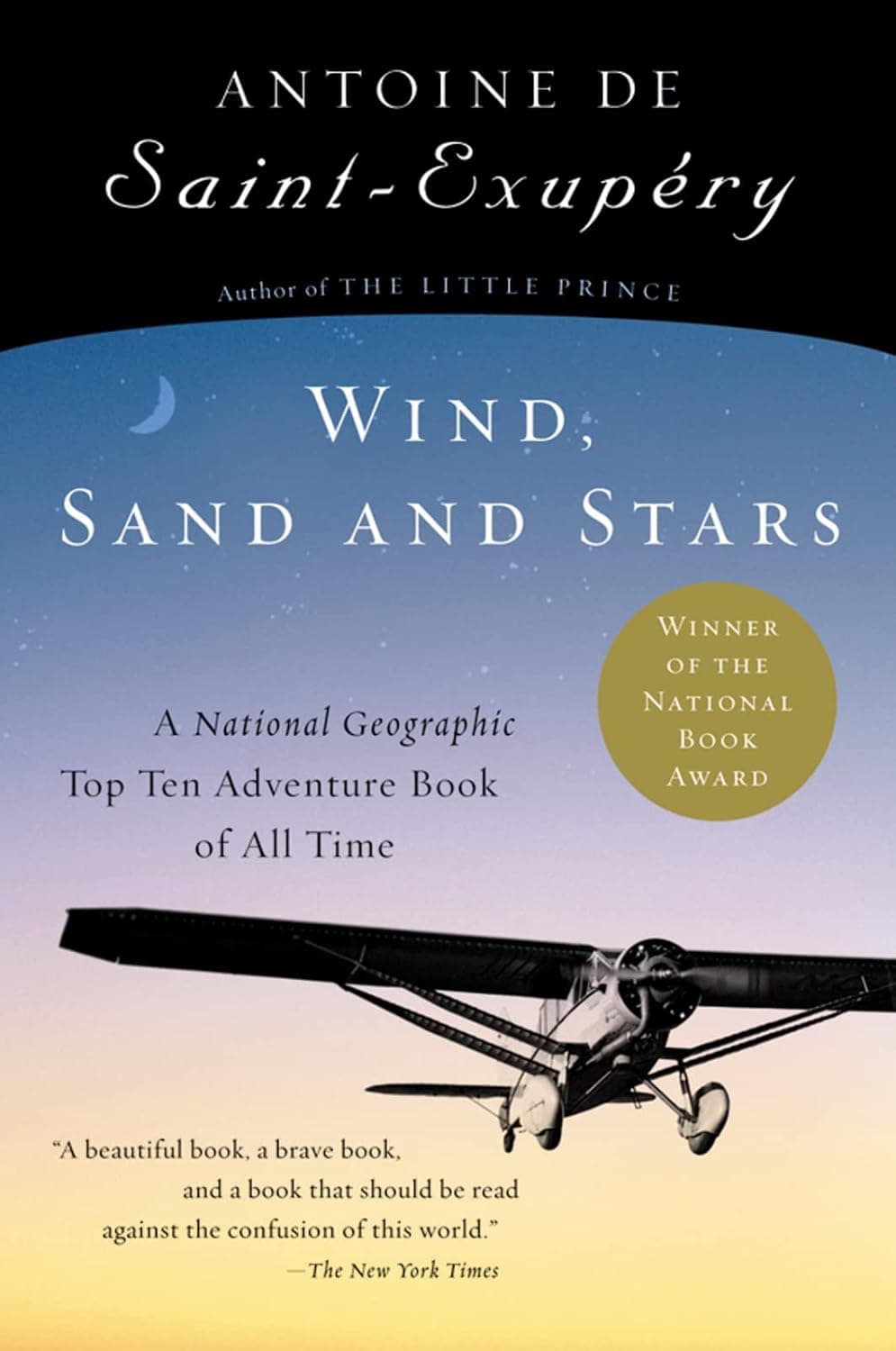
Flying mail over the Sahara and Patagonia, Saint-Exupery writes about what the work did to the men who flew it. The pilot Guillaumet crashed in the Andes and walked out through the snow.
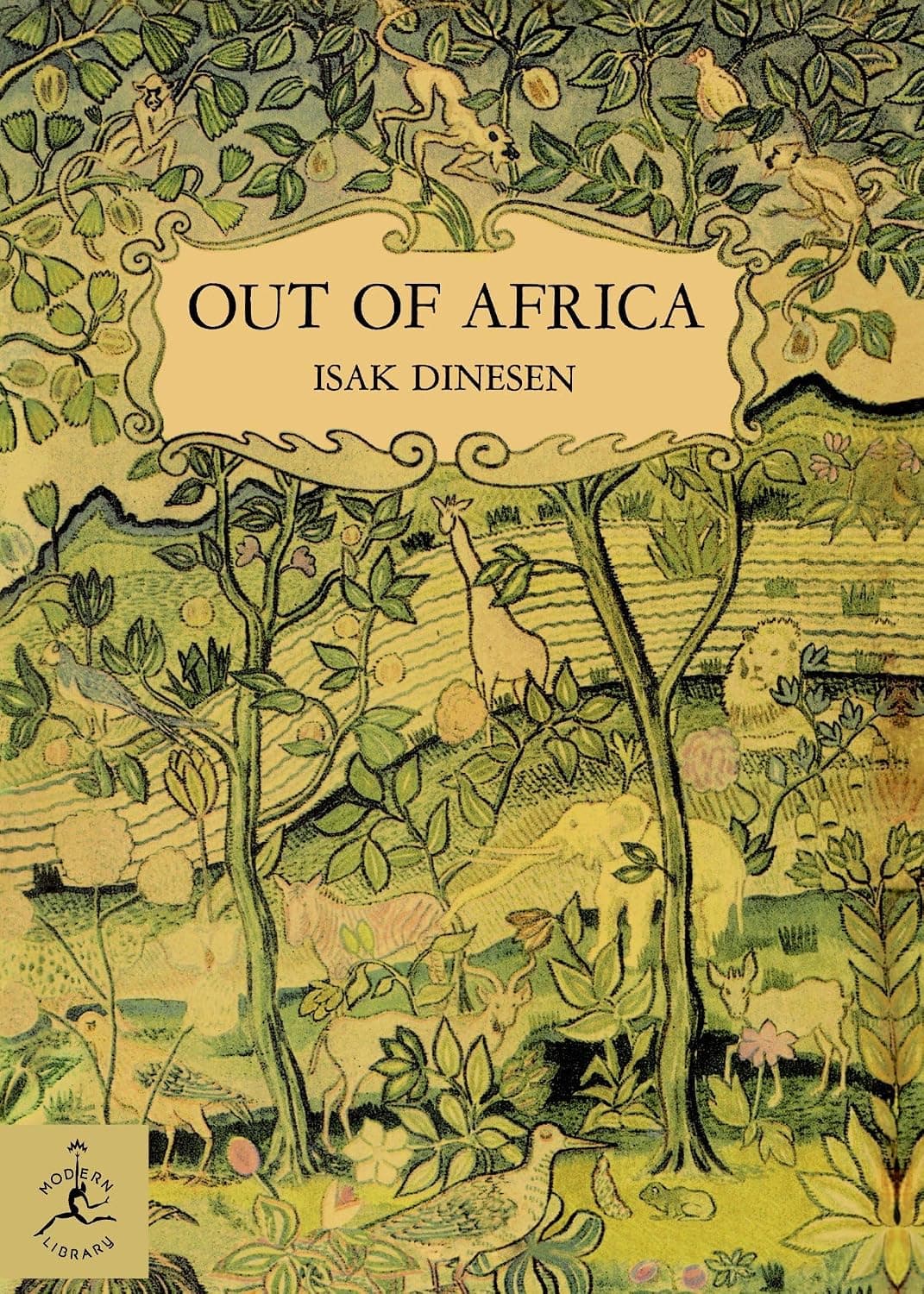
"I had a farm in Africa," Dinesen begins. Seventeen years below the Ngong Hills end in ruined coffee and a forced sale, and she tells it in prose that never asks for sympathy.

Mustafa Sa'eed sailed north to London and left ruined Englishwomen behind him, an African answer to Conrad's Heart of Darkness. Arab writers voted it the century's most important novel in Arabic.

The first novel any Black Zimbabwean woman published in English opens with a girl not sorry her brother died: his death frees her for the mission school, where education costs her cousin everything.
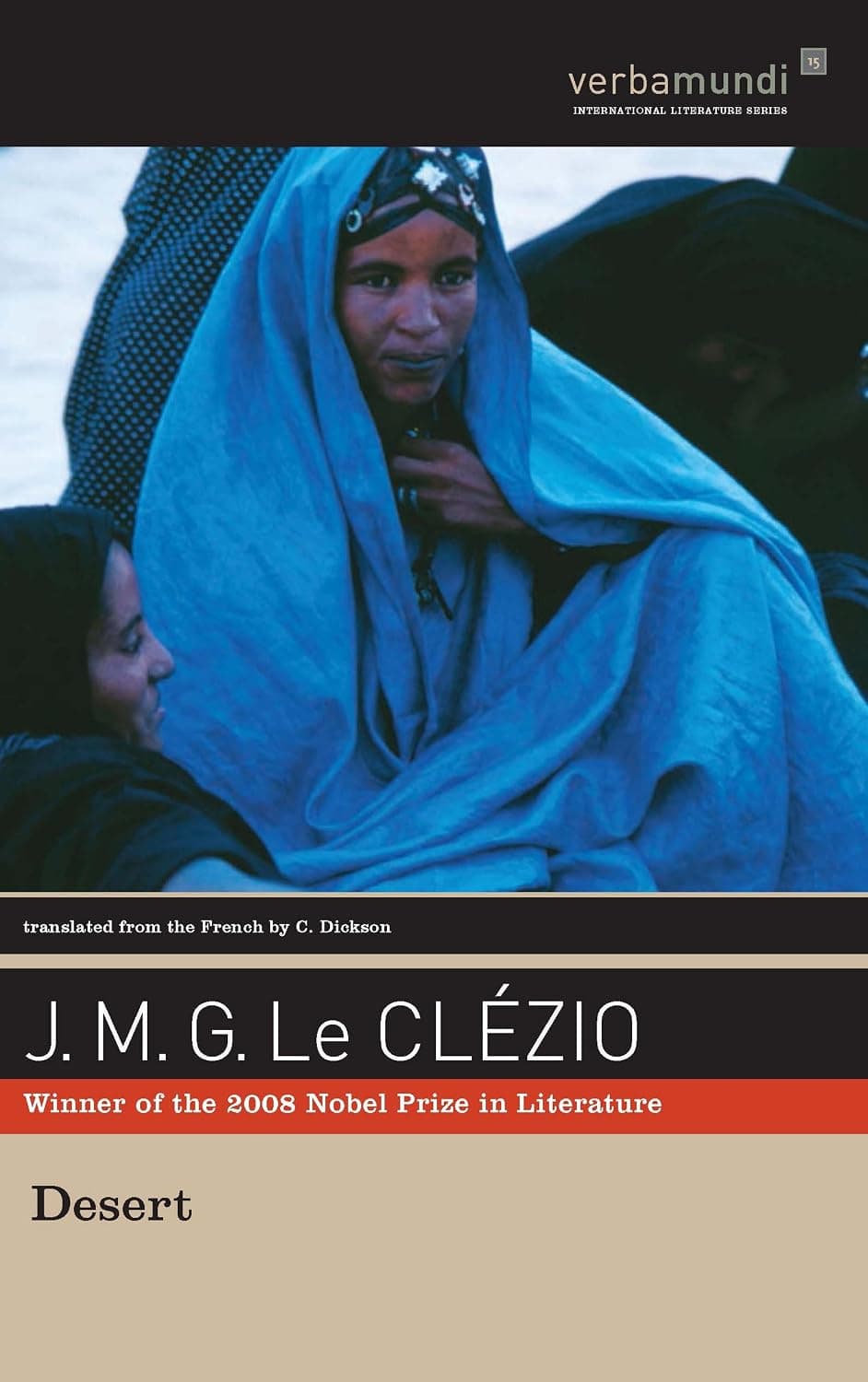
Two journeys decades apart: a boy walking north with the blue-veiled nomads driven from the Sahara by French troops, and a girl of their blood who leaves a Moroccan shantytown for Marseille.

Widowed after thirty years, a Senegalese teacher writes to her closest friend about the husband who took her daughter's teenage friend as a second wife. It won the first Noma Award.

In an Egyptian prison a woman awaiting execution tells a psychiatrist her life: genital mutilation, forced marriage, prostitution, and the man she killed. El Saadawi drew it from a real condemned prisoner.

Nnu Ego's value is measured in sons, and she spends herself raising them in colonial Lagos while her husband launders clothes for an English family. Emecheta counts every cost the title conceals.

Twenty-seven years in apartheid South Africa's prisons, set down without self-pity by the man who opened negotiations with his jailers from inside and then governed the country that had caged him.

A Liverpool shipping clerk noticed ships leaving the Congo loaded with rubber and arriving with only guns and chains. Hochschild pulls that thread into Leopold's private slave state and its millions of dead.

Reader runs from the first hominids to apartheid, showing how Africa's exhausted soils and its diseases kept a vast continent thinly peopled, then how the slave trade turned people into its chief export.
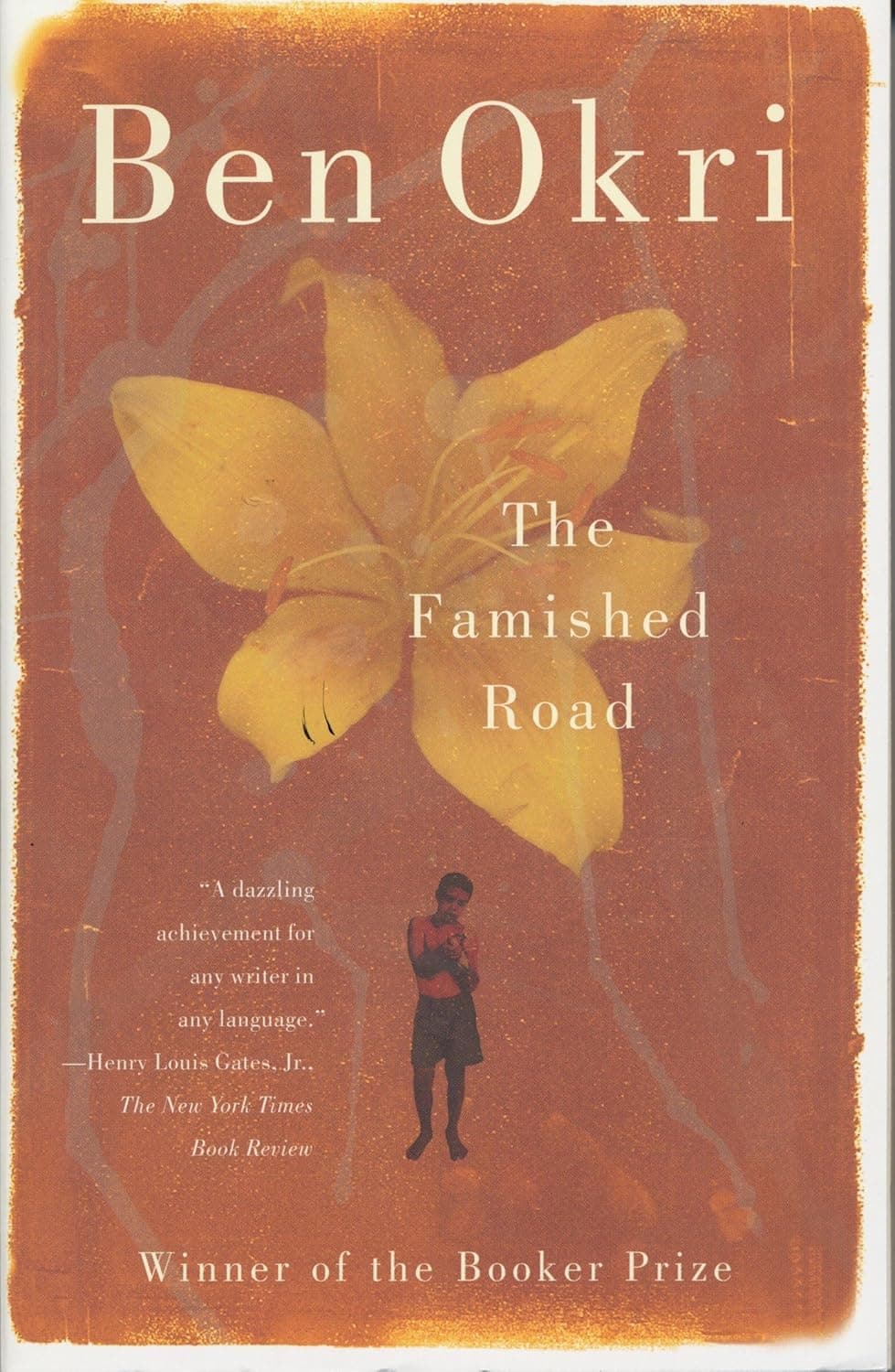
Azaro is an abiku, a spirit child who keeps refusing to die, and Okri sets him loose in a Nigerian slum where ghosts crowd the bar and political thugs hand out poisoned milk.

Raised barefoot in Kenya, Markham hunted with Nandi boys, trained racehorses, and scouted elephants from the air before flying the Atlantic alone. Hemingway said she made him ashamed as a writer.

Makhaya crosses out of apartheid South Africa into a Botswana village and joins a cooperative, working against drought and a chief who needs the poor to stay poor. Head was a refugee herself.

The book that made 9/11 comprehensible. Wright traces al-Qaeda to an Egyptian educator radicalized in small-town Colorado, closing on the FBI's bin Laden hunter, dead in the towers he was guarding.

Biafra secedes from Nigeria in 1967, and Adichie follows a houseboy, a radical professor, and twin sisters from talk of independence into blockade, famine, and flight. Her grandfathers both died in it.

Allan Quatermain, an aging elephant hunter, follows an old map into unmapped Africa and finds a lost kingdom ruled by a tyrant. Hidden-city adventure from Tarzan to Indiana Jones runs on Haggard's machinery.
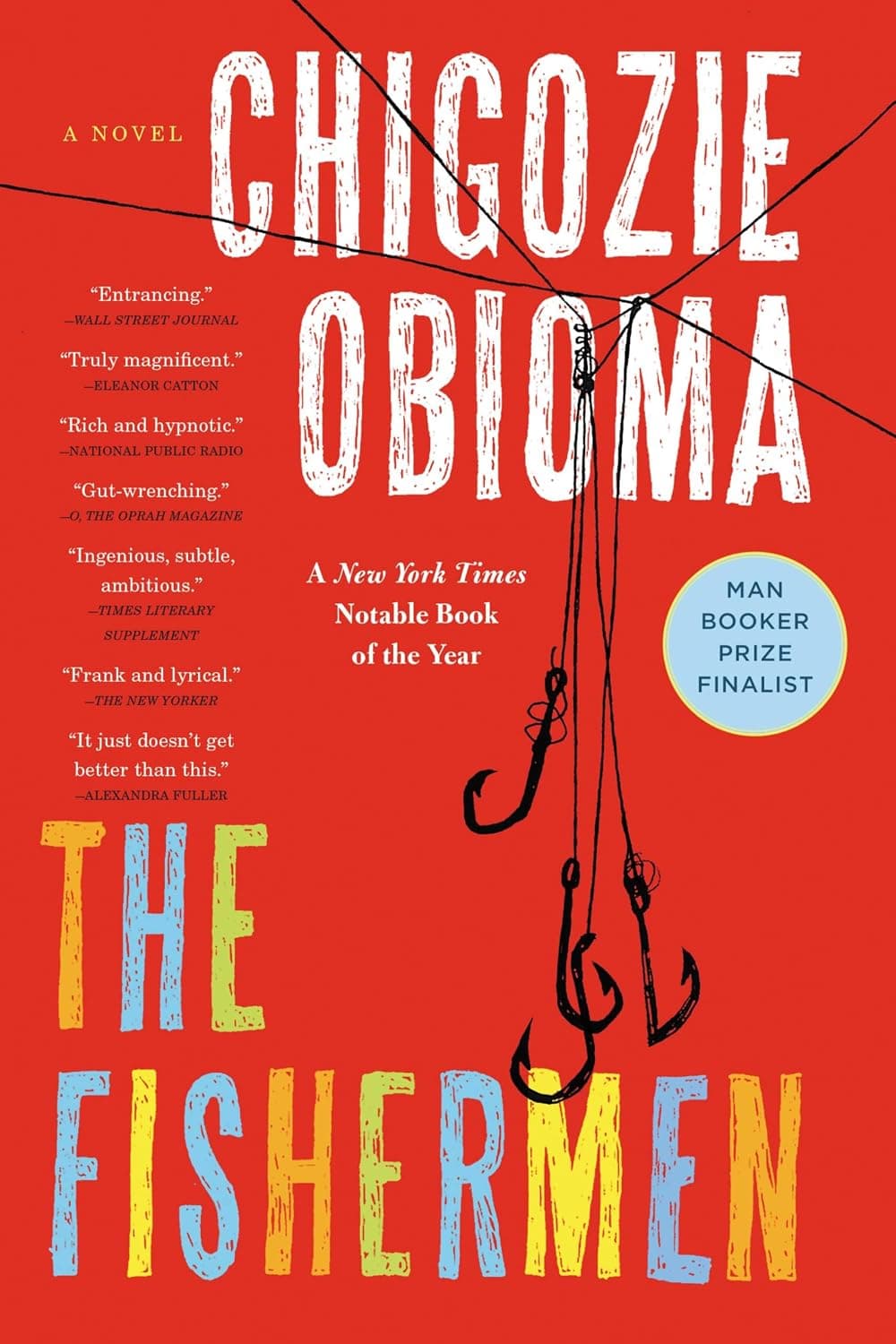
Four brothers fish a forbidden Nigerian river, and a madman tells the eldest he will die at a fisherman's hand. Obioma takes the family apart with the inevitability of Greek tragedy.

Nigeria's political and religious elite trade in body parts stolen from a hospital, a business one surgeon uncovers. Soyinka returned to the novel after nearly fifty years to write this unforgiving satire.

Morgan Leafy, a British diplomat in a fictional West African state, must bribe an incorruptible Scottish doctor, conceal a venereal infection, and remove the maid lightning killed before the Duchess arrives.