The Books canon

Sourced and shelved.

Every book chosen by hand and annotated for why it matters.
Browse all 1,178 books or filter by subject, era, place, and author.

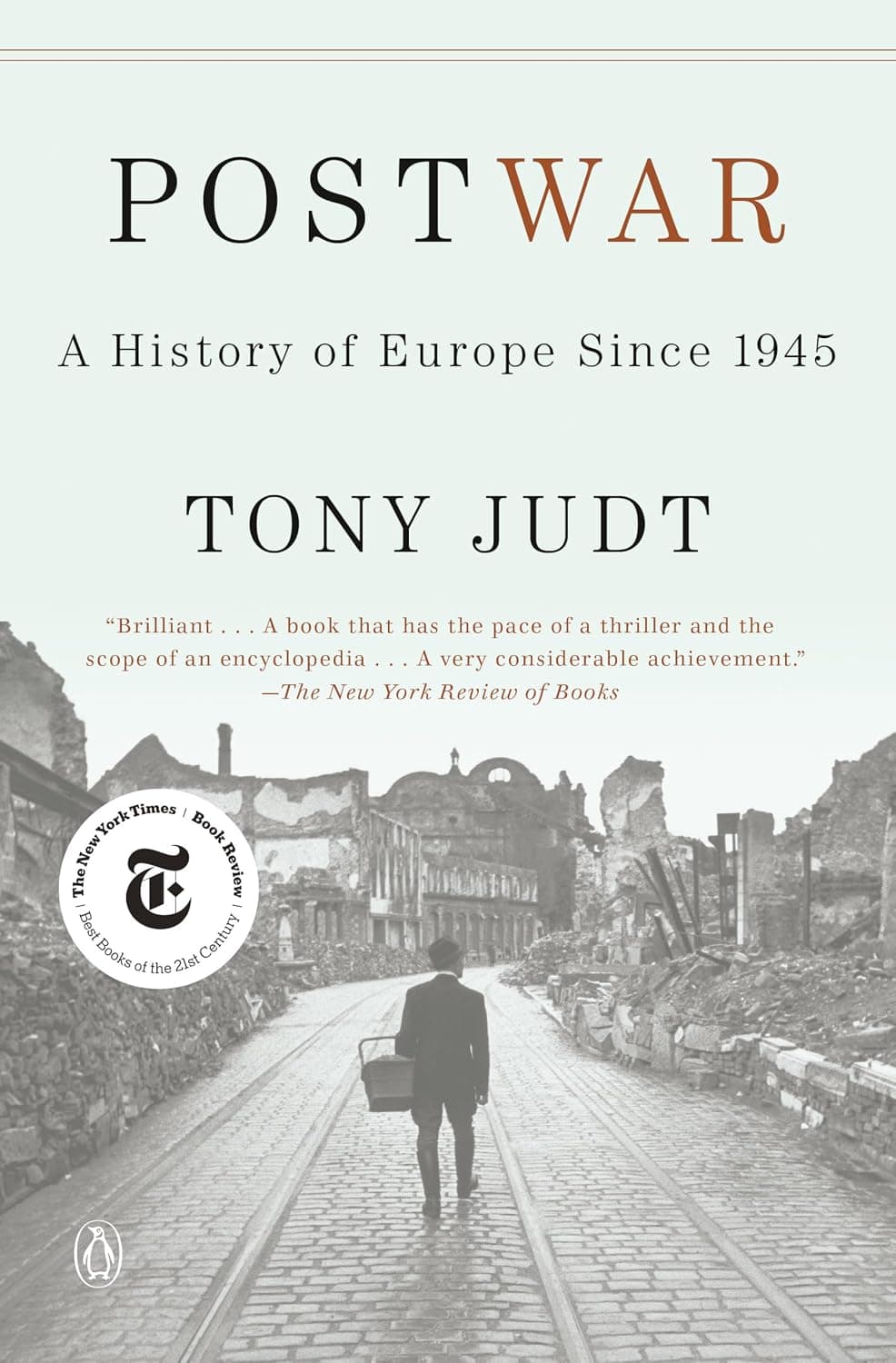
Postwar

2005 · 933 pages

Judt carries Europe from the rubble of 1945 to 2005, east and west in one story, showing a continent that rebuilt itself by forgetting the war and then defined itself by remembering it.

★ 7.6

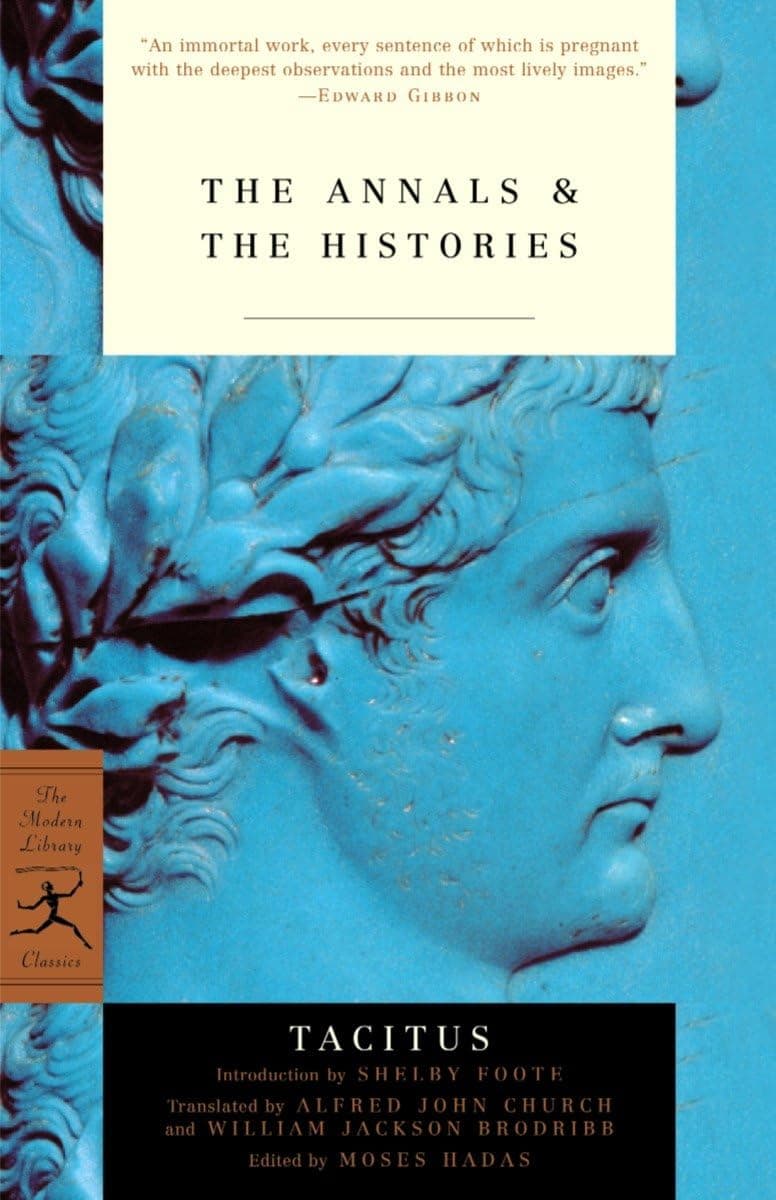
The Annals

117 · 596 pages

Tacitus promises to write without anger or partiality, then follows Rome from Augustus through Tiberius, Claudius, and Nero, ruining each of them in half a sentence. Power has never had a colder witness.

★ 7.6

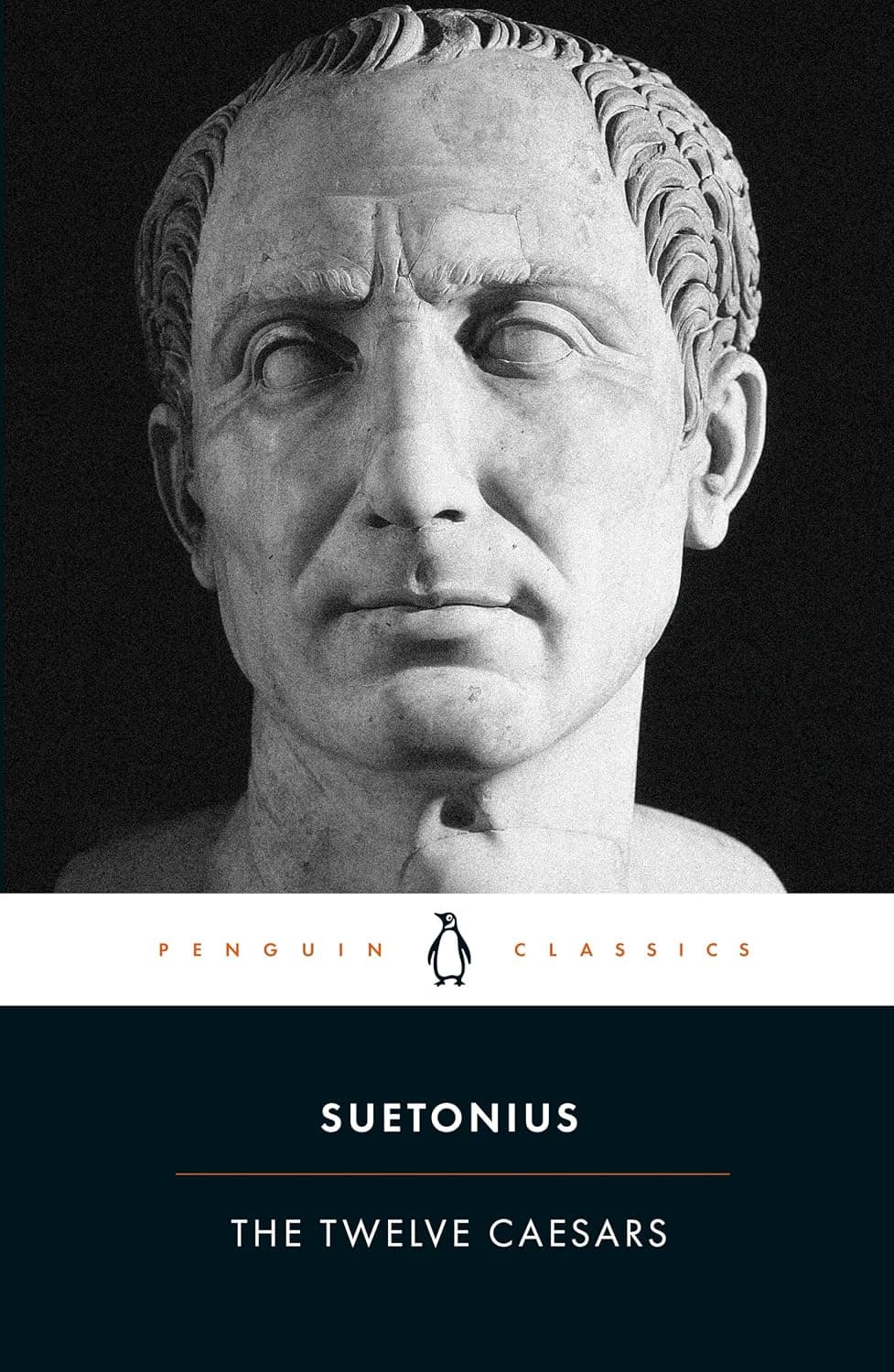
The Twelve Caesars

121 · 464 pages

Secretary to the emperor Hadrian, Suetonius wrote the lives of Julius Caesar and eleven emperors after him, omens, gossip, last words and all. Our picture of Nero comes straight from these pages.

★ 7.2

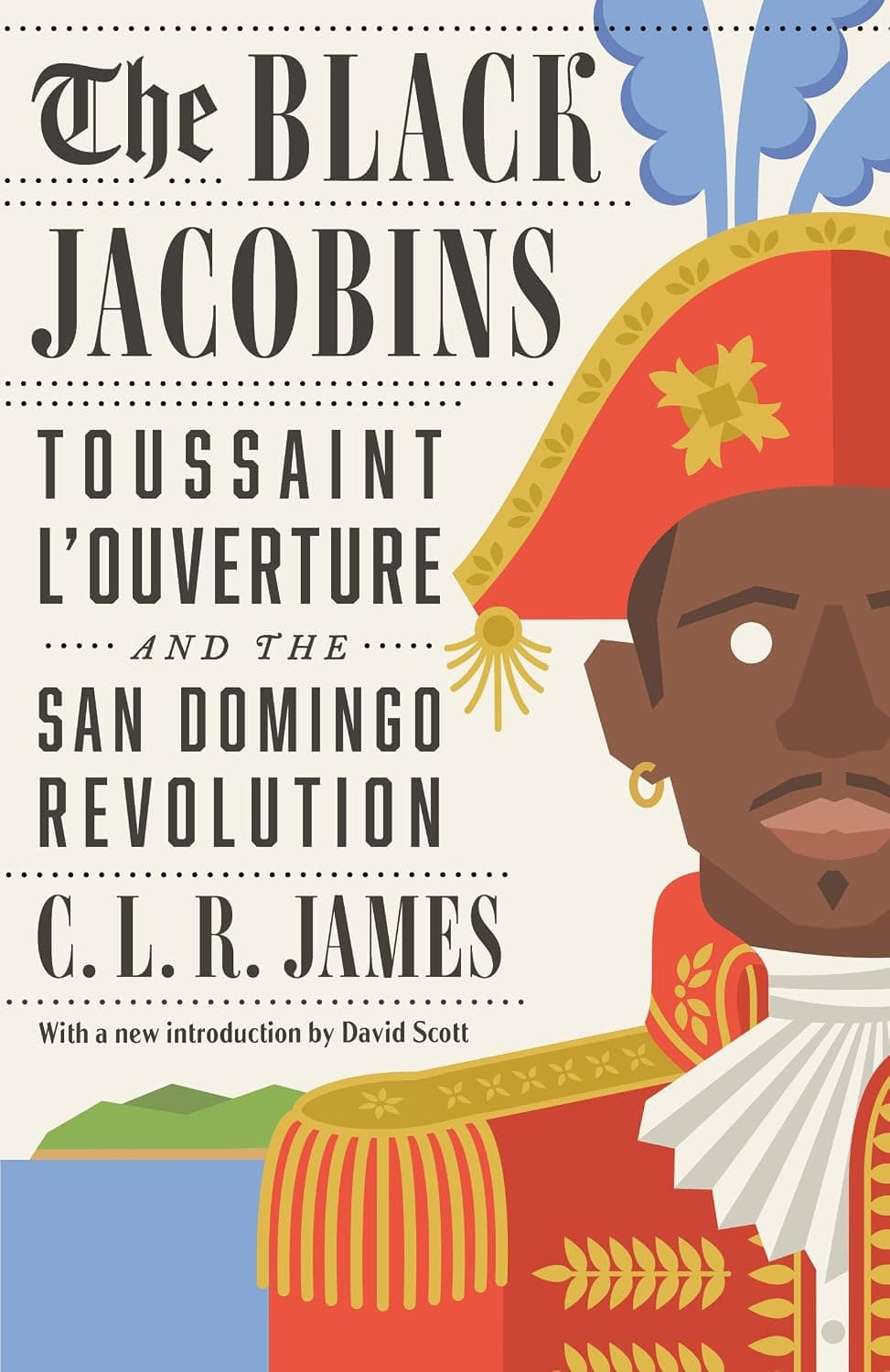
The Black Jacobins

1938 · 448 pages

Enslaved people in the French colony that became Haiti rose in 1791 and defeated Napoleon's army. James wrote their revolution as world history, with Toussaint Louverture, born a slave, at its center.

★ 7.0

Parting the Waters

America in the King Years, 1954-63
1988 · 1088 pages

Branch follows Martin Luther King from the Montgomery bus boycott to Birmingham, moving between black church basements, the Kennedy White House, and the FBI, and ten years become full American history.

★ 6.9

American Slavery, American Freedom

The Ordeal of Colonial Virginia
1975 · 480 pages

Virginia's planters learned from the uprising of 1676 that poor whites and enslaved Africans might combine against them, and answered by writing racial contempt into law. Morgan makes freedom and slavery one story.

★ 6.8

Embracing Defeat

Japan in the Wake of World War II
1999 · 680 pages

Defeated Japan is starving and occupied. Dower tells the years after 1945 from street level, through black markets, pulp magazines, and letters to MacArthur. The Japanese emerge remaking themselves rather than remade.

★ 6.7

The Secret History

550 · 176 pages

Justinian's official historian kept a second book he could not publish: the emperor a demon pacing the palace at night without a head, the empress insatiable. Nothing from antiquity carries this much hatred.

★ 6.7

The Age of Revolution

1789-1848
1962 · 368 pages

Two revolutions, one political in France and one industrial in Britain, fused into a single upheaval that remade work, politics, art, and belief. Historians still carve up the nineteenth century along Hobsbawm's lines.

★ 6.6

The Age of Extremes

1914-1991
1994 · 672 pages

The twentieth century runs from 1914 to 1991 in Hobsbawm's account, moving through catastrophe, a golden age of postwar boom, then landslide. No later history of the century has displaced it.

★ 6.5

Citizens

A Chronicle of the French Revolution
1989 · 948 pages

Violence was not the French Revolution's tragic accident but its engine, Schama argues, and the Terror merely 1789 with a higher body count. The book drew furious rebuttals from historians on the left.

★ 6.4

The Great Game

1990 · 565 pages

Britain and Russia crept toward each other across Central Asia until two thousand miles between them became twenty. Hopkirk tells it through the officers who rode alone into Bukhara, Khiva, and Kabul.

★ 6.4

Diplomacy

1994 · 912 pages

The fullest modern defense of power politics, written by a secretary of state who practiced it. Kissinger runs from Richelieu to the Cold War, insisting that order rests on balance, not moral aspiration.

★ 6.4

India After Gandhi

2007 · 960 pages

Guha carries India from independence in 1947 to the present and asks why it never broke apart, given partition, famine and insurgency. He calls it an unnatural nation and an unlikely democracy.

★ 6.4

Imagined Communities

Reflections on the Origin and Spread of Nationalism
1983 · 256 pages

Nations are imagined communities, Anderson argues, assembled by print: strangers reading the same newspapers and novels came to feel like one people. He gave the study of nationalism its vocabulary.

★ 6.3

W. E. B. Du Bois

Biography of a Race, 1868-1919
1993 · 715 pages

Du Bois took the first Harvard doctorate given a Black American, wrote The Souls of Black Folk, and helped found the NAACP. Lewis won Pulitzers for this volume and for its sequel.

★ 6.0

Fire in the Lake

1972 · 500 pages

Americans in Vietnam were fighting a country they never tried to understand, FitzGerald argues, explaining Confucian village order and the mandate of heaven to readers whose sons were still being sent there.

★ 5.9

Against the Grain

A Deep History of the Earliest States
2017 · 336 pages

Grain built the first states, Scott argues, because it ripens on a schedule and can be counted while root crops hide underground. Early walls kept subjects in, and collapse came as relief.

★ 5.5

The Looming Tower

Al Qaeda and the Road to 9/11
2006 · 541 pages

The book that made 9/11 comprehensible. Wright traces al-Qaeda to an Egyptian educator radicalized in small-town Colorado, closing on the FBI's bin Laden hunter, dead in the towers he was guarding.

★ 5.4