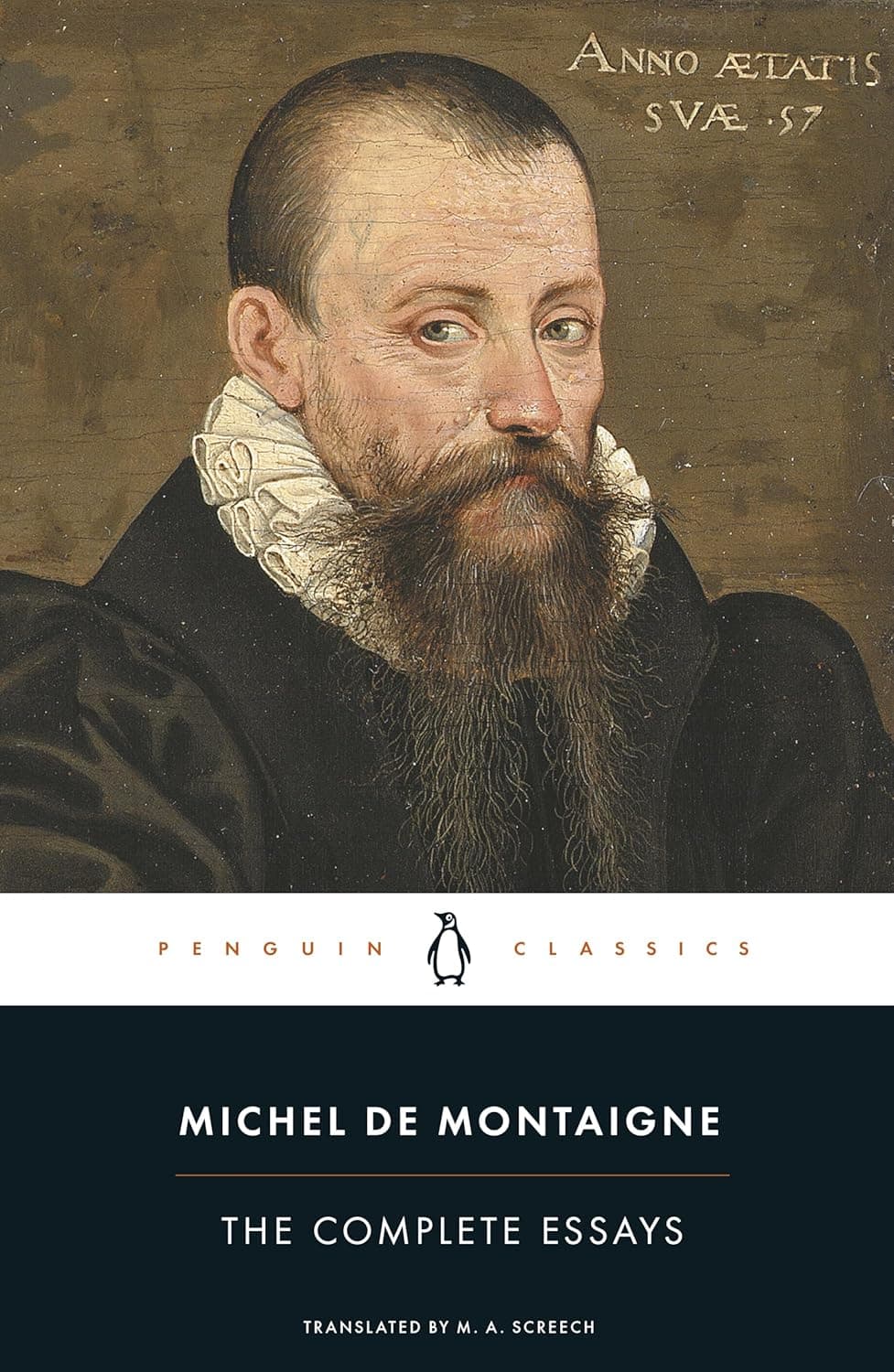
Essays
1580 · 1283 pages
Montaigne wrote short pieces on friendship, fear, sleep, and his kidney stones, and invented the essay doing it. As company on the page he remains unmatched in four centuries.
★ 9.3
 skopia
Montaigne wrote short pieces on friendship, fear, sleep, and his kidney stones, and invented the essay doing it. As company on the page he remains unmatched in four centuries.
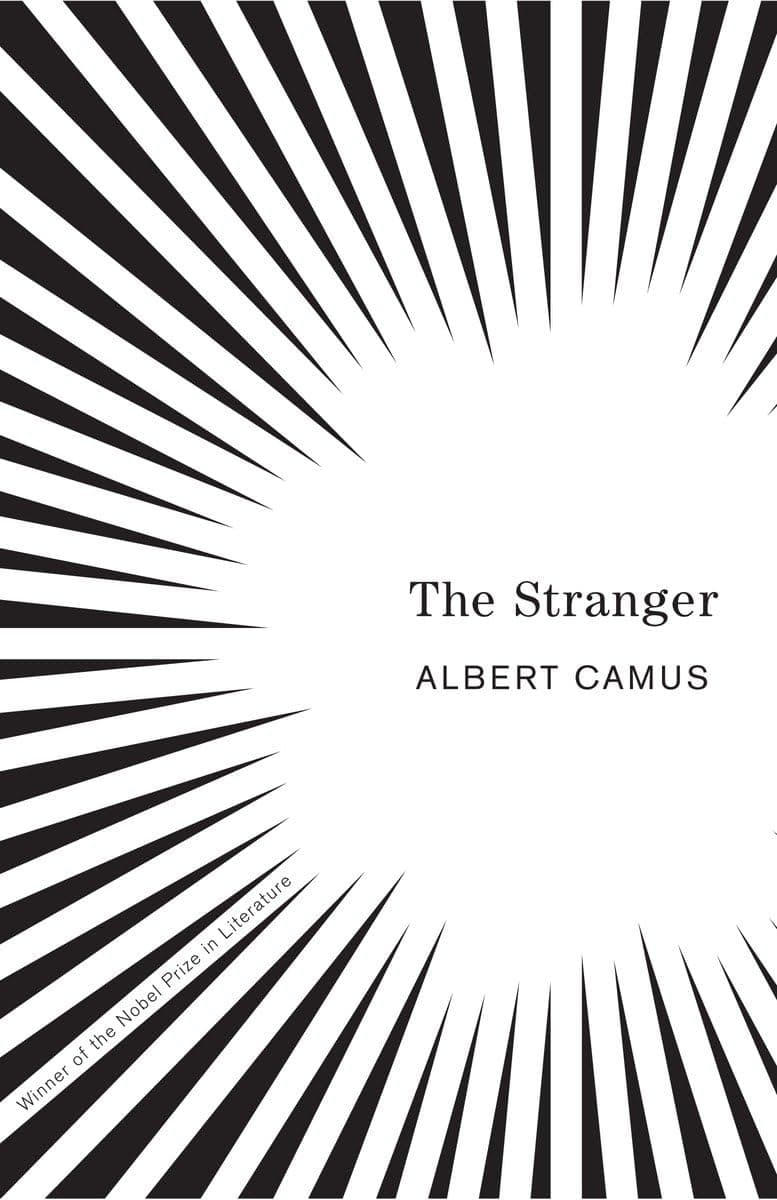
Meursault buries his mother without crying, takes a lover, and shoots a man on a hot Algiers beach. At his trial the tears he never shed matter more than the killing.
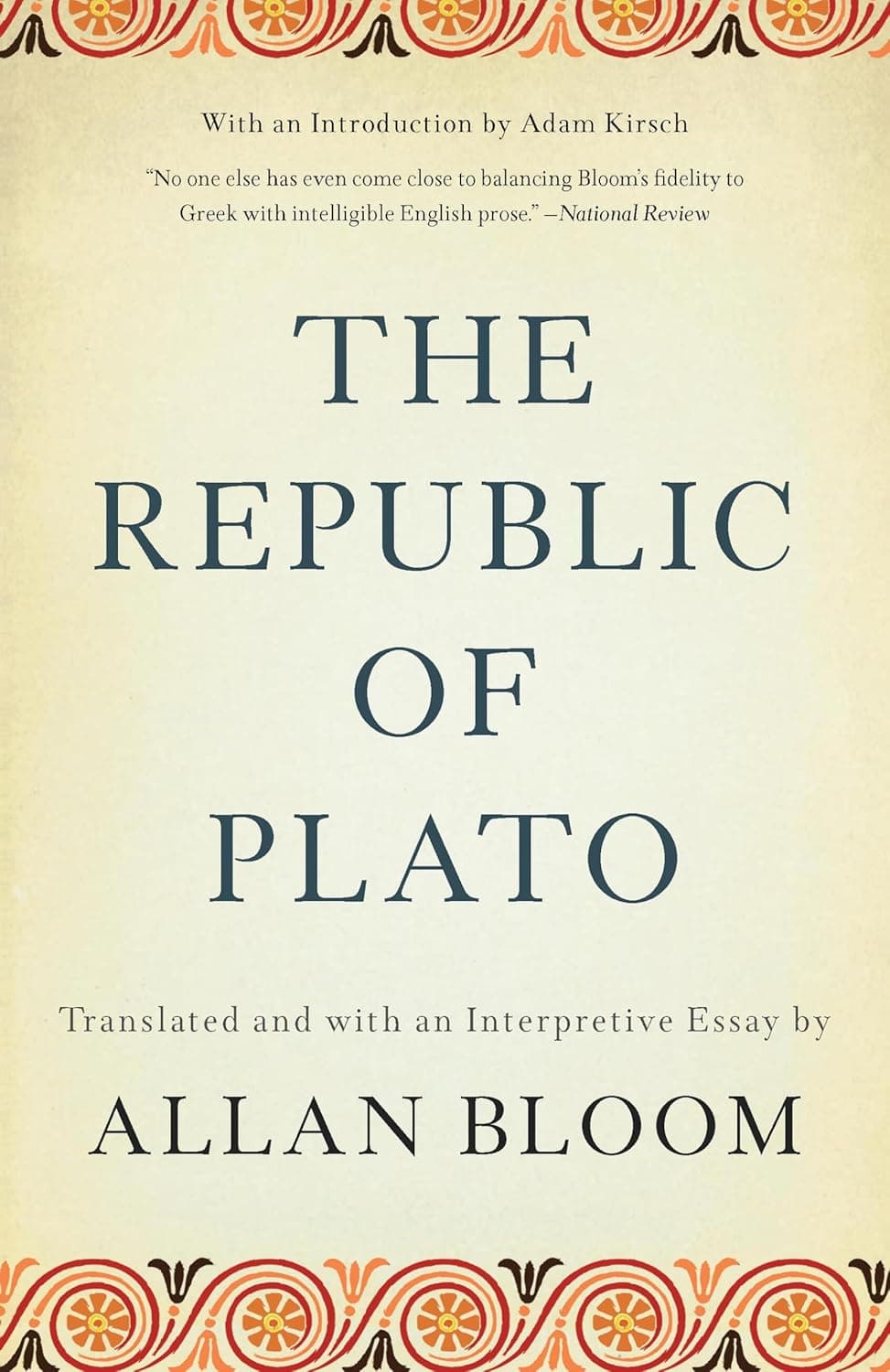
Asked why anyone should be just when nobody is watching, Socrates answers by building an entire city in conversation. The allegory of the cave has never stopped explaining people to themselves.
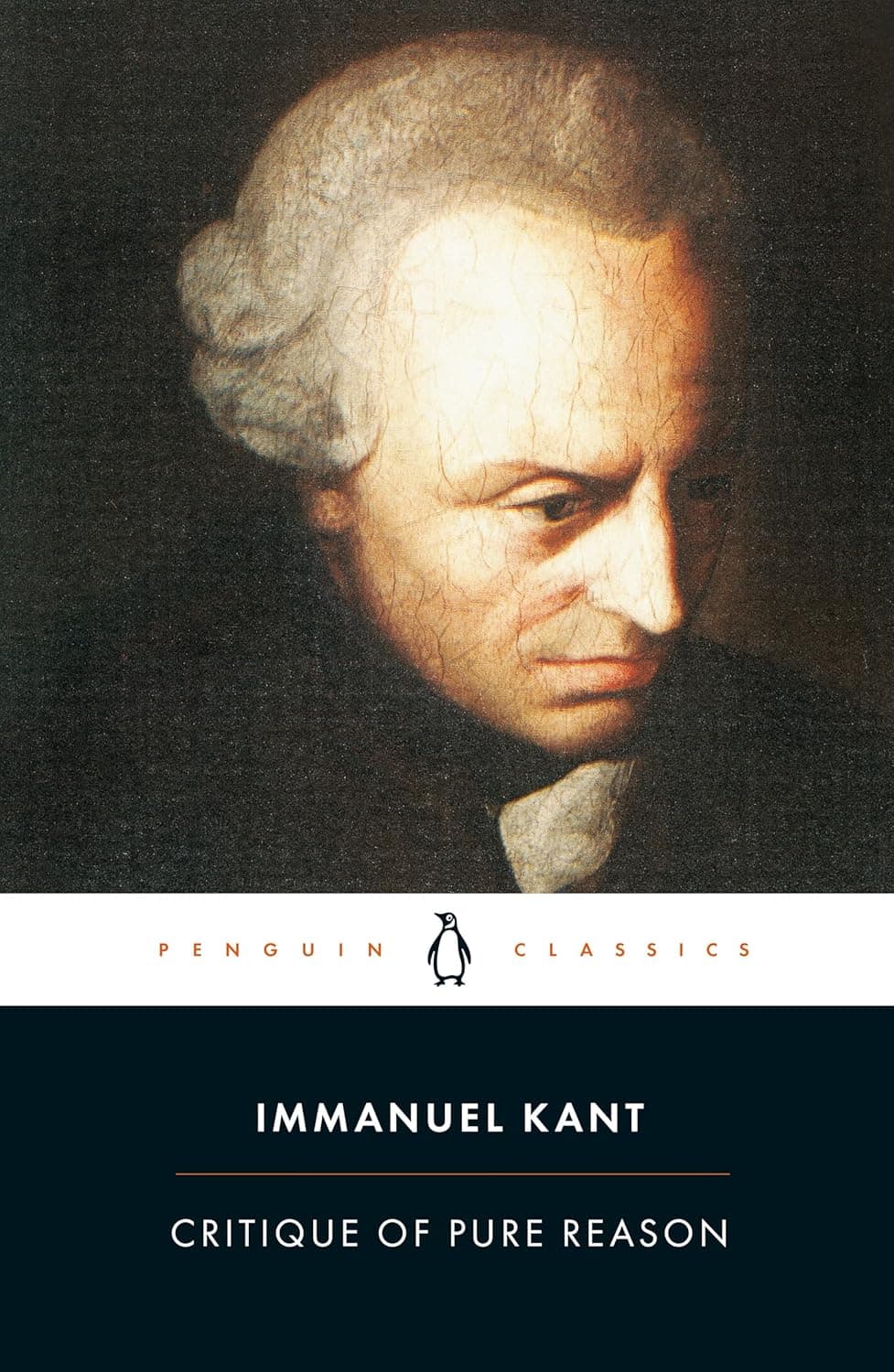
Western thought divides at this book. Kant argues that space, time, and cause belong to the mind doing the looking rather than to the world, and marks the boundary reason cannot cross.

One is not born a woman, Beauvoir argues, but becomes one. She works through biology, history, myth, marriage, and old age to prove it, and modern feminism begins in these pages.

Zarathustra comes down from his mountain to announce that God is dead and man is something to be overcome. Nietzsche wrote it as scripture rather than argument, and readers take it personally.
Philosophy forgot to ask what it means for anything to exist. Heidegger rebuilds the question around the ordinary human being, thrown into a world he did not choose and running out of time.

Science does not creep forward by adding facts, Kuhn argues. It works inside one framework until the anomalies pile up and the whole picture flips. Paradigm shift is his phrase and his idea.

Rawls asks which rules you would pick for a society without knowing your place in it. His answer, equal liberties and inequality only when it lifts the worst off, reset political philosophy.

Wealth is not gold in a vault but what a country produces, and specialization multiplies it. Smith begins with ten men making pins and every economic argument since descends from him.
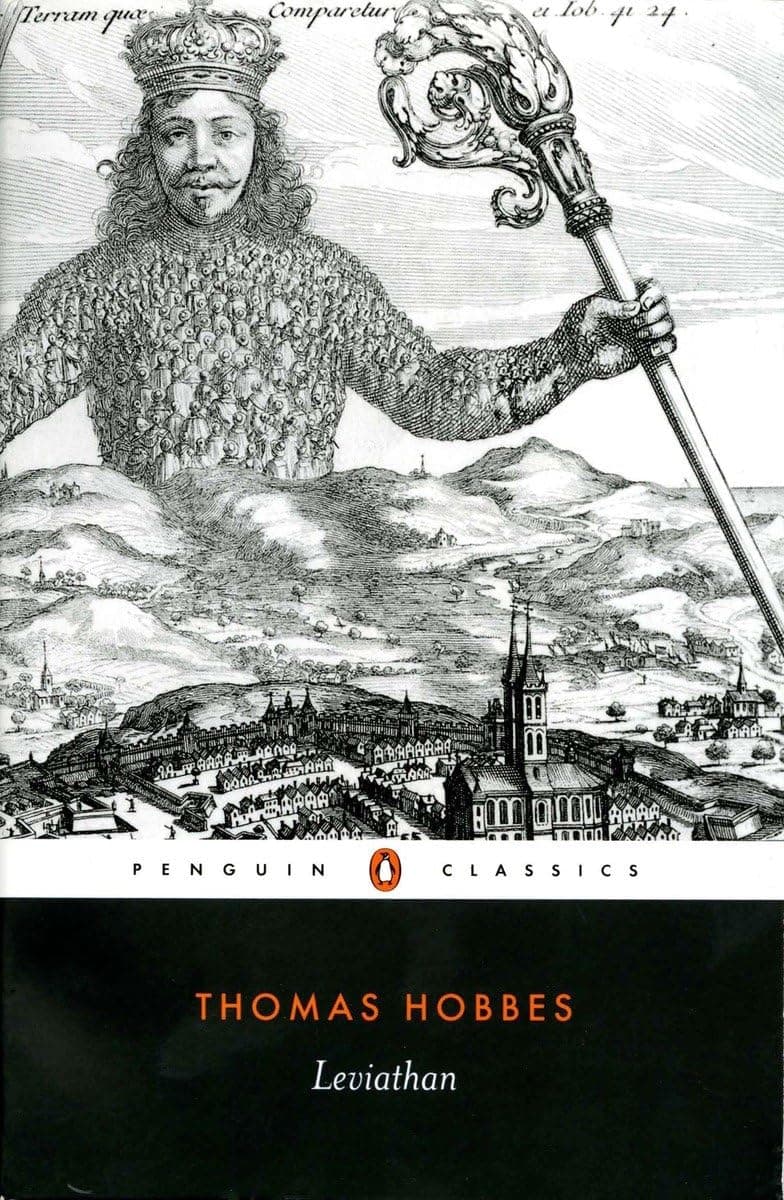
Strip away the state, Hobbes argues, and life becomes a war of everyone against everyone, nasty, brutish, and short. The remedy is to hand all our power to one sovereign.
Hegel tracks the mind from bare sensation to full self-knowledge, each stage collapsing under its own contradictions into the next. His fight between master and slave has been argued over ever since.
Mill sets the limit that still governs the argument: society may interfere with you only to prevent harm to others. Silence an opinion and you rob everyone, including the people who are right.
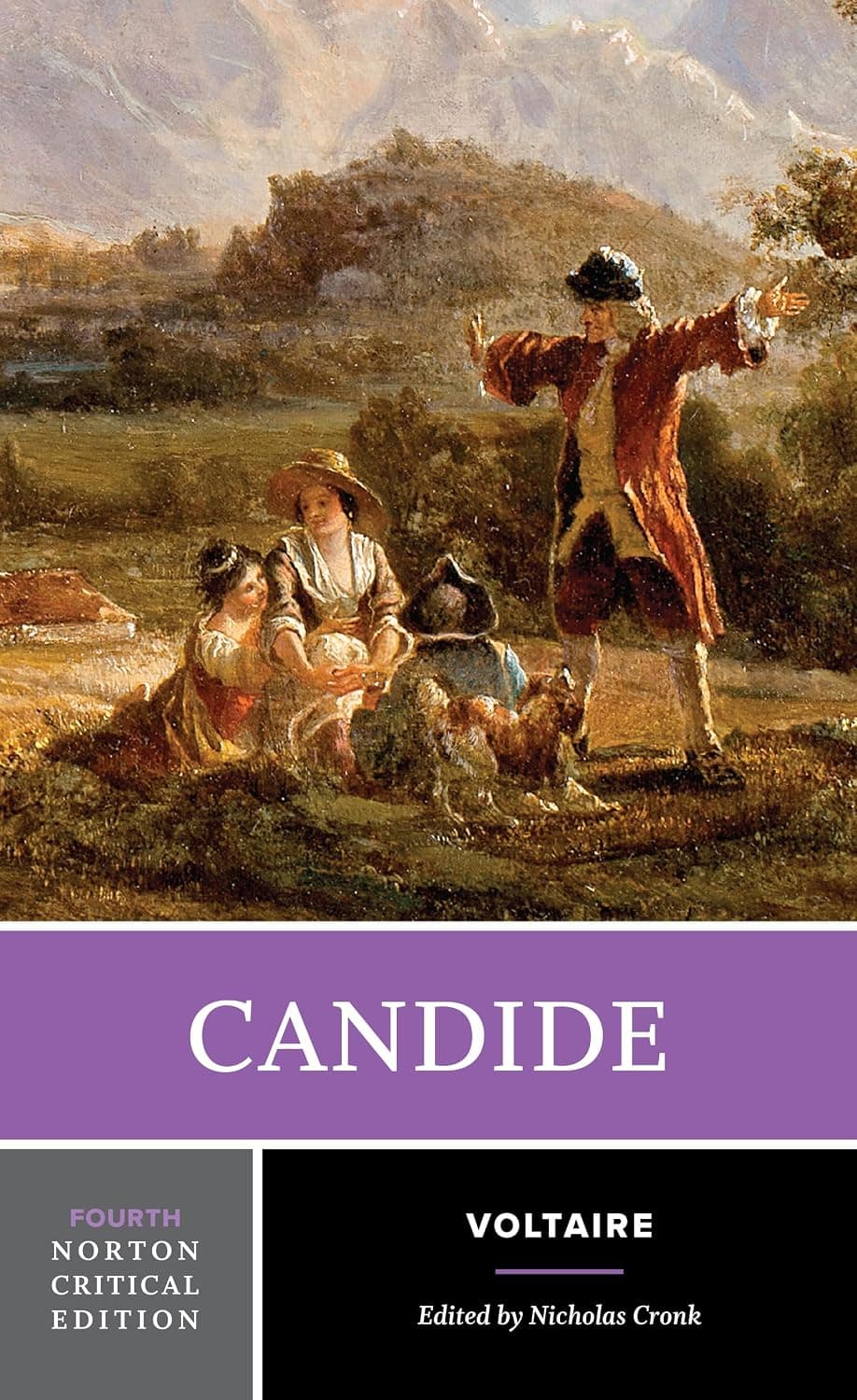
Voltaire sends an innocent young man taught that this is the best of all possible worlds through war, earthquake, and the Inquisition. The comedy is savage and the optimism does not survive.

Philosophers smuggle their own prejudices in as truth, Nietzsche says, and the morality they defend was invented by the weak. He writes in short bursts aimed straight at the reader.

Seven numbered propositions draw the limits of what can be said. Language pictures facts, Wittgenstein argues, so ethics and God fall outside it, and the final proposition tells you to stop talking.
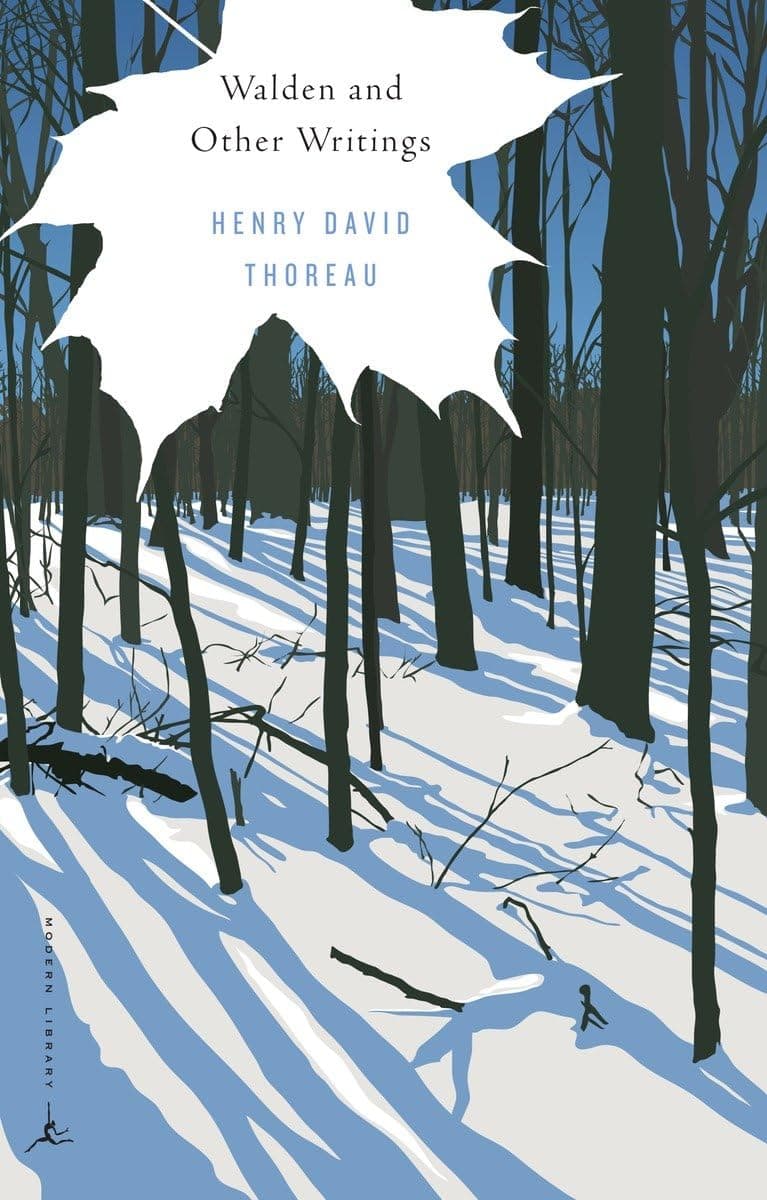
Two years in a cabin by a Massachusetts pond, and the permanent argument against a life spent earning. Thoreau writes about beans, loons, and why most people lead lives of quiet desperation.

Punishment stopped tearing bodies apart in public and became timetables and cells. Foucault explains why: constant watching disciplines better than pain, and the same technique now runs schools and factories.
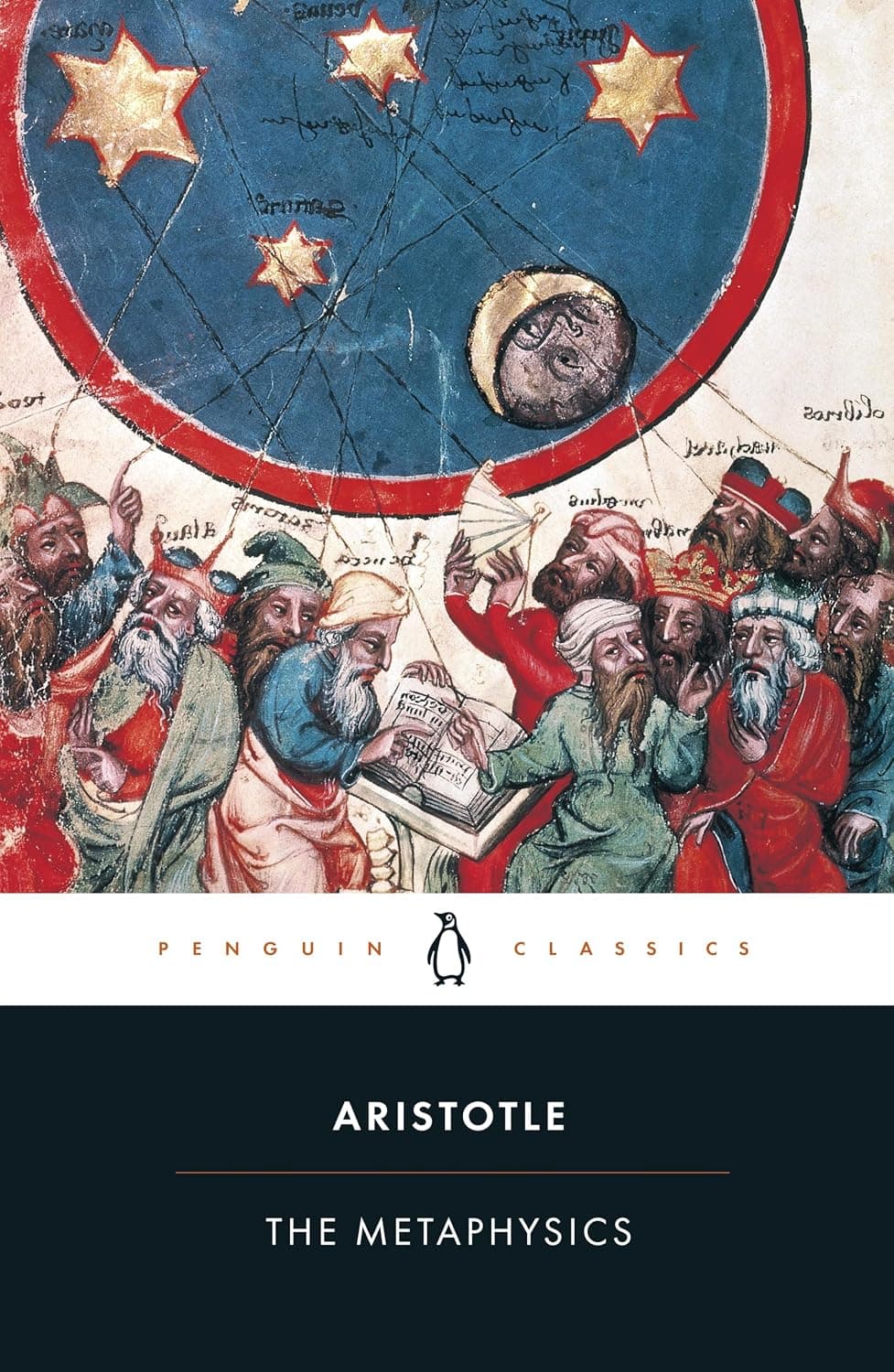
Aristotle asks what a thing most fundamentally is, and the answer runs through matter, form, and cause to a god who moves the whole world simply by being loved.

Everything is atoms falling through empty space, Lucretius argues in Latin verse, your soul included, and it dies when your body does. He wrote the poem to cure his readers of fearing death.
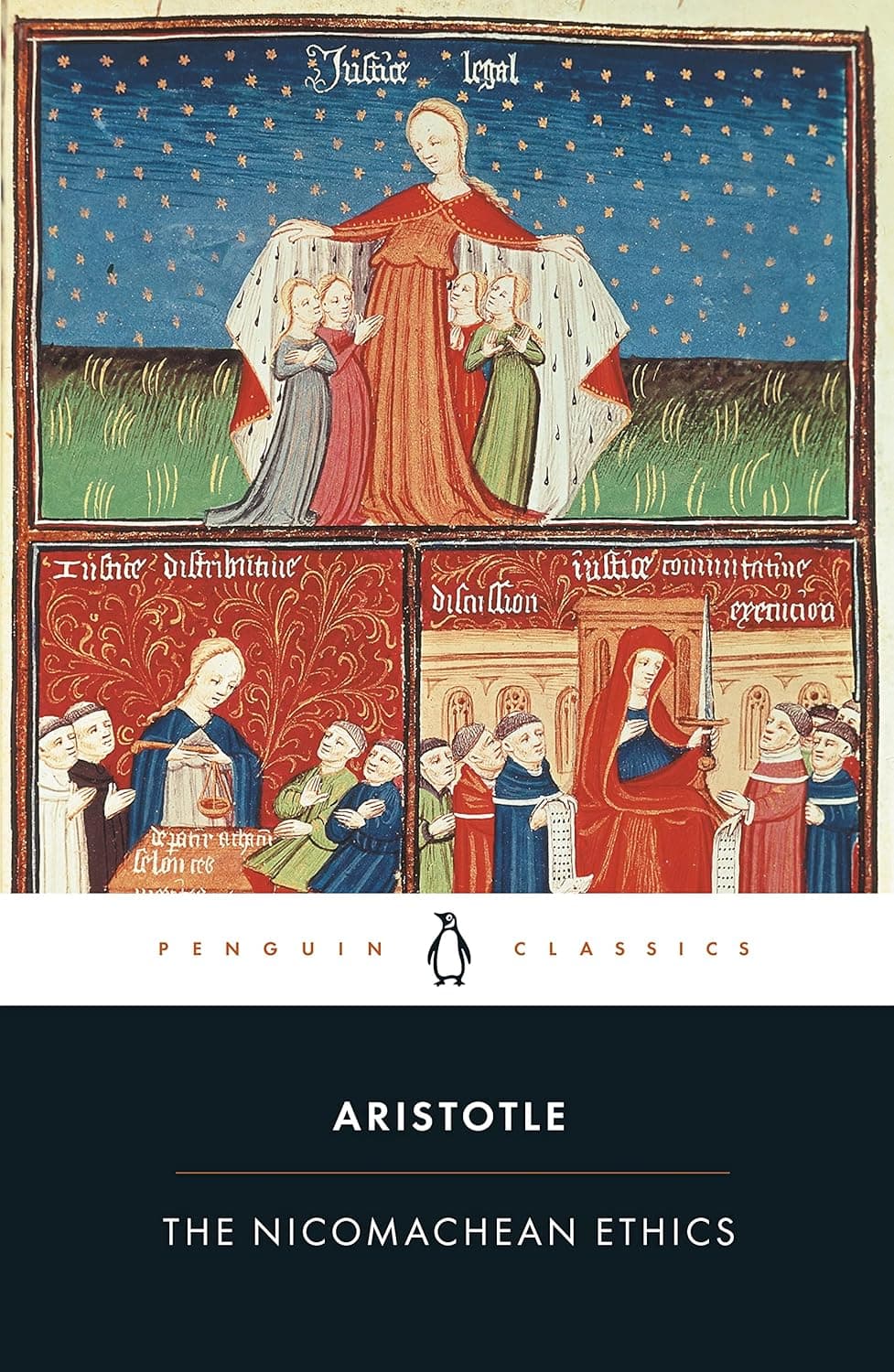
Everyone wants to be happy. Aristotle's answer is that happiness is not a feeling but a life of acting well, and that you become brave only by doing brave things.
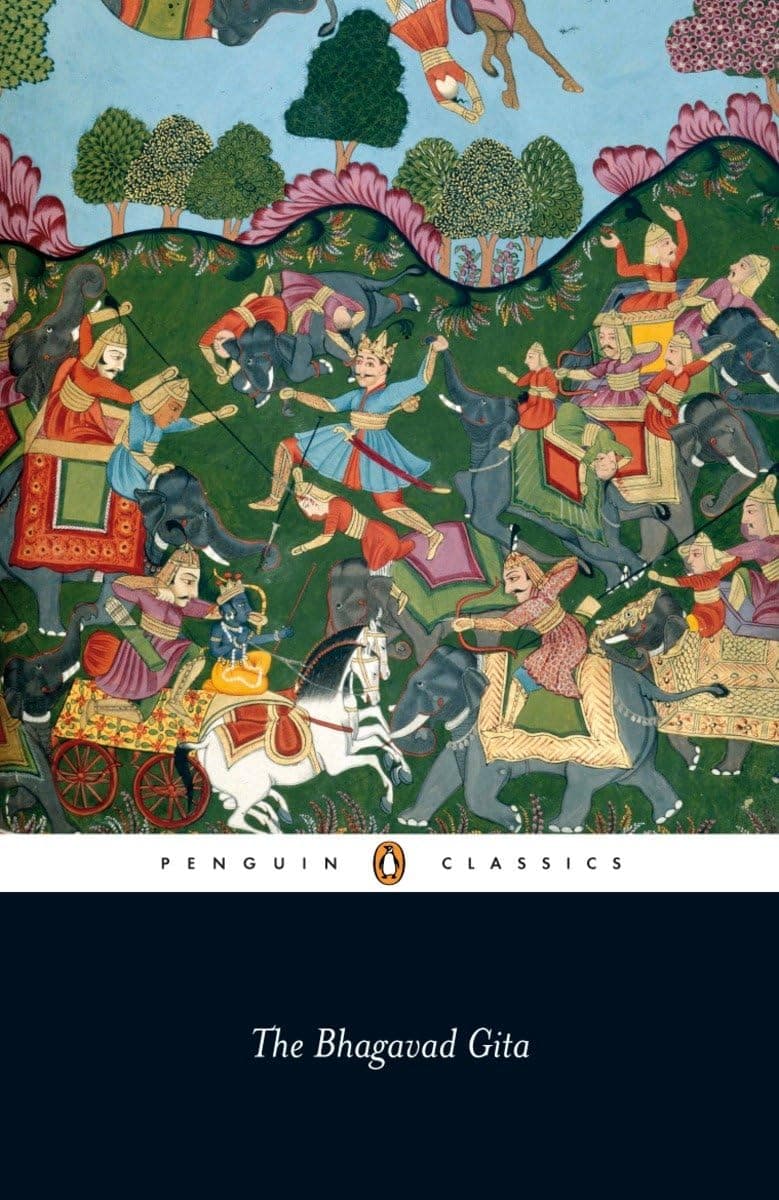
Facing his cousins across a battlefield, Arjuna drops his bow. Krishna tells him to act without grasping at results, then takes a form of countless mouths with the worlds burning inside.
Zhuang Zhou dreams he is a butterfly and wakes unsure which one is dreaming. The jokes, tall tales, and arguments with logicians that follow work to loosen your grip on your own categories.
Born a slave, Epictetus taught that nothing is yours except what you make of what happens. These are his classroom talks, and he is losing patience with you.
On campaign at the Danube, Marcus Aurelius, emperor of Rome, wrote notes reminding himself to expect rude people and to die well. He is talking himself into it, and you can hear that.

Beauty sits in no object, yet you expect everyone to agree with you. Kant grounds that strange demand, and shows why a raging ocean enlarges the person watching it rather than crushing him.

Charged with corrupting the young and denying the gods, Socrates defends himself, refuses the escape his friends arrange, argues that the soul survives, then drinks the poison. His calm is the hard part.
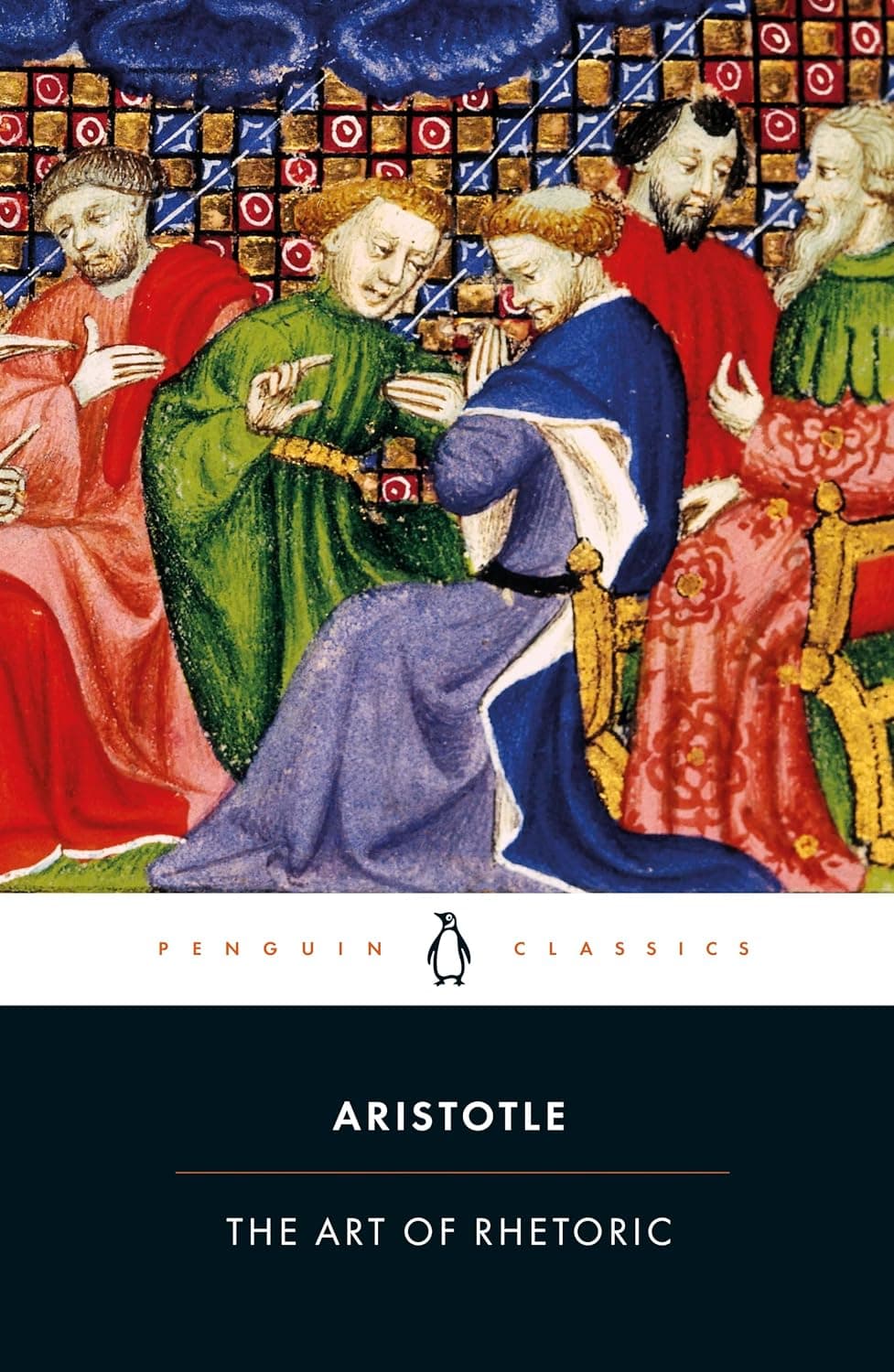
Persuasion runs on three things, Aristotle found: the speaker's character, the listener's emotions, and the argument. He shows how to make an audience angry or ashamed, and you notice the machinery everywhere afterward.

Descartes sits by a fire and doubts everything, down to whether a demon feeds him the world. What survives is the thinking, and philosophy has argued from there ever since.

Rome fell to the Goths in 410 and pagans blamed the Christians. Augustine answers by sorting all history into two cities, one built on love of God and one on love of self.

Five brothers gamble away a kingdom and their wife, then return from exile to a war that swallows their world. Carole Satyamurti's English verse holds the whole Sanskrit epic, Krishna's counsel included.

Awaiting execution, Boethius is visited by a woman called Philosophy, who explains why fortune's wheel turns and how God's foreknowledge still leaves you free. Medieval Europe read nothing more closely.
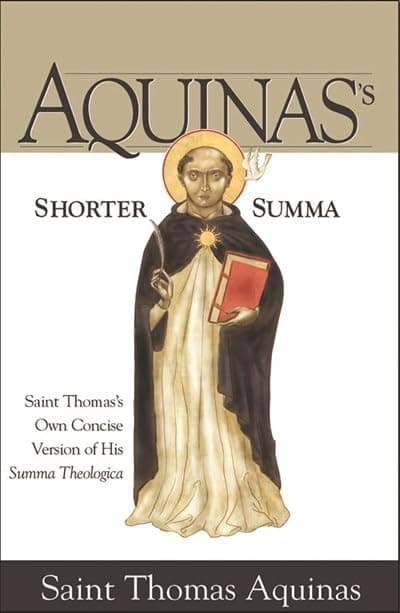
Aquinas asks thousands of questions about God, law, virtue, and sin, and answers each only after stating the strongest case against himself. Catholic thought has been arguing with him for 750 years.
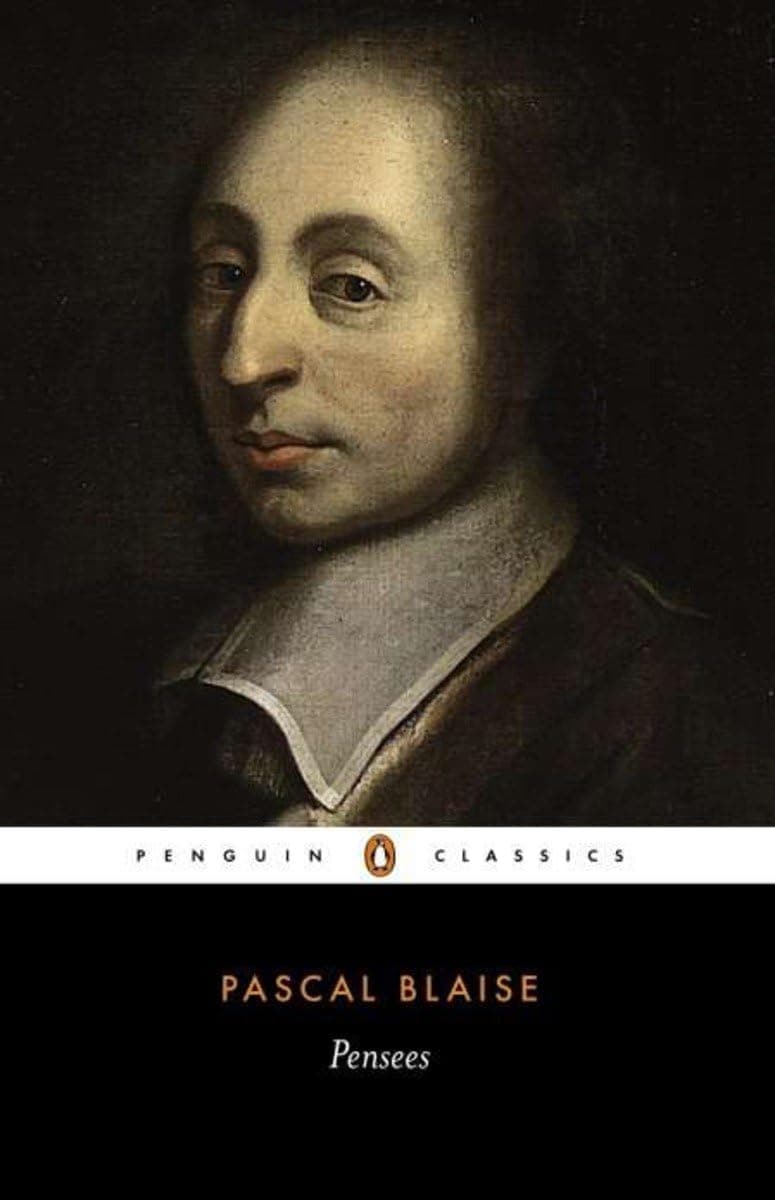
You are already betting on whether God exists, Pascal says, since refusing to choose is a choice. Around that wager sit fragments on why no one can sit alone in a room.
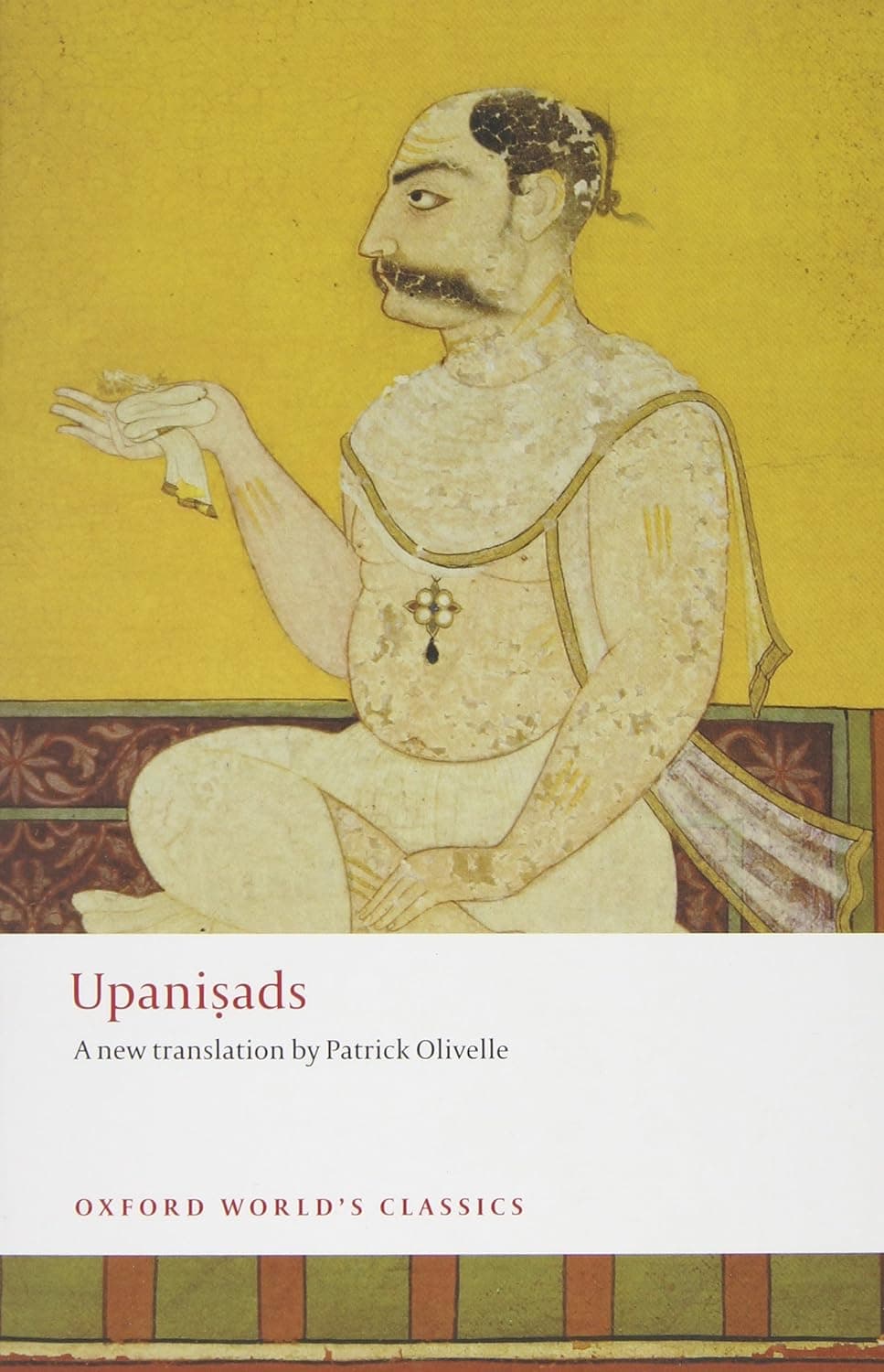
You are that, an Indian sage tells his son: the self inside you and the power holding up the universe are one thing. Elsewhere a boy corners Death and demands answers.
Bacon names four idols that warp human thinking: our species, our upbringing, our sloppy words, and the philosophies we inherit. Clear them away, gather evidence patiently, and nature gives up its secrets.

People are born free and equal, Locke argues, own what their labor makes, and create government by consent. One that breaks the trust may be thrown out. Jefferson took the argument whole.

Look inside for a self and you find only a rush of sensations. Look for cause and effect and you find only habit. Reason itself, Hume concludes, is the slave of the passions.
Spinoza proves, in numbered propositions, that God and nature are one substance and that everything follows from it as necessarily as a theorem. Freedom is understanding that necessity, not escaping it.

Man is born free, and everywhere he is in chains. Nobody holds natural authority over anyone, Rousseau argues, so law binds you only if you helped make it. Geneva burned the book.
On More's island nobody owns anything, everyone works six hours a day, and gold goes into chamber pots. More invented the word utopia for it and the literature of the ideal society followed.
Everything pours out of one source Plotinus calls the One, which is beyond words. Mind, soul, and matter follow from it, and a soul can climb back. Christian mysticism was built on this.
Seeing a child about to fall into a well, anyone feels alarm before thinking. Human nature is therefore good, Mencius argues, and a ruler who starves his people forfeits the throne.

Guilt began as unpaid debt, Nietzsche argues, and conscience is cruelty turned inward for want of anyone else to hurt. Three essays dig up where good and evil came from.

Raising an imaginary boy from infancy to marriage, Rousseau insists children learn from things rather than books and should not be reasoned with too early. Our whole picture of childhood descends from it.

Stoicism cut down to a pocket manual: sort everything into what is up to you and what is not, stop wanting the second kind, and meet what comes without complaint.

Three friends argue over whether the order of the world proves a designer. Philo grants the comparison, then dismantles it, asking why a competent god would build this much suffering into the machine.
The only serious philosophical question, Camus opens, is whether to kill yourself. His answer: the universe will never explain itself, so you live anyway, unreconciled, like Sisyphus happy pushing his rock uphill forever.

The first man to fence a field and say this is mine founded civil society, Rousseau writes, and ruined it. His case against progress split the Enlightenment and still unsettles readers.

Melancholy comes from everything, the Oxford scholar Robert Burton concludes, from diet and air to love and religion. A thousand pages of quotation follow, and his one prescription is not to be idle.

You know you ought to do what you would rather not, and Kant takes that as proof you are free. Freedom, God, and immortality return as what practical reason must assume.
Benjamin asks what photography did to art and answers that a work loses its aura once anyone can copy it. Elsewhere history appears as an angel blown backward, staring at the wreckage.

Nothing is in the mind at birth, Locke says. It is blank paper, and everything you know arrives through the senses or through watching your mind work. British empiricism runs out from there.
Tanizaki, a Japanese novelist, argues in earnest that the beauty of his country was made for dim rooms and wrecked by electric light. Lacquer, gold leaf, and old toilets all make his case.

Nothing is good except a good will. From that Kant derives two commands: act only on a principle you could will everyone to follow, and treat persons as ends, never merely as means.

Abraham climbs the mountain to sacrifice Isaac, and Kierkegaard asks how obedience to God can require a murder. Faith suspends ethics altogether, and the believer cannot explain himself to anyone.

Underneath everything we perceive, Schopenhauer argues, runs a blind will that wants without knowing why. Because wanting never finishes, living is suffering, and only art and music briefly suspend it.

Good sense is the most equally distributed thing in the world, Descartes begins, then shows how to use it: doubt all you can, divide each problem, and rebuild only on what survives.
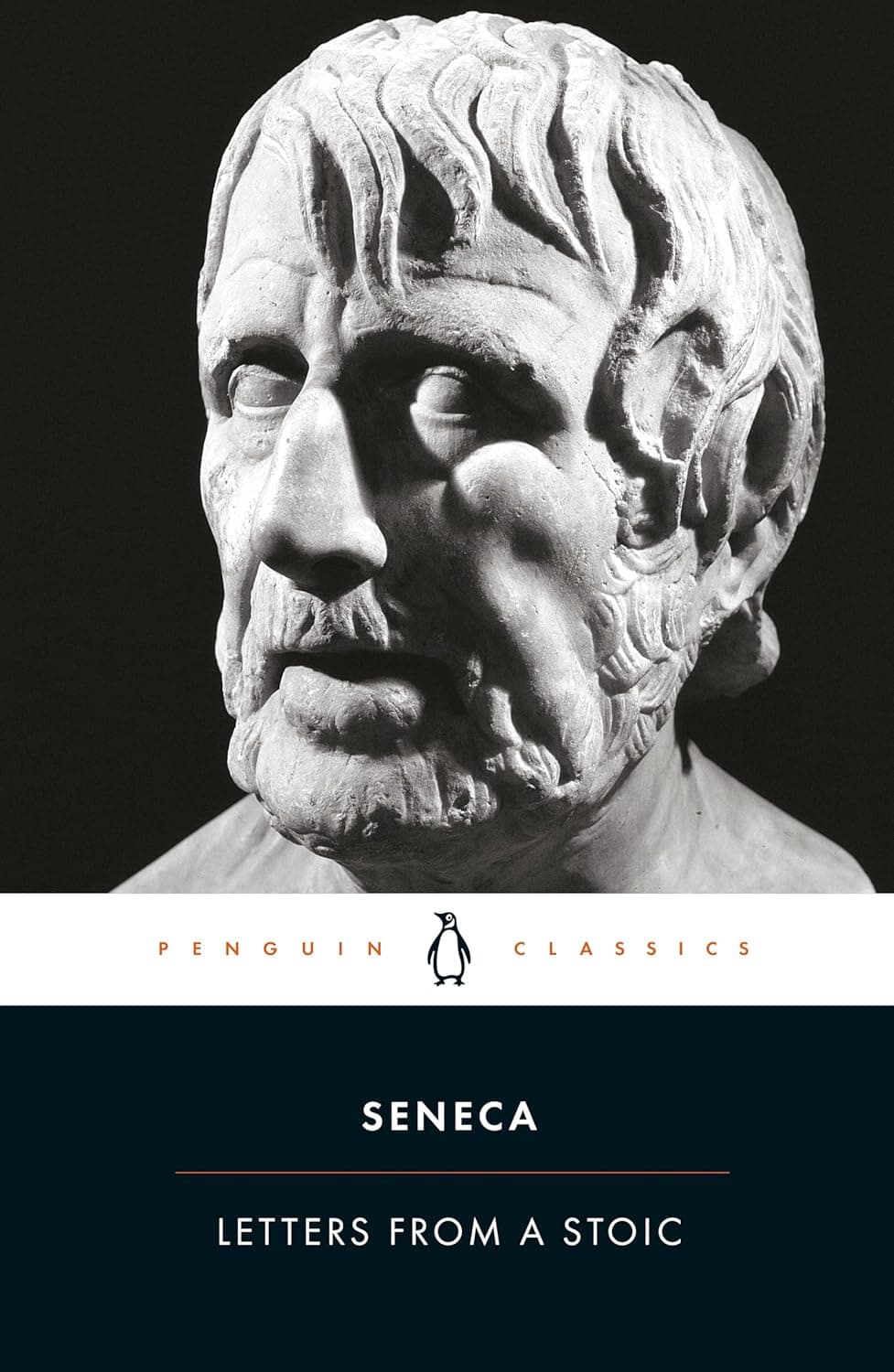
Nero's tutor sets down how to die, how to hold wealth lightly, and how to stop waiting for life to begin. Philosophy arrives as advice from someone who likes you.
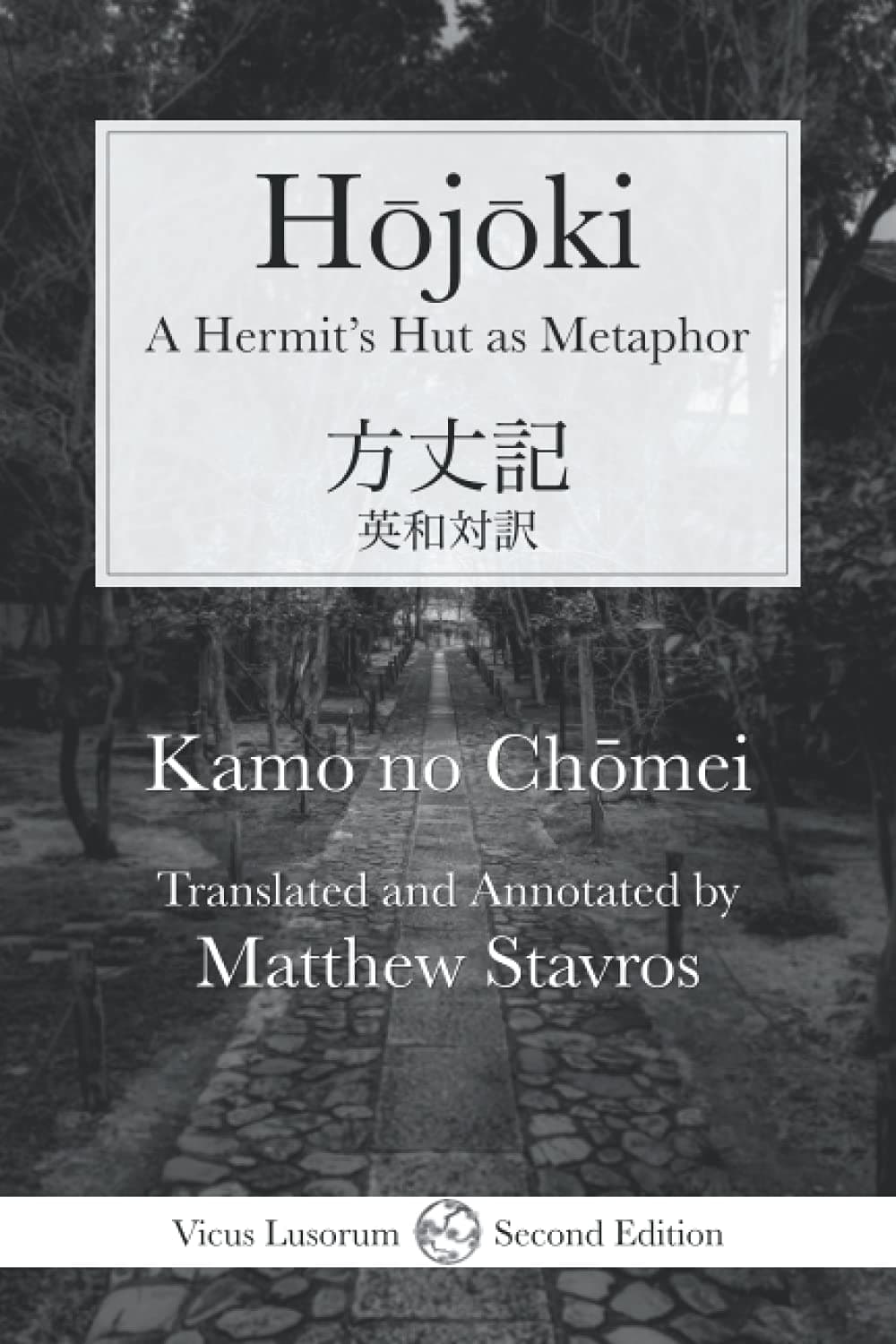
Writing from a hut ten feet square, a Kyoto recluse recalls the fire, whirlwind, famine, and earthquake that destroyed the capital, and concludes that nothing built by people is meant to stay.