
The Little Prince
1943 · 96 pages
Crash-landed in the Sahara, a pilot meets a boy from a tiny planet who worries about his rose. Saint-Exupéry writes for children and lands hardest on adults who have stopped looking properly.
★ 8.6
 skopia
Crash-landed in the Sahara, a pilot meets a boy from a tiny planet who worries about his rose. Saint-Exupéry writes for children and lands hardest on adults who have stopped looking properly.

Alice follows a rabbit down a hole into a country where logic runs sideways, ruled by a queen who wants everyone beheaded. Carroll freed children's books from having to teach anything.
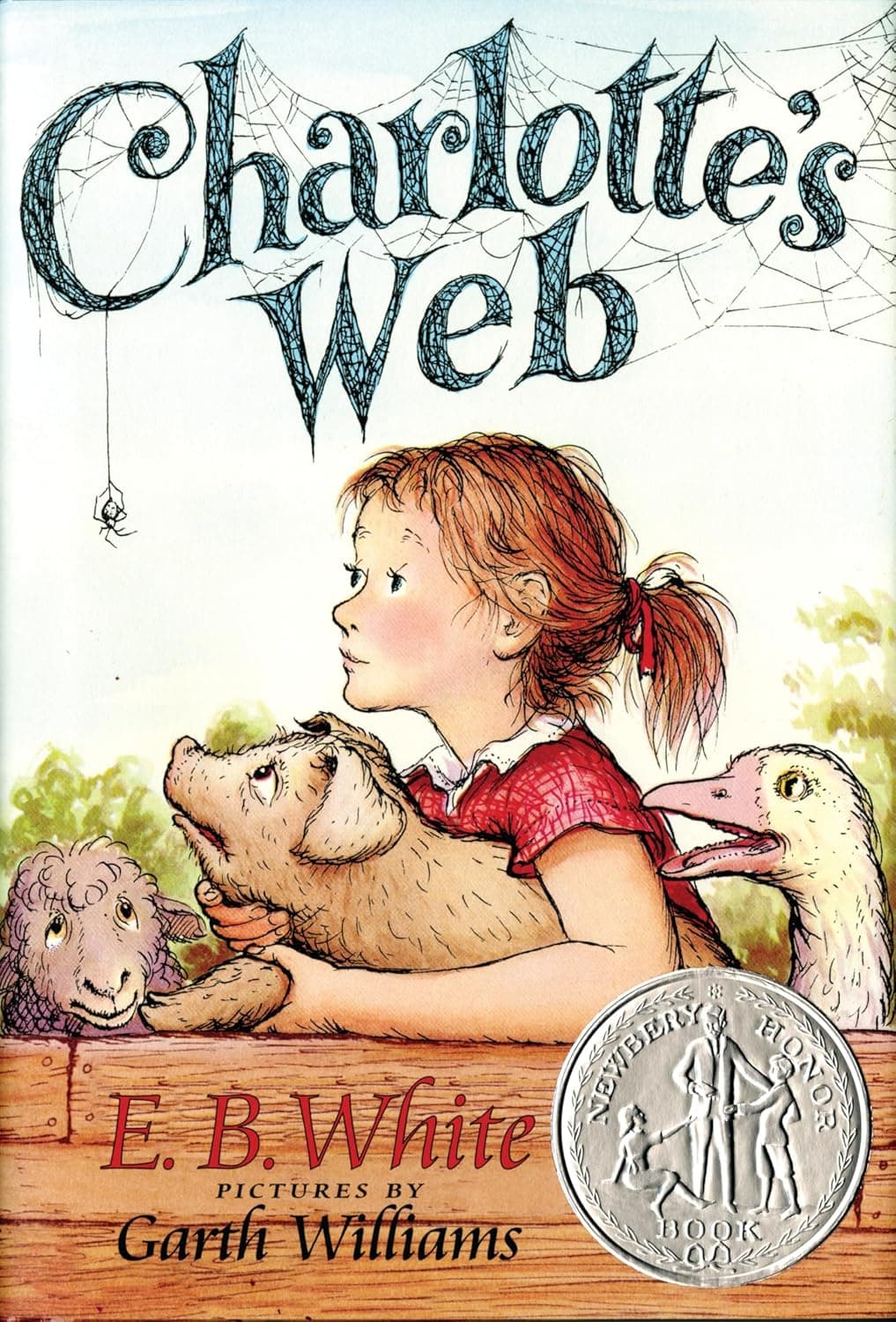
Wilbur is a runt pig bound for slaughter, saved by a barn spider writing words in her web. Eudora Welty called it just about perfect, and it is where children first meet death.
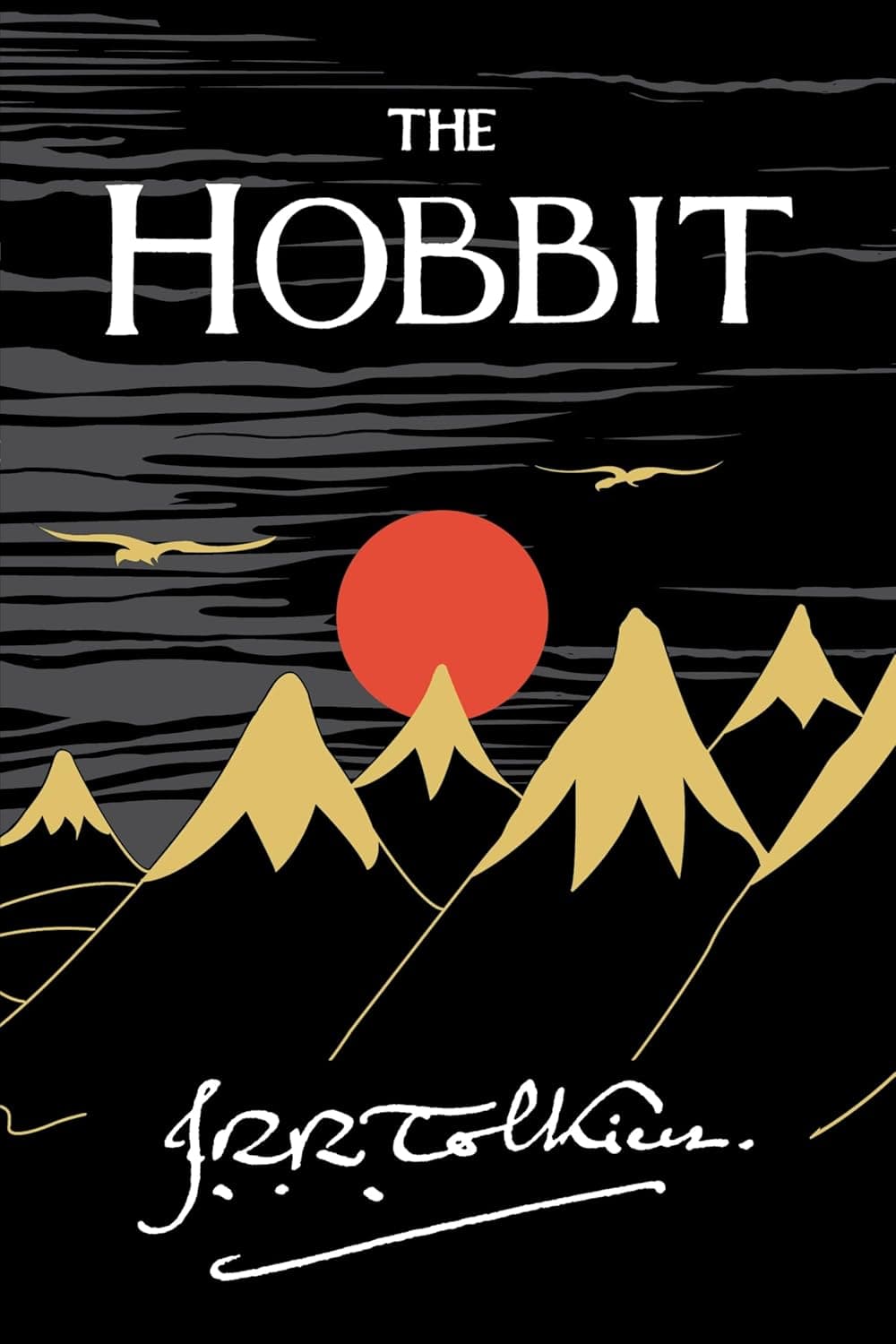
Thirteen dwarves turn up at a comfortable hobbit's door and talk him into helping them rob a dragon. The comedy is real, and the riddle game in the dark still frightens children.
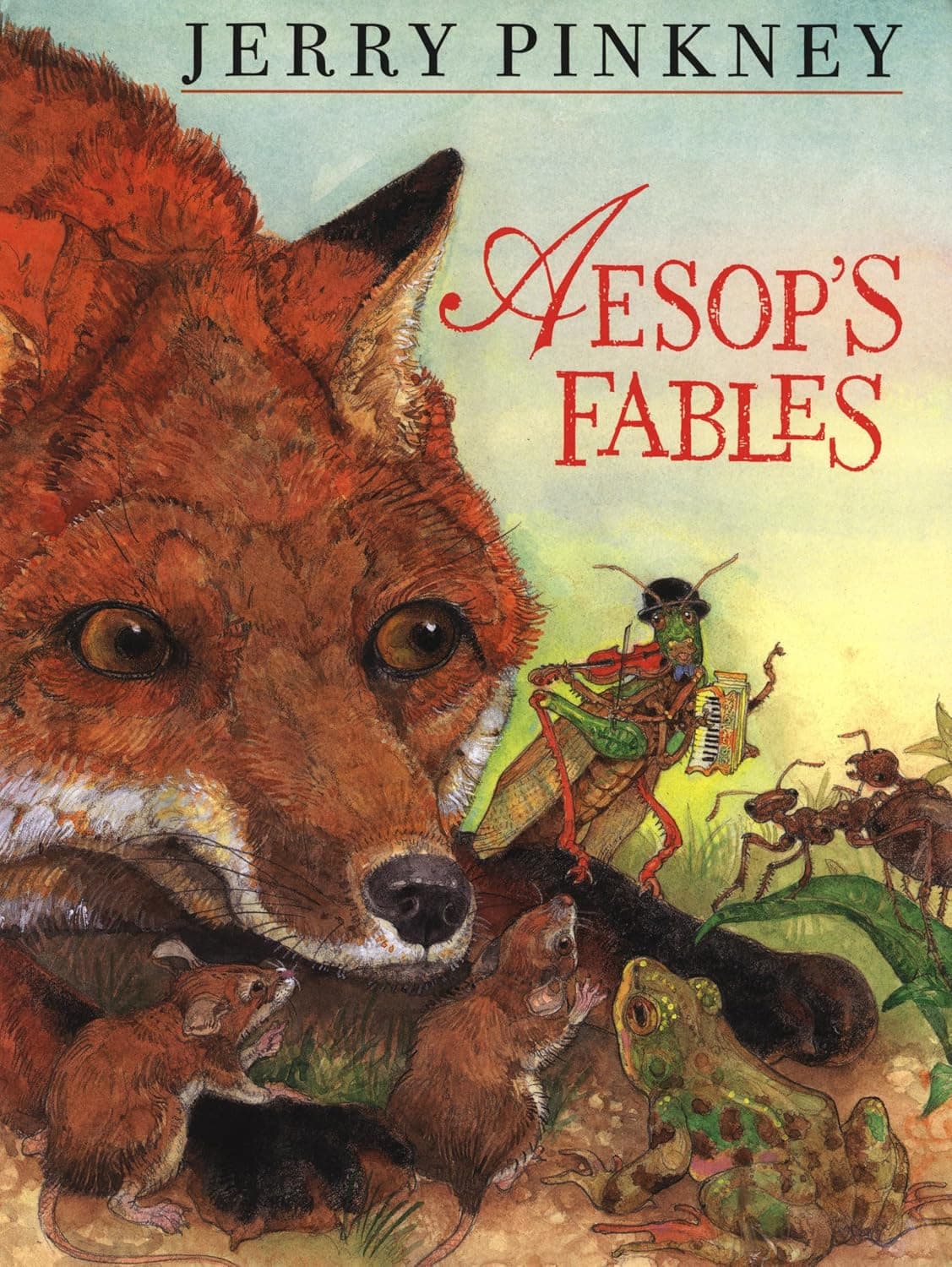
Talking animals carry the moral instruction the West grew up on: the tortoise outlasts the hare, the fox decides the grapes were sour. Aesop was a slave, and the lessons show it.
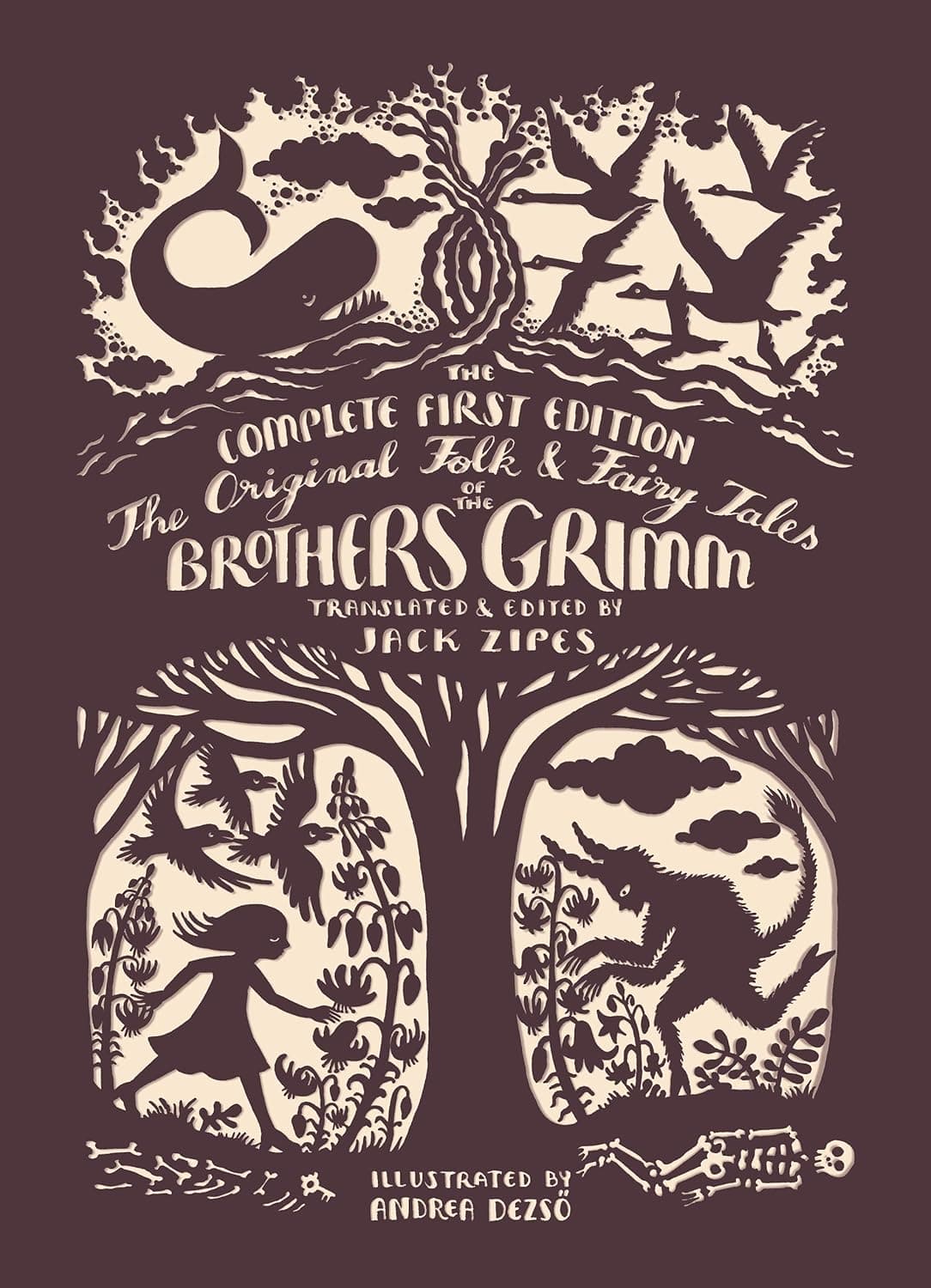
These are the tales before the Grimms softened them: mothers rather than stepmothers abandon their children, the violence goes unexplained, and the folk imagination of a whole culture stands intact.

Two aging siblings send for an orphan boy to work their Prince Edward Island farm and receive a talkative red-haired girl. Anne Shirley imagines the world into something better and never stops talking.

Four children evacuated from wartime London find a wardrobe opening onto snow, a lamppost, and a land where a witch has made it always winter. Lewis buried the Christian story inside an adventure.

Sent to bed without supper, Max sails to an island of monsters, tames them by staring, and is crowned their king. Sendak gave children's books permission to take a child's rage seriously.

Orphaned by cholera in India, a sour, unloved child arrives on the Yorkshire moors and finds the key to a walled garden that brings her and her bedridden cousin back to life.

Andersen wrote his tales instead of collecting them, and put grief where the folk versions put magic. The mermaid pays for legs with her voice and every step feels like walking on knives.

Mole abandons his spring cleaning for the river, and falls in with Rat, Badger, and the reckless Toad, who wrecks motorcar after motorcar. Grahame built the warmest world in English fiction.

Pooh is a bear of very little brain, moving through the Hundred Acre Wood by way of honey, a heffalump trap, and Eeyore's lost tail. The goodbye at the end undoes adults.
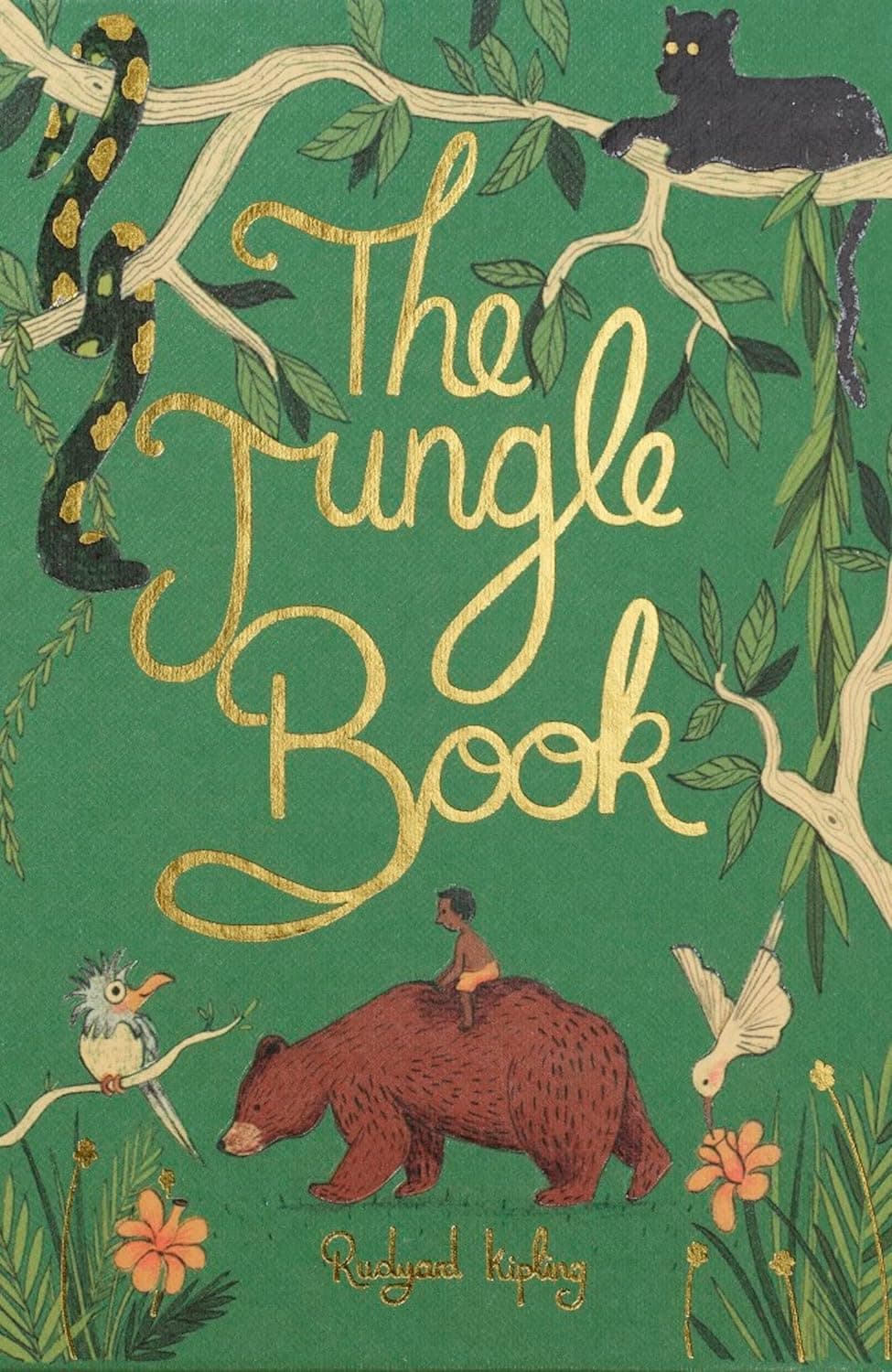
Raised by wolves and schooled by a bear and a black panther, Mowgli lives hunted by the tiger Shere Khan. Kipling's Law of the Jungle went into English as a phrase everyone uses.

A cat in a striped hat arrives where two children are stuck indoors, and takes the place apart. Seuss did it in 236 words and buried the Dick and Jane primer.

Five golden tickets get five children inside Willy Wonka's factory, and only Charlie Bucket, half starved and poor, is neither glutton nor brat. Dahl trusted children to relish the punishments.

Letters arrive for the boy in the cupboard under the stairs: he is a wizard and Hogwarts wants him. Rowling built that school so completely that the series has sold 600 million copies.
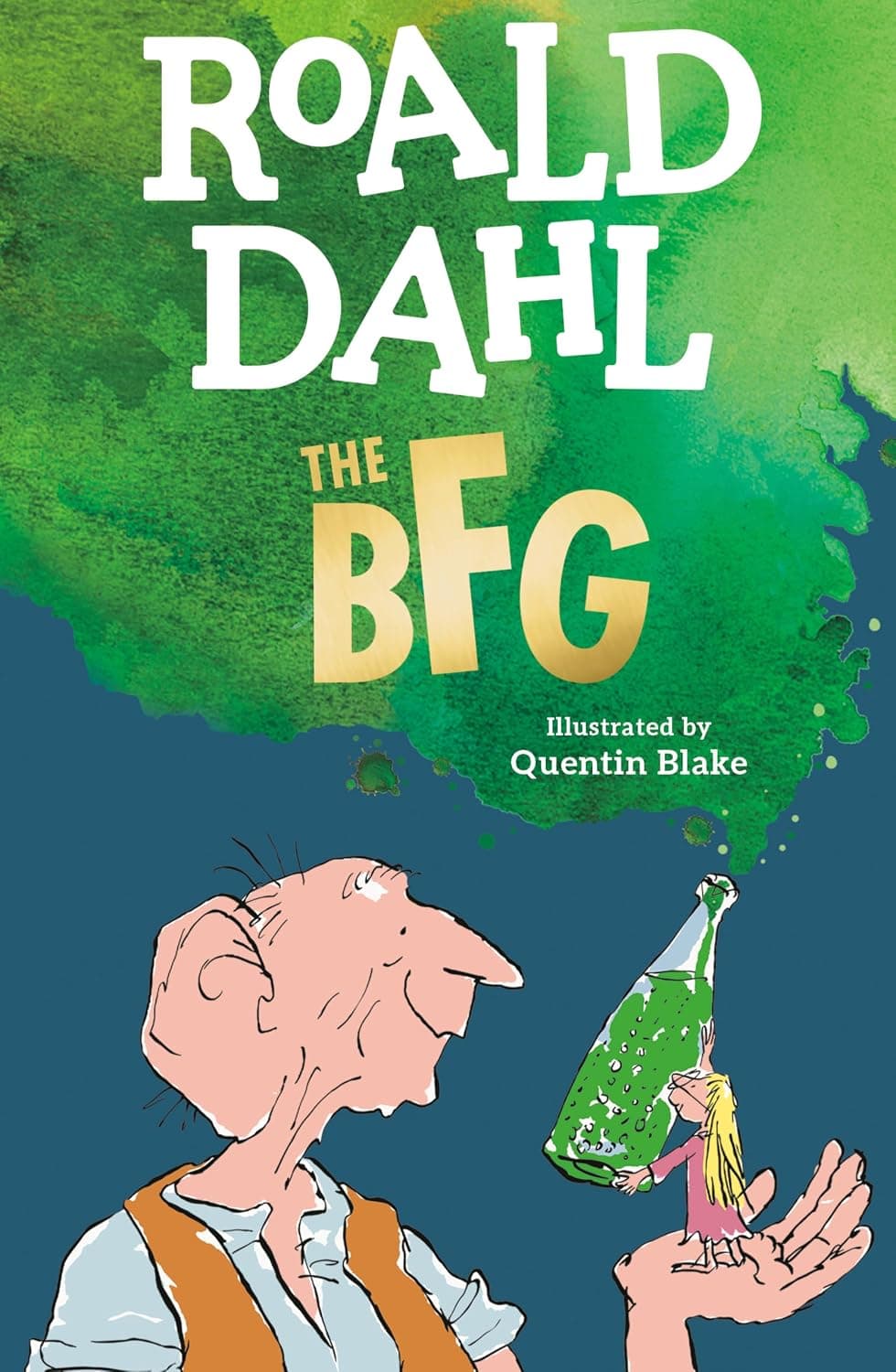
The Big Friendly Giant speaks gloriously mangled English and blows dreams through a trumpet into children's bedrooms. Sophie, a sleepless orphan, is carried off to his country, where nine bigger giants eat children.

Sam-I-Am will not stop offering: not in a box, not with a fox, not on a train, not in the rain. Fifty words is all Seuss used, and the badgering turns into song.

Peter's father went into Mr. McGregor's garden and came out as a pie. Peter goes anyway. Potter sized her book to a child's hands and painted every radish and watering can herself.

The garbage of Sarah Cynthia Sylvia Stout piles past the ceiling. Silverstein drew as well as he rhymed, and American children have been raised on his nonsense and sudden tenderness since 1974.

Jess can outrun everyone in fifth grade until Leslie moves in next door. They swing over a creek into Terabithia, the kingdom they rule together, and Paterson refuses to protect them from grief.

Pippi is nine, lives alone with a monkey and a horse she can lift with one arm, and answers to no adult. Lindgren handed children a heroine no grown-up can manage.
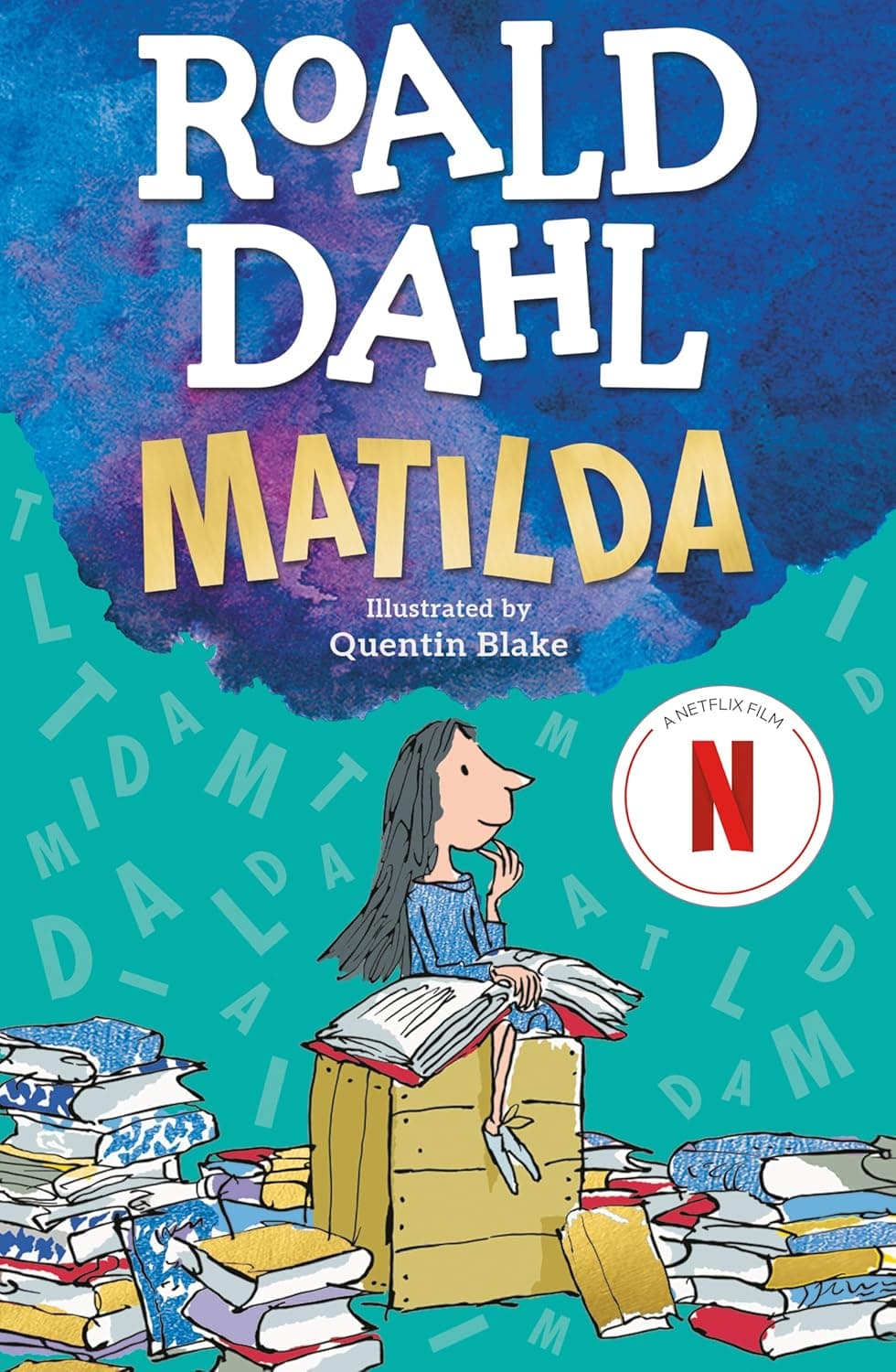
Matilda finished Great Expectations at four, which her parents treat as an insult. Her headmistress at school throws children by the pigtails, and Matilda discovers she can move objects with her eyes.
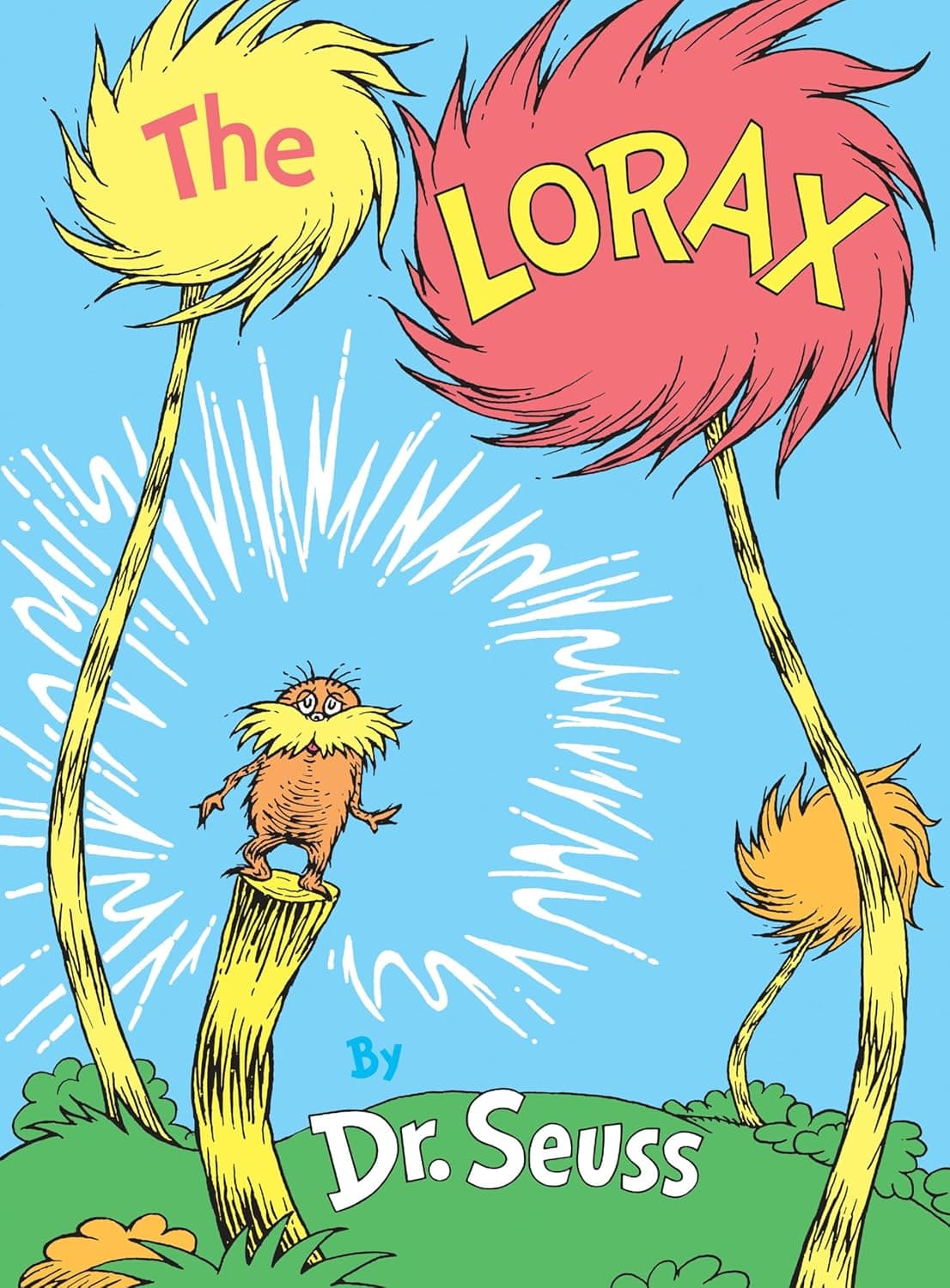
Seuss's Once-ler chops down the Truffula trees to knit Thneeds nobody needs, and a mustachioed creature rises to speak for the trees. Loggers hated it enough to commission a rebuttal picture book.

One apple on Monday, two pears on Tuesday, and holes punched through the pages for small fingers to follow. Carle's caterpillar has eaten its way through fifty million copies and sixty languages.

A boy called Africa stares into the wolf's cage and will not leave. The one-eyed wolf gives in, and each reads a whole life in the other's eye: Alaska's snow, then the deserts.

A toy becomes Real only when a child has loved it for years, by which time its fur is rubbed off and its eyes are gone. Williams's stuffed rabbit is loved that hard.
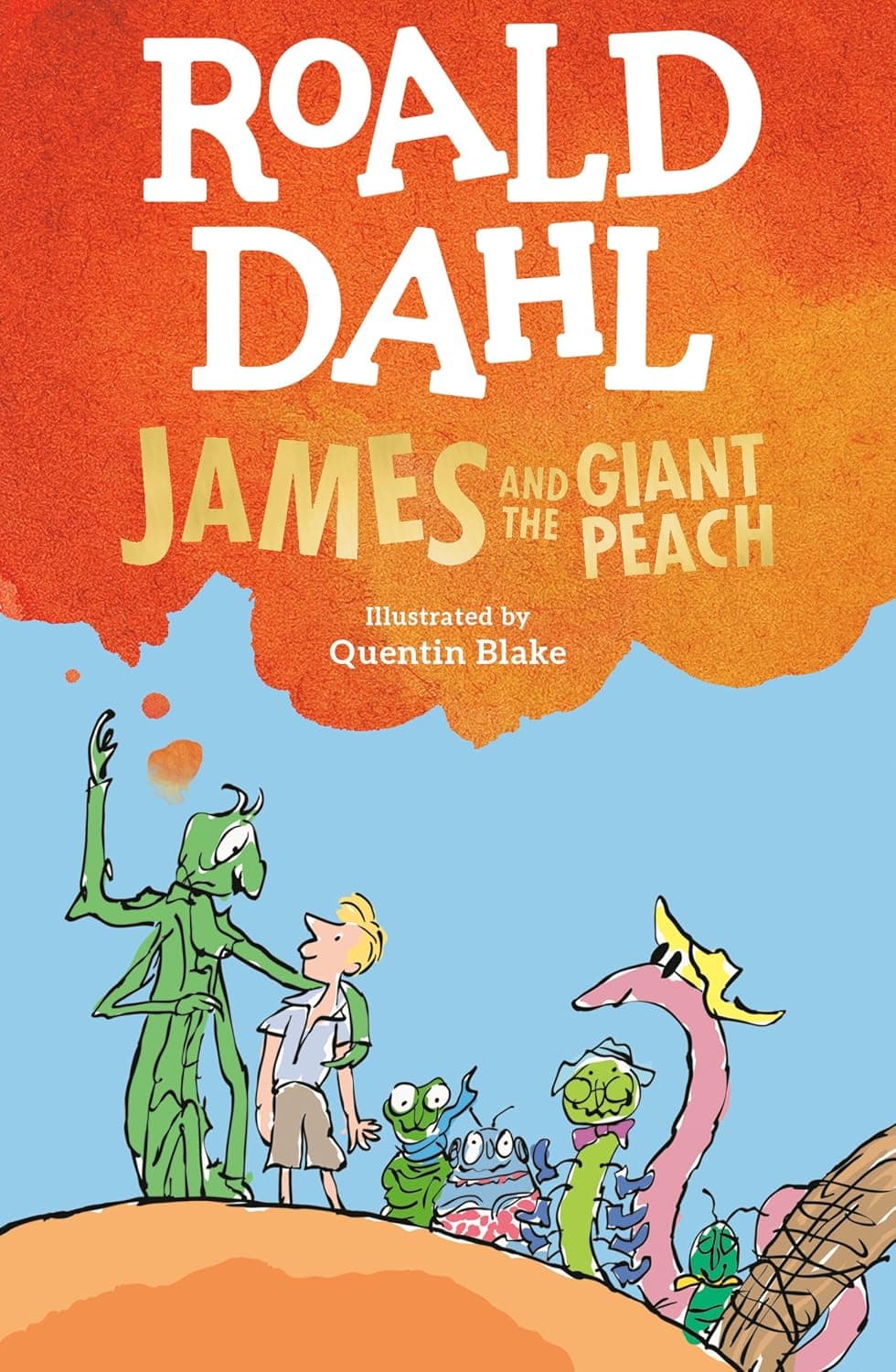
A rhinoceros escapes London Zoo and eats James's parents. Handed to two dreadful aunts, he crawls inside a house-sized peach and crosses the Atlantic with a crew of insects who become his family.

A young bull who would rather smell flowers than fight is hauled to the Madrid ring, where he sits down. Franco banned the book in Spain and the Nazis burned it in Germany.

You leave town in a yellow suit and hit the Lurch, the Slump, and the Waiting Place, where nothing happens. Seuss made the standard graduation gift out of a warning about failure.
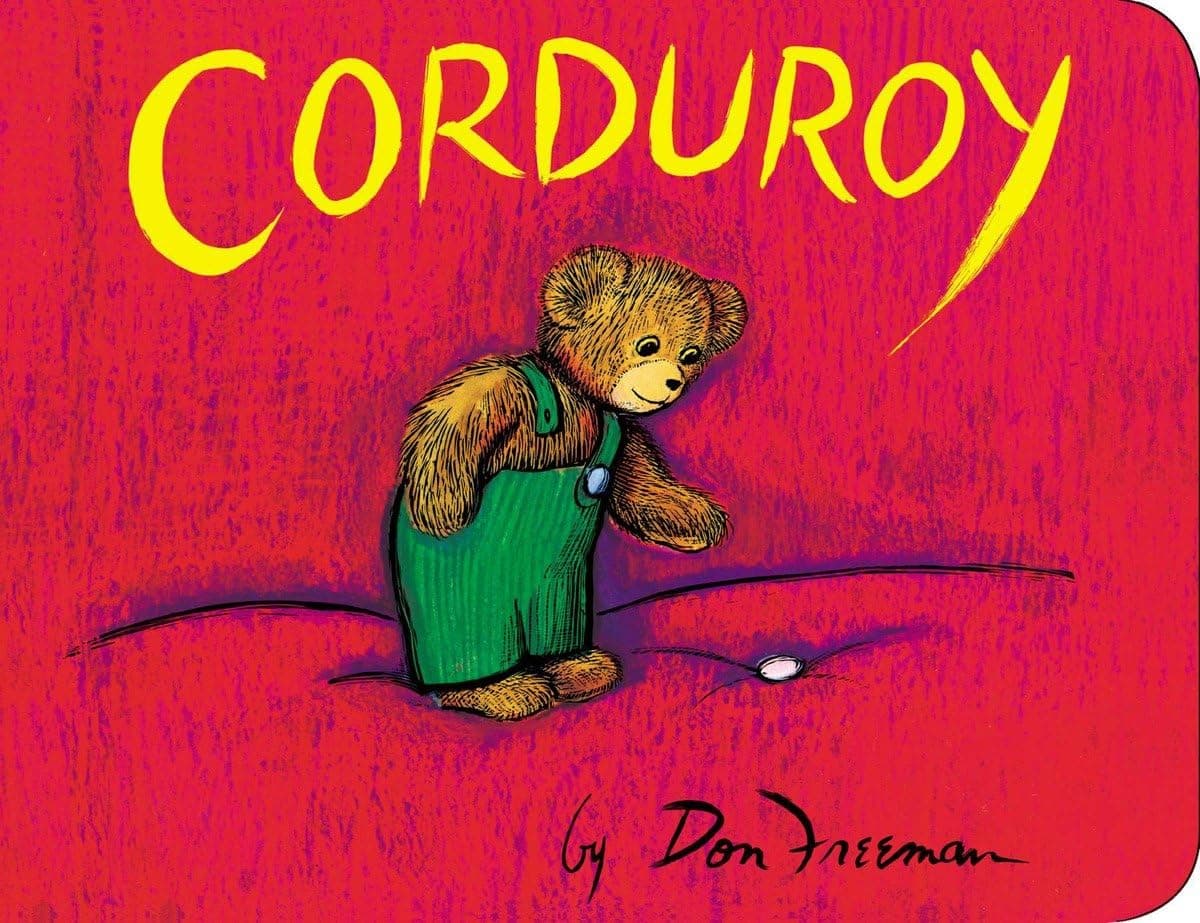
A department store bear hunts the dark for the button missing from his overalls. Lisa buys him with money she saved herself, a Black girl in a 1968 picture book, drawn without comment.
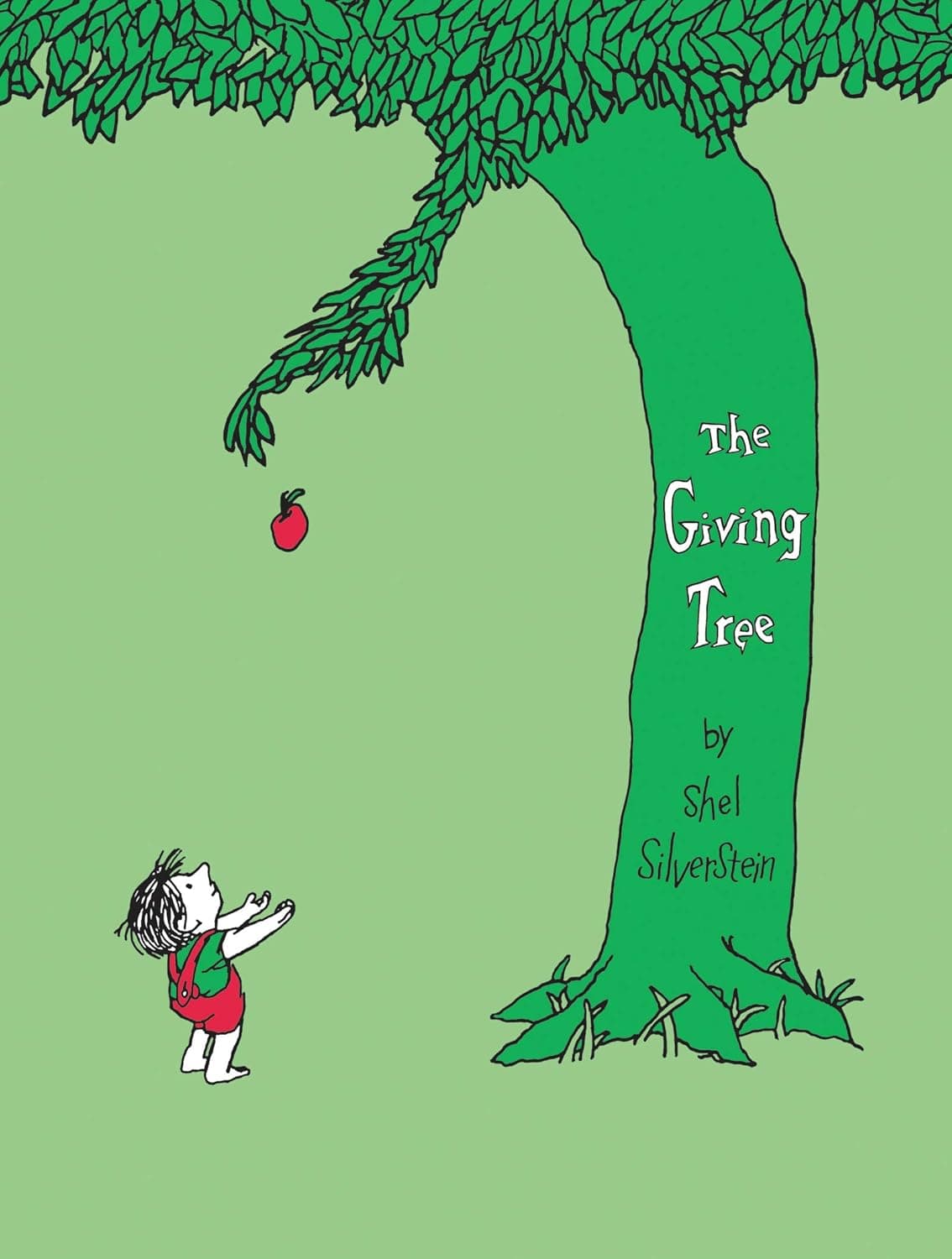
A tree loves a boy. She gives him her apples, then her branches, then her trunk, until she is a stump he sits on. Readers still cannot agree whether that is love.

In the great green room a rabbit says goodnight to the moon and the quiet old lady whispering hush, while the pictures darken page by page until the child hearing it is asleep.
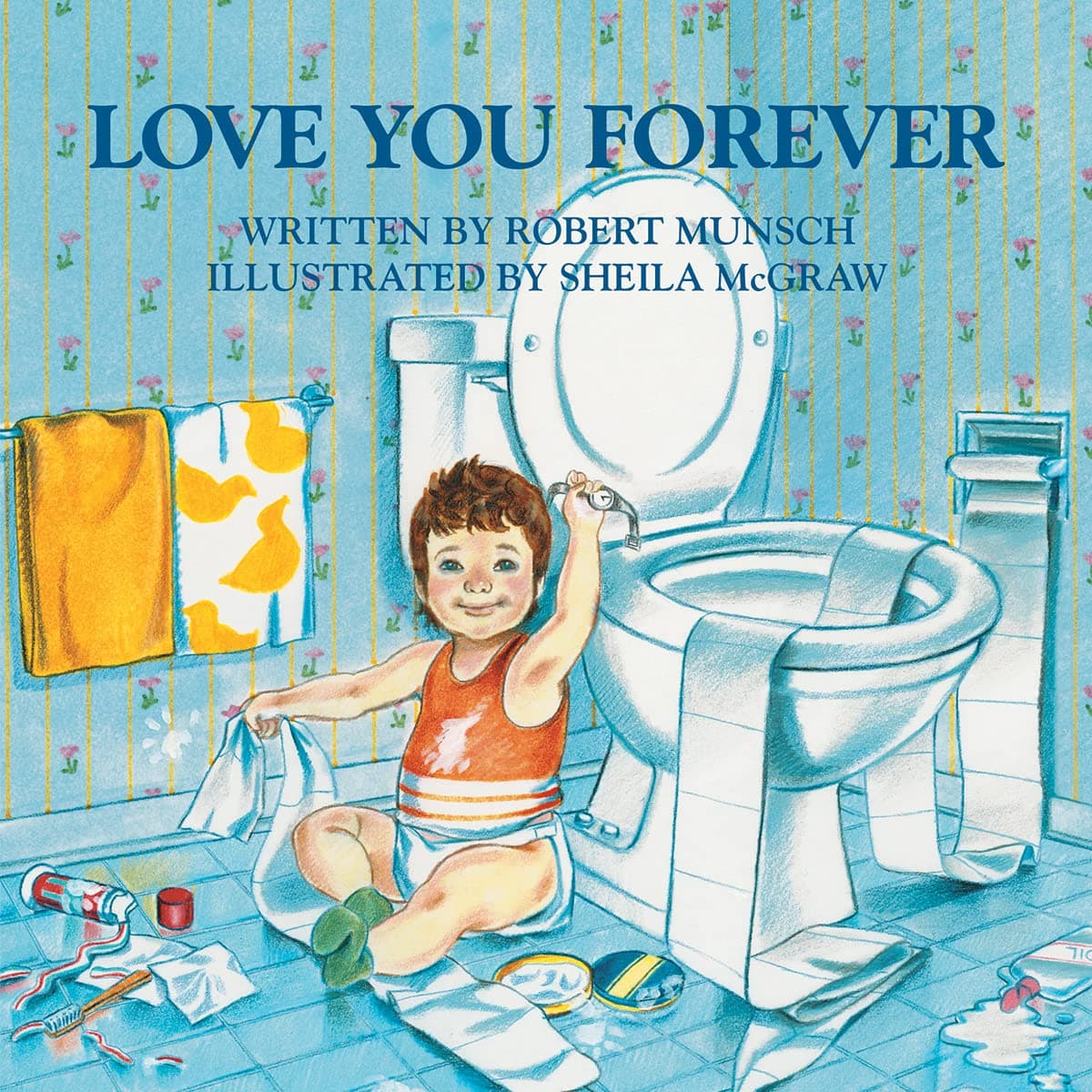
A mother sings the same four lines to her son at every age, and the years turn the song around. Munsch made it up after two stillborn children.

Give the mouse a cookie and he wants milk, then a straw, then a mirror to check his milk mustache. Numeroff taught four decades of children how one small yes becomes an afternoon.

Hergé sent his boy reporter into a Soviet Union he had never visited, cribbed from one anti-Bolshevik tract of rigged elections and staged factories. Crude work, and the series it opened conquered Europe.