The Power Broker
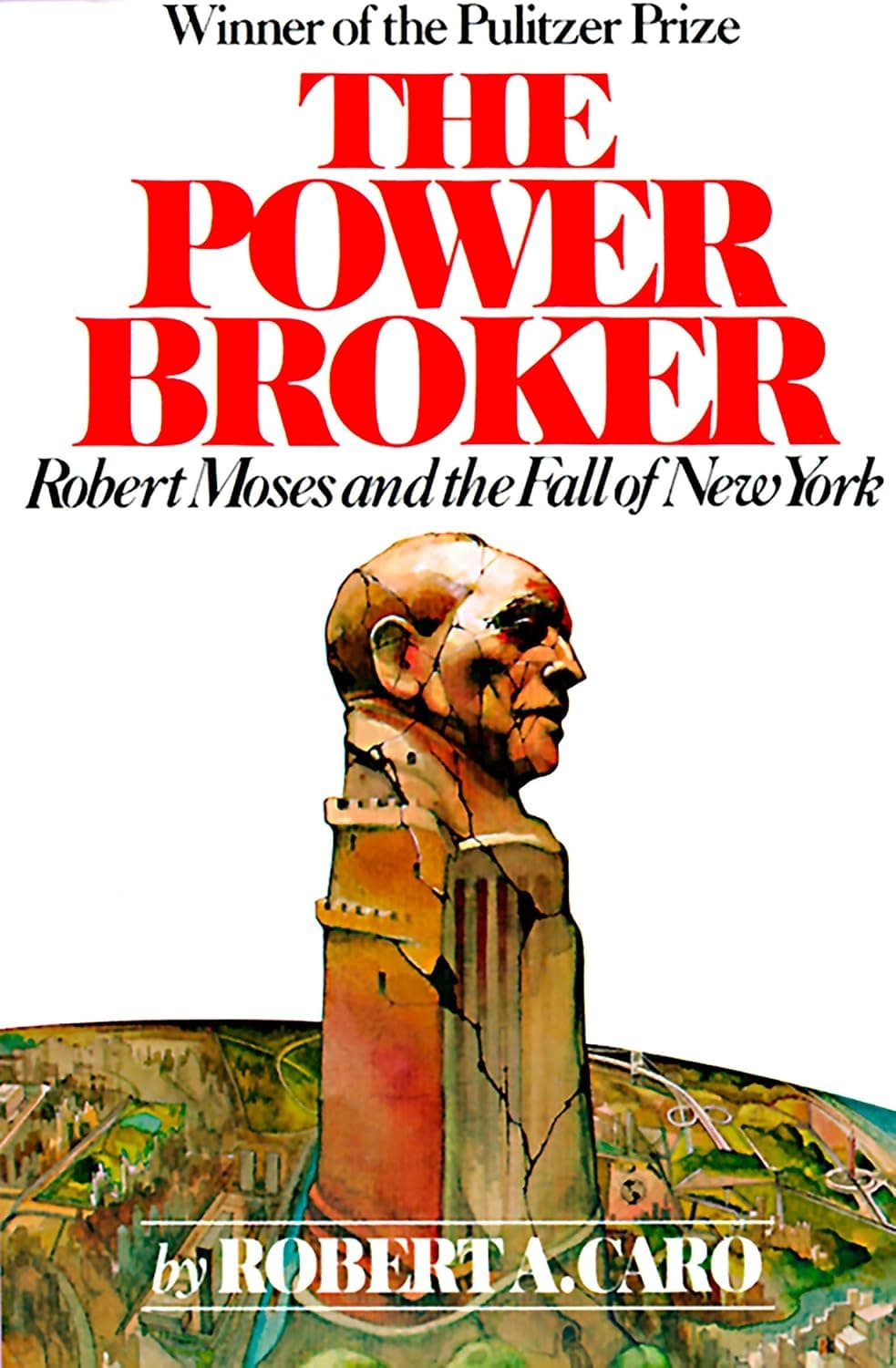
Robert Moses was never elected to anything and remade New York for forty years, throwing up bridges and expressways and flattening the neighborhoods in their way. Caro shows exactly how it was done.

Robert Moses was never elected to anything and remade New York for forty years, throwing up bridges and expressways and flattening the neighborhoods in their way. Caro shows exactly how it was done.

Castrated rather than executed for defending a general, Sima Qian lived to finish his history: twenty-five centuries of China told through emperors, assassins, and merchants. The portraits are alive on the page.

Boswell met Samuel Johnson, who had written the English dictionary, in 1763 and wrote down his talk for twenty years. Johnson steps off the page as somebody you have actually met.

Vasari was a working painter who knew Michelangelo. His lives of the Italian artists, from Cimabue onward, mix workshop technique with pure gossip, and gave us most of what we believe about genius.

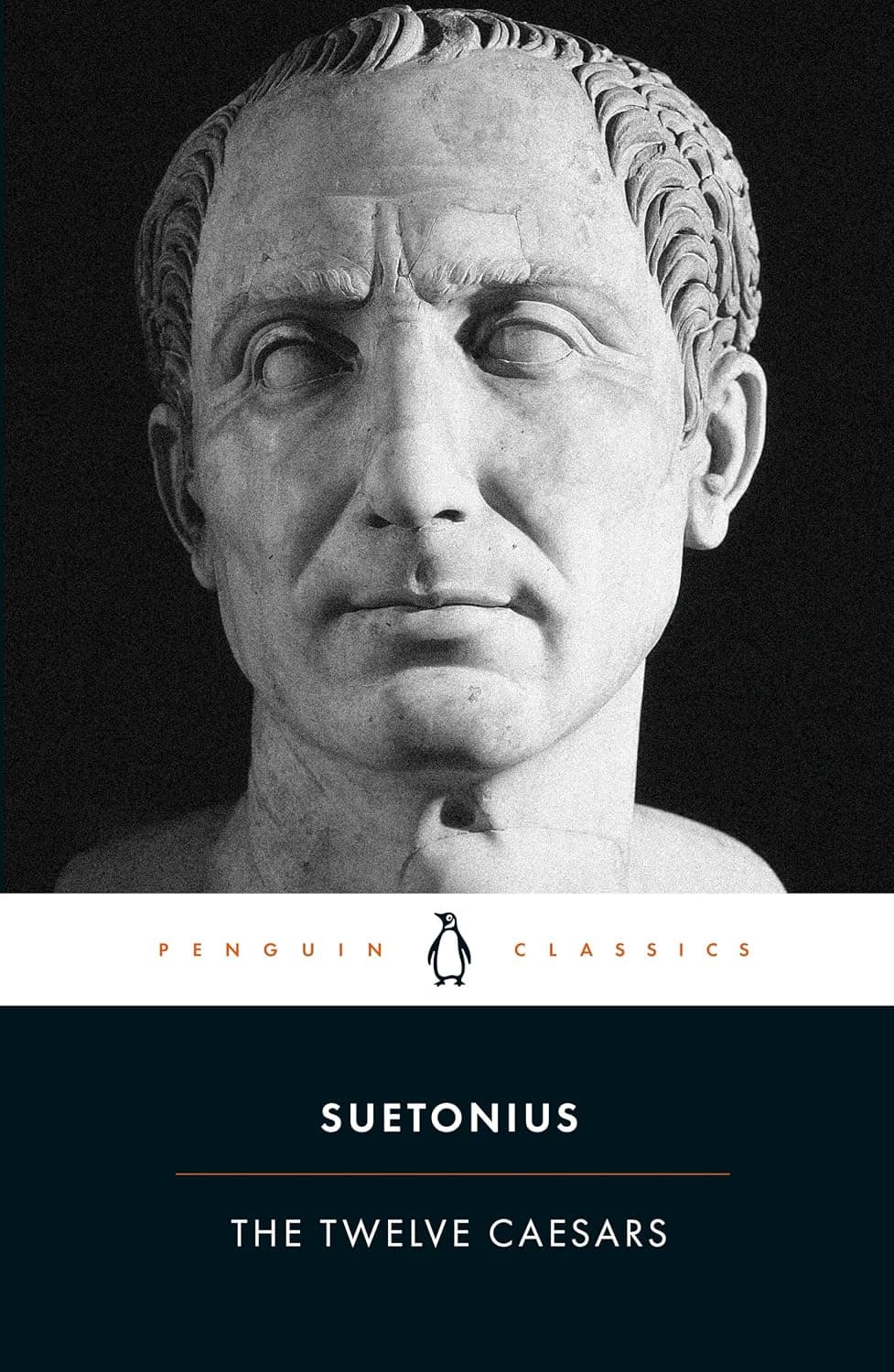
Secretary to the emperor Hadrian, Suetonius wrote the lives of Julius Caesar and eleven emperors after him, omens, gossip, last words and all. Our picture of Nero comes straight from these pages.

Plutarch pairs each famous Greek with a Roman, Alexander with Caesar, and judges them, holding that a jest can reveal a man better than a battle. Shakespeare took three plays out of it.

Four Victorian idols go under Strachey's scalpel: Cardinal Manning, Florence Nightingale, the headmaster Thomas Arnold, and General Gordon at Khartoum. The malice is so elegant that English biography never went back to reverence.

Orlando starts as a boy at Queen Elizabeth's court and ends as a woman in 1928 London, changing sex without fuss. Woolf wrote it for her lover Vita Sackville-West, and the joy shows.

Ten books of gossip, wills, deathbed jokes and doctrine, written in the third century and now the main reason we know what Epicurus taught or what Diogenes the Cynic said to Alexander.

Branch follows Martin Luther King from the Montgomery bus boycott to Birmingham, moving between black church basements, the Kennedy White House, and the FBI, and ten years become full American history.

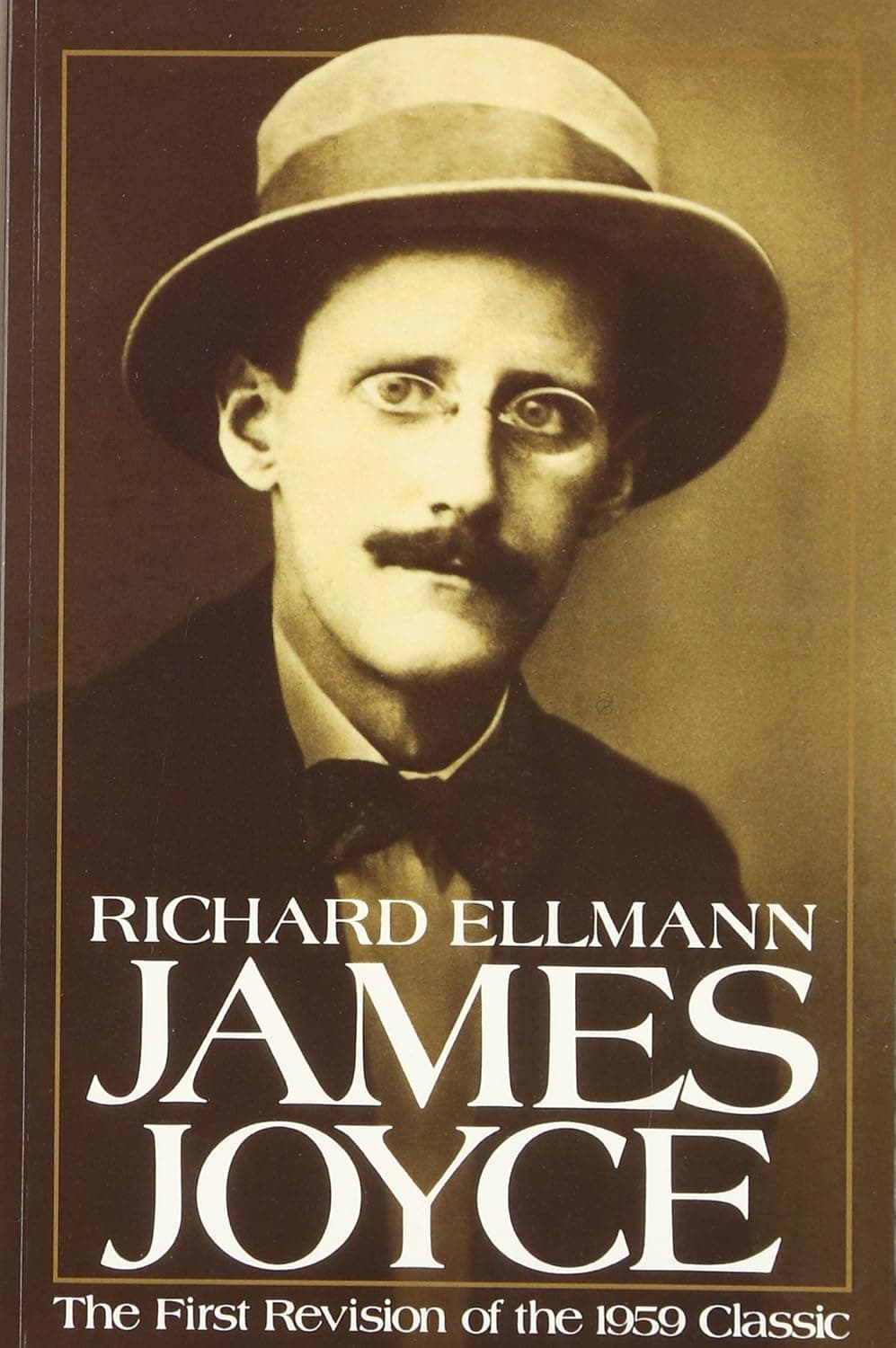
The novelist Anthony Burgess called this the greatest literary biography of the century. Ellmann reconstructs Joyce day by day, the debts and the eye operations and the exact Dublin talk that became Ulysses.

Rockefeller controlled ninety percent of American oil refining by the time he was forty, tithed to his church weekly, and saw no contradiction. Chernow makes him legible without absolving him.

Three years of humiliation as Kennedy's vice president, then Dallas, and Johnson seizes a stunned government. Caro tracks it week by week to the civil rights bill the South had blocked for decades.

Einstein's physics taken as seriously as Einstein's life. Pais knew him at Princeton, could follow the mathematics, and produced the account against which every later scientific life of Einstein is measured.

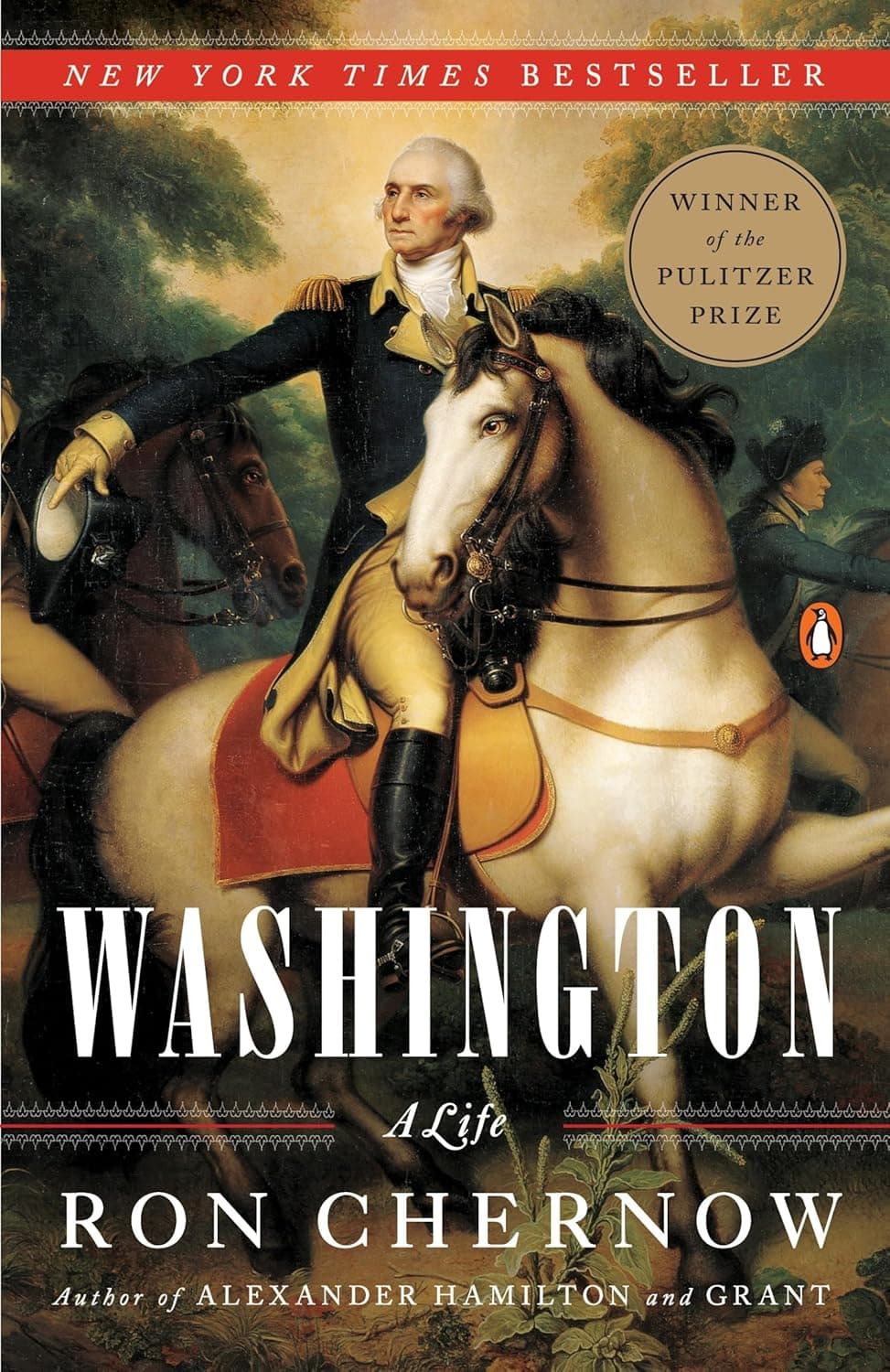
The marble Washington was a performance: Chernow finds a man of hot temper, sharp ambition, and constant calculation underneath, and follows him from surveying to Mount Vernon's slave quarters to the presidency.

Du Bois took the first Harvard doctorate given a Black American, wrote The Souls of Black Folk, and helped found the NAACP. Lewis won Pulitzers for this volume and for its sequel.

An asthmatic Manhattan boy remakes himself as a Dakota rancher, a Rough Rider, and the youngest president in American history. Morris swept the major prizes for this volume alone.

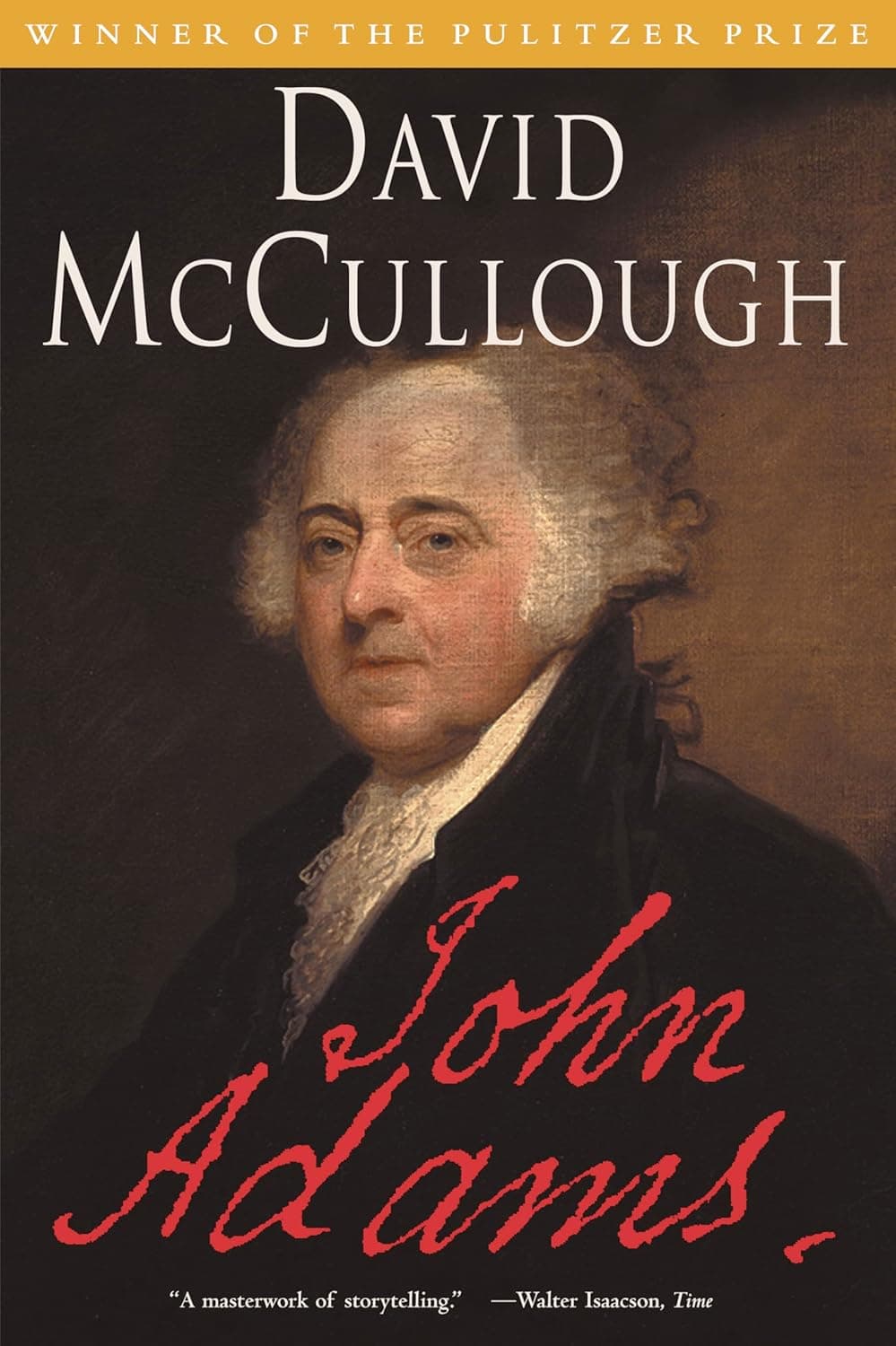
McCullough gives the difficult, honest second president his full size: a marriage to Abigail conducted in letters across an ocean, and a friendship with Jefferson that broke and was repaired in old age.

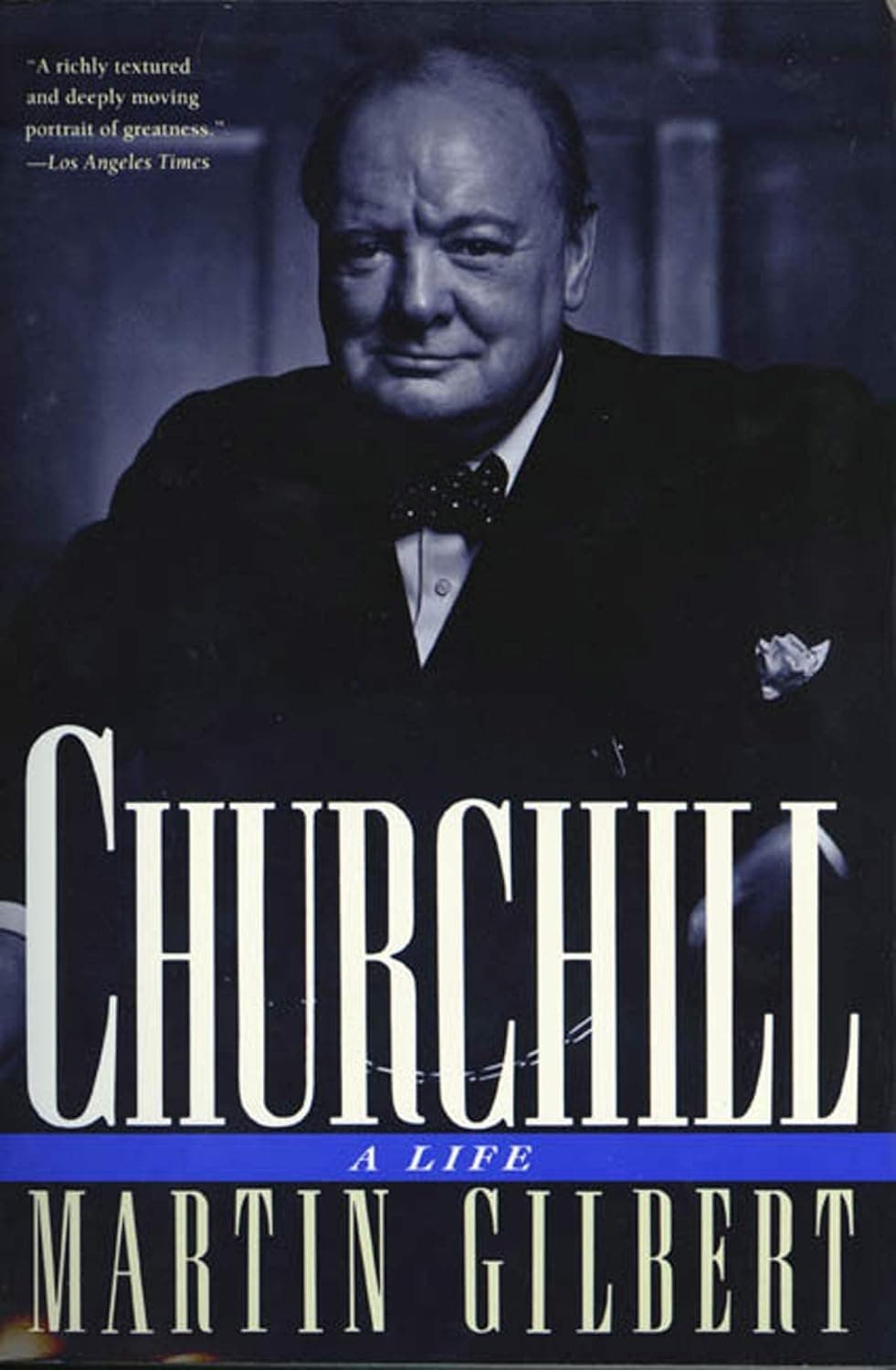
Having written six volumes of Churchill's official biography, Gilbert put the whole life into one book, from the cavalry charge at Omdurman to 1965, drawing on twenty years inside the papers.

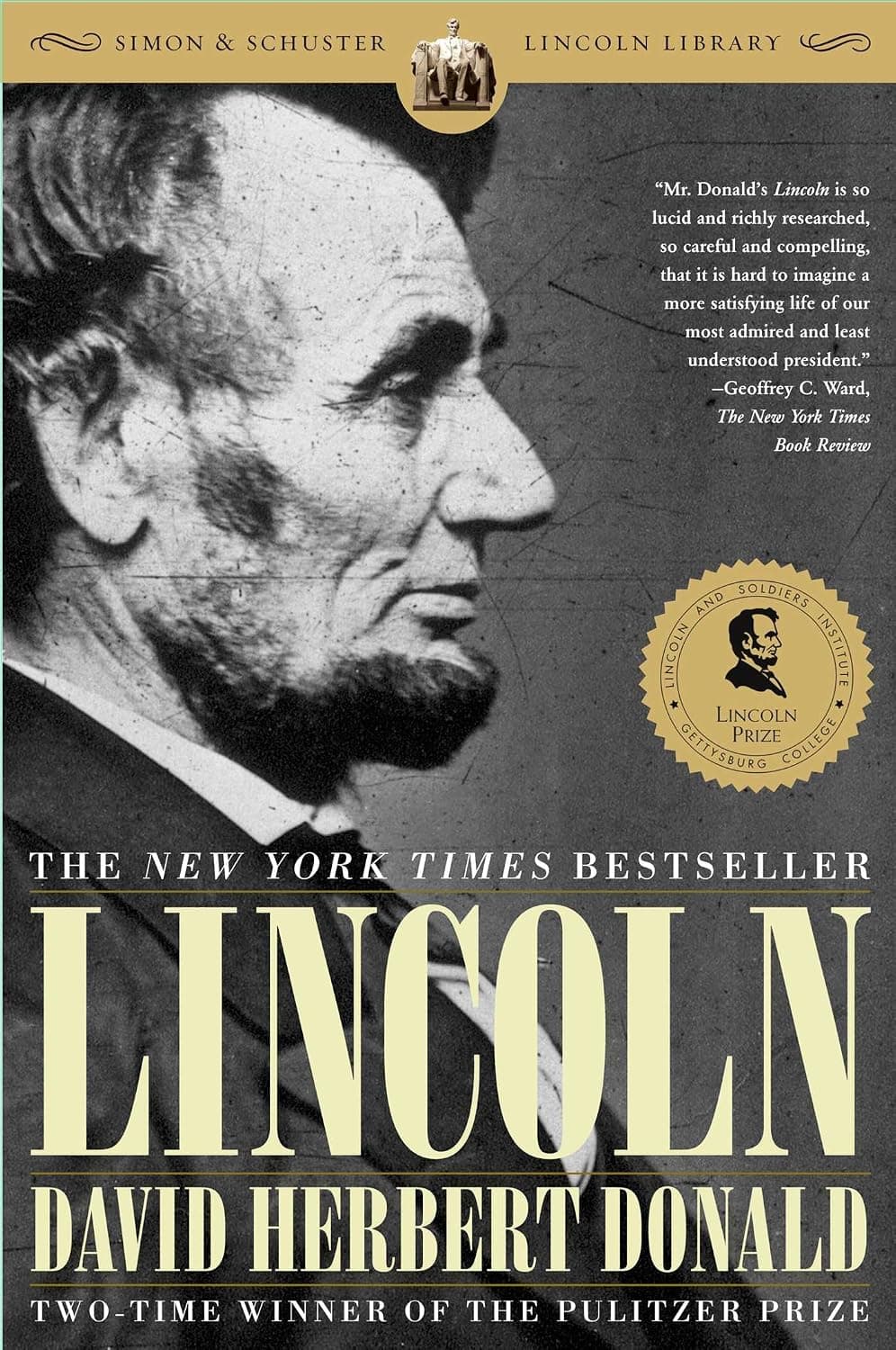
The standard one-volume Lincoln, and the method is severe: Donald allows him only the information he actually had when he acted. Out of it comes colossal ambition joined to a fatalist's passivity.

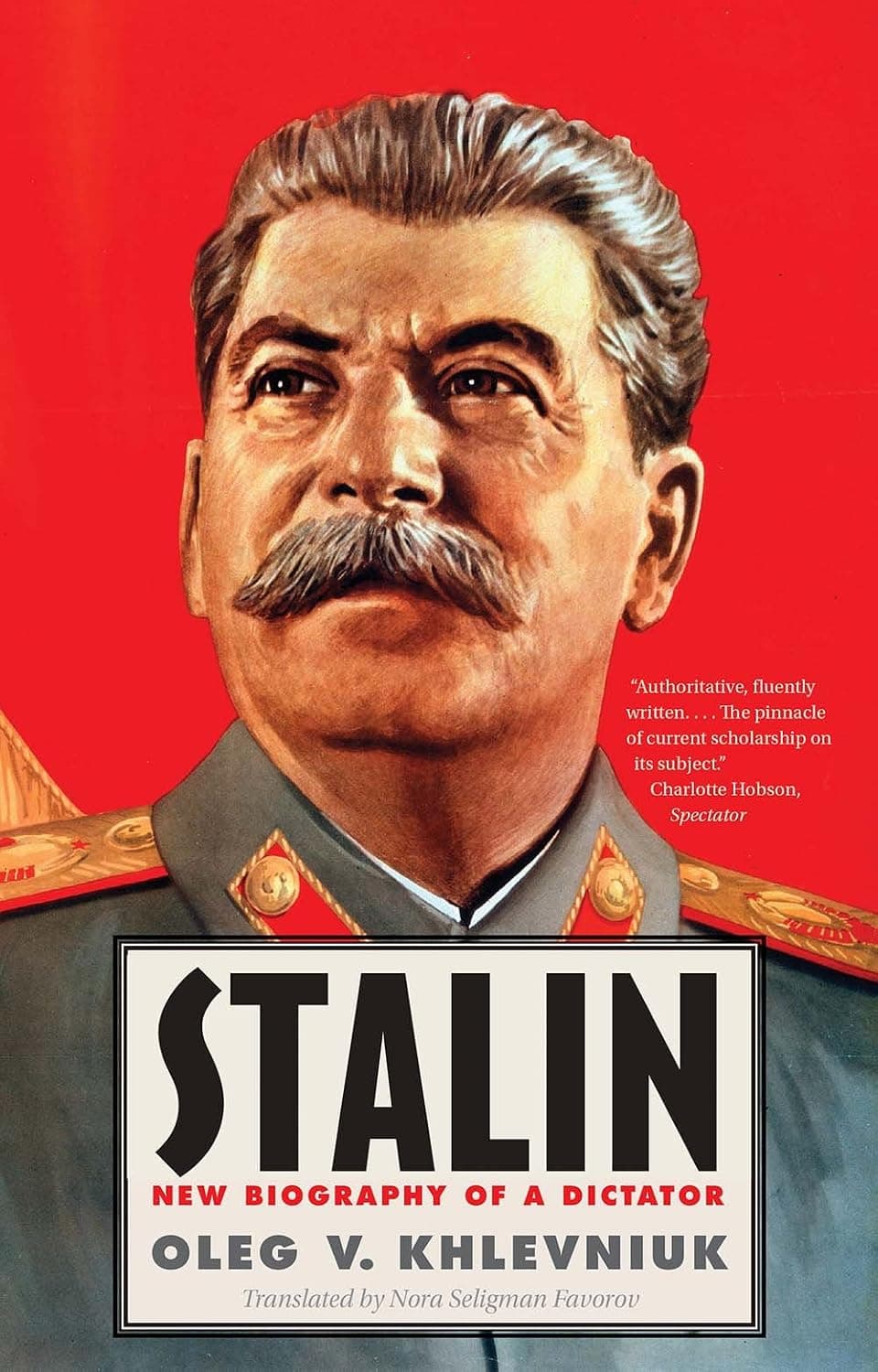
Each chapter opens with Stalin on his dacha floor in 1953, unattended for hours. From the archives Khlevniuk builds the rest: a micromanager who read everything and signed the death lists himself.

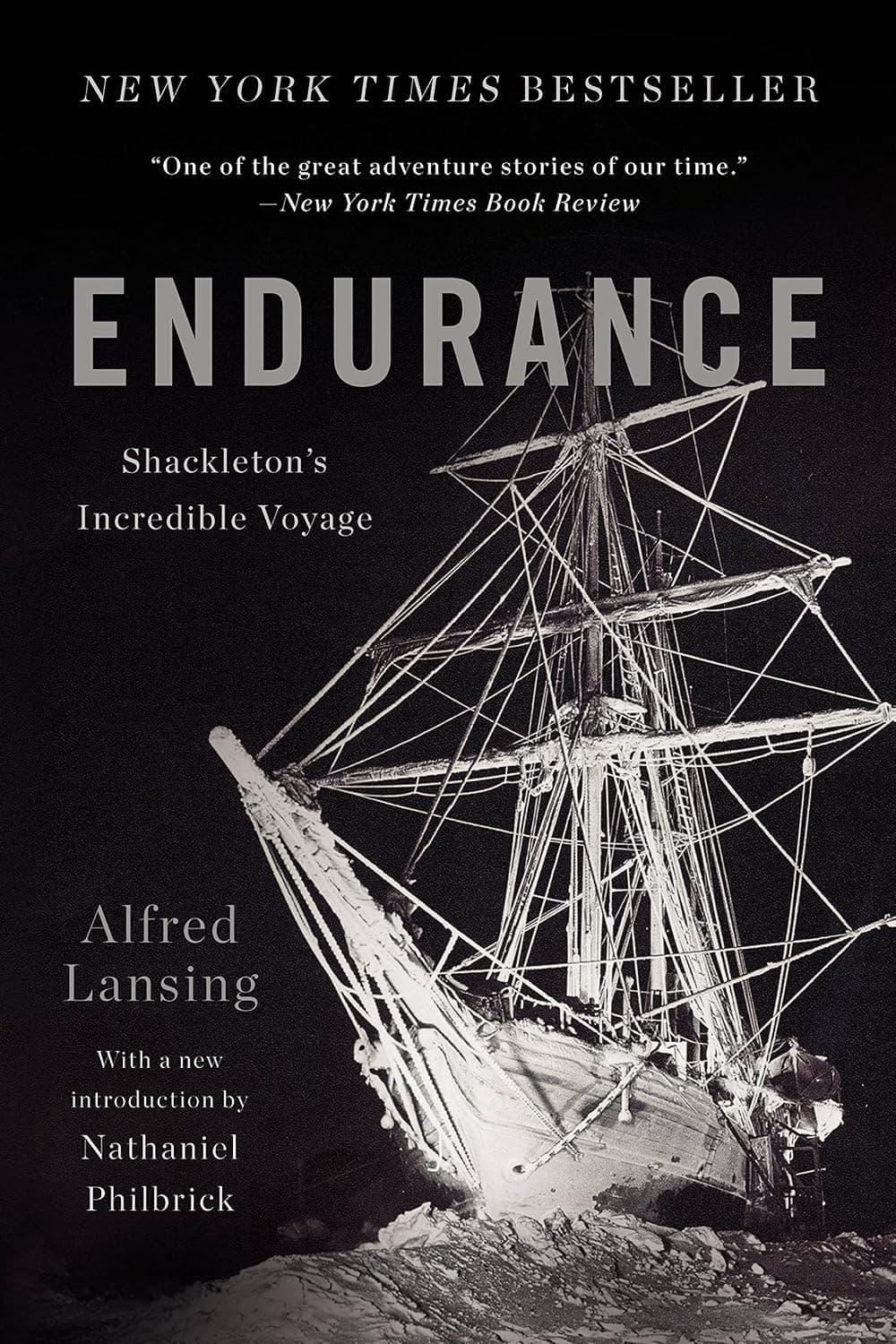
Antarctic pack ice crushes their ship in 1915, leaving twenty-eight men on a drifting floe. Shackleton sails an open boat eight hundred miles for help. Lansing reconstructed it all from the crew's diaries.

A minor German princess arrives in Russia at fourteen, deposes her husband eighteen years later, and rules for thirty-four. Massie writes her from the inside, drawing on her own candid memoirs.

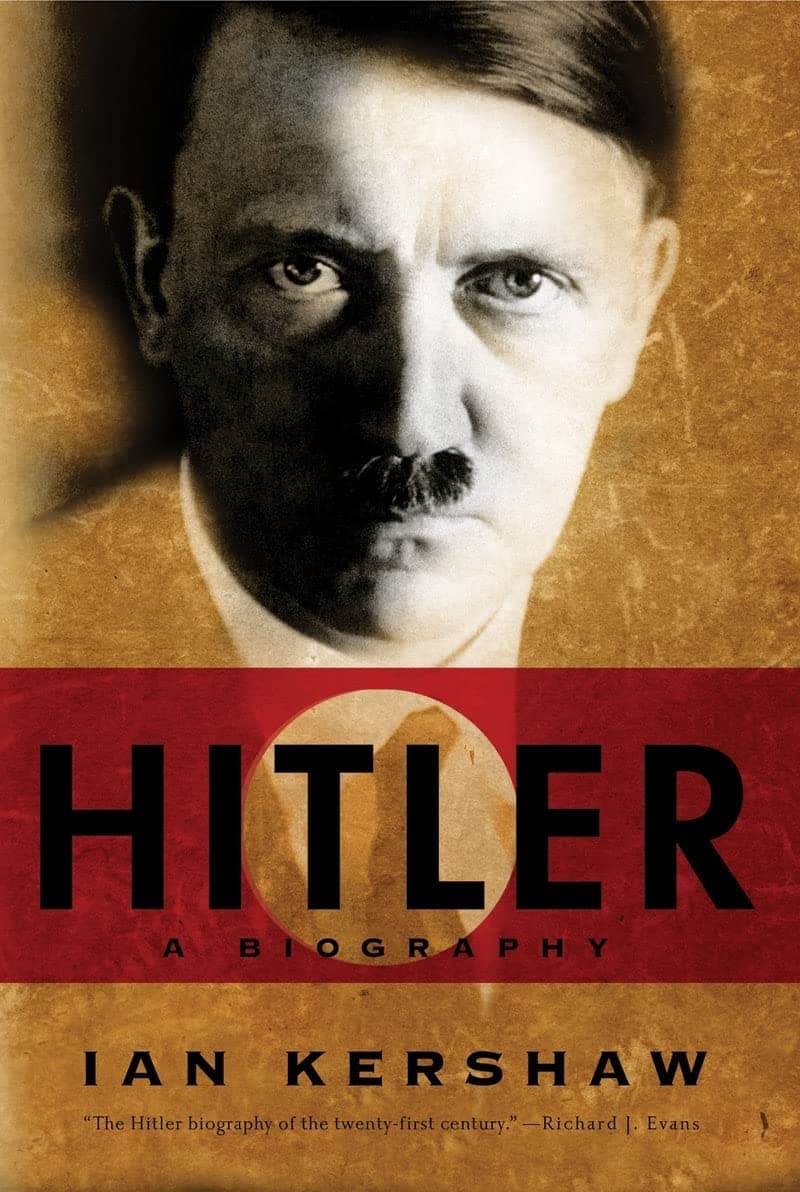
Hitler kept lazy hours and rarely issued a written order. Kershaw explains the machine anyway: officials across Germany competing to anticipate what the Führer wanted, radicalizing policy from below into genocide.

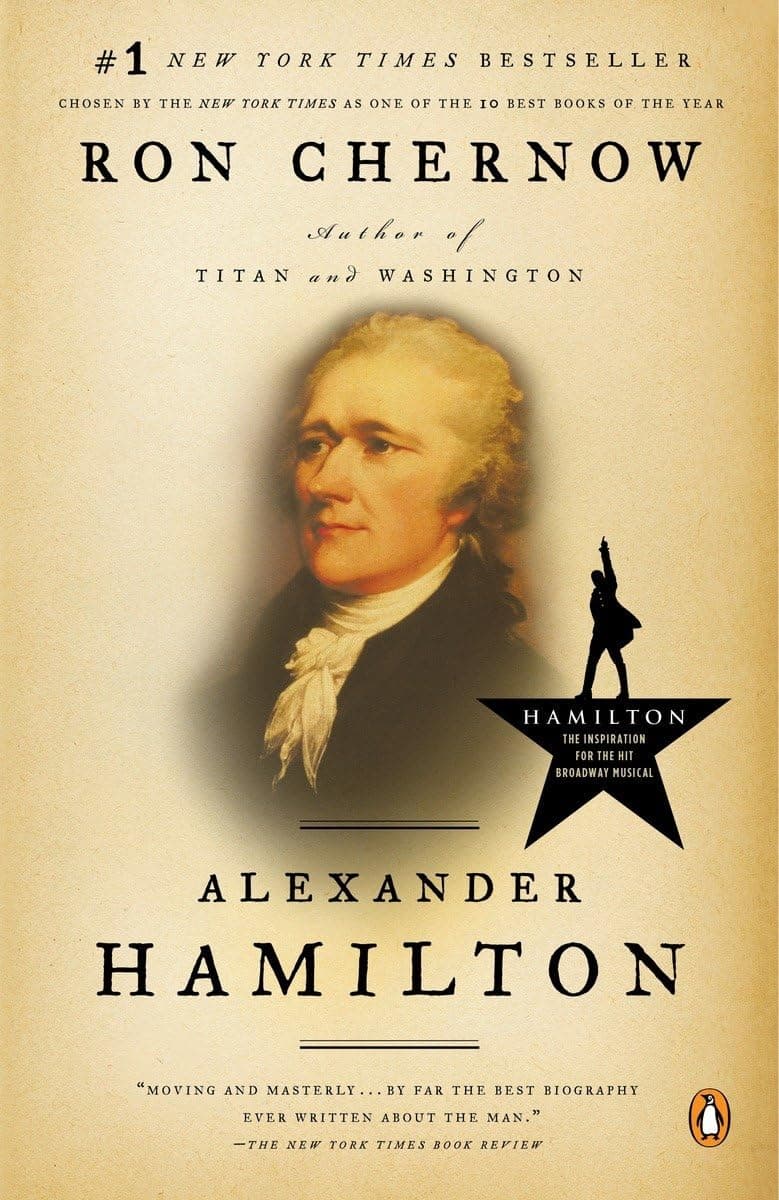
Born out of wedlock in the Caribbean, Hamilton reached New York at seventeen, wrote most of the Federalist Papers, and built American finance. Chernow drives it all toward the duel.

The finest modern life of a poet. Holmes walks Coleridge's roads and brings him back talking, from "The Ancient Mariner" and Wordsworth's company to the laudanum and the sailing for Malta.

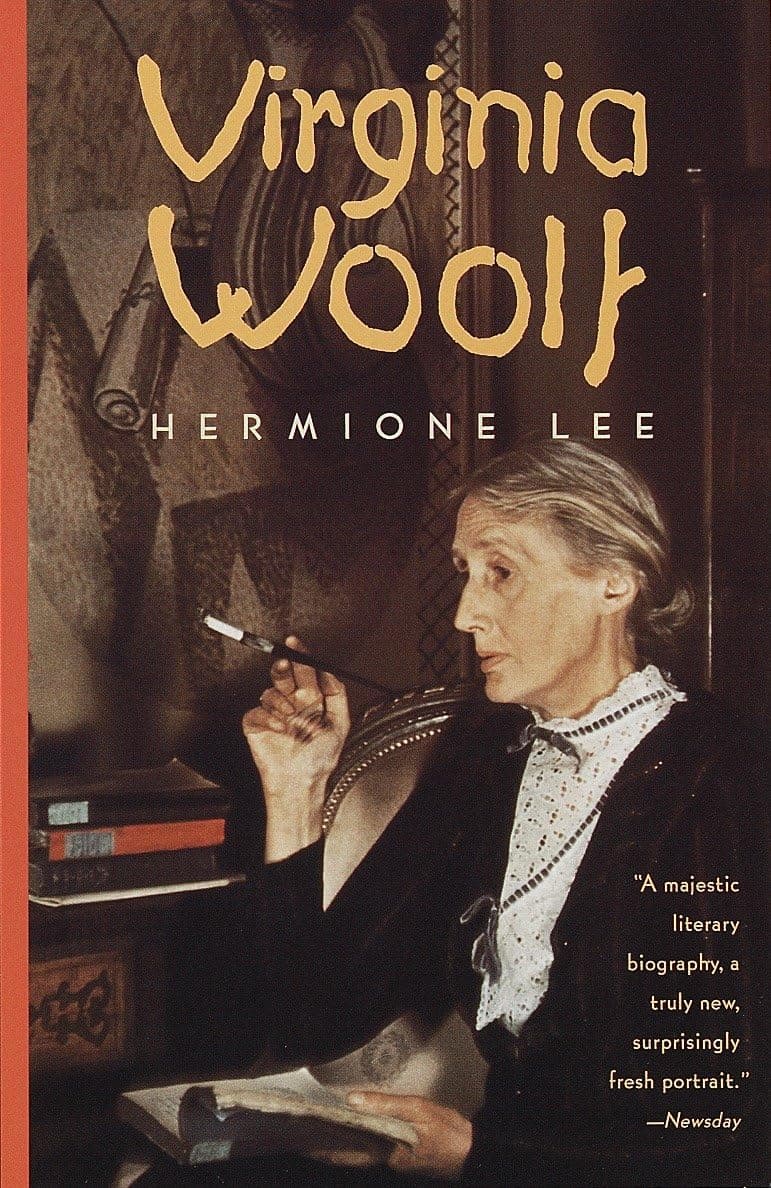
Lee refuses the fragile madwoman of legend and gives back a working writer: funny, ambitious, hard on her friends. She holds the breakdowns and the novels together and lets neither explain the other.

Four generations of one bank, from Victorian London to the crash of 1987. Chernow's Pierpont Morgan locks New York's bankers in his library until they agree to end the Panic of 1907.

A shy Memphis truck driver walks into Sun Records and remakes American music. Guralnick carries Elvis to the Army with no sneer and no myth. Bob Dylan said it cancels out all others.

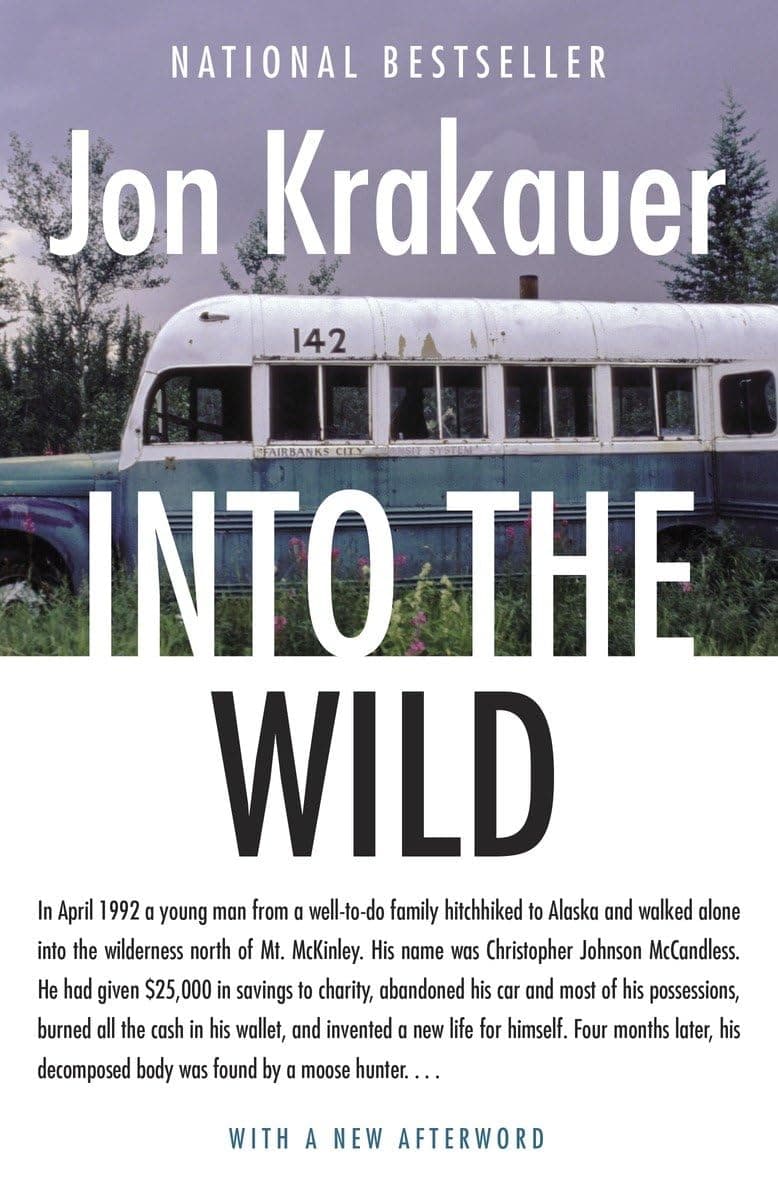
Chris McCandless gave his savings to charity, burned the cash in his wallet, and walked into the Alaskan bush in April 1992. Krakauer refuses to file him under either fool or saint.

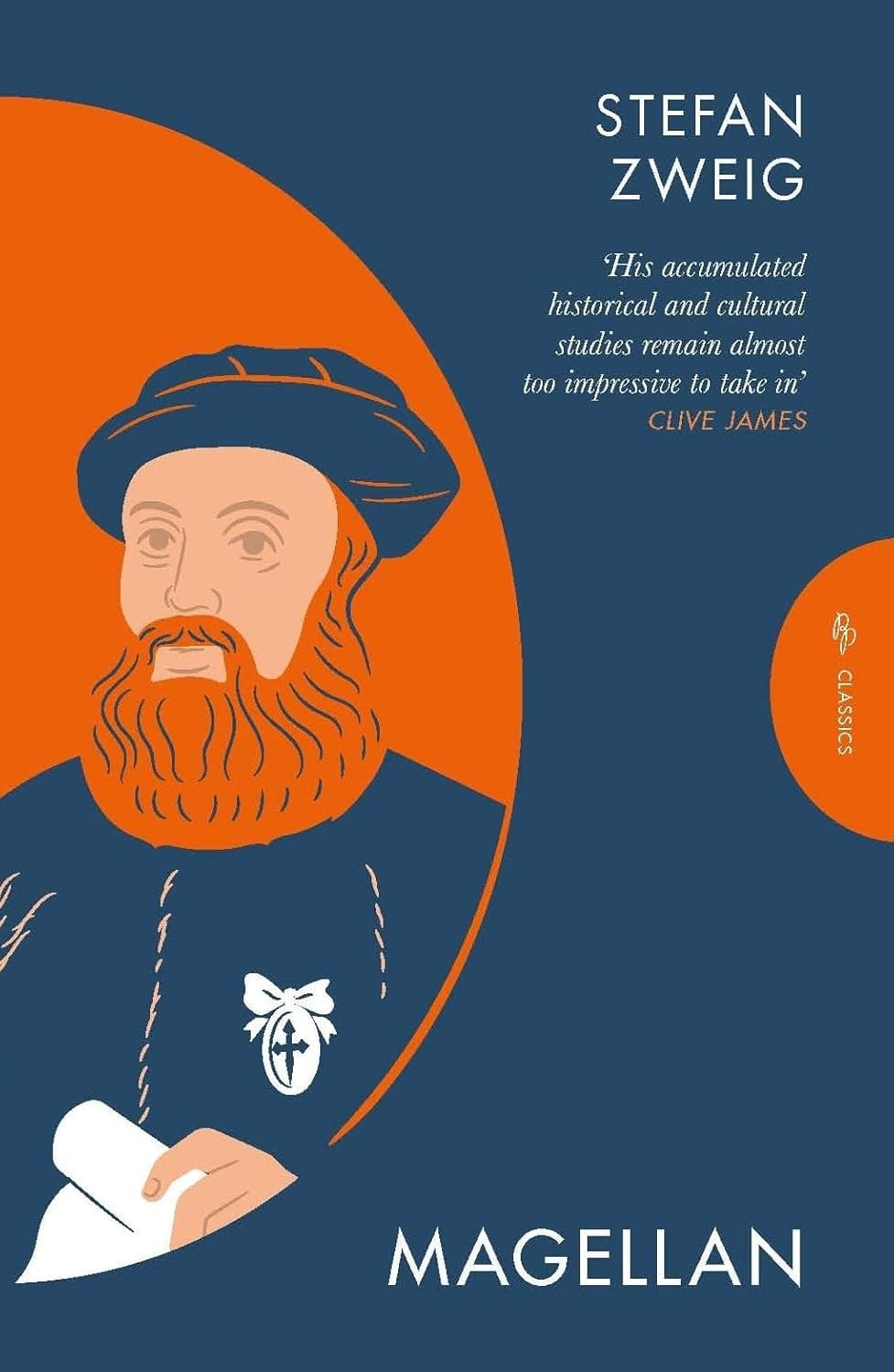
Five ships left Seville in 1519 and one came home three years later with eighteen men aboard. Zweig tells the circumnavigation as the story of an obstinate will set against an unmapped ocean.

The artist Robert Irwin gave up the image, then the frame, then the object, until only seeing was left. Weschler recorded three decades of his talk, and reading it retrains your eye.

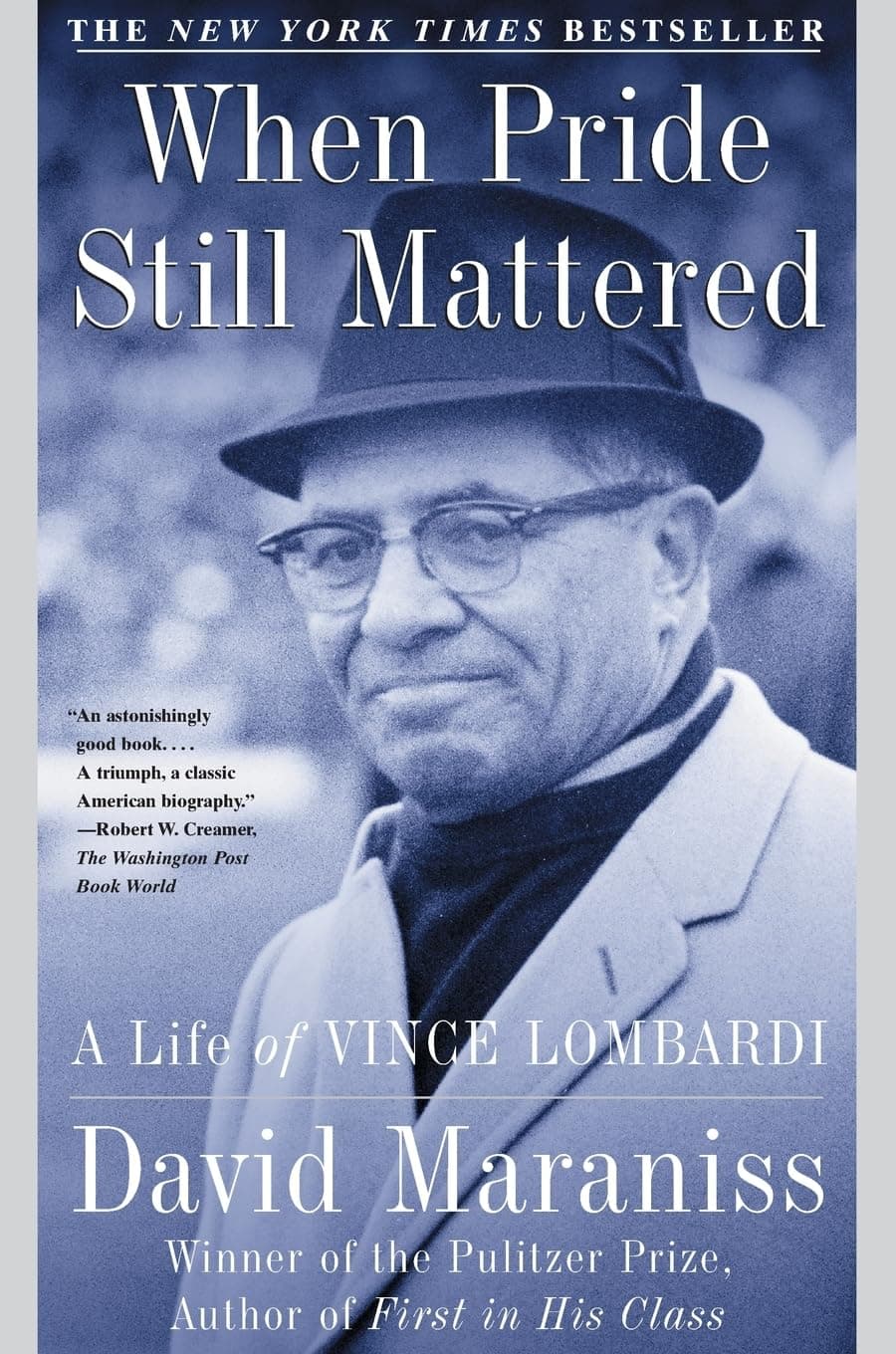
The finest life written of an American coach. Maraniss takes Lombardi from a Brooklyn butcher's son studying for the priesthood to the Packers dynasty, and shows what the discipline cost his family.