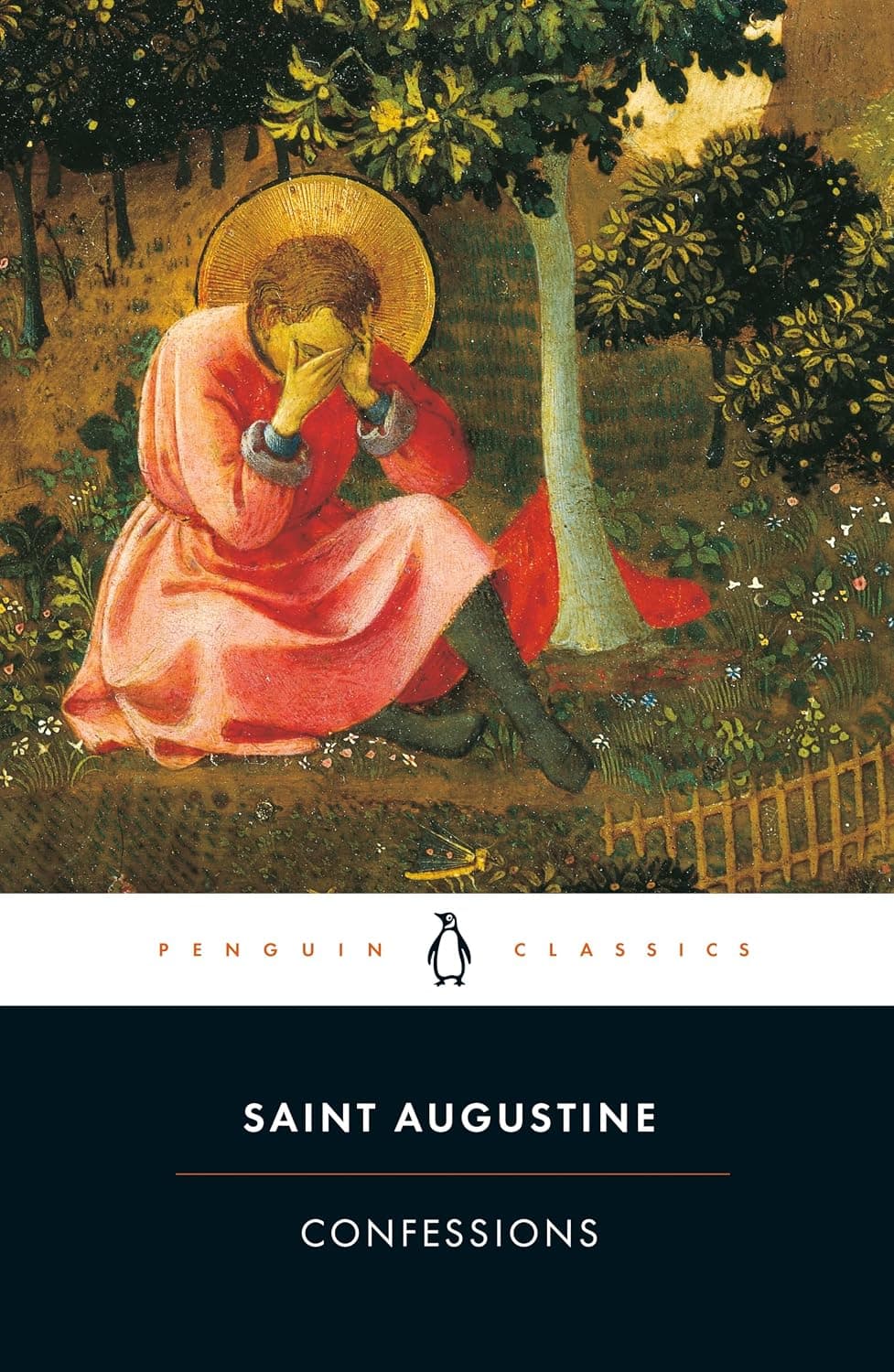
Confessions
398 · 346 pages
Augustine addresses God directly, confessing the stolen pears, the years of lust, and a prayer for chastity but not yet. Sixteen centuries on, his self-examination still cuts deeper than modern memoir.
★ 9.3
 skopia
Augustine addresses God directly, confessing the stolen pears, the years of lust, and a prayer for chastity but not yet. Sixteen centuries on, his self-examination still cuts deeper than modern memoir.

Levi was an Italian chemist deported to Auschwitz at twenty-four. He survived, then spent months making his way home across a ruined Europe, and reports all of it without raising his voice.

Two years in hiding behind an Amsterdam office, set down by a girl who wrote about her mother, her boredom, and who she meant to become. She was fifteen when they were found.
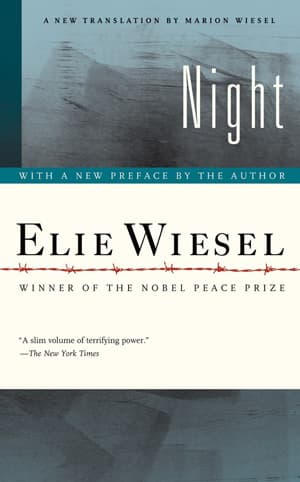
Wiesel was a religious teenager when his town was emptied and he arrived at Auschwitz with his father. He tells it in short flat sentences, and the flatness is unbearable.

Malcolm X was a Michigan boy, then a Harlem hustler, then a convict copying the dictionary, then a speaker no one in America could ignore. He was still changing when he was murdered.
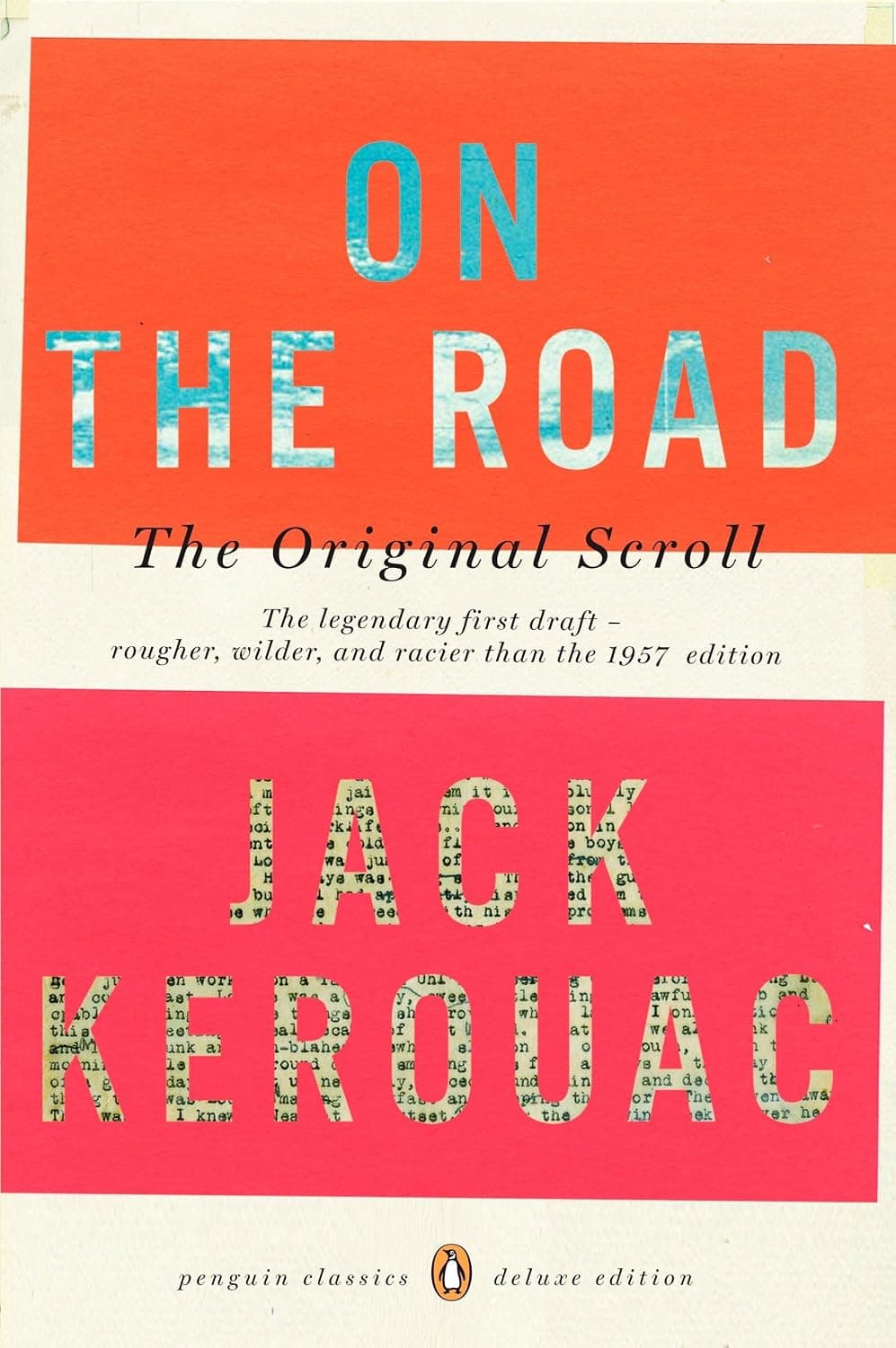
Sal Paradise crosses and recrosses America with Dean Moriarty, a car thief who talks nonstop and cannot sit still. Kerouac made restlessness the American subject, and the prose runs on the same fuel.

Lawrence rode with the Arab tribes revolting against the Ottoman Empire, dynamited their trains, and took Aqaba from the desert side. He tells it as epic and never stops accusing himself.

The method that would break an empire took shape over twenty years in South Africa, and Gandhi sets it down beside his vows, his diets, and his failures, with disarming candor.
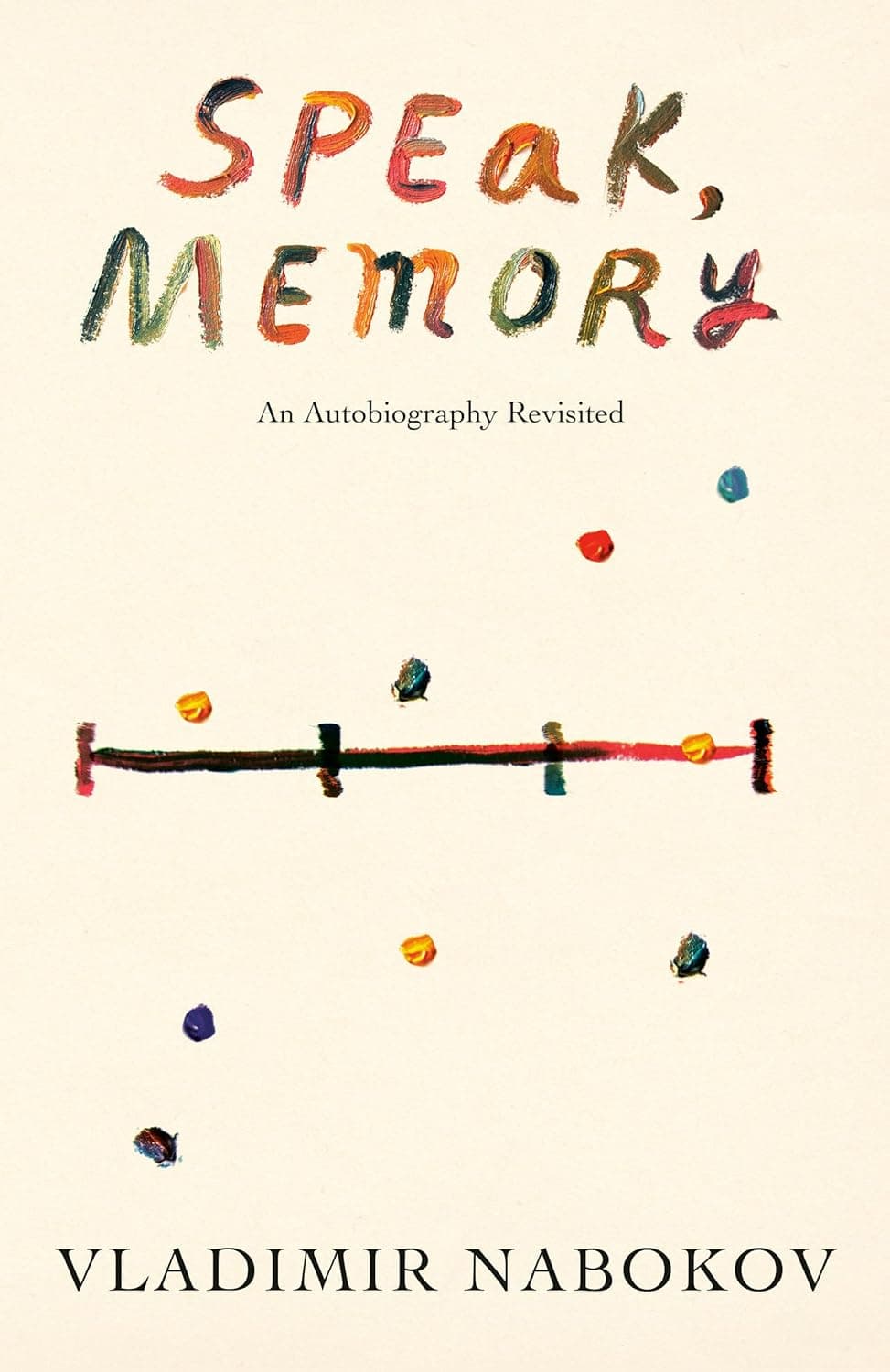
Nabokov reassembles a Russian childhood of tutors and butterfly nets, the revolution that took it, and a father shot dead in Berlin. He handles his own memory like a specimen under glass.

Three men hauled sledges through five weeks of Antarctic winter darkness to fetch penguin eggs, in cold that cracked Cherry-Garrard's teeth. That was before Scott's polar party failed to come back.

Osip Mandelstam wrote sixteen lines mocking Stalin and died in a camp for them. His widow Nadezhda memorized the poems to keep them alive, then set down exactly how the fear worked.

At eighteen in 1933 Fermor set off on foot from Holland for Constantinople, sleeping in barns one night and in castles the next, and caught central Europe in its last clear light.
Every confessional memoir descends from this. Rousseau promised to show himself entire and delivered: the ribbon he stole and blamed on a servant girl, the five children he gave to a foundling hospital.

Nine years of Restoration London set down every night in shorthand. Pepys watched the Great Fire from a boat and he was as frank about his own adulteries as about the plague.

Seventeen-hour shifts in a Paris restaurant kitchen, then the tramps' road between London workhouses. Orwell went into poverty himself and came back able to describe what hunger does to a mind.

Frankl, a Viennese psychiatrist, lost his wife and parents to the camps and survived Auschwitz himself. He watched who endured and who gave up, and named the last freedom: choosing your own response.

Five years at sea gave Darwin fossil giants in Patagonia, an earthquake lifting the Chilean coast, and Galapagos tortoises. He wrote it as travel narrative, and evolution grew out of these notes.

Northup was a free New Yorker with a family and a violin. Lured to Washington in 1841, he woke chained in a slave pen and spent twelve years on Louisiana cotton plantations.
Orwell joined a militia on the Aragon front, took a sniper's bullet through the throat, then watched Communist allies brand his comrades fascists. The clearest book anyone wrote about being lied to.

Zweig grew up in a Vienna that believed in security, art, and progress, and lived to watch it burn twice. He mailed this memoir to his publisher the day before he killed himself.
Sledge fought as a Marine mortarman on Peleliu and Okinawa, then set down the mud, the maggots, and the looting of corpses. The critic Paul Fussell ranked it with the finest war memoirs.
Paris in the 1920s, where a young writer works in cafes, borrows books from the bookseller Sylvia Beach, and takes the measure of Gertrude Stein and Scott Fitzgerald. Hunger sharpens everything he sees.

Seven years in a crawlspace three feet high, watching her children through a peephole. Jacobs named what men's slave narratives left out: the owner who pursued her from her teens.

Byron crossed Persia and Afghanistan in the 1930s hunting domes and minarets, and the diary he kept is funny, rapturous, and cruel about everyone he meets. Paul Fussell called it travel writing's Ulysses.
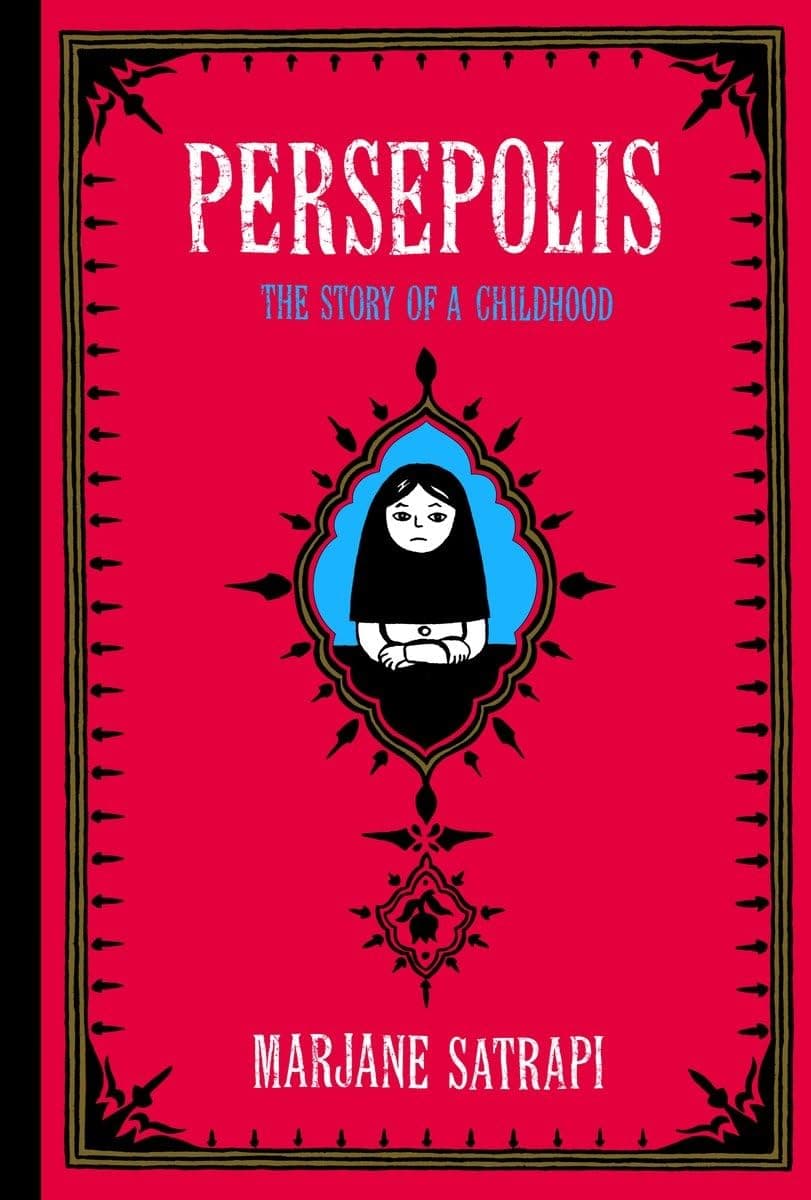
Satrapi was a schoolgirl in Tehran when the Shah fell and fourteen when her parents sent her alone to Vienna. She draws the revolution, the war and her exile in black and white.
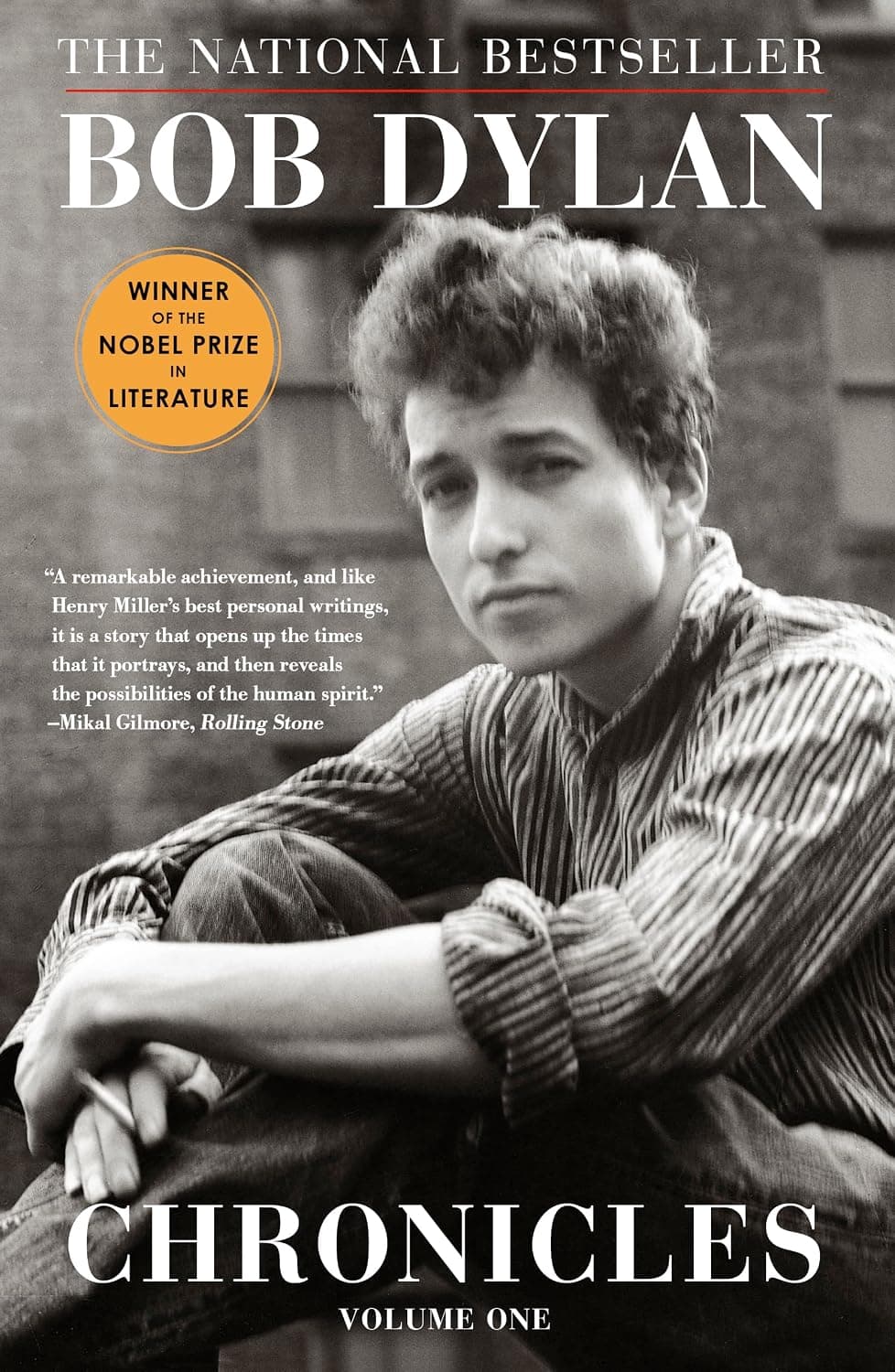
Dylan refuses the story everyone wants. He writes instead about borrowed couches in Greenwich Village in 1961 and a New Orleans studio in 1989, in prose as good as his songs.

A maid hid 264 Japanese carvings in her mattress while the Nazis stripped the Vienna palace of the Ephrussi bankers. De Waal, their descendant, follows the objects through his family's rise and ruin.

Seventeen and running from his apprenticeship, Franklin walks into Philadelphia carrying three bread rolls. He later ruled a daily chart of thirteen virtues, and every American self-improvement book works from that design.
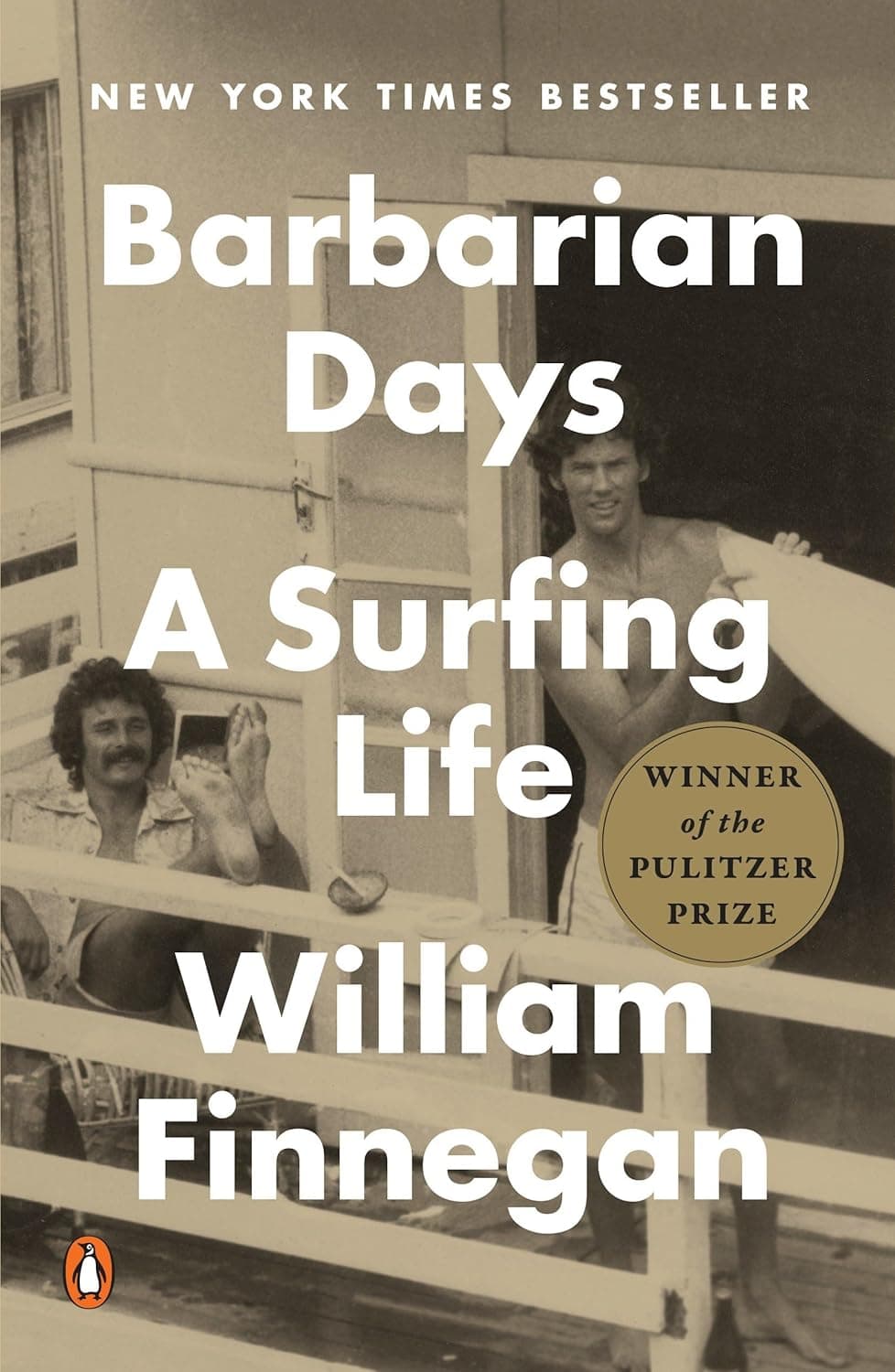
Finnegan chased waves from a Honolulu schoolyard to Fiji and Cape Town, then reported wars for the New Yorker. He writes surfing with a physicist's exactness and counts what the obsession cost.
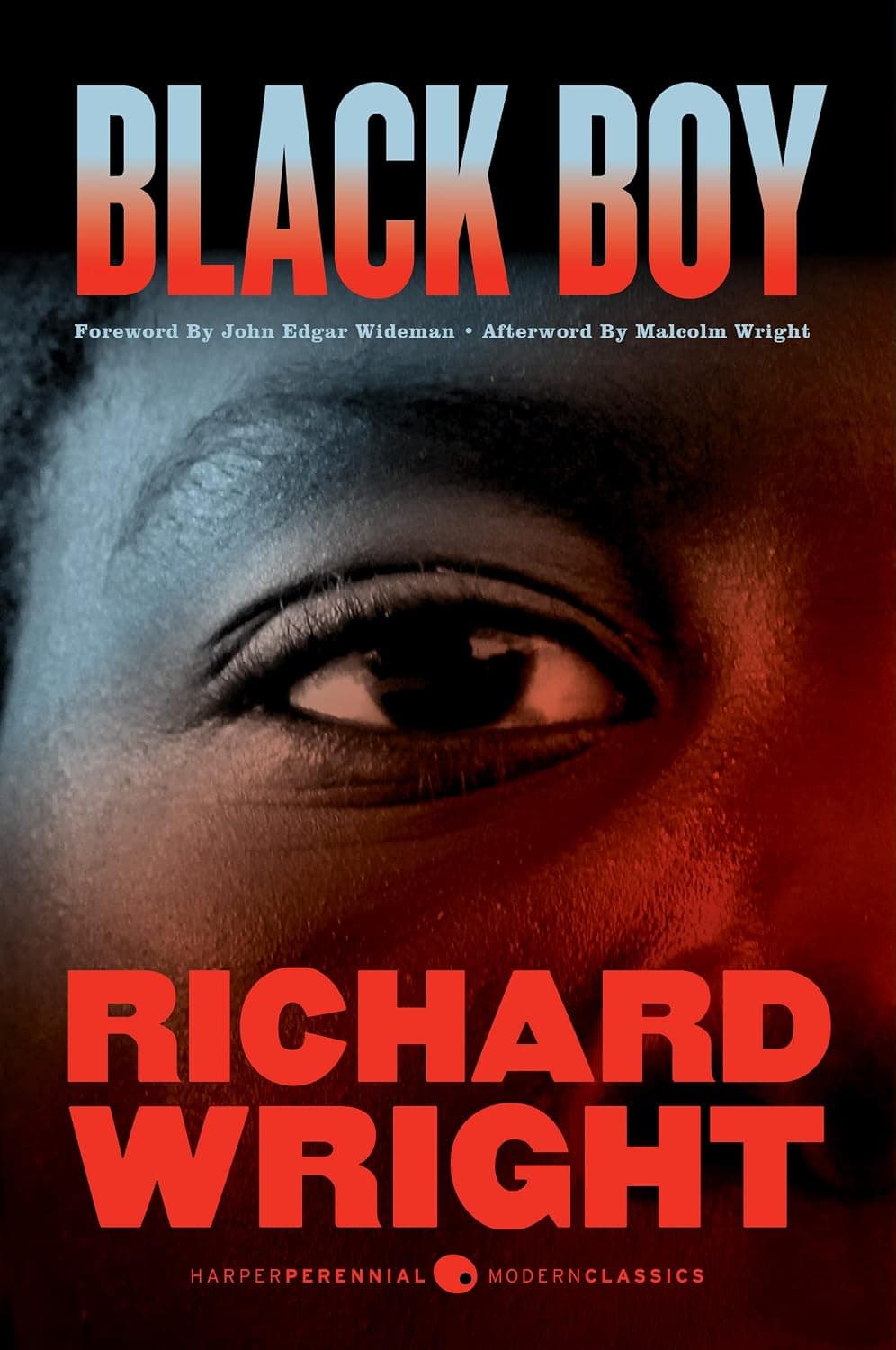
Hunger runs through Wright's Southern boyhood: for food, for books, which he gets by forging notes on a white man's library card. He sets down Jim Crow's cruelty without a word of self-pity.
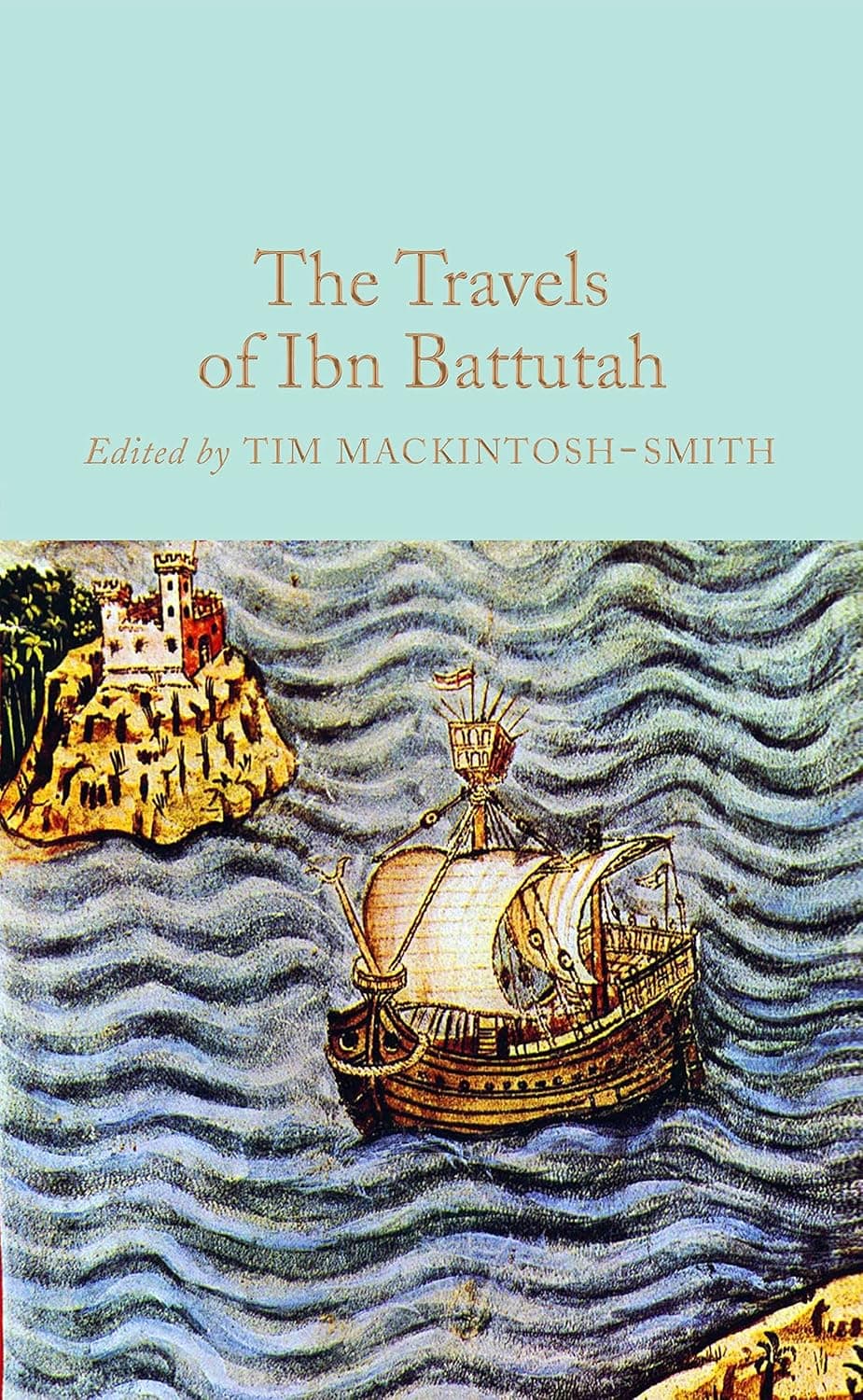
Ibn Battuta left Morocco at twenty-one for the hajj and stayed away twenty-nine years, judging cases in Delhi and crossing the Sahara to Mali. He dictated all 75,000 miles from memory.

Adams writes his own life as another man's, grandson and great-grandson of presidents, educated for a world that vanished. A Paris dynamo strikes him with the force medieval pilgrims felt from the Virgin.

Levi-Strauss opens by declaring he hates traveling and explorers, then takes you into Brazil's interior among the Bororo and Nambikwara. Science, memoir, and philosophy run together in mourning for what contact destroyed.
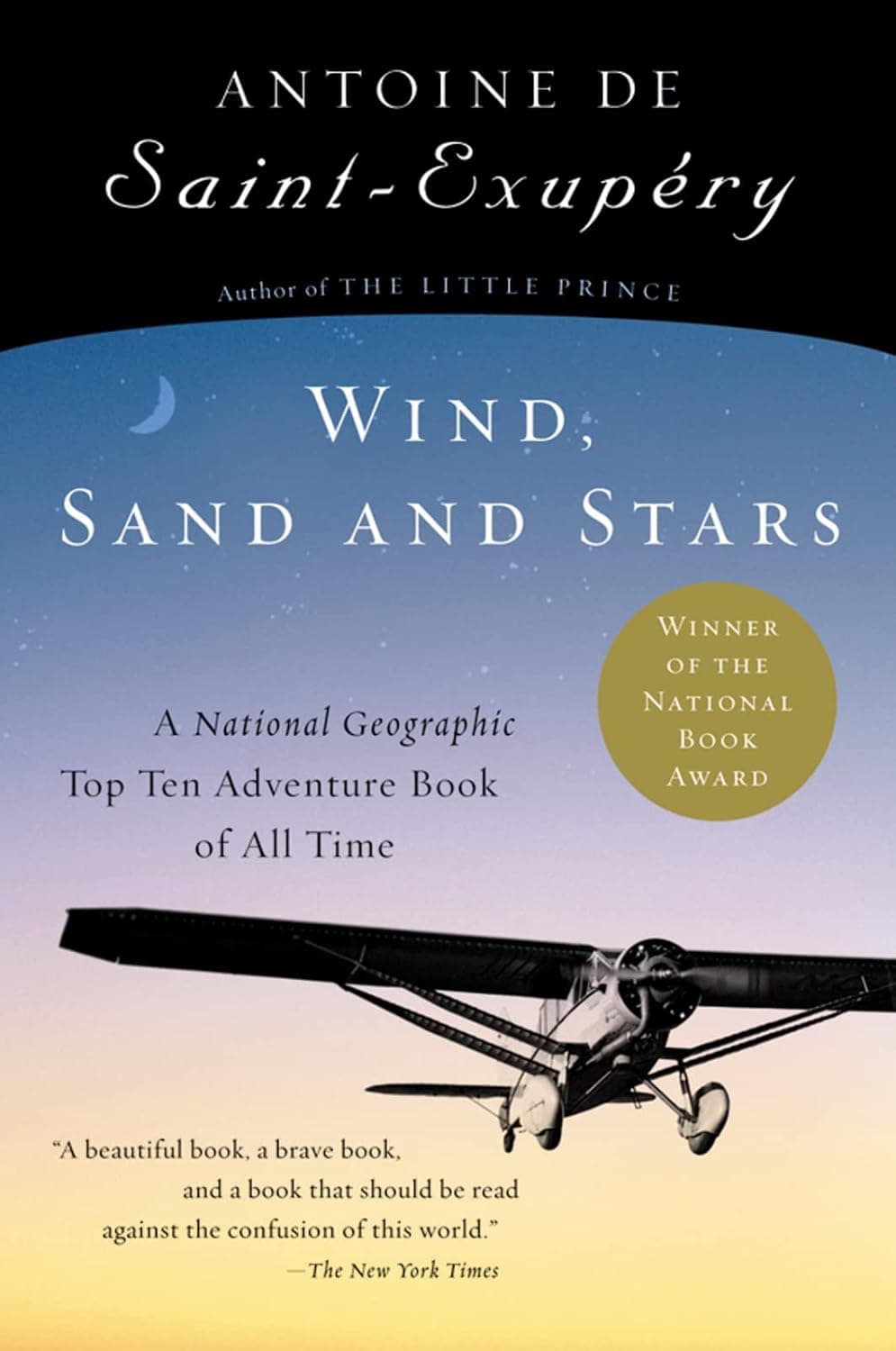
Flying mail over the Sahara and Patagonia, Saint-Exupery writes about what the work did to the men who flew it. The pilot Guillaumet crashed in the Andes and walked out through the snow.

Reported dead to his family at the Somme, Graves came home from the trenches unable to sleep. This is his farewell to England and to the whole world that sent him there.
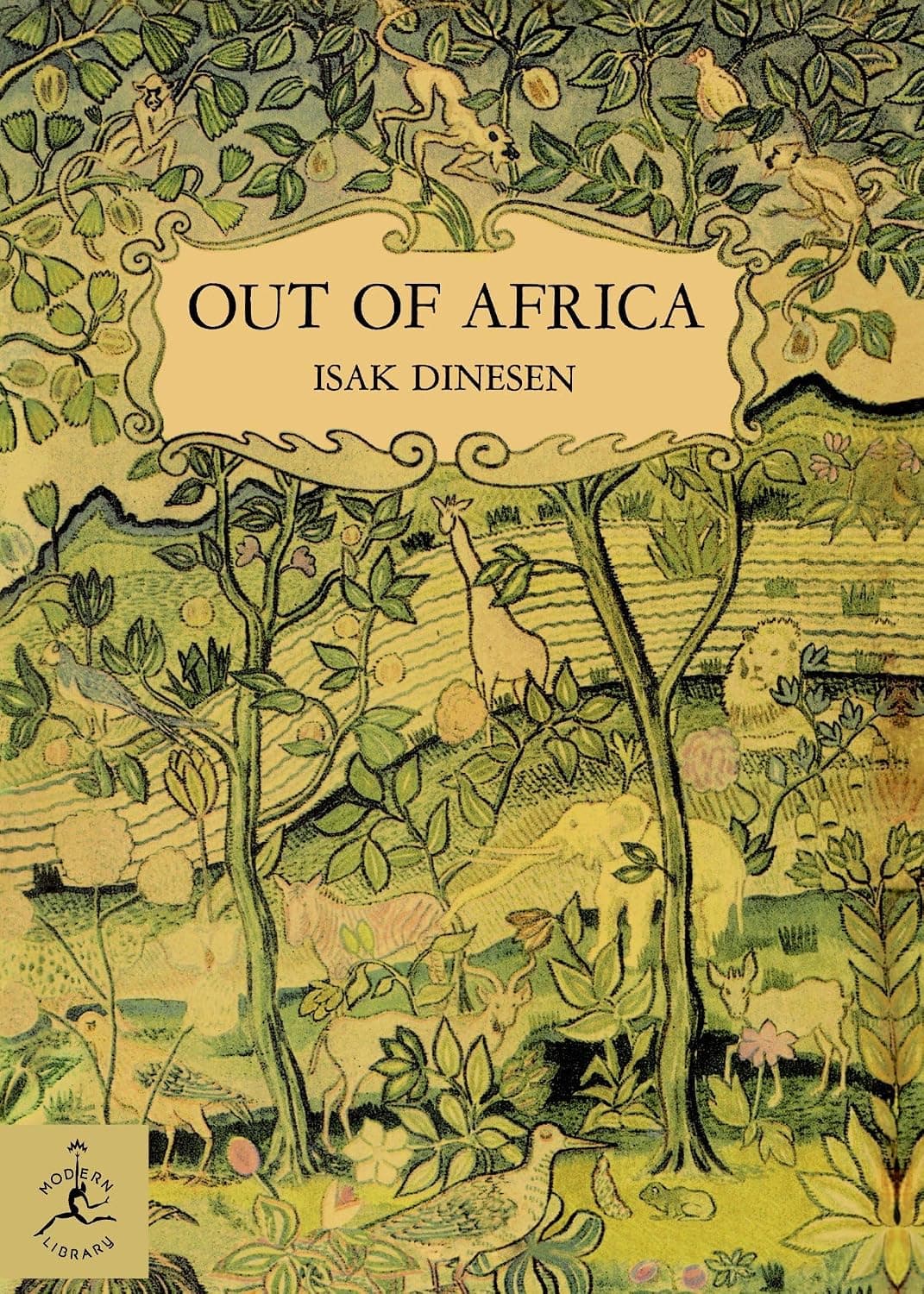
"I had a farm in Africa," Dinesen begins. Seventeen years below the Ngong Hills end in ruined coffee and a forced sale, and she tells it in prose that never asks for sympathy.
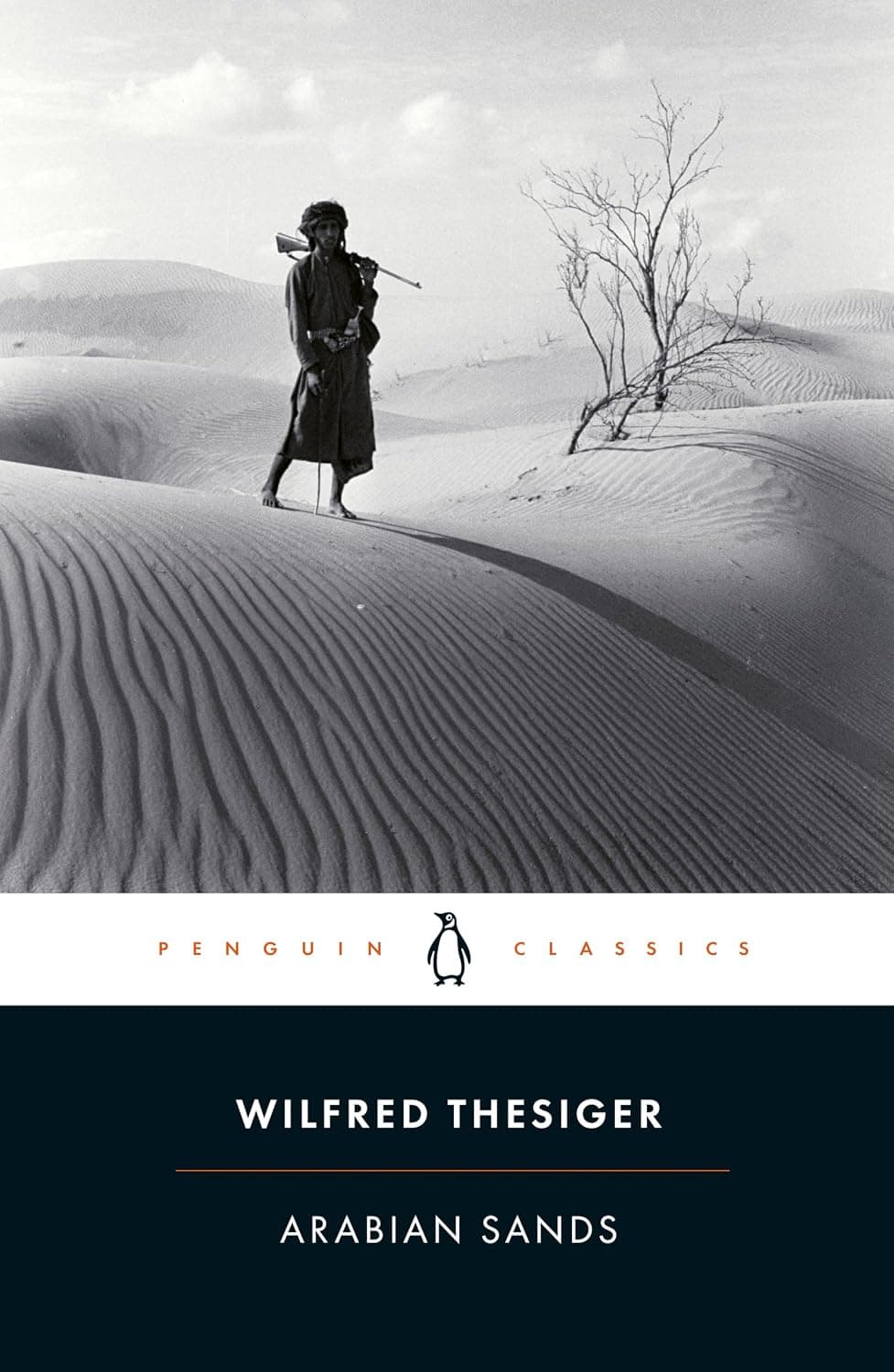
Thesiger crossed Arabia's Empty Quarter twice with Bedu companions, on a pint of water a day. He loved that life, knew oil money would end it, and wrote this as its elegy.

Banished by Mussolini to a village in the Italian south, a Turin doctor found peasants convinced Christ had stopped short of them. The book made postwar Italy confront a region it had abandoned.

Beauvoir rebuilds the pious Paris girlhood she fought her way out of, and sets against her own escape the fate of Zaza, the friend whose family refused her the man she loved.

Born enslaved in Virginia, Washington built Tuskegee from nothing and wrote it up as a parable of self-help. His bargain with white America, separate as the fingers, split Black politics.