The Republic
380 BC · 528 pages
Asked why anyone should be just when nobody is watching, Socrates answers by building an entire city in conversation. The allegory of the cave has never stopped explaining people to themselves.
★ 8.8
 skopia
Asked why anyone should be just when nobody is watching, Socrates answers by building an entire city in conversation. The allegory of the cave has never stopped explaining people to themselves.
Machiavelli threw out the question of how a ruler ought to behave and asked how power is taken and kept. His answer, that a prince does better feared than loved, still unsettles people.

Rawls asks which rules you would pick for a society without knowing your place in it. His answer, equal liberties and inequality only when it lifts the worst off, reset political philosophy.
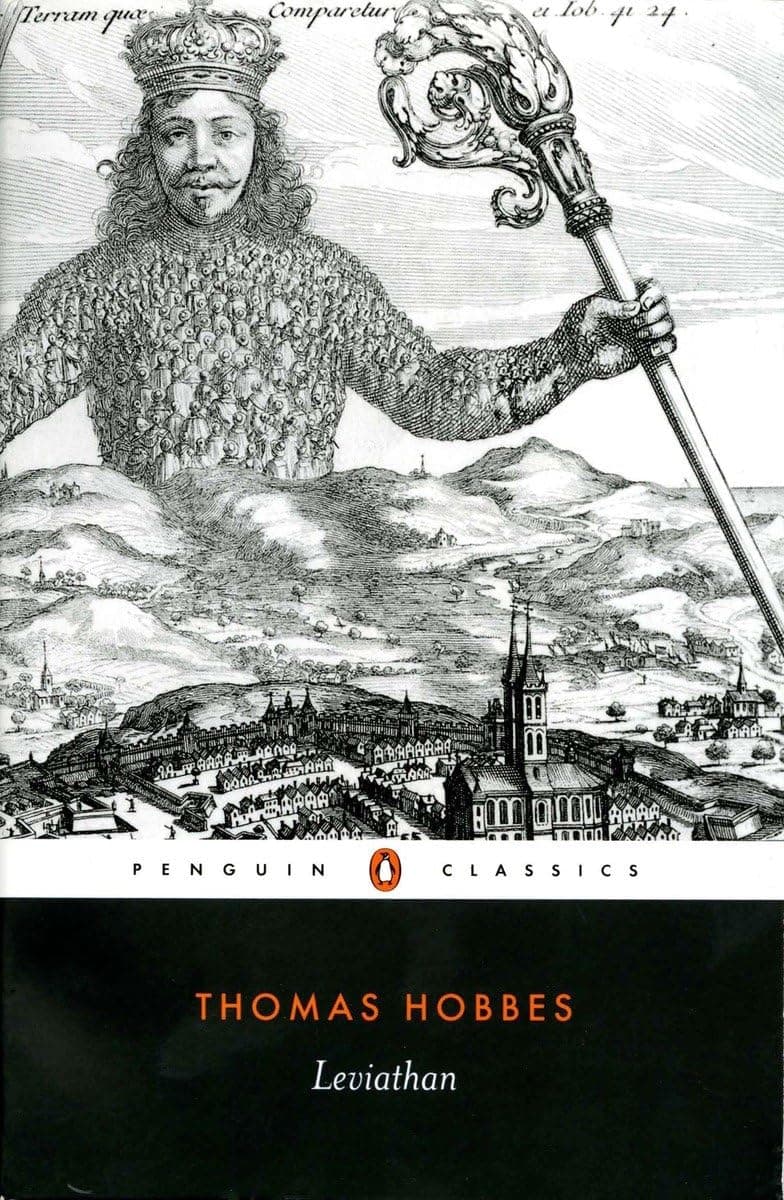
Strip away the state, Hobbes argues, and life becomes a war of everyone against everyone, nasty, brutish, and short. The remedy is to hand all our power to one sovereign.

Fanon was a psychiatrist from Martinique who joined the Algerian revolution and died at thirty-six. Colonialism deforms the mind of the colonized, he argues, and violence undoes it. Revolutionaries read him as instructions.

People are born free and equal, Locke argues, own what their labor makes, and create government by consent. One that breaks the trust may be thrown out. Jefferson took the argument whole.
Cicero tells his son what a decent person owes everyone: keep your word, harm nobody, and stop believing a shameful act can pay. Real Roman cases of profit against honesty carry the argument.
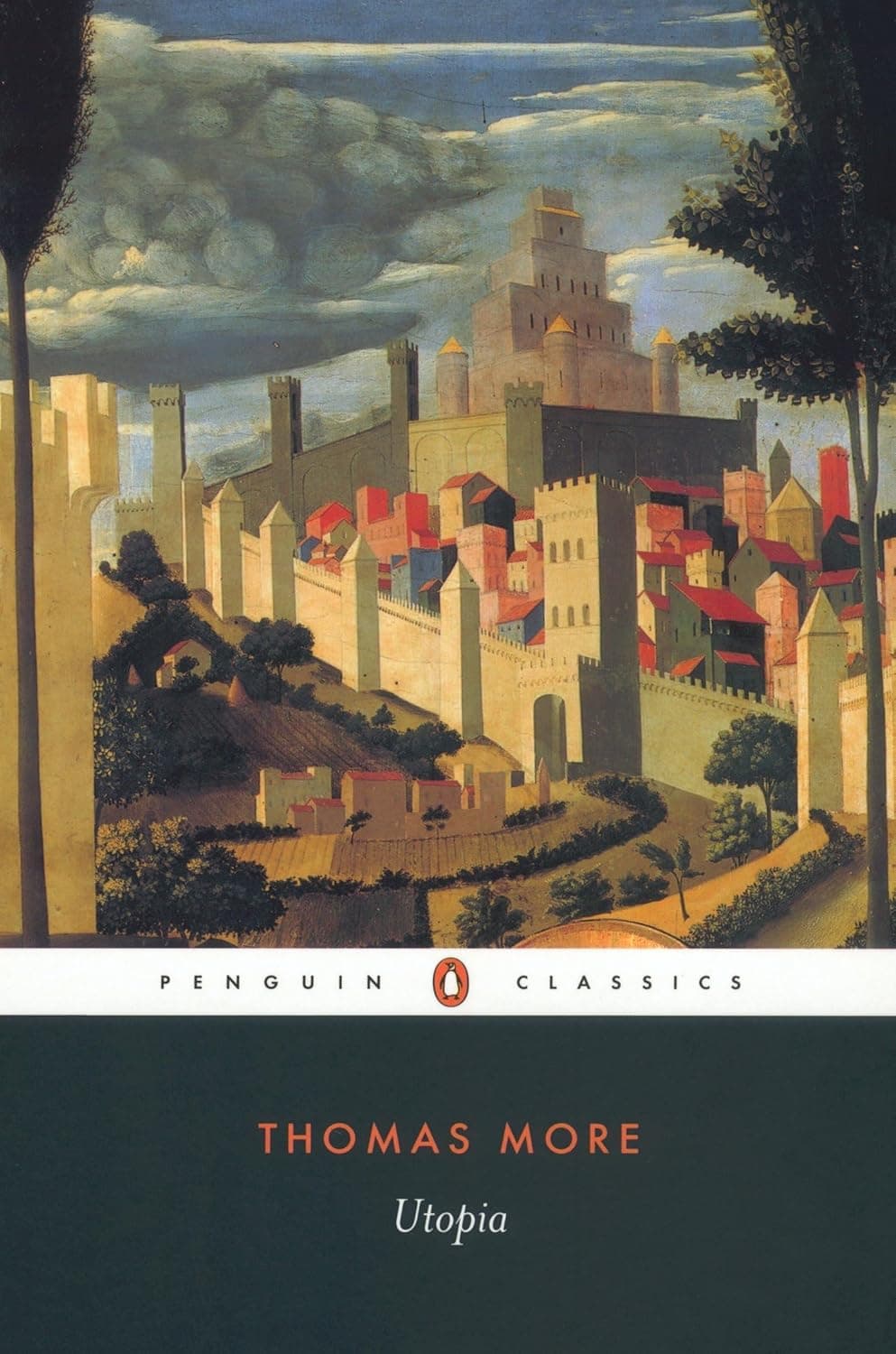
On More's island nobody owns anything, everyone works six hours a day, and gold goes into chamber pots. More invented the word utopia for it and the literature of the ideal society followed.

You work a machine you do not own, making something you never see again, and it hollows you out. Marx calls this alienation, and the Manifesto makes it a demand for revolution.

Hamilton, Madison, and Jay wrote eighty-five essays to sell New York on the Constitution, arguing that a large republic tames factions and that ambition must counteract ambition. Courts still quote them.

Freud's answer to why we are unhappy: civilization survives only by making us surrender aggression and desire, and the aggression we cannot spend outward turns inward as a permanent, unpayable sense of guilt.

Public opinion has a history, and Habermas locates its birth in the coffeehouses, salons, and newspapers where private men first argued about power. Advertising and mass media turned that argument back into spectacle.

The legal subordination of one sex to the other is wrong in itself and a hindrance to human improvement. Mill wrote that when a married Englishwoman could own nothing and had no vote.

Colonization degrades the colonizer into a brute, Césaire argues, and Hitler applied to Europe the methods empire reserved for everyone else. It turned the civilizing mission into a confession of barbarism.

Tradition stopped telling anyone what authority or freedom means, and Arendt refuses to invent a substitute. She reopens each concept instead, arguing that education fails when adults stop taking responsibility for the world.
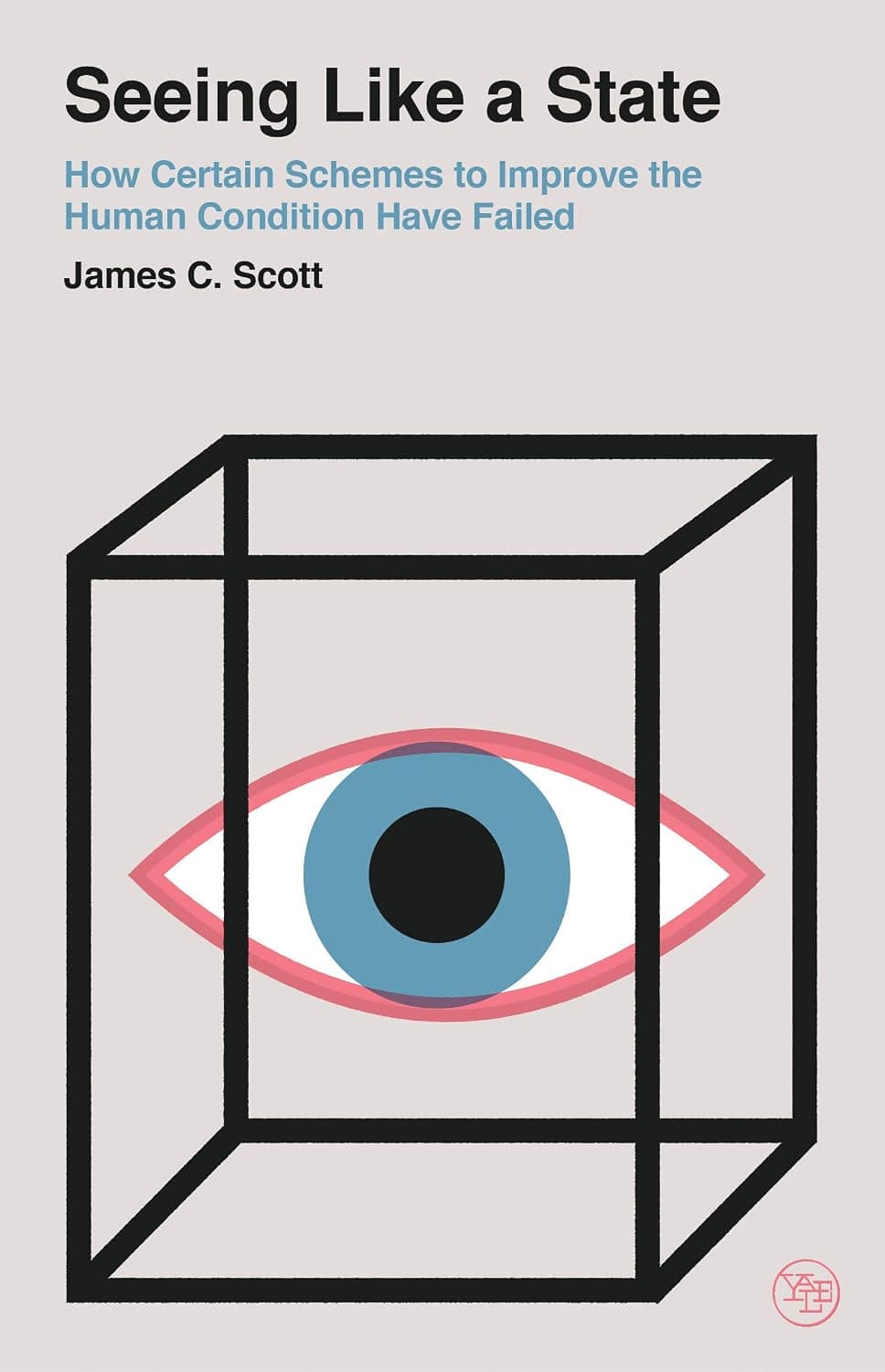
States can govern only what they can see, so they flatten society into maps and census rows, then plan from the flattening. Scott traces Soviet collectivization and Tanzanian villagization to that one mistake.

Sentenced to twenty years by Mussolini's courts, Gramsci filled thirty-odd notebooks explaining why revolutions fail: the powerful rule by consent, through schools, churches, and newspapers that make their order feel like common sense.

Niebuhr's argument: an individual can rise above self-interest and a nation cannot, so justice comes from power balanced against power. Cold War strategists and Martin Luther King alike thought in his terms.

Political freedom depends on economic freedom, Friedman argues, since markets disperse power governments concentrate. Proposals that read as heresy in 1962, ending the draft and floating the dollar, were policy by 1973.

Freedom from interference and freedom to become your true self are different things, the philosopher Isaiah Berlin warned, and tyrants prefer the second. His Tolstoy essay divides all thinkers into hedgehogs and foxes.