
The Conquest of New Spain
1568 · 412 pages
Fifty years on, writing in Guatemala, one of Cortés's foot soldiers set down the conquest of Mexico as the ranks saw it. He never got over his first sight of Tenochtitlan.
★ 7.3
 skopia
Fifty years on, writing in Guatemala, one of Cortés's foot soldiers set down the conquest of Mexico as the ranks saw it. He never got over his first sight of Tenochtitlan.
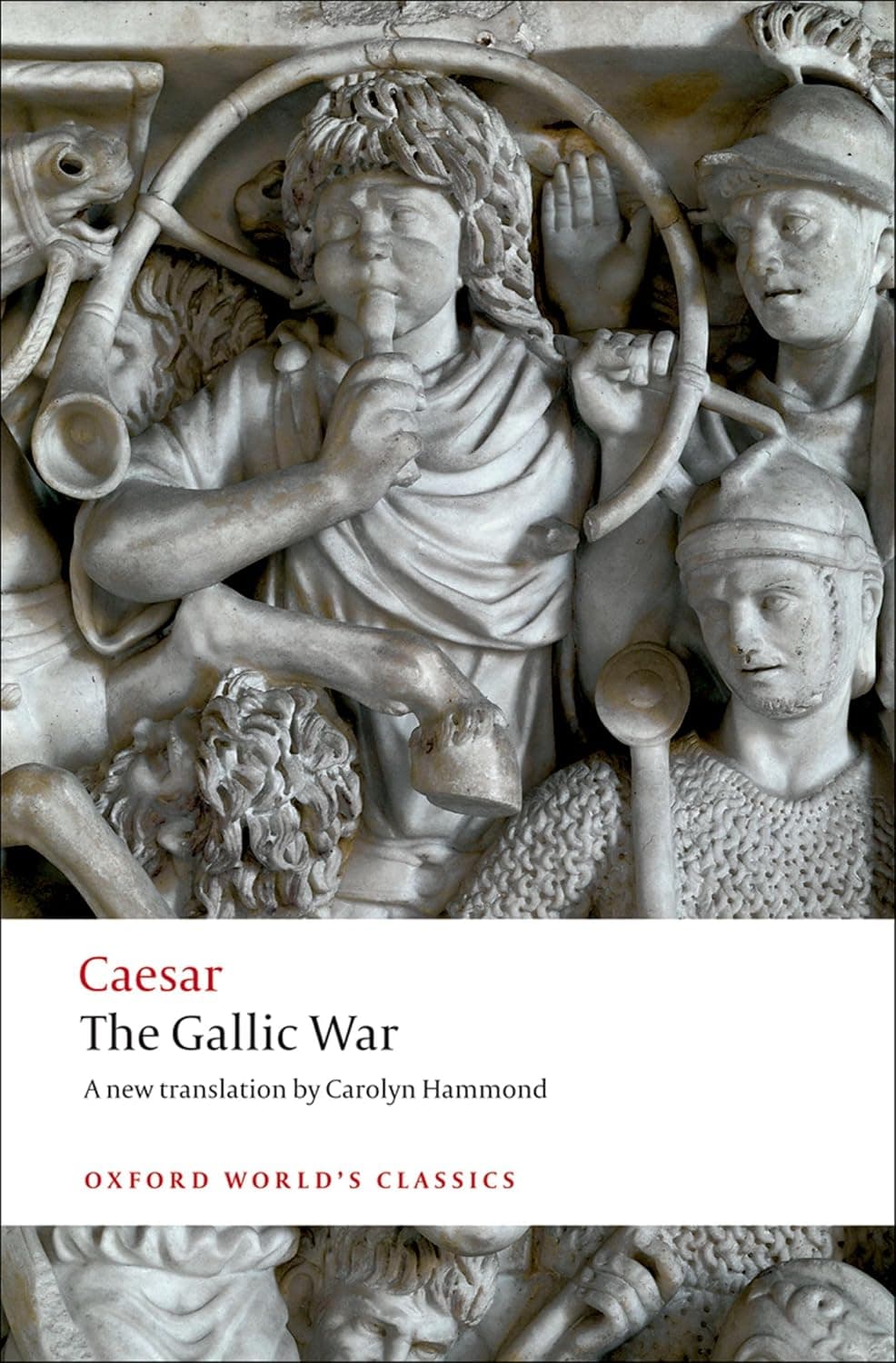
Caesar reports his own conquest of Gaul in the third person, equally calm about bridge building and massacre. The Latin is so clean that students still learn the language on it.

A Dominican friar who watched it happen set down, island by island, what Spain did to the people of the Caribbean. He forced an empire to argue whether the conquered were human.
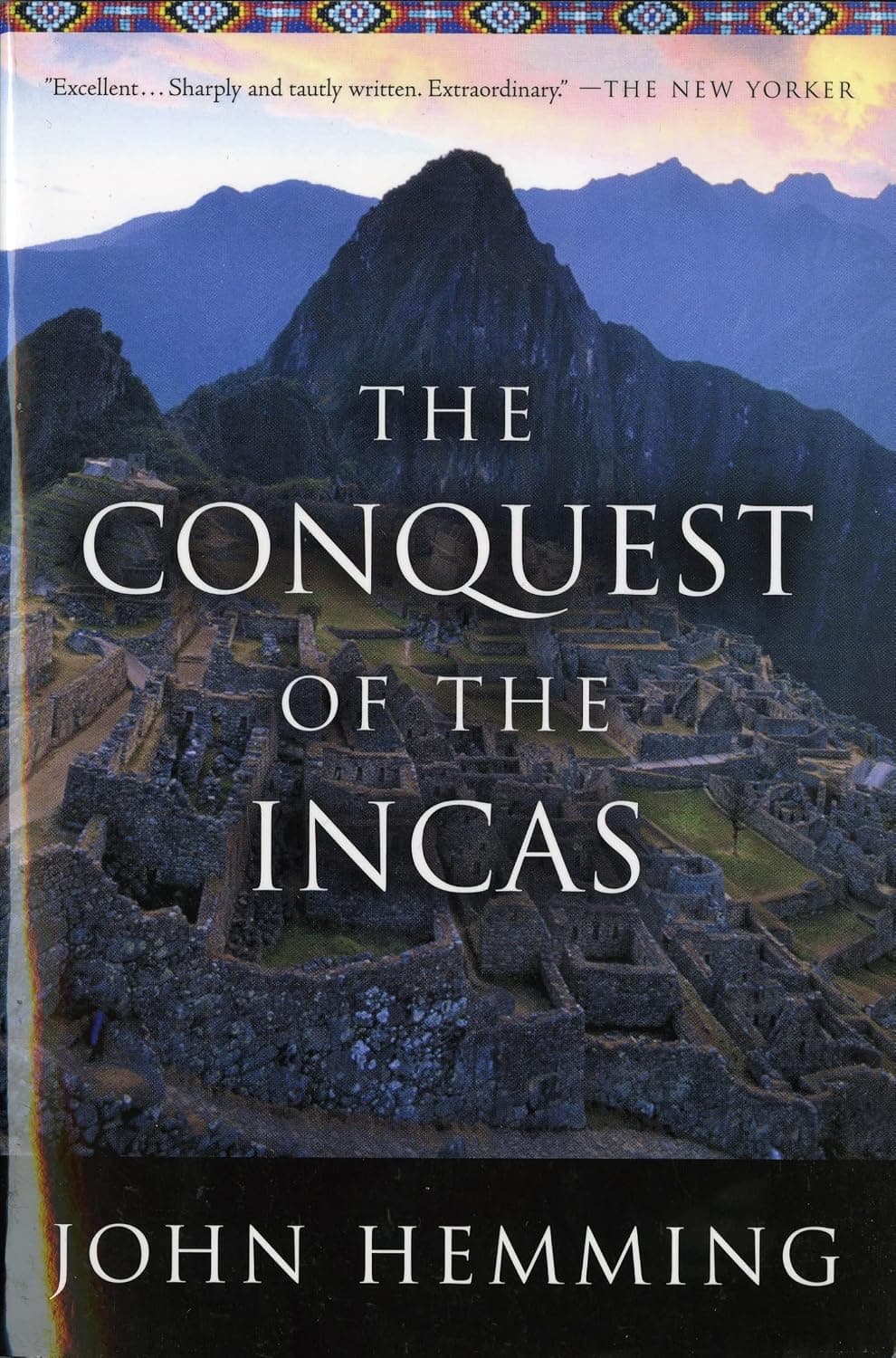
Fewer than two hundred Spaniards seized the Inca emperor at Cajamarca in 1532, and Hemming traces the forty years of rebellion and reprisal that followed, giving Andean witnesses equal weight with Spanish ones.

Cortés lands with six hundred men and topples an empire of millions. Prescott, half-blind and never in Mexico or Spain, told it so vividly historians still pry the conquest from his version.

Wonder was never innocent, Greenblatt argues. Reading Columbus's landfall and the travel writers around him, he catches the moment when amazement at a new world hardens into a claim to own it.