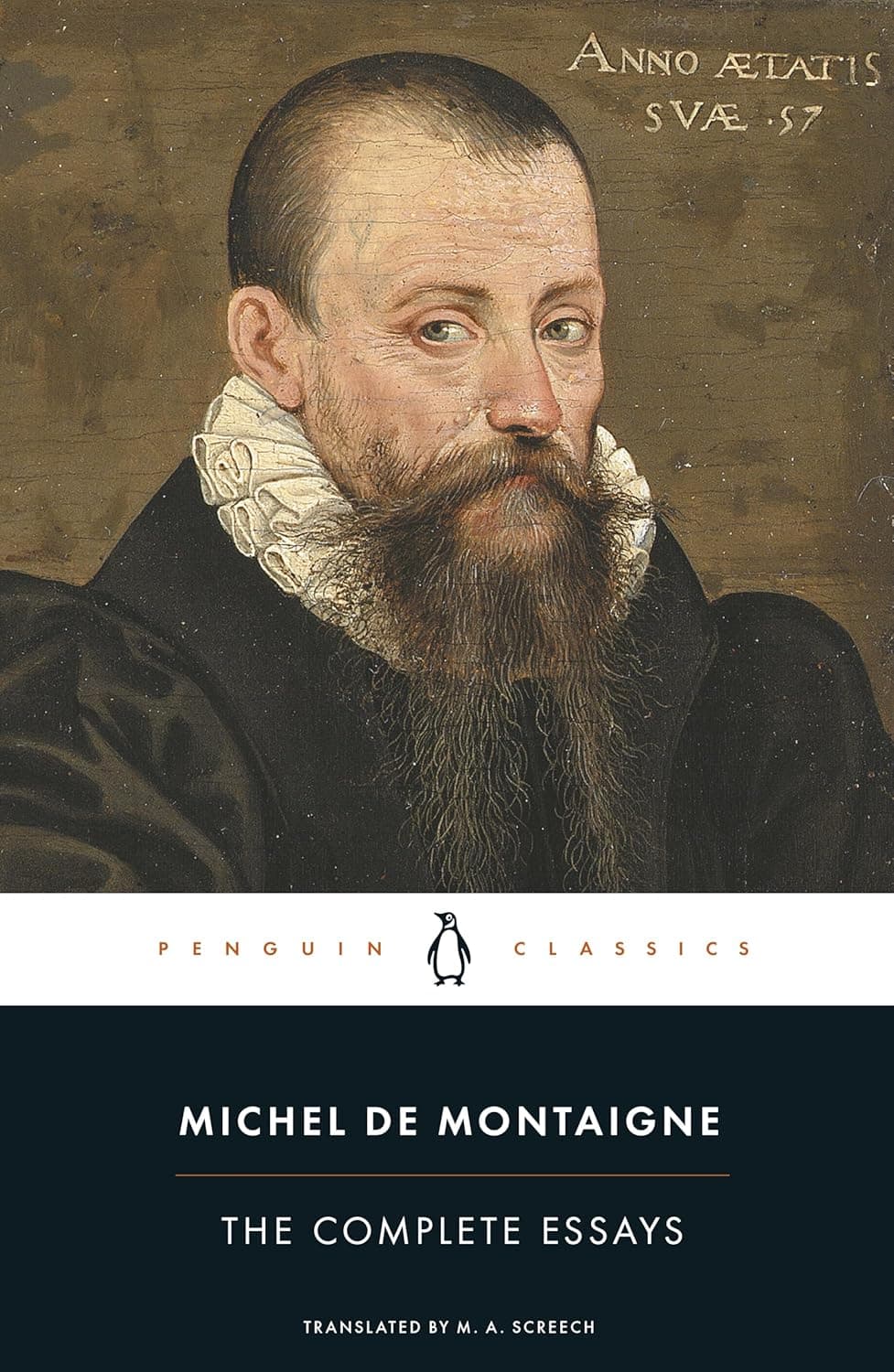
Essays
1580 · 1283 pages
Montaigne wrote short pieces on friendship, fear, sleep, and his kidney stones, and invented the essay doing it. As company on the page he remains unmatched in four centuries.
★ 9.3
 skopia
Montaigne wrote short pieces on friendship, fear, sleep, and his kidney stones, and invented the essay doing it. As company on the page he remains unmatched in four centuries.
Meursault buries his mother without crying, takes a lover, and shoots a man on a hot Algiers beach. At his trial the tears he never shed matter more than the killing.
Asked why anyone should be just when nobody is watching, Socrates answers by building an entire city in conversation. The allegory of the cave has never stopped explaining people to themselves.
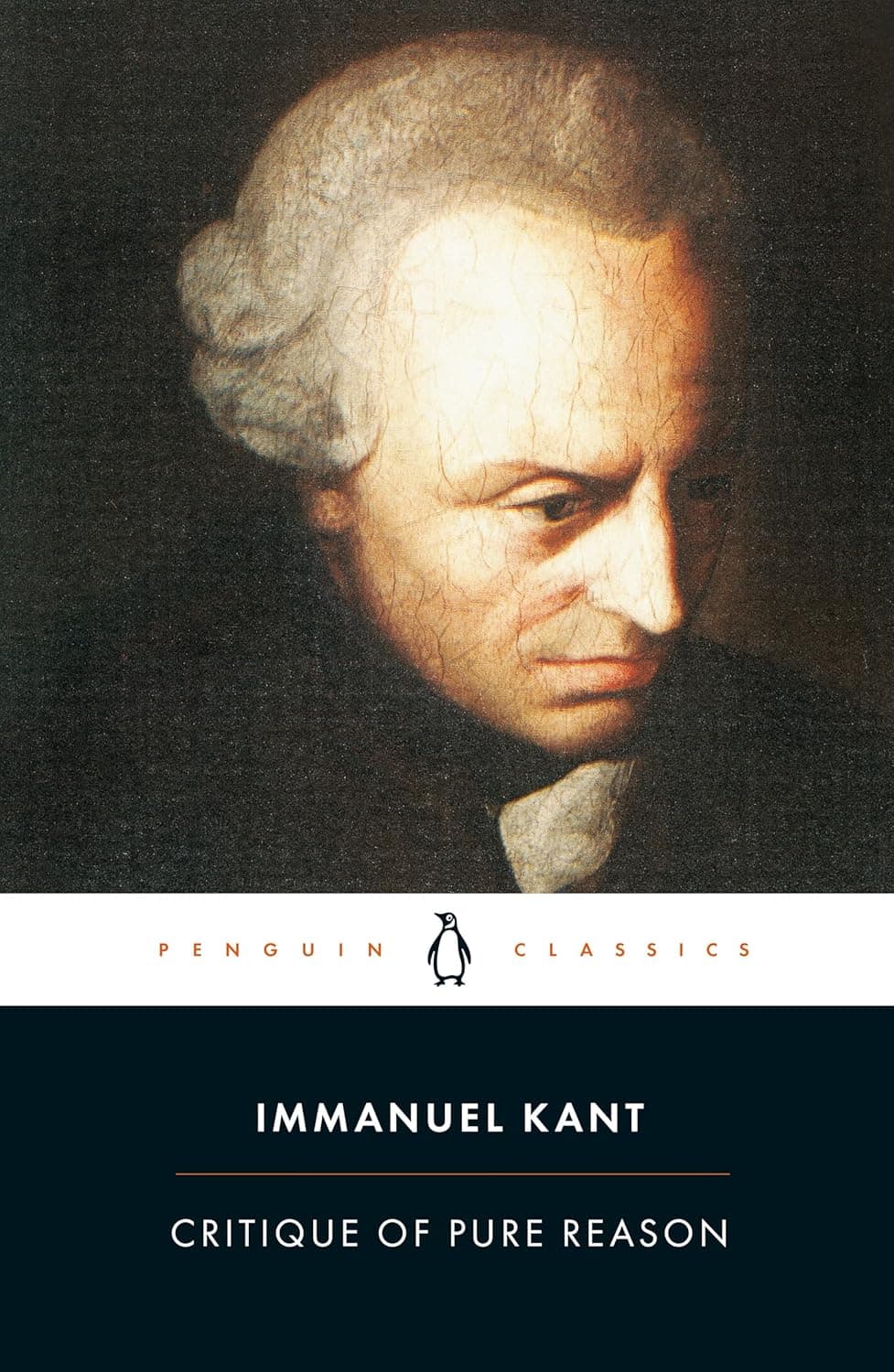
Western thought divides at this book. Kant argues that space, time, and cause belong to the mind doing the looking rather than to the world, and marks the boundary reason cannot cross.

One is not born a woman, Beauvoir argues, but becomes one. She works through biology, history, myth, marriage, and old age to prove it, and modern feminism begins in these pages.

Zarathustra comes down from his mountain to announce that God is dead and man is something to be overcome. Nietzsche wrote it as scripture rather than argument, and readers take it personally.
Philosophy forgot to ask what it means for anything to exist. Heidegger rebuilds the question around the ordinary human being, thrown into a world he did not choose and running out of time.

Science does not creep forward by adding facts, Kuhn argues. It works inside one framework until the anomalies pile up and the whole picture flips. Paradigm shift is his phrase and his idea.

Rawls asks which rules you would pick for a society without knowing your place in it. His answer, equal liberties and inequality only when it lifts the worst off, reset political philosophy.

Wealth is not gold in a vault but what a country produces, and specialization multiplies it. Smith begins with ten men making pins and every economic argument since descends from him.
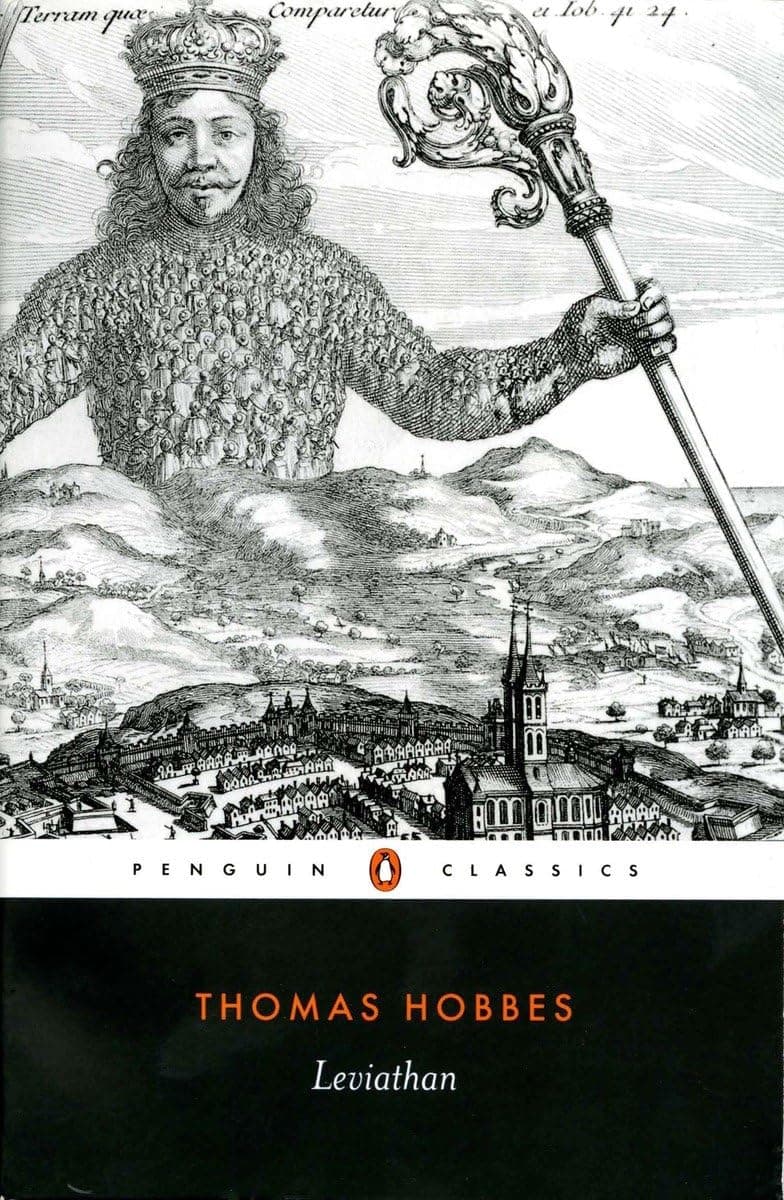
Strip away the state, Hobbes argues, and life becomes a war of everyone against everyone, nasty, brutish, and short. The remedy is to hand all our power to one sovereign.
Hegel tracks the mind from bare sensation to full self-knowledge, each stage collapsing under its own contradictions into the next. His fight between master and slave has been argued over ever since.
Mill sets the limit that still governs the argument: society may interfere with you only to prevent harm to others. Silence an opinion and you rob everyone, including the people who are right.
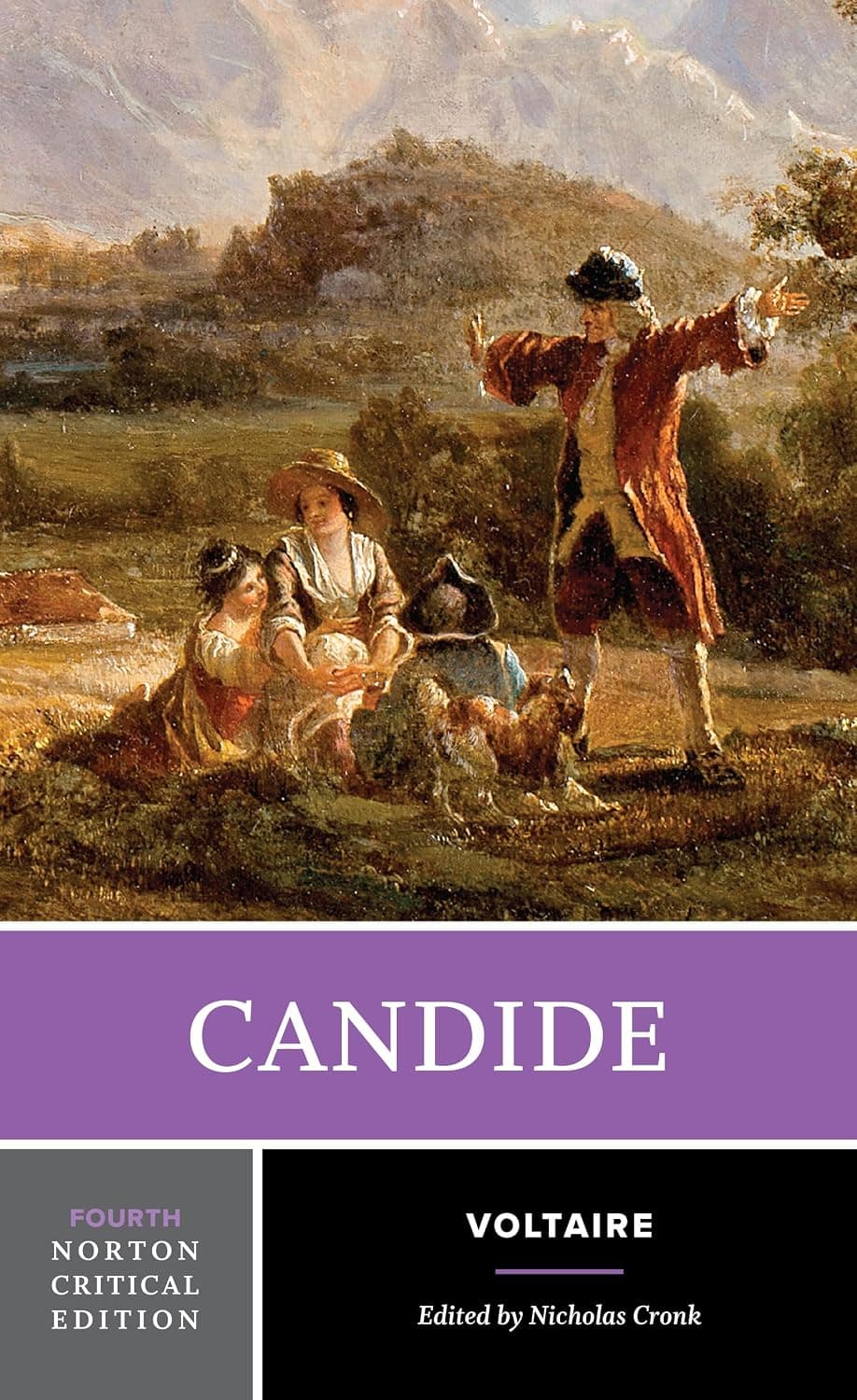
Voltaire sends an innocent young man taught that this is the best of all possible worlds through war, earthquake, and the Inquisition. The comedy is savage and the optimism does not survive.

Philosophers smuggle their own prejudices in as truth, Nietzsche says, and the morality they defend was invented by the weak. He writes in short bursts aimed straight at the reader.

Seven numbered propositions draw the limits of what can be said. Language pictures facts, Wittgenstein argues, so ethics and God fall outside it, and the final proposition tells you to stop talking.
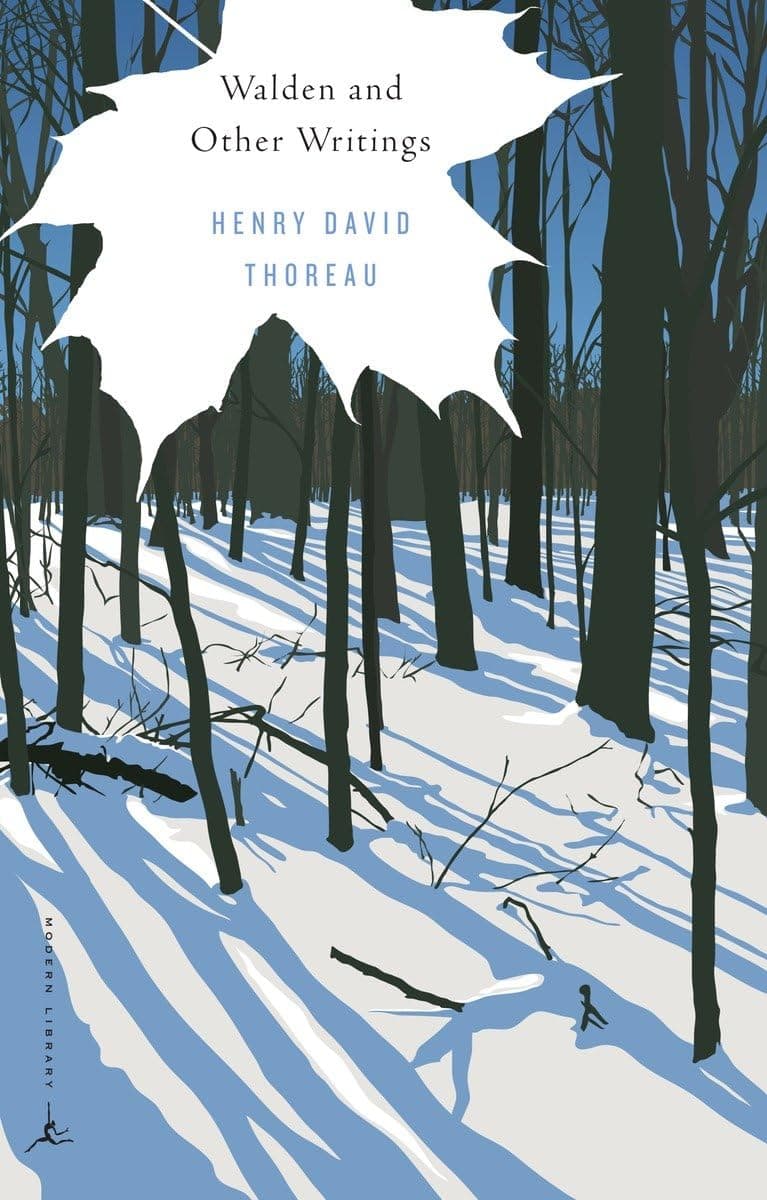
Two years in a cabin by a Massachusetts pond, and the permanent argument against a life spent earning. Thoreau writes about beans, loons, and why most people lead lives of quiet desperation.

Punishment stopped tearing bodies apart in public and became timetables and cells. Foucault explains why: constant watching disciplines better than pain, and the same technique now runs schools and factories.
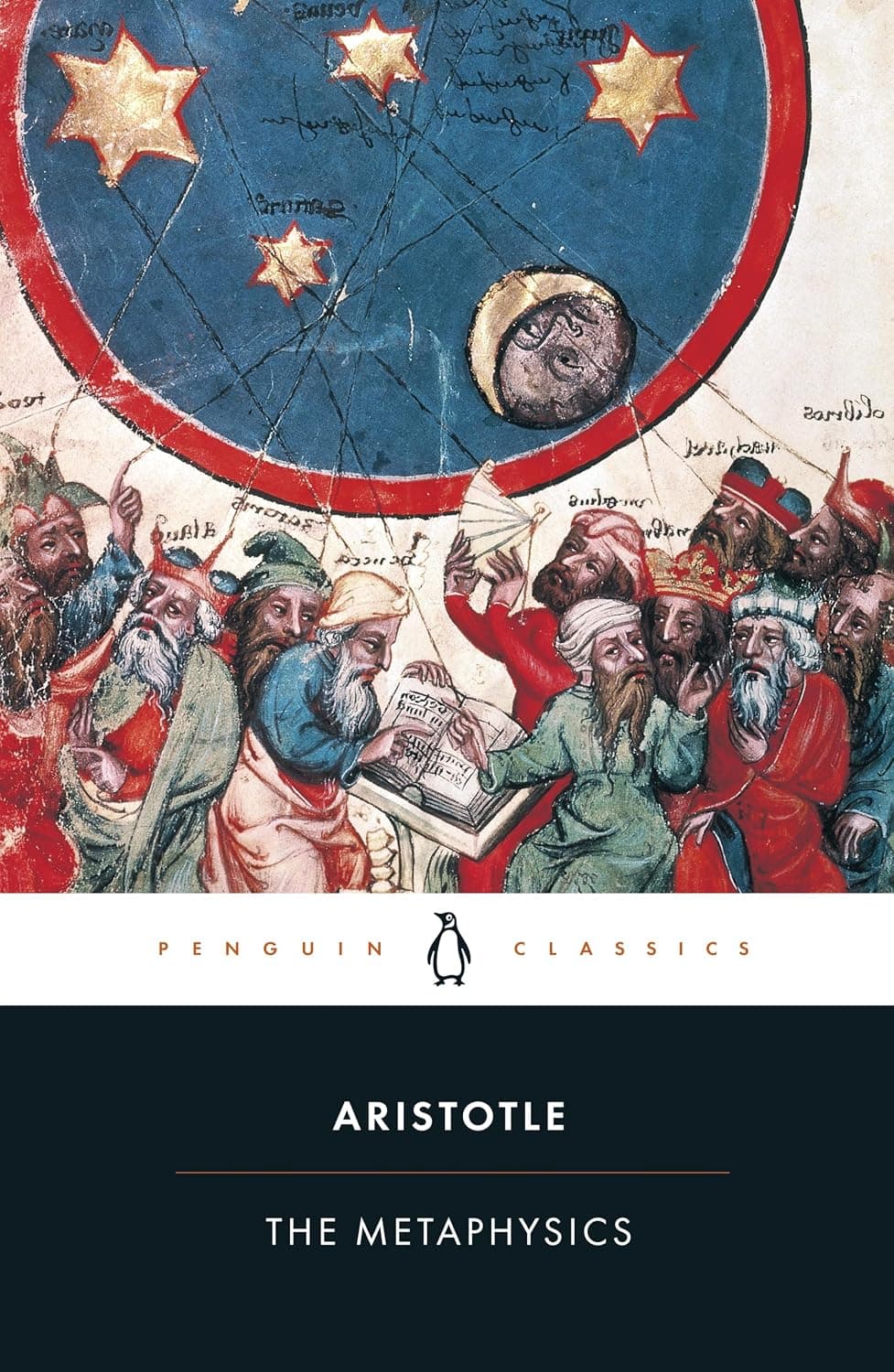
Aristotle asks what a thing most fundamentally is, and the answer runs through matter, form, and cause to a god who moves the whole world simply by being loved.

Everything is atoms falling through empty space, Lucretius argues in Latin verse, your soul included, and it dies when your body does. He wrote the poem to cure his readers of fearing death.