Middlemarch
1872 · 810 pages
Dorothea Brooke marries a dry scholar for the wrong reasons and a gifted doctor lets small compromises close around him. Eliot knows more about how people actually fail than any English novelist.
★ 9.6
 skopia
Dorothea Brooke marries a dry scholar for the wrong reasons and a gifted doctor lets small compromises close around him. Eliot knows more about how people actually fail than any English novelist.
Thrown out of college, then used by a Harlem political movement, a nameless Black man ends up living in a cellar on stolen light. Ellison writes American rage with jazz timing.
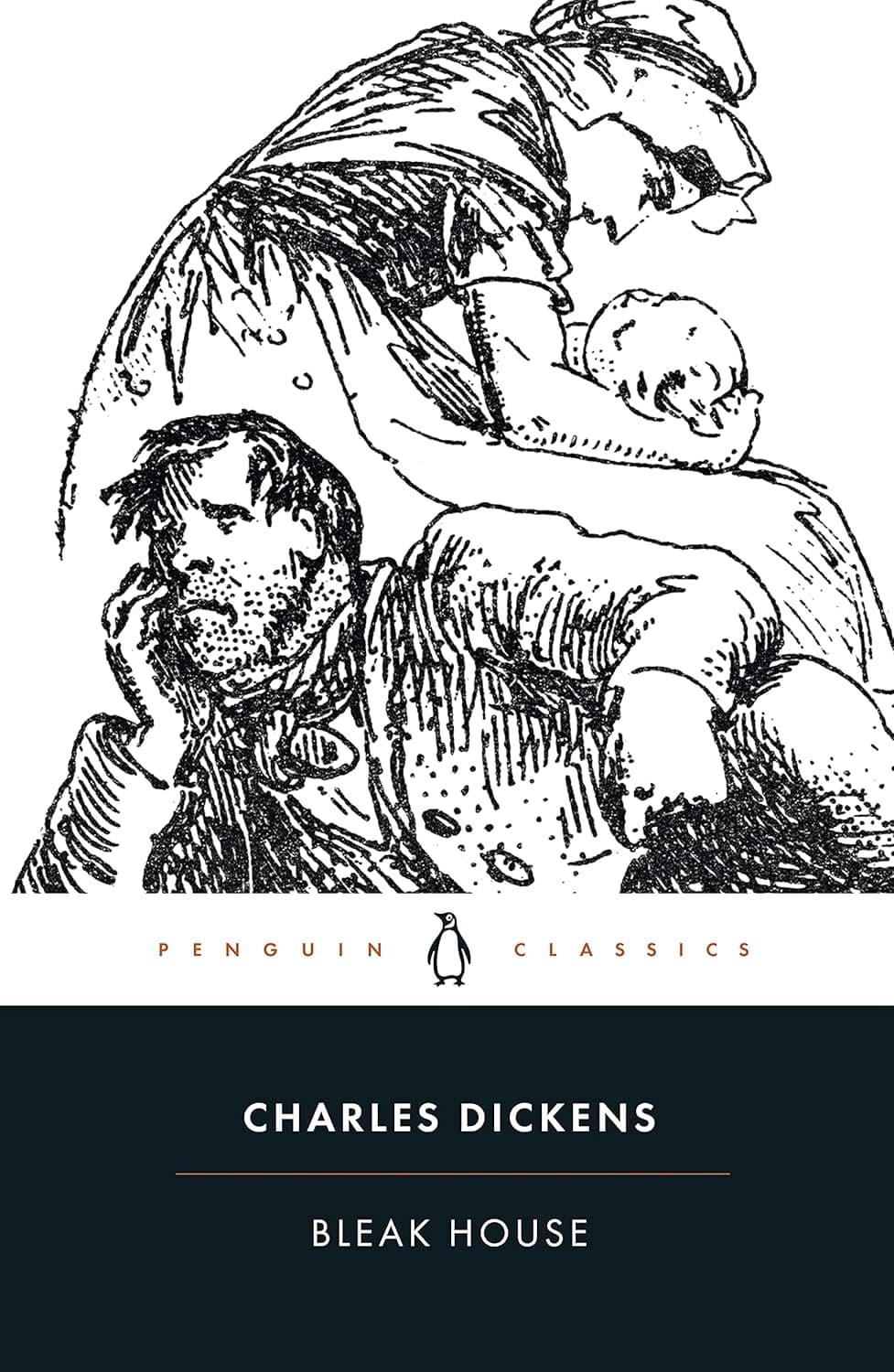
Dickens's supreme achievement, and his angriest. A lawsuit over a will has dragged through the courts so long that nobody alive understands it, and its fog settles over every life in England.

Jacobs watched her Greenwich Village street and argued that crowded sidewalks, short blocks, and eyes on the street are what keep a city alive. After this, bulldozing a neighborhood stopped looking like progress.
Bigger Thomas drives for a rich white family in 1930s Chicago and kills their daughter in a panic his first night. Wright keeps you inside his head and will not soften him.
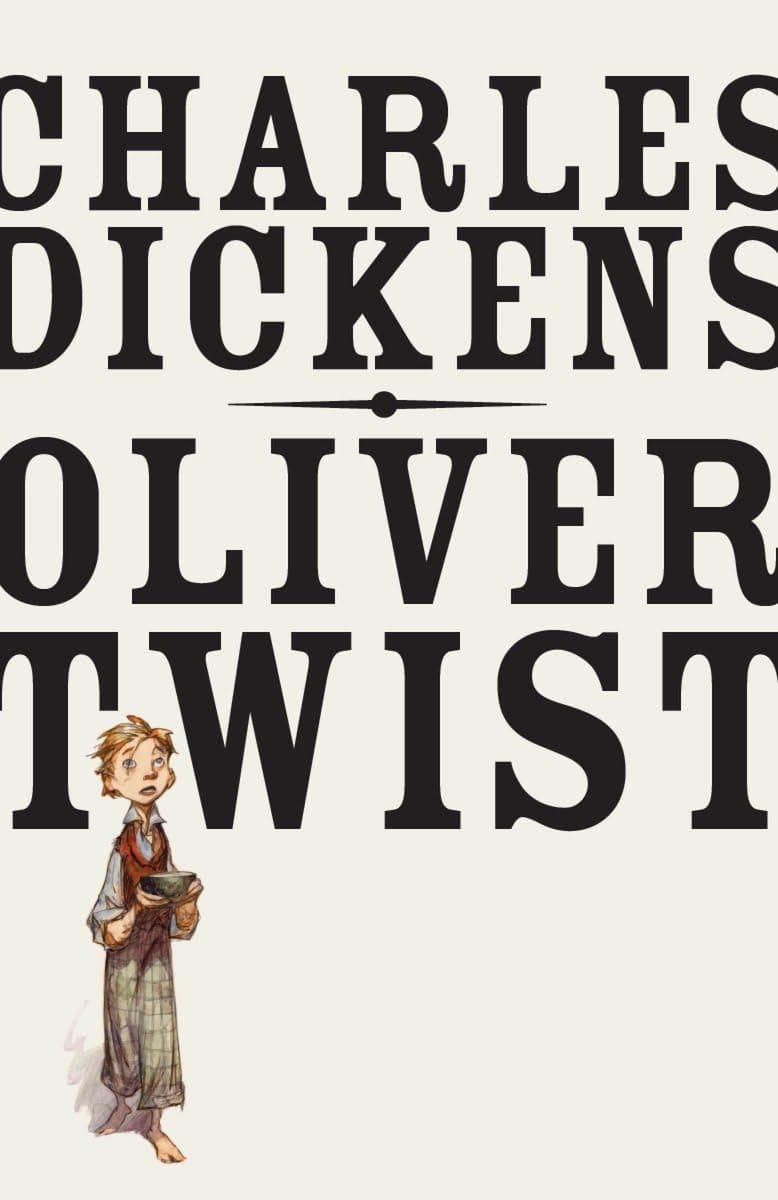
Born in a workhouse, Oliver asks for more, is sold off, and runs to London, where Fagin's gang of child pickpockets takes him in. Dickens made child poverty impossible to ignore.

Scrooge hates Christmas until his dead business partner turns up wrapped in chains and three spirits walk him through his own life. The modern Christmas takes its shape from this book.

Eighteen years in the Bastille have left Doctor Manette making shoes in the dark. Dickens carries his daughter's household from London into the Terror, where Madame Defarge knits a death list.

Seventeen-hour shifts in a Paris restaurant kitchen, then the tramps' road between London workhouses. Orwell went into poverty himself and came back able to describe what hunger does to a mind.

Eliza crosses the frozen Ohio on breaking ice with her child. Stowe sold three hundred thousand copies within twelve months and made slavery intolerable to Northerners who had lived comfortably beside it.
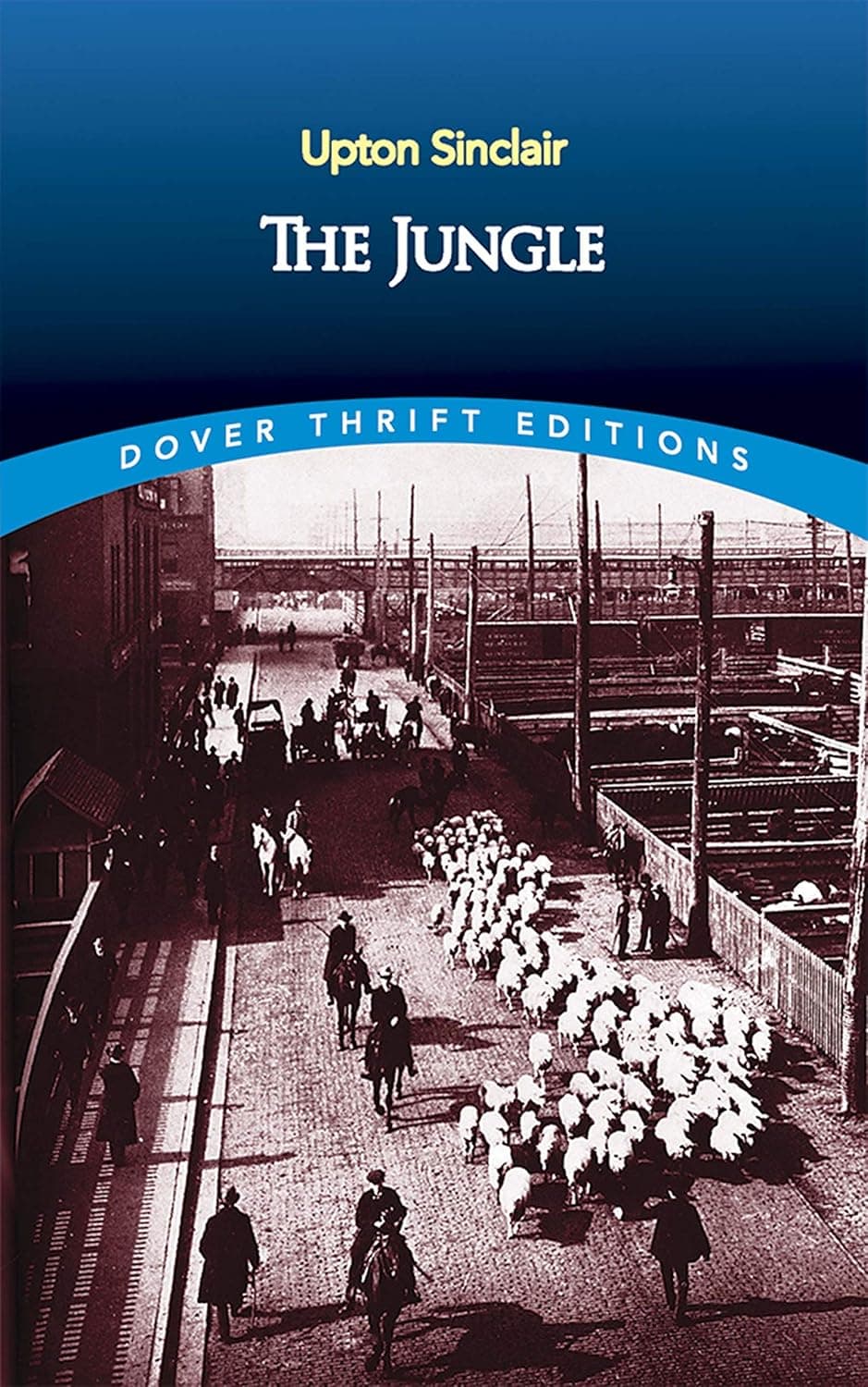
Jurgis Rudkus comes from Lithuania to work Chicago's killing floors, and the packing plants destroy his family while diseased meat ships out. Roosevelt read it and Congress passed federal food inspection within months.

Helen Graham bolts her bedroom door against a drunk husband, takes her son, and lives by selling paintings. Victorian reviewers called it coarse and unfit to put in a girl's hands.

A white child points and cries, Look, a Negro. Fanon takes that instant apart to show racism lodged in the skin itself, and half a century of Black thought has worked from it.

Hoggart set down working-class Leeds as he had lived it, then indicted the slick magazines displacing it. Seven years later he founded the Birmingham center that made popular culture an academic discipline.
Terkel put a tape recorder before a gravedigger, a receptionist, a steelworker, and asked what the day costs them. Work is violence to the spirit as well as the body, he writes.

Banished by Mussolini to a village in the Italian south, a Turin doctor found peasants convinced Christ had stopped short of them. The book made postwar Italy confront a region it had abandoned.
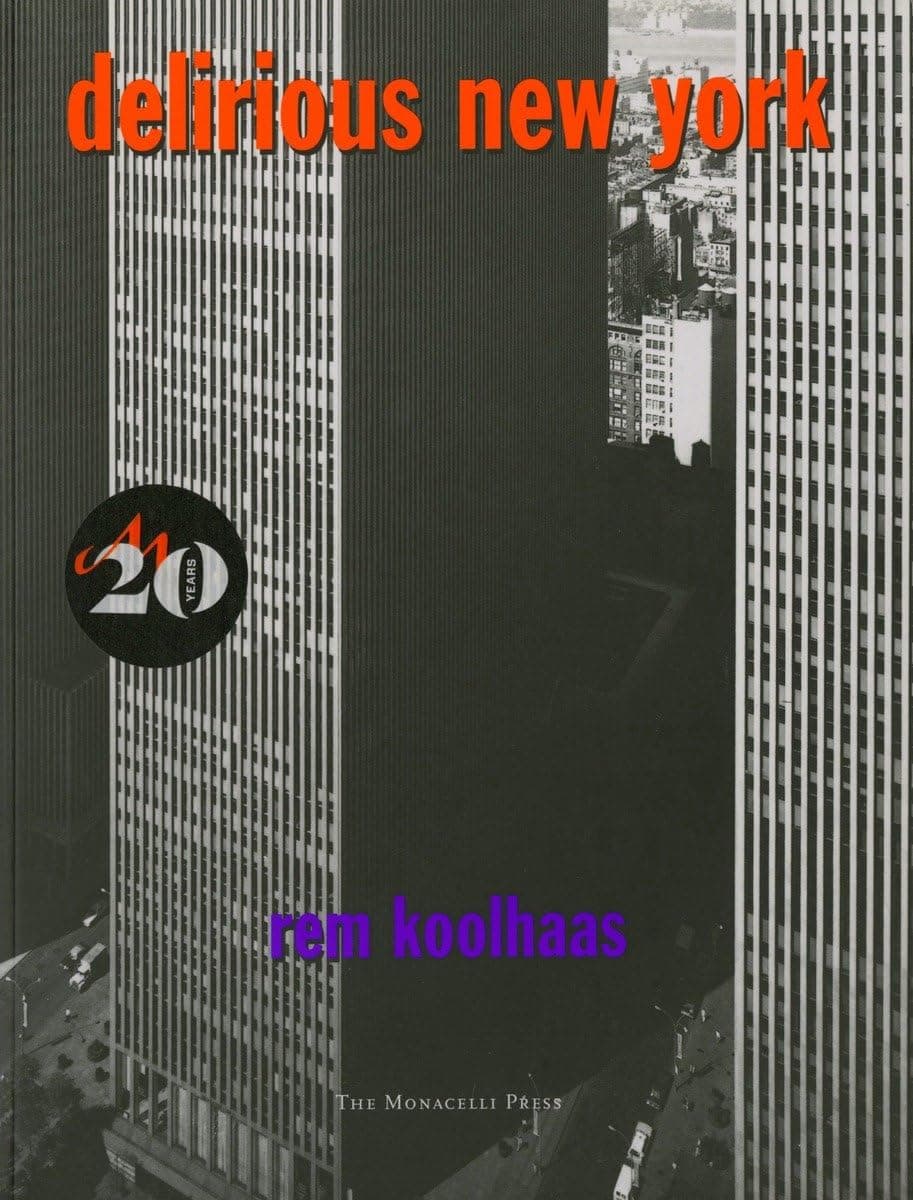
Manhattan built itself without a theory, so Koolhaas supplied one afterward: the grid, the skyscraper, and Coney Island as a culture of congestion. He turned density from planning's disease into architecture's ambition.
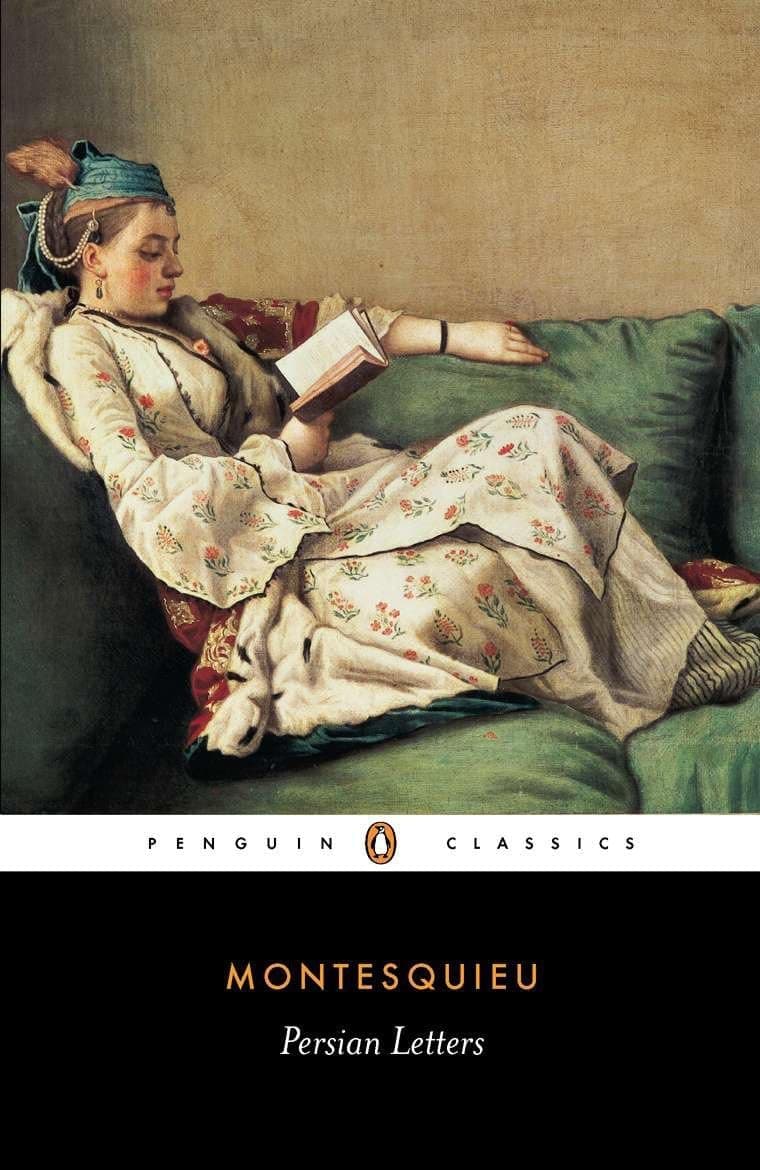
Two Persian travelers in Paris write home about a king who conjures money from paper and a pope who makes bread into flesh. In Isfahan, the harem one of them left is collapsing.

Whyte went into corporations and the new suburb of Park Forest and found Americans trading the old ethic of individual striving for belonging. The organization wanted the whole man, and got him.

The philanthropists of the title are house painters who give their labor away and defend the system that ruins them. Owen, the socialist, cuts up bread to demonstrate the money trick.