Secondhand Time
Kitchen by kitchen, Alexievich recorded Soviet citizens describing what the collapse did to them. They talk about lost savings and lost faith, and a bewildering grief for the country that jailed their parents.

Kitchen by kitchen, Alexievich recorded Soviet citizens describing what the collapse did to them. They talk about lost savings and lost faith, and a bewildering grief for the country that jailed their parents.

The earliest surviving English book by a woman came from an anchoress sealed into a cell beside a Norwich church. Julian saw all creation lying in her palm, small as a hazelnut.

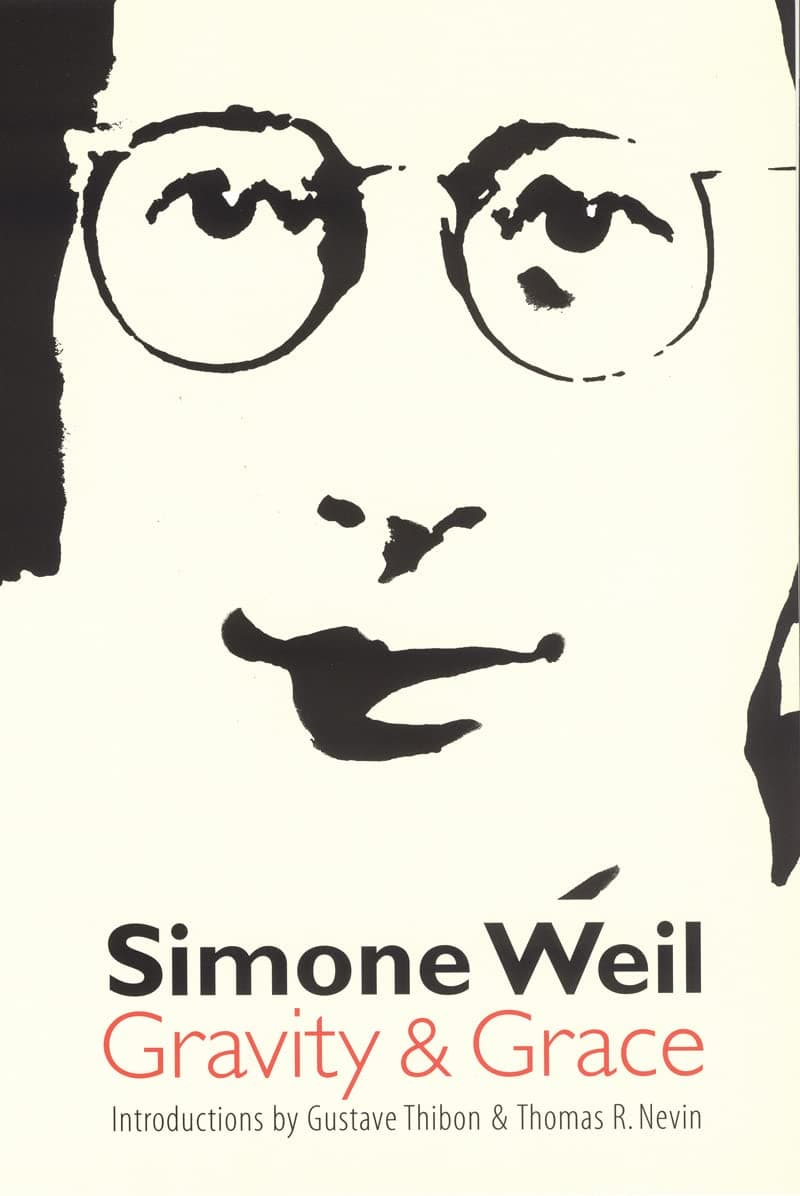
Weil held that the soul falls by a law as fixed as gravity and that grace enters only a void, which is why affliction, stripping everything away, can open a person to God.

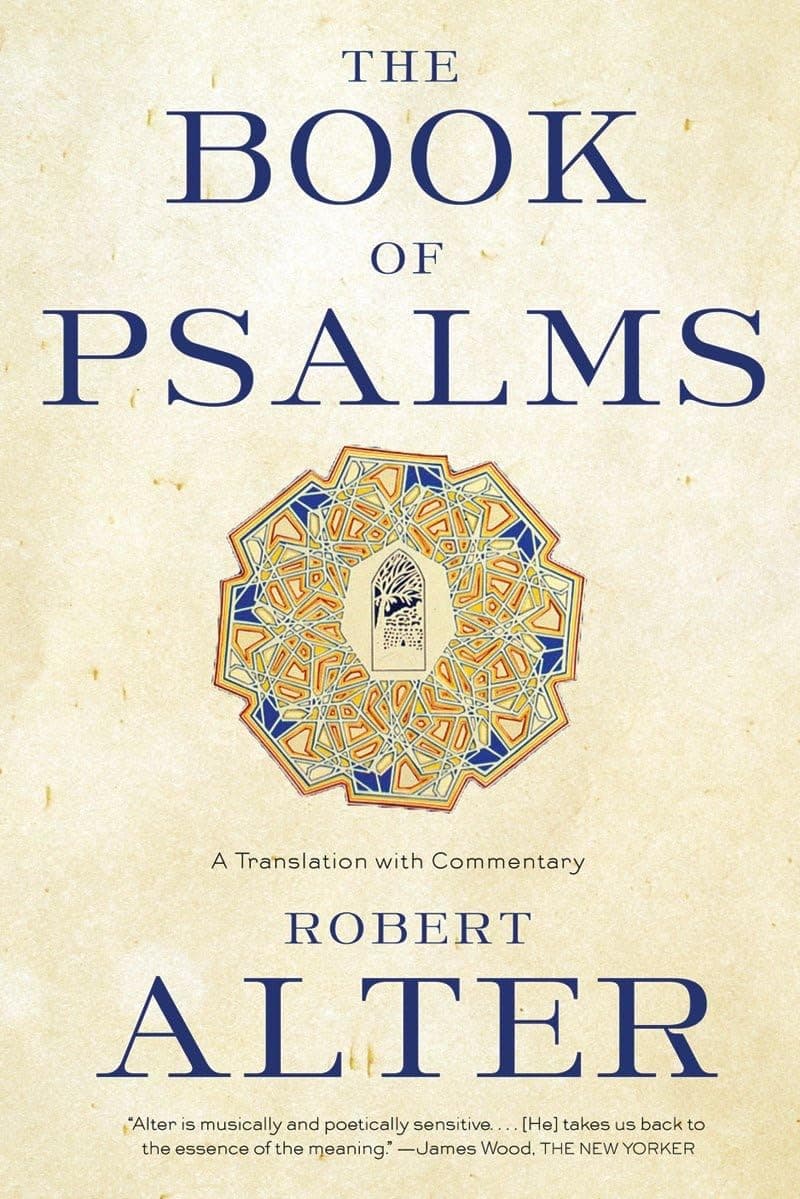
One hundred fifty poems of praise, terror, and rage at God, restored to their Hebrew compression by the translator Robert Alter. The shepherd psalm sits beside one ending with infants dashed on rocks.

Frankl, a Viennese psychiatrist, lost his wife and parents to the camps and survived Auschwitz himself. He watched who endured and who gave up, and named the last freedom: choosing your own response.

Job loses everything, demands an explanation, and gets a whirlwind of questions back. Ecclesiastes calls all of it breath. Proverbs, unmoved by either, tells you how to live anyway.