Against the Grain
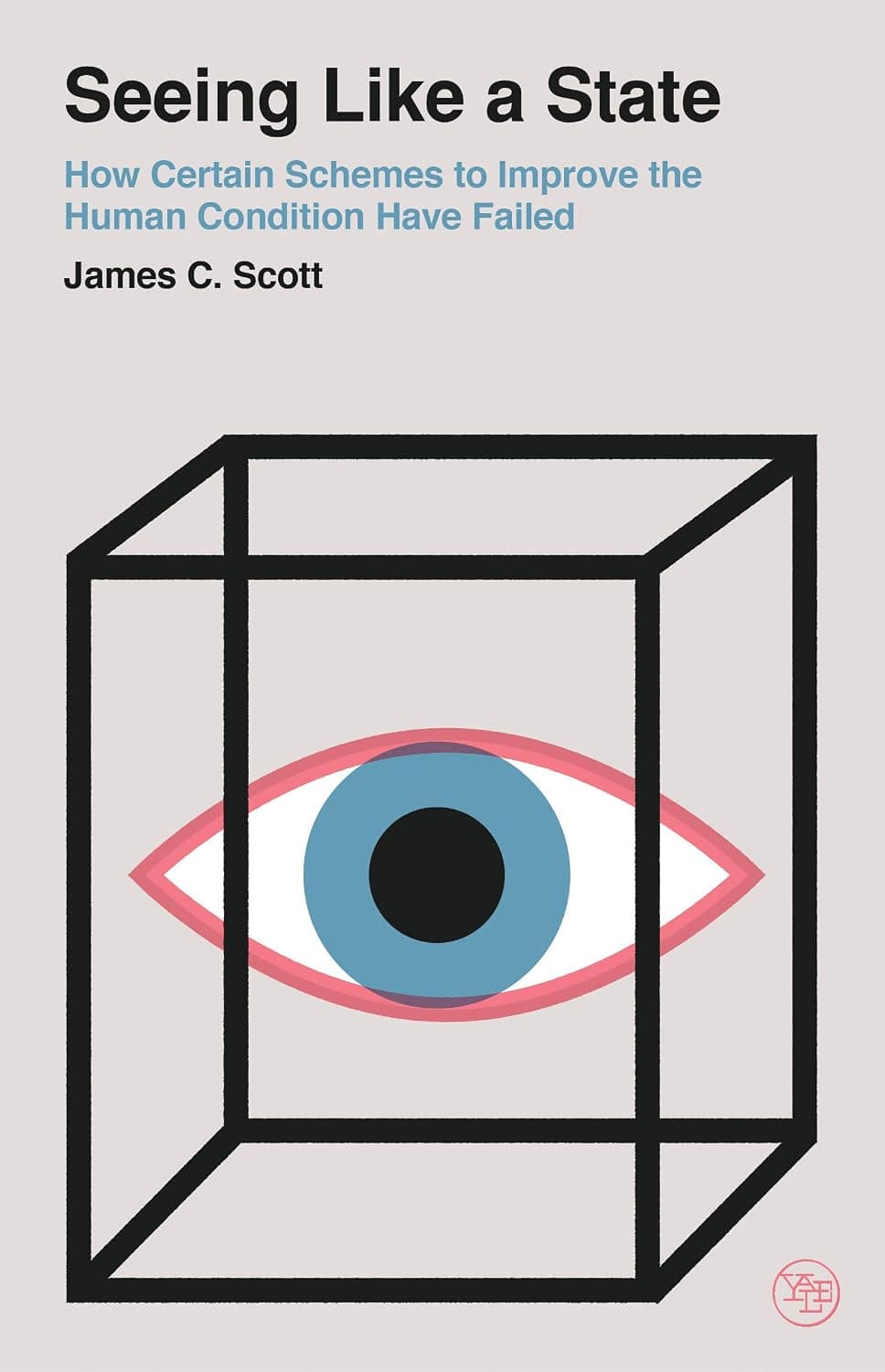
Grain built the first states, Scott argues, because it ripens on a schedule and can be counted while root crops hide underground. Early walls kept subjects in, and collapse came as relief.

Grain built the first states, Scott argues, because it ripens on a schedule and can be counted while root crops hide underground. Early walls kept subjects in, and collapse came as relief.

States can govern only what they can see, so they flatten society into maps and census rows, then plan from the flattening. Scott traces Soviet collectivization and Tanzanian villagization to that one mistake.

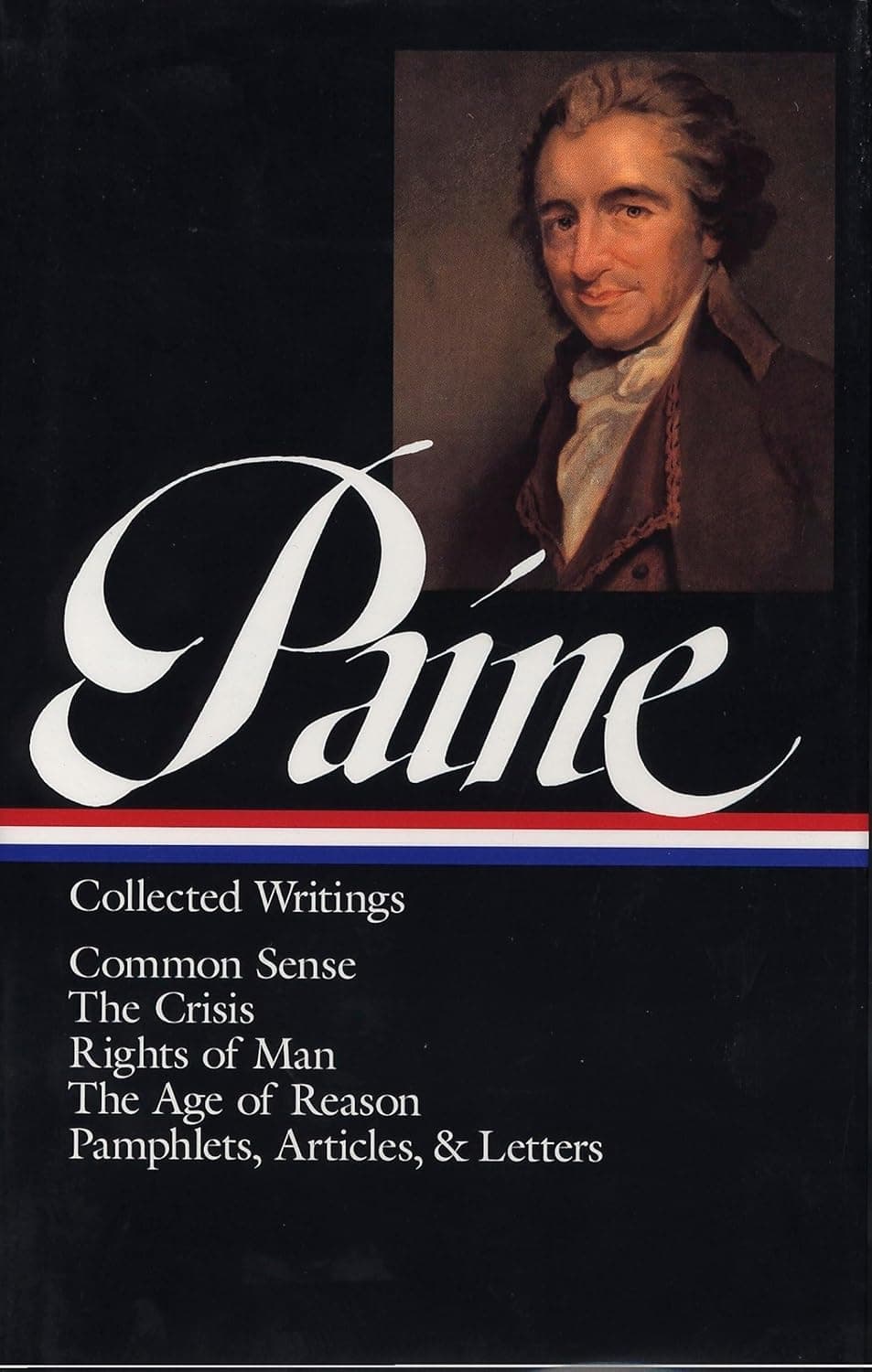
Paine tells the colonists that an island cannot rule a continent and that hereditary kingship is an absurdity. Read aloud in taverns, it turned grievance into independence within months.

Seeing a child about to fall into a well, anyone feels alarm before thinking. Human nature is therefore good, Mencius argues, and a ruler who starves his people forfeits the throne.

Man is born free, and everywhere he is in chains. Nobody holds natural authority over anyone, Rousseau argues, so law binds you only if you helped make it. Geneva burned the book.

Montesquieu sorts governments into republics that run on virtue, monarchies on honor, and despotisms on fear, then argues that liberty survives only where power is divided. The American framers read him closely.

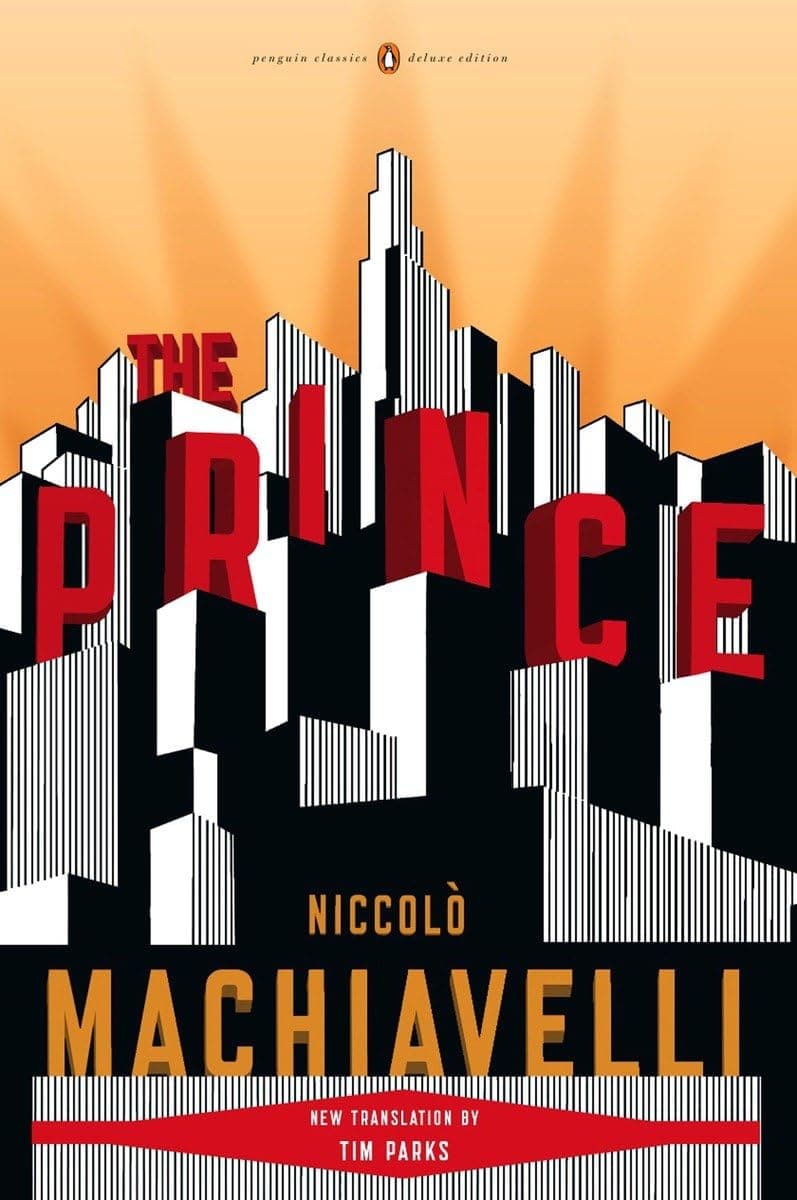
Machiavelli threw out the question of how a ruler ought to behave and asked how power is taken and kept. His answer, that a prince does better feared than loved, still unsettles people.