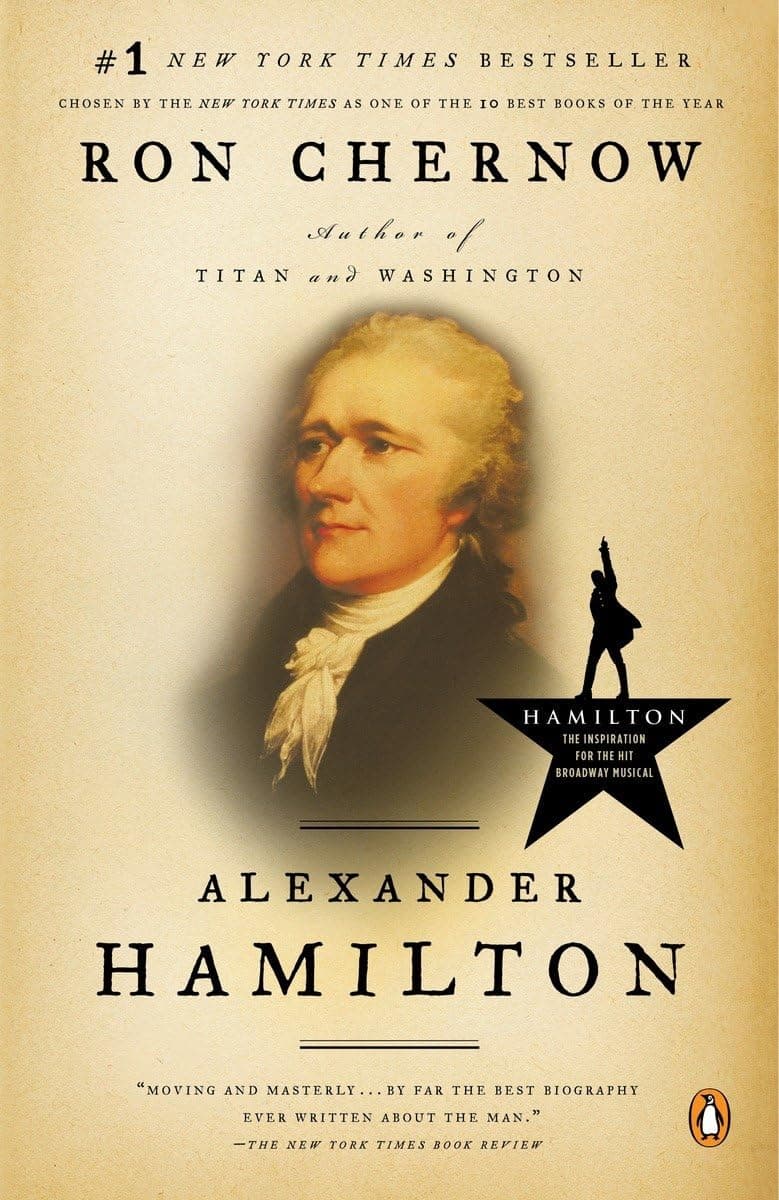
Alexander Hamilton
2004 · 818 pages
Born out of wedlock in the Caribbean, Hamilton reached New York at seventeen, wrote most of the Federalist Papers, and built American finance. Chernow drives it all toward the duel.
★ 5.4
 skopia
Born out of wedlock in the Caribbean, Hamilton reached New York at seventeen, wrote most of the Federalist Papers, and built American finance. Chernow drives it all toward the duel.

Plymouth's governor kept the record of his colony year by year, calling the coast a hideous and desolate wilderness. The early chapters carry the founding myth, the closing ones turn to lament.
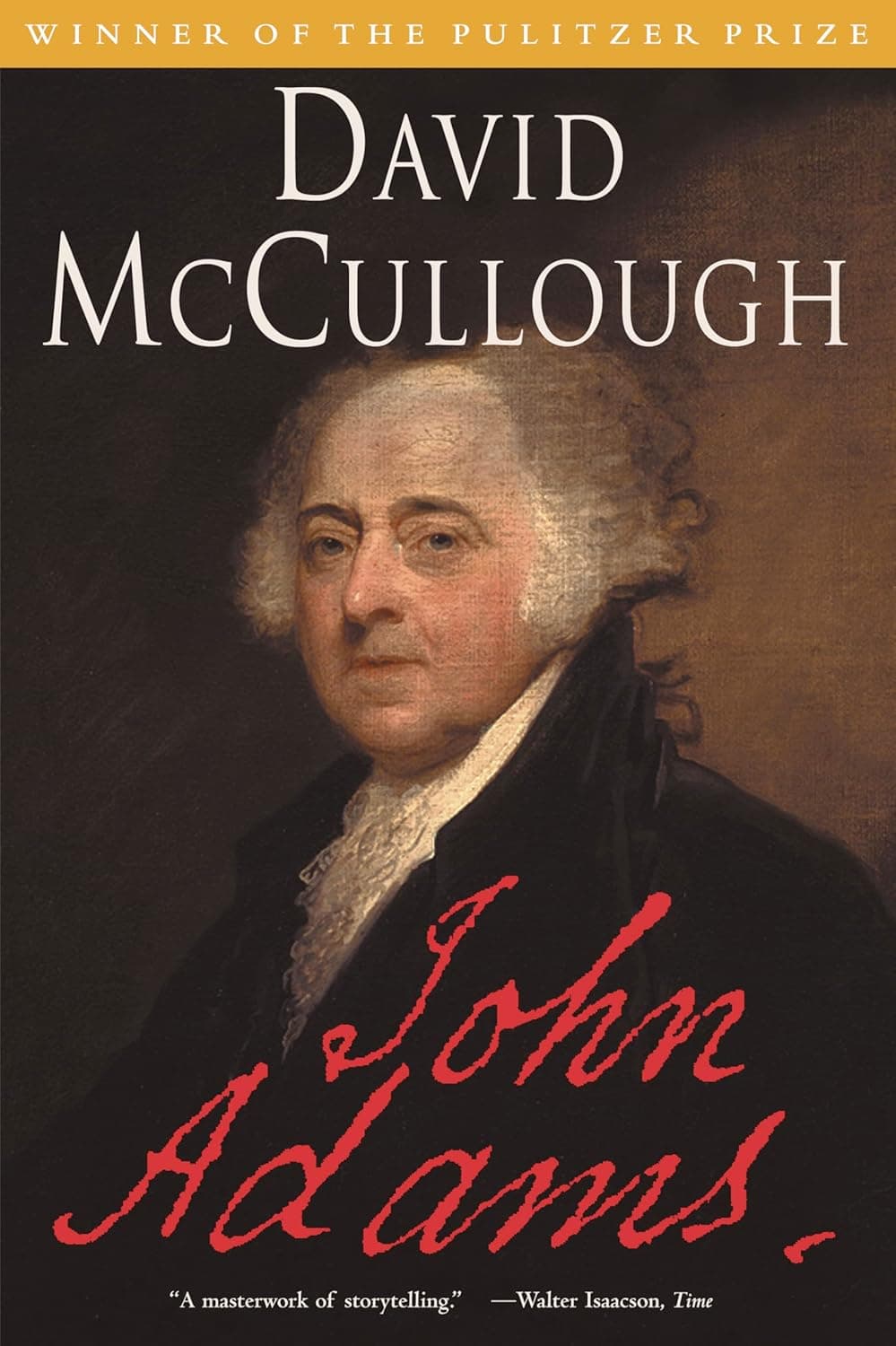
McCullough gives the difficult, honest second president his full size: a marriage to Abigail conducted in letters across an ocean, and a friendship with Jefferson that broke and was repaired in old age.

Wood argues the American Revolution was as radical as any in history: it dissolved a world of patronage, deference, and rank, and produced a society of equal, money-minded, self-interested citizens.
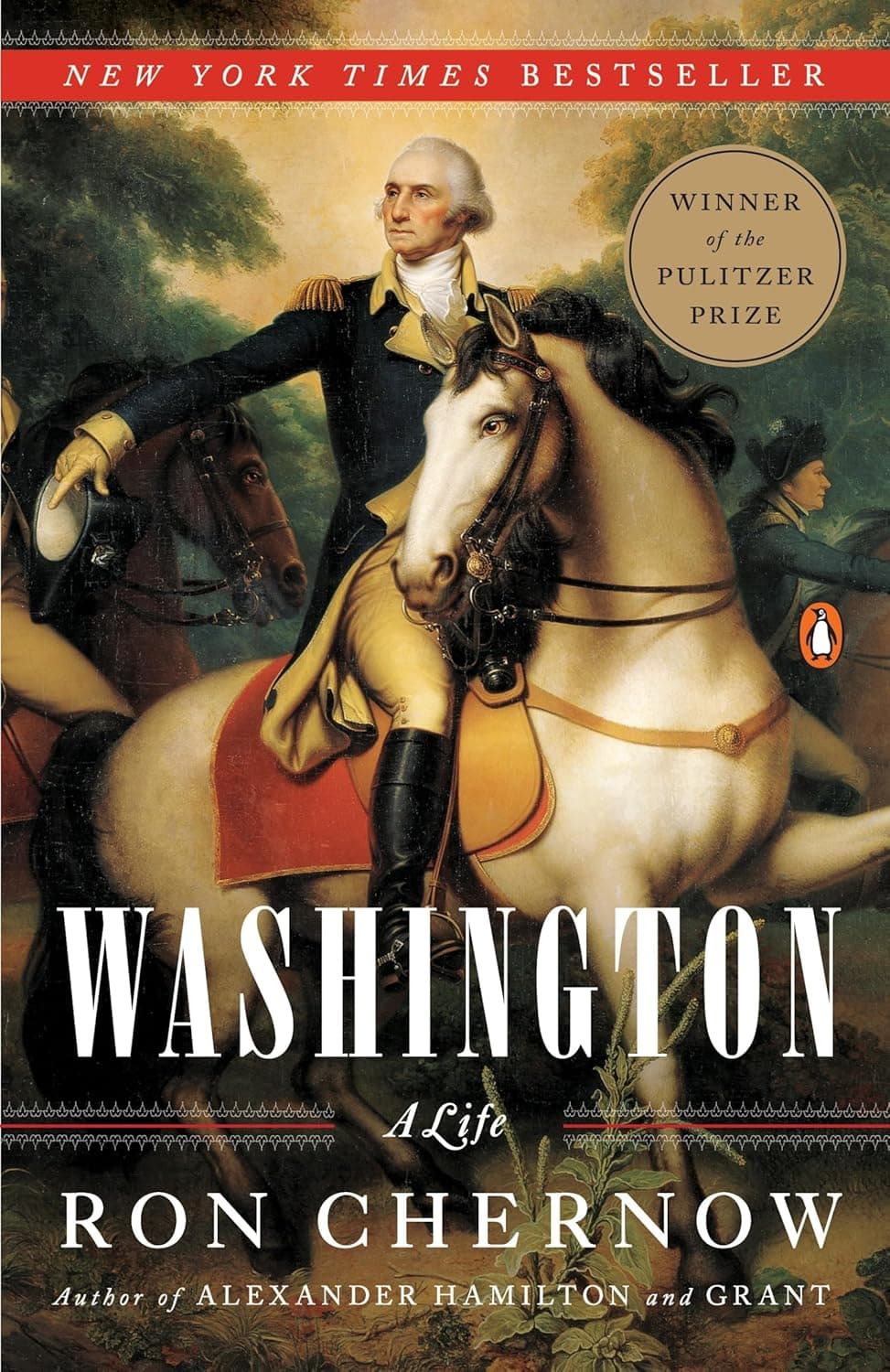
The marble Washington was a performance: Chernow finds a man of hot temper, sharp ambition, and constant calculation underneath, and follows him from surveying to Mount Vernon's slave quarters to the presidency.

Colonists rebelled because they believed London was conspiring to destroy their liberty. Reading hundreds of pamphlets, Bailyn showed that ideas made the Revolution. A generation of historians rewrote the founding on his terms.

Virginia's planters learned from the uprising of 1676 that poor whites and enslaved Africans might combine against them, and answered by writing racial contempt into law. Morgan makes freedom and slavery one story.