
Tokyo Express
1958 · 160 pages
Two bodies lie on a Kyushu beach, arranged as lovers who died together, and the case turns on four minutes at Tokyo Station. Matsumoto pointed Japanese crime fiction straight at government corruption.
★ 4.5
 skopia
Two bodies lie on a Kyushu beach, arranged as lovers who died together, and the case turns on four minutes at Tokyo Station. Matsumoto pointed Japanese crime fiction straight at government corruption.
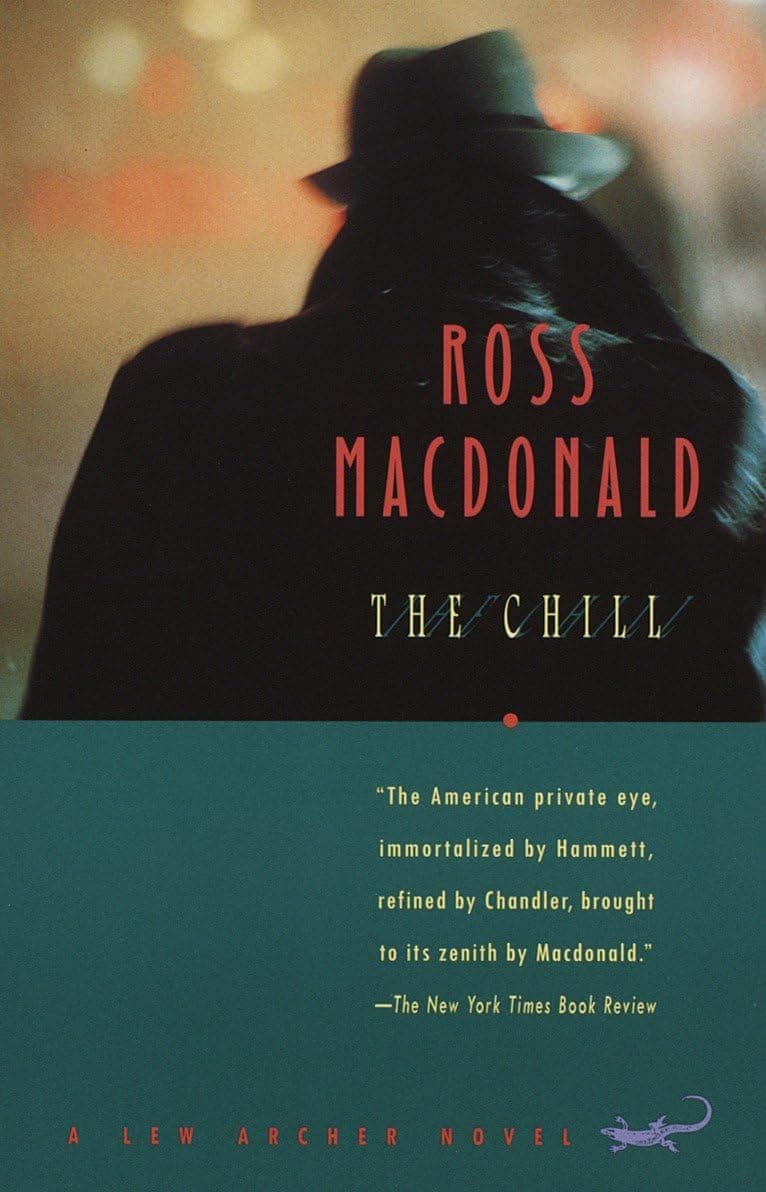
A husband hires Lew Archer to find the bride who fled their honeymoon, and the trail runs back decades into two families' history. In Macdonald's California, crimes are inherited rather than committed.
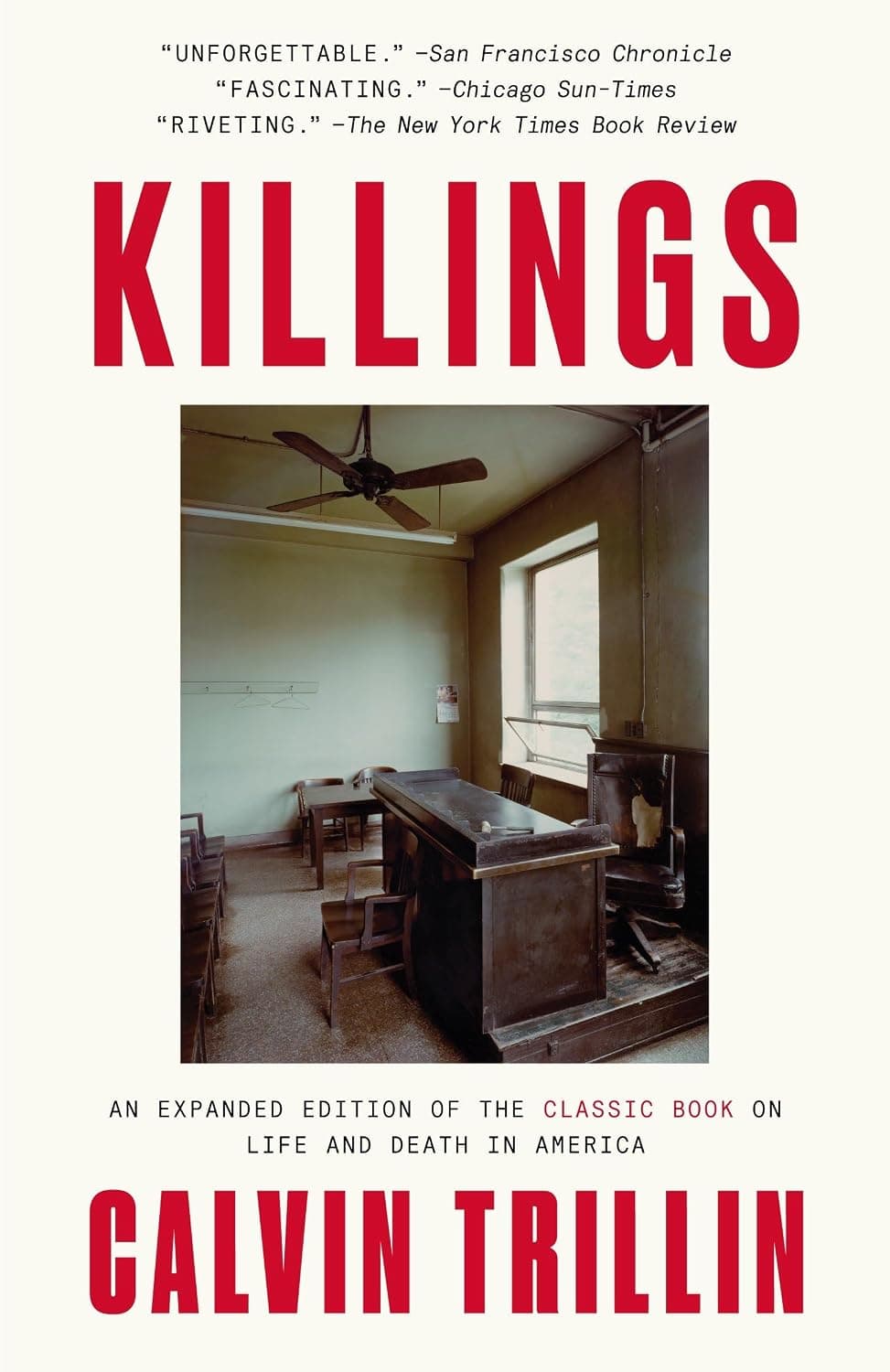
One killing per chapter, in towns no reporter usually visits, including a Kentucky landowner who shot a documentary filmmaker for trespassing. Trillin cares how these Americans lived, not how they died.

Aimee Joubert kills for hire. She arrives in a smug French seaside town, learns everyone's secrets over dinner, and sets the notables to destroying each other. Manchette writes crime as class war.
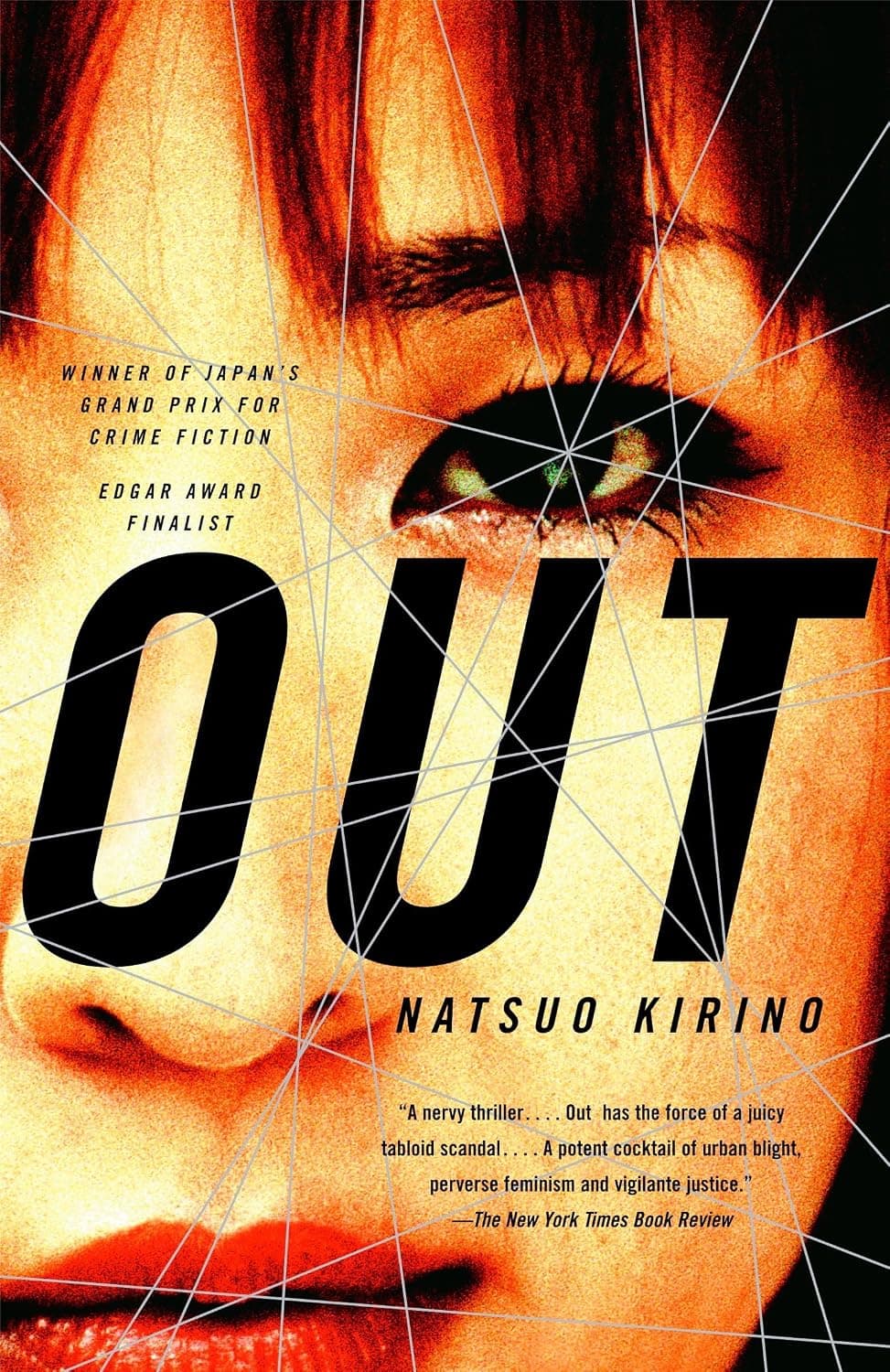
Four women pack boxed lunches on a Tokyo night shift. One strangles her husband, the others take the body apart, and the invisibility that shrank their lives turns out to protect them.

On a rainy Stockholm night a gunman empties a submachine gun into a bus, killing a detective from Martin Beck's own squad. Sjöwall and Wahlöö make Swedish social democracy the real suspect.
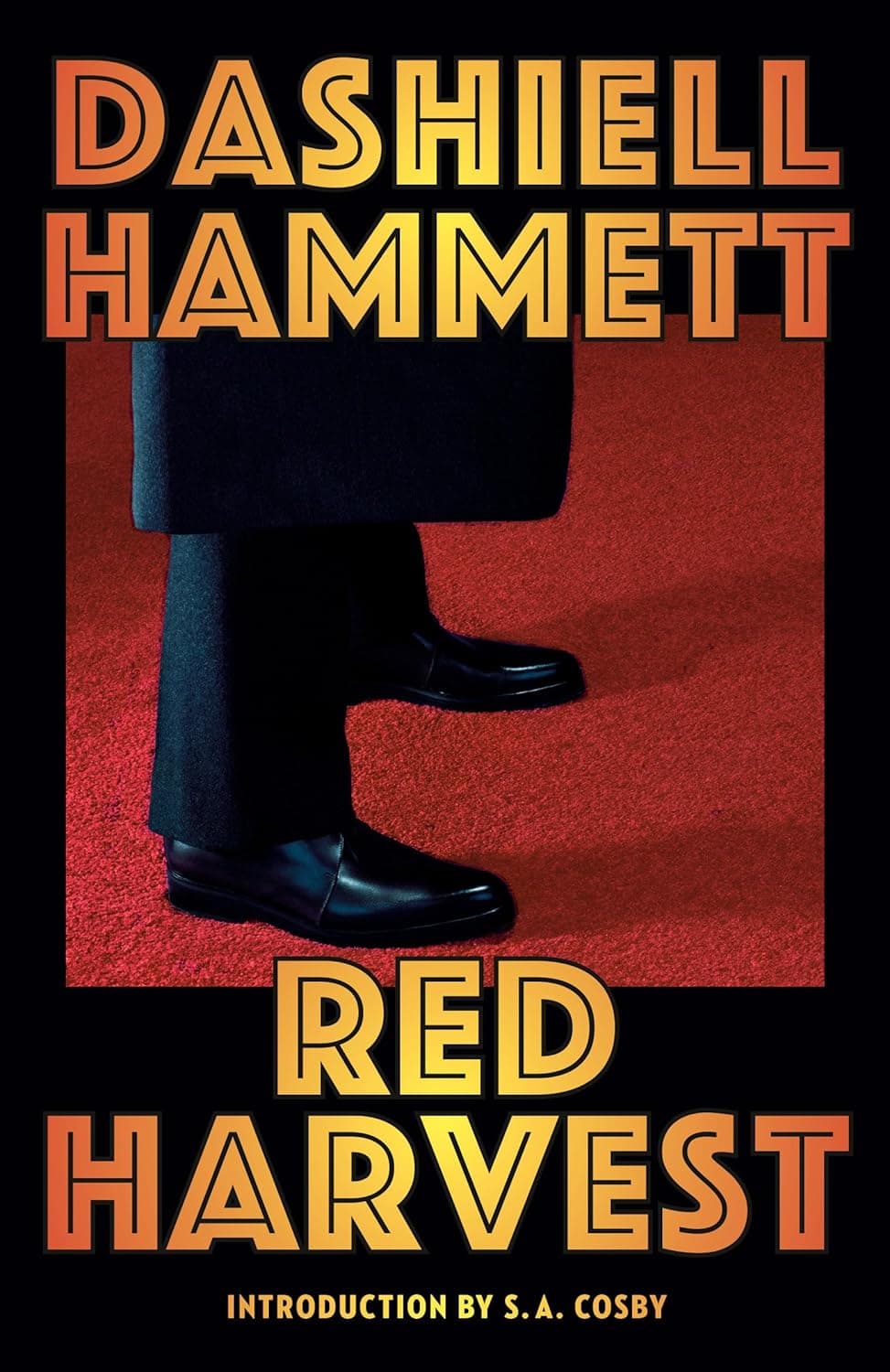
Hired to clean up a Montana mining town, a nameless detective turns its gangs on each other until the streets fill with bodies. Hammett was a Pinkerton, and the coldness is not invented.
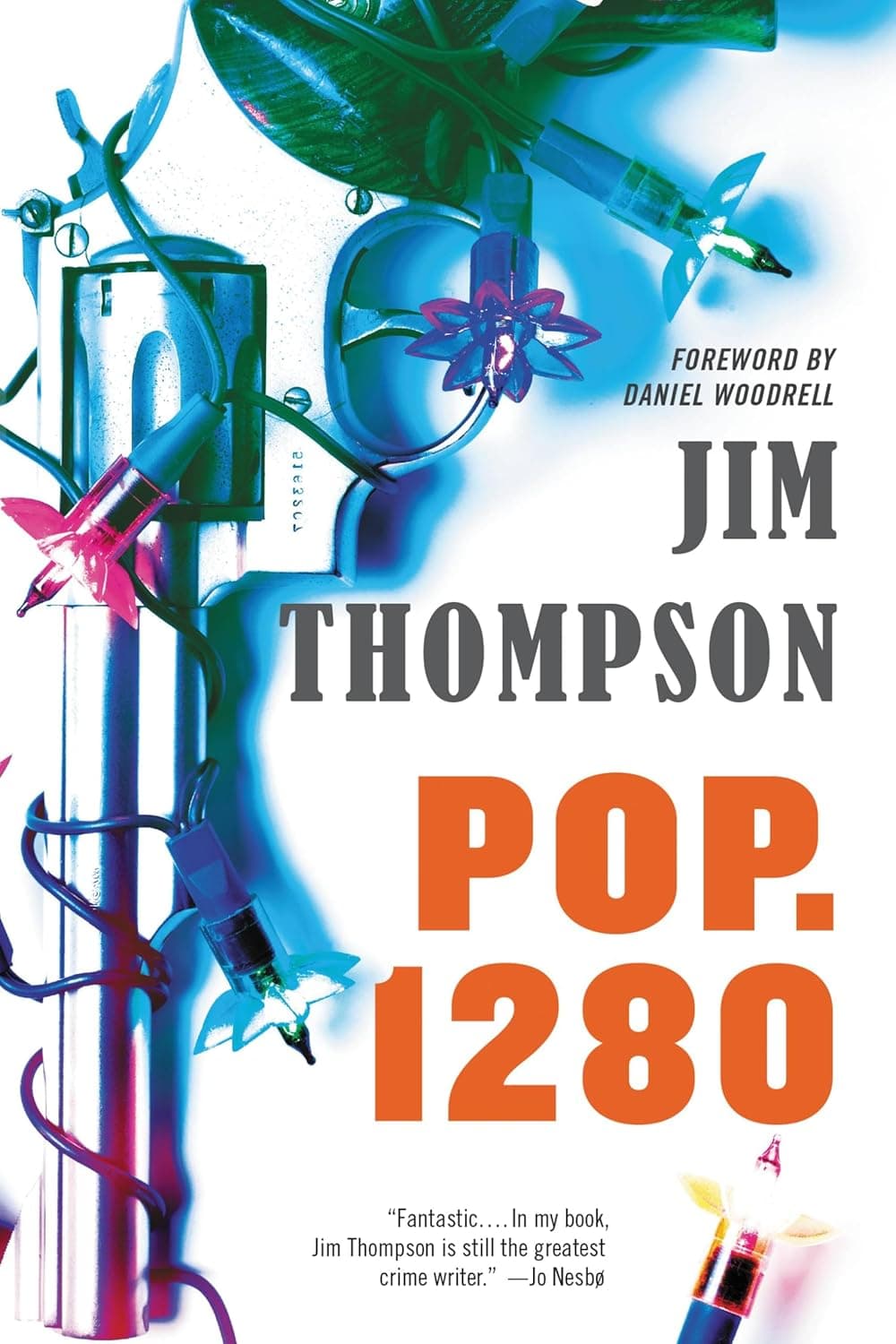
Nick Corey, sheriff of a dirt-poor Southern county, plays the harmless fool while killing people, and his cheerful drawl carries you far before you see what you are laughing at.

Los Angeles, 1948. Easy Rawlins, a Black veteran fired from the aircraft plant, takes a white man's hundred dollars to find a missing woman, and Mosley rebuilds postwar Watts around the search.
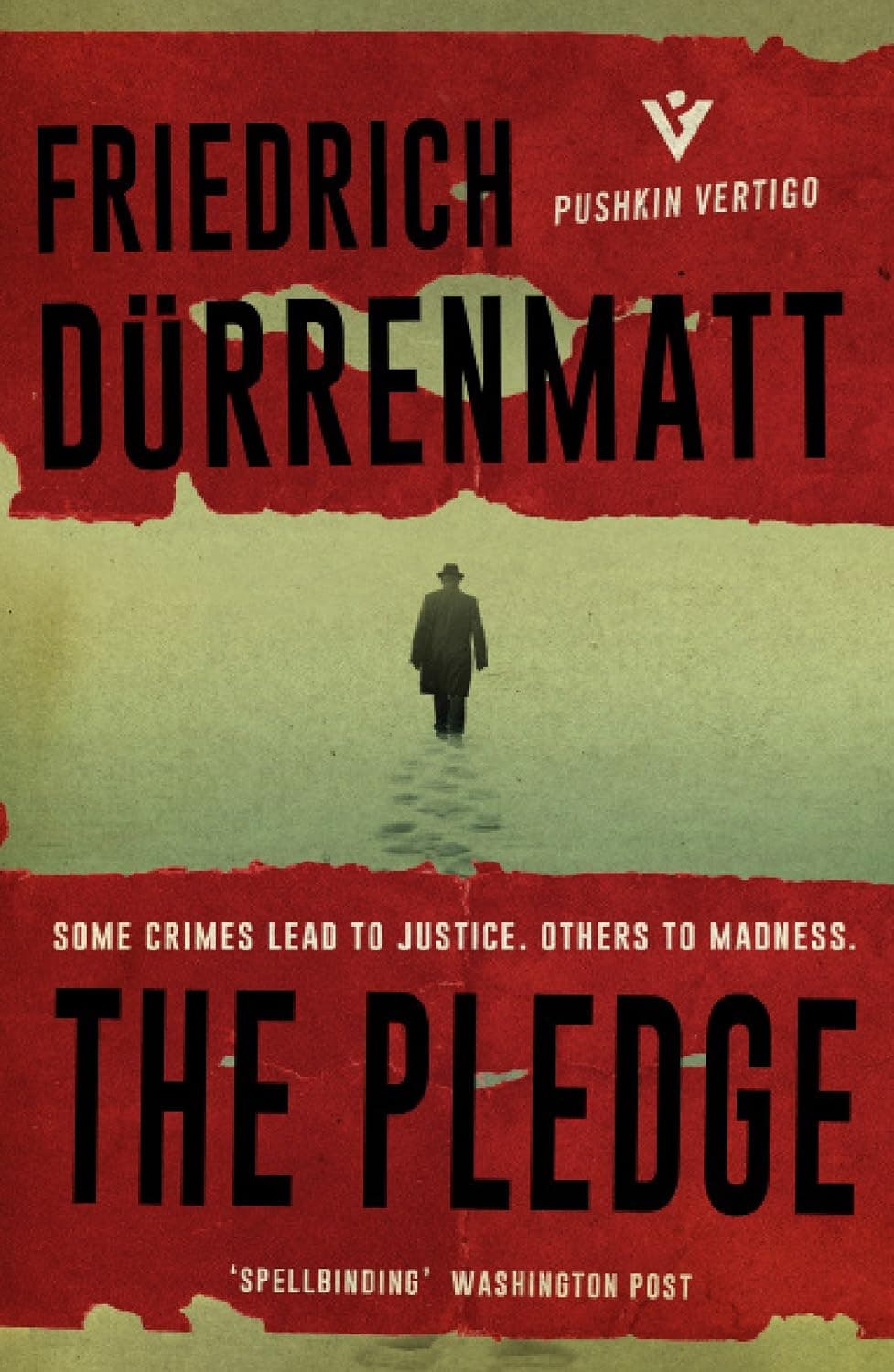
An inspector swears to a murdered girl's mother he will find her killer, then quits, buys a filling station, and waits with a child as bait. Durrenmatt wrote it against the detective genre.
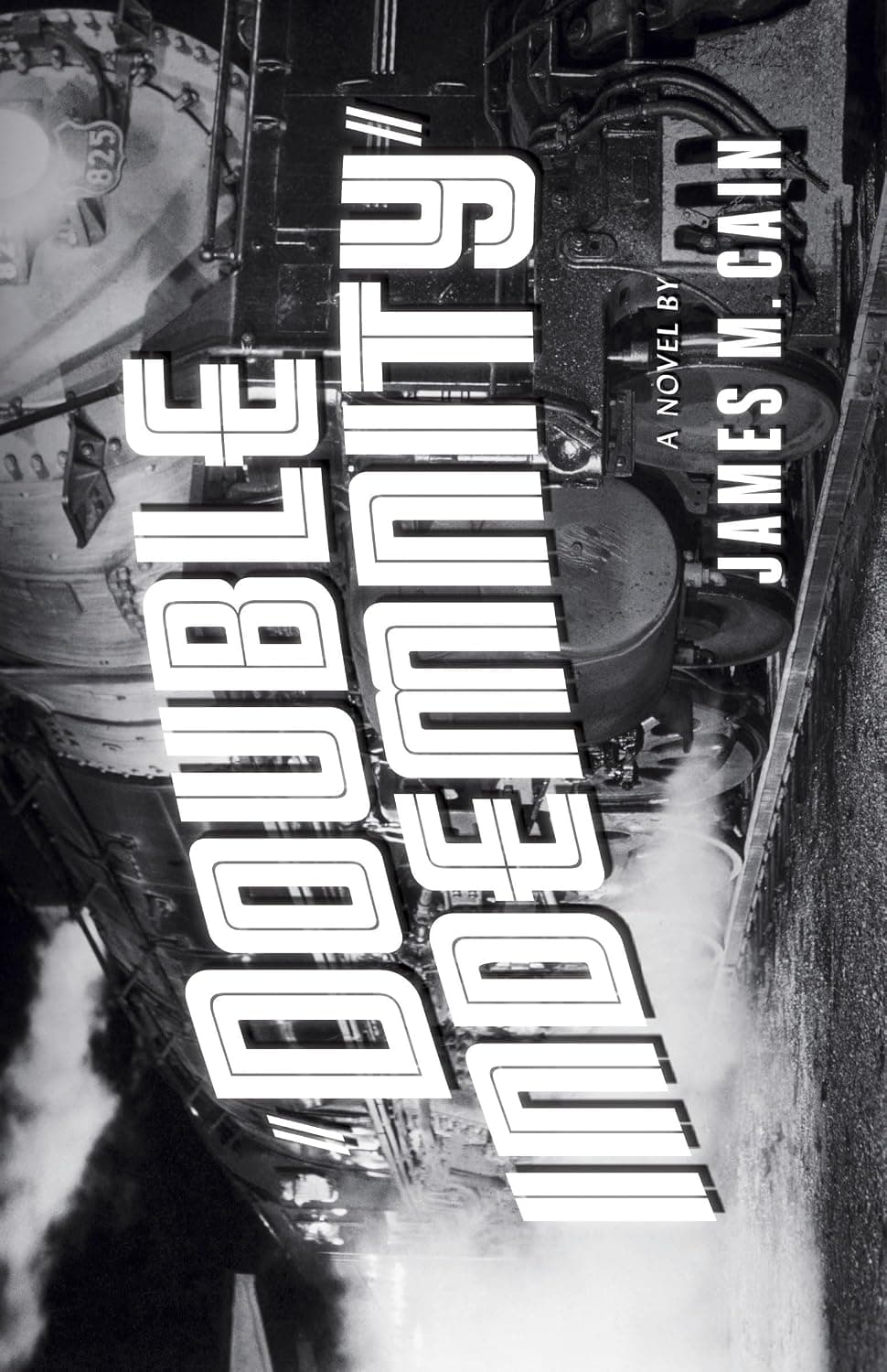
Walter Huff sells insurance, and the wife who wants a policy on her husband starts him on the clause that pays double. Cain tells it as a confession and never slows down.

Snow halts the Orient Express, and an American passenger is found dead in his compartment, stabbed twelve times. Poirot has no police and no laboratory, only what the other travelers tell him.

The best-selling mystery ever written: eight guests and two servants on an island off Devon, accused by a gramophone of murders the law could not touch, then killed to a nursery rhyme.

Every journalist knows what he does is morally indefensible, Malcolm opens, then proves it through a convicted murderer suing the writer who befriended him and delivered him to readers as a sociopath.

Thrown off a hay truck, a drifter takes work at a California diner and wants the owner's wife enough to help her kill her husband. Cain does it in a hundred scalding pages.
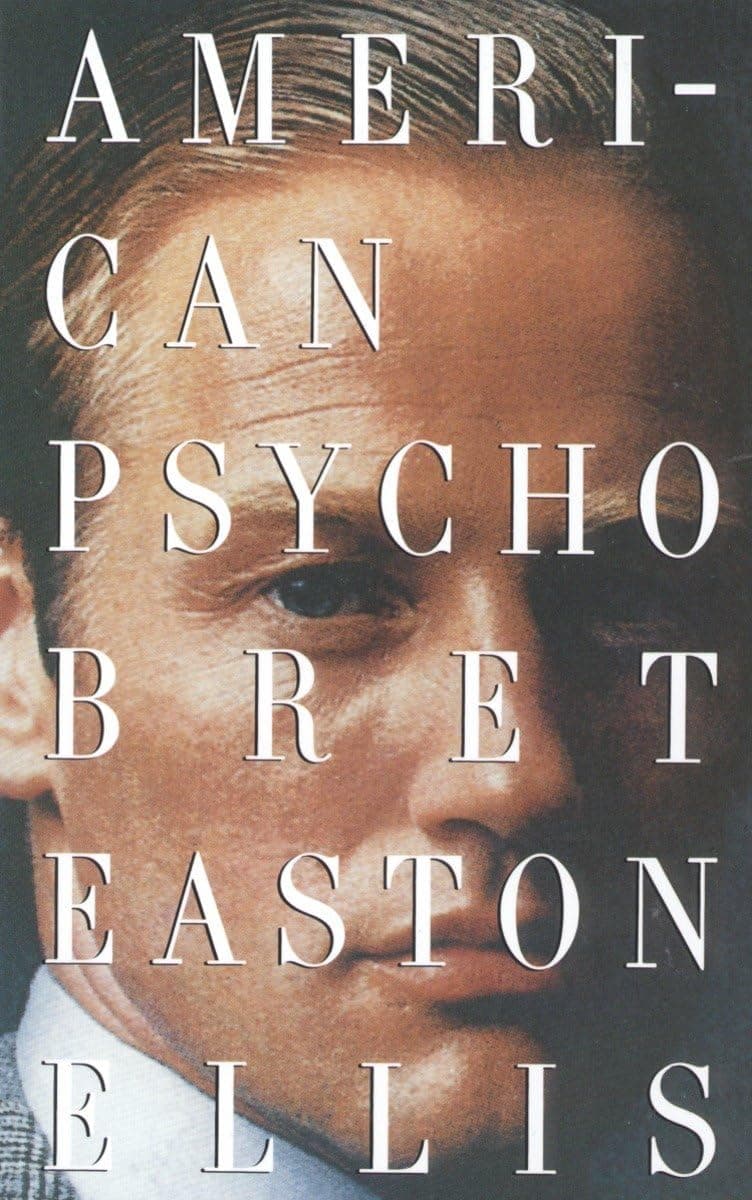
Patrick Bateman works mergers and acquisitions, agonizes over the typeface on a colleague's business card, and narrates atrocities in the voice he uses for Huey Lewis albums. Reagan's Wall Street becomes horror comedy.

Alex is fifteen and narrates his nights of assault in Nadsat, a slang welded from Russian and Cockney. The state conditions the violence out of him, and Burgess asks whether forced goodness counts.

Sent to Italy to fetch a shipping magnate's son, Tom Ripley falls for the life instead, murders his friend, and wears his name. Highsmith makes you want him to get away with it.
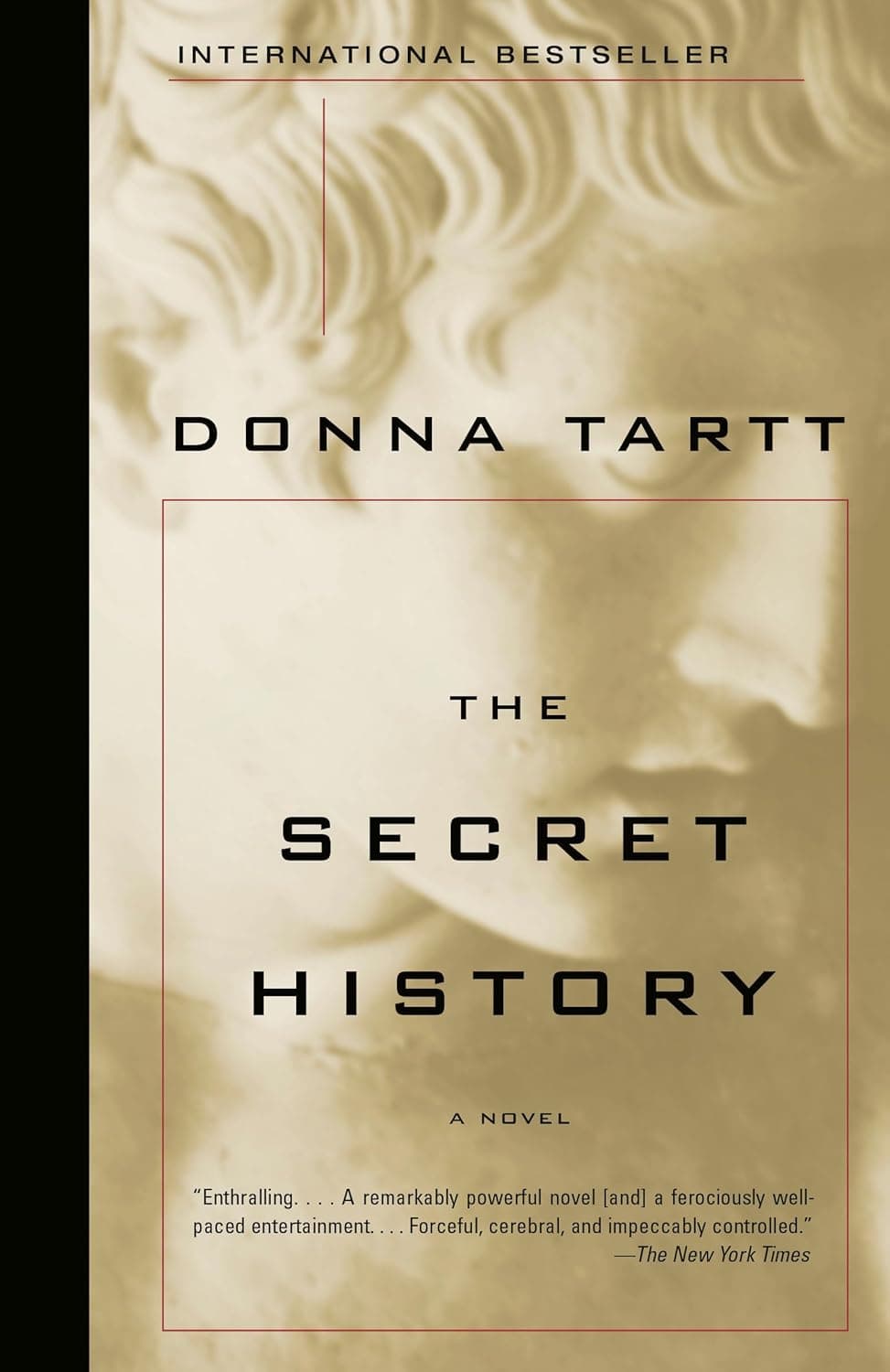
At a Vermont college a transfer student joins five classics majors and their charismatic tutor, then learns their rite to Dionysus left a farmer dead. Dark academia has been rewriting it since.

On Dartmoor a legend says a demon hound hunts the Baskervilles, and Sir Charles lies dead with paw prints beside him. Doyle sends Watson onto the moor without Holmes.