The Classical Language of Architecture
Classical architecture is a language, Summerson argues, and the five orders are its grammar. He takes you from Roman temples to Baroque churches and shows what any columned facade is actually saying.

Classical architecture is a language, Summerson argues, and the five orders are its grammar. He takes you from Roman temples to Baroque churches and shows what any columned facade is actually saying.

Rasmussen teaches you to feel a building before you name its style: the hardness a child finds bouncing a ball off a wall, Rome's Spanish Steps descending in the rhythm of a polonaise.

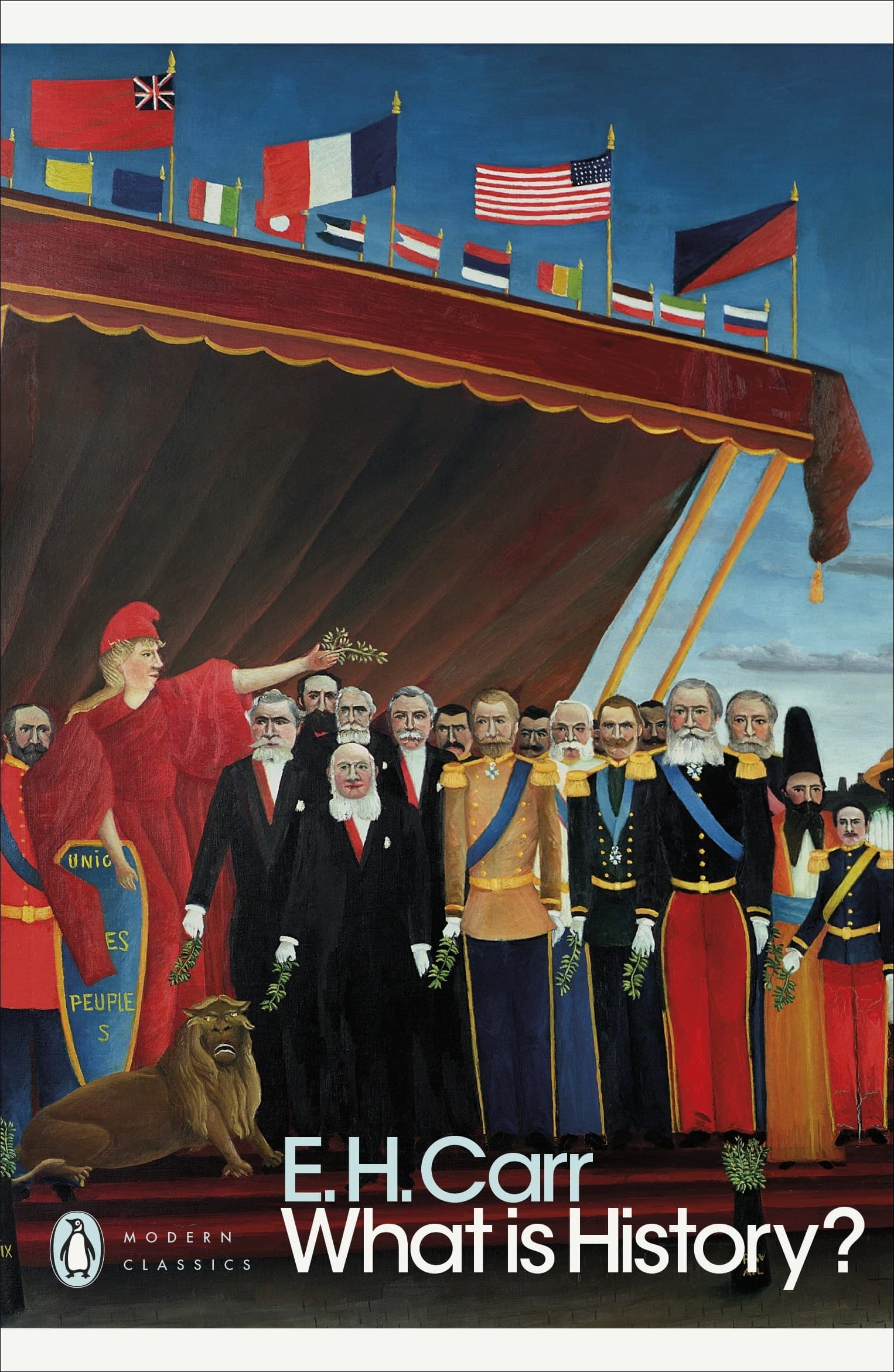
Facts do not speak for themselves, Carr insists. The historian decides which ones get to speak, so study the historian before the evidence. English-speaking historians are still arguing with him.

A Dominican friar who watched it happen set down, island by island, what Spain did to the people of the Caribbean. He forced an empire to argue whether the conquered were human.

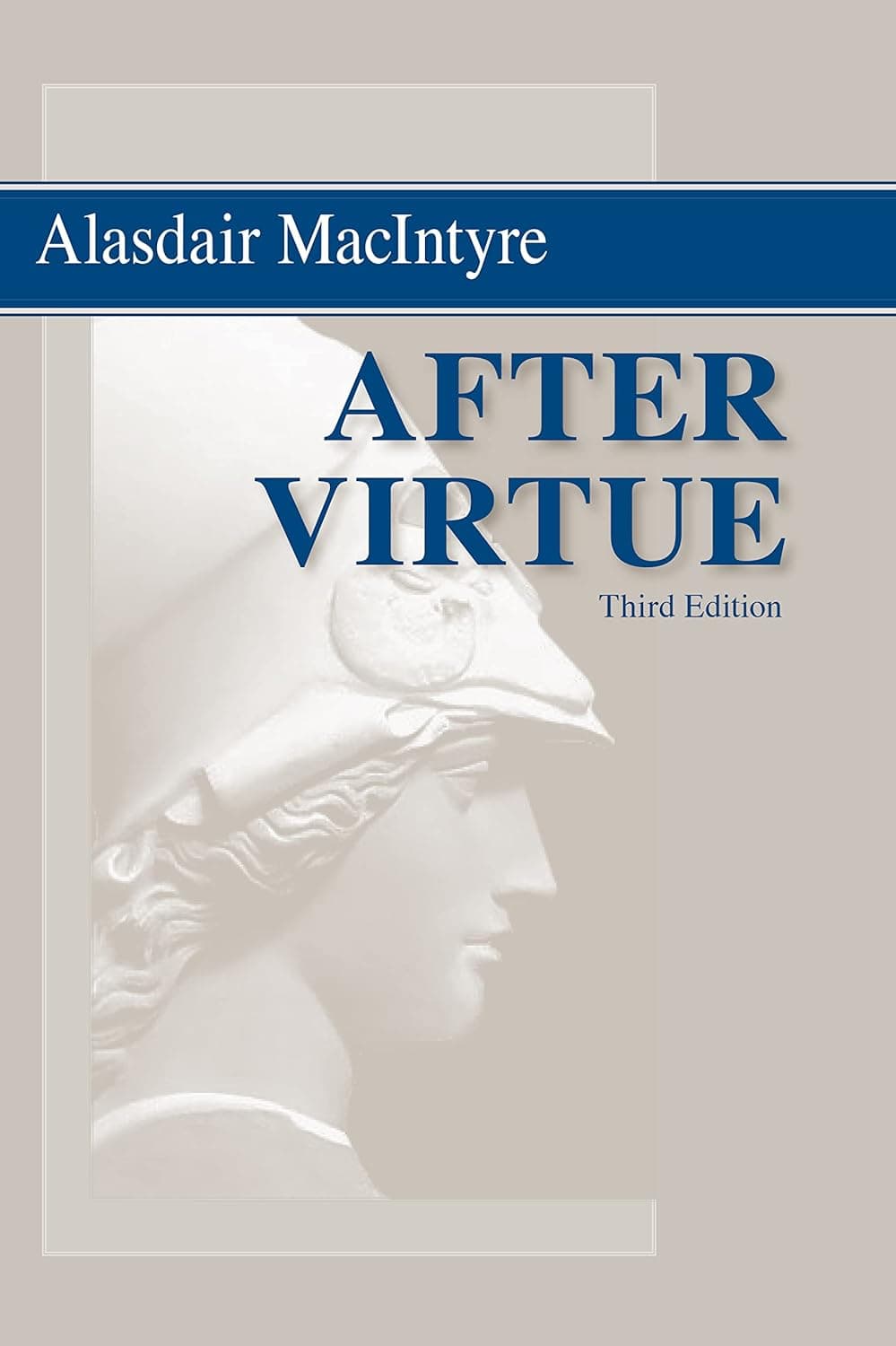
Modern moral argument never ends, MacIntyre says, because we speak in fragments of a tradition we have forgotten. He sent philosophy back to Aristotle's virtues and made ethics a fight about character again.

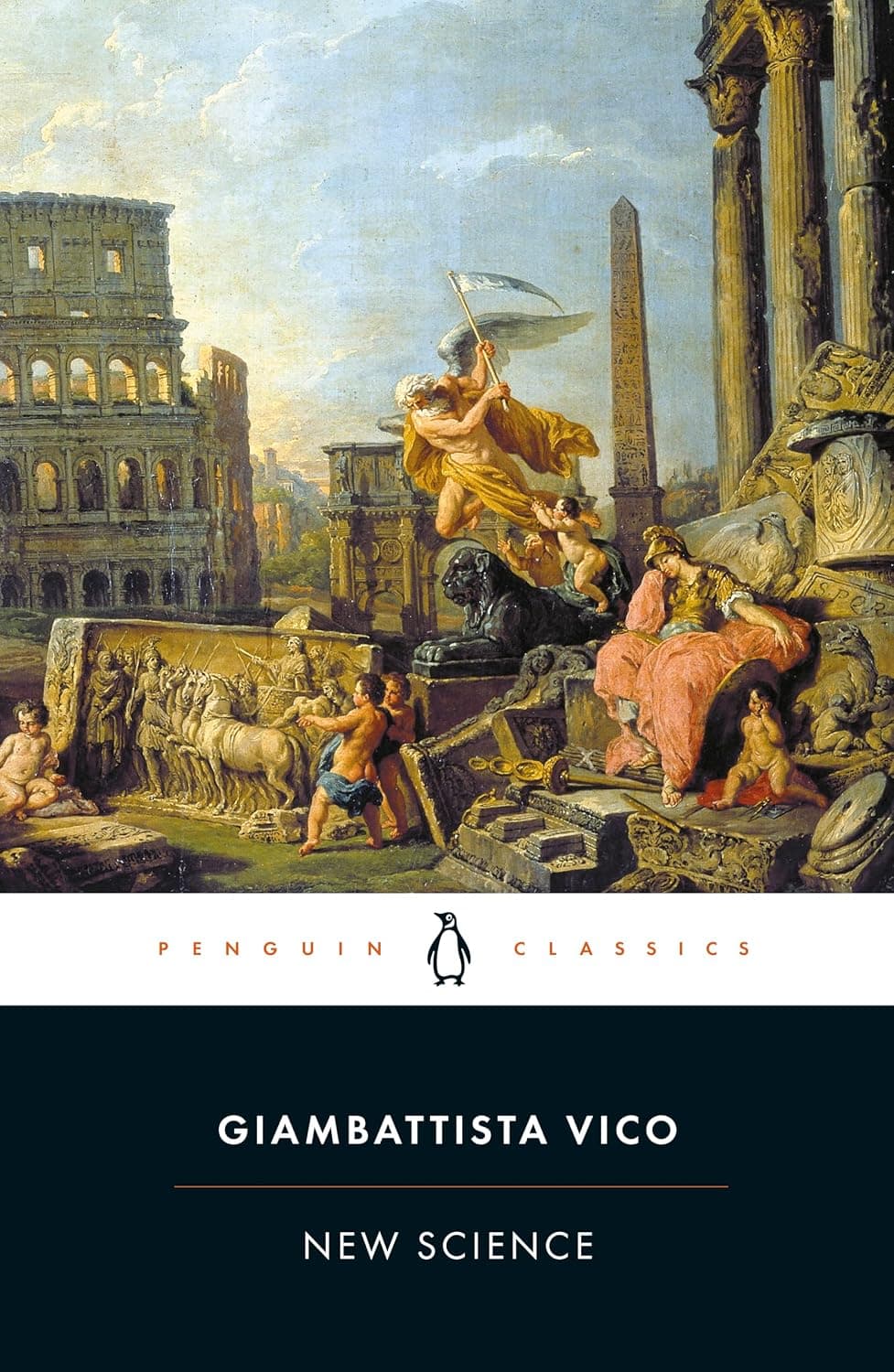
History can be known, Vico argues, because men made it. He reads myth and law as the record of every nation passing through ages of gods, heroes, and men, then collapsing into barbarism.

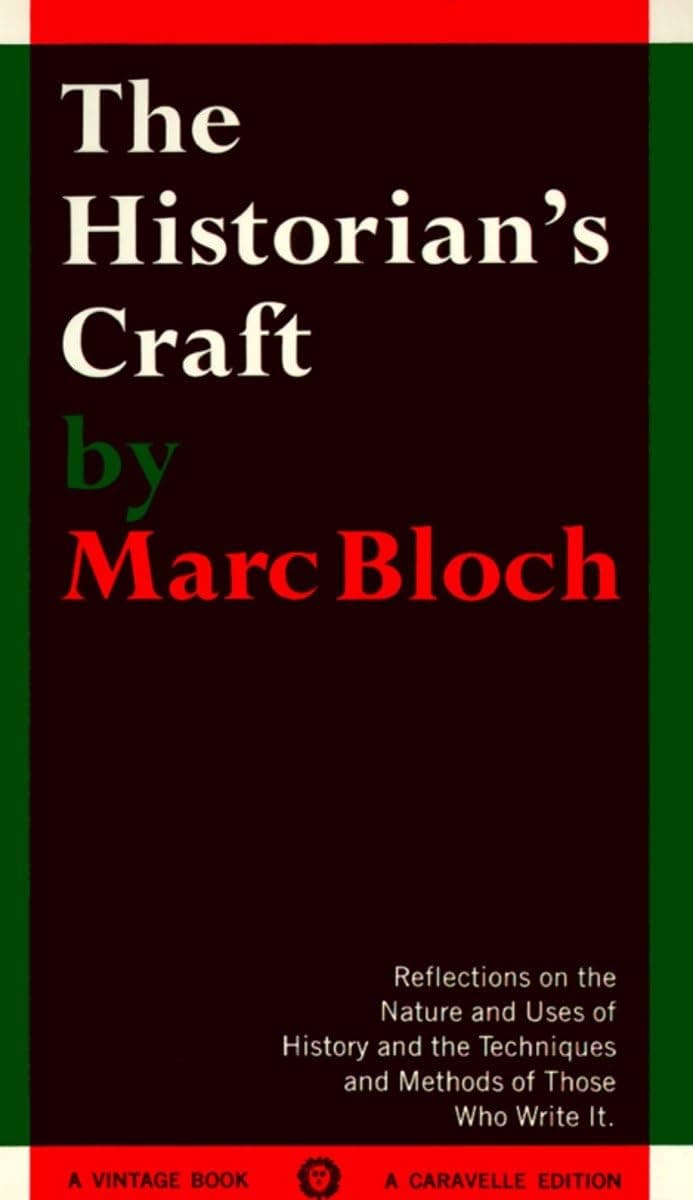
Bloch's son asked what the use of history was. He answered from hiding: history is the science of men in time, and evidence speaks only when questioned. The Gestapo shot him in 1944.

The earliest surviving English book by a woman came from an anchoress sealed into a cell beside a Norwich church. Julian saw all creation lying in her palm, small as a hazelnut.

Christine de Pizan, the first woman in Europe to live by her pen, answers centuries of learned misogyny by building an allegorical city whose every stone is the life of a woman.

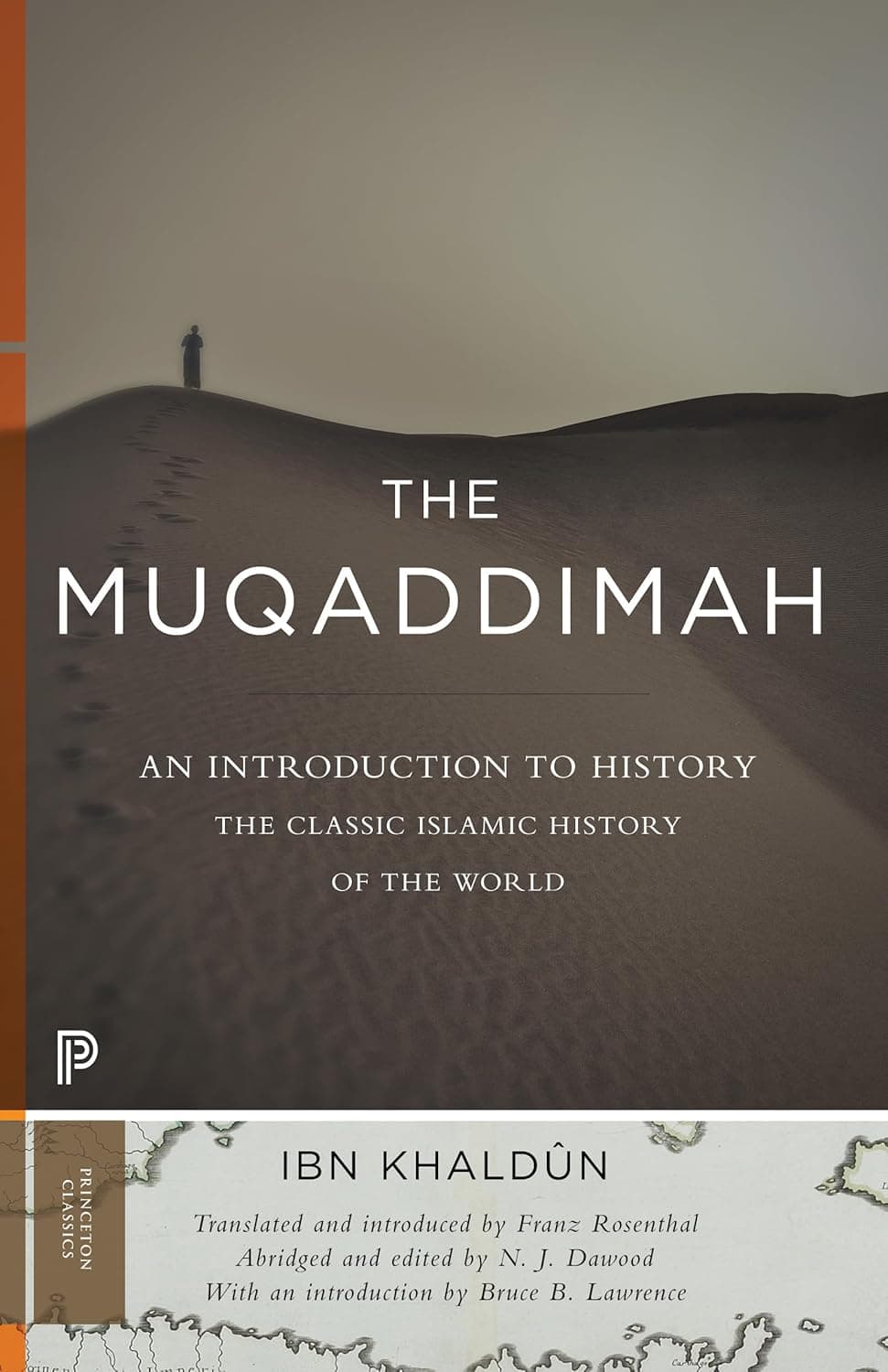
Ibn Khaldun found history's engine in group solidarity, which carries a tribe from desert to throne, then dissolves in city luxury within three generations. Europe produced nothing comparable for centuries.

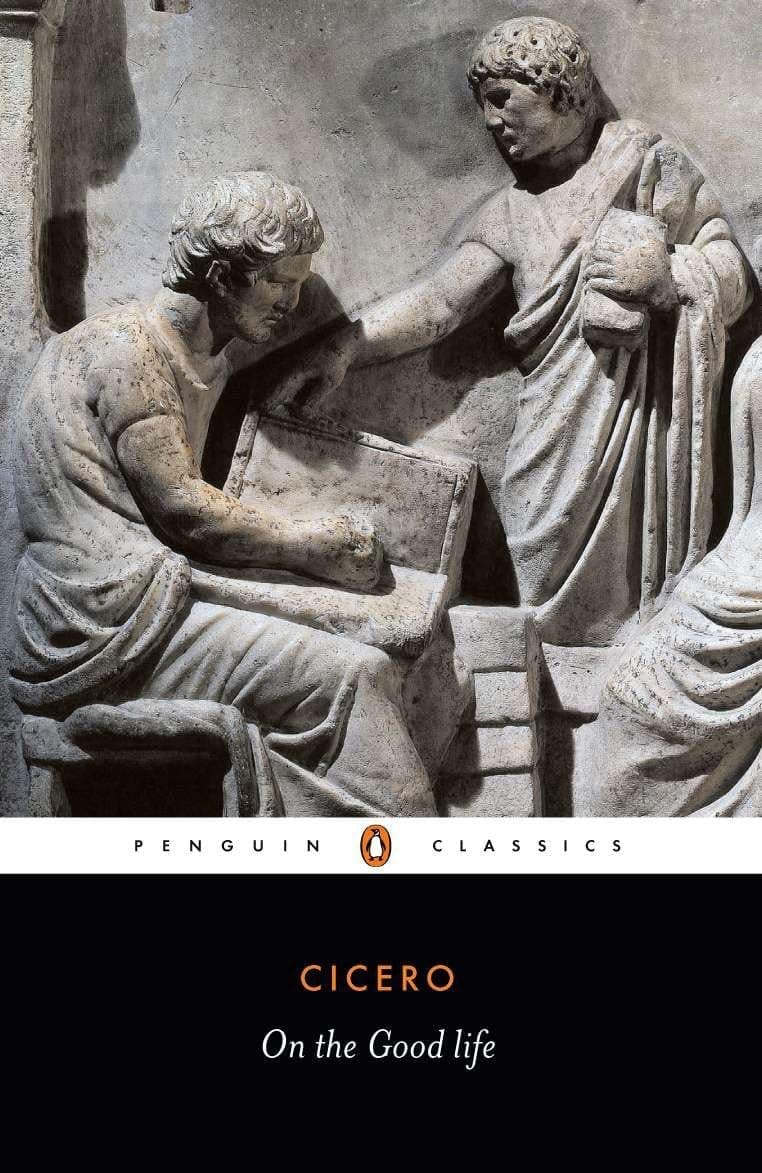
Cicero gives the argument to Laelius, a statesman grieving his dead friend: real friendship binds only good men, is wanted for nothing beyond itself, and makes fortune brighter and hardship lighter.

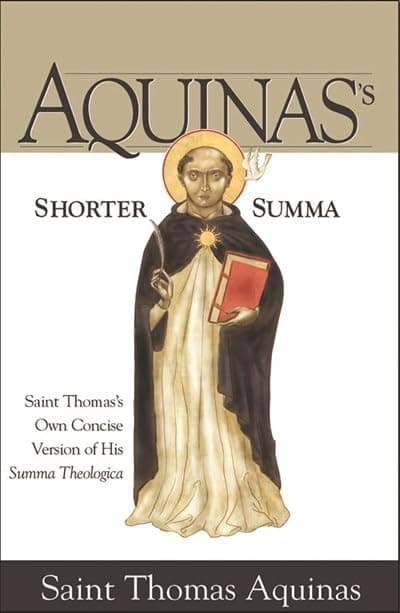
Aquinas asks thousands of questions about God, law, virtue, and sin, and answers each only after stating the strongest case against himself. Catholic thought has been arguing with him for 750 years.

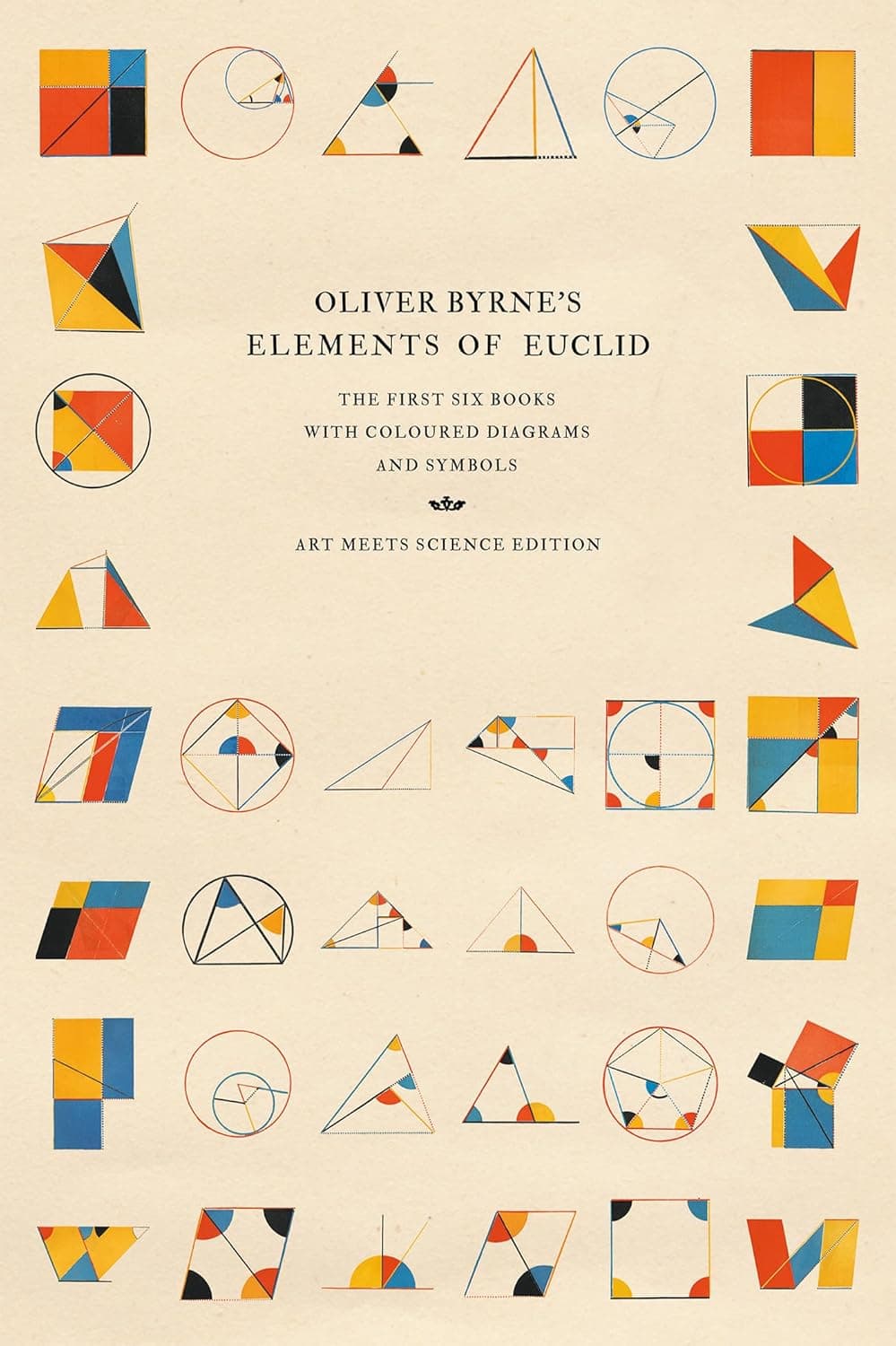
Five assumptions about points and lines, and from them Euclid derives hundreds of theorems, up to the proof that the primes never run out. You finish knowing what a proof is.

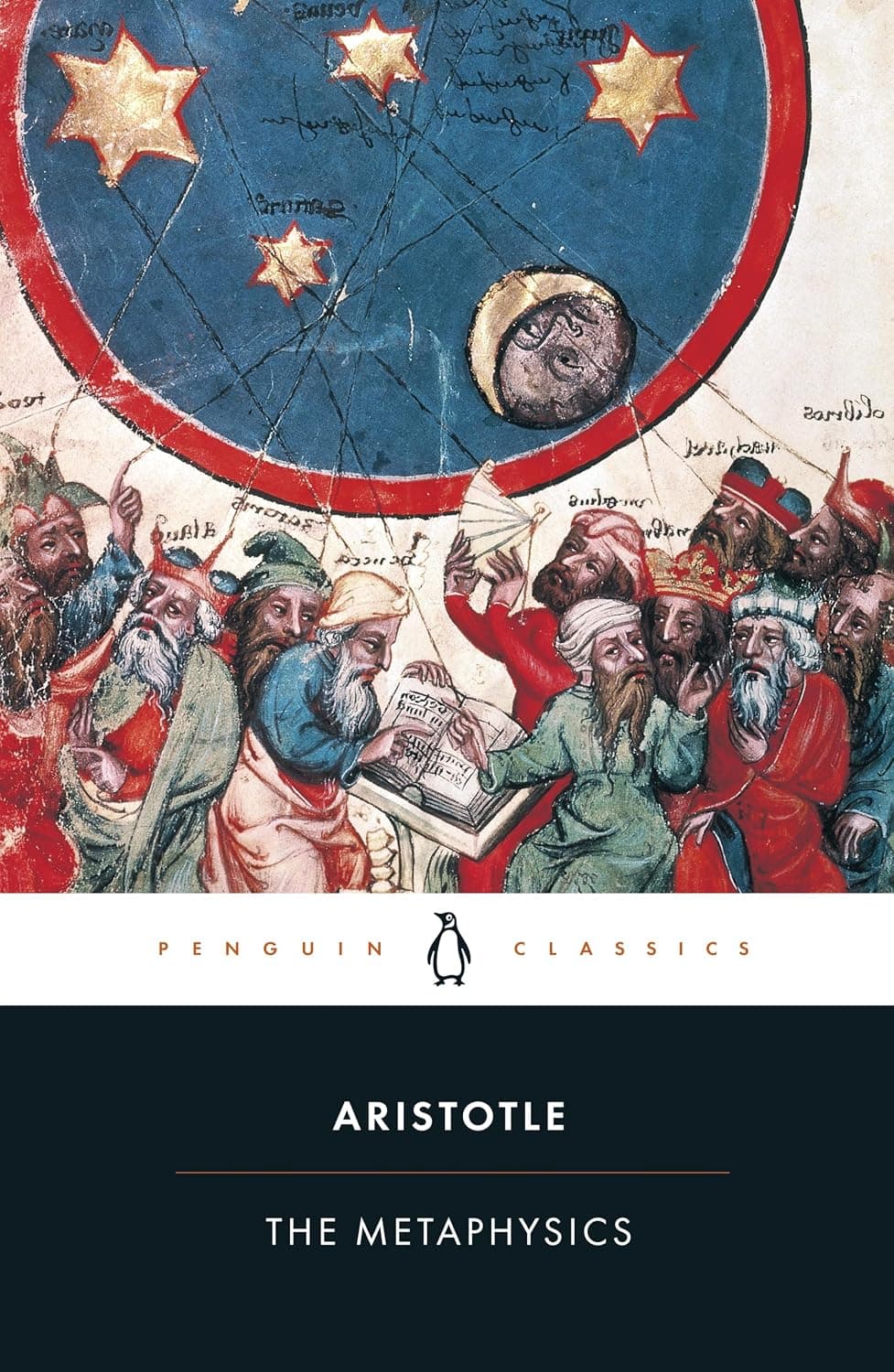
Aristotle asks what a thing most fundamentally is, and the answer runs through matter, form, and cause to a god who moves the whole world simply by being loved.