Wine Grapes
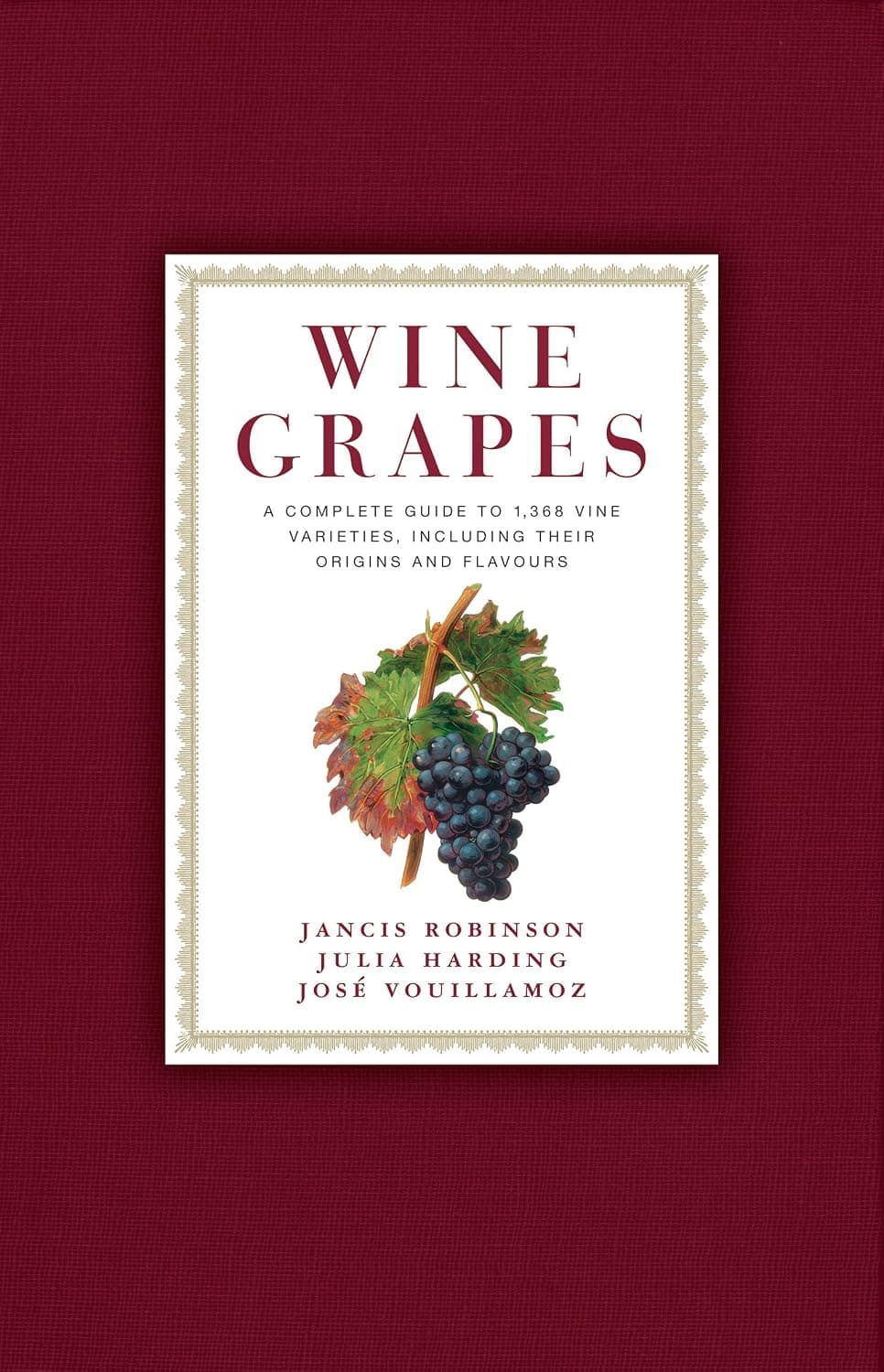
Every grape that makes wine, 1,368 of them, traced by DNA to its parents and described by flavor. Zinfandel is revealed as a Croatian vine, and Sauvignon Blanc descends from Savagnin.

Every grape that makes wine, 1,368 of them, traced by DNA to its parents and described by flavor. Zinfandel is revealed as a Croatian vine, and Sauvignon Blanc descends from Savagnin.

Gamow carries a reader from counting to infinity, from atoms to the expanding universe, drawing every illustration himself. The psychologist Steven Pinker traces his science writing to reading this as a boy.

Twenty-five million people bought a physics book. Hawking explains black holes, the arrow of time, and whether the universe needed a beginning, carrying the argument on almost no mathematics at all.

A music teacher reaches for his wife's head, mistaking it for his hat. Sacks gives twenty-four such patients whole inner lives, more curious about what their minds built than what was lost.

Leopold shot a wolf and watched the green fire go out of her eyes. Land is a community we belong to, he concluded, and his land ethic became American environmentalism's creed.

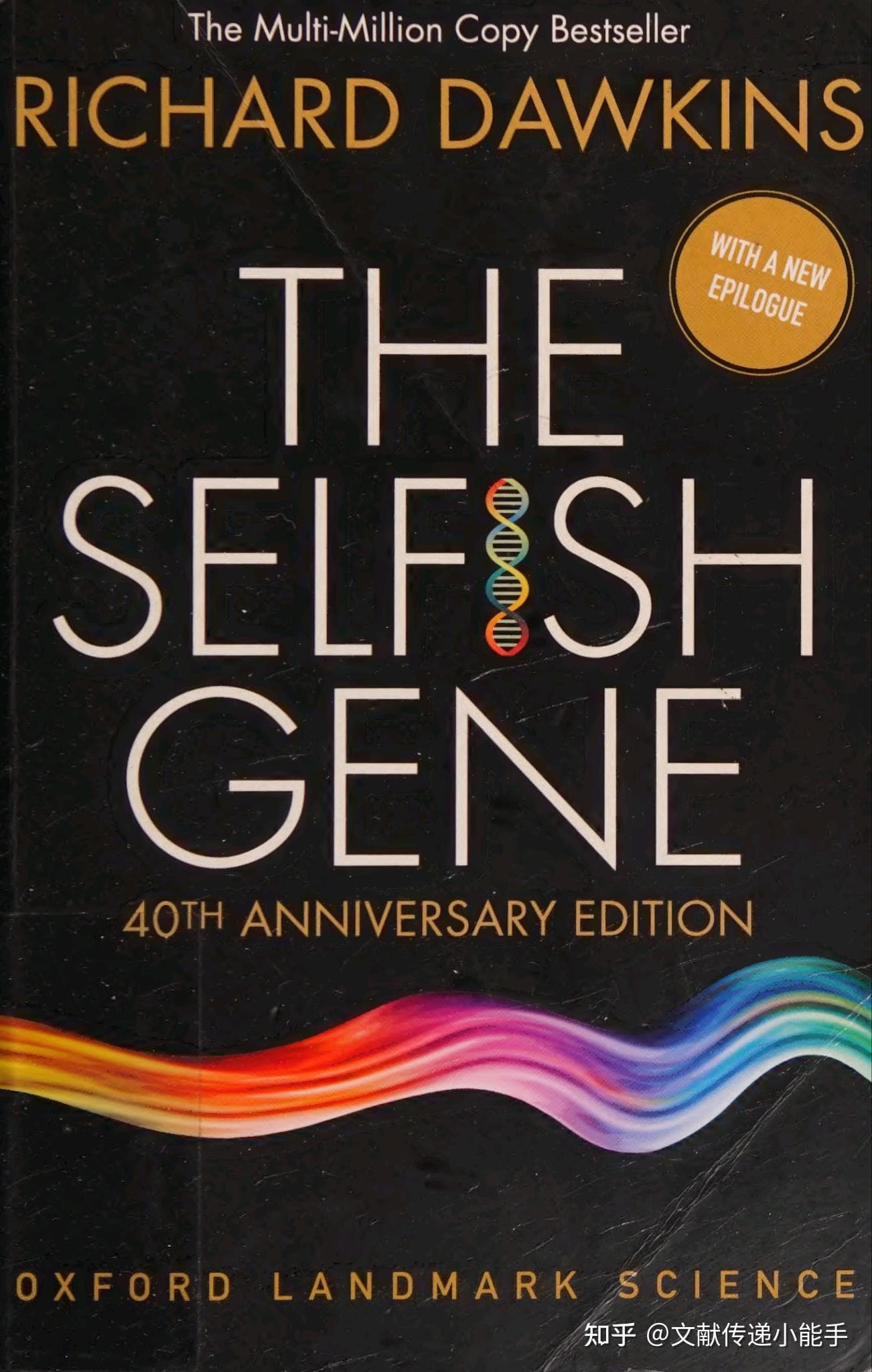
Genes, not organisms, are what selection acts on, and bodies are the machines genes build to carry themselves forward. Dawkins turned that inversion into how biologists think, and gave us the word meme.

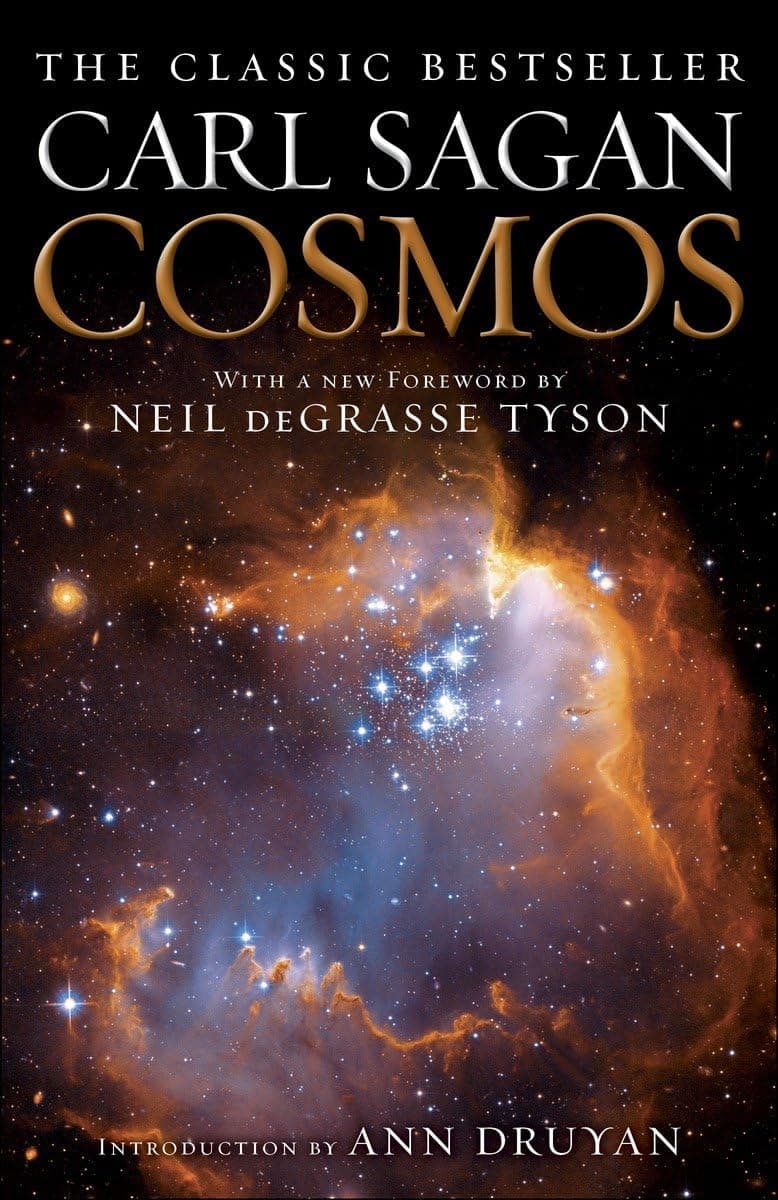
Sagan moves from the Big Bang to the Library of Alexandria to the carbon in your body, forged inside dying stars. No science book written in English had ever sold so well.

"I have never seen Francis Crick in a modest mood," Watson begins, then narrates the race to DNA as gossip and rivalry, including Rosalind Franklin's X-ray image, shown to him without her knowing.

Einstein's physics taken as seriously as Einstein's life. Pais knew him at Princeton, could follow the mathematics, and produced the account against which every later scientific life of Einstein is measured.

Why does a pane of glass reflect some of the light striking it? Feynman answers with arrows on paper and not one equation, handing quantum electrodynamics whole to readers who never took physics.

How does a self arise from parts that have none? Hofstadter answers by braiding Godel's proof that no system can prove all its truths with Escher's staircases and Bach's canons into strange loops.

Bacon names four idols that warp human thinking: our species, our upbringing, our sloppy words, and the philosophies we inherit. Clear them away, gather evidence patiently, and nature gives up its secrets.

Science does not creep forward by adding facts, Kuhn argues. It works inside one framework until the anomalies pile up and the whole picture flips. Paradigm shift is his phrase and his idea.

More creatures are born than can survive, they differ, and the useful differences carry forward. Darwin builds that one plain idea into an explanation of every living thing on earth.