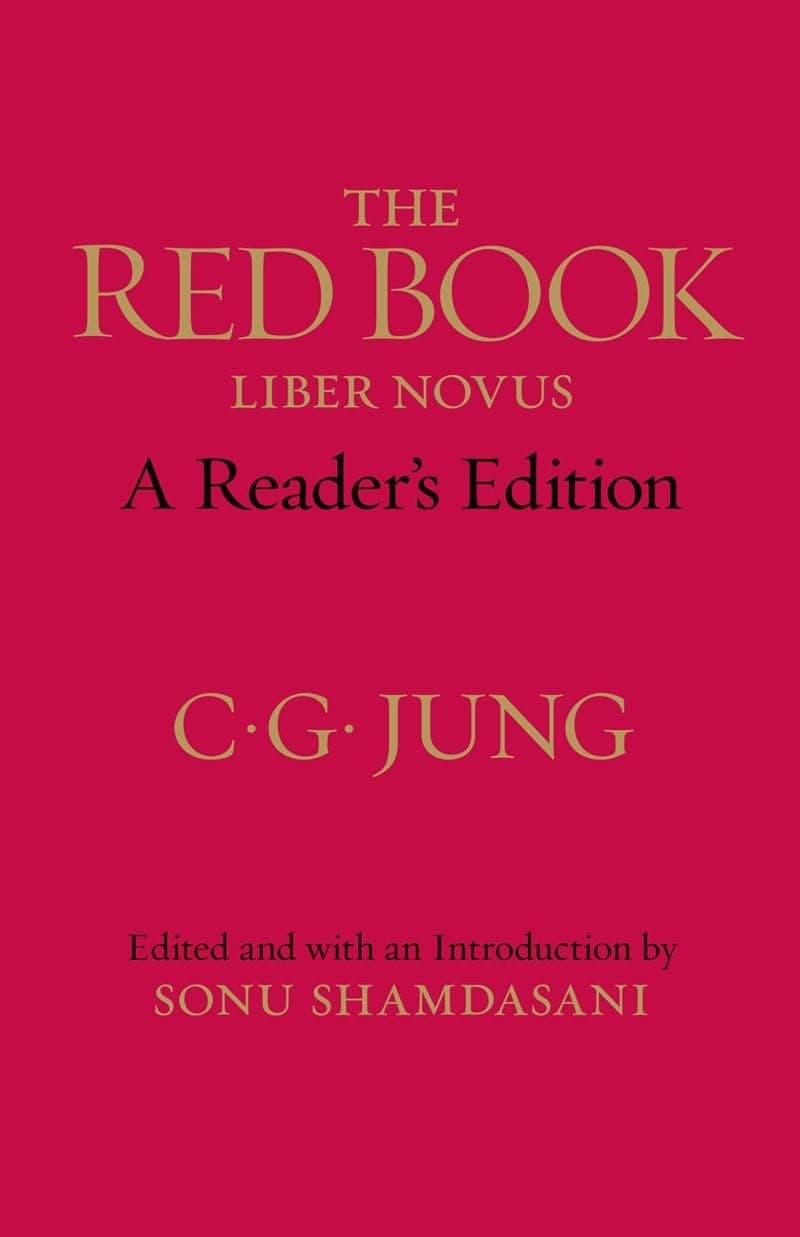
The Red Book
2009 · 582 pages
Jung induced his own visions and argued with the figures he met there, then set it down in medieval script and painted mandalas. He said everything he wrote afterward was mere elaboration.
★ 5.2
 skopia
Jung induced his own visions and argued with the figures he met there, then set it down in medieval script and painted mandalas. He said everything he wrote afterward was mere elaboration.

Jung reads the daydreams of an American woman he never met against myth and religion from every culture, finding the deepest material in a mind is inherited, not personal. It cost him Freud.
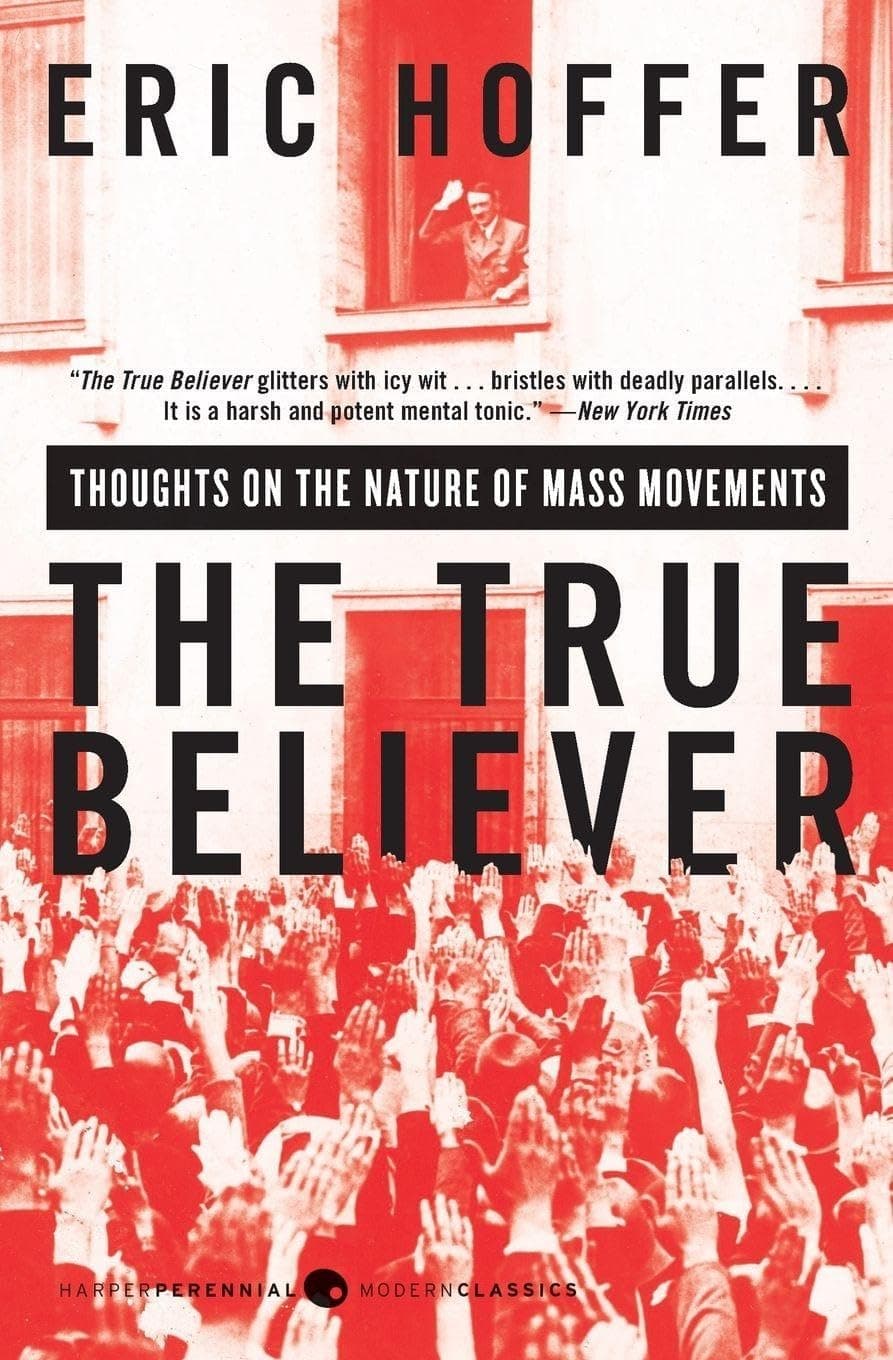
Mass movements are interchangeable, Hoffer argues: converts join not from conviction but to be rid of themselves. Eisenhower handed the book around, and every new wave of fanaticism sends Americans back to it.
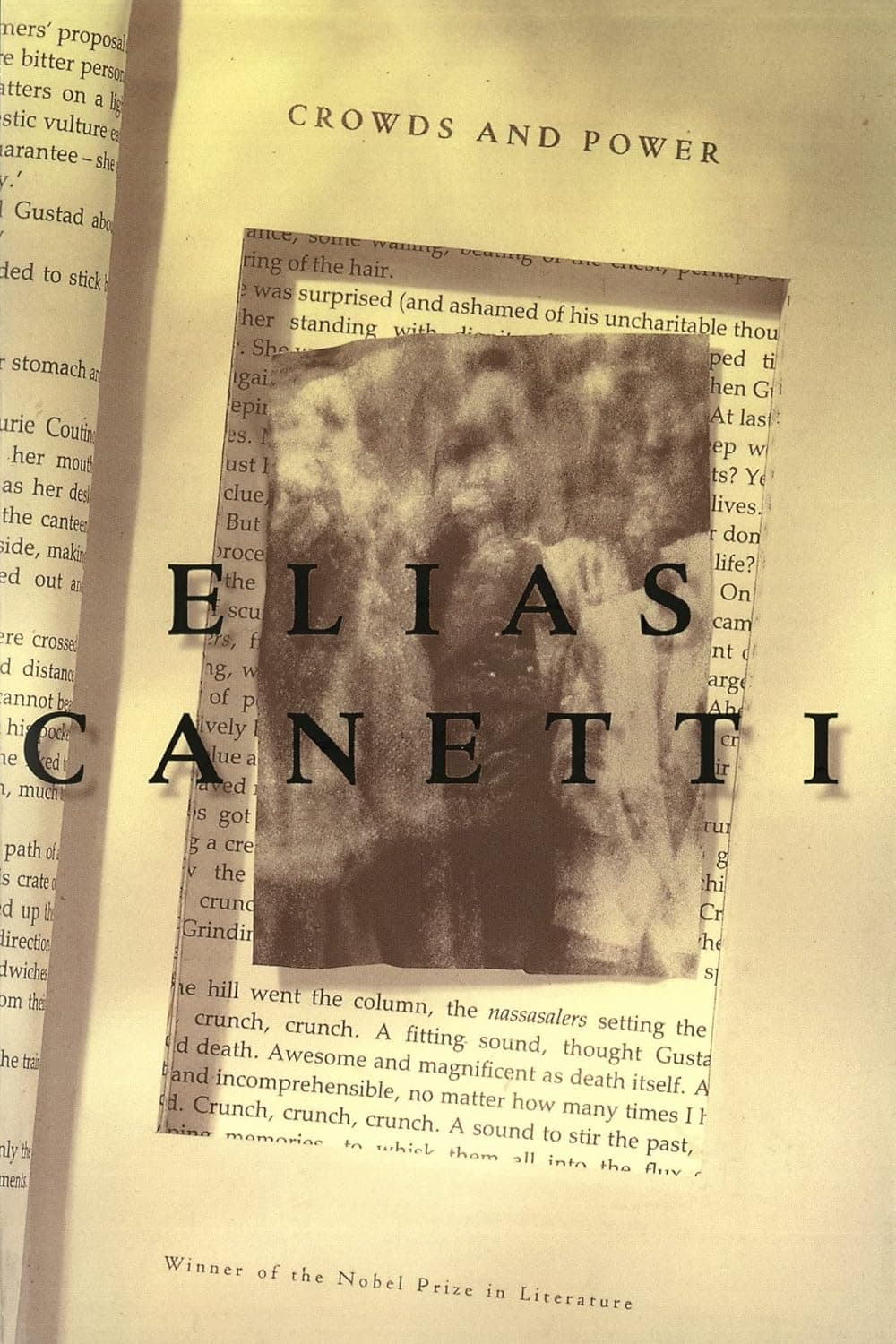
Canetti anatomizes the crowd as a natural force, then locates power in the survivor who stands alive among the dead. Every command, he argues, leaves a sting in whoever obeys it.

A white child points and cries, Look, a Negro. Fanon takes that instant apart to show racism lodged in the skin itself, and half a century of Black thought has worked from it.

Smith argues that conscience is imagined company: we judge ourselves by picturing an impartial spectator and wanting his approval. The economist famous for self-interest built his moral system on fellow feeling.
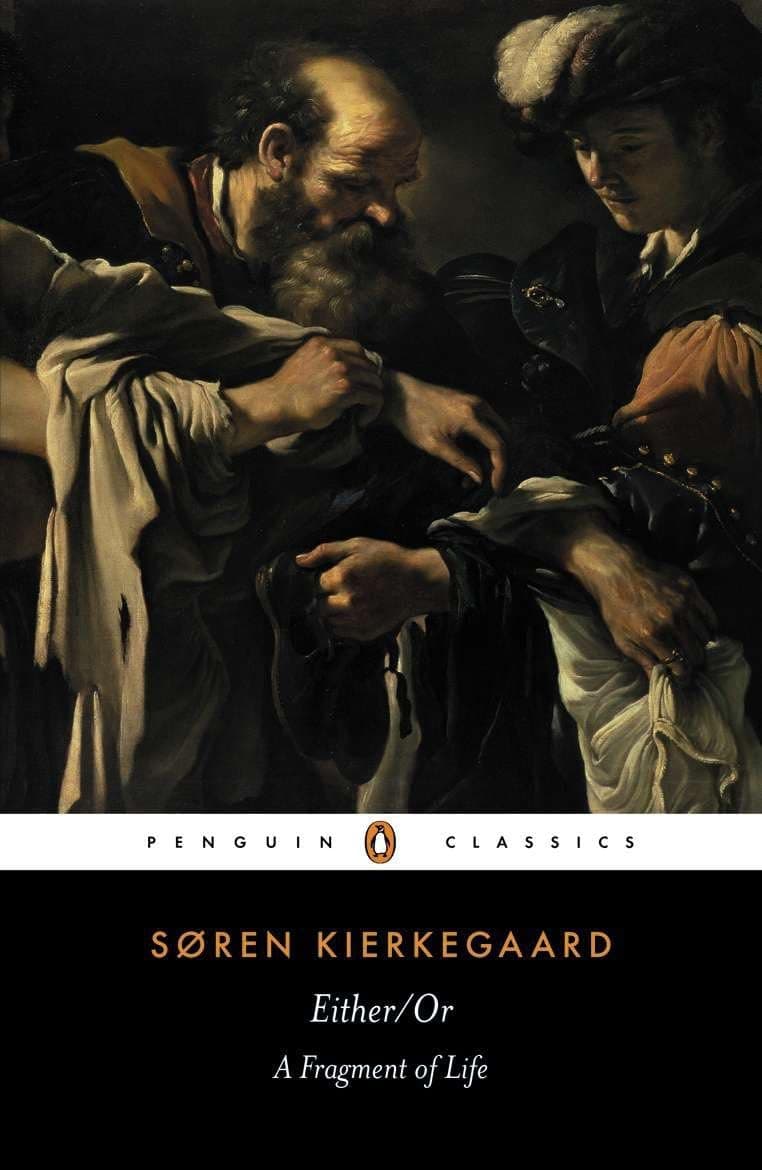
Two ways of living stand side by side, unreconciled: the aesthete who lives for the interesting moment and whose papers include a seducer's diary, and the judge who defends marriage and duty.

James set aside doctrine and asked what religion does to a person. Gathering testimony from converts and mystics, he separates the healthy-minded soul from the sick one and judges belief by its fruits.

Fanon was a psychiatrist from Martinique who joined the Algerian revolution and died at thirty-six. Colonialism deforms the mind of the colonized, he argues, and violence undoes it. Revolutionaries read him as instructions.