The Red Book
2009 · 582 pages
Jung induced his own visions and argued with the figures he met there, then set it down in medieval script and painted mandalas. He said everything he wrote afterward was mere elaboration.
★ 5.2
 skopia
Jung induced his own visions and argued with the figures he met there, then set it down in medieval script and painted mandalas. He said everything he wrote afterward was mere elaboration.

Brillat-Savarin, a French magistrate, made the table a subject for philosophy: tell me what you eat, he wrote, and I will tell you what you are. No food writer has bettered him.
Set theory, Badiou insists, is the only language that can say what being is. Truth erupts as an event in politics, art, science, or love, and a subject is whoever stays faithful.
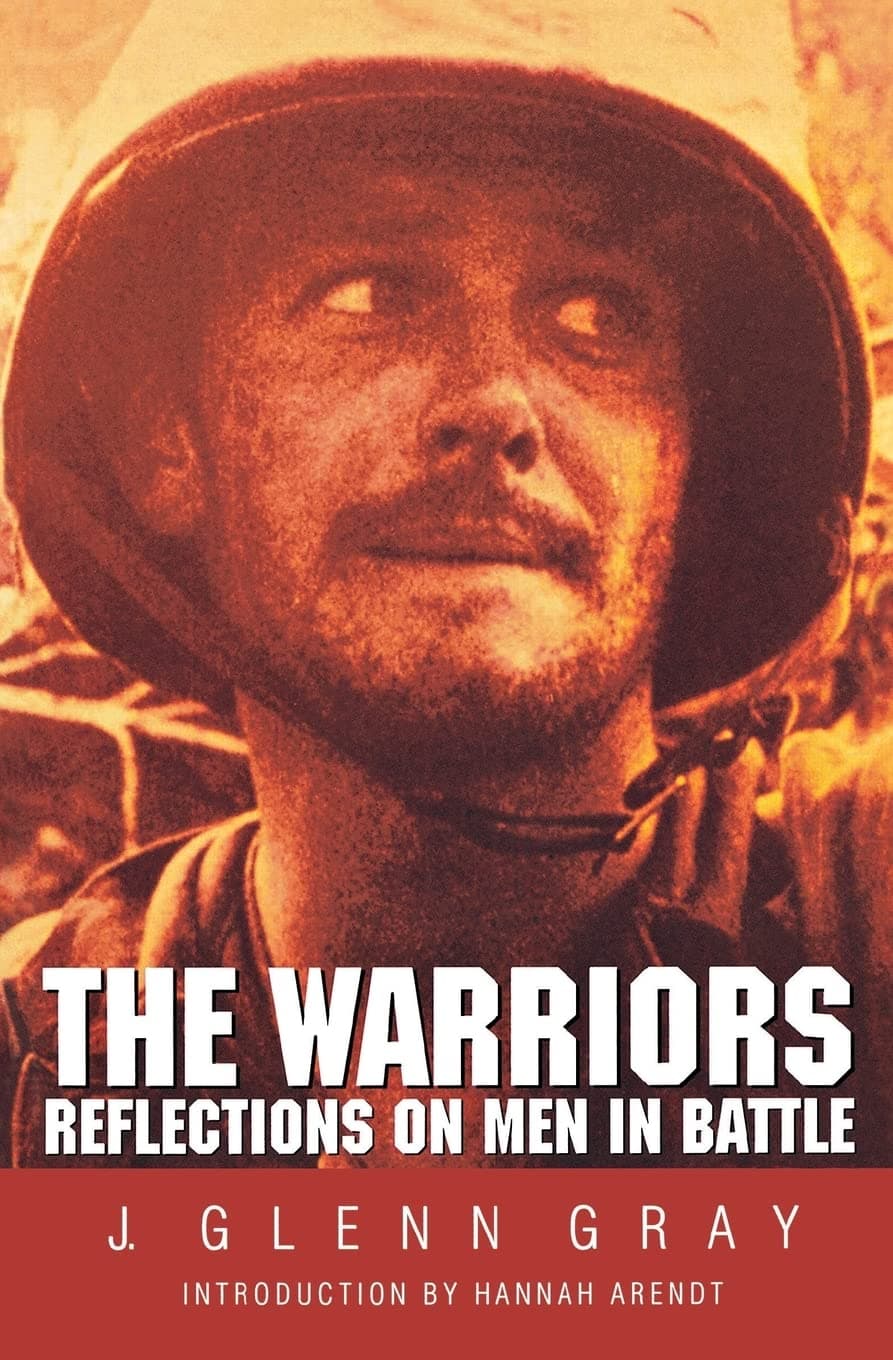
What holds men to war, Gray decided, is the spectacle, the comradeship, and a delight in destruction nobody admits to. The day his Columbia doctorate arrived, so did his draft notice.

Jung reads the daydreams of an American woman he never met against myth and religion from every culture, finding the deepest material in a mind is inherited, not personal. It cost him Freud.

Johannes engineers every meeting and letter to make Cordelia love him, and wants nothing once she does. Kierkegaard hands you the notebook of a man who turned another person into an experiment.
Seventy-three short articles, sized to fit a coat pocket, each take apart a piece of church doctrine or the cruelty it licensed. Both Geneva and Paris consigned it to the flames.

Property is theft, Proudhon answered, meaning property that lets one man live off another's labor. Nobody had called himself an anarchist before, and his quarrel with Marx still splits the left.
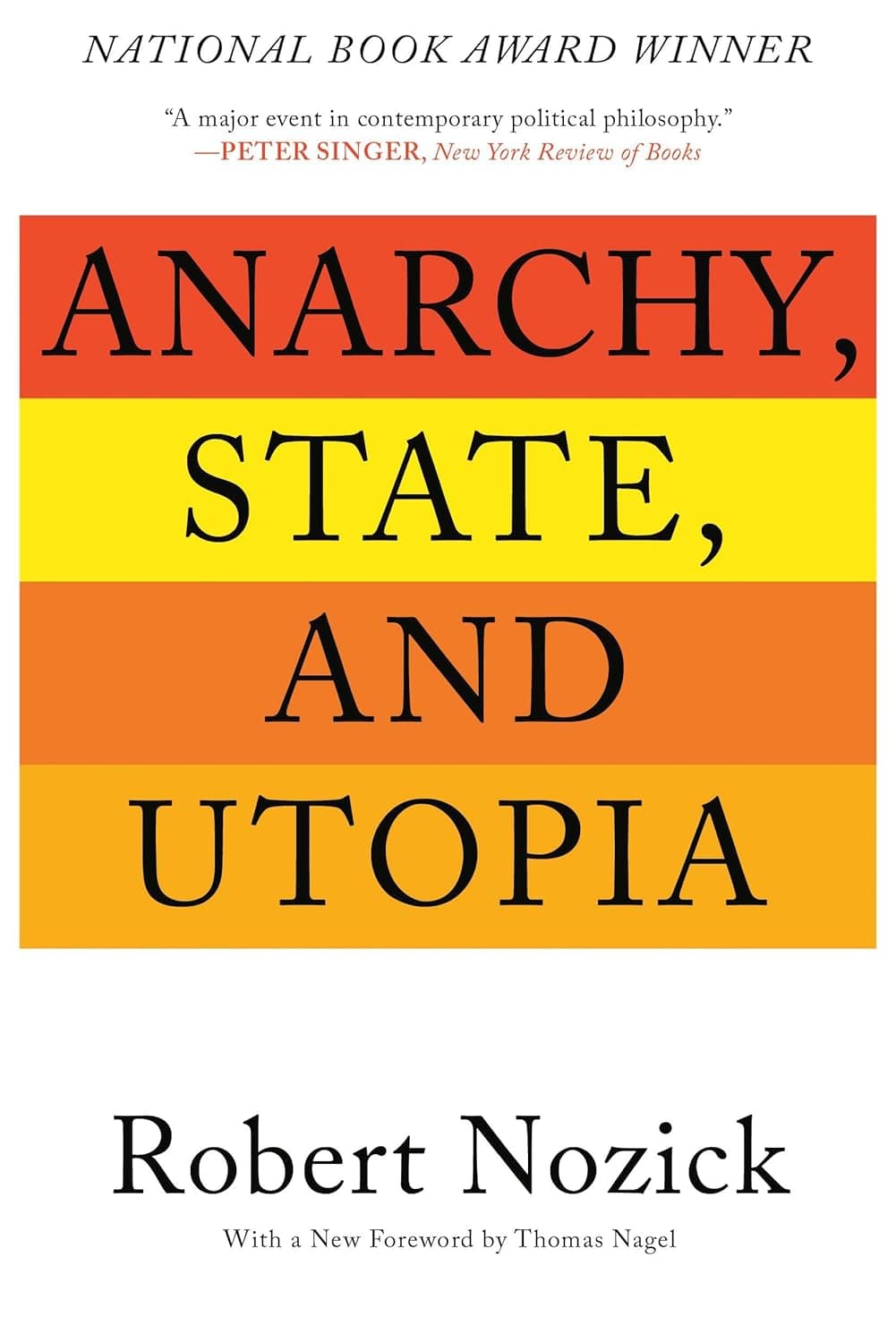
Individuals have rights, Nozick begins, so a just state shrinks to police, courts, and defense. A million fans paying a basketball star a quarter gave libertarianism its sharpest weapon against redistribution.
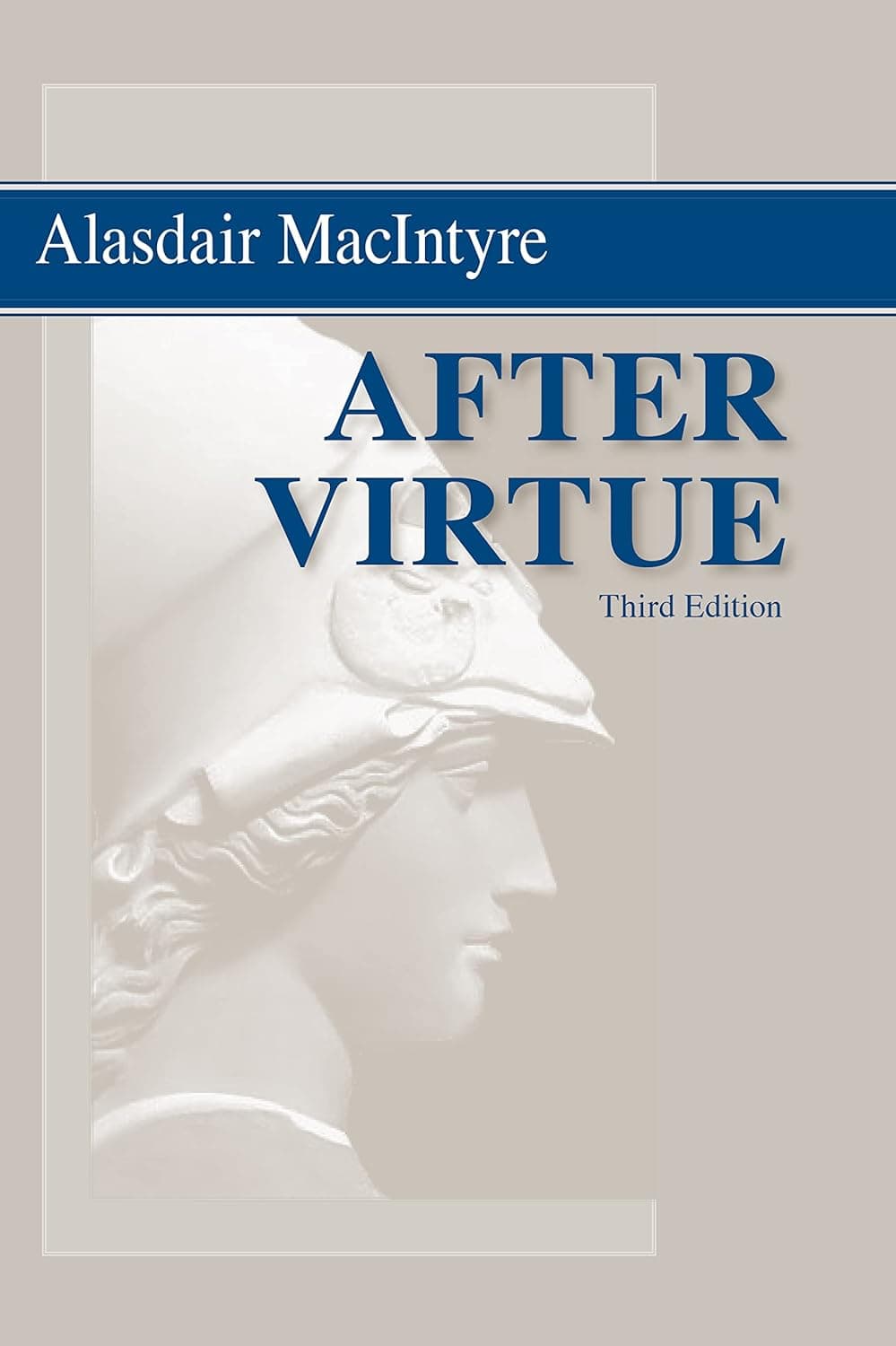
Modern moral argument never ends, MacIntyre says, because we speak in fragments of a tradition we have forgotten. He sent philosophy back to Aristotle's virtues and made ethics a fight about character again.

Watching the French Revolution collapse into terror, Schiller concluded that reason cannot free people whose feelings stay uneducated. Beauty does it, through play, and Romanticism built its case for art on that claim.
Phenomenology's mature statement: Husserl brackets the world's existence to study consciousness on its own terms, then asks how one mind recognizes another as a mind rather than an object among objects.

Wonder, love, hatred, desire, joy, sadness: six primitive passions from which Descartes builds every feeling you have, located in the body's machinery rather than condemned as sins the soul must defeat.

Reality is made of monads, mind-like simple substances with no windows, whose perceptions God synchronized in advance. His conclusion that ours is the optimal world drew Voltaire's ridicule in Candide.

Leibniz answers Descartes and Spinoza with a universe of self-contained substances, each carrying its whole history and future inside its own concept and mirroring the world from where it stands.

Nothing exists but minds and what minds perceive, Berkeley argues, and matter is a word philosophers cannot cash. God does the perceiving that keeps your furniture there once you leave the room.
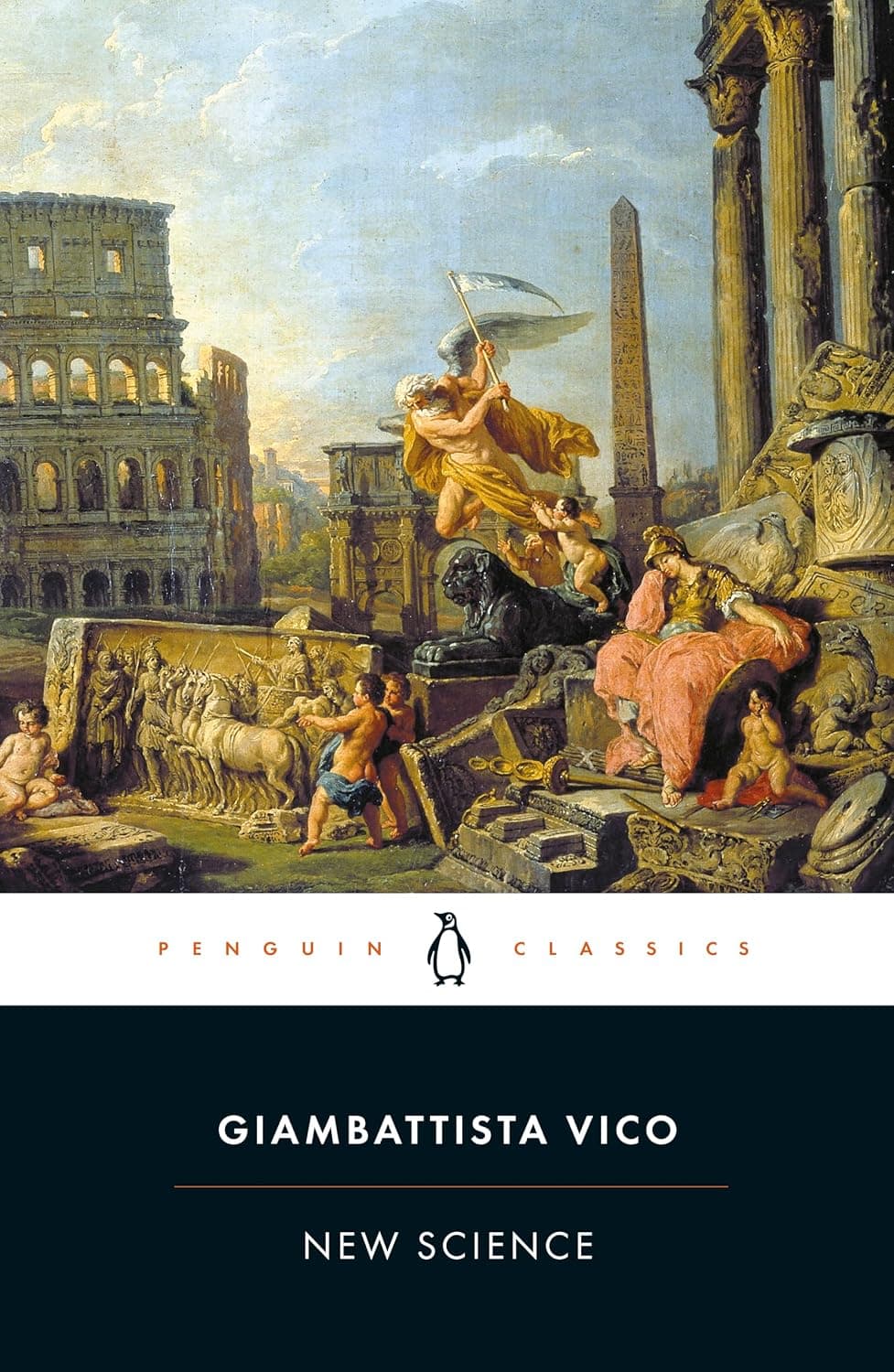
History can be known, Vico argues, because men made it. He reads myth and law as the record of every nation passing through ages of gods, heroes, and men, then collapsing into barbarism.

Lived experience has been replaced by images of itself: in 221 numbered theses Debord argues capitalism now sells the appearance of living. Spectacle became the word critics of media reach for.
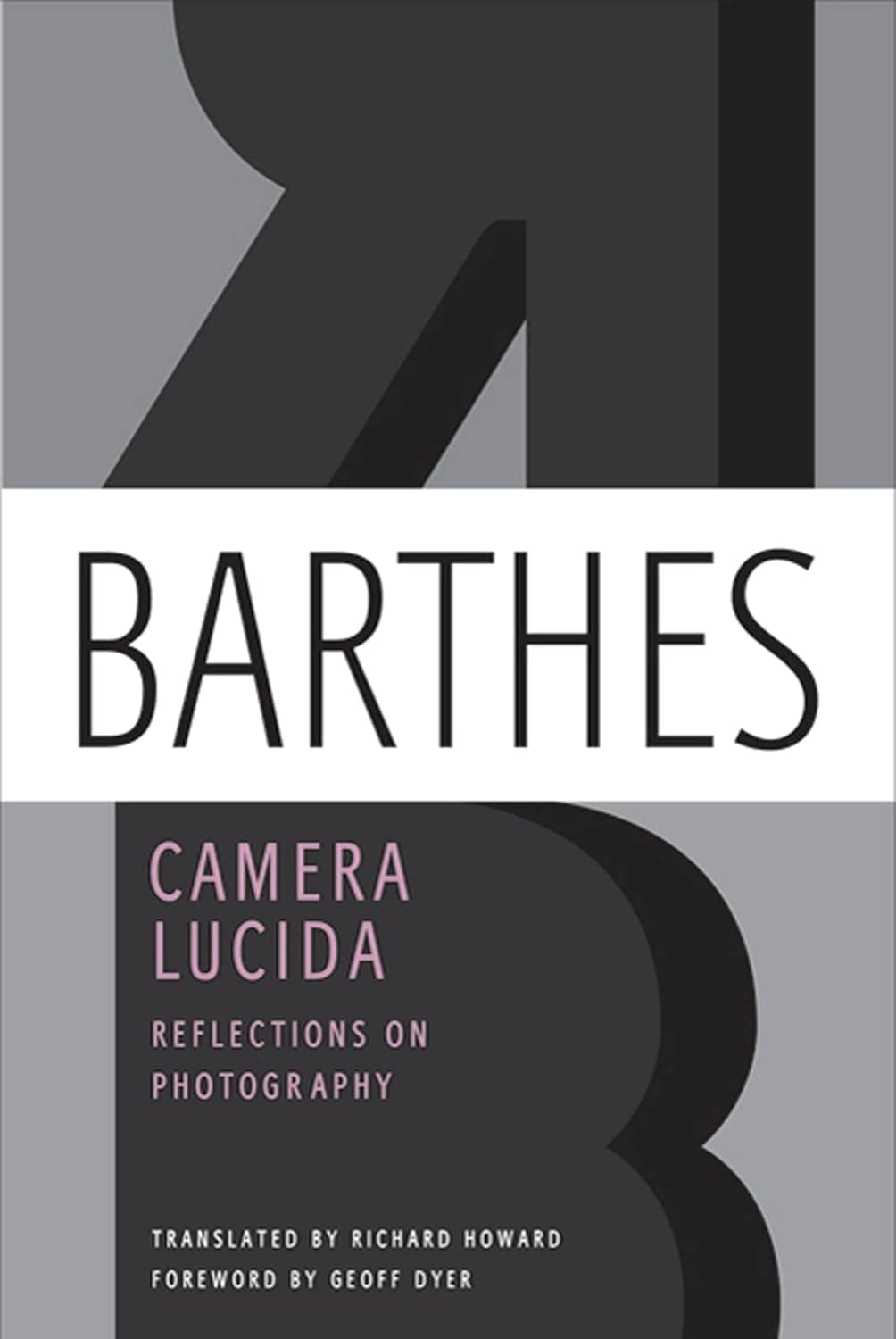
Grieving his mother, Barthes asks what a photograph is and answers with the punctum, the detail that wounds you. Photography criticism has argued in the vocabulary he invented here ever since.

Heloise wrote to Abelard, the Paris philosopher who had been her tutor and lover, years after her uncle's men castrated him. From her abbey she refused to call their love a sin.