The Books canon

Sourced and shelved.

Every book chosen by hand and annotated for why it matters.
Browse all 1,178 books or filter by subject, era, place, and author.

Human Action

1949 · 912 pages

Every economic law follows from one fact, Mises argues: people act to relieve uneasiness. Planners without market prices are blind, and three generations of the libertarian right have drawn their economics from him.

★ 5.8

The Affluent Society

1958 · 276 pages

Galbraith looked at postwar America and saw private opulence beside public squalor, with production manufacturing the wants it satisfies. Two generations of arguments over taxes and public spending have run in his channel.

★ 6.3

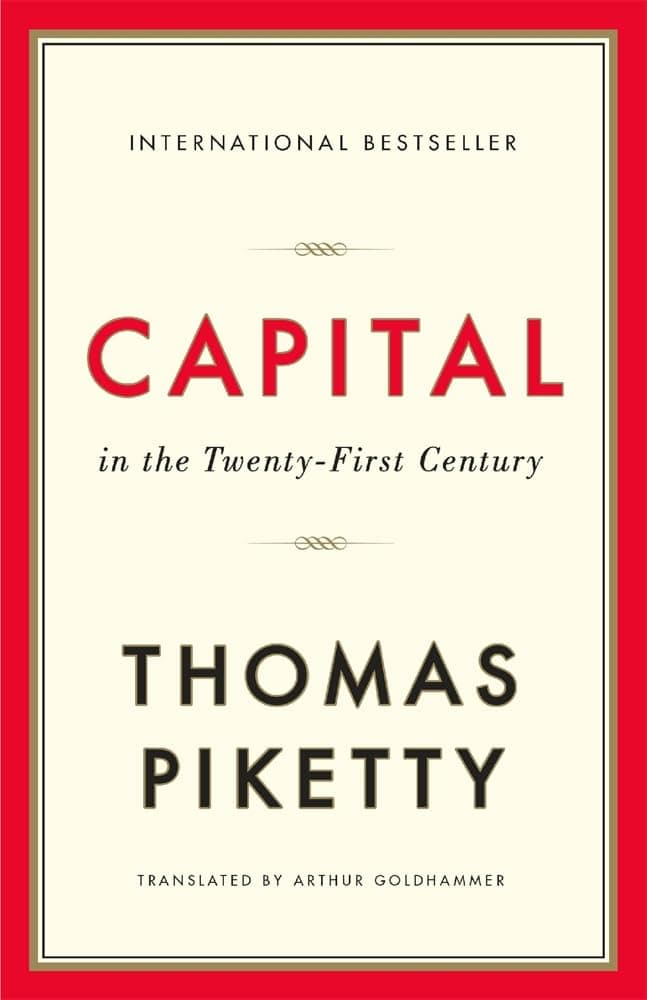
Capital

2013 · 816 pages

Piketty mined two centuries of tax records for the engine of inequality: capital grows faster than the economy, so fortunes pull away from wages. It made inequality the West's central political question.

★ 6.7

The Road to Serfdom

1944 · 283 pages

Hand economic decisions to planners and you lose political freedom too, because someone must decide whose purposes count. Hayek published it in 1944, and it became the founding text of the postwar right.

★ 6.9

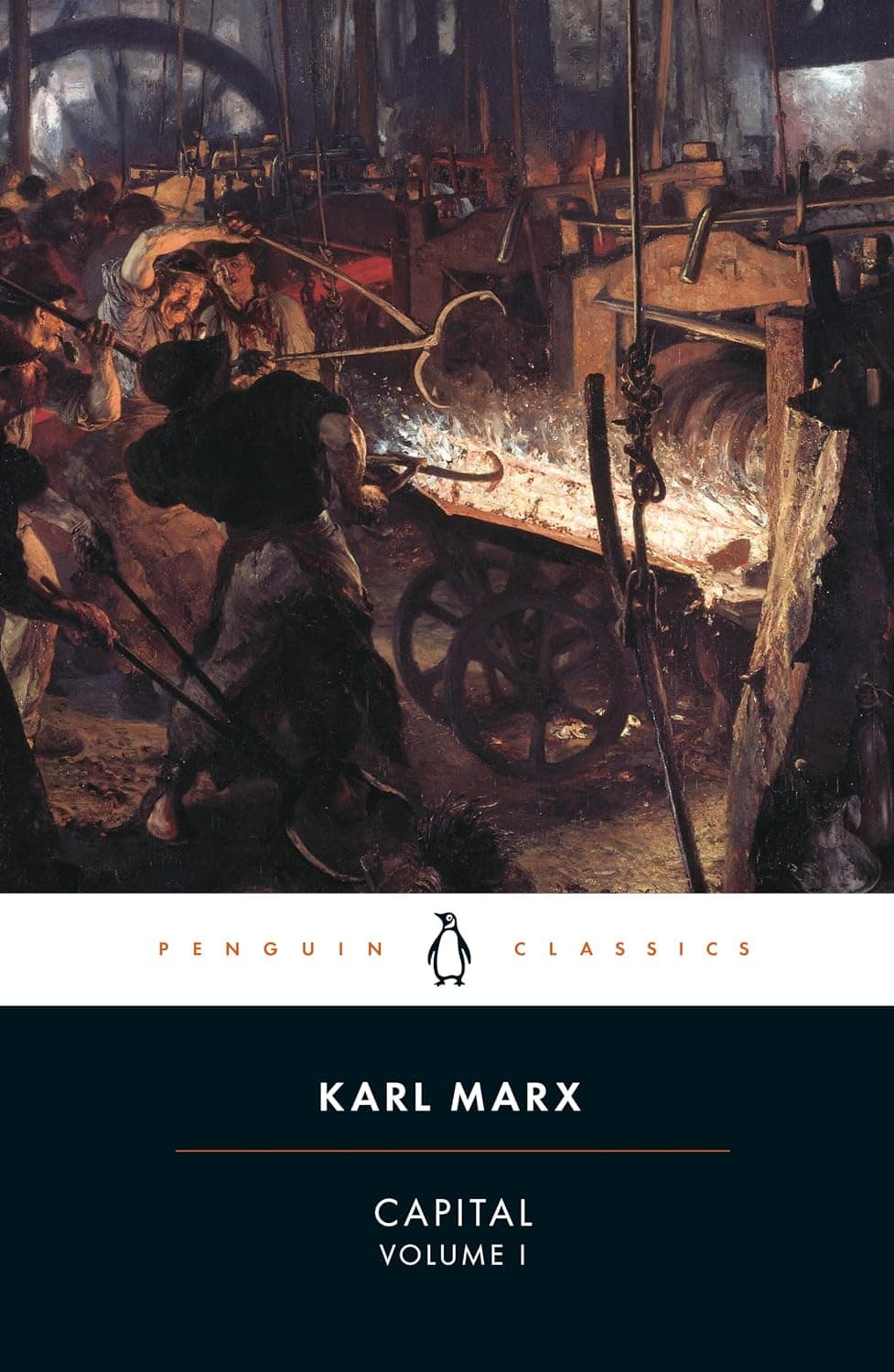
Capital

Volume 1
1867 · 1152 pages

Workers create more value than their wages return, Marx argues, and that gap is profit. No economic book has reshaped politics more, and the chapter on the working day still burns.

★ 7.5

The Wealth of Nations

1776 · 537 pages

Wealth is not gold in a vault but what a country produces, and specialization multiplies it. Smith begins with ten men making pins and every economic argument since descends from him.

★ 8.2