The Books canon

Sourced and shelved.

Every book chosen by hand and annotated for why it matters.
Browse all 1,178 books or filter by subject, era, place, and author.

Uncommon Grounds

The History of Coffee and How It Transformed Our World
1999 · 480 pages

Pendergrast traces coffee from an Ethiopian hillside to the corner cafe, through Brazilian slave plantations and the US-backed coup in Guatemala, and shows how grocery marketing wars made American coffee undrinkable.

★ 4.4
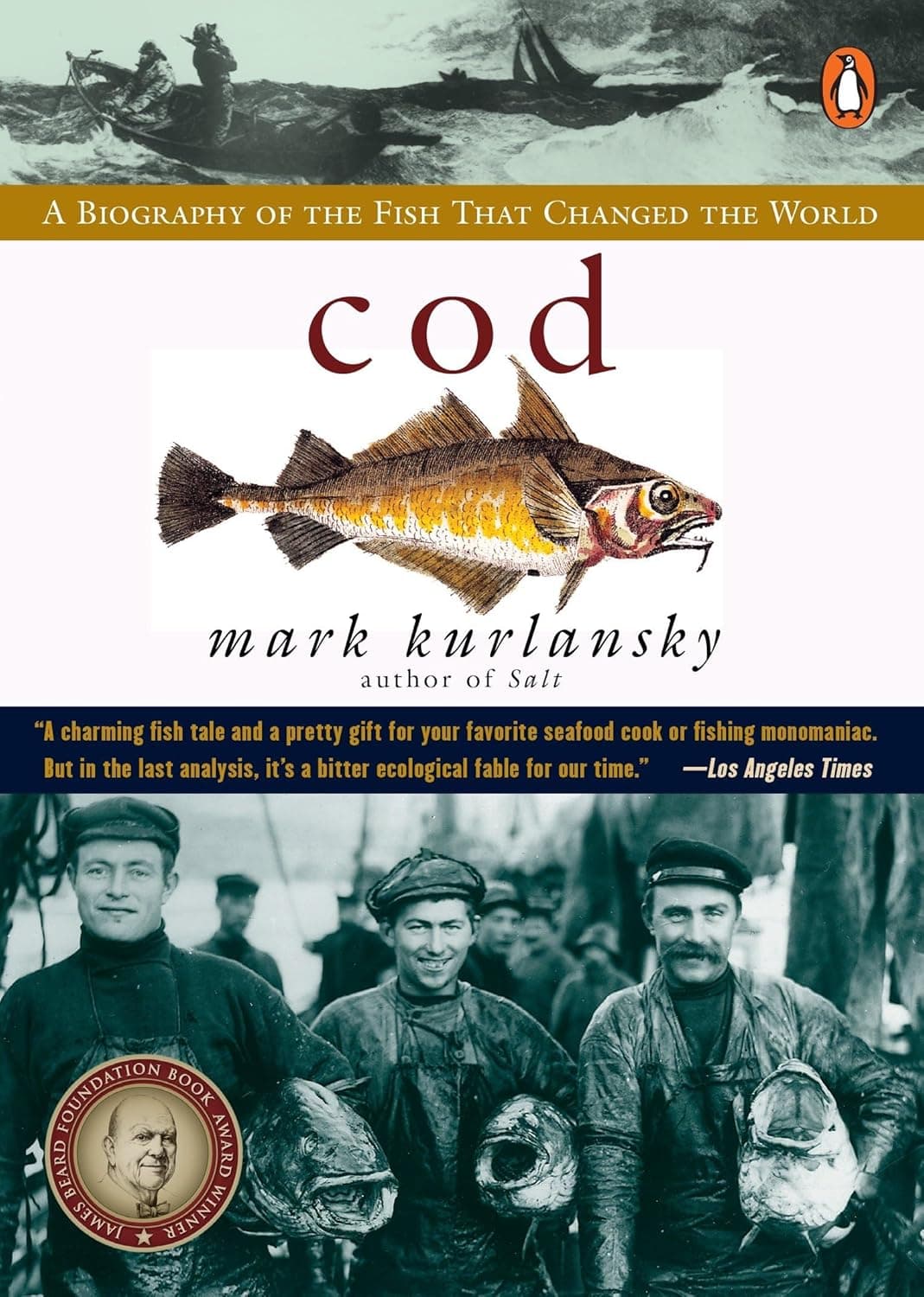
Cod

1997 · 304 pages

One fish shaped the whole Atlantic world. Kurlansky follows cod from the Basques and their secret fishing grounds through the slave-trade economies it fed to the Grand Banks collapse of 1992.

★ 4.5

Debt

The First 5000 Years
2011 · 542 pages

Graeber demolishes the story every economics textbook opens with: barter did not become money. Credit came thousands of years before coins, and every debt is a moral claim that finally rests on violence.

★ 6.3

The Prize

The Epic Quest for Oil, Money, and Power
1991 · 928 pages

Oil is the story of the modern world, Yergin argues, and he follows it from the first Pennsylvania derrick through two world wars that ran on it to Saddam Hussein's tanks in Kuwait.

★ 6.4

The Age of Revolution

1789-1848
1962 · 368 pages

Two revolutions, one political in France and one industrial in Britain, fused into a single upheaval that remade work, politics, art, and belief. Historians still carve up the nineteenth century along Hobsbawm's lines.

★ 6.6

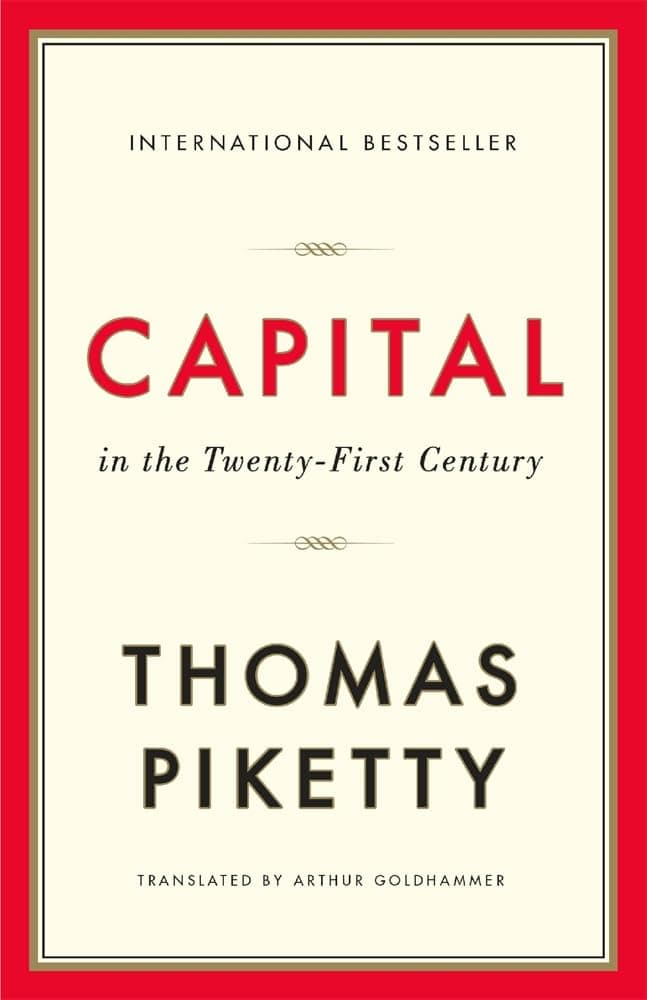
Capital

2013 · 816 pages

Piketty mined two centuries of tax records for the engine of inequality: capital grows faster than the economy, so fortunes pull away from wages. It made inequality the West's central political question.

★ 6.7

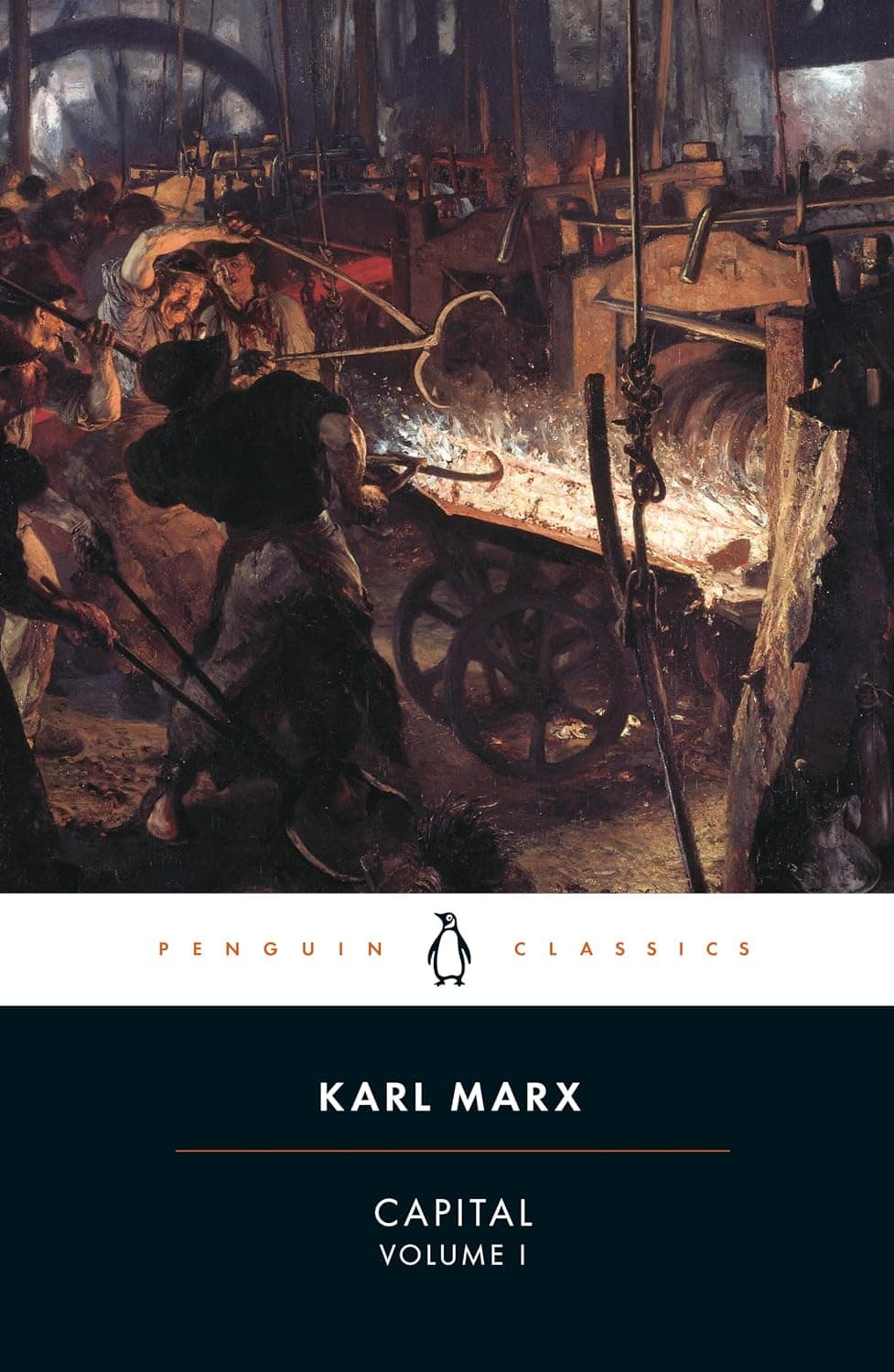
Capital

Volume 1
1867 · 1152 pages

Workers create more value than their wages return, Marx argues, and that gap is profit. No economic book has reshaped politics more, and the chapter on the working day still burns.

★ 7.5