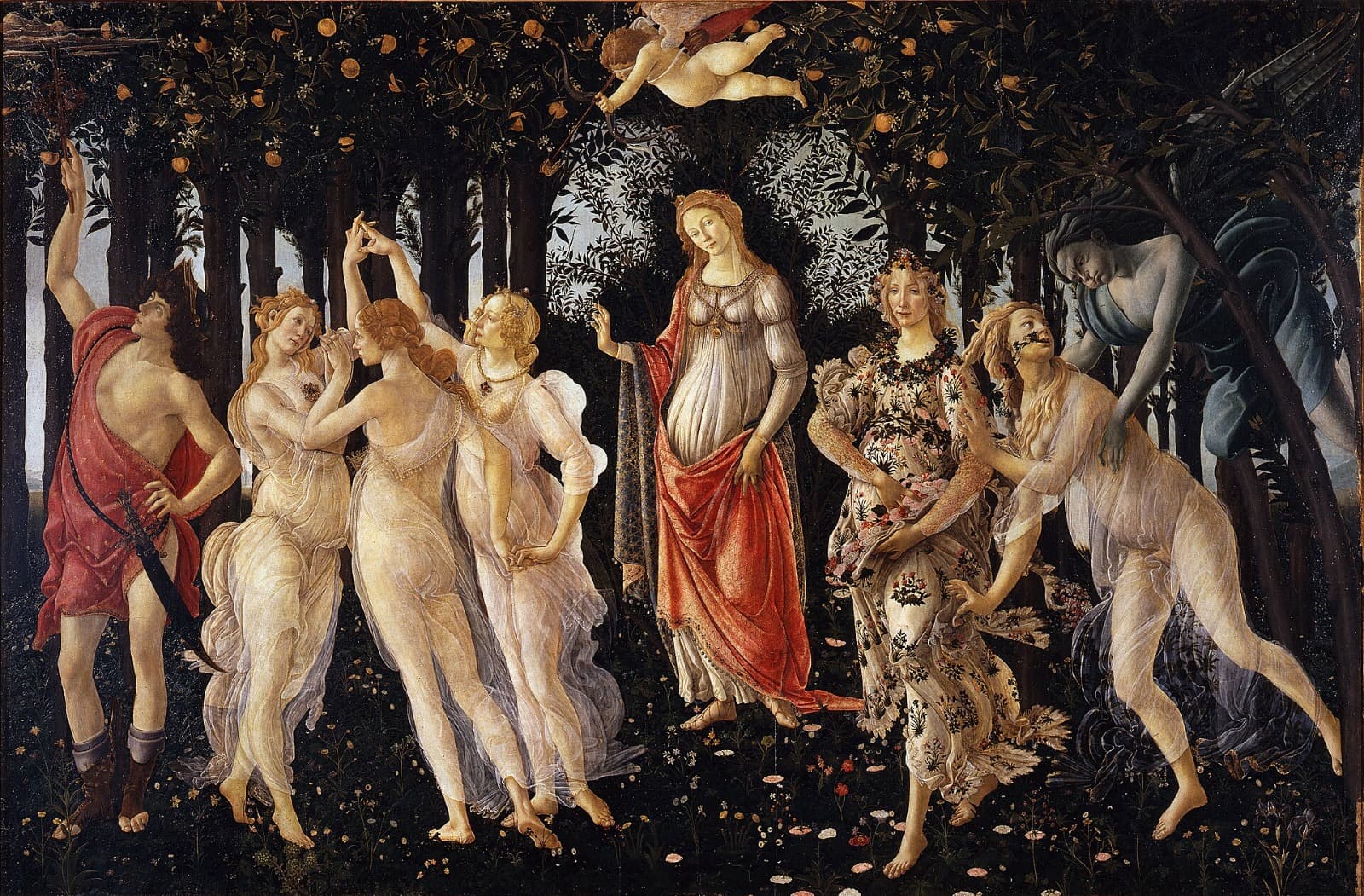
Primavera
1482 · Uffizi Gallery, Florence
Venus stands in an orange grove while the Graces dance and spring arrives at her right. The meadow holds hundreds of identifiable plants.
★ 9.8
 skopia
Venus stands in an orange grove while the Graces dance and spring arrives at her right. The meadow holds hundreds of identifiable plants.

Christ has just said one of them will betray him, and the shock rolls down the table. Leonardo's experimental paint began flaking in his lifetime.

Venus arrives on a scallop shell in a fall of roses, painted on canvas at a time when almost everyone still worked on panel.
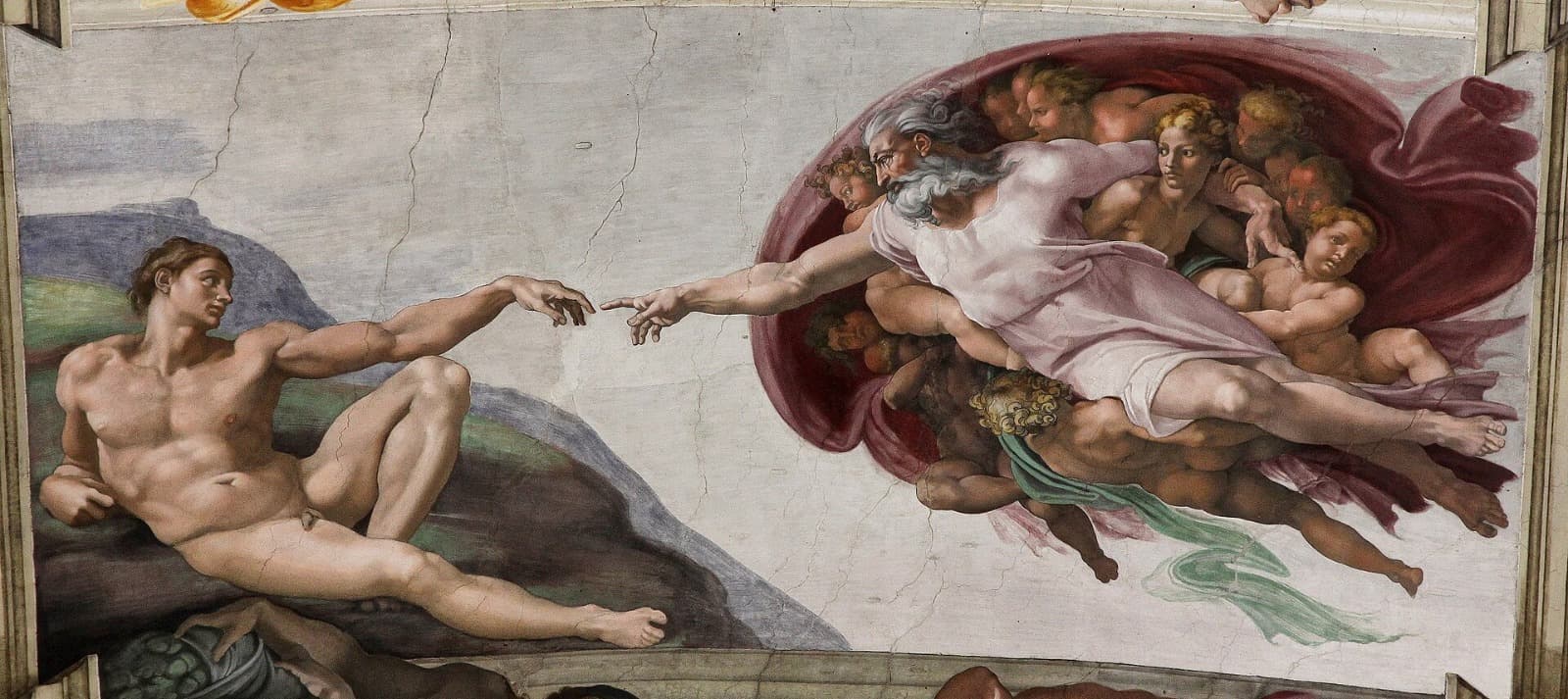
God surges out of a red cloak full of angels, and Michelangelo leaves the fingers not quite touching. The gap does the work.
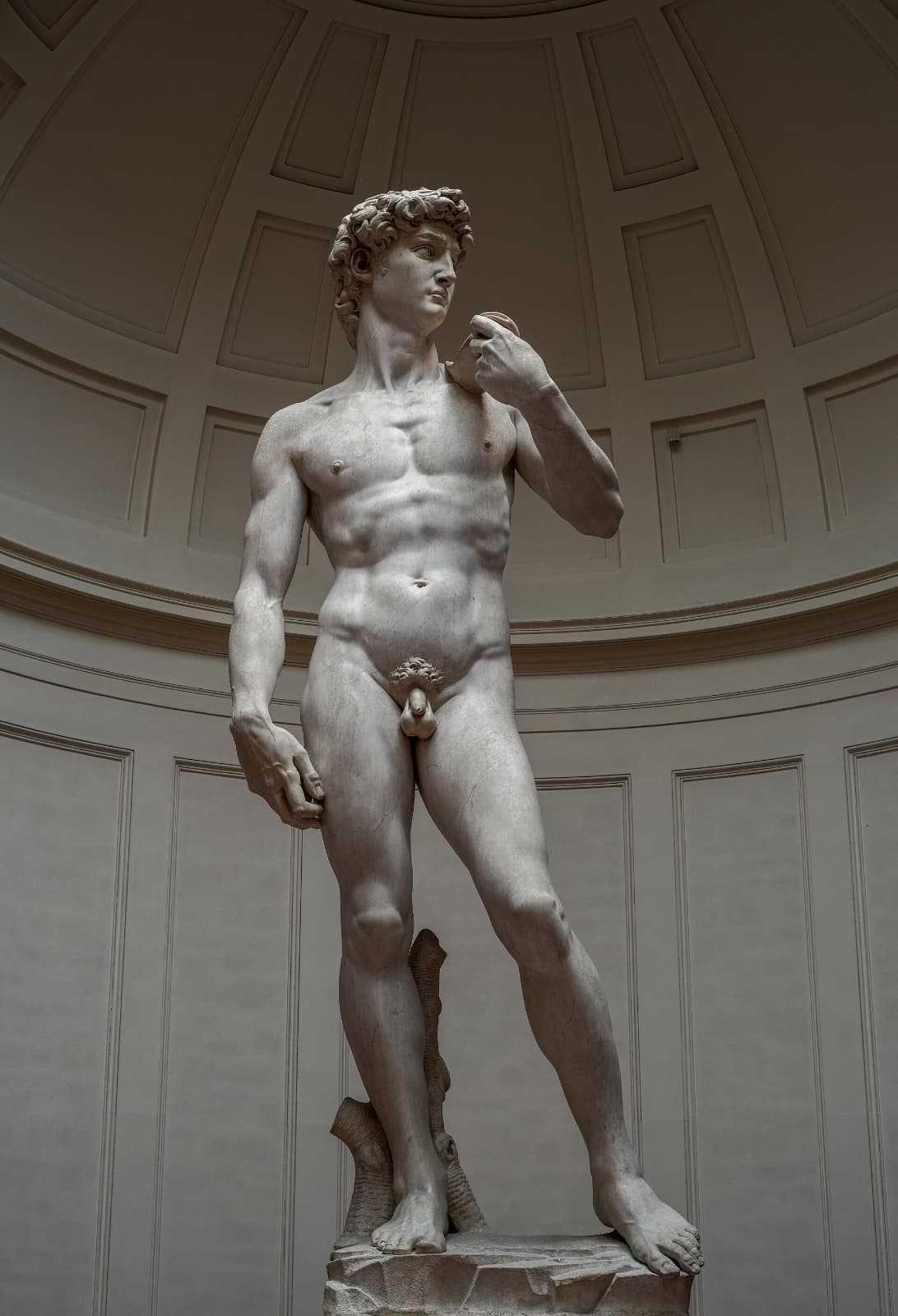
The marble block had been abandoned as flawed before Michelangelo took it, and he carved a boy who is watching Goliath, not beating him.
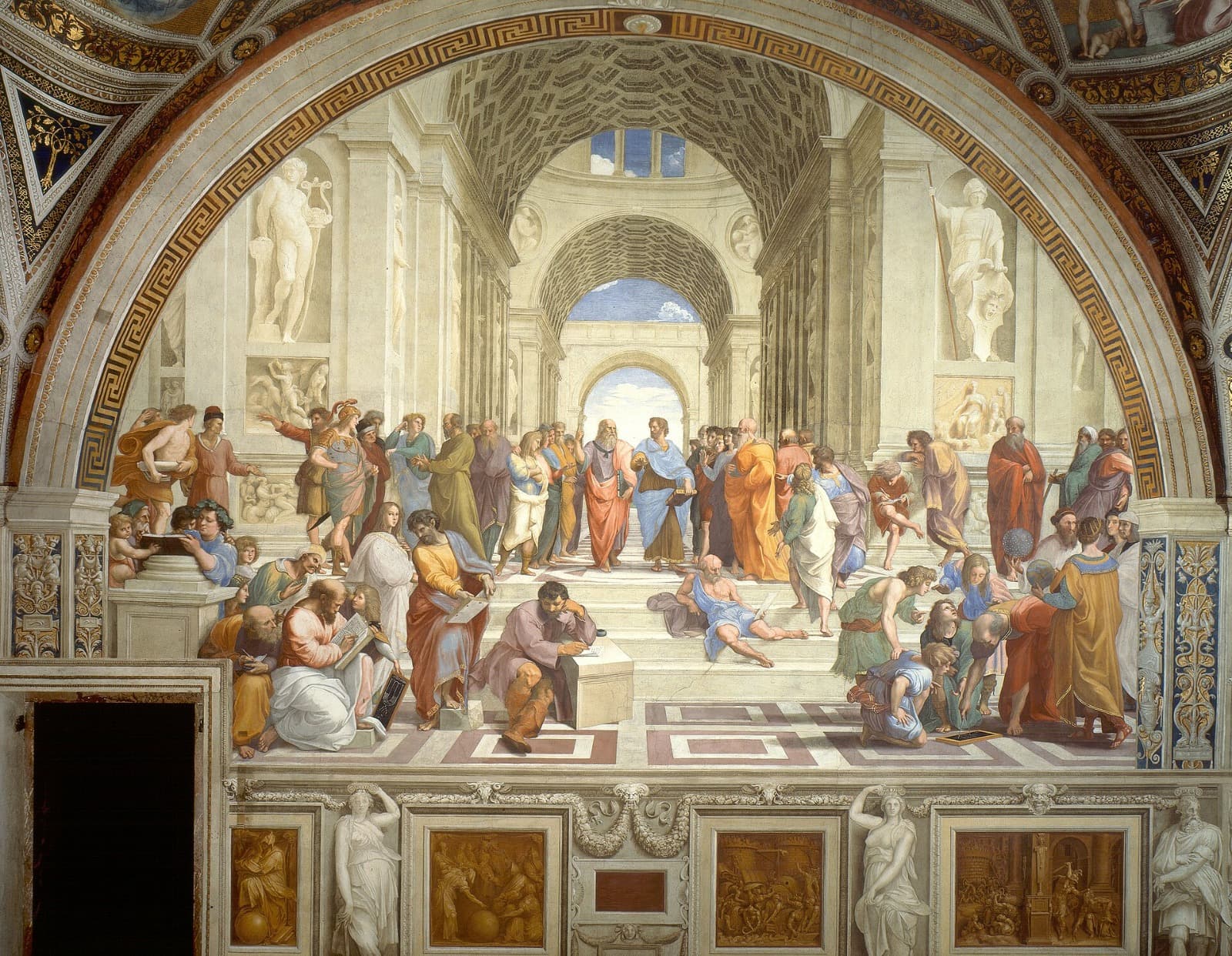
Plato and Aristotle argue at the center of a hall where Raphael gave the philosophers the faces of Leonardo, Michelangelo and Bramante.
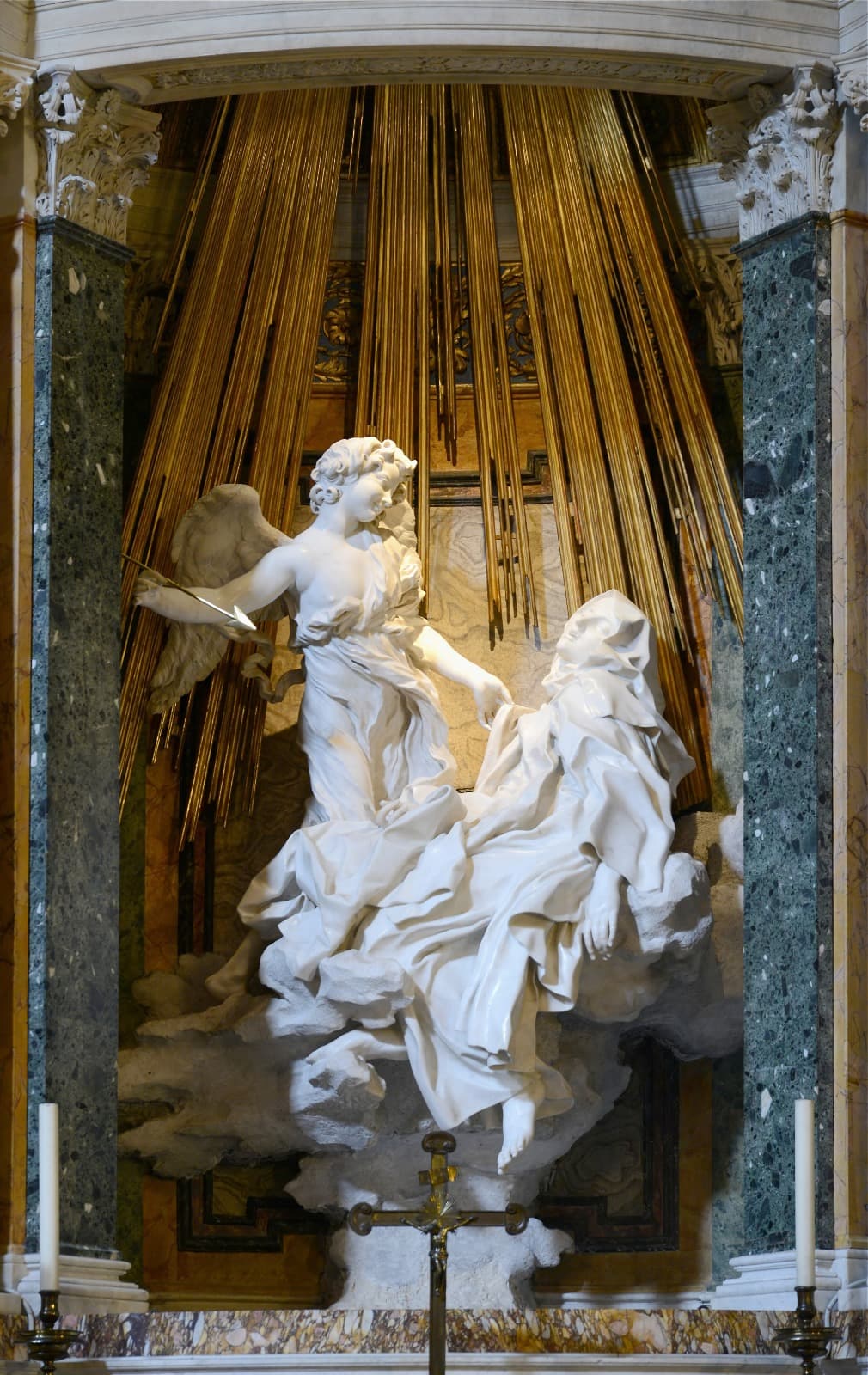
Bernini staged the saint's own account of her vision as theater, lit from a window he hid above and watched by marble spectators in boxes.
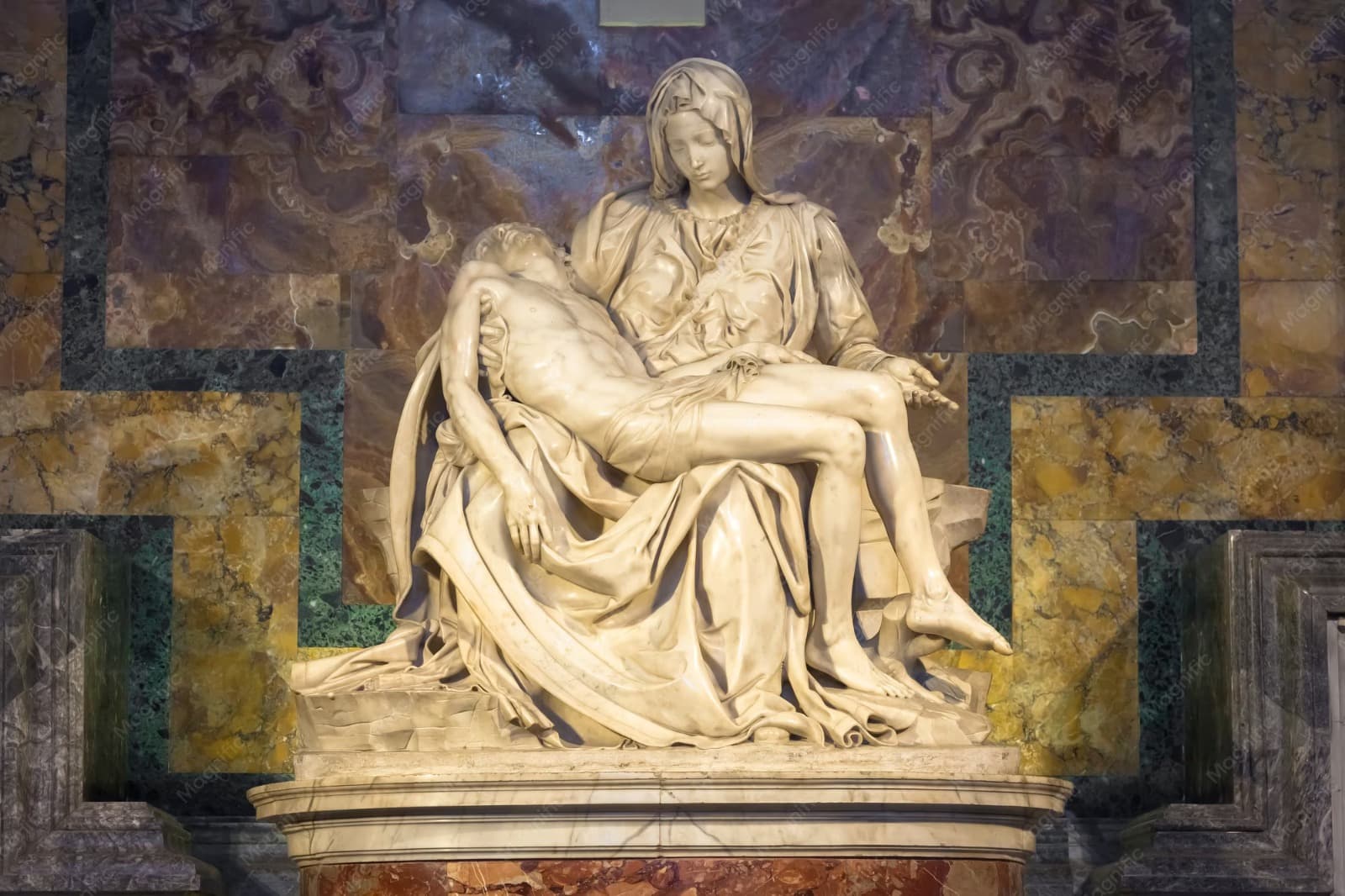
The dead Christ lies across his mother's lap. Michelangelo was twenty-four, and signed the sash after hearing it credited to someone else.

Bernini was in his mid-twenties when he cut this, catching Daphne at the moment bark closes over her thigh and leaves push from her fingers.

Light follows Christ's pointing hand across a dim counting-room to Matthew, who gestures at himself in disbelief. The picture made Caravaggio famous overnight.
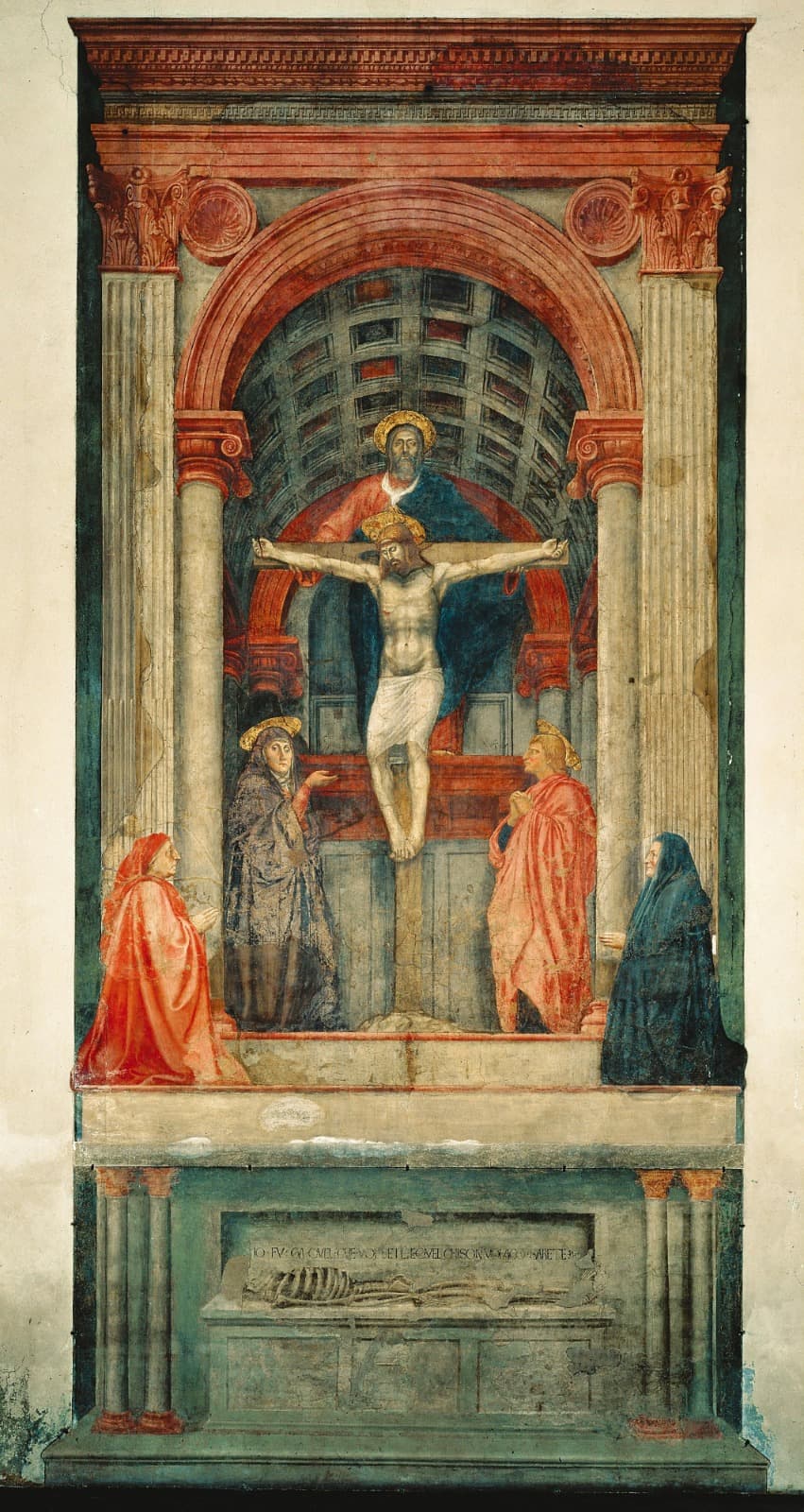
The earliest surviving painting built on a single vanishing point, worked out on a wall of Santa Maria Novella with Brunelleschi's help.
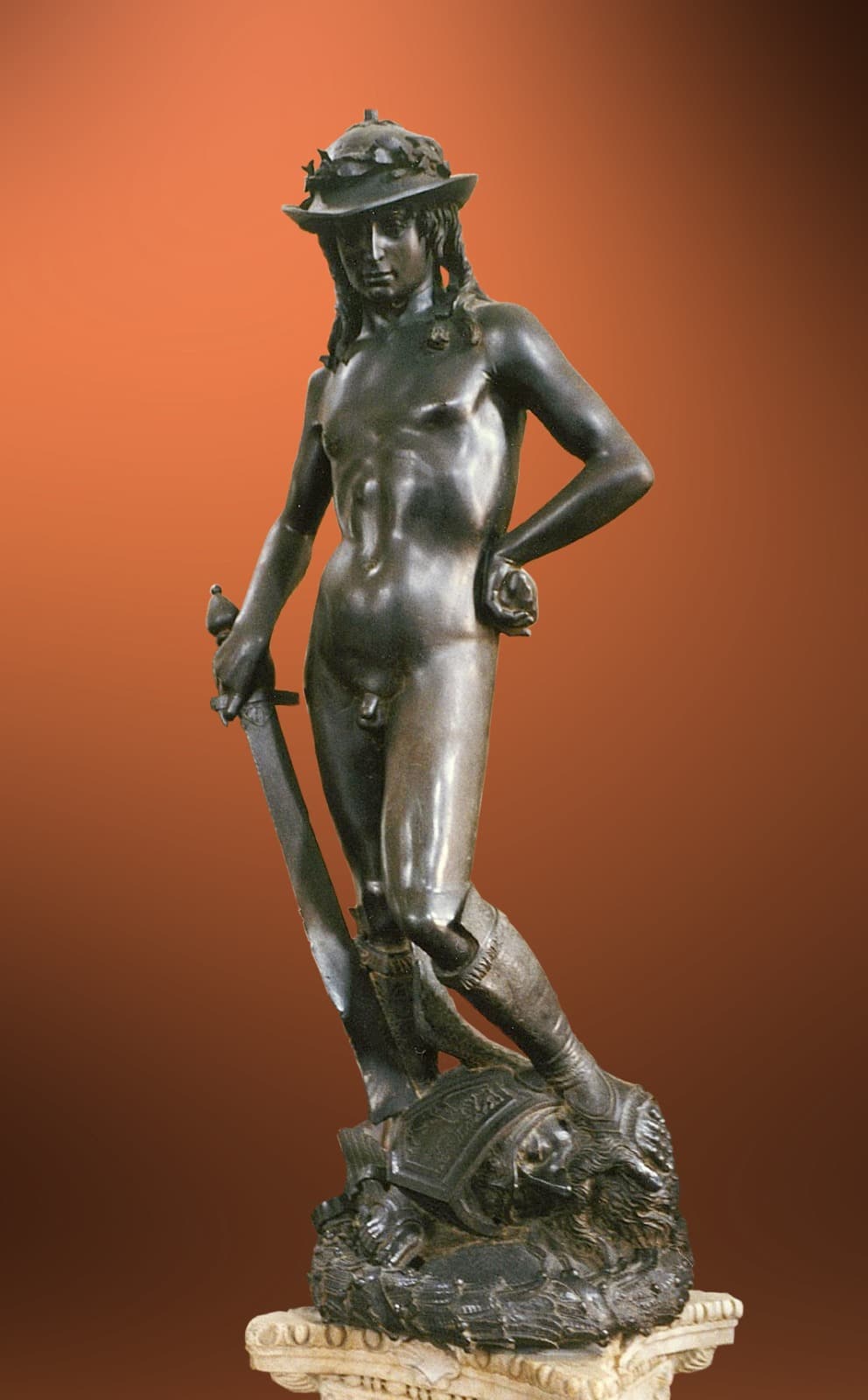
A naked boy in boots and a laurel hat rests one foot on Goliath's head, the first freestanding bronze nude since antiquity.

Bartholomew holds his own flayed skin, and the sagging face on it is Michelangelo's. The nudes offended enough critics that drapery was added later.

Judith and her maid hold Holofernes down together and work the blade through his throat. Artemisia painted it a decade after her rape trial.

Velázquez caught every wary line in the pope's face, and Innocent reportedly said it was troppo vero, too true. Francis Bacon reworked it for years.
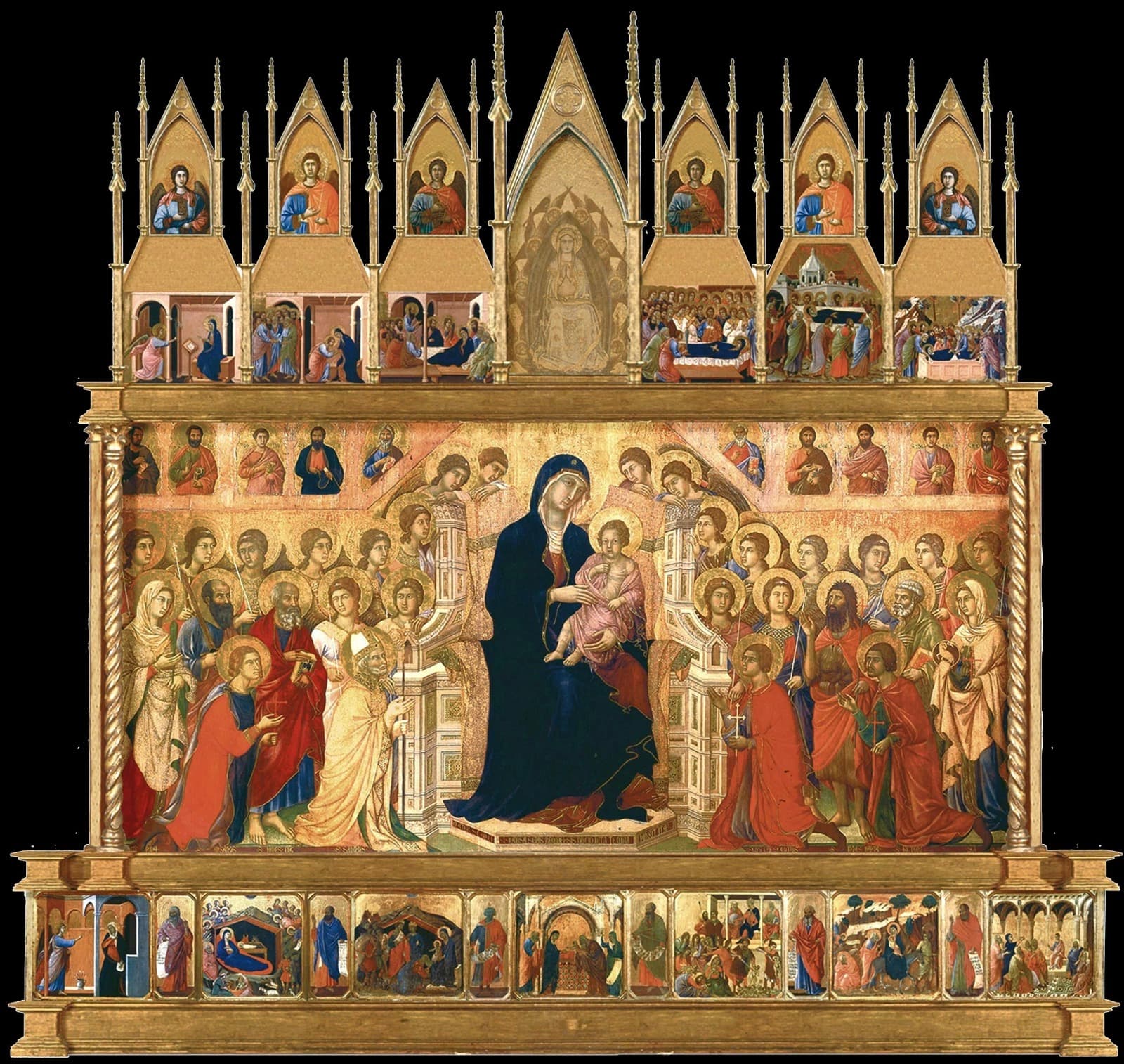
When Duccio finished it in 1311 the whole of Siena walked it to the cathedral in procession, with the bells going the entire way.
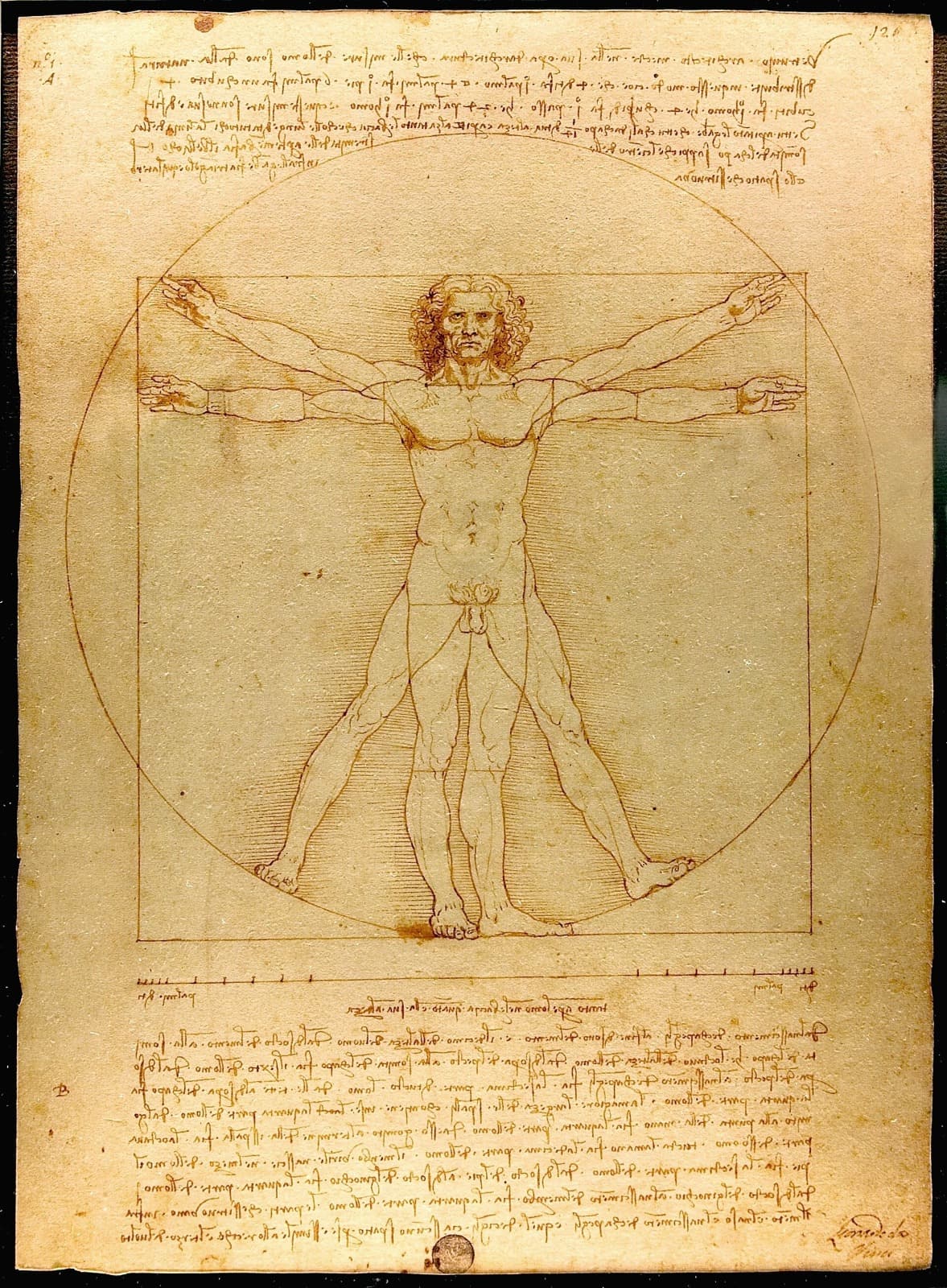
Leonardo fixed Vitruvius's old problem by moving the centers, so that the navel governs the circle and the groin governs the square.
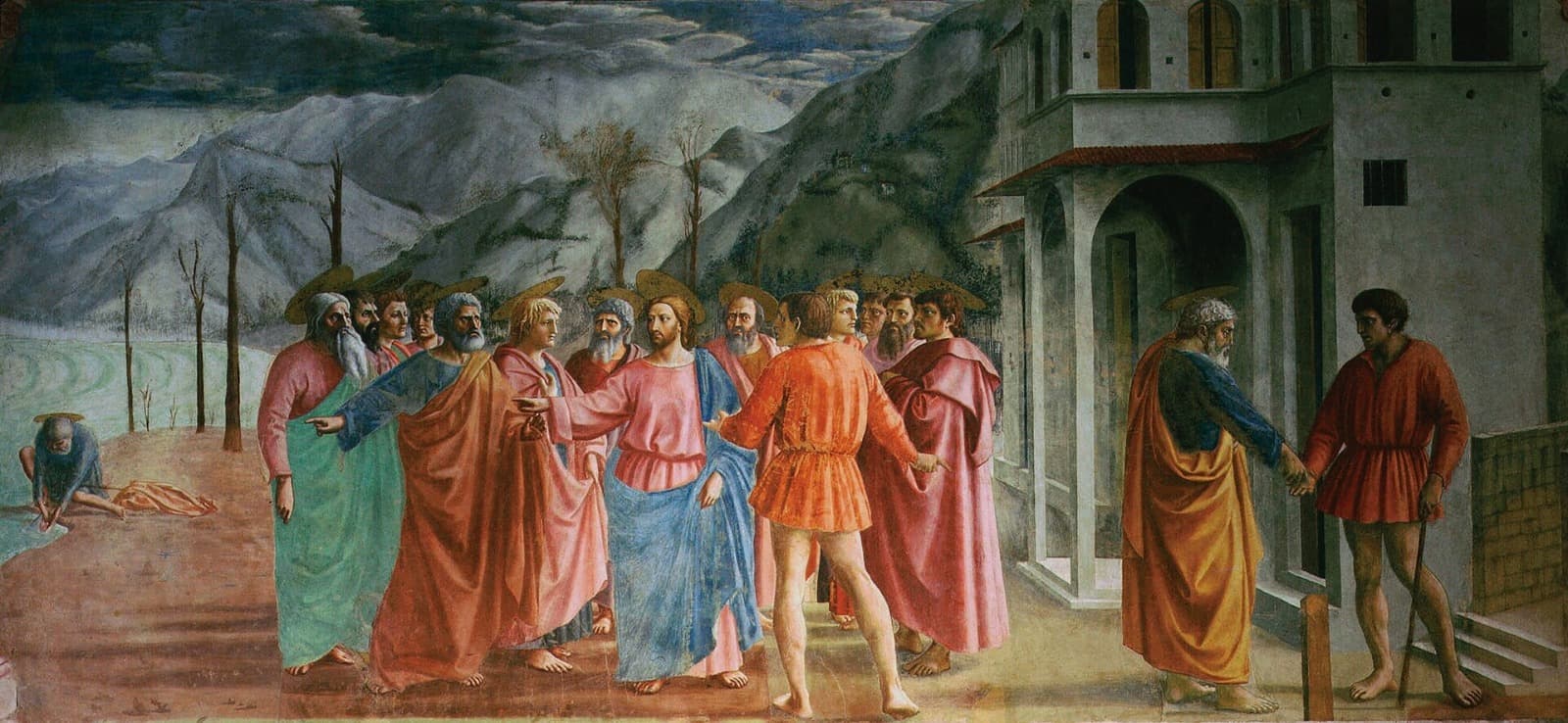
Three moments run in a single frame: the tax demanded, Peter pulling the coin from a fish, and Peter paying up at the right.
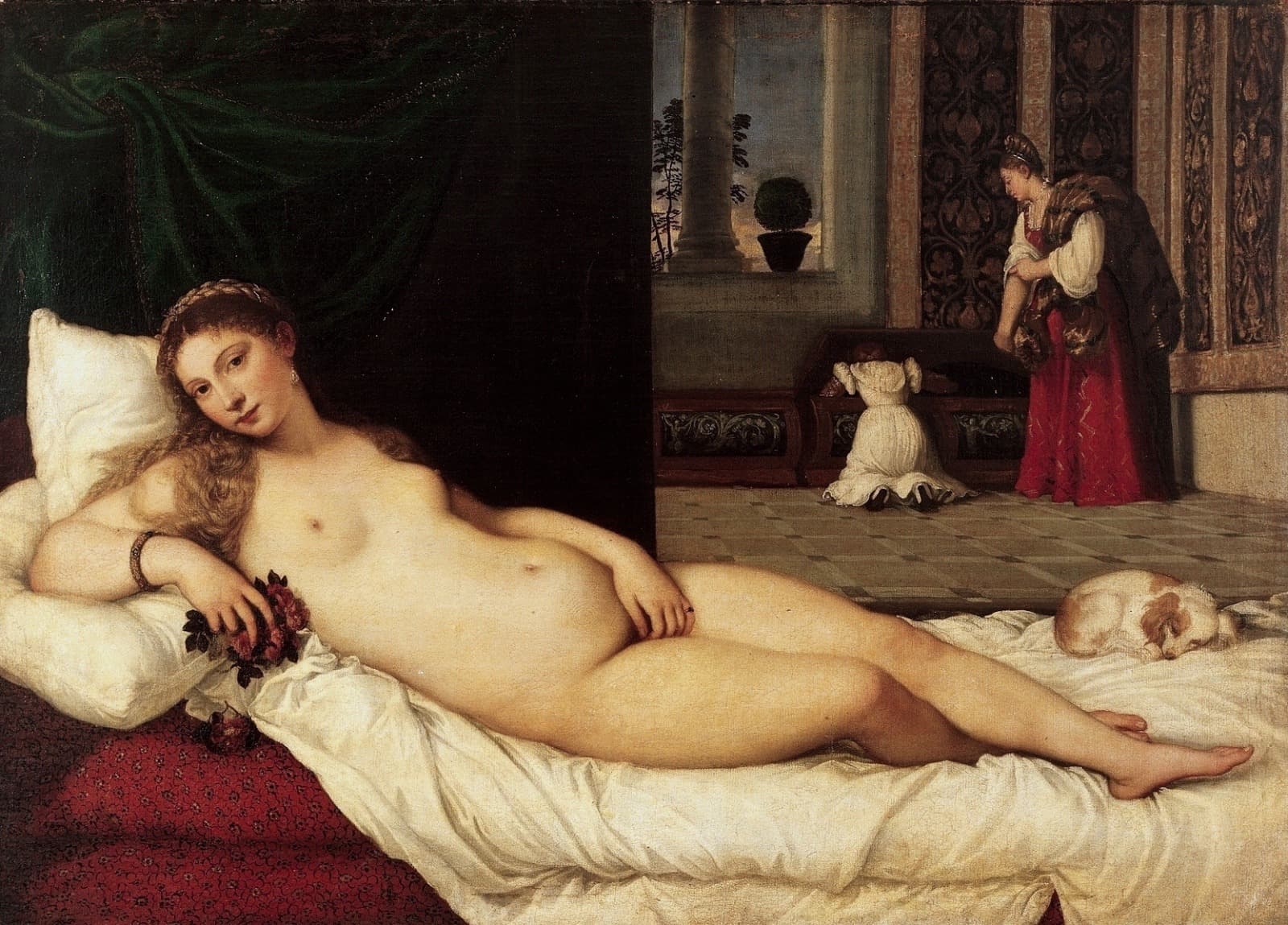
Titian woke Giorgione's sleeping Venus, brought her indoors, and had her look straight at us, probably to mark a wedding in Urbino.
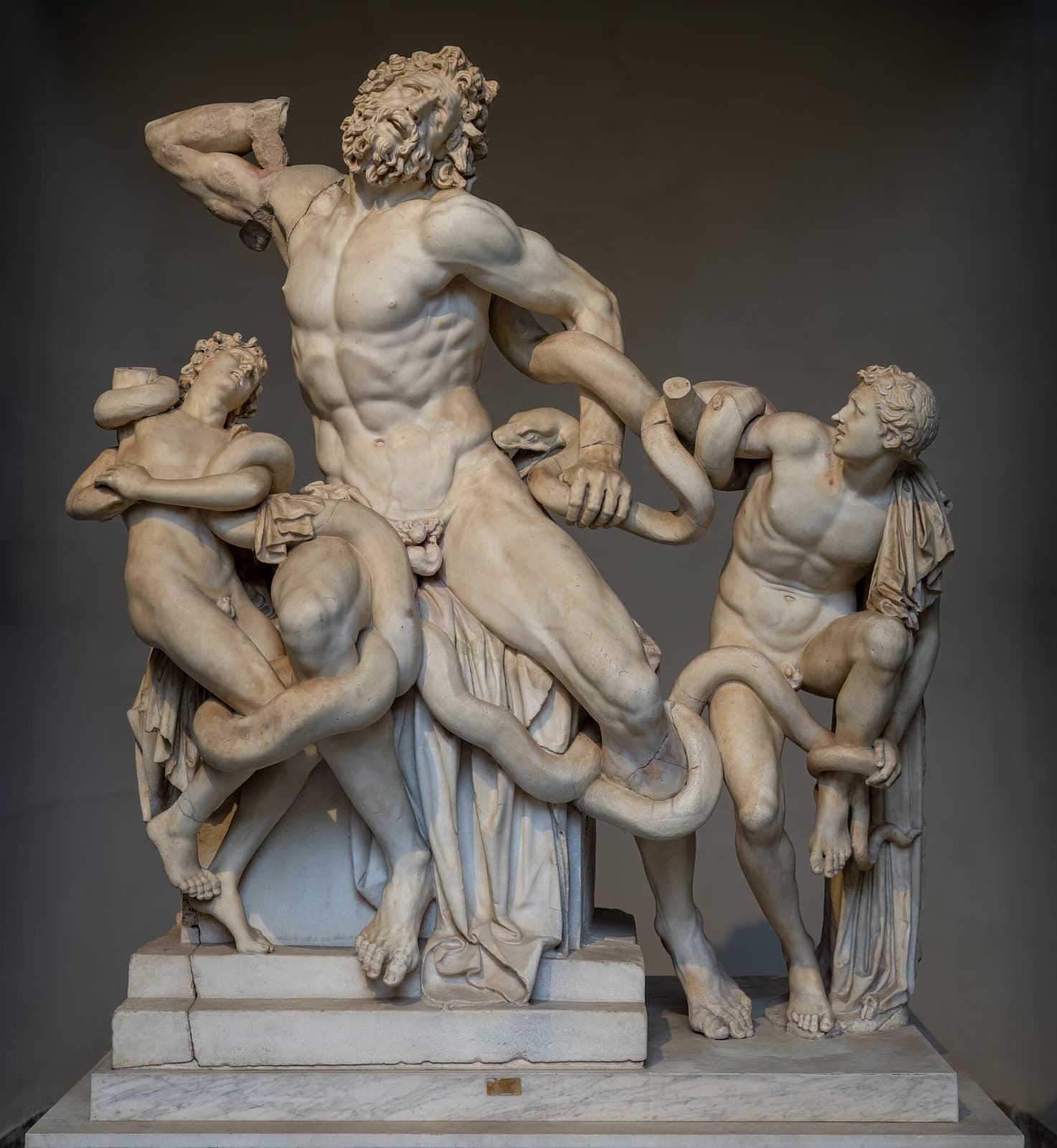
Pliny ranked it above every other work of art, and when it came out of a Roman vineyard in 1506 Michelangelo hurried over to look.