
The Garden of Earthly Delights
1505 · El Prado, Madrid
Three panels run from Eden to hell, with a whole naked humanity climbing into giant fruit in between. Nobody has settled what it means.
★ 10.0
 skopia
Three panels run from Eden to hell, with a whole naked humanity climbing into giant fruit in between. Nobody has settled what it means.
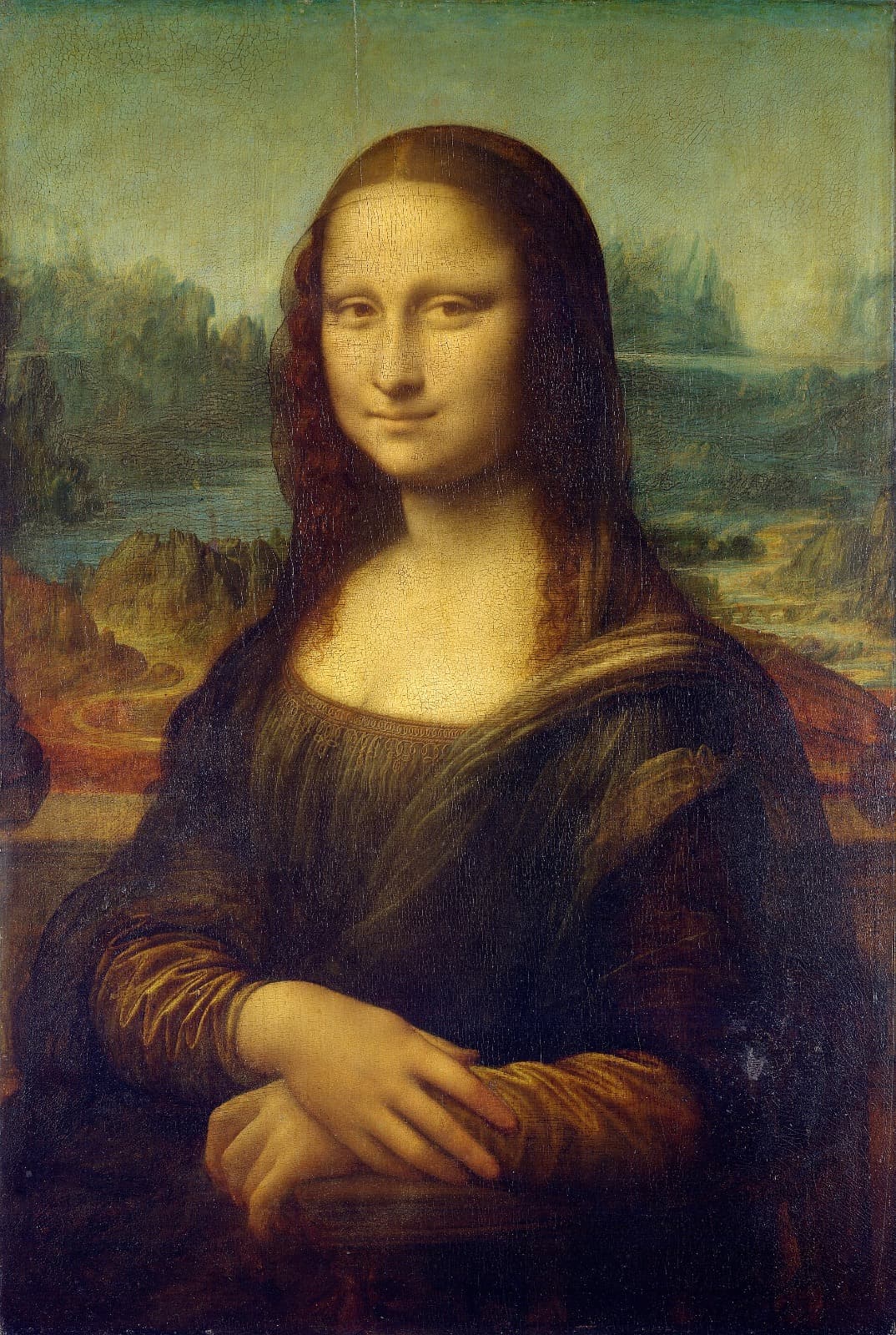
She was probably Lisa Gherardini, a merchant's wife, and Leonardo kept reworking her for years and never handed the portrait over.
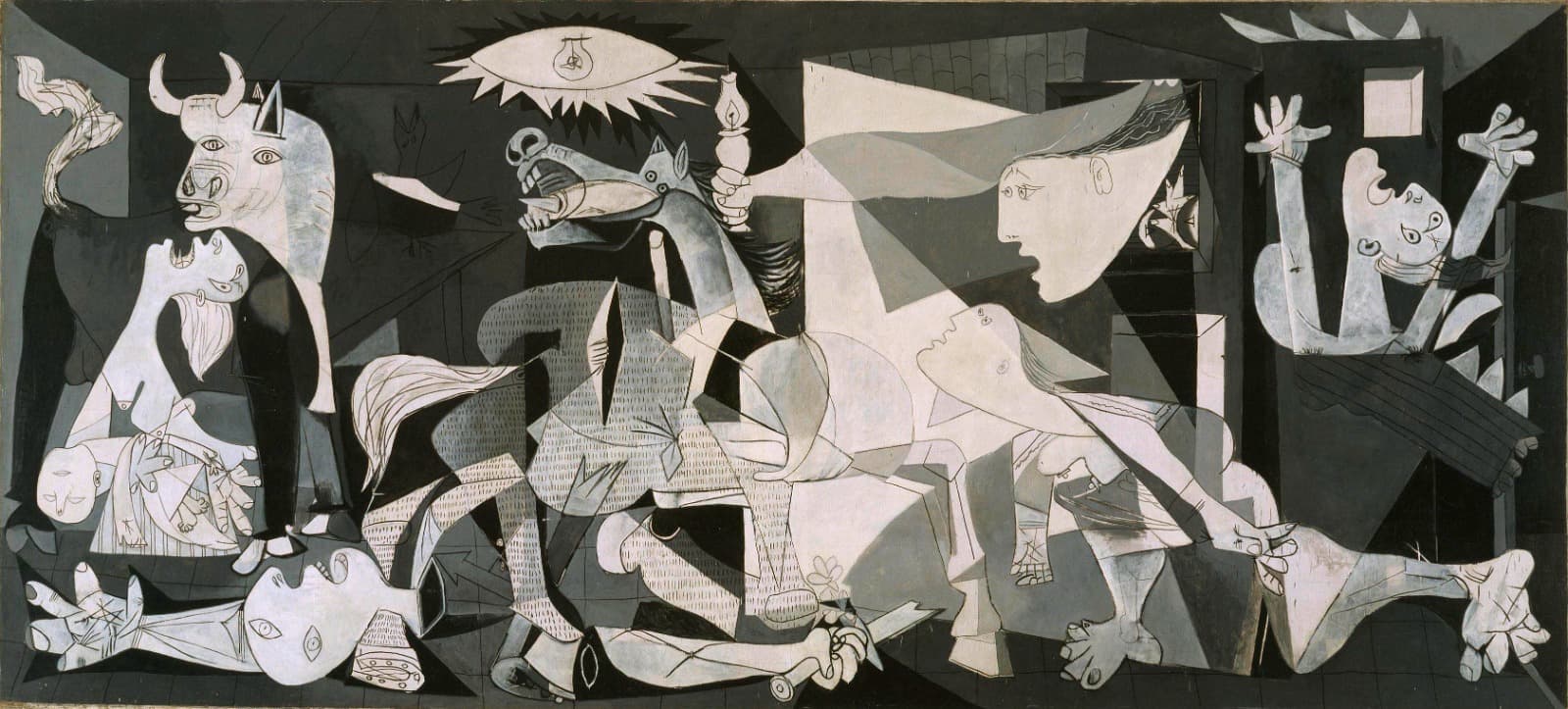
A screaming horse, a mother with her dead child, all in grey. Picasso painted it in weeks after German bombers leveled a Basque town.
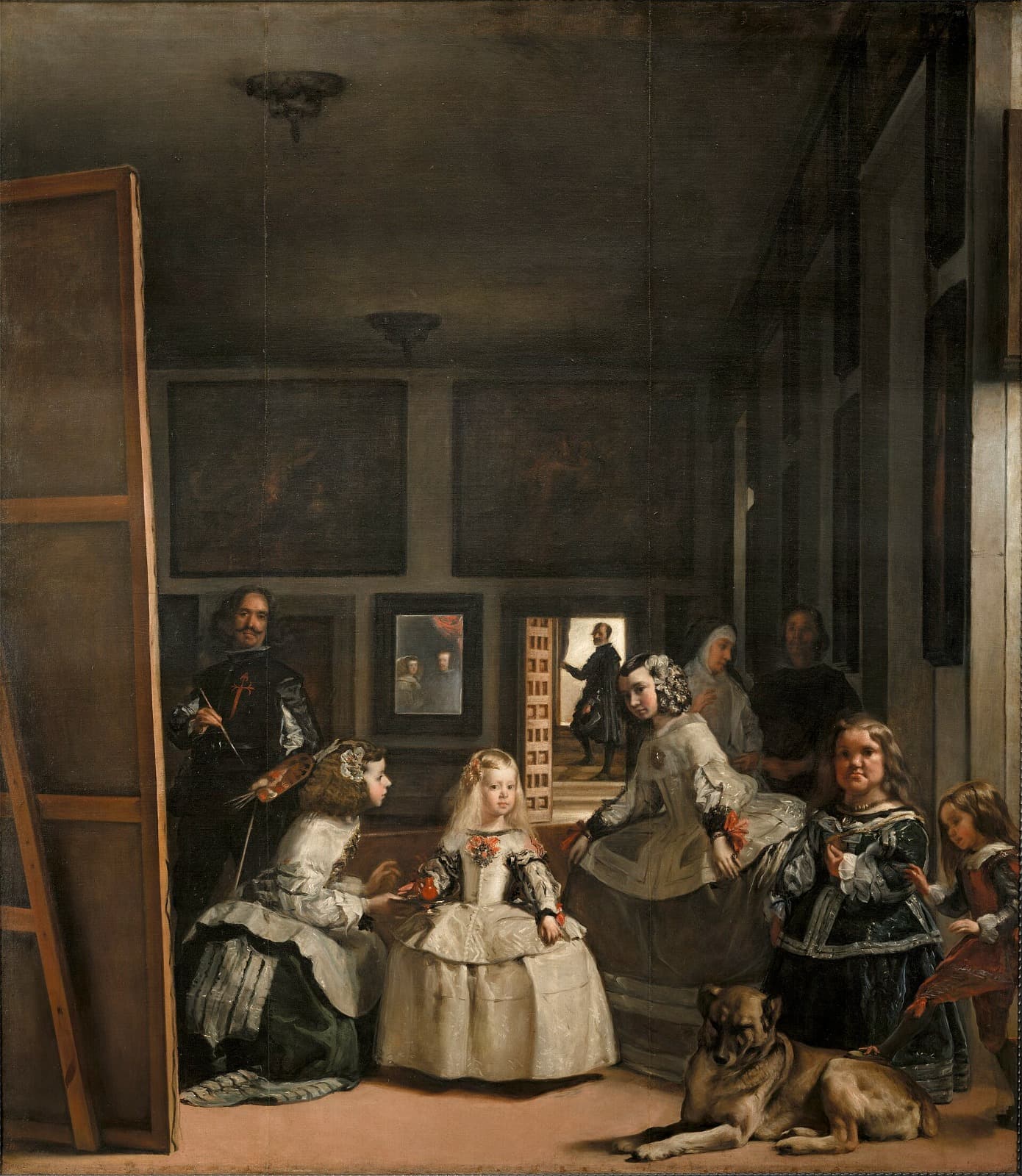
The Infanta and her maids fill the room, but Velázquez has put himself at his easel and the king and queen in a mirror behind.
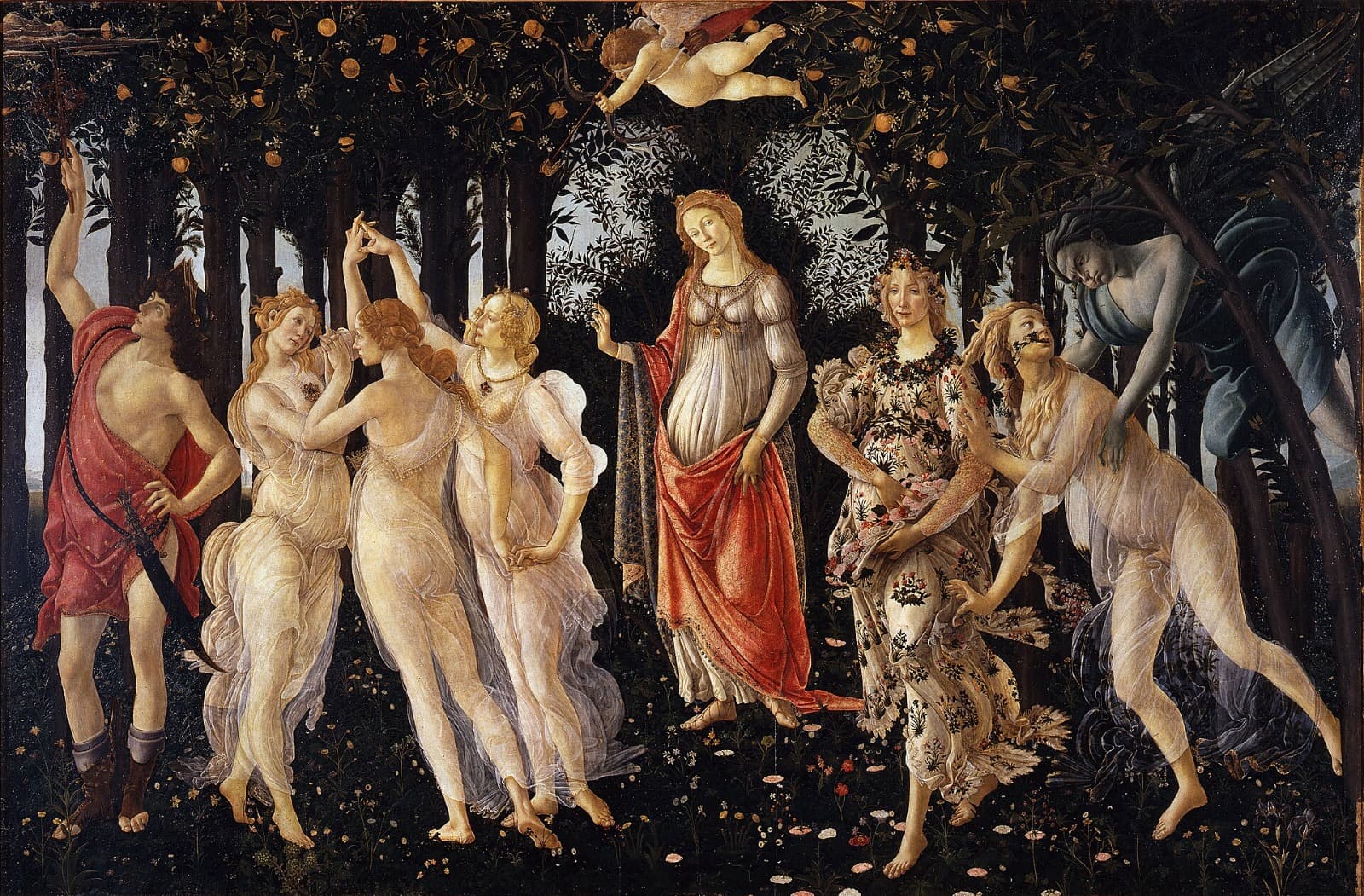
Venus stands in an orange grove while the Graces dance and spring arrives at her right. The meadow holds hundreds of identifiable plants.

Saints and pilgrims stream toward a bleeding Lamb across a dozen hinged panels. One of them was stolen in 1934 and has never been found.

Christ has just said one of them will betray him, and the shock rolls down the table. Leonardo's experimental paint began flaking in his lifetime.

Venus arrives on a scallop shell in a fall of roses, painted on canvas at a time when almost everyone still worked on panel.
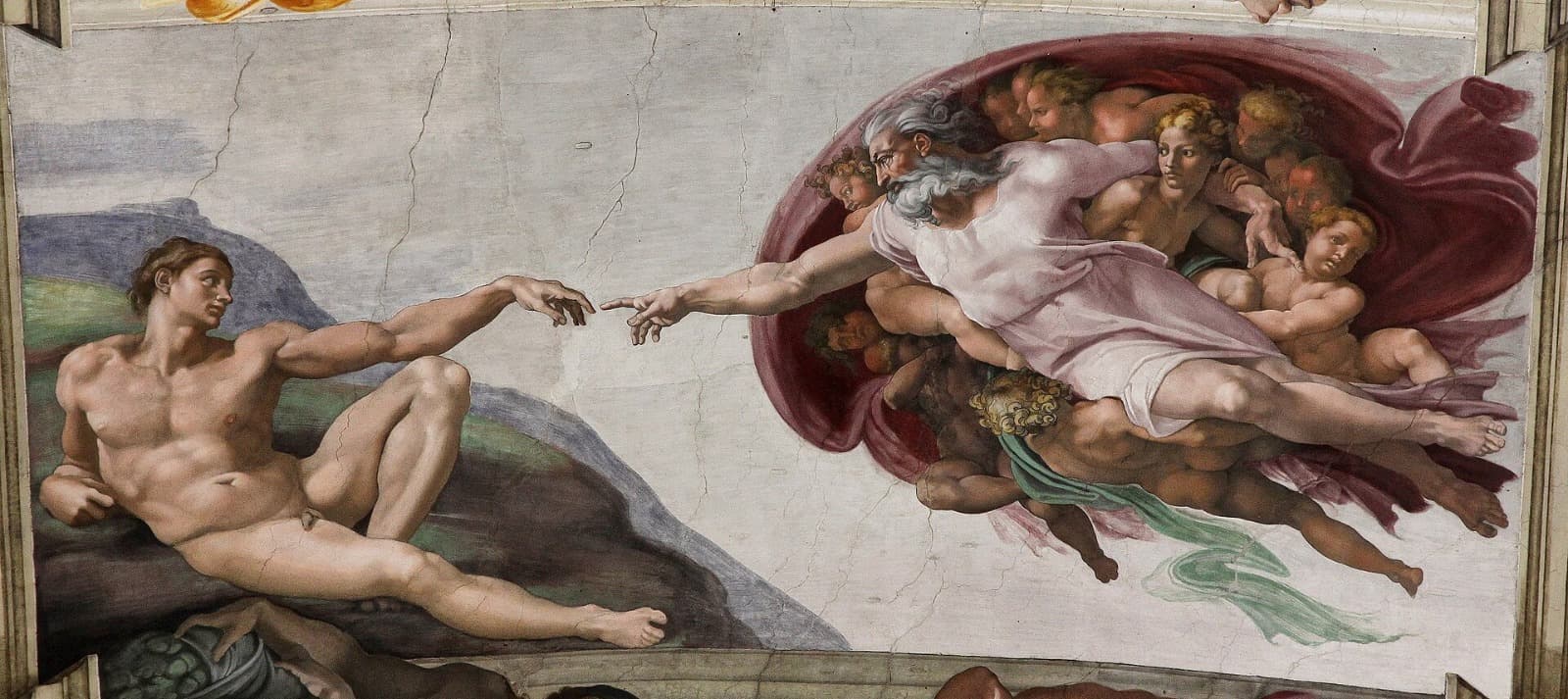
God surges out of a red cloak full of angels, and Michelangelo leaves the fingers not quite touching. The gap does the work.
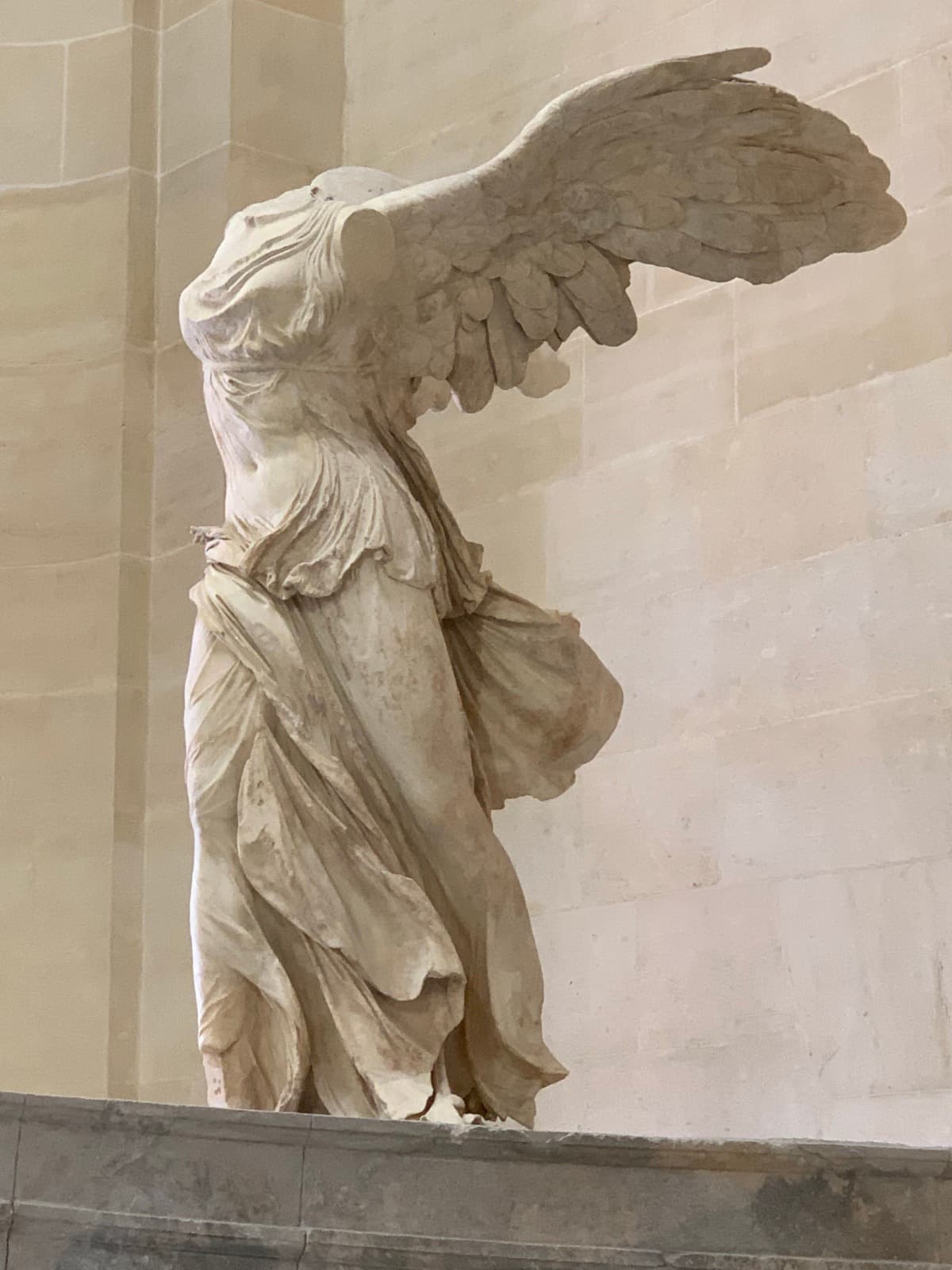
Nike lands on a warship's prow, wings still open, sea wind pressing the marble drapery flat against her striding body.
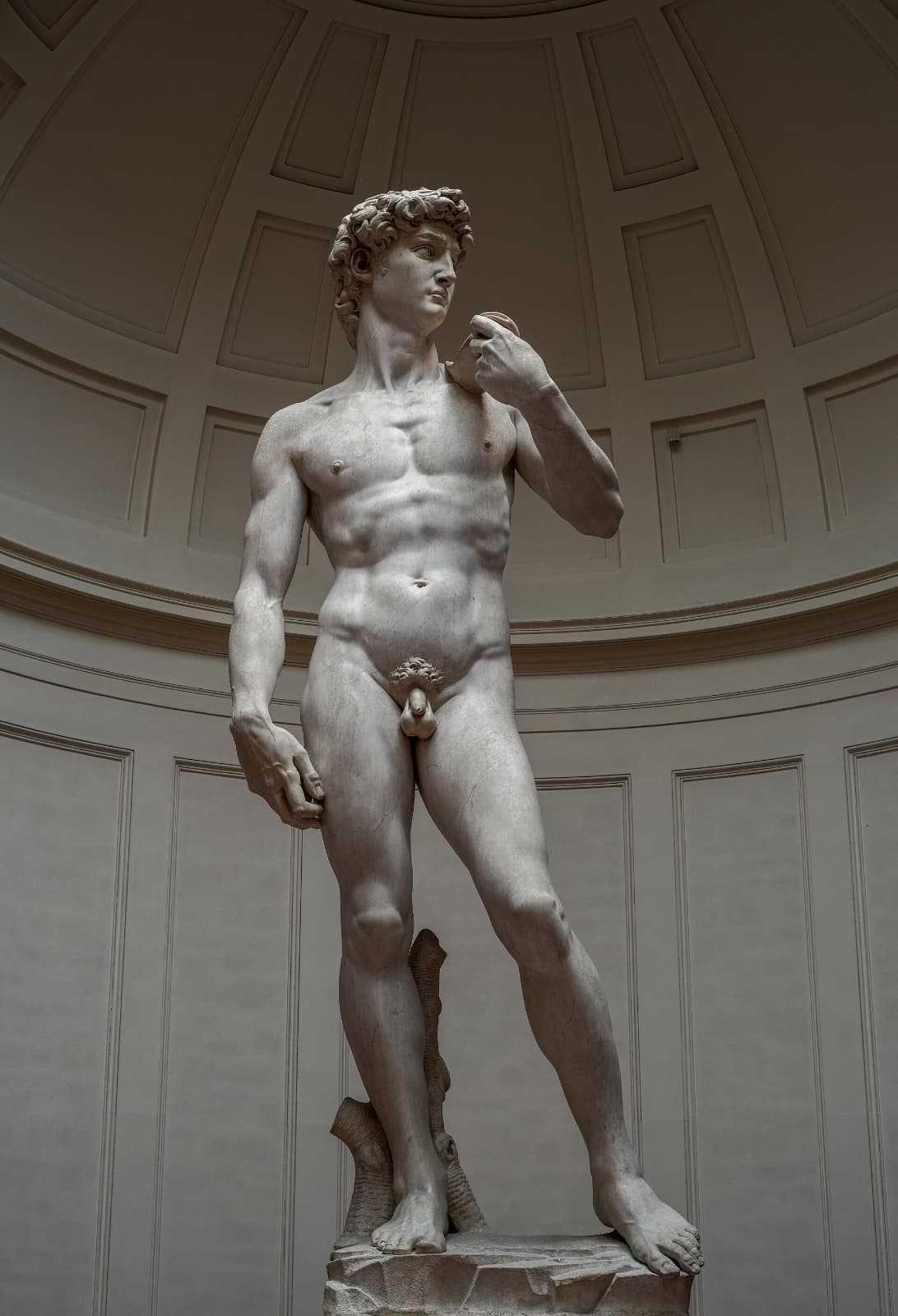
The marble block had been abandoned as flawed before Michelangelo took it, and he carved a boy who is watching Goliath, not beating him.
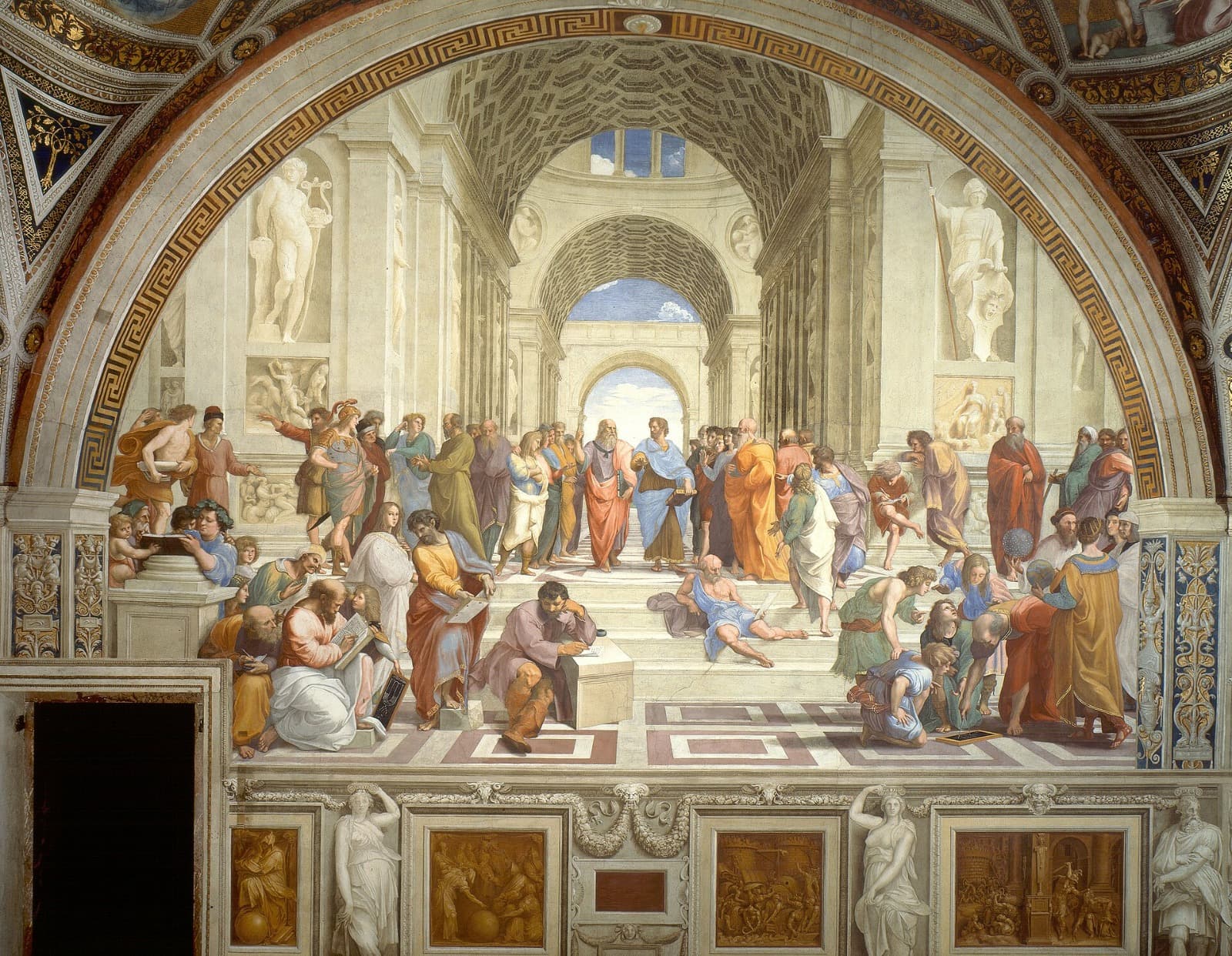
Plato and Aristotle argue at the center of a hall where Raphael gave the philosophers the faces of Leonardo, Michelangelo and Bramante.

Monet painted these eight murals of his pond for two oval rooms in Paris while his eyesight failed. They opened months after he died.
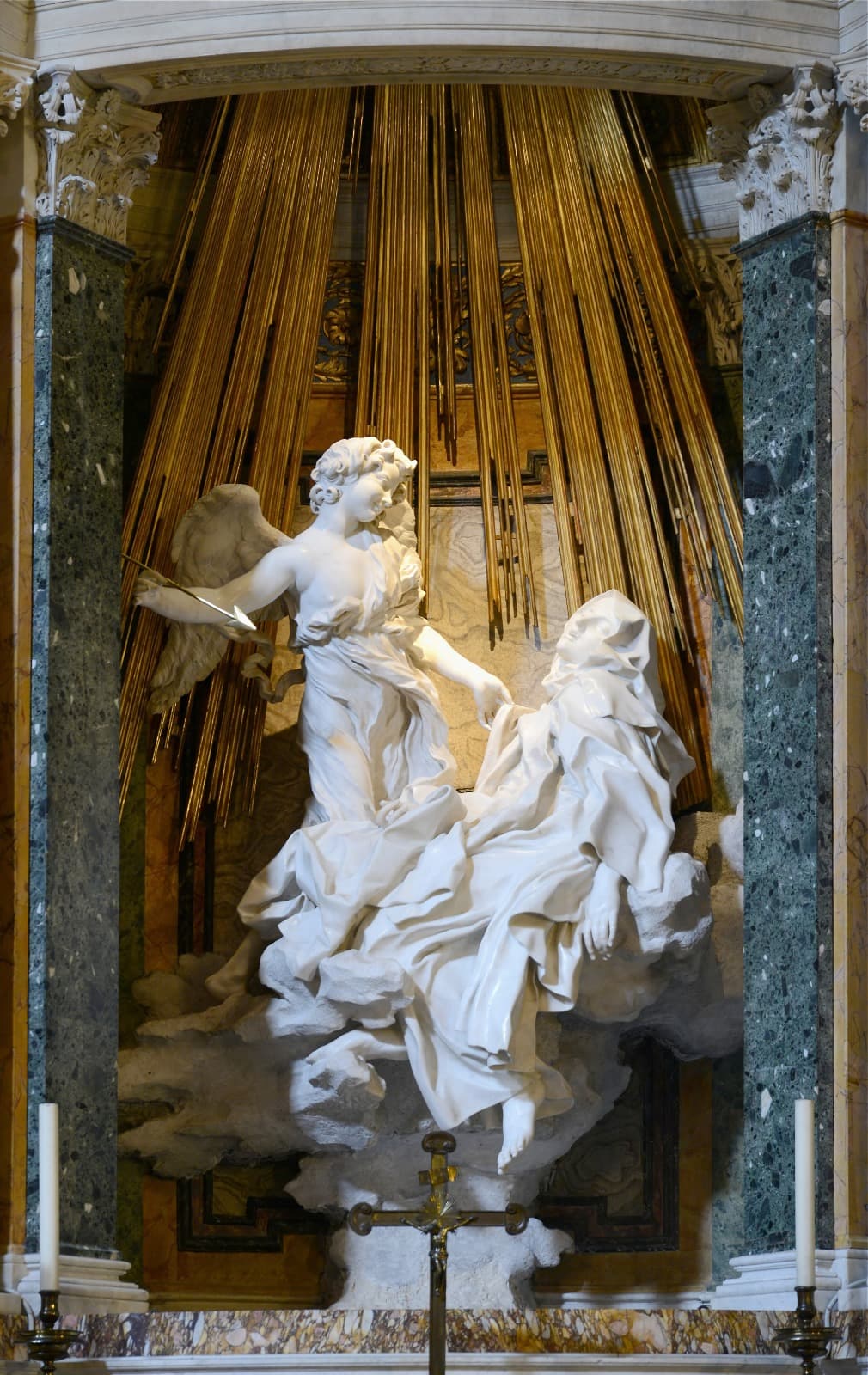
Bernini staged the saint's own account of her vision as theater, lit from a window he hid above and watched by marble spectators in boxes.

The goddesses of the east pediment wear drapery so wet it clings. Elgin took the marbles to London in 1801 and Greece wants them back.

Three hunters come home over the hill with one thin catch while villagers skate below. Bruegel painted it for a series on the months.
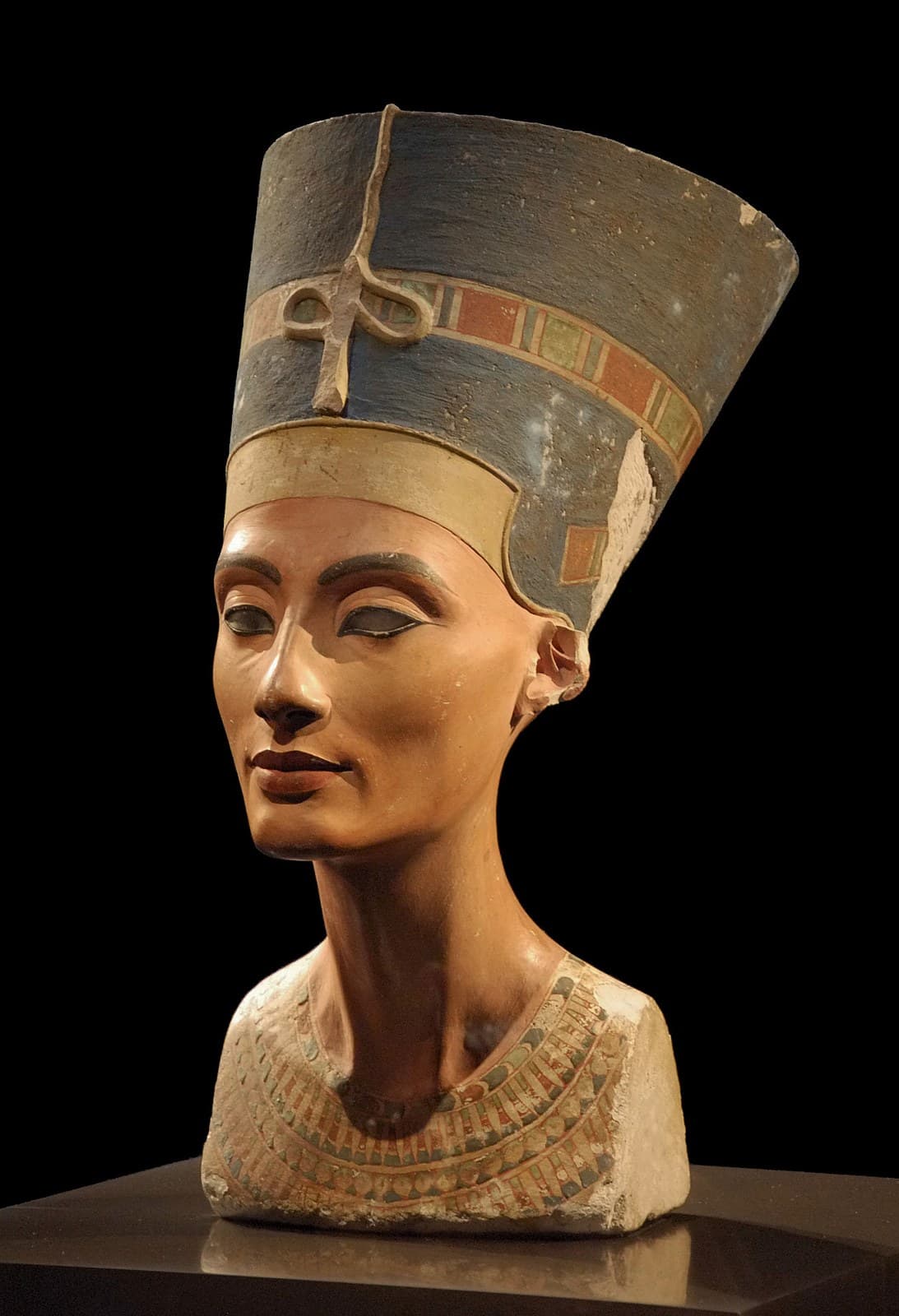
One eye is inlaid and the other left blank, which suggests the bust was a master model kept in the sculptor's workshop at Amarna.
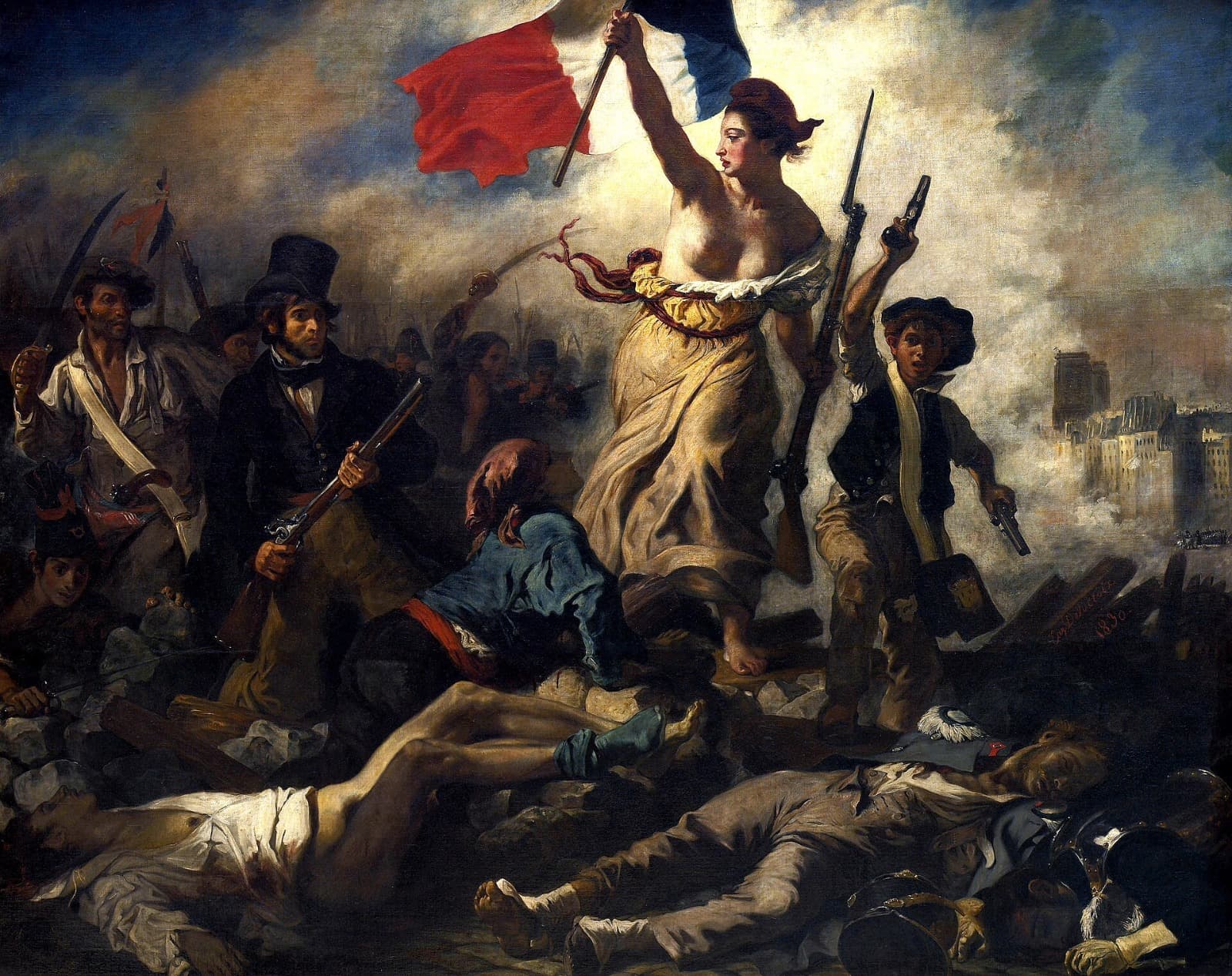
Liberty carries the tricolor over the barricade with a boy waving pistols beside her, painted within months of the revolution it shows.

A lantern lights a man in a white shirt throwing his arms wide before the firing squad. Goya painted it six years later.

Christ's body hangs green and pocked with sores, painted for a hospital whose patients saw their own ravaged flesh.
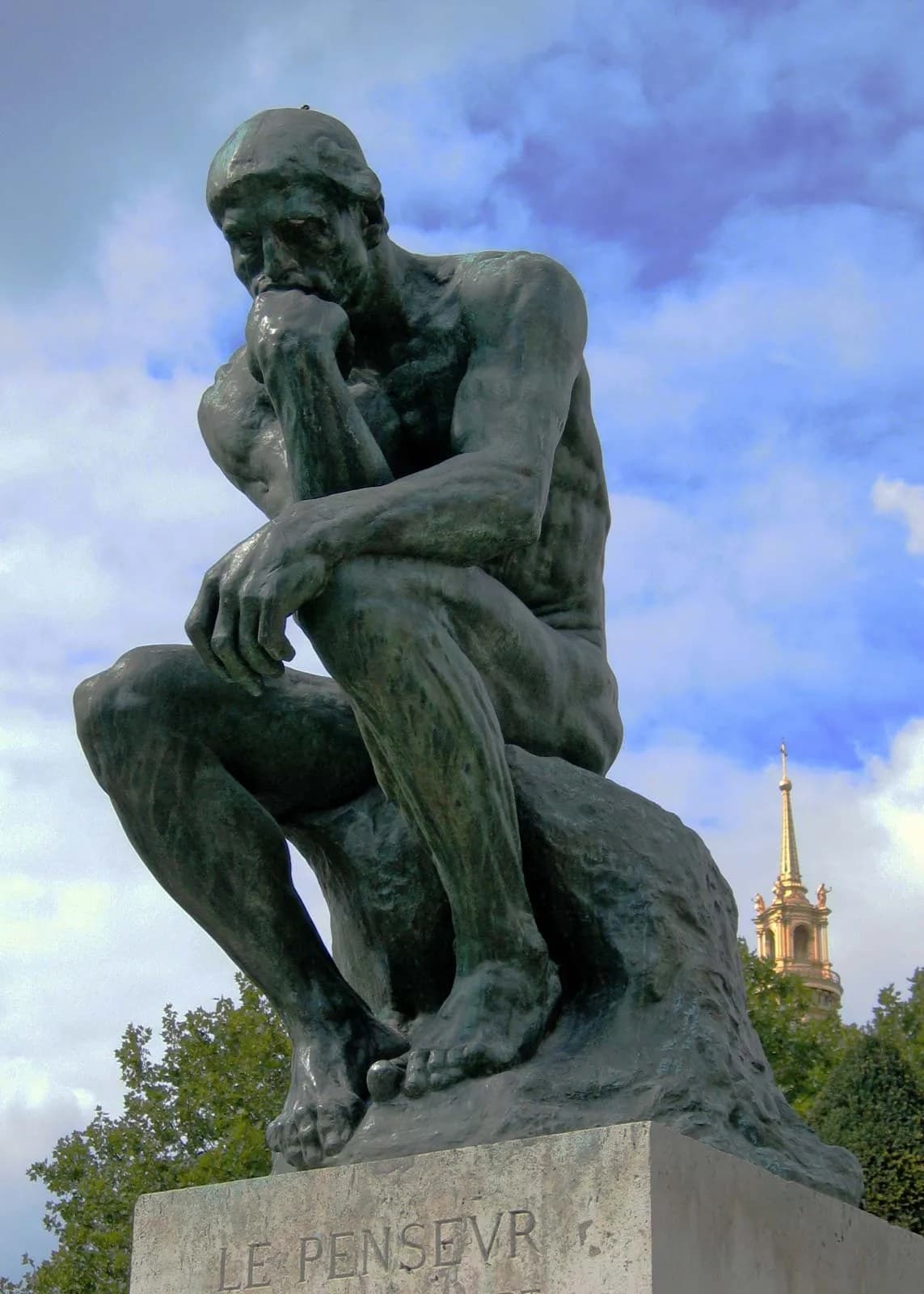
Rodin first made this figure as Dante brooding over the Gates of Hell, then enlarged him and set him thinking alone on a rock.
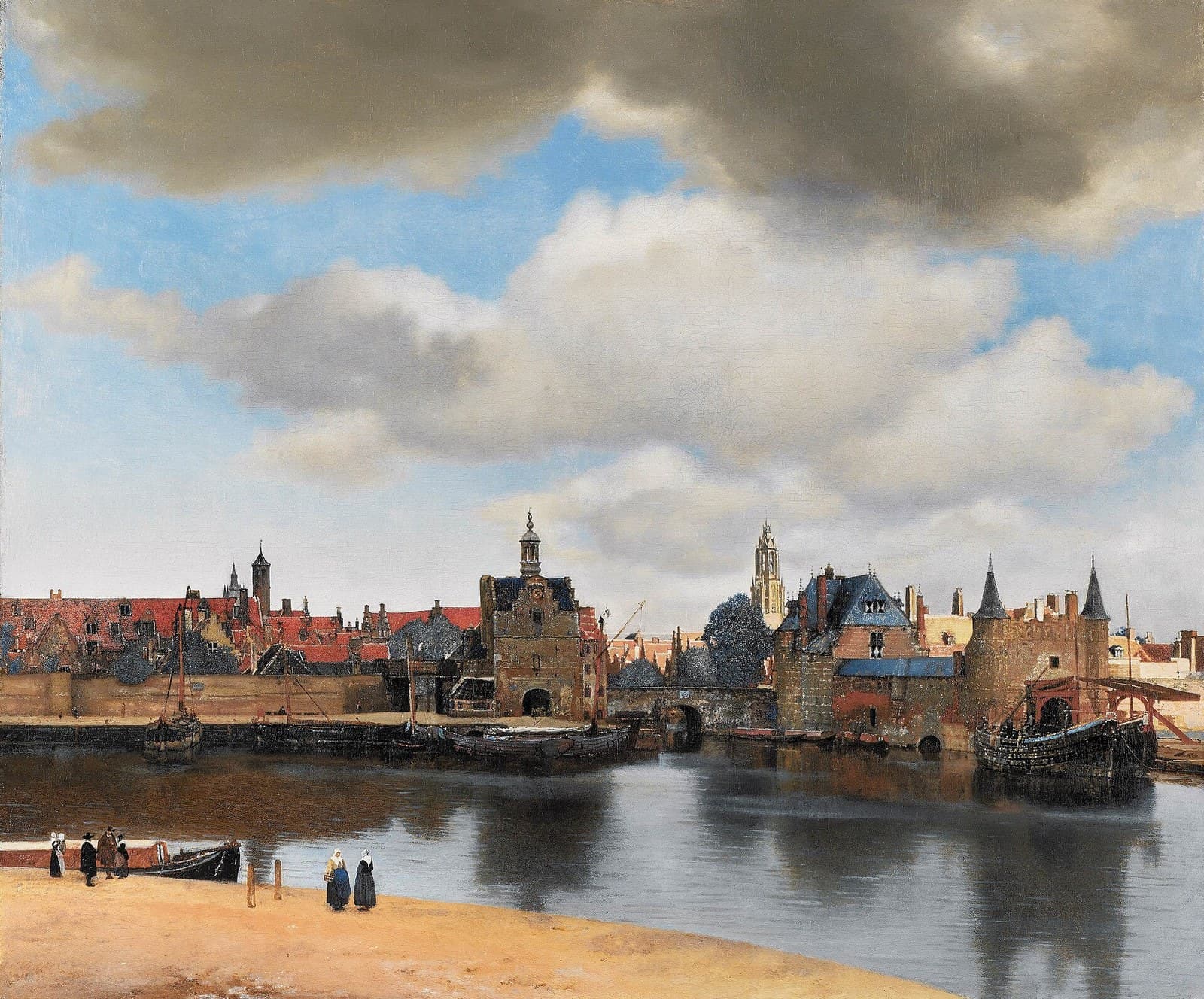
Vermeer painted his own city from across the harbor, almost his only townscape. Proust called it the most beautiful painting in the world.
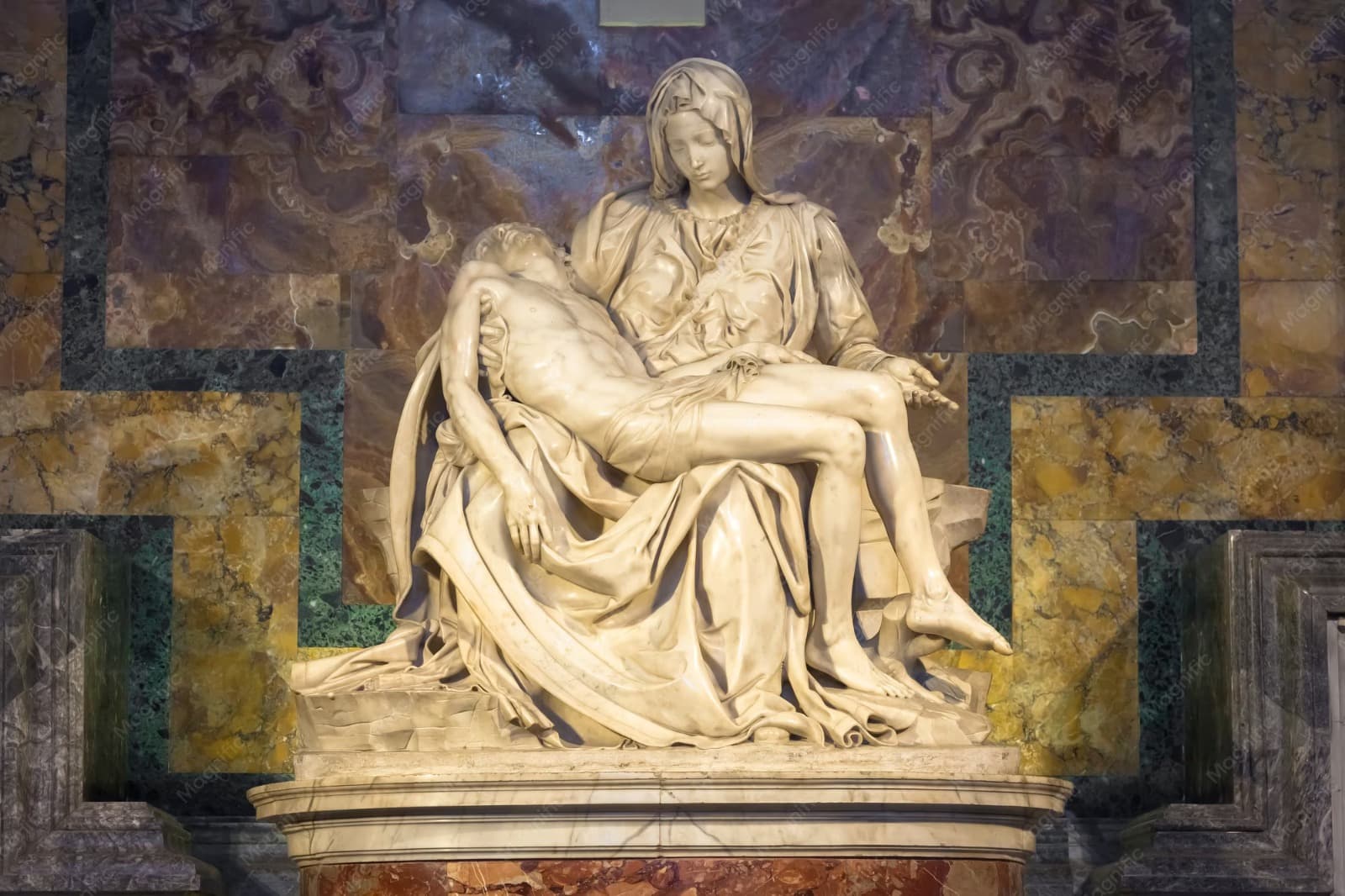
The dead Christ lies across his mother's lap. Michelangelo was twenty-four, and signed the sash after hearing it credited to someone else.
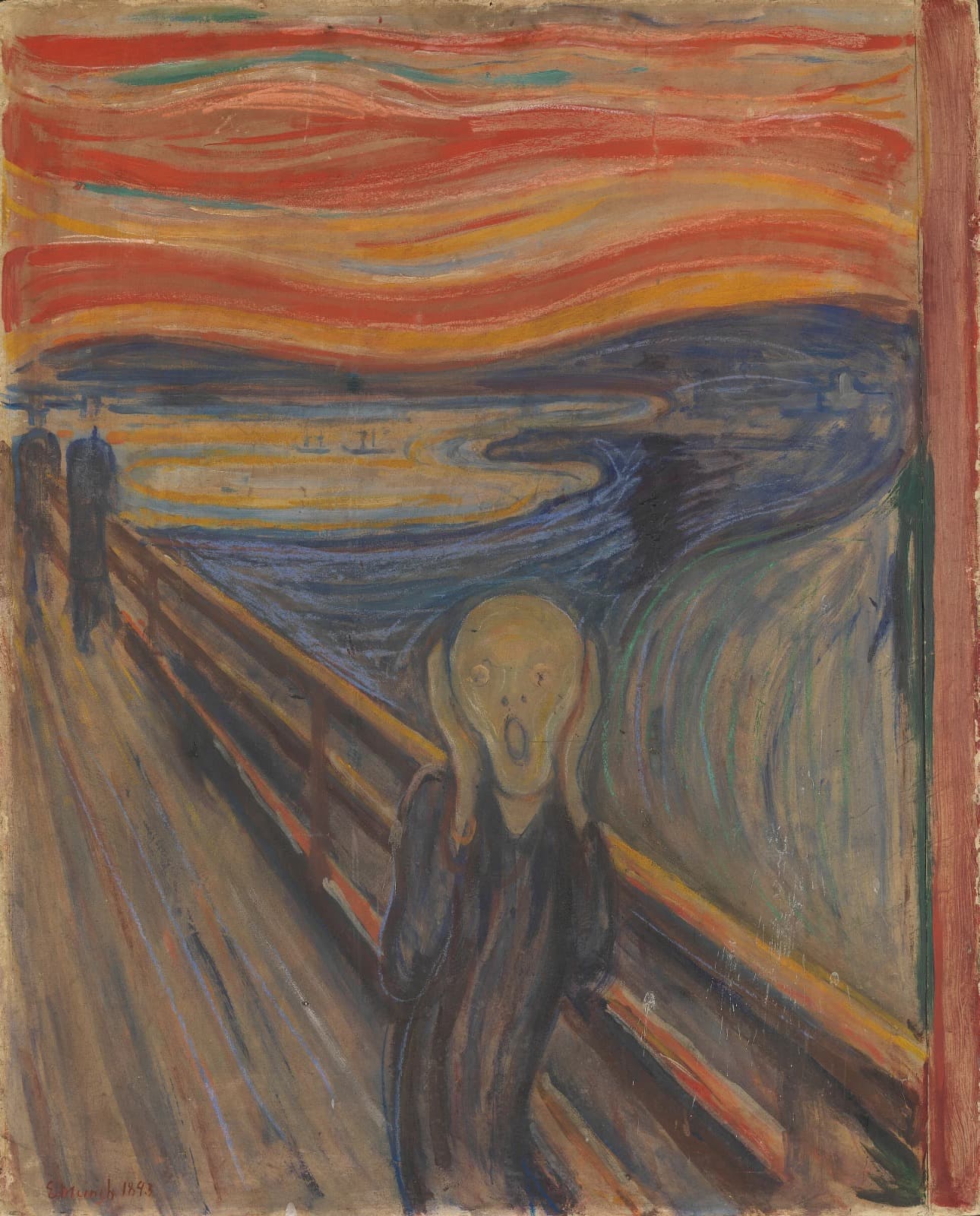
Munch said an infinite scream was passing through nature, and put two figures on the bridge behind who walk on without noticing.

A militia company surges out of the shadow with a dog barking and a girl glowing among the men. Varnish, not night, made it dark.
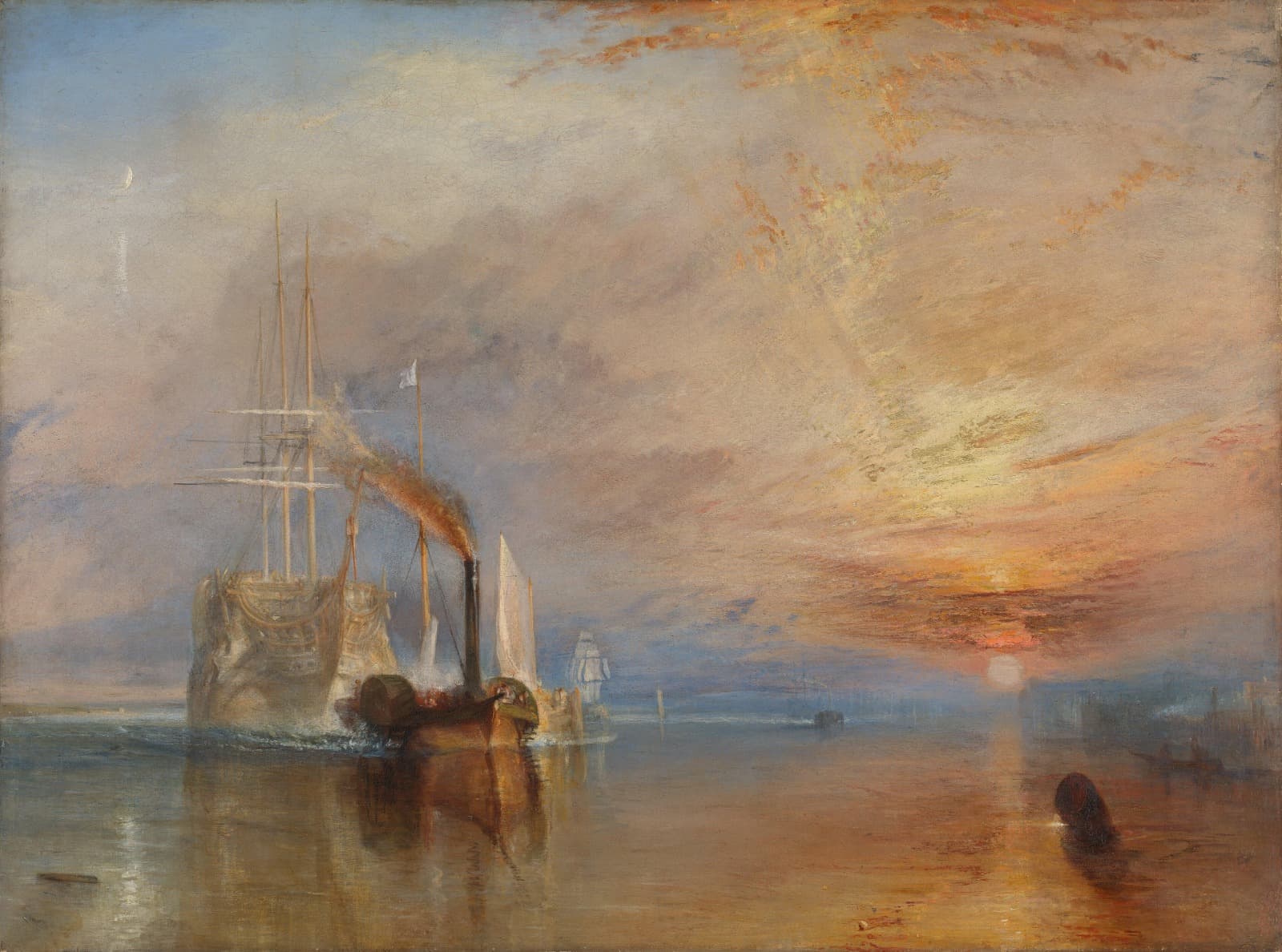
A steam tug hauls a Trafalgar warship off to be broken up. Turner refused to sell the picture and left it to the nation.
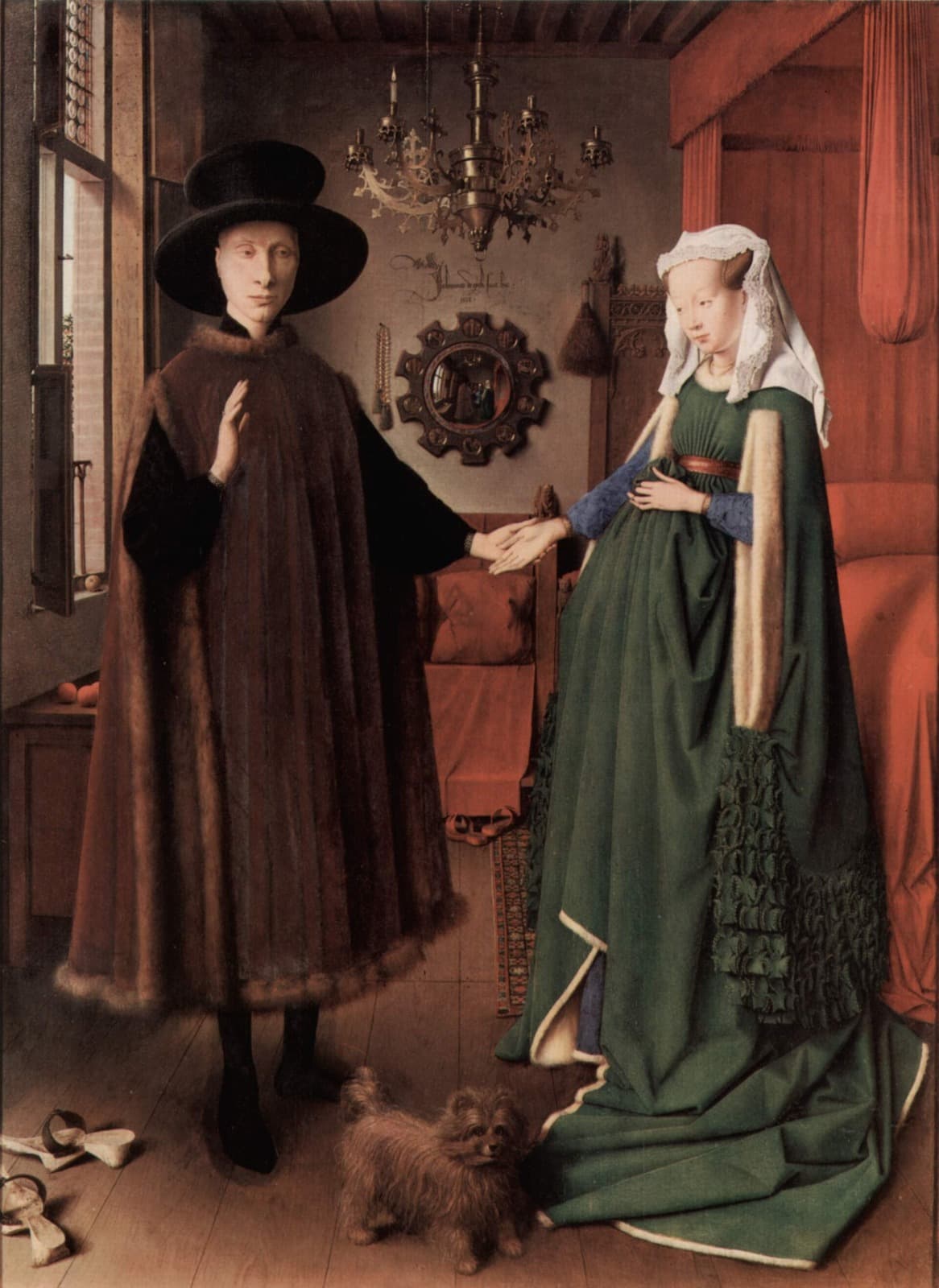
A couple joins hands in a Bruges bedroom, and the mirror behind them catches two visitors at the door. Van Eyck signed the wall above it.

Manet worked from a real barmaid named Suzon and put her reflection in the wrong place, which people have been arguing about ever since.

The fainting Virgin curves in an exact echo of her dead son, the stroke that made van der Weyden the most copied painter in the north.

Bernini was in his mid-twenties when he cut this, catching Daphne at the moment bark closes over her thigh and leaves push from her fingers.

Light follows Christ's pointing hand across a dim counting-room to Matthew, who gestures at himself in disbelief. The picture made Caravaggio famous overnight.

David was Marat's friend and political ally, and he laid the murdered man out in his bath with the gravity of a religious lamentation.
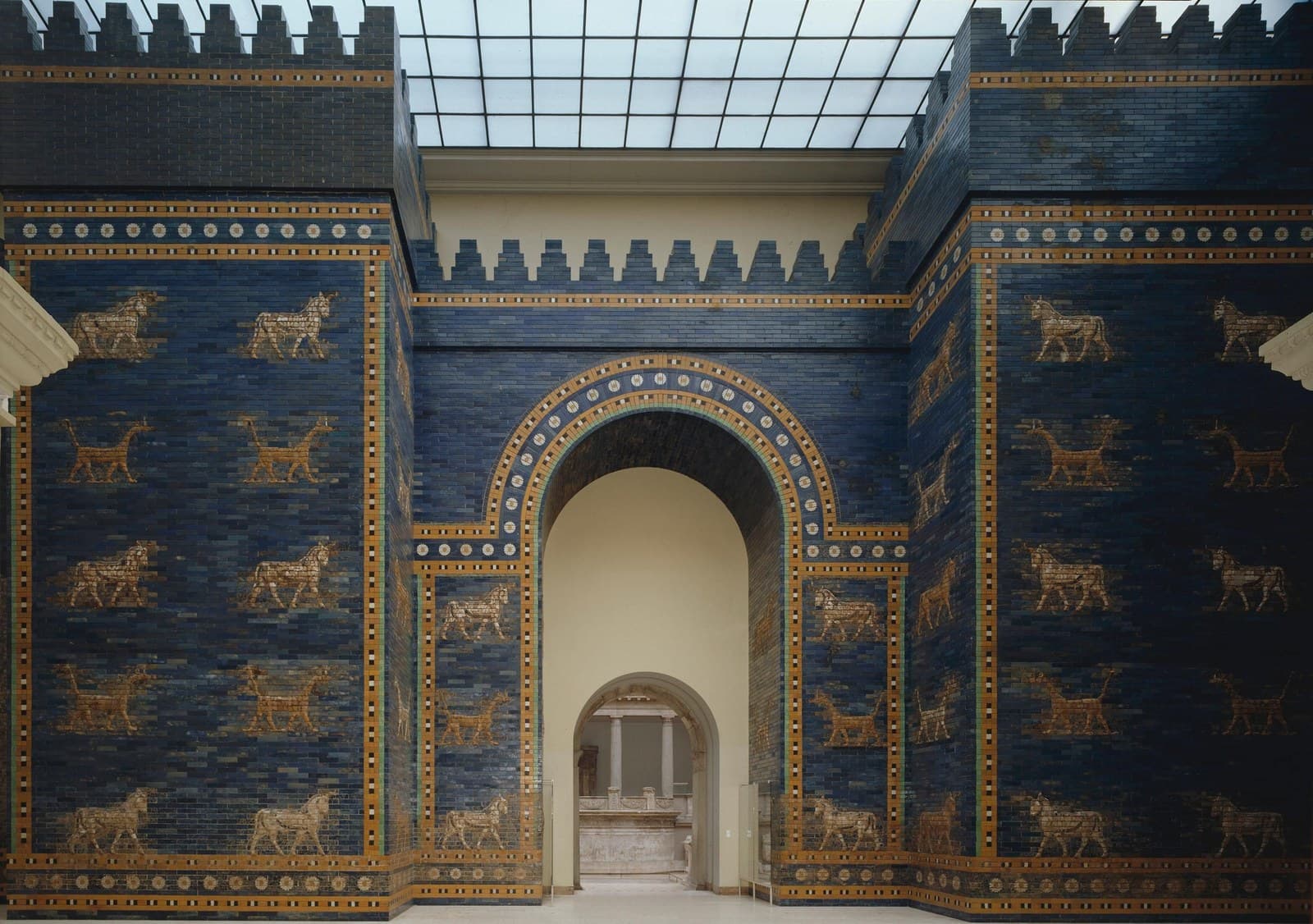
Bulls and dragons stride across glazed brick in deep blue, raised for Nebuchadnezzar around 575 BC and rebuilt from the original bricks in Berlin.
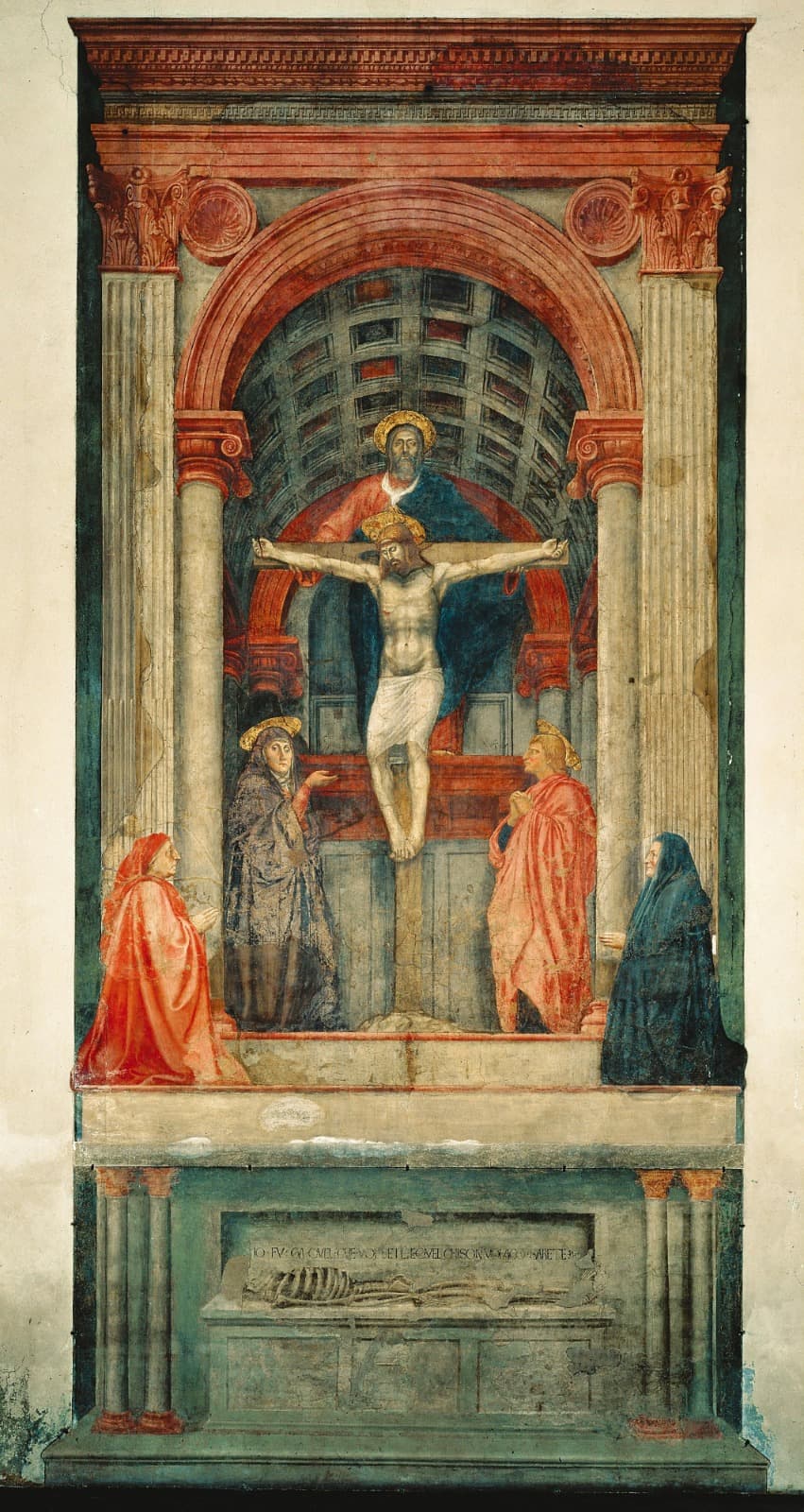
The earliest surviving painting built on a single vanishing point, worked out on a wall of Santa Maria Novella with Brunelleschi's help.

Survivors of a real shipwreck pile toward a speck of sail on the horizon. Géricault studied corpses and asylum patients before he began.
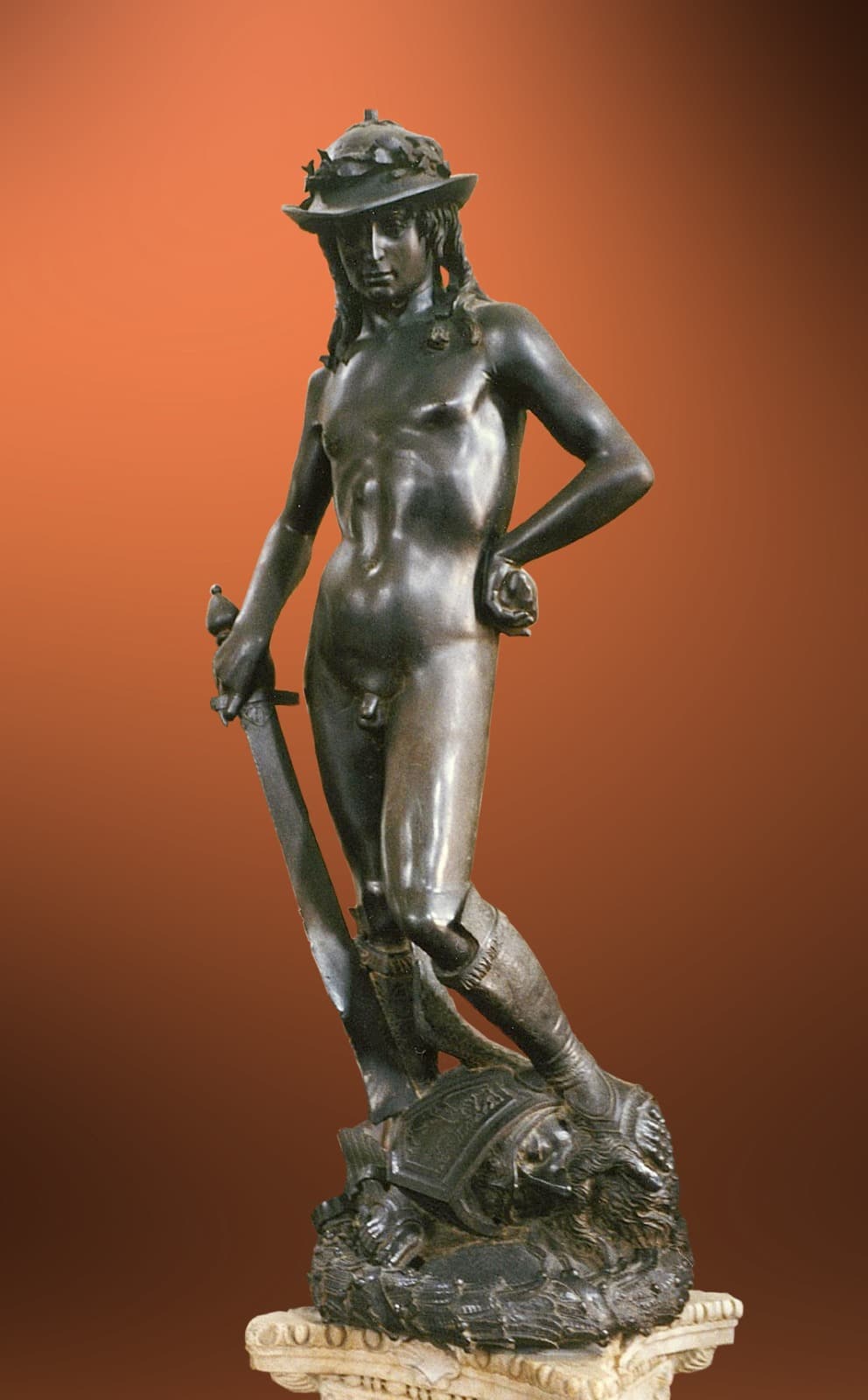
A naked boy in boots and a laurel hat rests one foot on Goliath's head, the first freestanding bronze nude since antiquity.
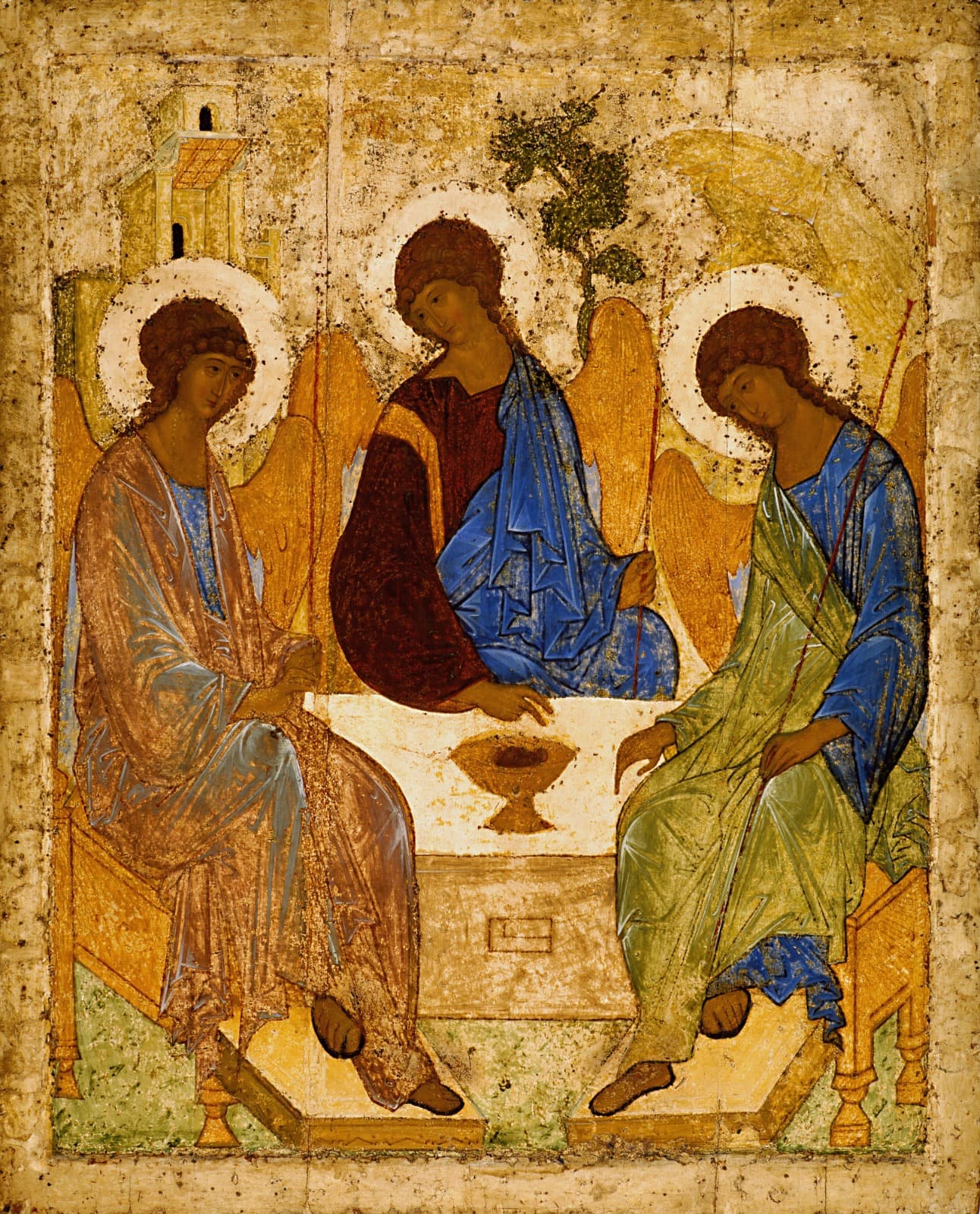
Three angels bend into a closed circle around a single cup. In 2024 the icon left the Tretyakov for a monastery, over conservators' objections.
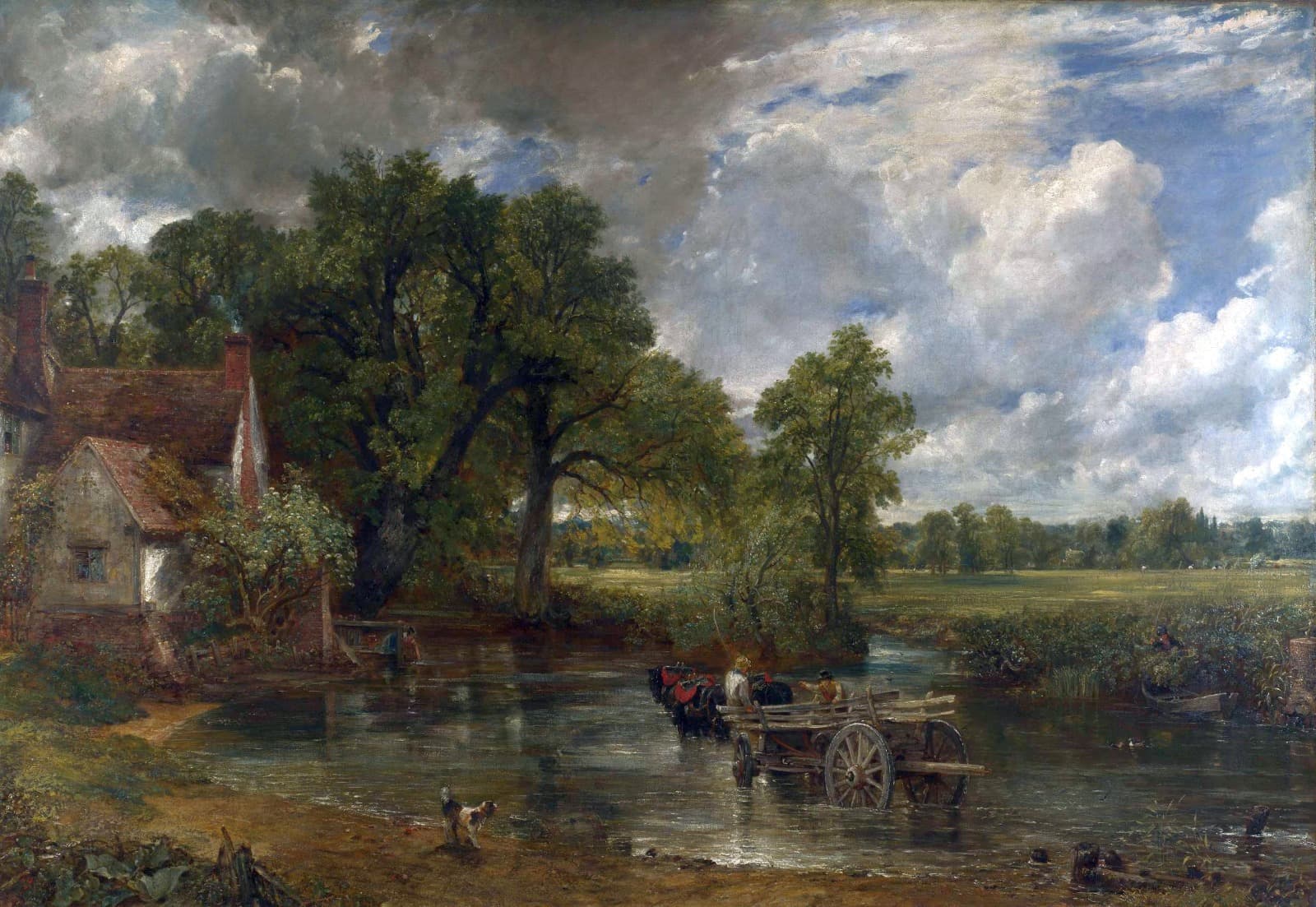
England ignored it, but the Paris Salon awarded it a gold medal in 1824 and sent Delacroix back to rework his own canvases.
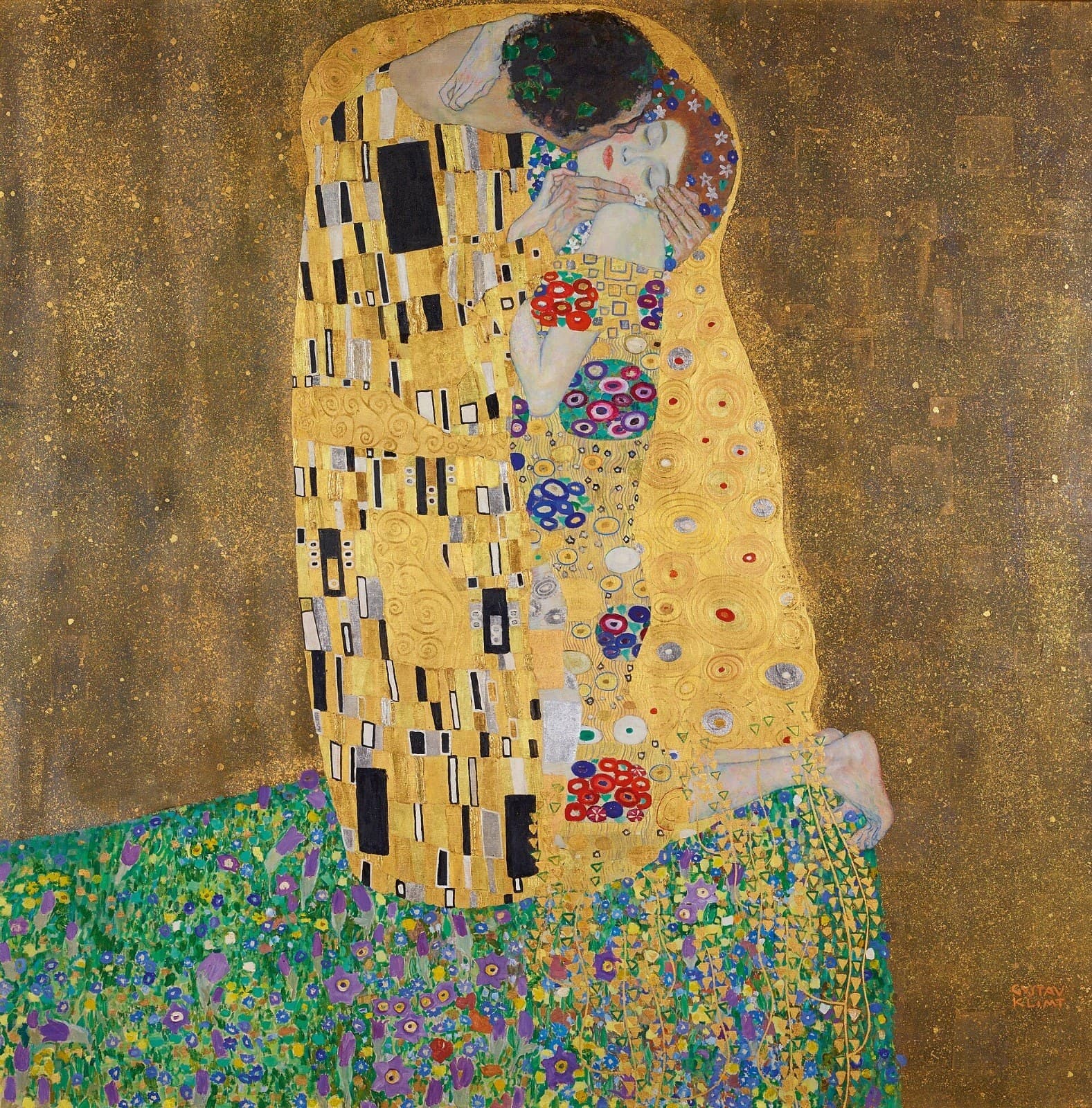
Two lovers kneel wrapped in a single gold robe, rectangles patterning his side of it and circles hers, on a meadow of flowers.
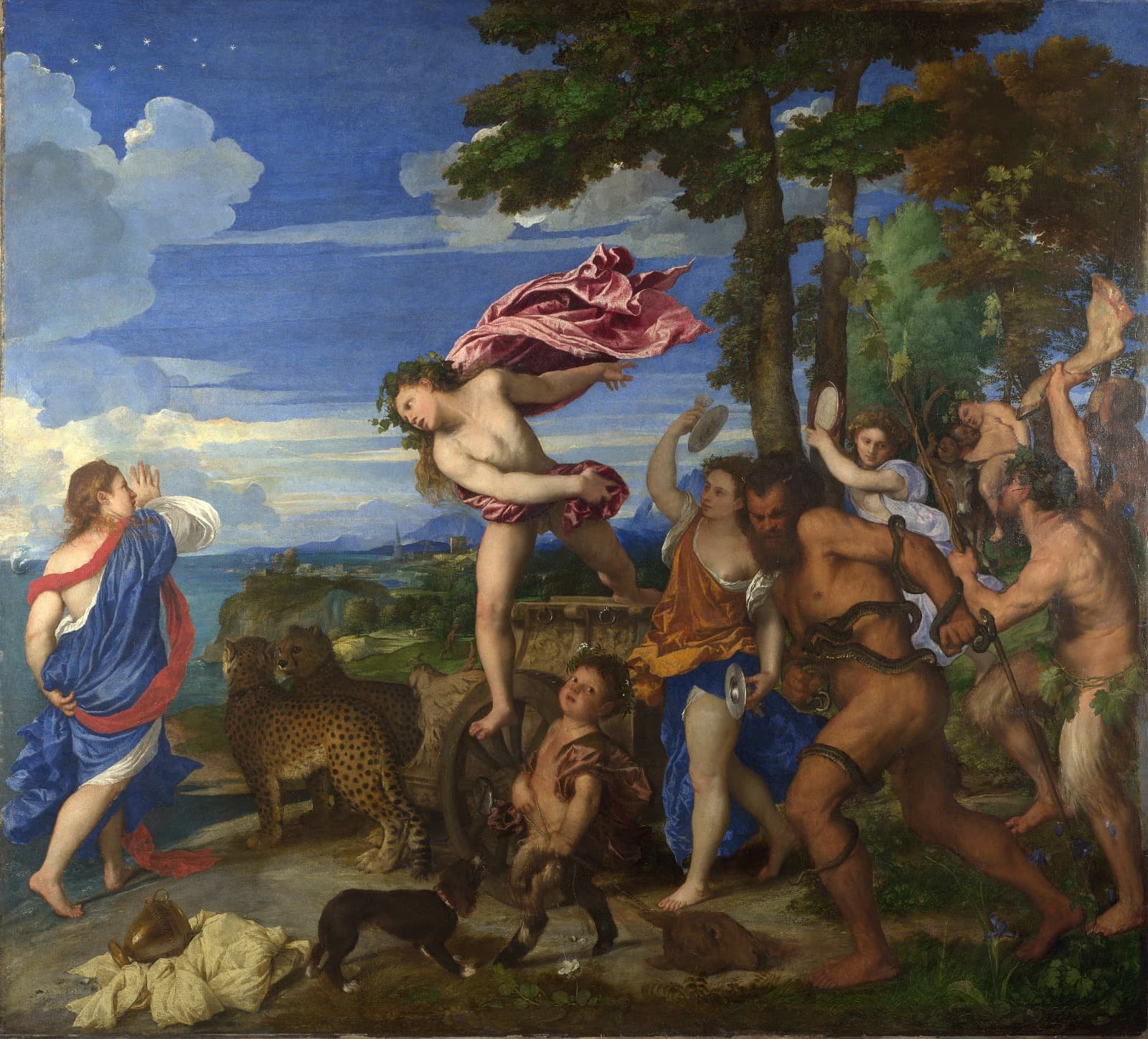
Bacchus leaps from his chariot toward Ariadne while Theseus's ship slips off the horizon, painted for a duke's private chamber in Ferrara.
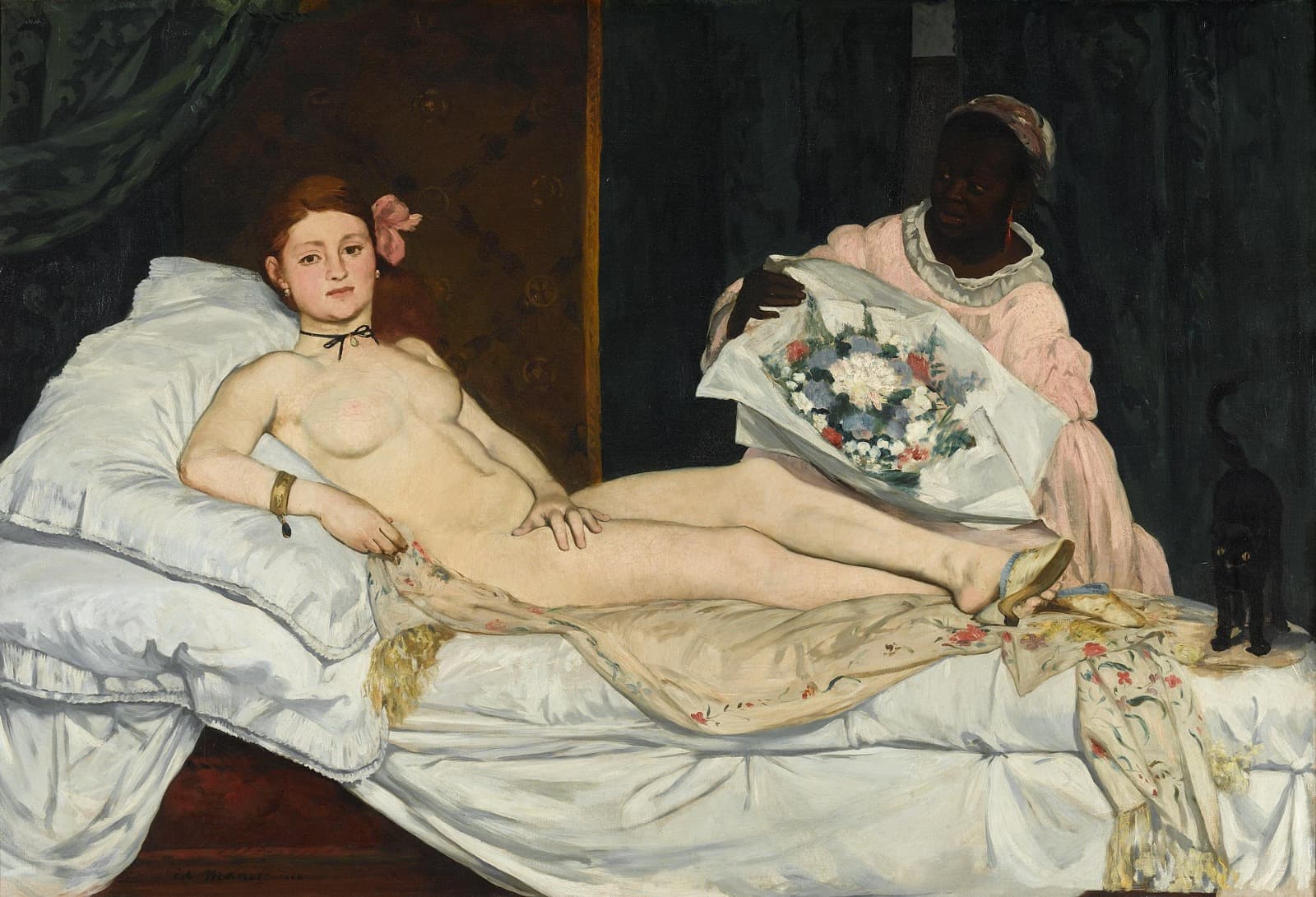
Manet took the pose from Titian's Venus of Urbino and gave it to a prostitute who looks straight back. The 1865 Salon was scandalized.

A naked woman picnics with two clothed men and looks calmly out at us. The Salon refused it, so it hung with the rejects.

A court lady steps between a lunging bear and the emperor. What survives is a later copy, crowded with the seals of everyone who owned it.

Bartholomew holds his own flayed skin, and the sagging face on it is Michelangelo's. The nudes offended enough critics that drapery was added later.
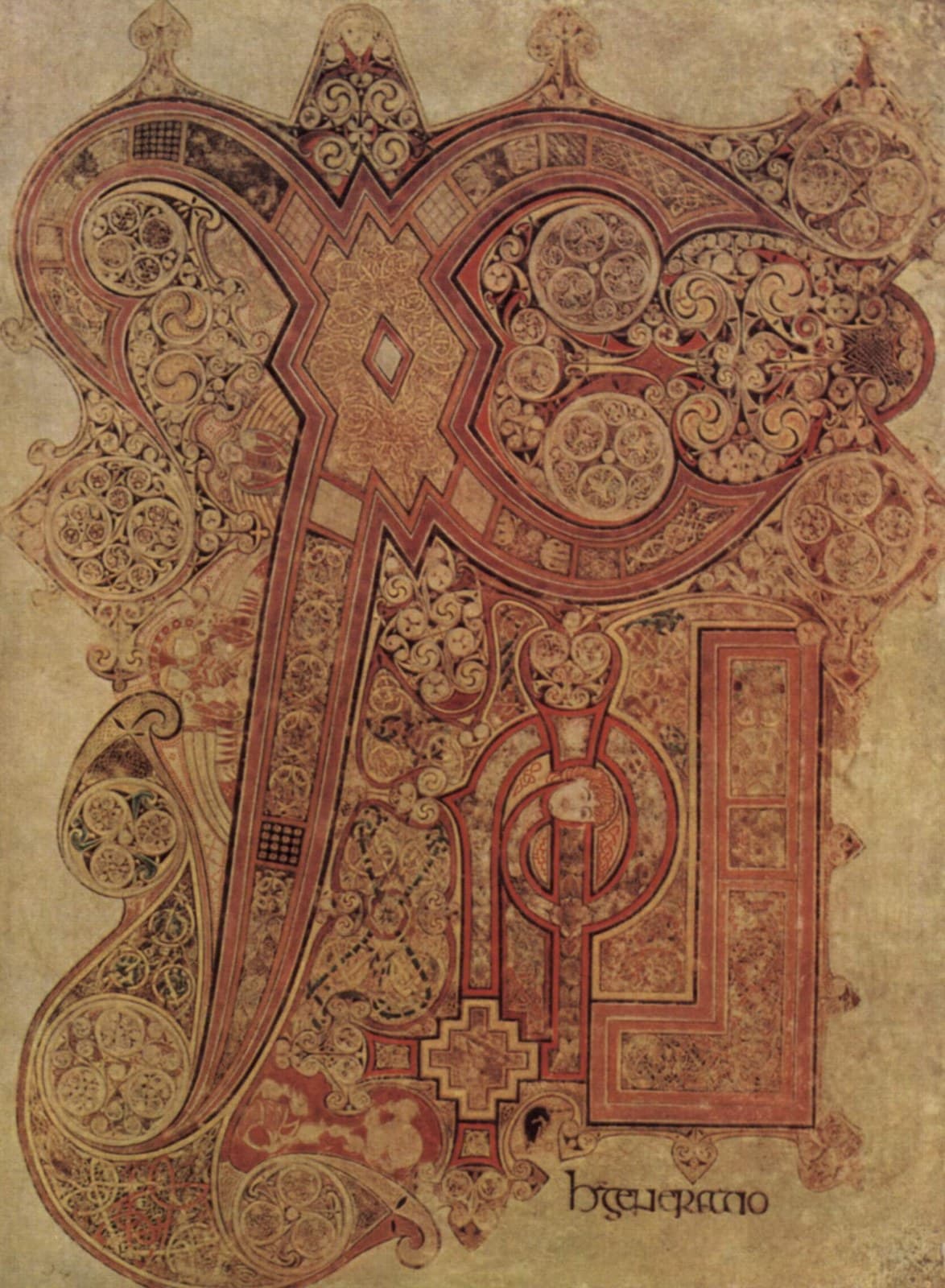
The monogram of Christ swells until it fills the page, and among the spirals hide cats, mice, an otter with a fish, and a moth.

Judith and her maid hold Holofernes down together and work the blade through his throat. Artemisia painted it a decade after her rape trial.

Rembrandt was twenty-five and new in Amsterdam when the surgeons' guild hired him, and he built every head in the room around one lifted tendon.

The Spanish general stops the defeated Dutchman from kneeling and lays a hand on his shoulder. Spaniards still call the picture The Lances.

Velázquez caught every wary line in the pope's face, and Innocent reportedly said it was troppo vero, too true. Francis Bacon reworked it for years.

A man stands on a summit with his back to us, looking out over fog, so that we end up looking at what he sees.
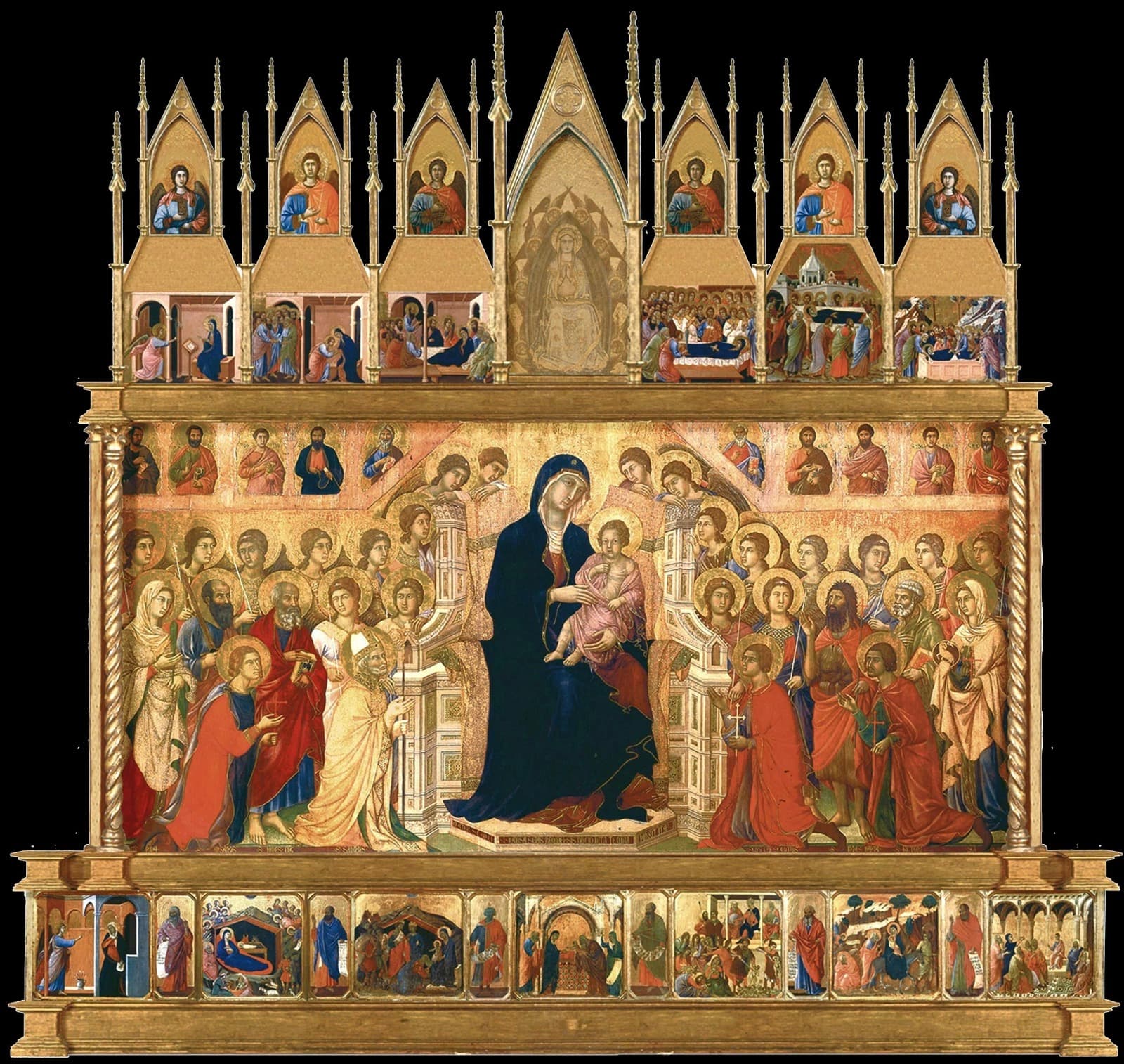
When Duccio finished it in 1311 the whole of Siena walked it to the cathedral in procession, with the bells going the entire way.

Two saints lower a nobleman into his grave while his soul slips through a tear in the sky. The mourners are El Greco's own neighbors.

Three brothers salute the swords their father holds up while the women of the house collapse at the right, four years before the Revolution.
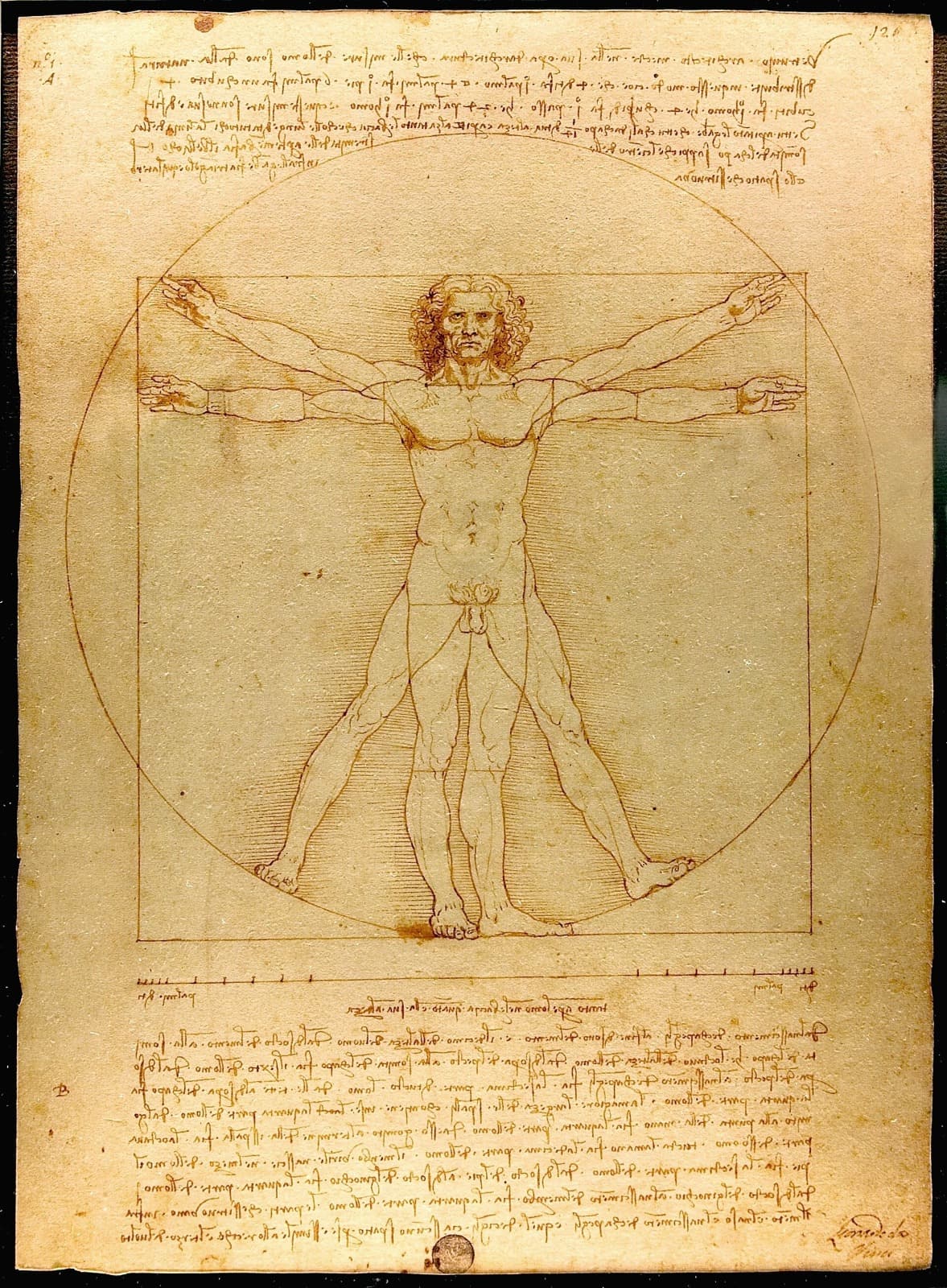
Leonardo fixed Vitruvius's old problem by moving the centers, so that the navel governs the circle and the groin governs the square.
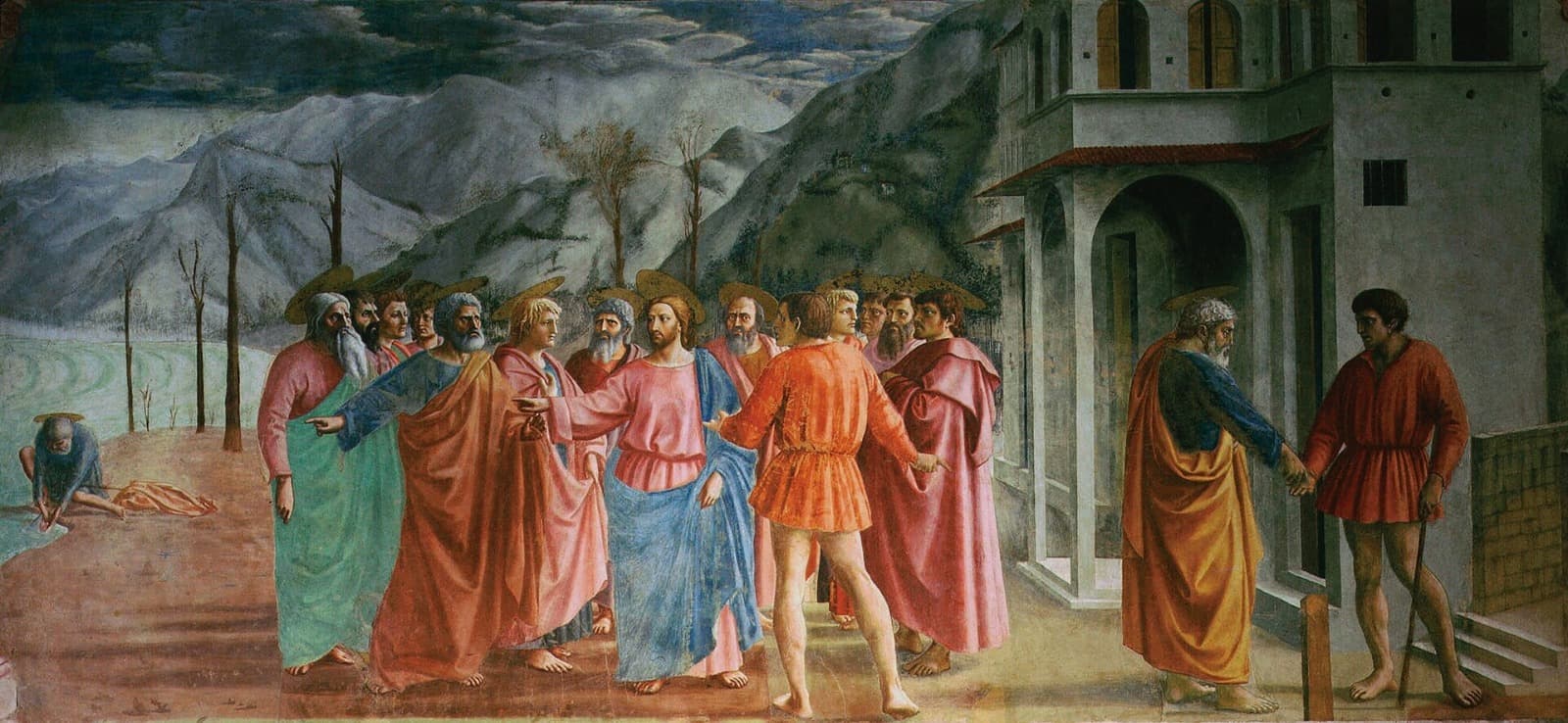
Three moments run in a single frame: the tax demanded, Peter pulling the coin from a fish, and Peter paying up at the right.
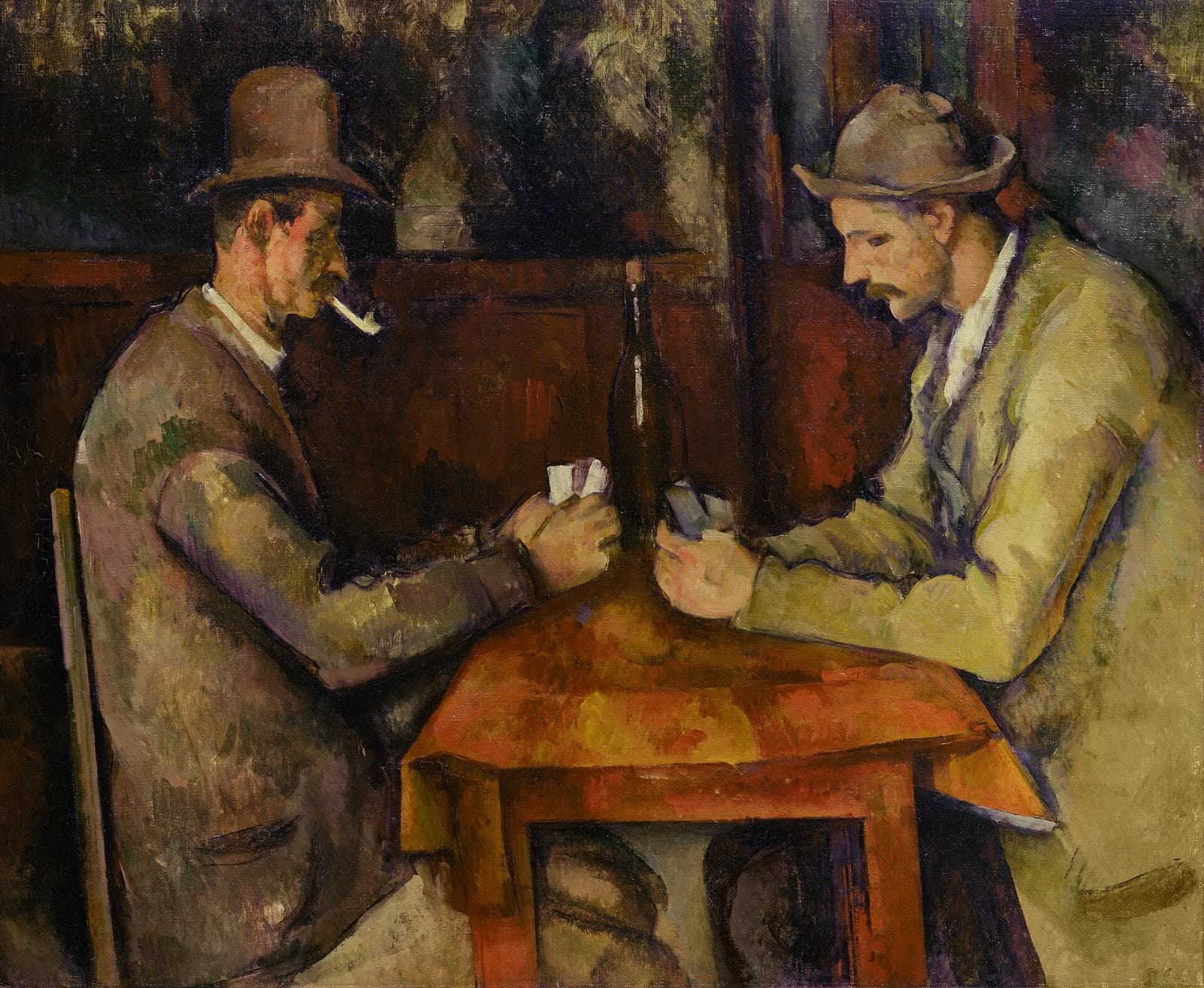
Cézanne used local farmhands as models and painted several versions, stripping the old tavern subject down until only two men and a bottle remain.
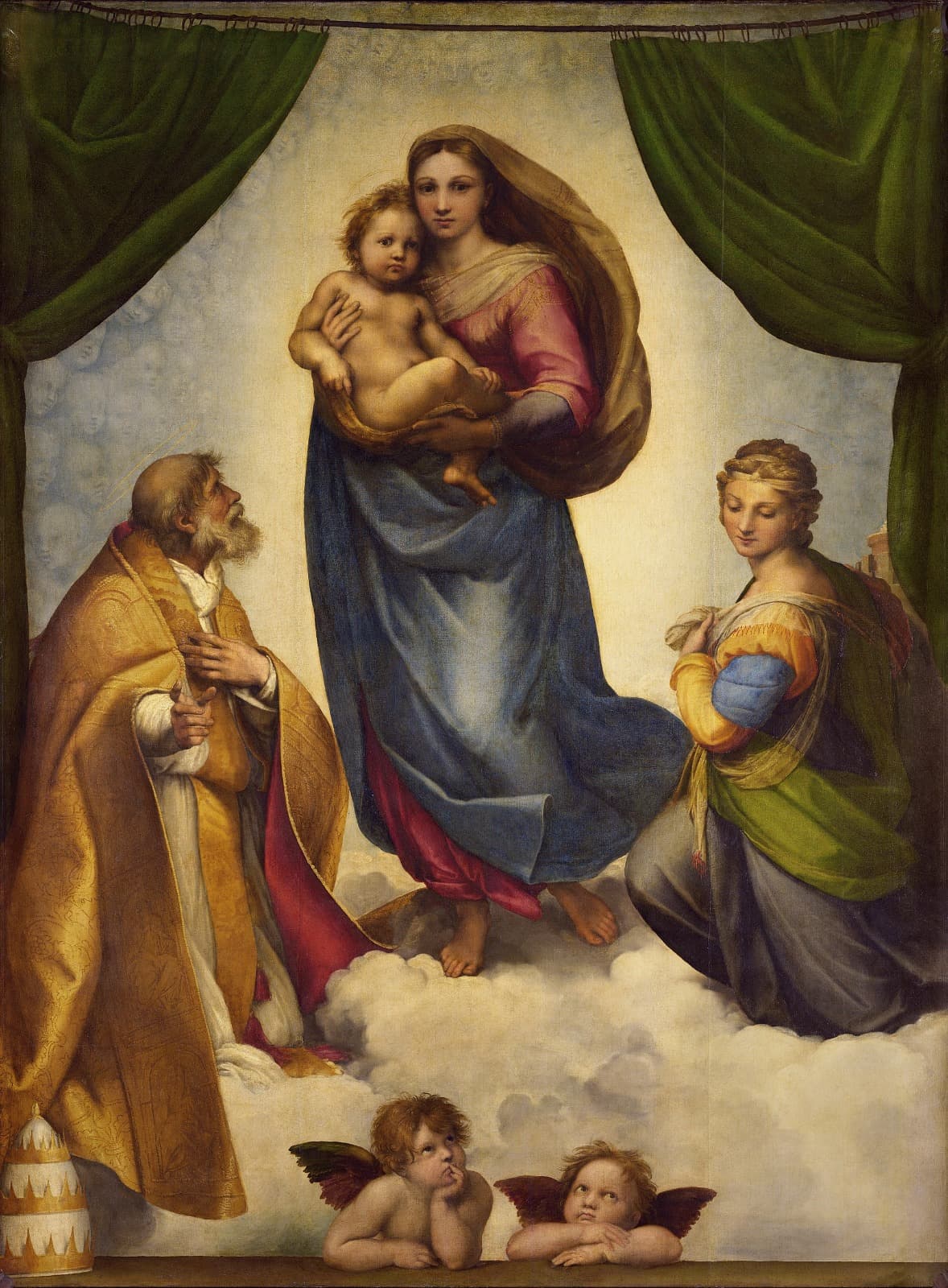
Two bored cherubs lean on the frame at the bottom, and they floated free of the altarpiece long ago onto everything else.

The son kneels with his shorn head against his father's chest and the old man's hands come down on his back. Rembrandt painted it near death.
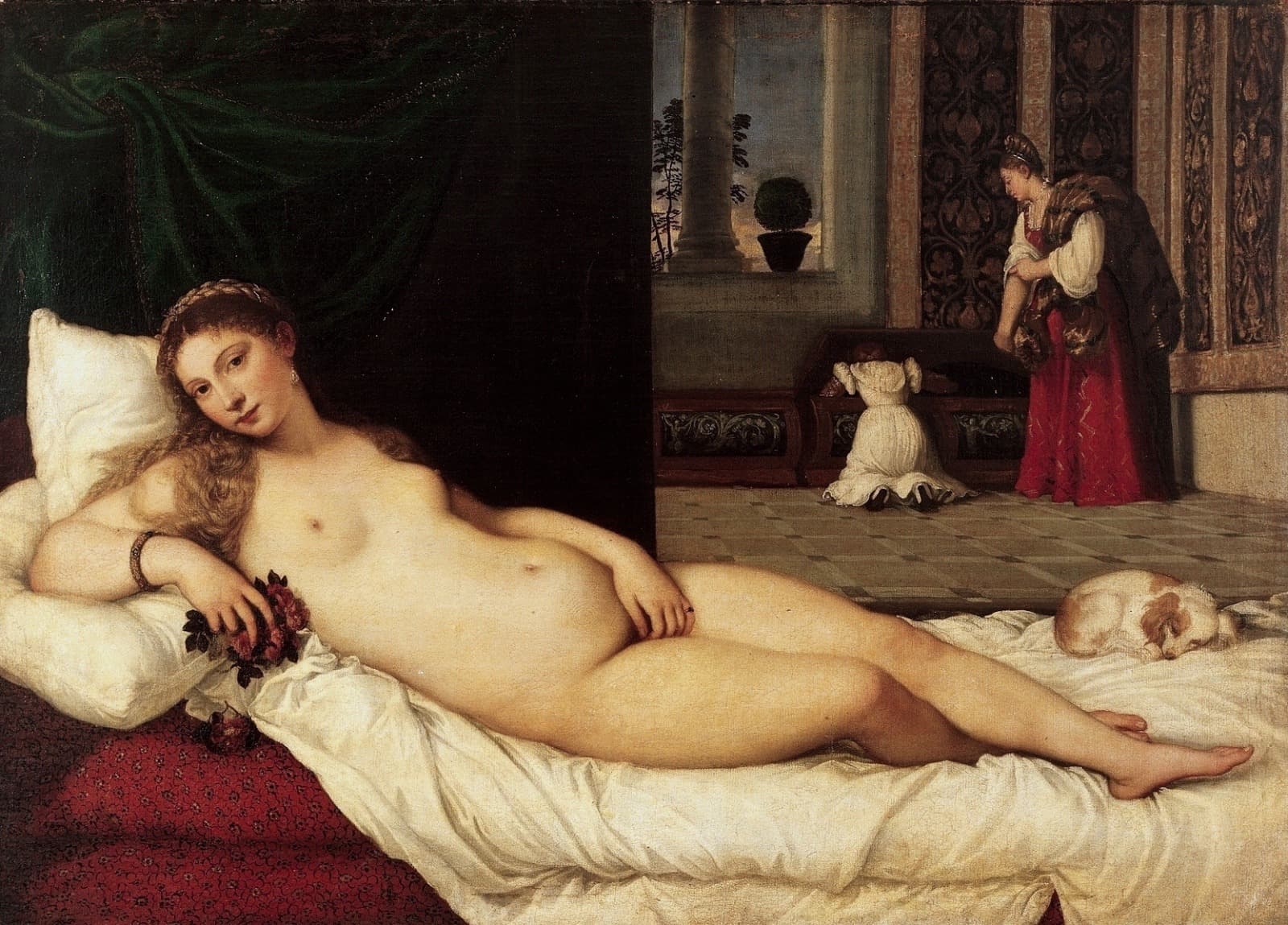
Titian woke Giorgione's sleeping Venus, brought her indoors, and had her look straight at us, probably to mark a wedding in Urbino.
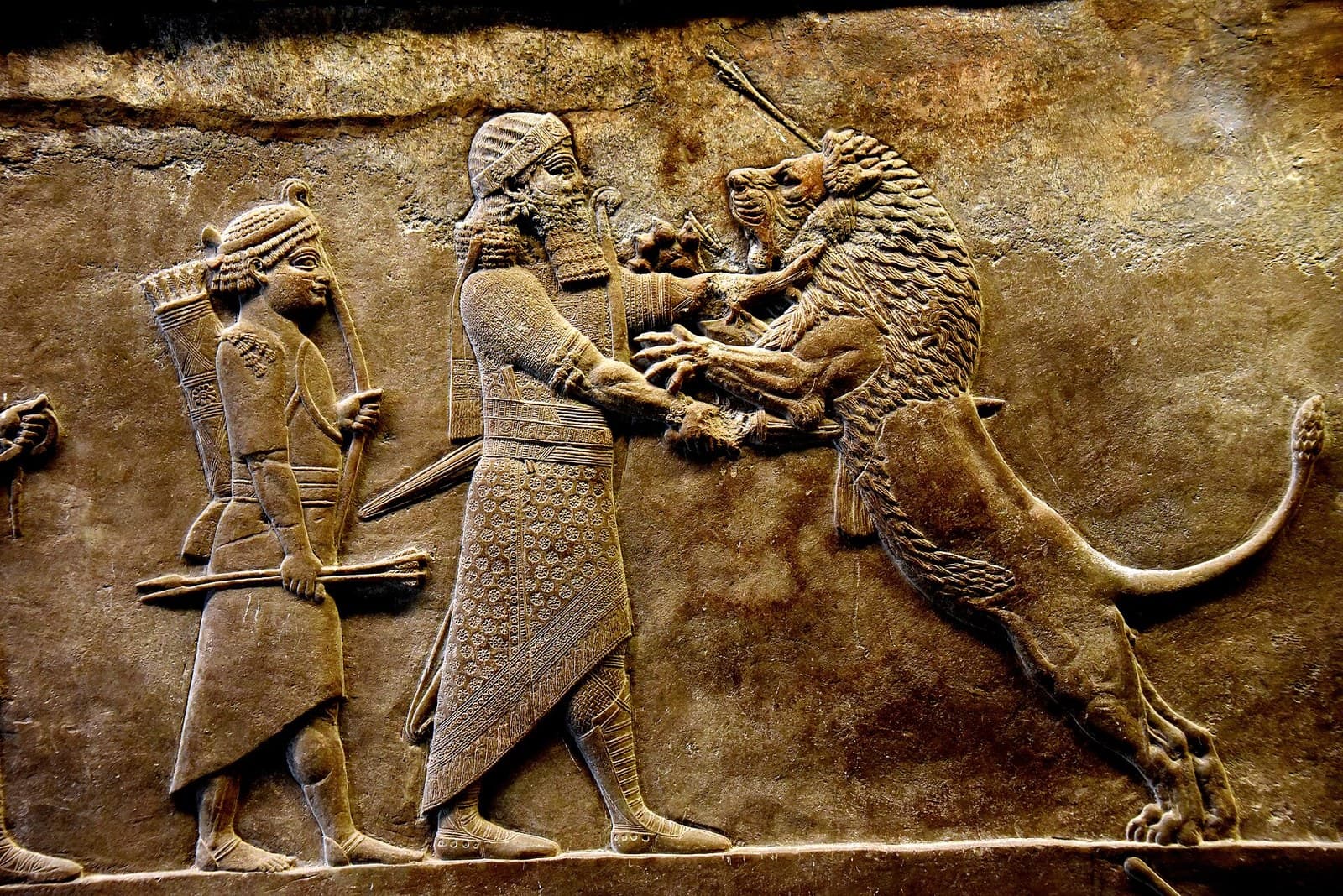
The king kills lions released into an arena to prove he can protect his people, and the dying animals are carved with startling tenderness.