
The Last Supper (da Vinci)
1495 · Santa Maria delle Grazie, Milan, Italy
Christ has just said one of them will betray him, and the shock rolls down the table. Leonardo's experimental paint began flaking in his lifetime.
★ 9.7
 skopia
Christ has just said one of them will betray him, and the shock rolls down the table. Leonardo's experimental paint began flaking in his lifetime.
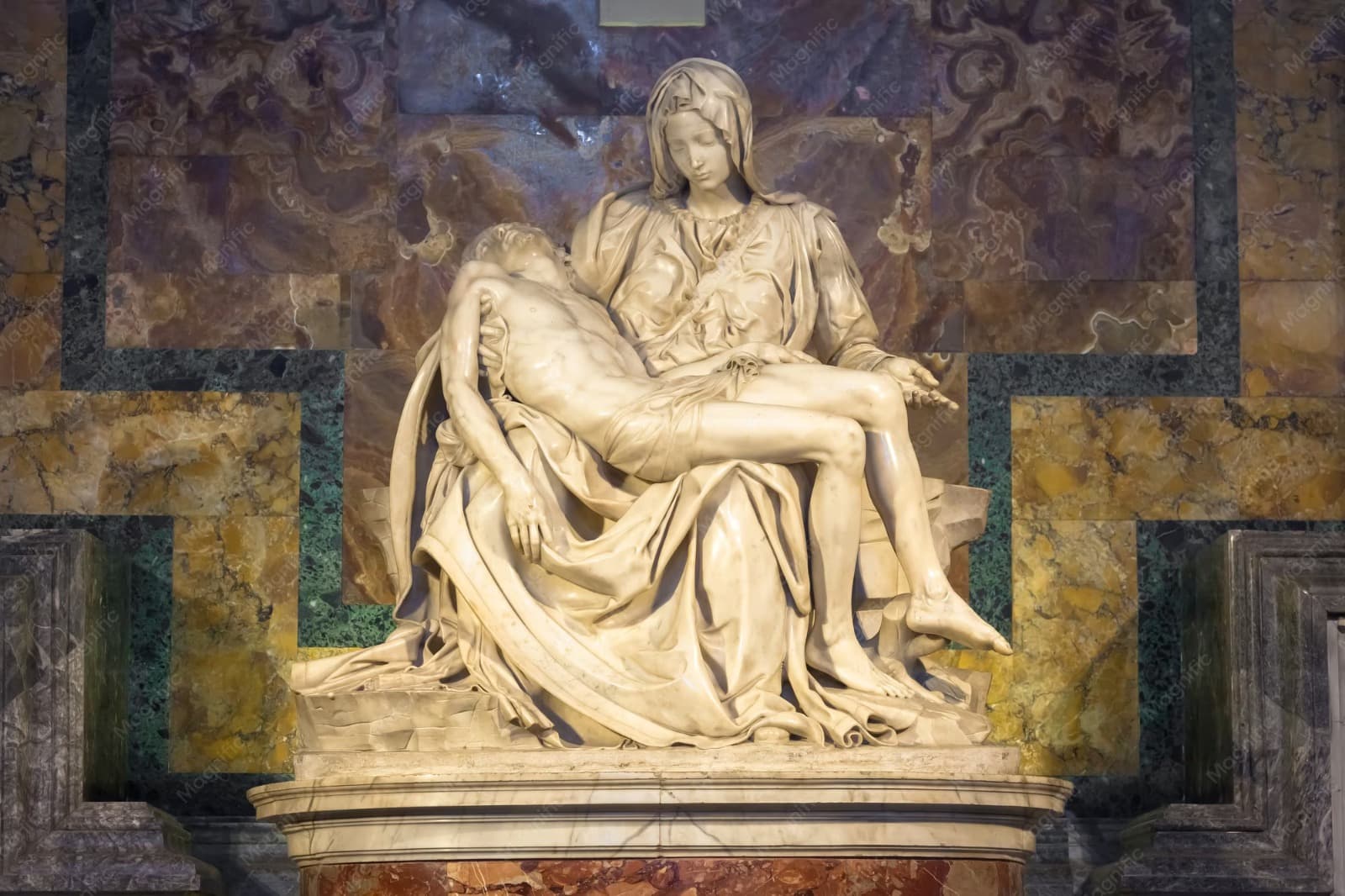
The dead Christ lies across his mother's lap. Michelangelo was twenty-four, and signed the sash after hearing it credited to someone else.

The fainting Virgin curves in an exact echo of her dead son, the stroke that made van der Weyden the most copied painter in the north.

Light follows Christ's pointing hand across a dim counting-room to Matthew, who gestures at himself in disbelief. The picture made Caravaggio famous overnight.
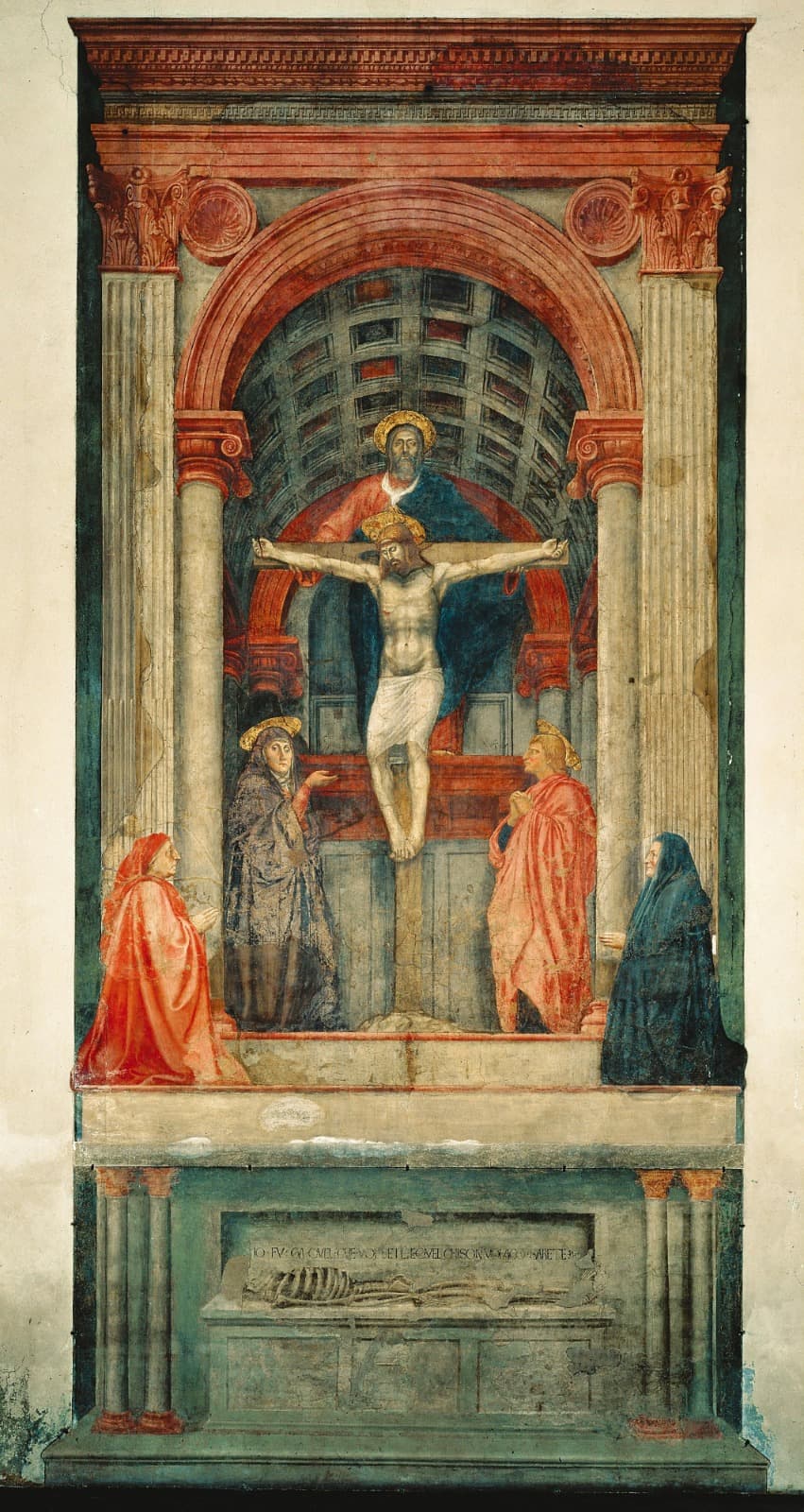
The earliest surviving painting built on a single vanishing point, worked out on a wall of Santa Maria Novella with Brunelleschi's help.
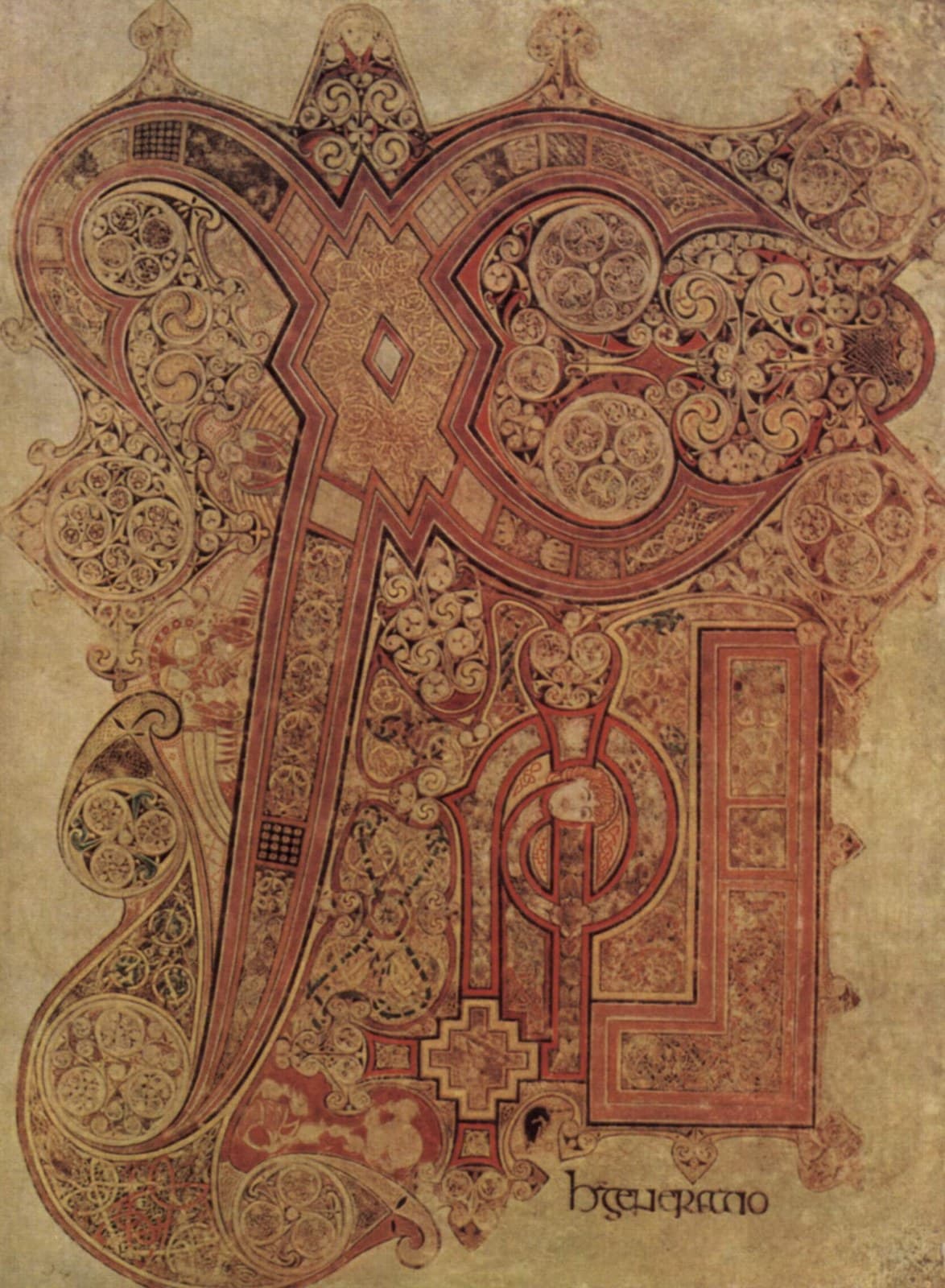
The monogram of Christ swells until it fills the page, and among the spirals hide cats, mice, an otter with a fish, and a moth.
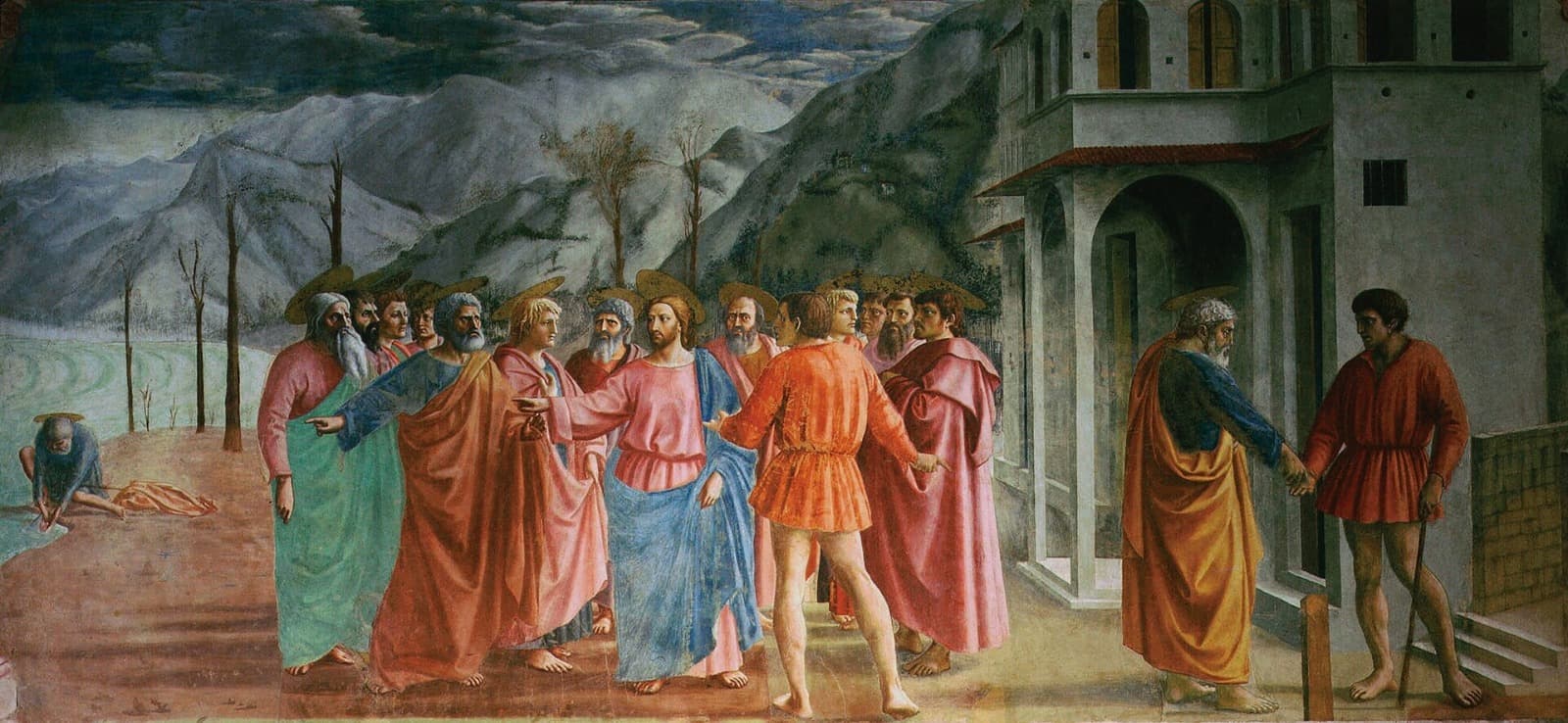
Three moments run in a single frame: the tax demanded, Peter pulling the coin from a fish, and Peter paying up at the right.

Christ's body slides down one long diagonal onto a white shroud. It still stands on the altar in Antwerp Cathedral that Rubens painted it for.
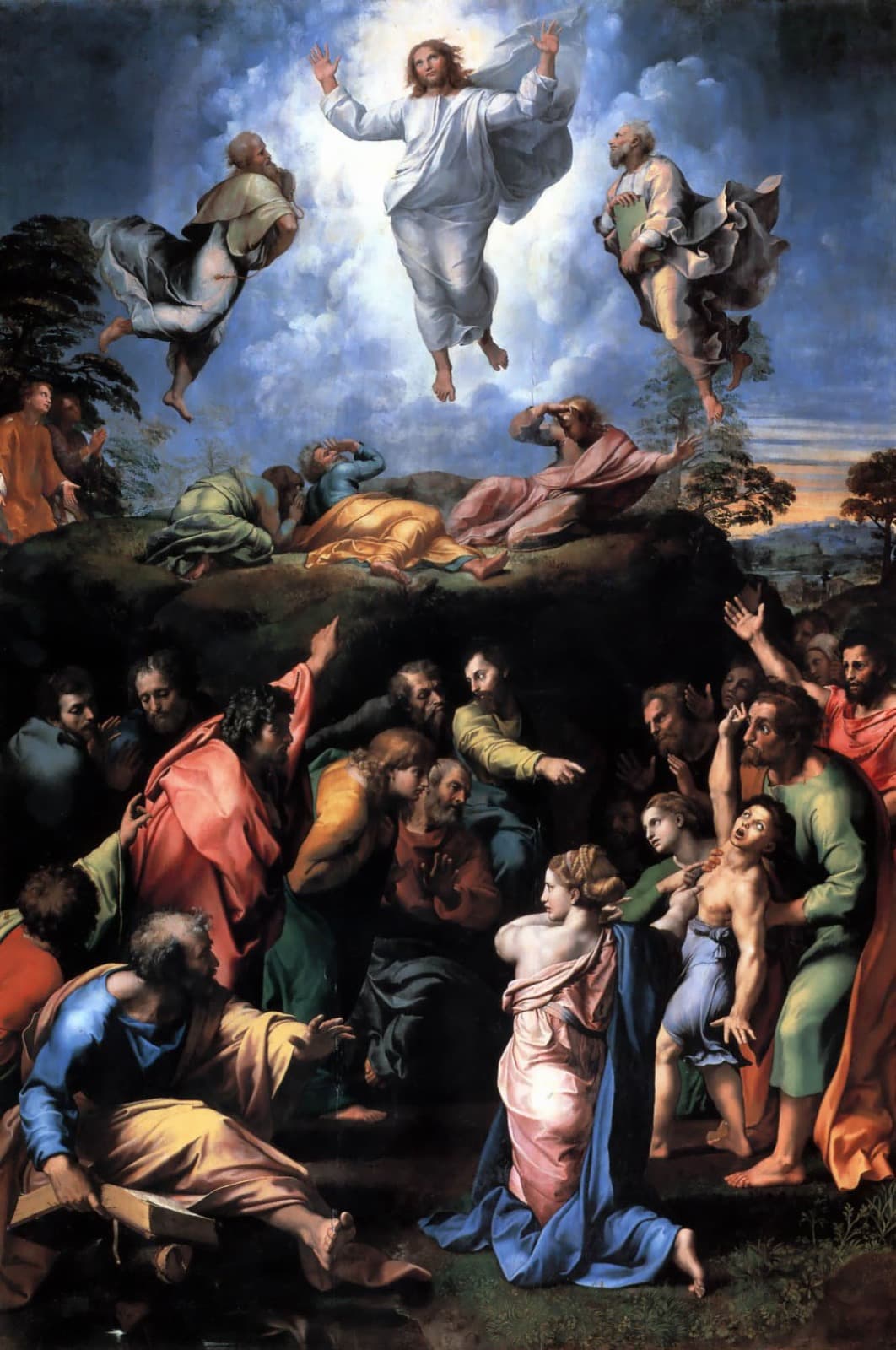
Raphael left it unfinished when he died in 1520, and it was hung above his body while he lay in state.
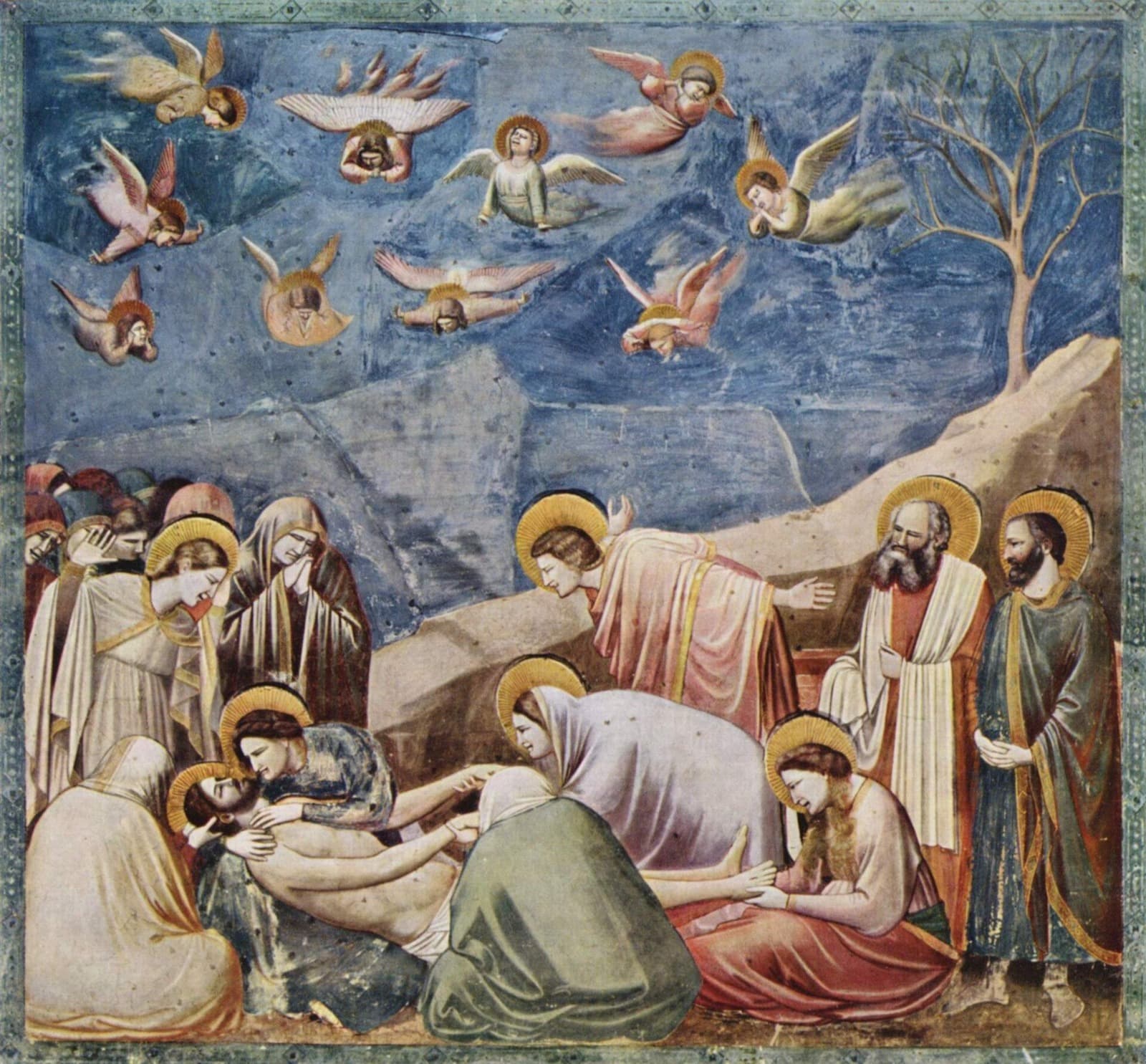
Two mourners sit with their backs turned to pull us in, and the angels overhead double over. Giotto frescoed it in the Arena Chapel at Padua.

A hundred and thirty guests feast while Christ works his first miracle almost unnoticed at the table. Napoleon's troops took it to Paris in 1797.
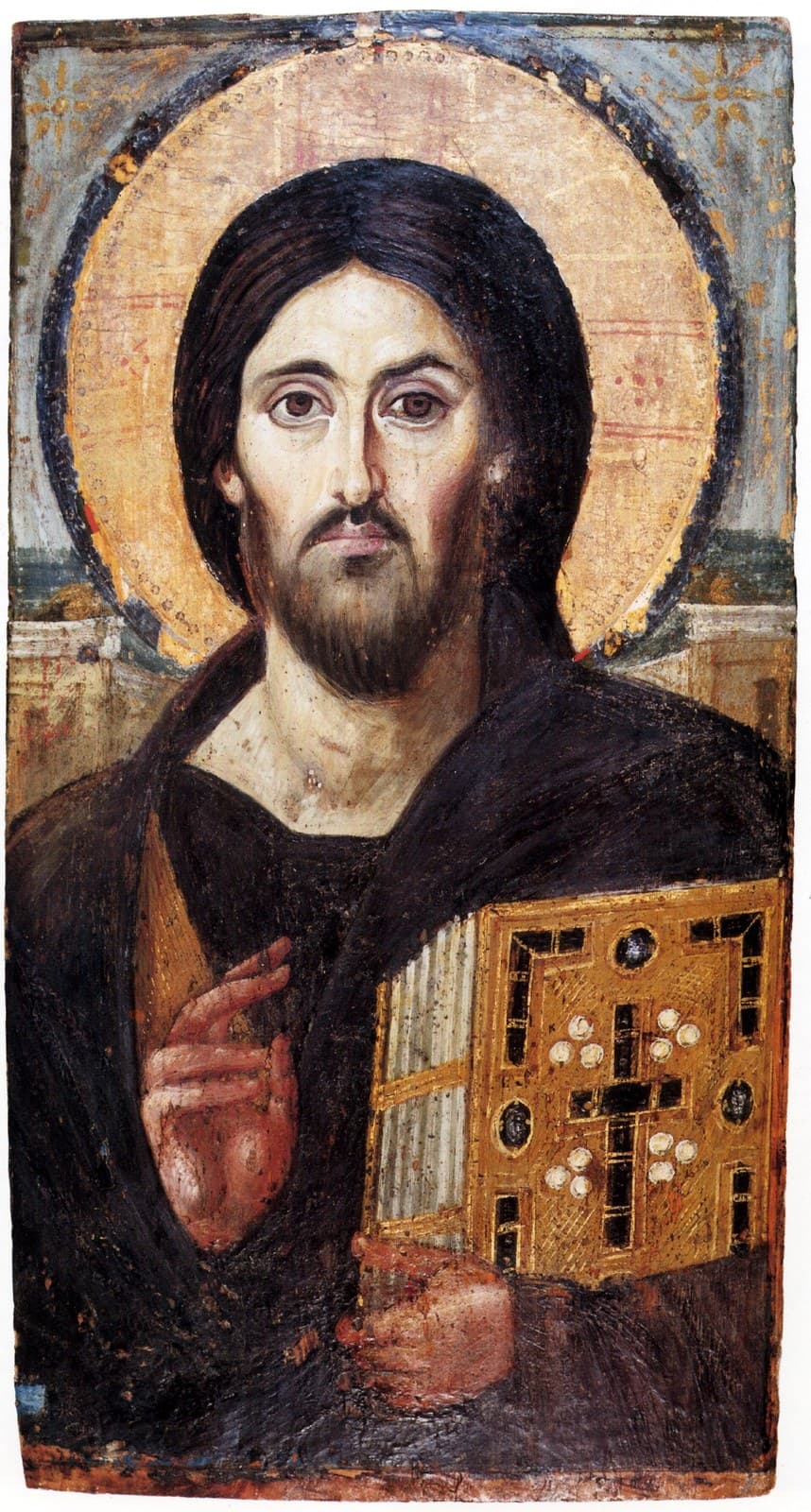
Cover one half of the face, then the other, and two expressions emerge, merciful and severe. Sinai was too remote for the iconoclasts to reach.
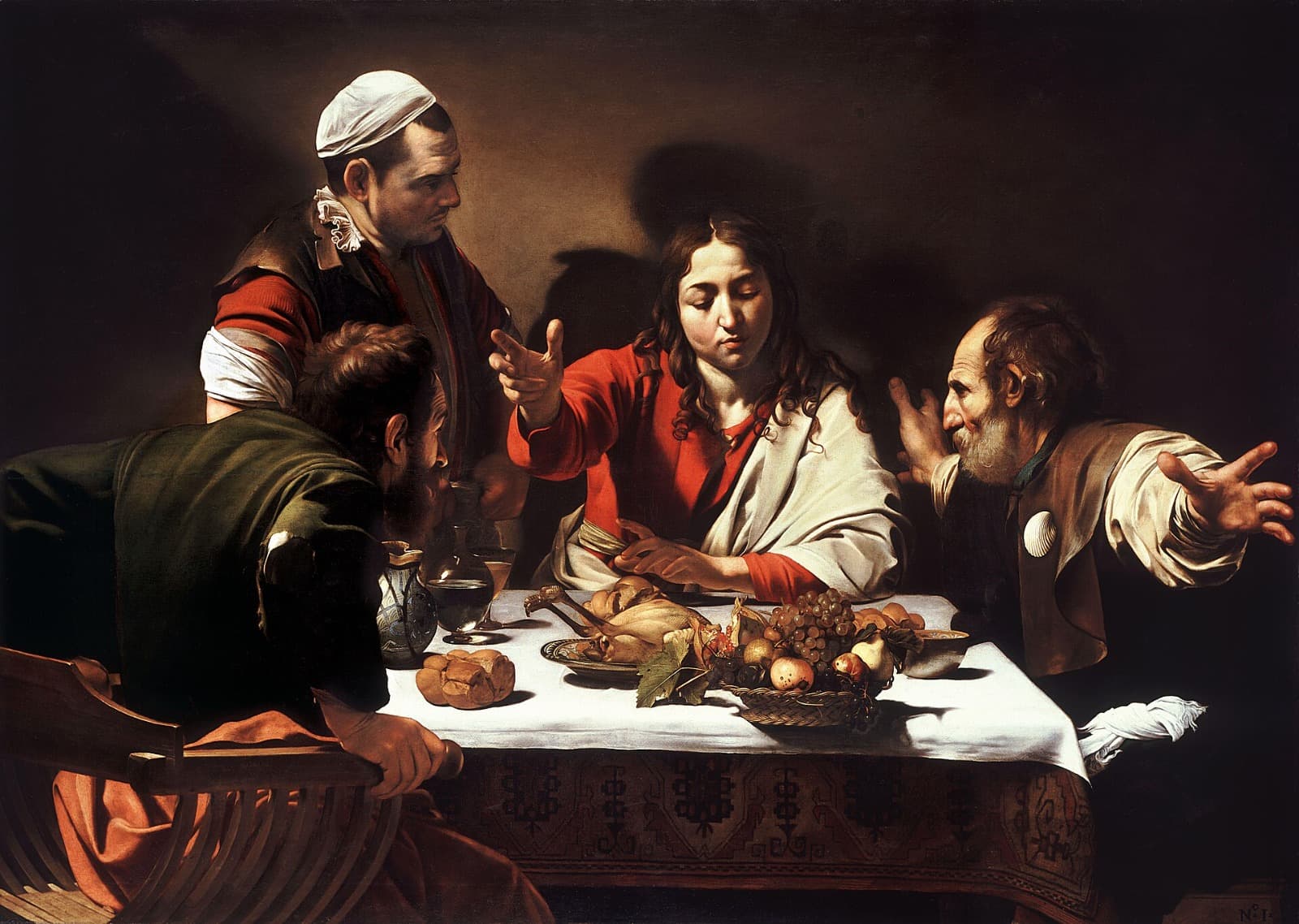
One disciple grips his chair to stand and the other throws his arms wide, while a fruit basket teeters off the edge toward us.

No cross, no ground, no sky, just a spiral of mourners in acid pink and sea-green. Florentine Mannerism starts here.

The corner of the stone slab juts out of the picture so the body looks about to be laid down in the room with you.

Twelve meters of wall where the whole business of execution goes on at once, one thief still being hauled upright at the side.

Thomas pushes his finger into the wound and two apostles lean in to watch, brows knotted, close enough to crowd the frame.

Torches and spears bristle against the sky, and at the still center Judas wraps Christ in his yellow cloak and meets his eye.

The table runs off on a steep diagonal into a smoky hall where servants clear plates and the lamp smoke thickens into angels.

A corpse in a box barely wider than itself, with no hint of resurrection. Dostoevsky saw it in Basel and said it could destroy faith.

Not the betrayal but the blessing of the bread, staged in a Flemish hall on one of the earliest correct vanishing points in the north.
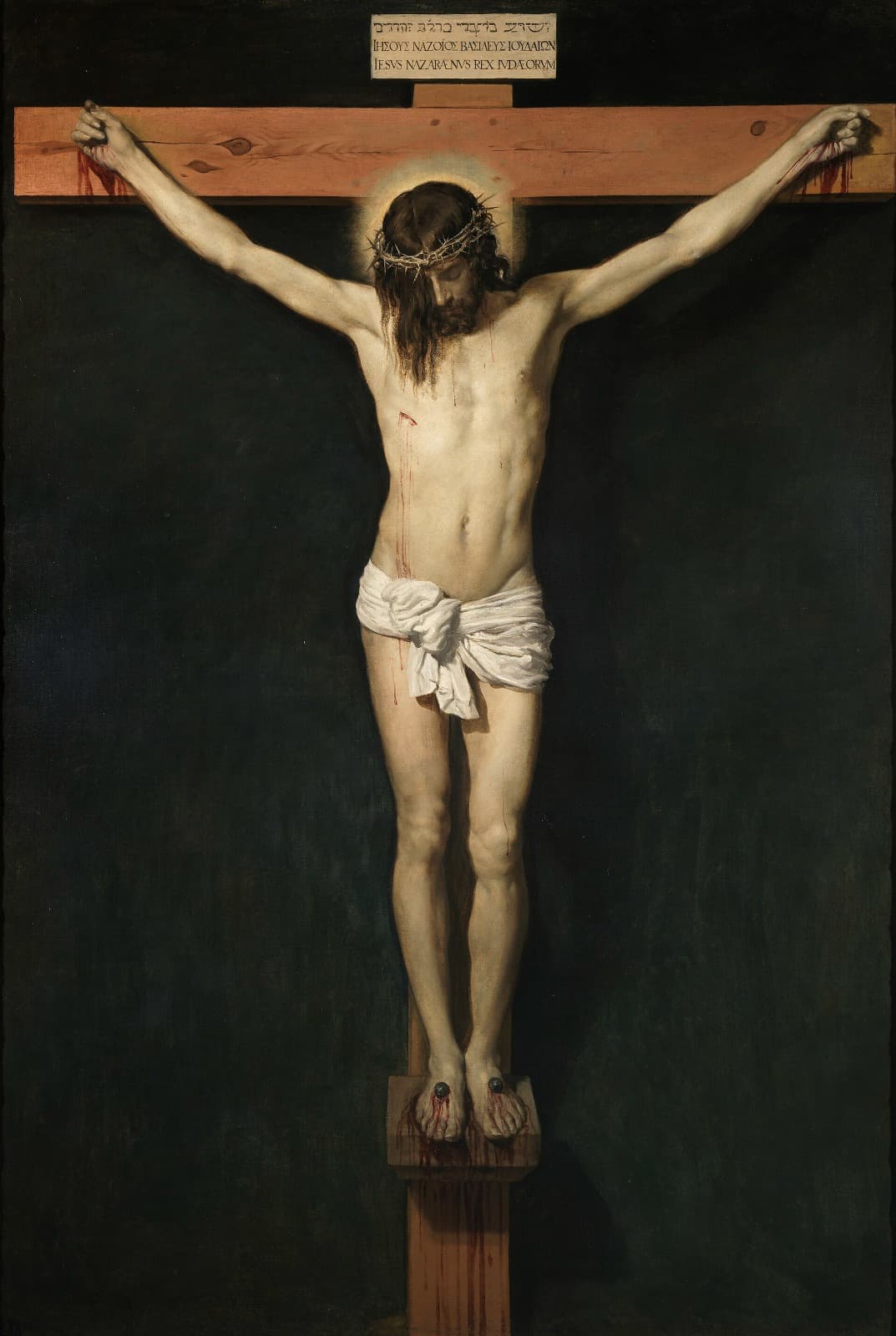
No crowd, no landscape, nothing but the body against black, with the hair fallen forward to half-cover the face. Made for private prayer.
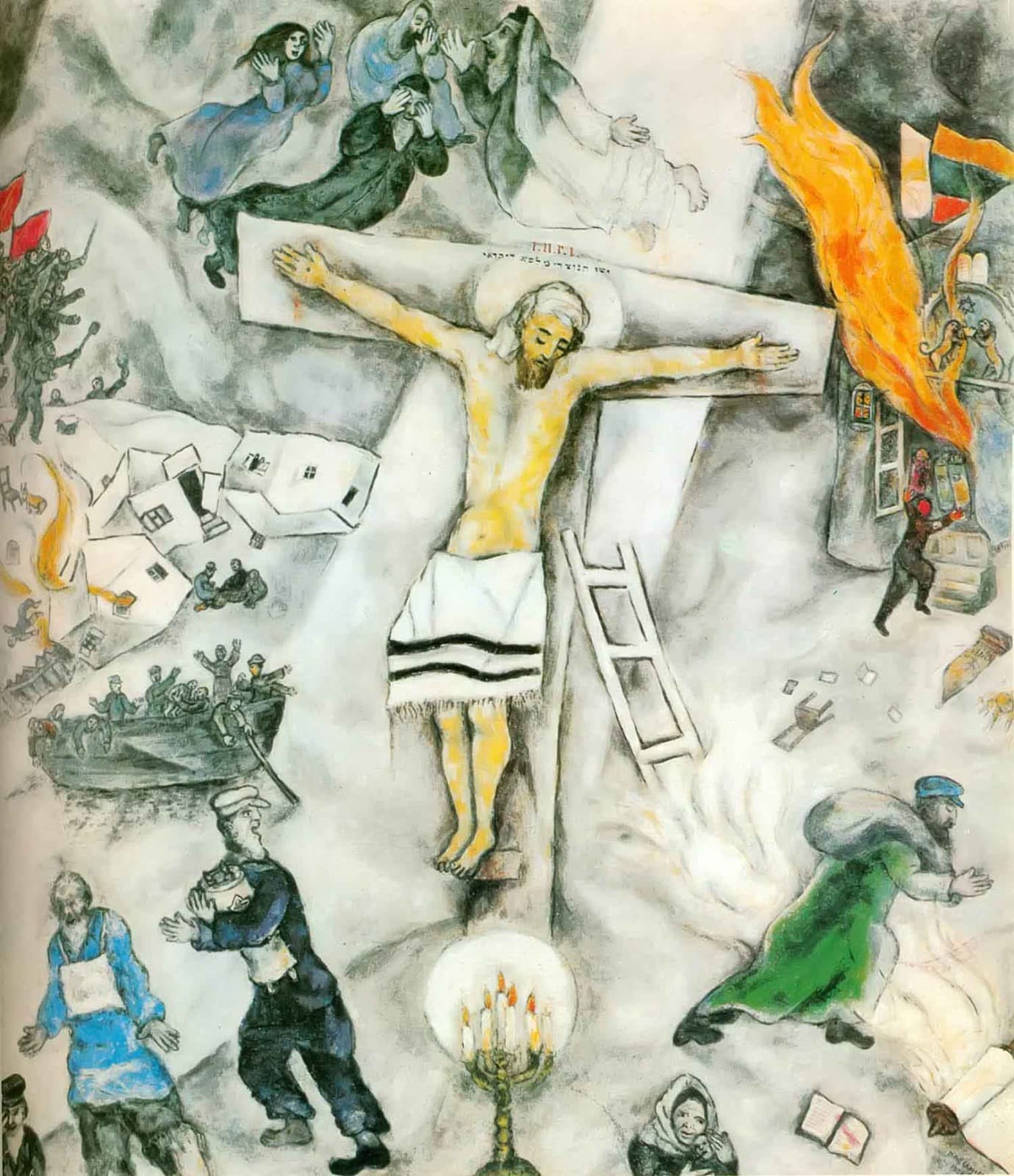
Christ wears a Jewish prayer shawl while a synagogue burns and refugees flee by boat. Chagall painted it in 1938, watching what was coming.

Rubens had just come back from Italy with Caravaggio's light and Michelangelo's anatomy, and announced himself with this straining diagonal.
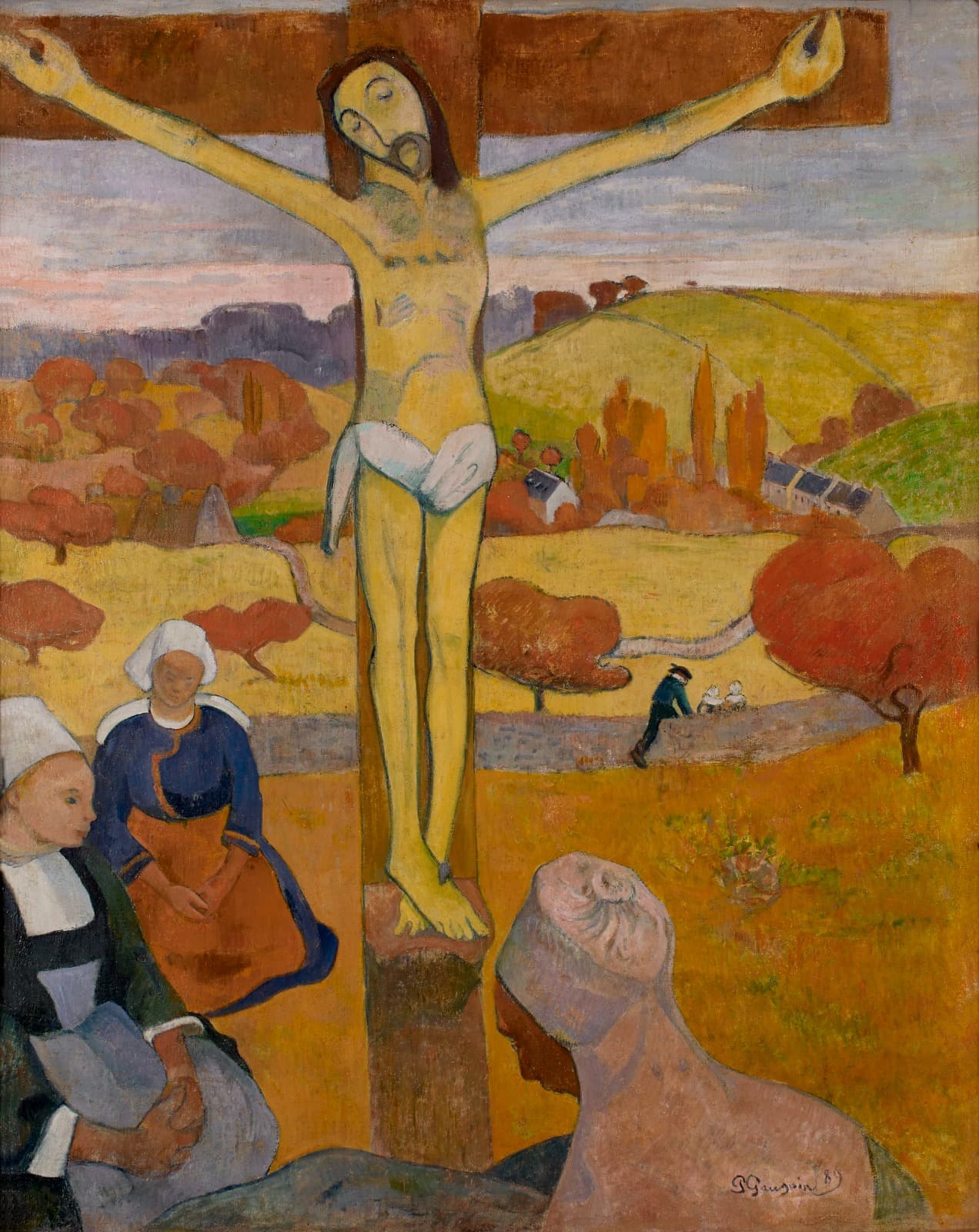
Three Breton women in white caps kneel at a wooden cross in an autumn field, everything flattened into blocks of color like stained glass.

All seven sacraments happen at once inside one Gothic church, with the Crucifixion looming over the nave to show where they get their power.

Lazarus heaves upright still wrapped in his shroud while the crowd recoils from the smell. Michelangelo supplied drawings to help beat Raphael.

Michelangelo carved it for his own tomb, gave Nicodemus his own face, then took a hammer to it and broke off Christ's leg.
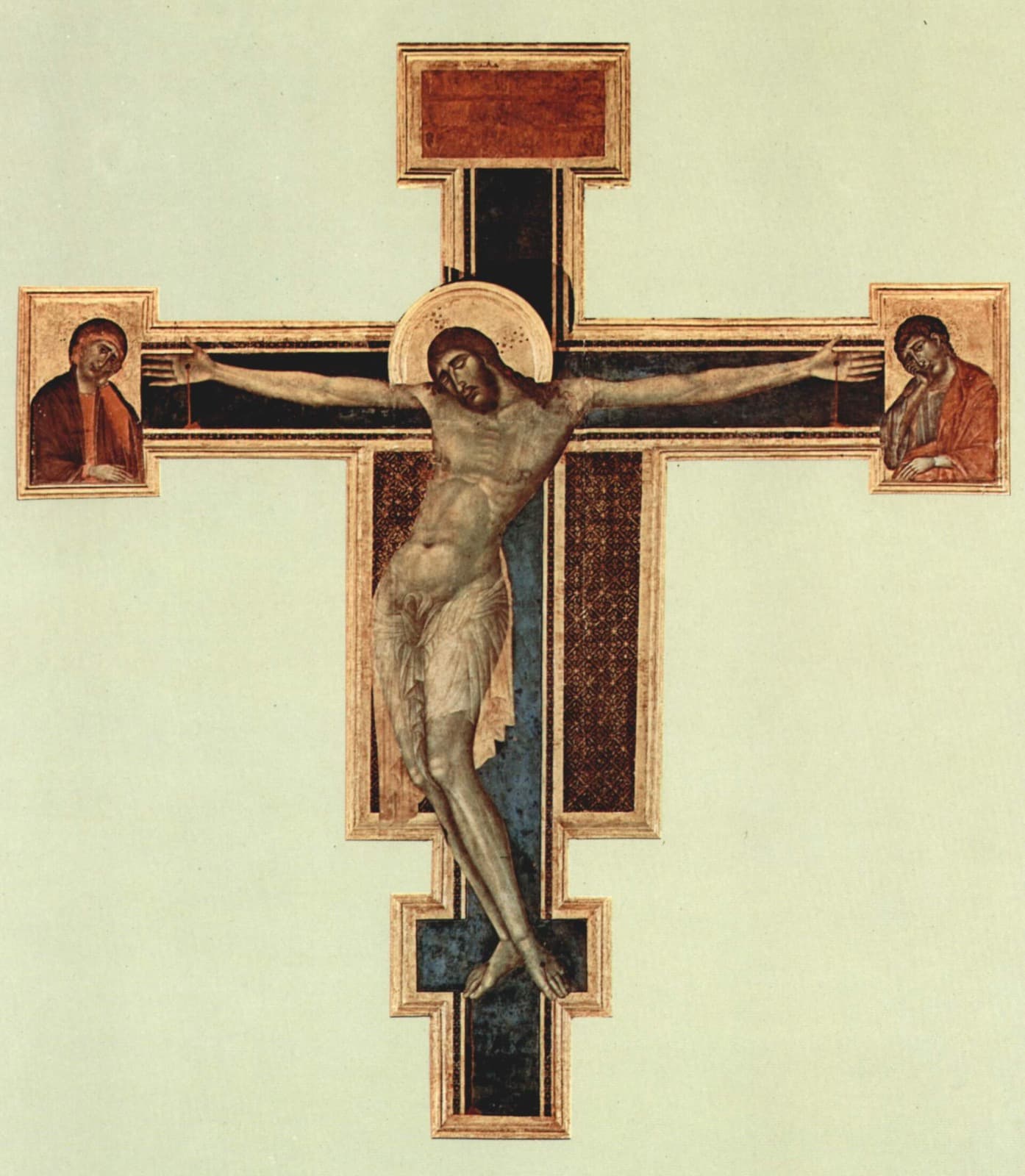
The Arno flood of 1966 stripped most of the paint off it, and the ruined cross became the emblem of the whole disaster.

Mantegna carved the rock like an engraver while Judas already leads the soldiers down the road. His brother-in-law Bellini painted the same scene, softer.

A crush of leering faces fills every inch, and Christ moves through the middle of it with his eyes shut.
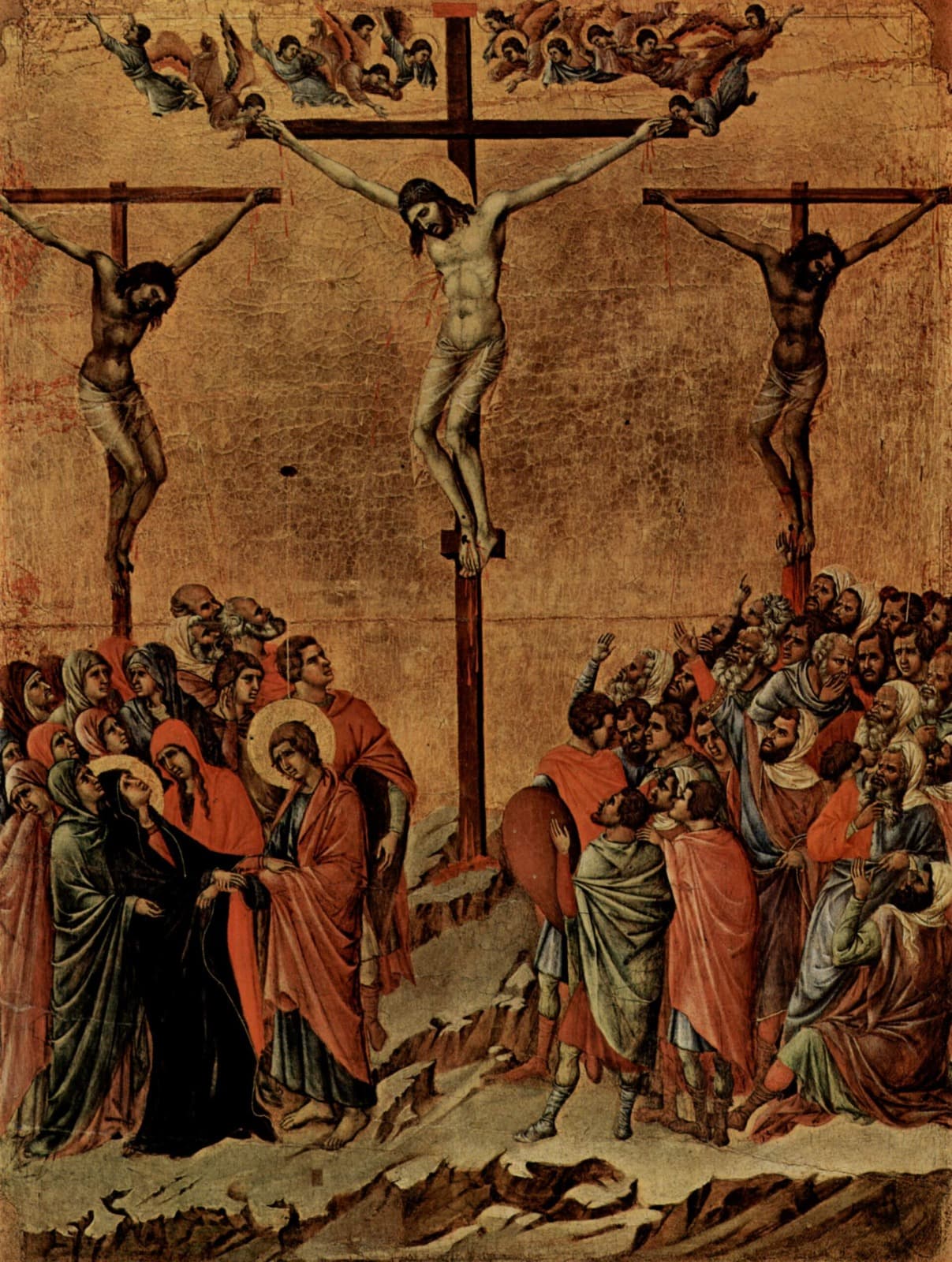
This is the largest scene on the back of the Maesta, the Virgin fainting on one side and the crowd arguing on the other.

Golden rays come off a winged crucified figure in the sky and strike Francis in the hands, feet and side. Giotto signed this one.

Christ crowns his mother at the top of a flight of steps that recede convincingly into depth, which is the new thing here.
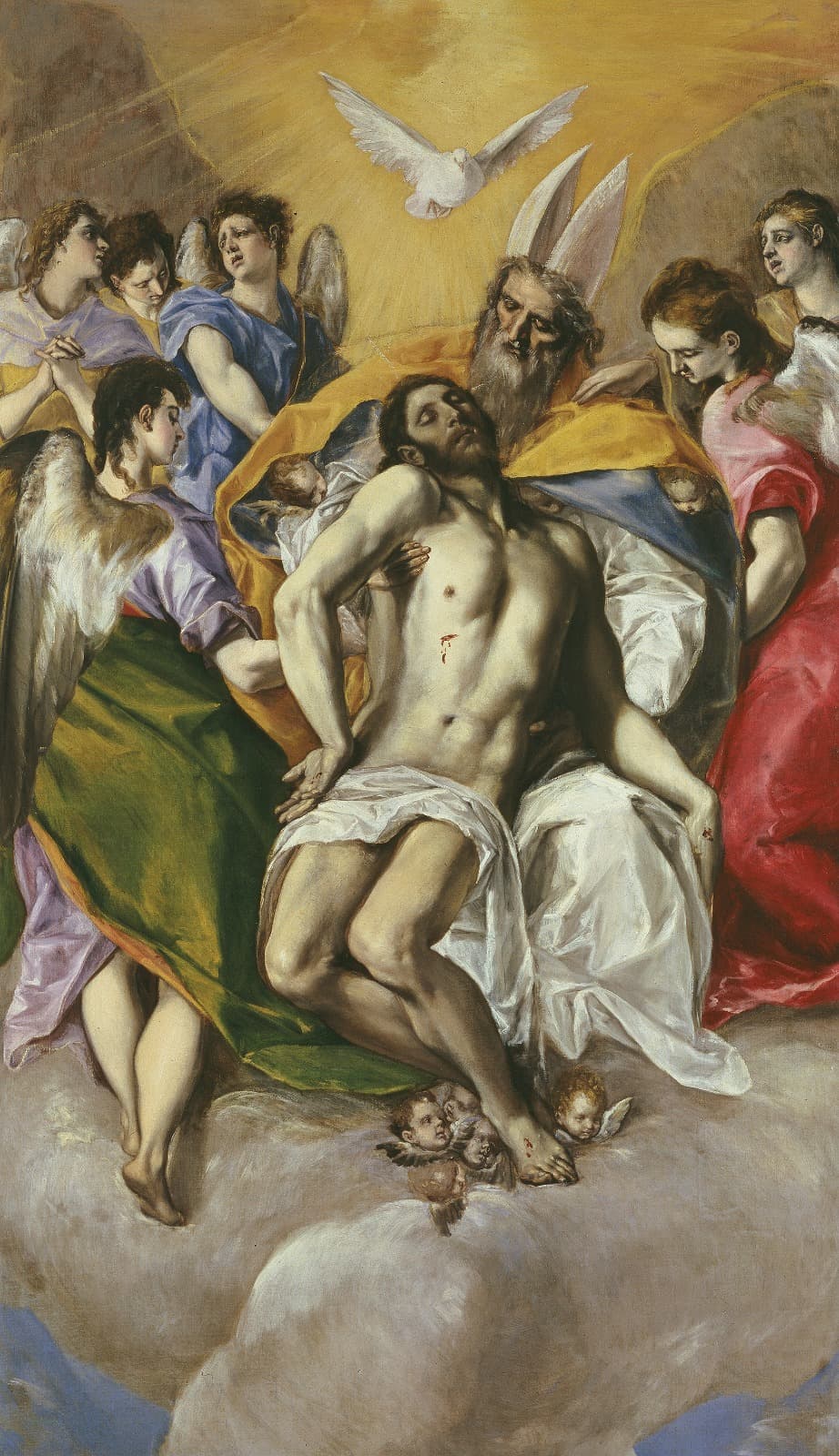
God the Father holds his dead son across his knees, the body marble-pale against blue and acid yellow. El Greco's first Spanish commission.

The room is a twelve-sided glass chamber and a torso hovers over the table. Dalí called this sort of thing nuclear mysticism.
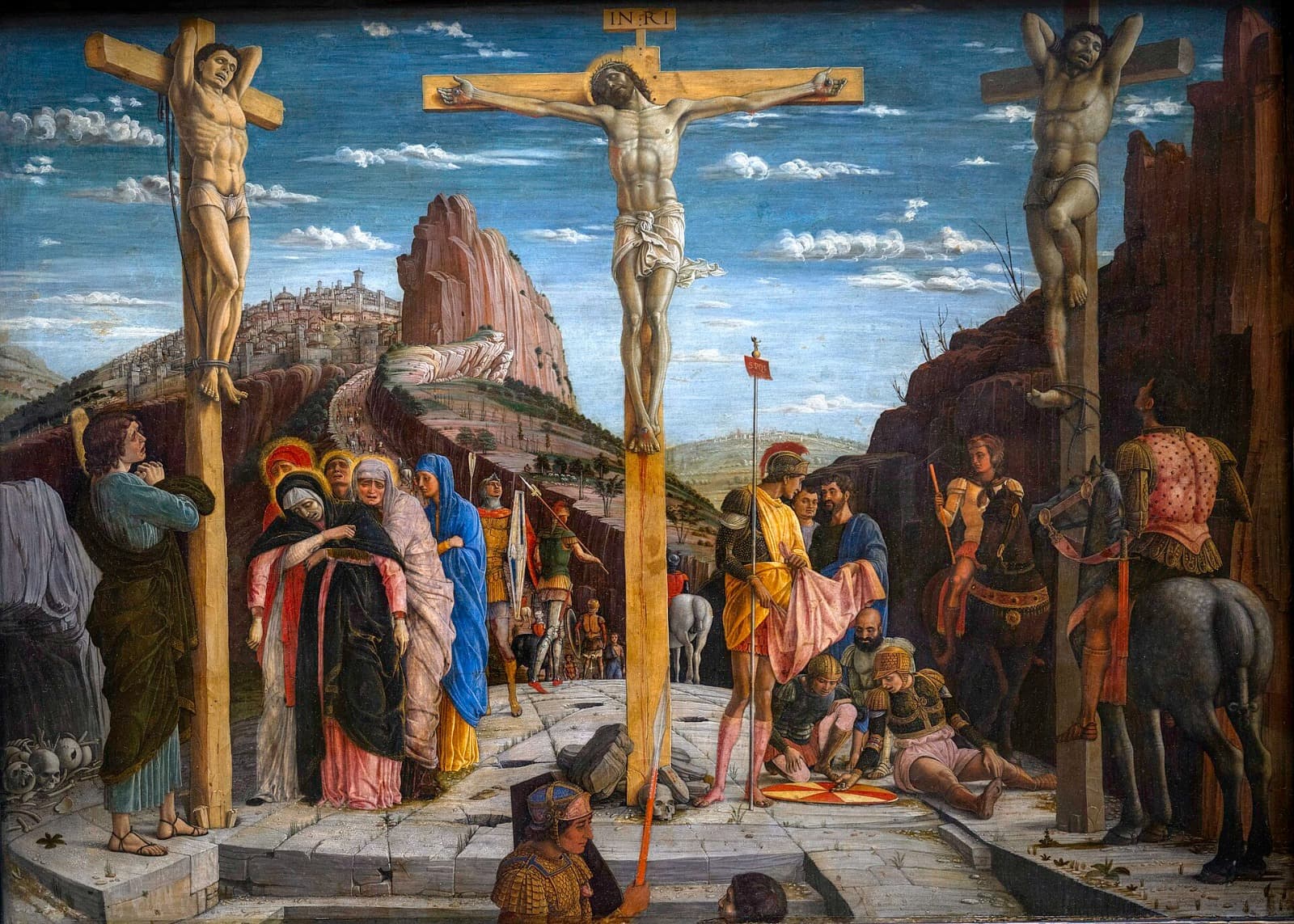
Soldiers throw dice for Christ's robe on a paved Golgotha. This panel was sawn off an altarpiece by Napoleon's looters and never returned.
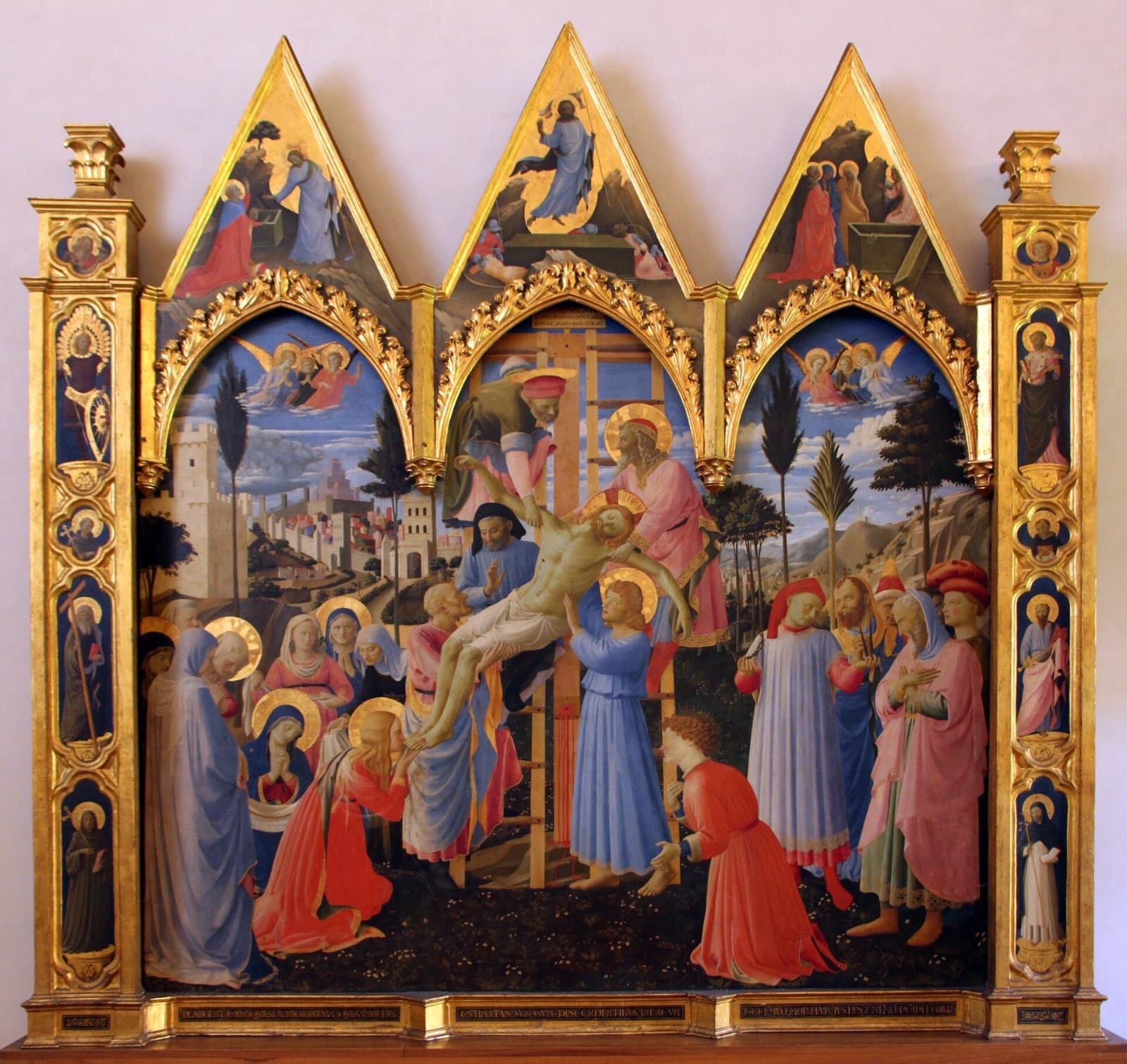
Fra Angelico inherited a Gothic frame begun years earlier and filled it with deep sunlit space instead of gold, which is the whole story.

The sleeping apostles are sealed inside a bubble of rock while soldiers wind toward Christ in the distance, all lit by cold moonlight.

Christ turns back toward his mother as she swoons, and legend has it the painting was nearly lost in a shipwreck on its way to Palermo.