
The Garden of Earthly Delights
1505 · El Prado, Madrid
Three panels run from Eden to hell, with a whole naked humanity climbing into giant fruit in between. Nobody has settled what it means.
★ 10.0
 skopia
Three panels run from Eden to hell, with a whole naked humanity climbing into giant fruit in between. Nobody has settled what it means.
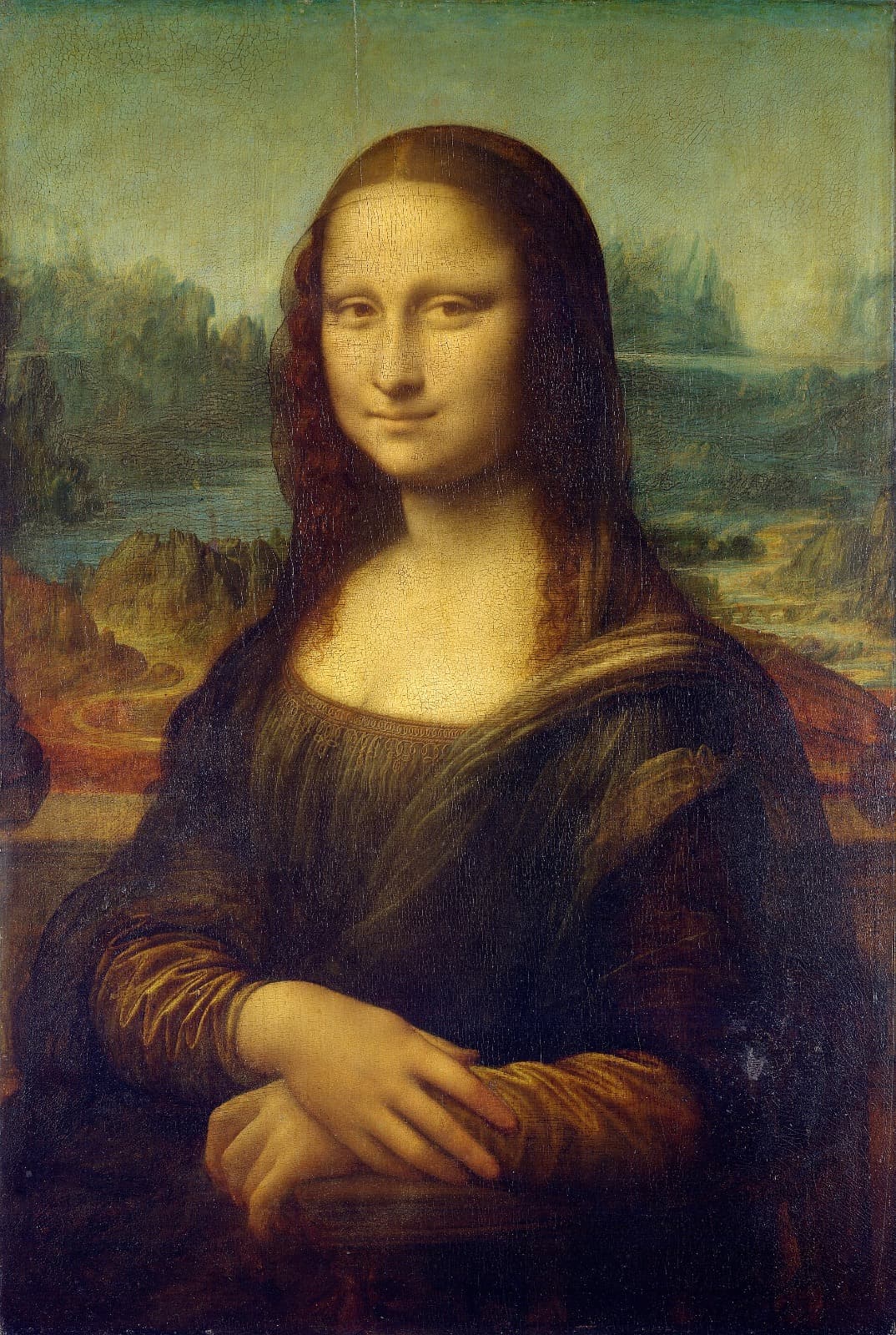
She was probably Lisa Gherardini, a merchant's wife, and Leonardo kept reworking her for years and never handed the portrait over.
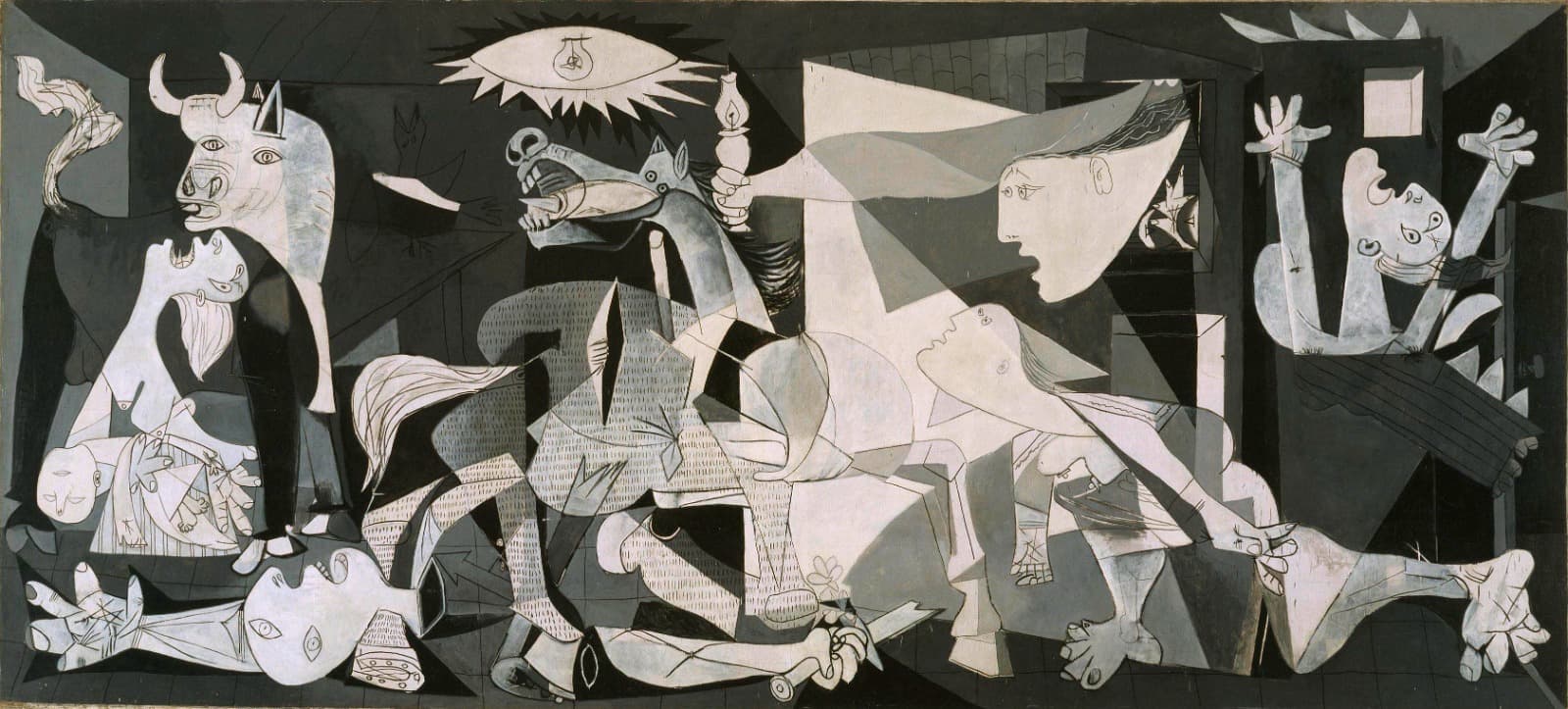
A screaming horse, a mother with her dead child, all in grey. Picasso painted it in weeks after German bombers leveled a Basque town.
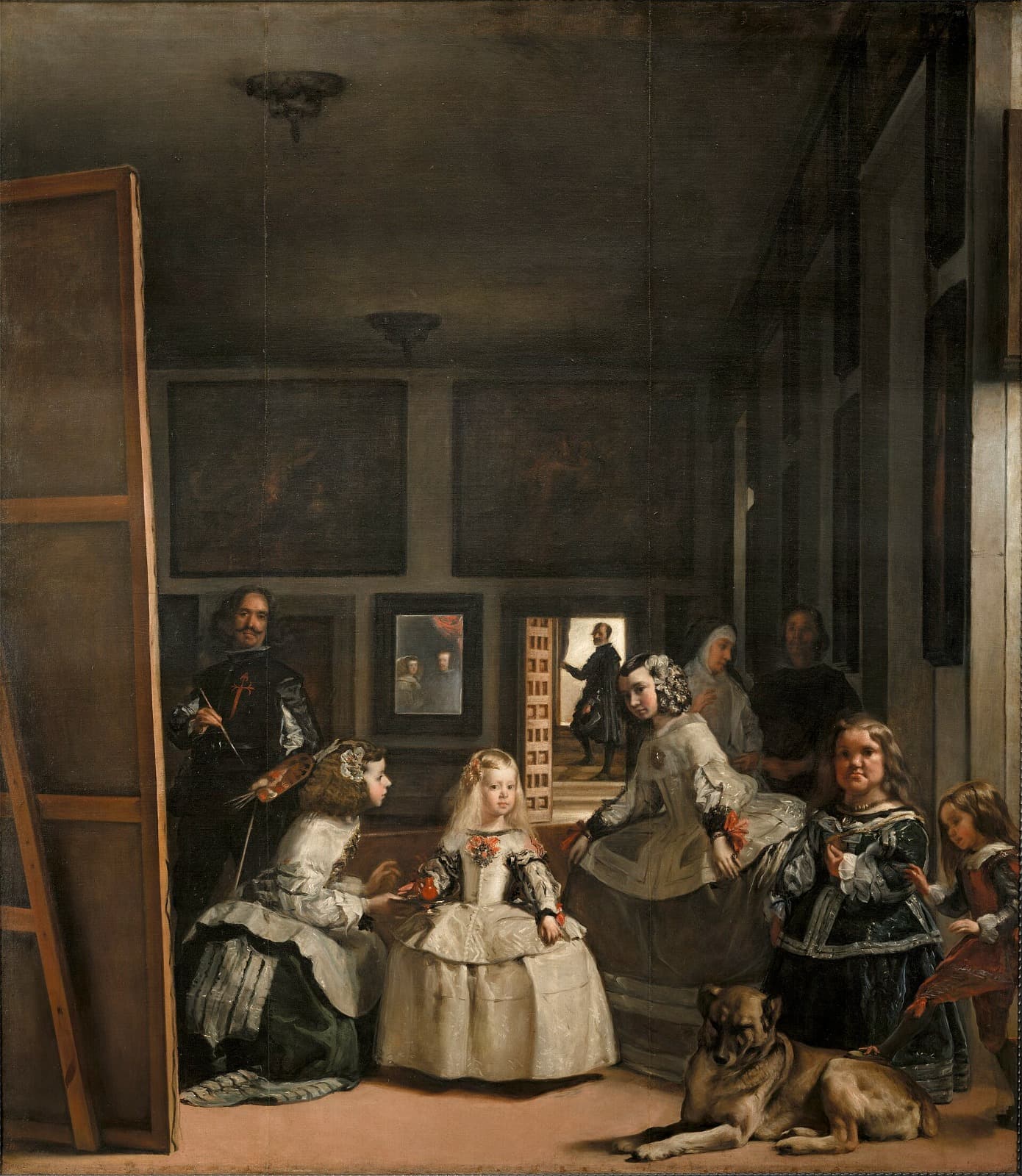
The Infanta and her maids fill the room, but Velázquez has put himself at his easel and the king and queen in a mirror behind.

Saints and pilgrims stream toward a bleeding Lamb across a dozen hinged panels. One of them was stolen in 1934 and has never been found.
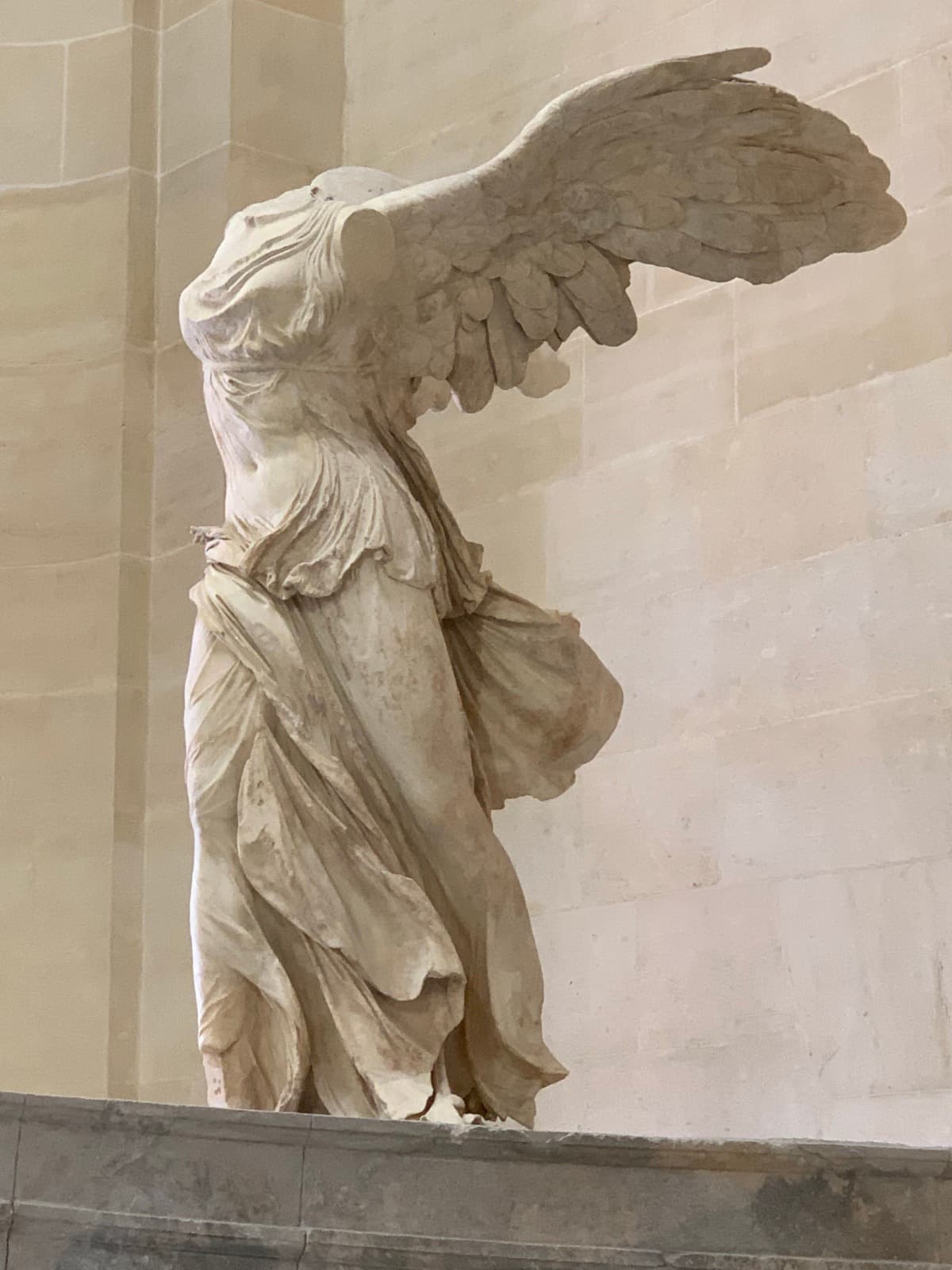
Nike lands on a warship's prow, wings still open, sea wind pressing the marble drapery flat against her striding body.

Monet painted these eight murals of his pond for two oval rooms in Paris while his eyesight failed. They opened months after he died.

The goddesses of the east pediment wear drapery so wet it clings. Elgin took the marbles to London in 1801 and Greece wants them back.
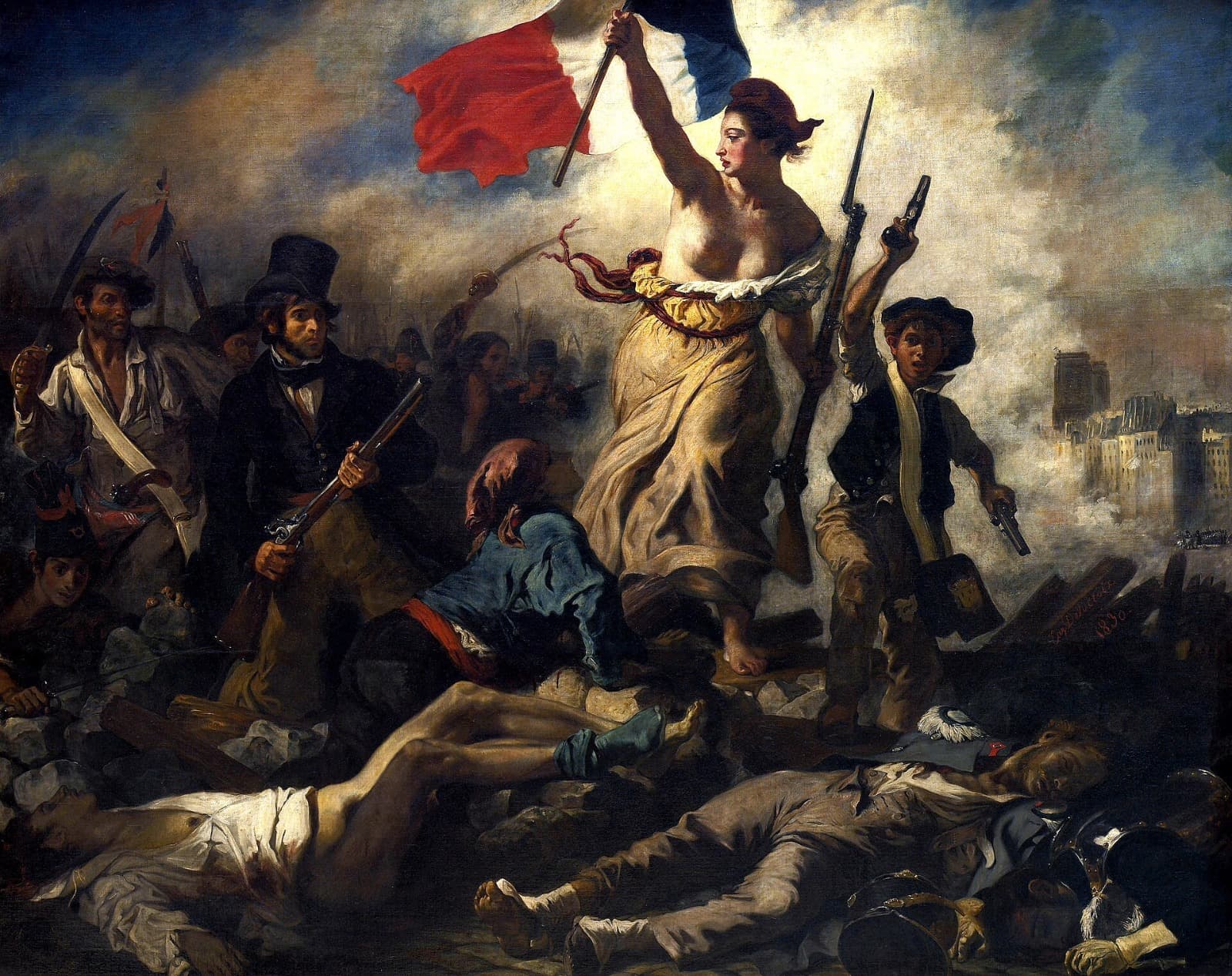
Liberty carries the tricolor over the barricade with a boy waving pistols beside her, painted within months of the revolution it shows.

A lantern lights a man in a white shirt throwing his arms wide before the firing squad. Goya painted it six years later.

Christ's body hangs green and pocked with sores, painted for a hospital whose patients saw their own ravaged flesh.
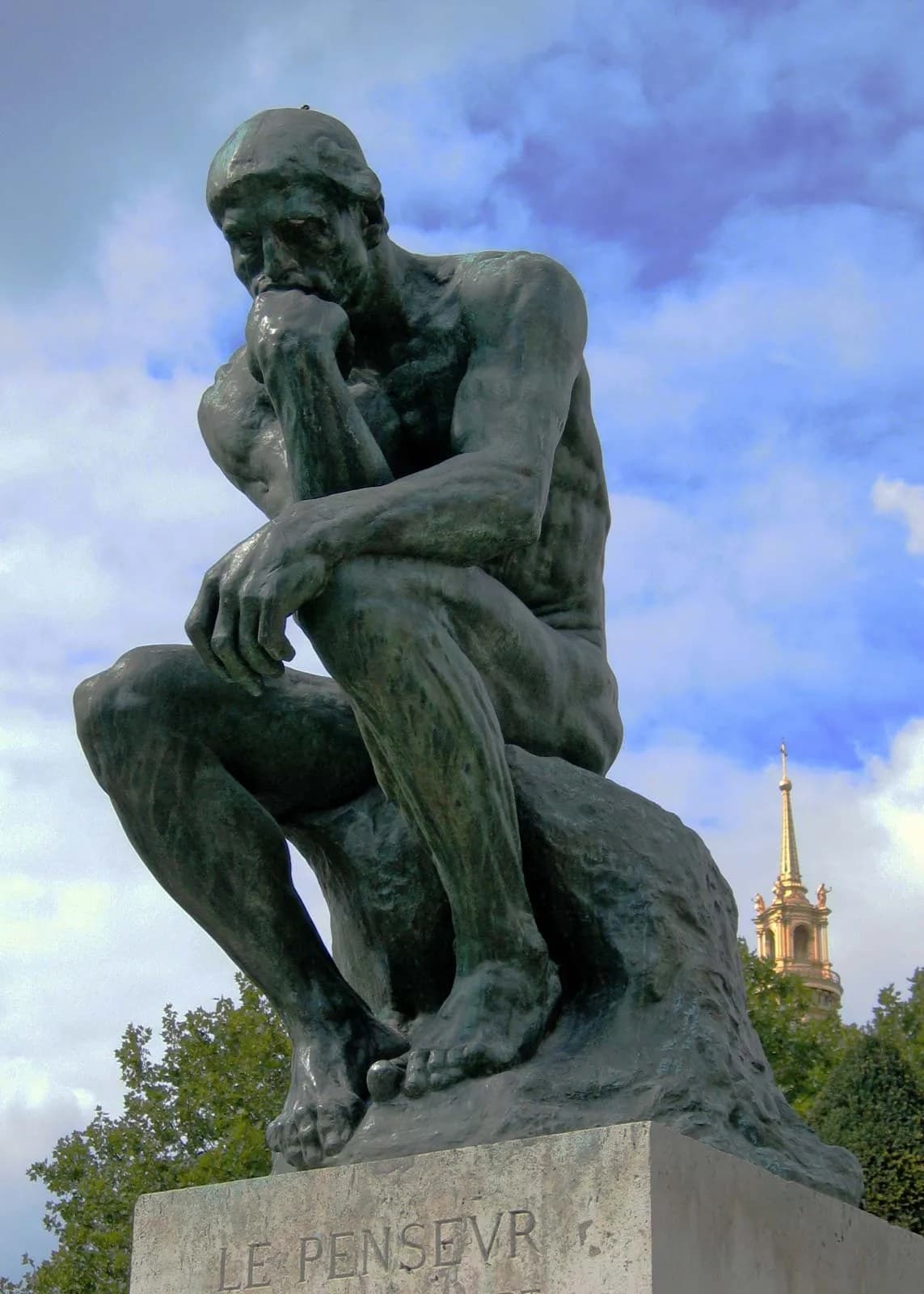
Rodin first made this figure as Dante brooding over the Gates of Hell, then enlarged him and set him thinking alone on a rock.
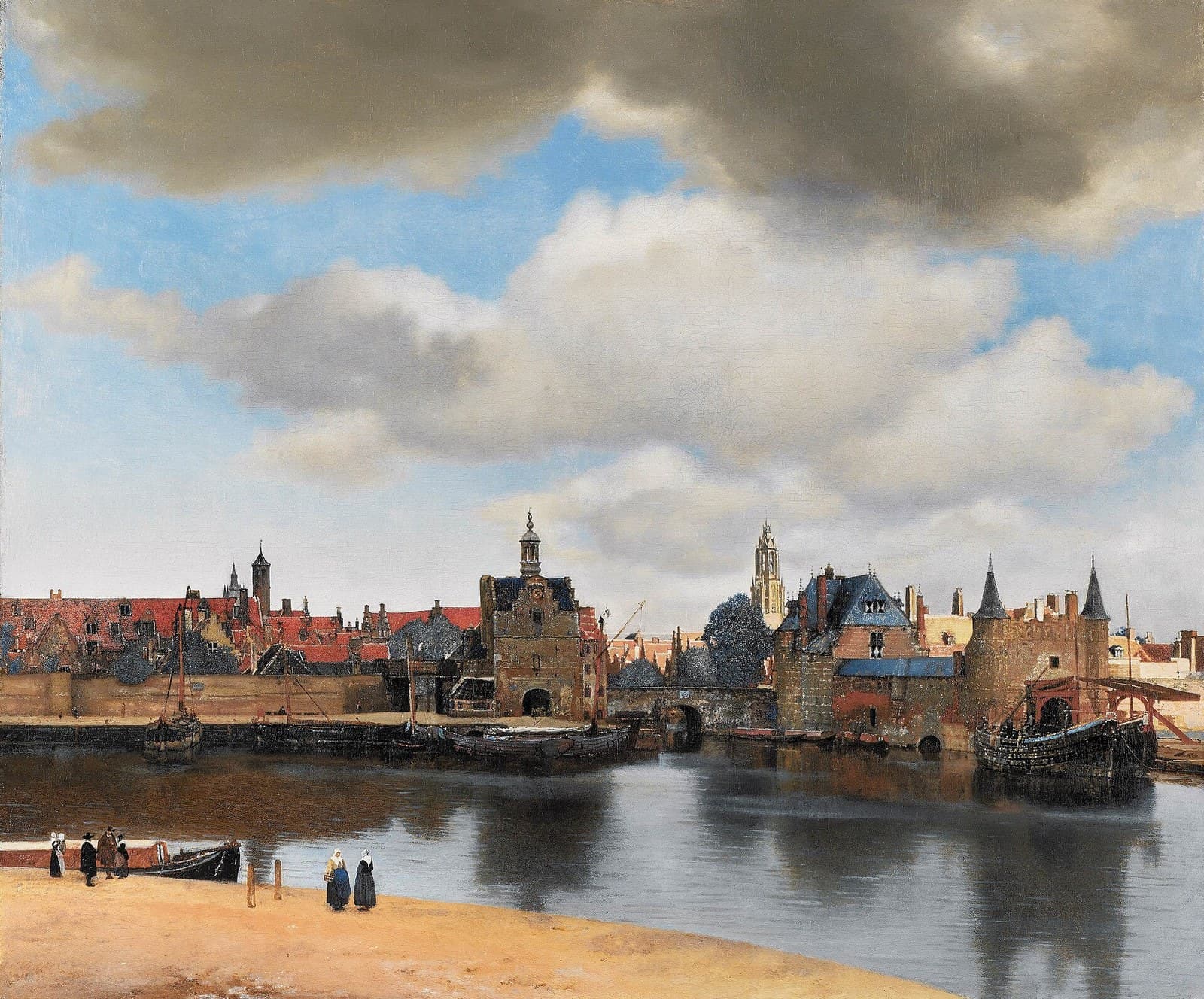
Vermeer painted his own city from across the harbor, almost his only townscape. Proust called it the most beautiful painting in the world.

A militia company surges out of the shadow with a dog barking and a girl glowing among the men. Varnish, not night, made it dark.
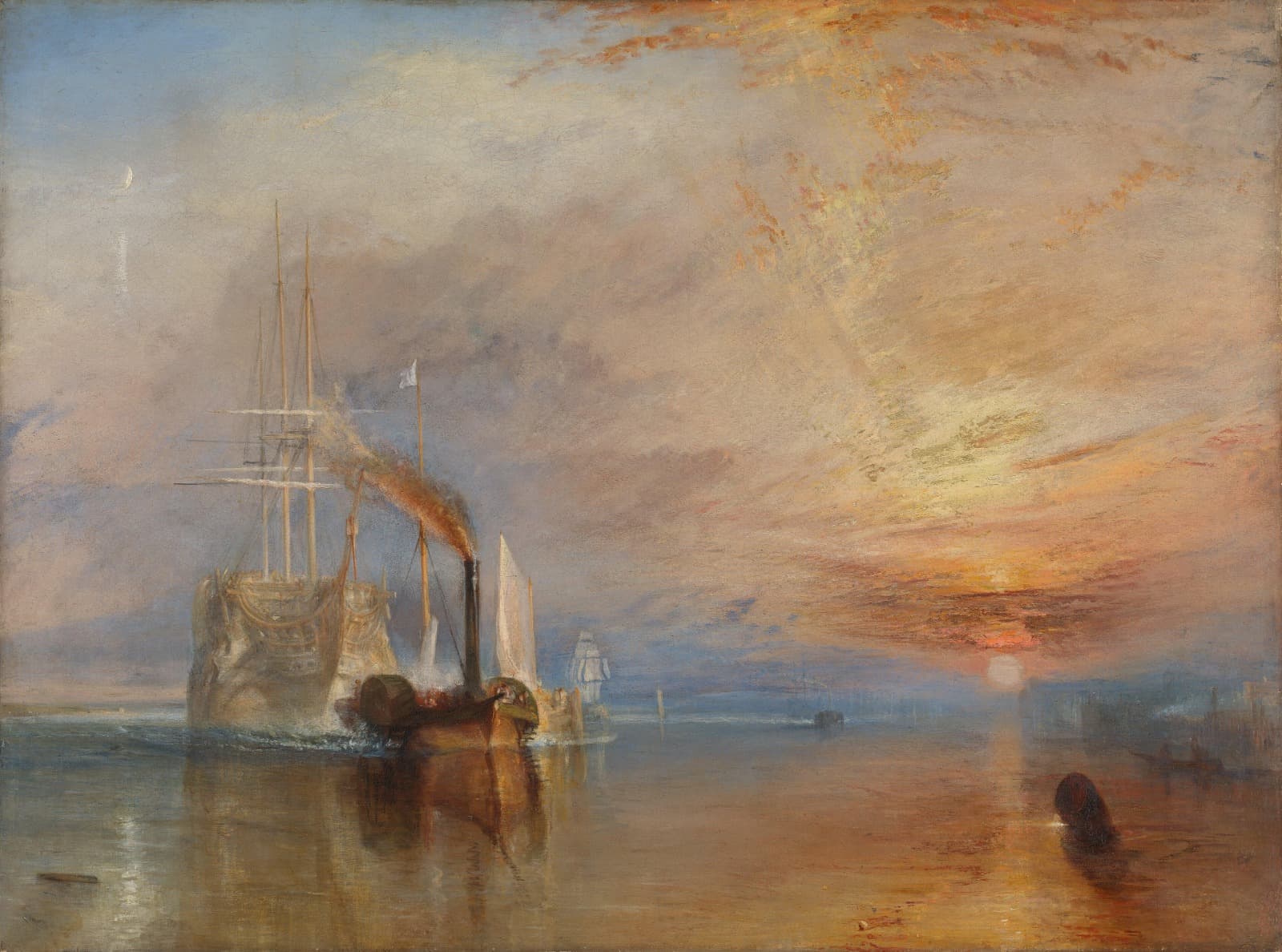
A steam tug hauls a Trafalgar warship off to be broken up. Turner refused to sell the picture and left it to the nation.
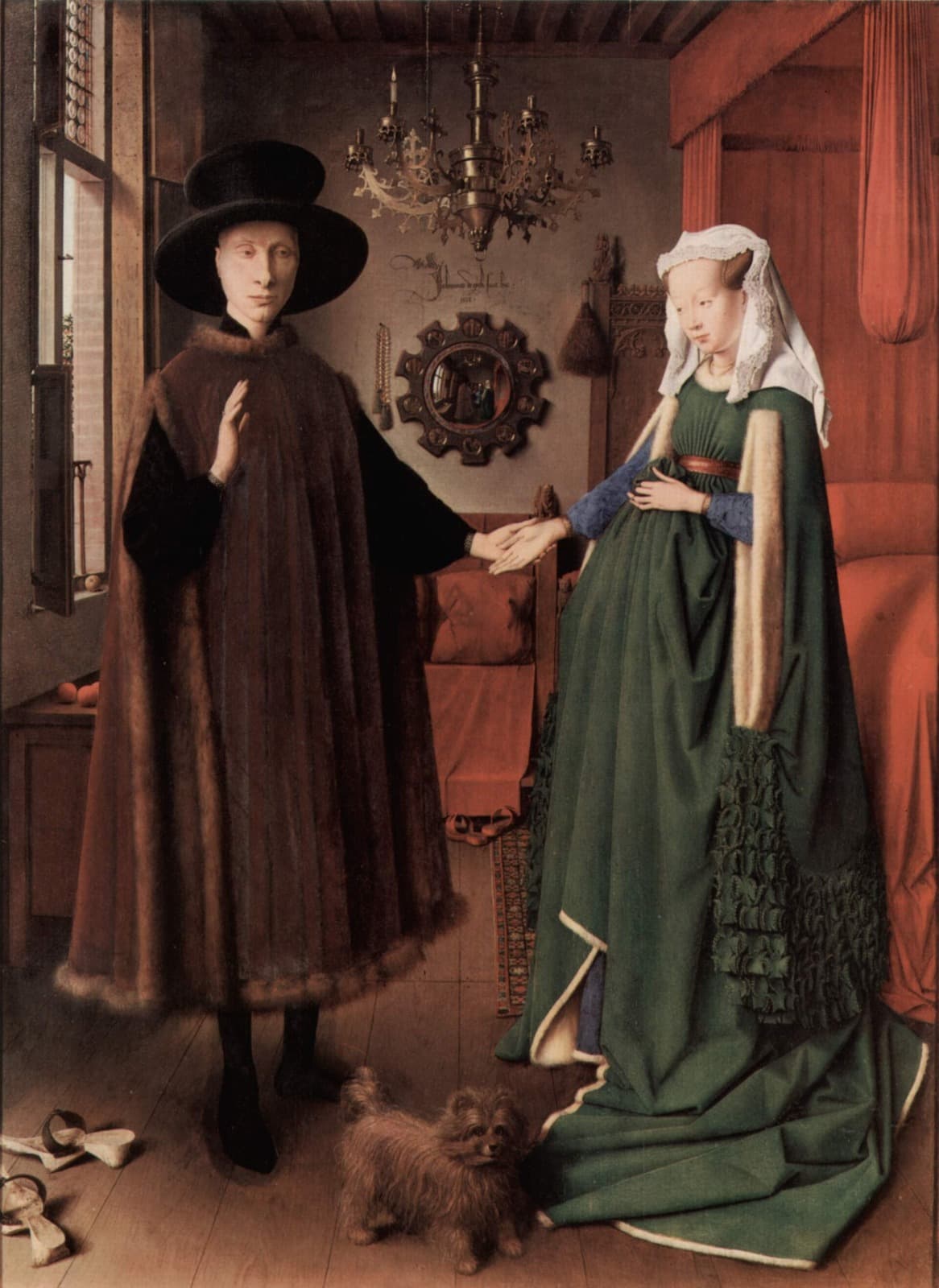
A couple joins hands in a Bruges bedroom, and the mirror behind them catches two visitors at the door. Van Eyck signed the wall above it.

Manet worked from a real barmaid named Suzon and put her reflection in the wrong place, which people have been arguing about ever since.

The fainting Virgin curves in an exact echo of her dead son, the stroke that made van der Weyden the most copied painter in the north.

David was Marat's friend and political ally, and he laid the murdered man out in his bath with the gravity of a religious lamentation.

Survivors of a real shipwreck pile toward a speck of sail on the horizon. Géricault studied corpses and asylum patients before he began.
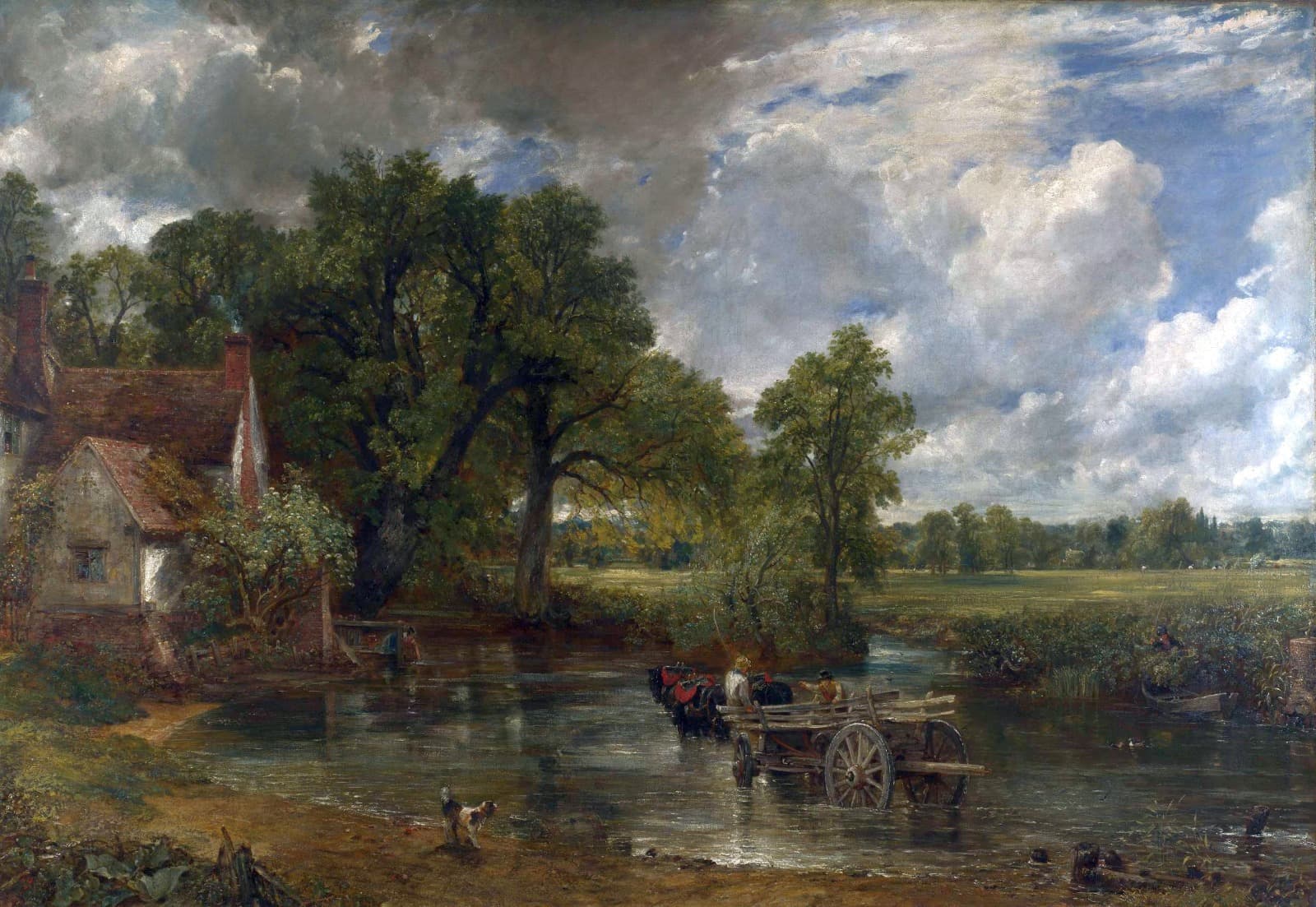
England ignored it, but the Paris Salon awarded it a gold medal in 1824 and sent Delacroix back to rework his own canvases.
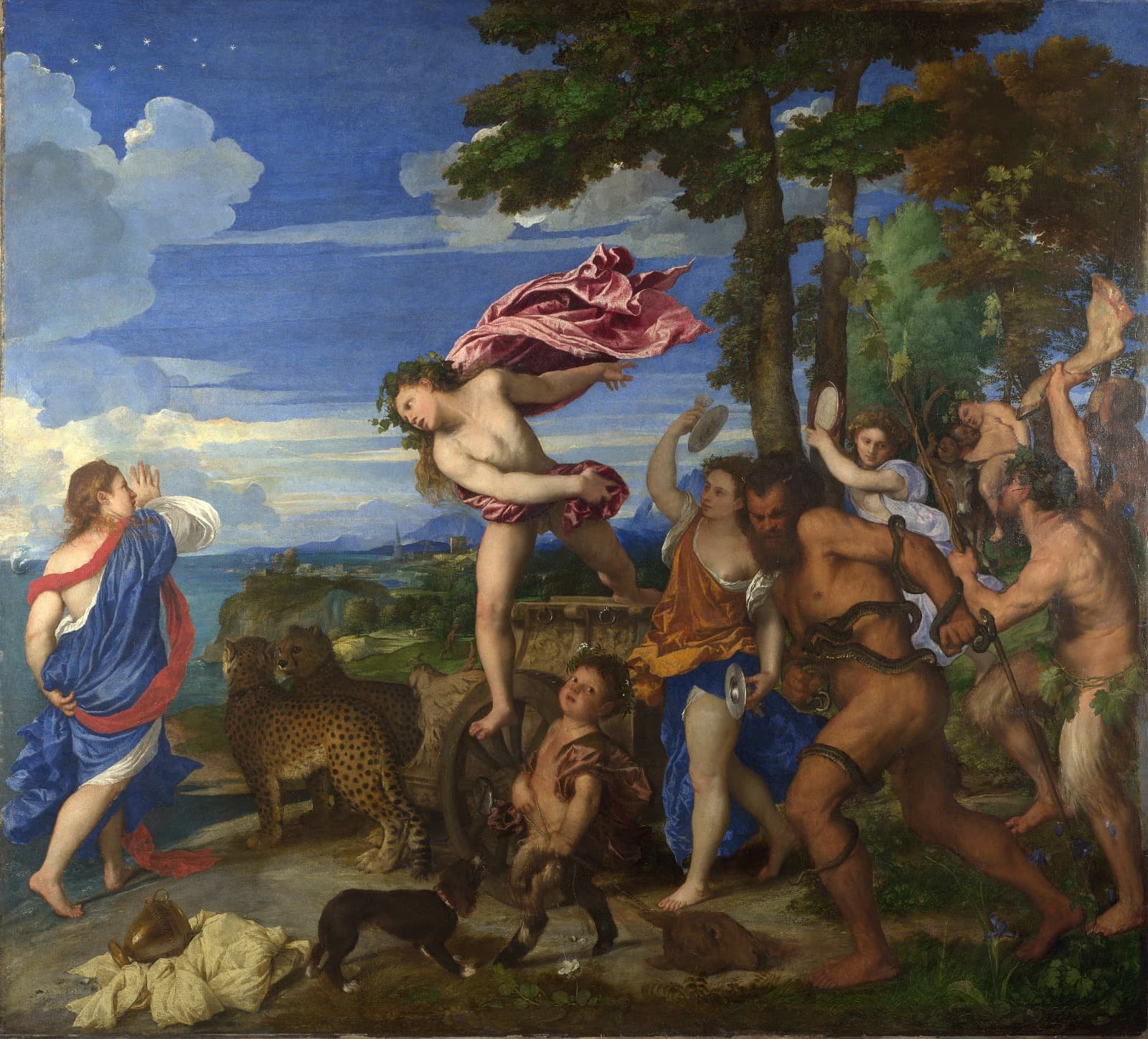
Bacchus leaps from his chariot toward Ariadne while Theseus's ship slips off the horizon, painted for a duke's private chamber in Ferrara.
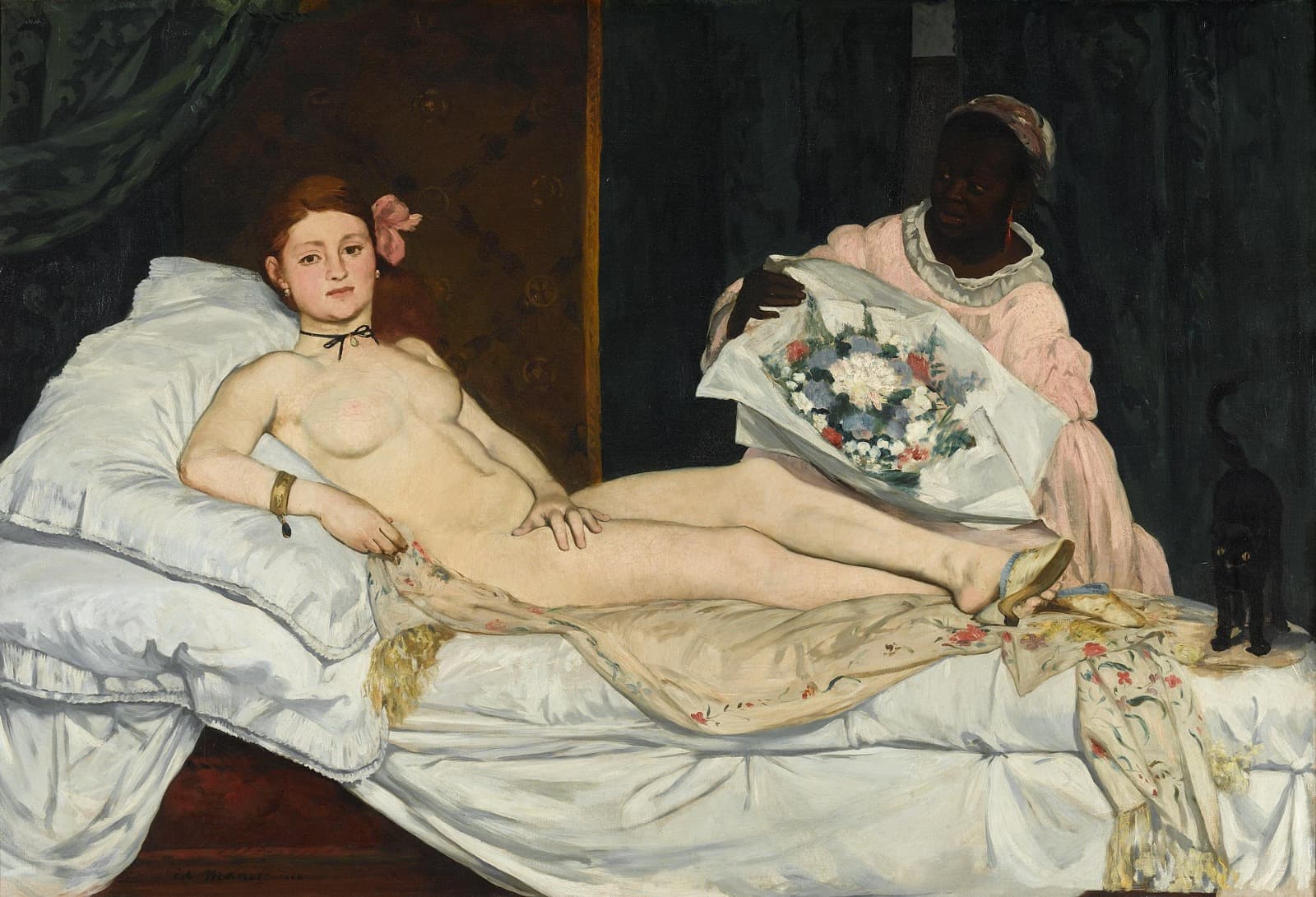
Manet took the pose from Titian's Venus of Urbino and gave it to a prostitute who looks straight back. The 1865 Salon was scandalized.

A naked woman picnics with two clothed men and looks calmly out at us. The Salon refused it, so it hung with the rejects.

A court lady steps between a lunging bear and the emperor. What survives is a later copy, crowded with the seals of everyone who owned it.
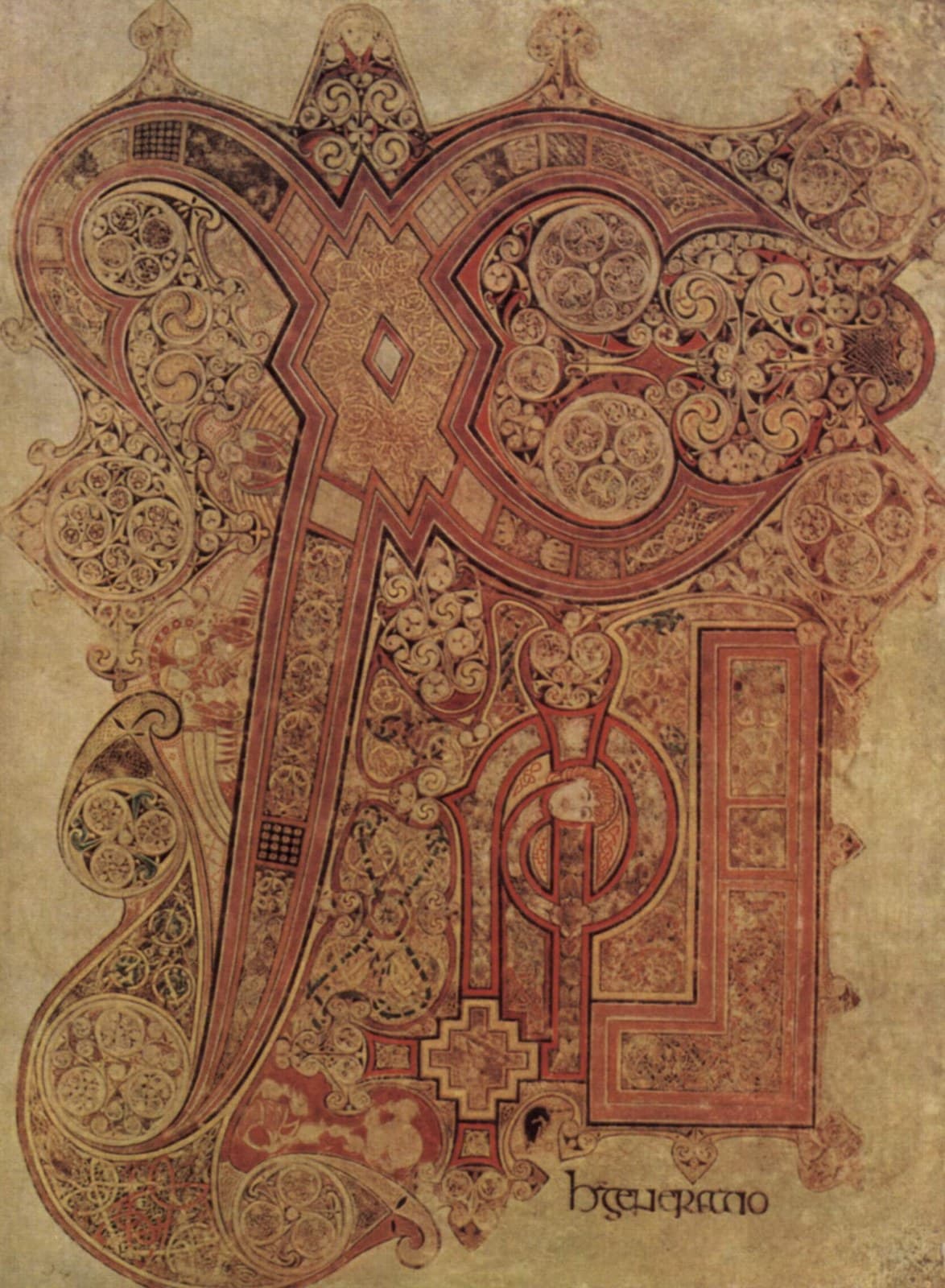
The monogram of Christ swells until it fills the page, and among the spirals hide cats, mice, an otter with a fish, and a moth.

Rembrandt was twenty-five and new in Amsterdam when the surgeons' guild hired him, and he built every head in the room around one lifted tendon.

The Spanish general stops the defeated Dutchman from kneeling and lays a hand on his shoulder. Spaniards still call the picture The Lances.

Two saints lower a nobleman into his grave while his soul slips through a tear in the sky. The mourners are El Greco's own neighbors.

Three brothers salute the swords their father holds up while the women of the house collapse at the right, four years before the Revolution.
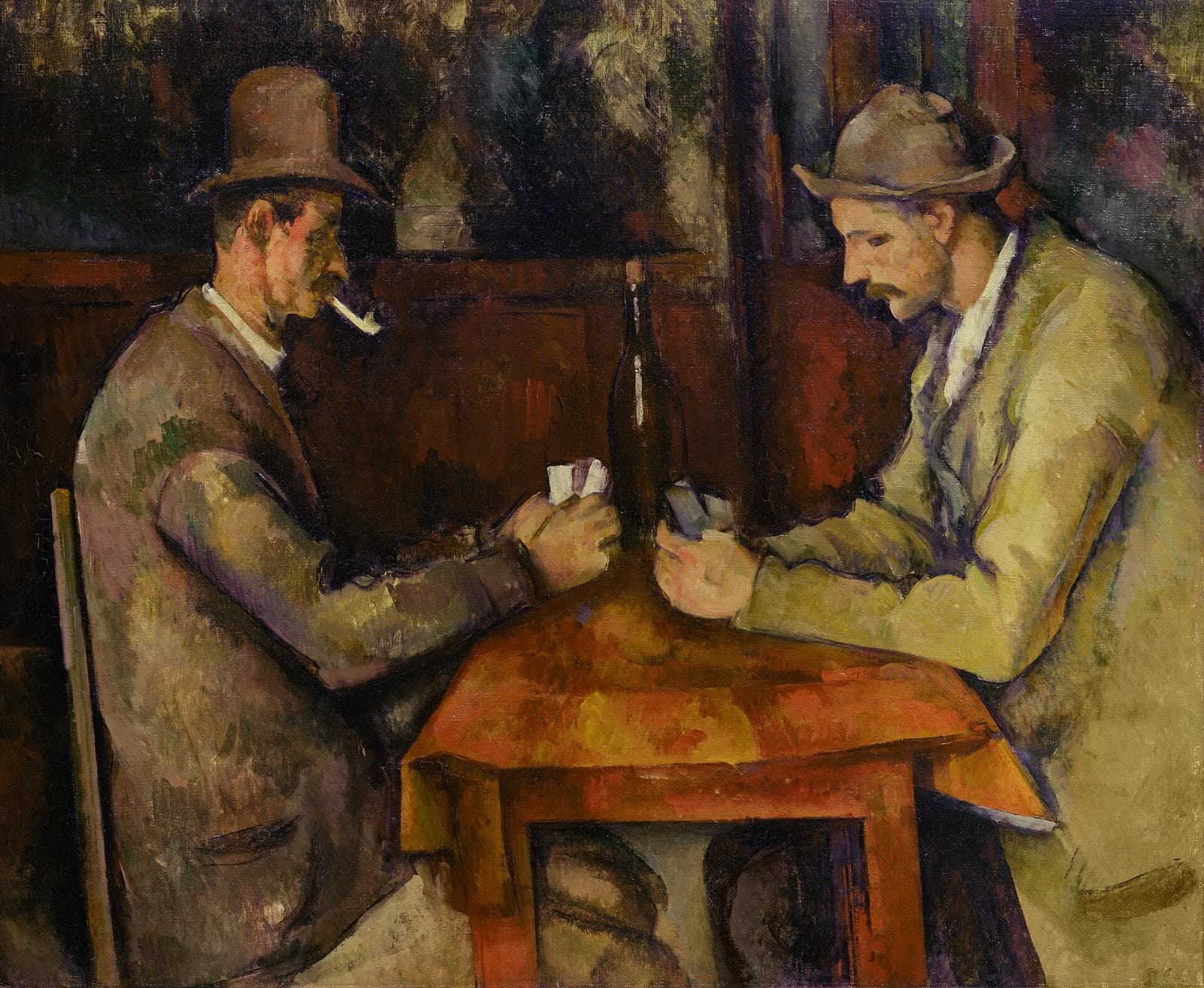
Cézanne used local farmhands as models and painted several versions, stripping the old tavern subject down until only two men and a bottle remain.
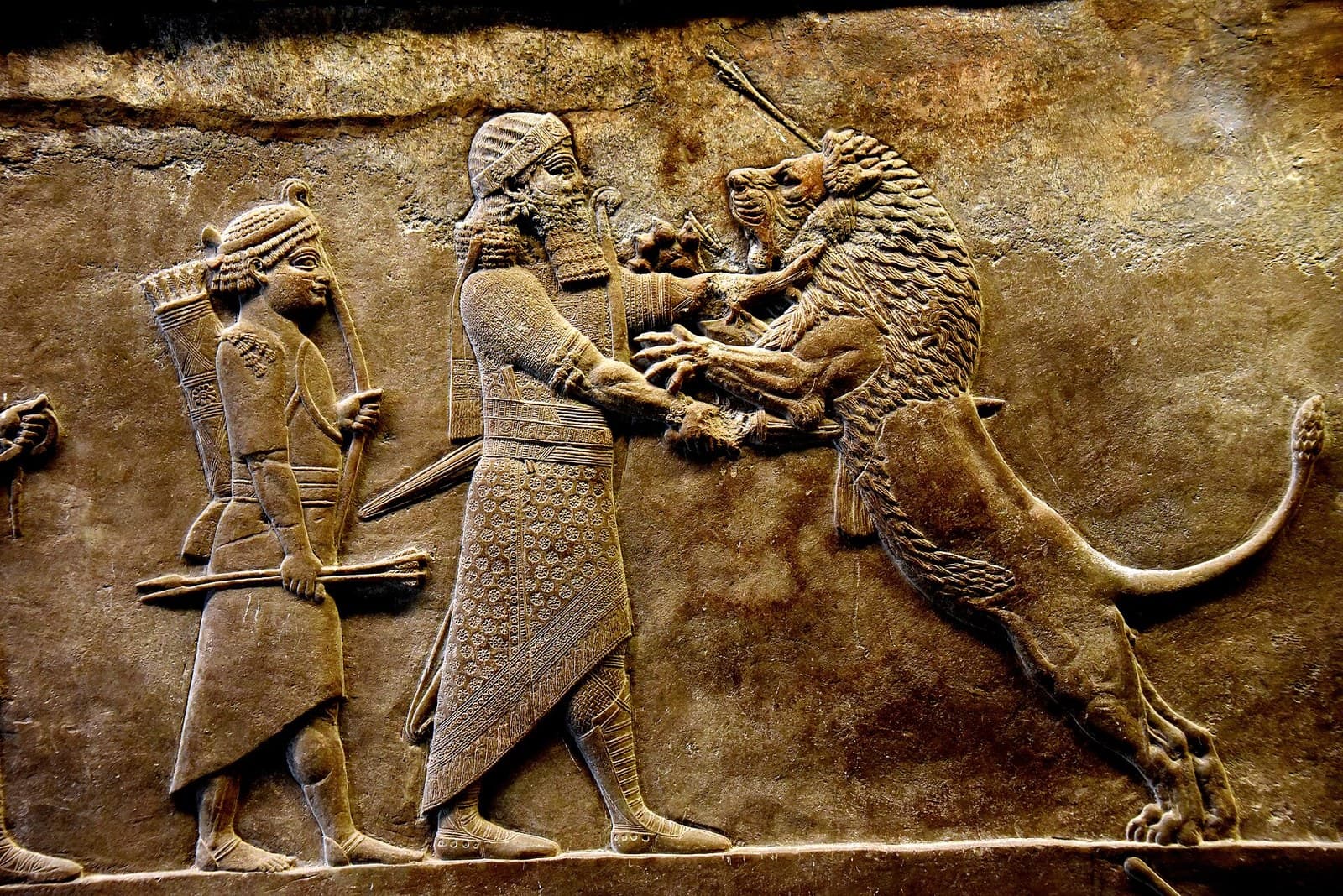
The king kills lions released into an arena to prove he can protect his people, and the dying animals are carved with startling tenderness.
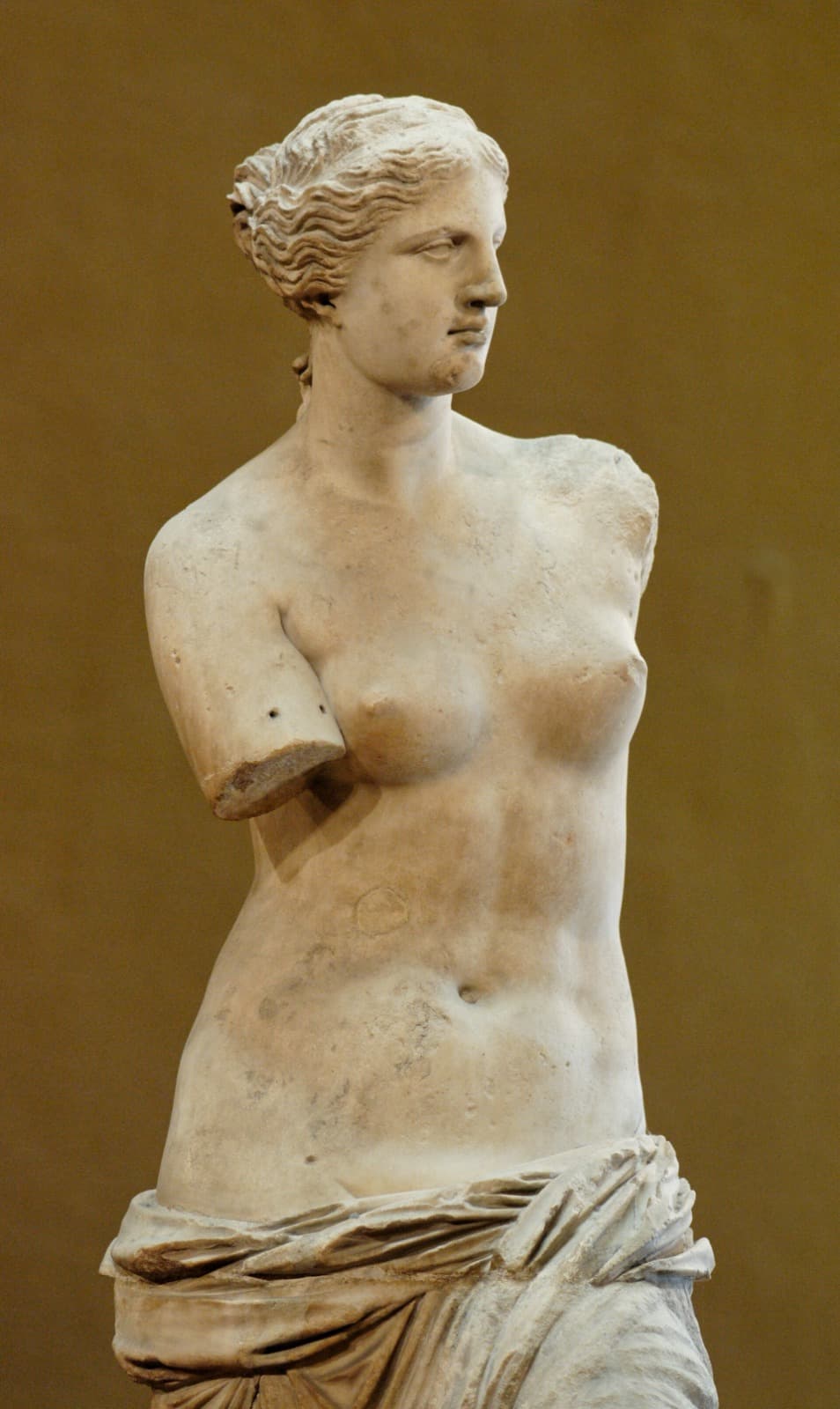
A farmer on Melos dug her up in 1820, already armless, and scholars still argue over whether she held an apple, a mirror, or her drapery.

Painters worked here by lamplight seventeen thousand years ago. Four boys found the cave in 1940, and it was sealed again in 1963.

Not a portrait of anyone in particular but a tronie, a study of a type, which somehow made her the most looked-at girl in art.
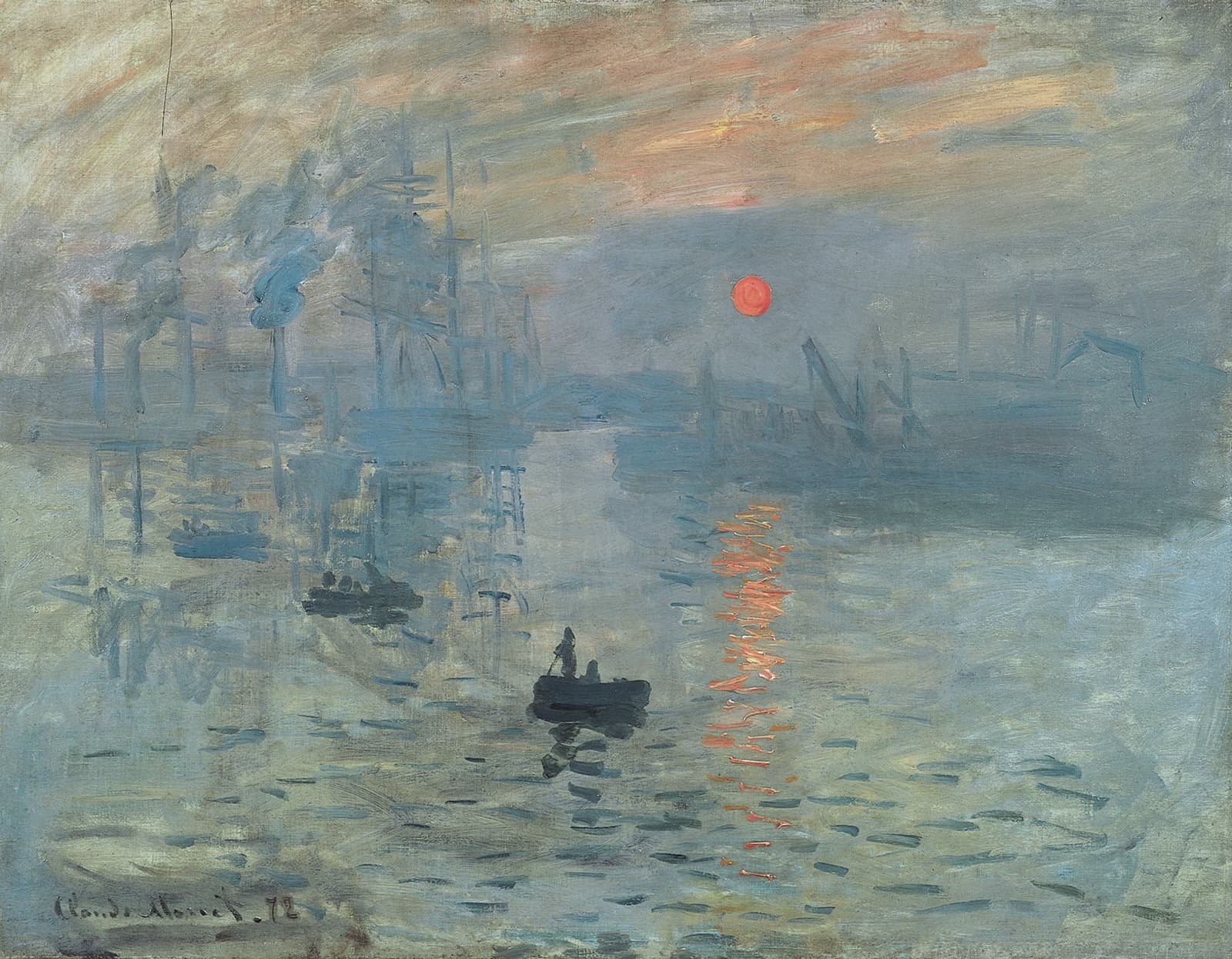
A critic seized on the word in the title to mock the whole group, and the insult ended up naming the movement.

Two men pose with globes, sundials and a lute with a broken string, and a smear on the floor turns into a skull from the side.

Goya painted this straight onto the wall of his own house in his last bitter years and never meant anyone else to see it.
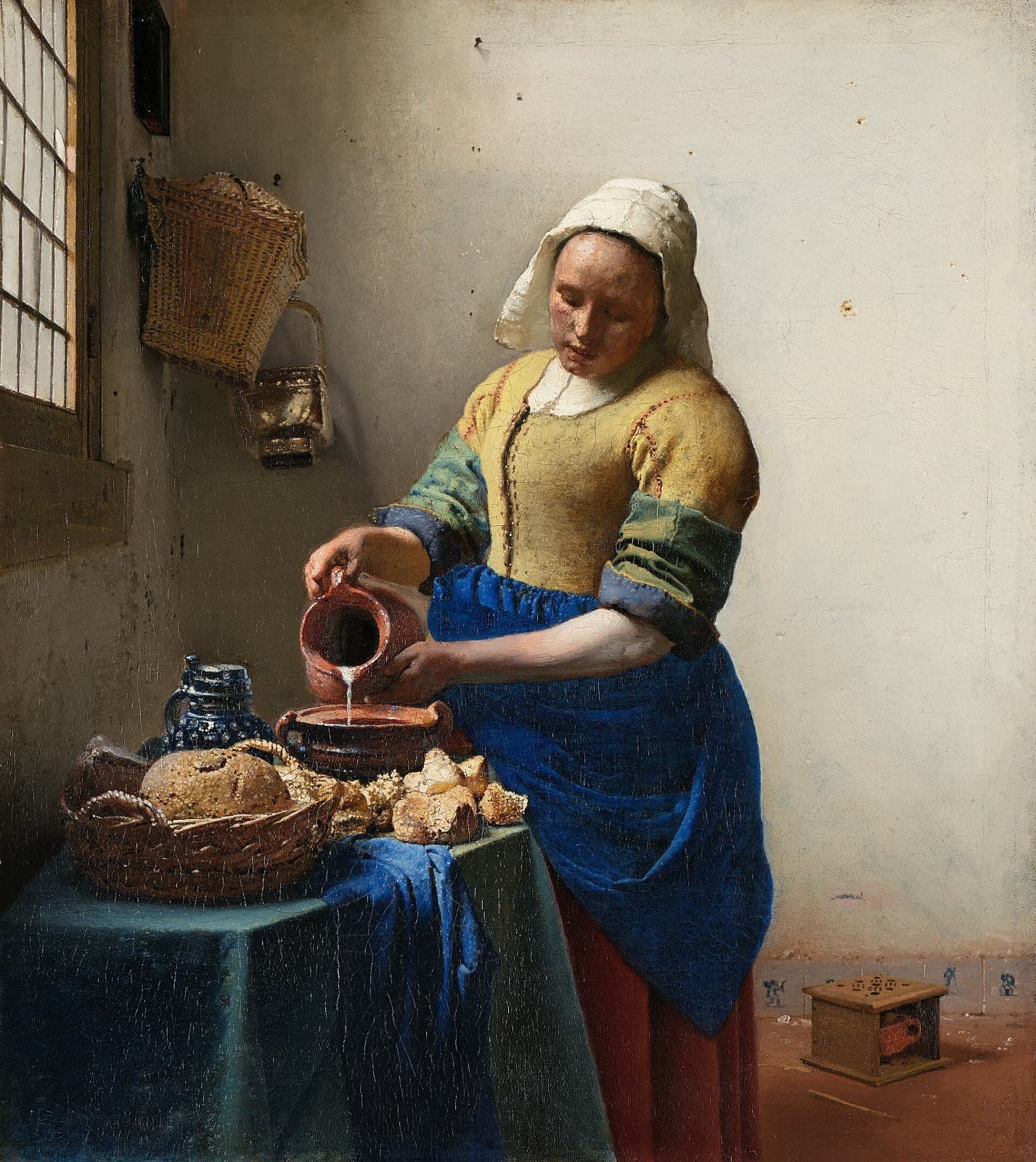
A kitchen maid pours a thin stream of milk in ordinary daylight, given the weight and stillness usually reserved for saints.

Not a calendar page but Anatomical Man, ringed by zodiac signs governing the body. All three brothers died in 1416, probably of plague.