
The Garden of Earthly Delights
1505 · El Prado, Madrid
Three panels run from Eden to hell, with a whole naked humanity climbing into giant fruit in between. Nobody has settled what it means.
★ 10.0
 skopia
Three panels run from Eden to hell, with a whole naked humanity climbing into giant fruit in between. Nobody has settled what it means.
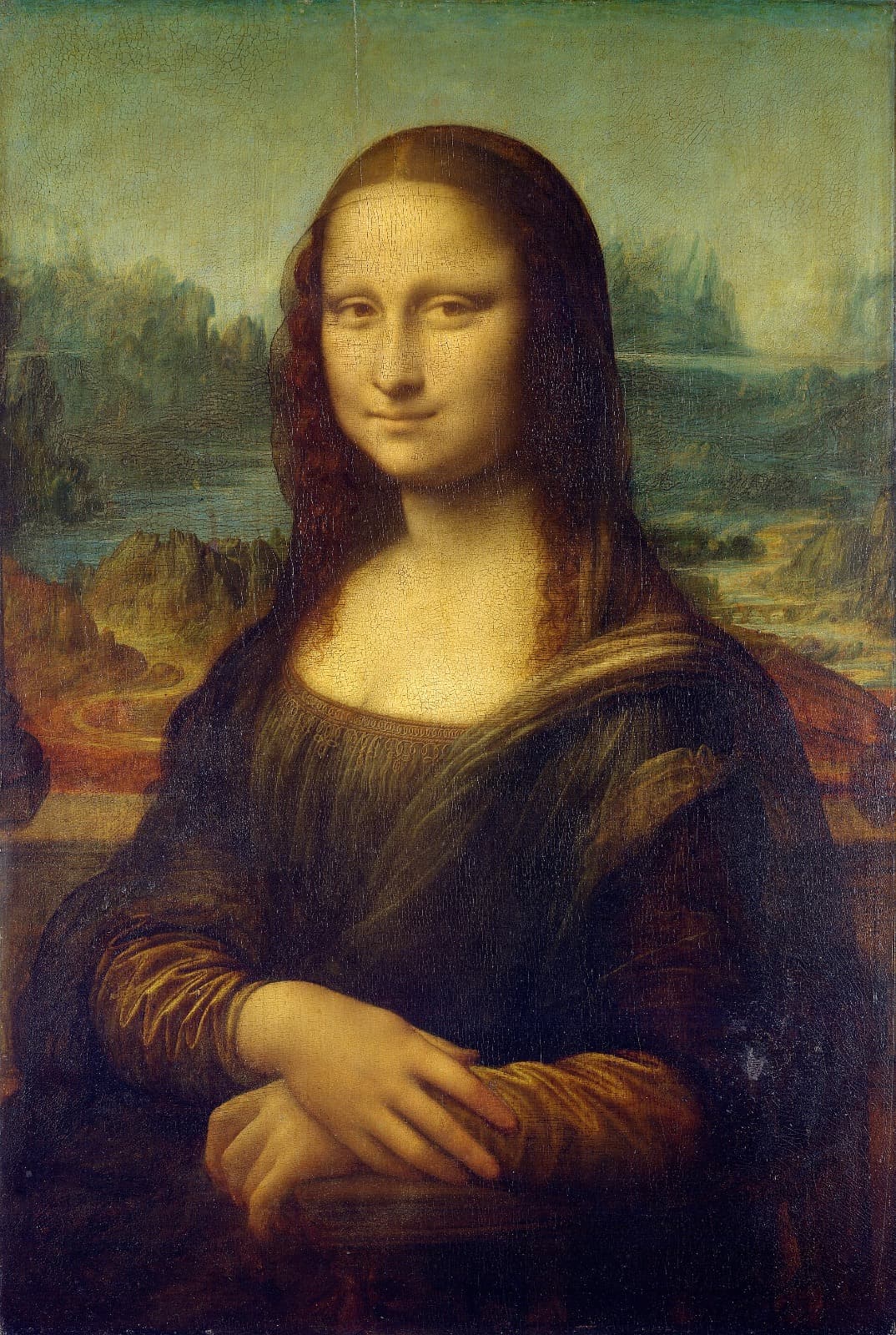
She was probably Lisa Gherardini, a merchant's wife, and Leonardo kept reworking her for years and never handed the portrait over.
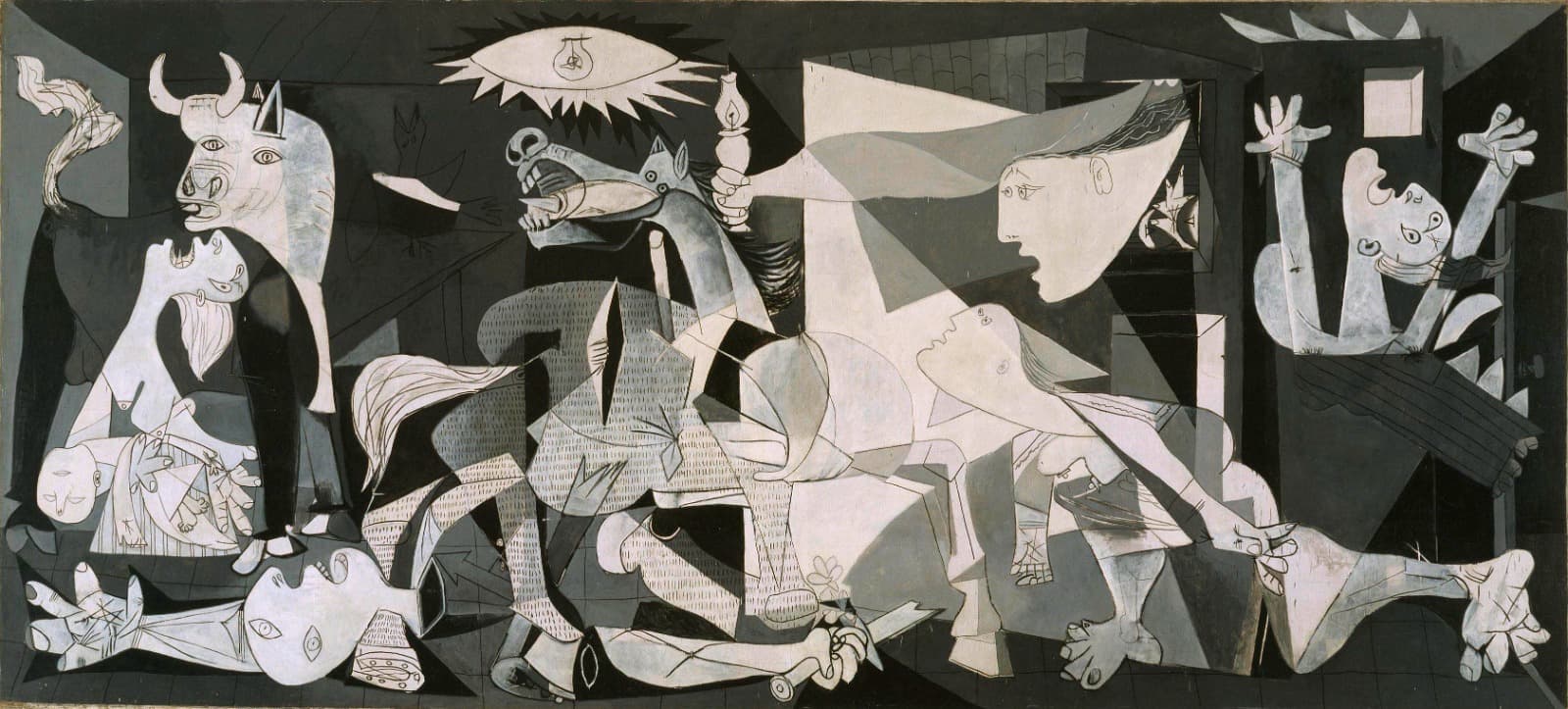
A screaming horse, a mother with her dead child, all in grey. Picasso painted it in weeks after German bombers leveled a Basque town.
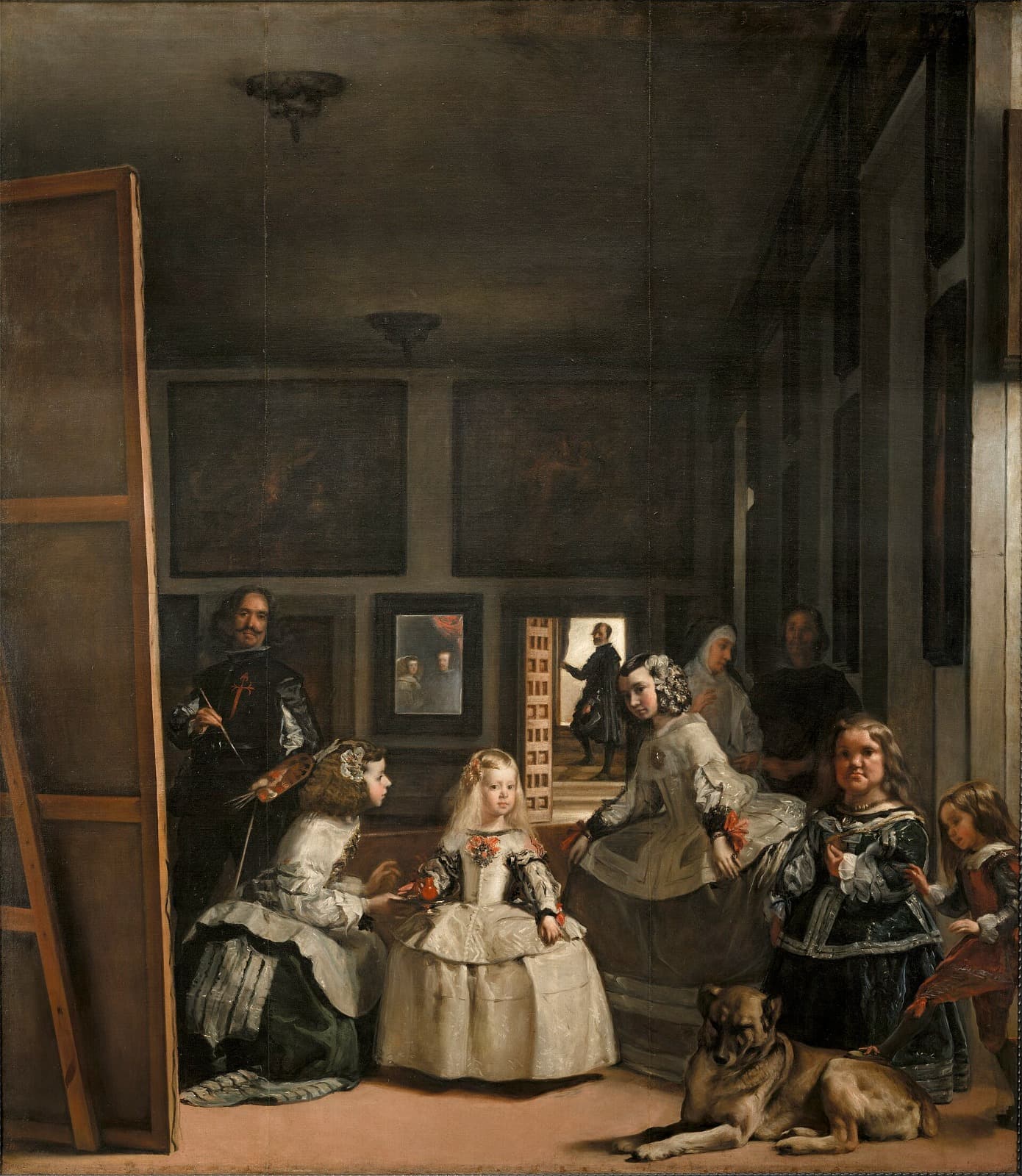
The Infanta and her maids fill the room, but Velázquez has put himself at his easel and the king and queen in a mirror behind.
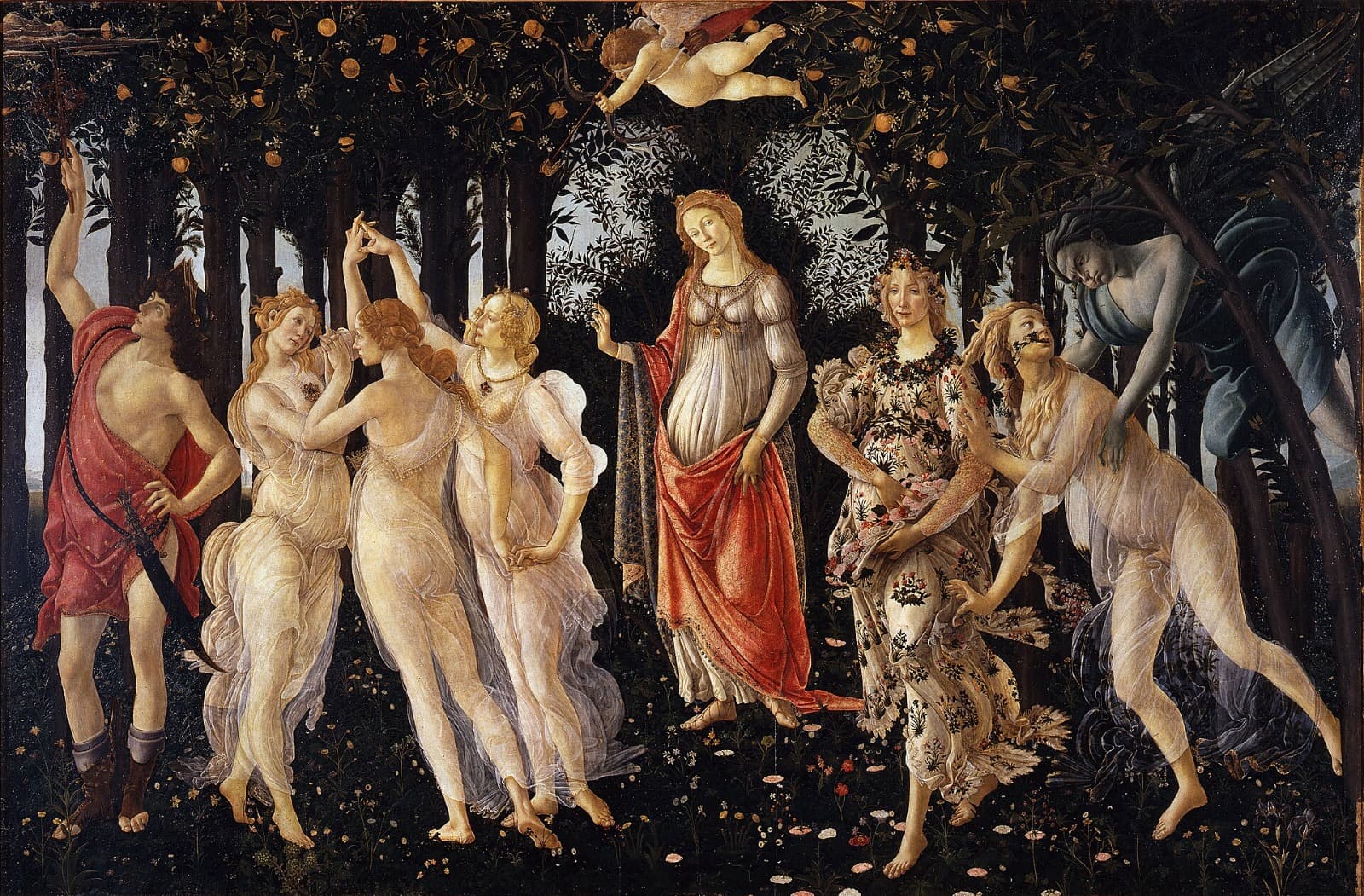
Venus stands in an orange grove while the Graces dance and spring arrives at her right. The meadow holds hundreds of identifiable plants.

Saints and pilgrims stream toward a bleeding Lamb across a dozen hinged panels. One of them was stolen in 1934 and has never been found.

Christ has just said one of them will betray him, and the shock rolls down the table. Leonardo's experimental paint began flaking in his lifetime.

Venus arrives on a scallop shell in a fall of roses, painted on canvas at a time when almost everyone still worked on panel.
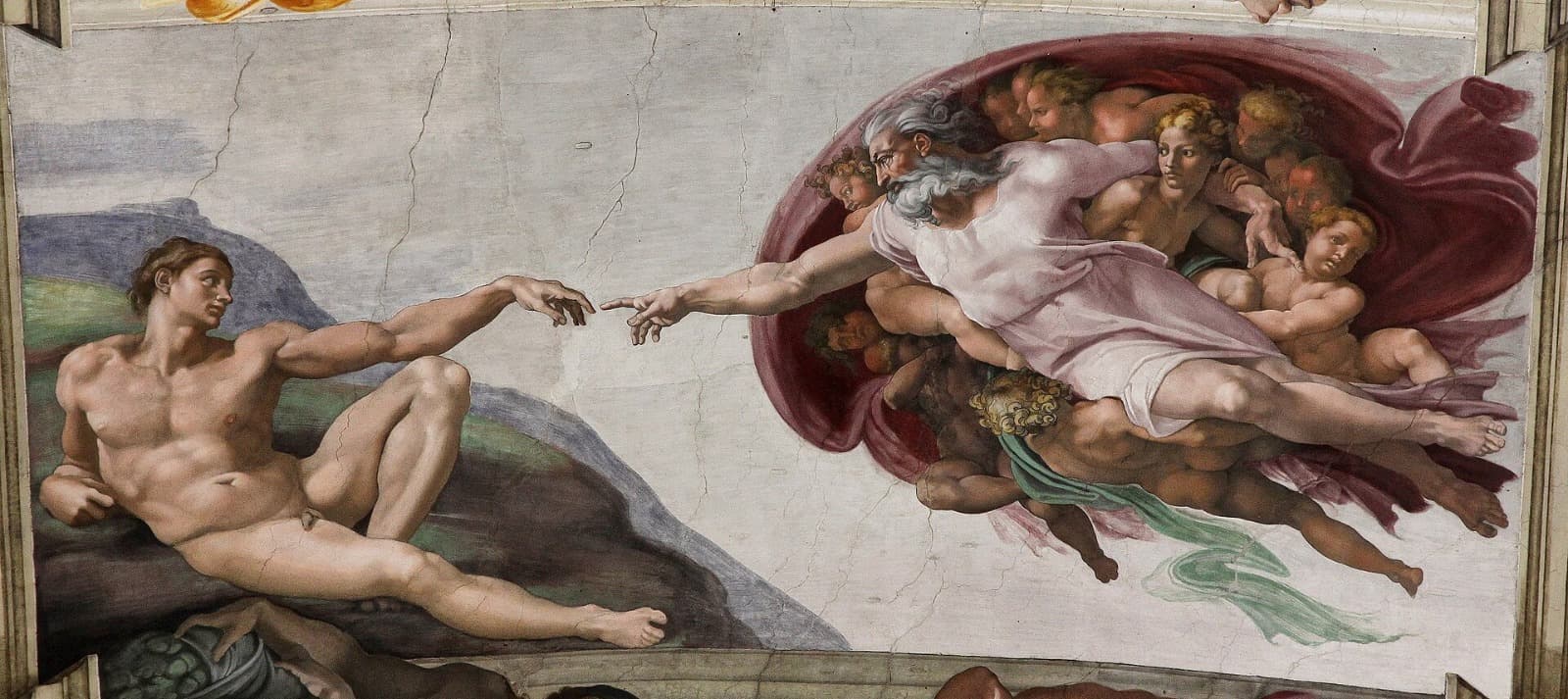
God surges out of a red cloak full of angels, and Michelangelo leaves the fingers not quite touching. The gap does the work.
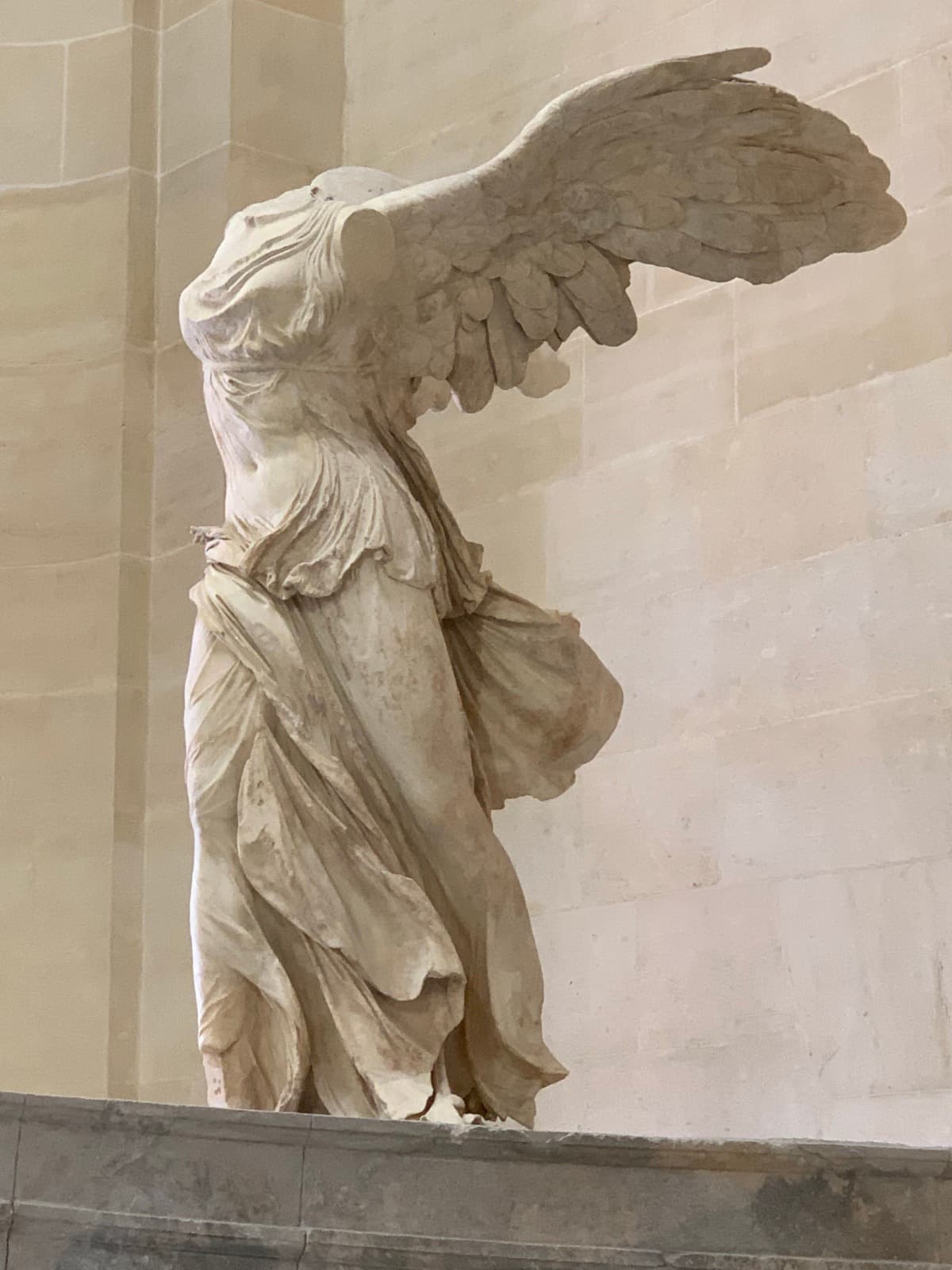
Nike lands on a warship's prow, wings still open, sea wind pressing the marble drapery flat against her striding body.
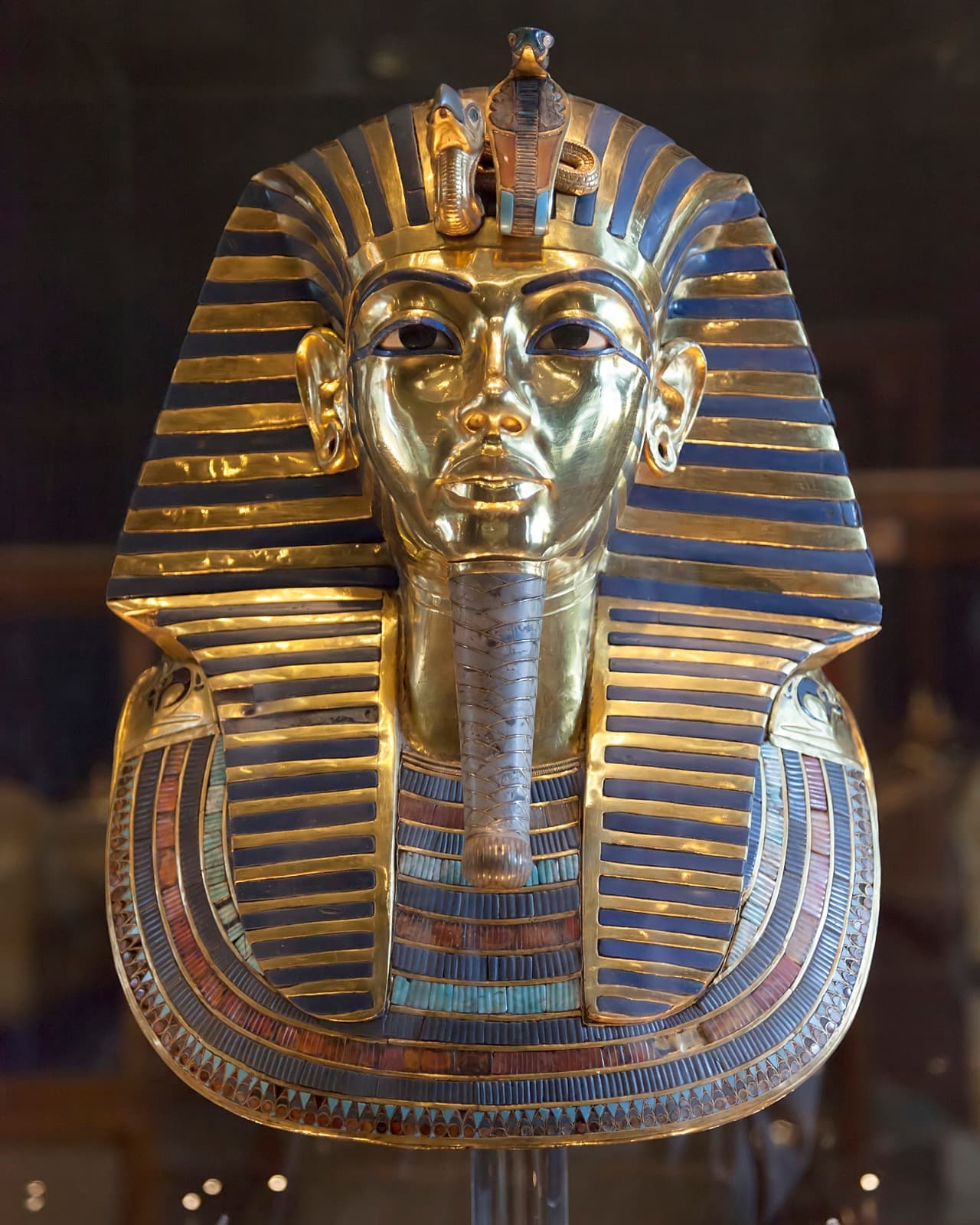
Eleven kilograms of gold inlaid with lapis and carnelian, lifted by Howard Carter from the innermost of three coffins in 1925.
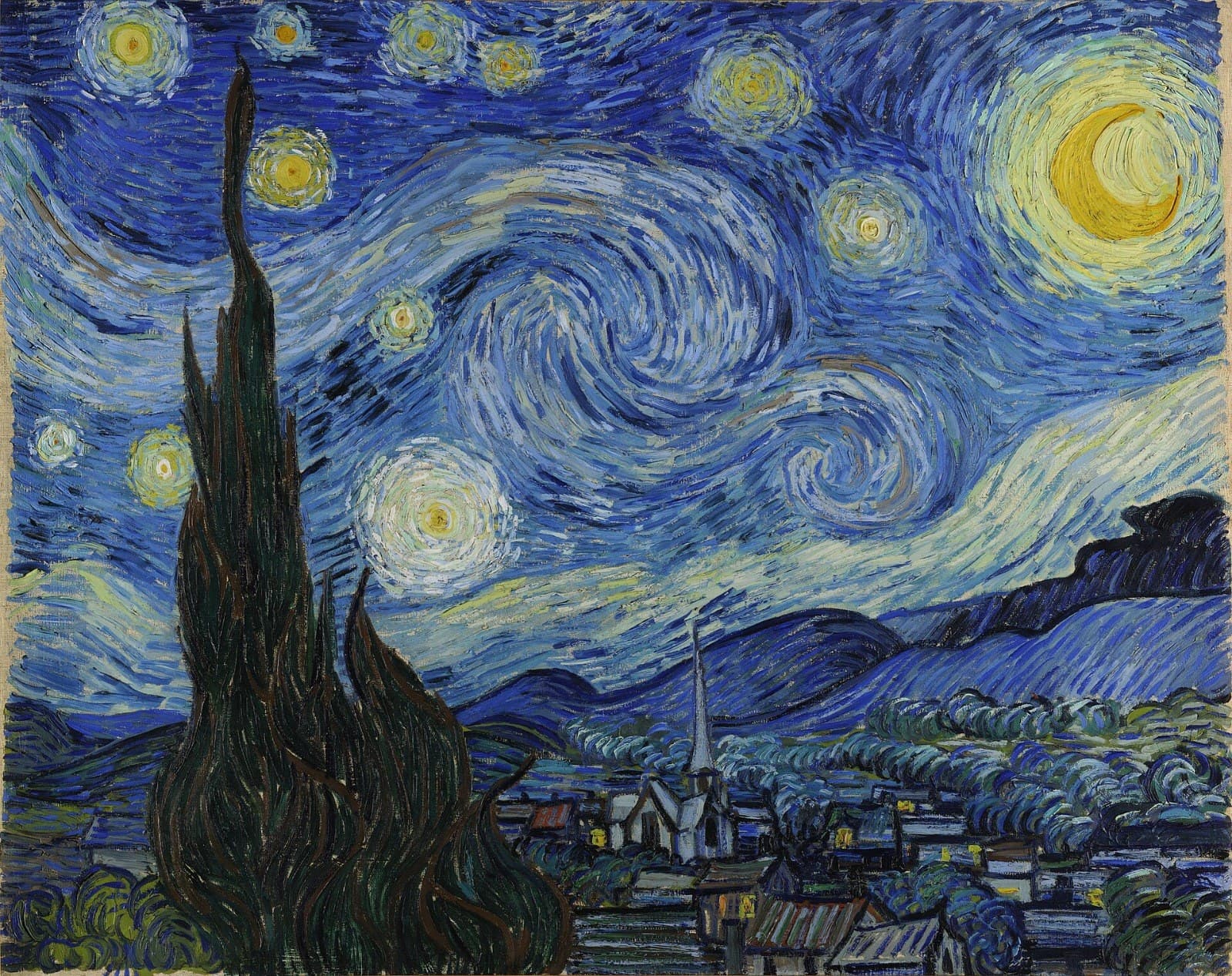
Van Gogh painted the churning sky and its eleven stars from a window of the asylum at Saint-Rémy, partly from memory.
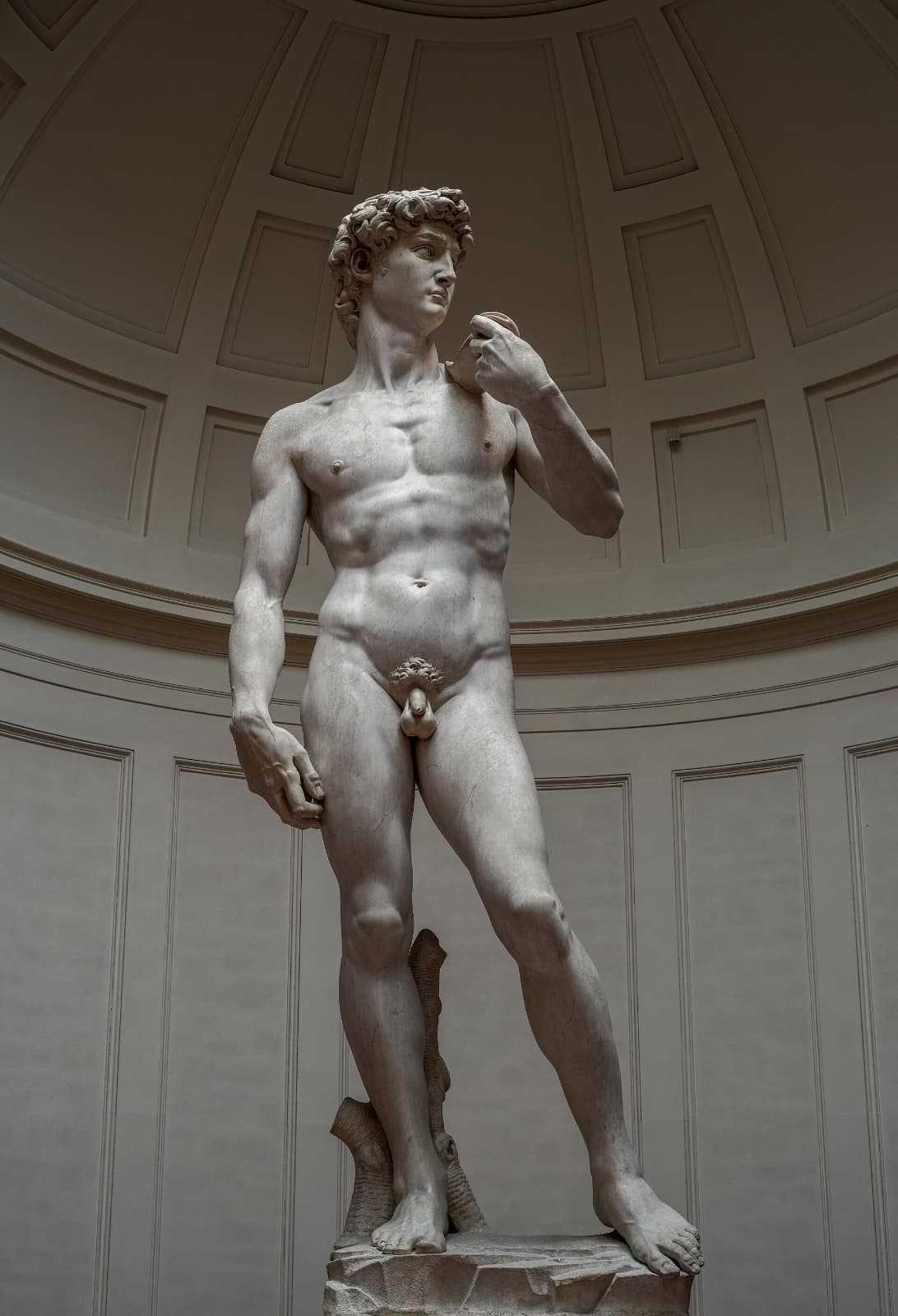
The marble block had been abandoned as flawed before Michelangelo took it, and he carved a boy who is watching Goliath, not beating him.
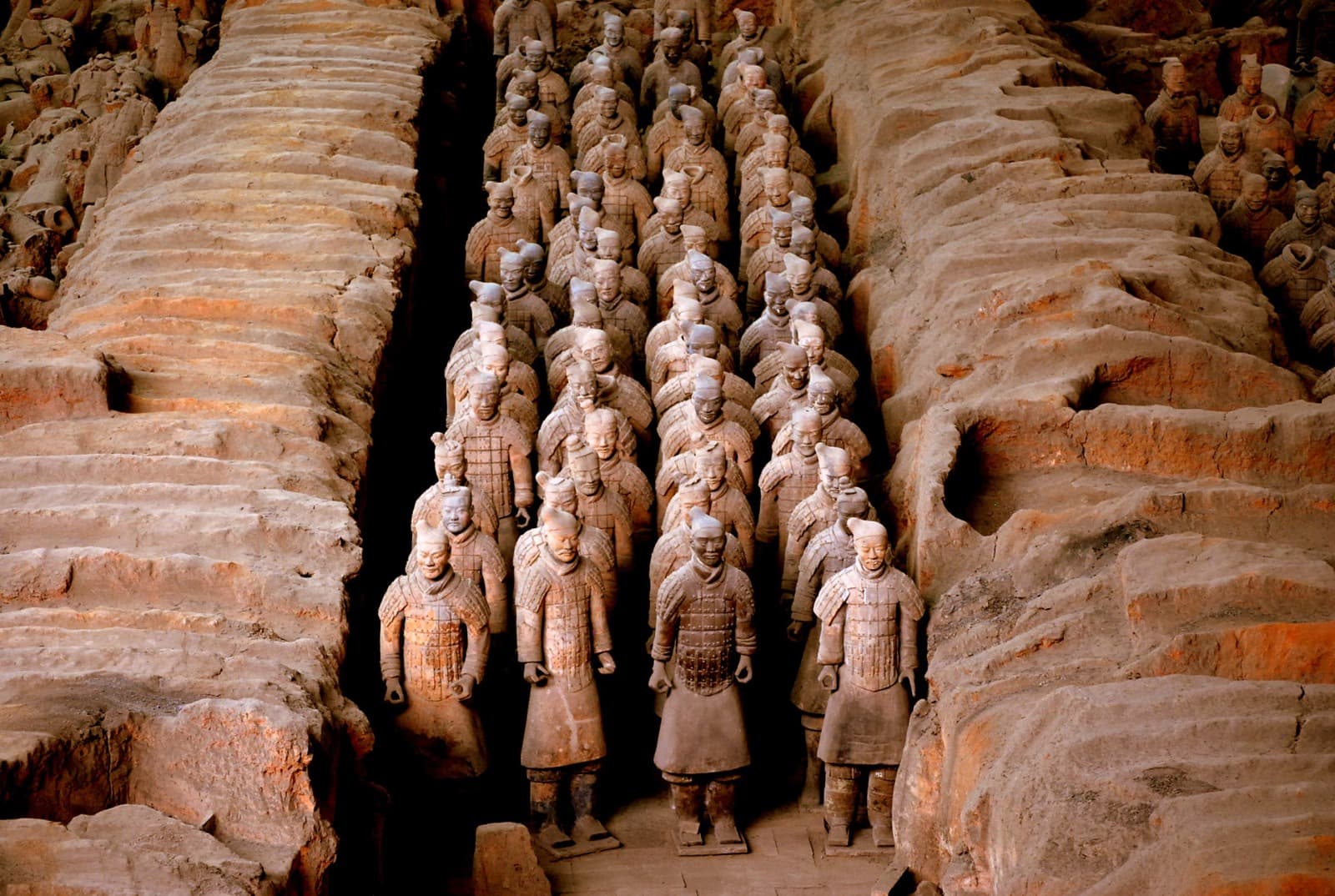
Thousands of life-size clay soldiers in battle formation, no two faces alike, guarding an emperor's tomb since 210 BC.
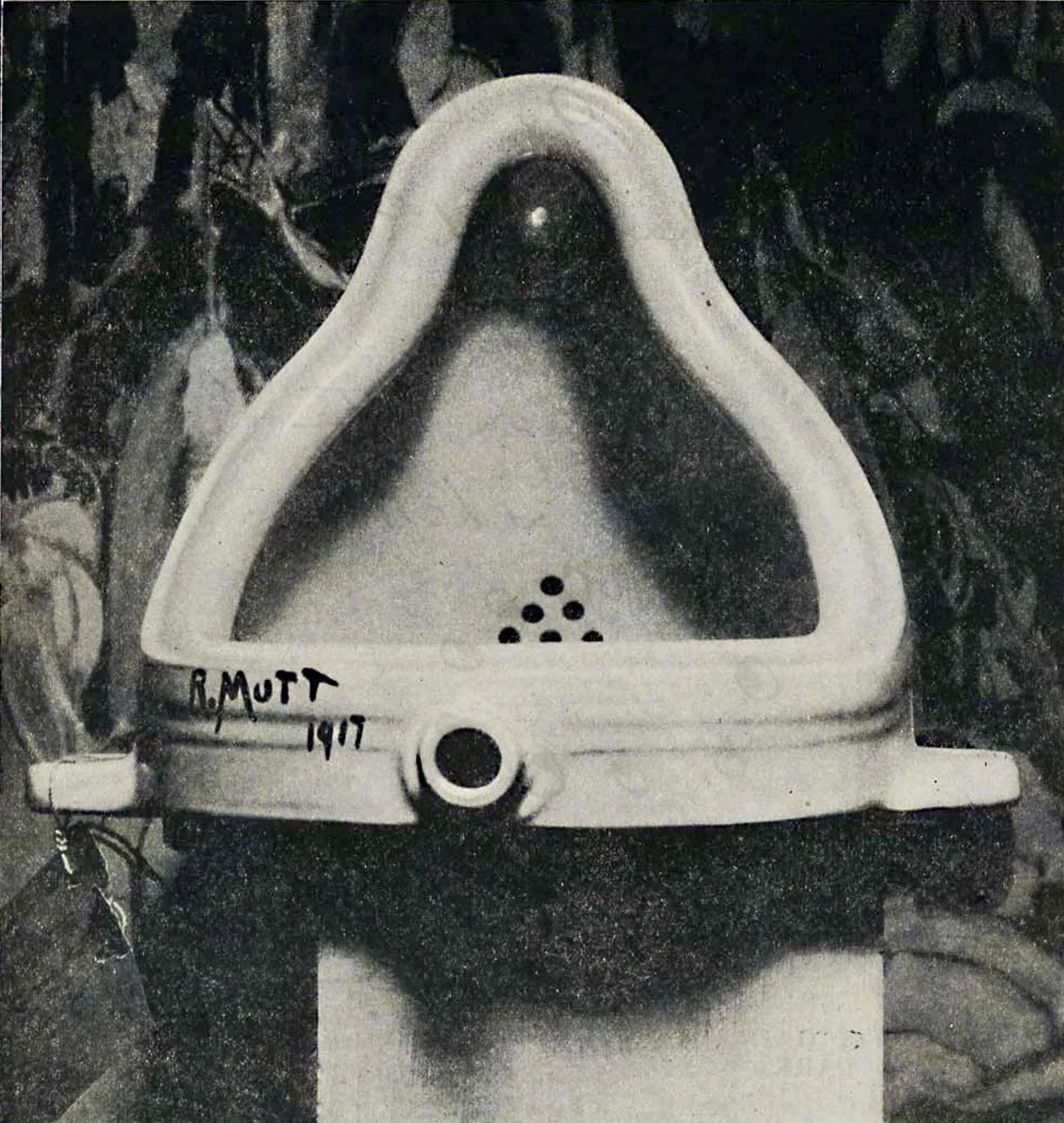
Duchamp submitted a porcelain urinal signed R. Mutt to an exhibition he was helping to judge, and the committee rejected it.
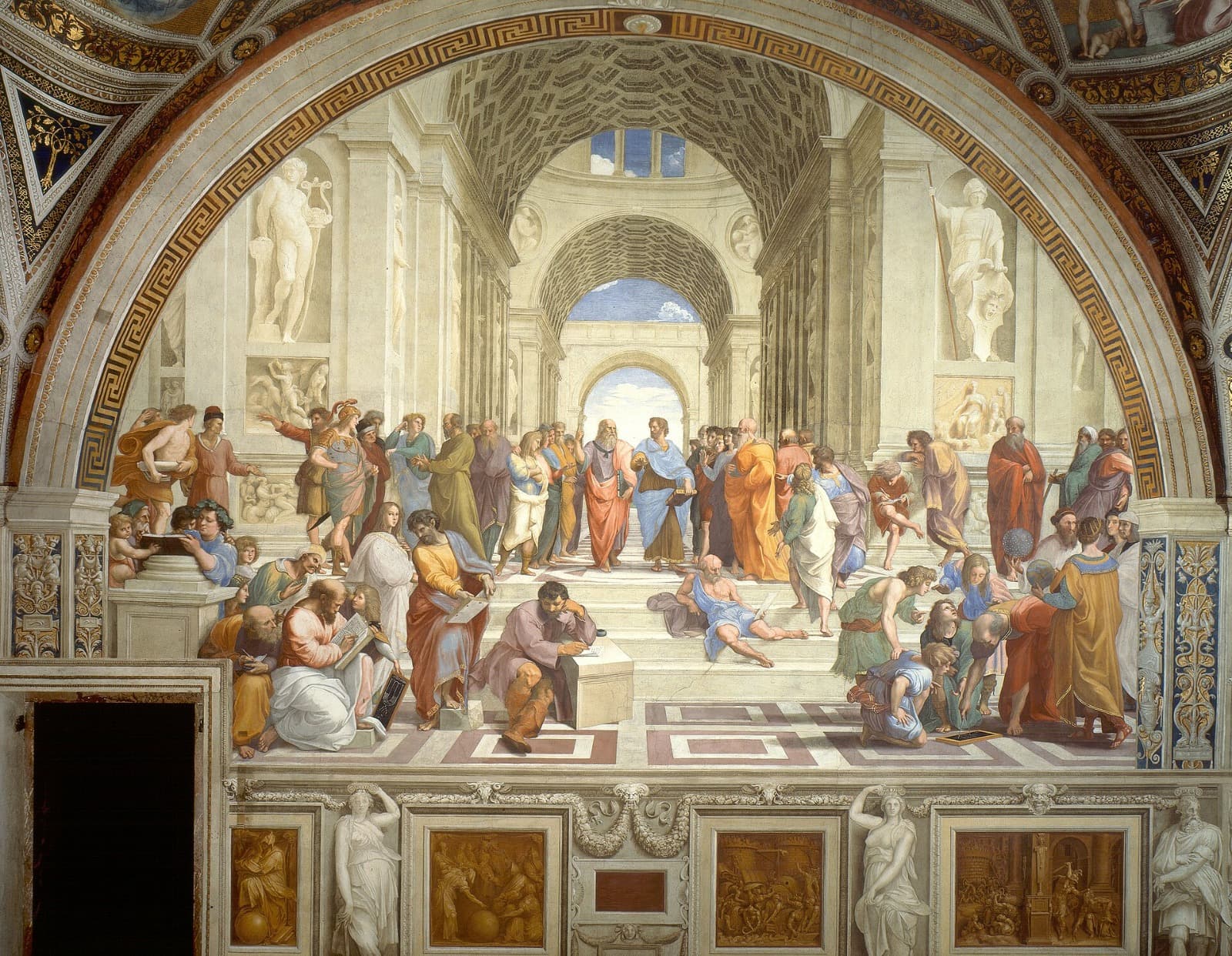
Plato and Aristotle argue at the center of a hall where Raphael gave the philosophers the faces of Leonardo, Michelangelo and Bramante.

Monet painted these eight murals of his pond for two oval rooms in Paris while his eyesight failed. They opened months after he died.
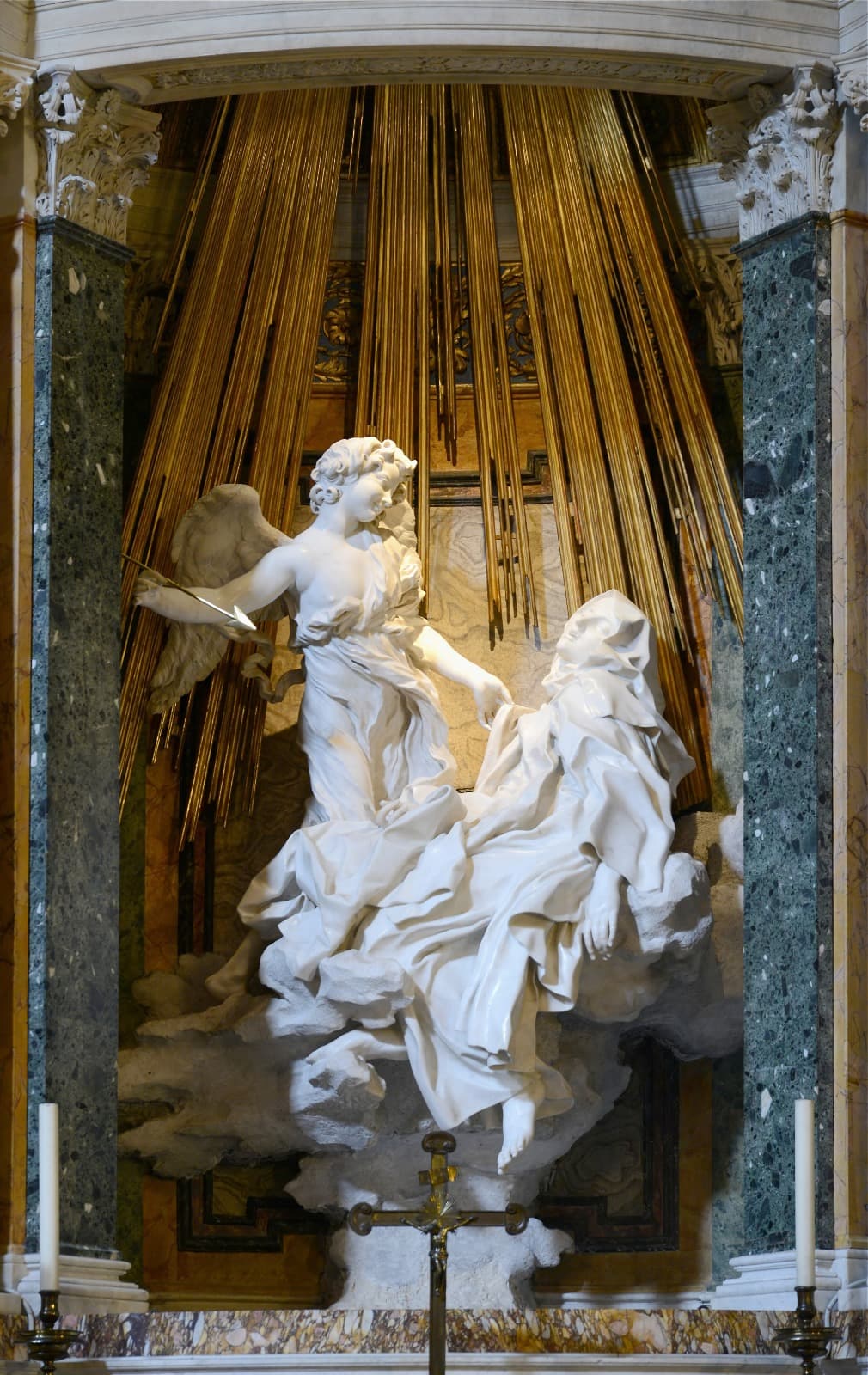
Bernini staged the saint's own account of her vision as theater, lit from a window he hid above and watched by marble spectators in boxes.

The goddesses of the east pediment wear drapery so wet it clings. Elgin took the marbles to London in 1801 and Greece wants them back.

Three hunters come home over the hill with one thin catch while villagers skate below. Bruegel painted it for a series on the months.
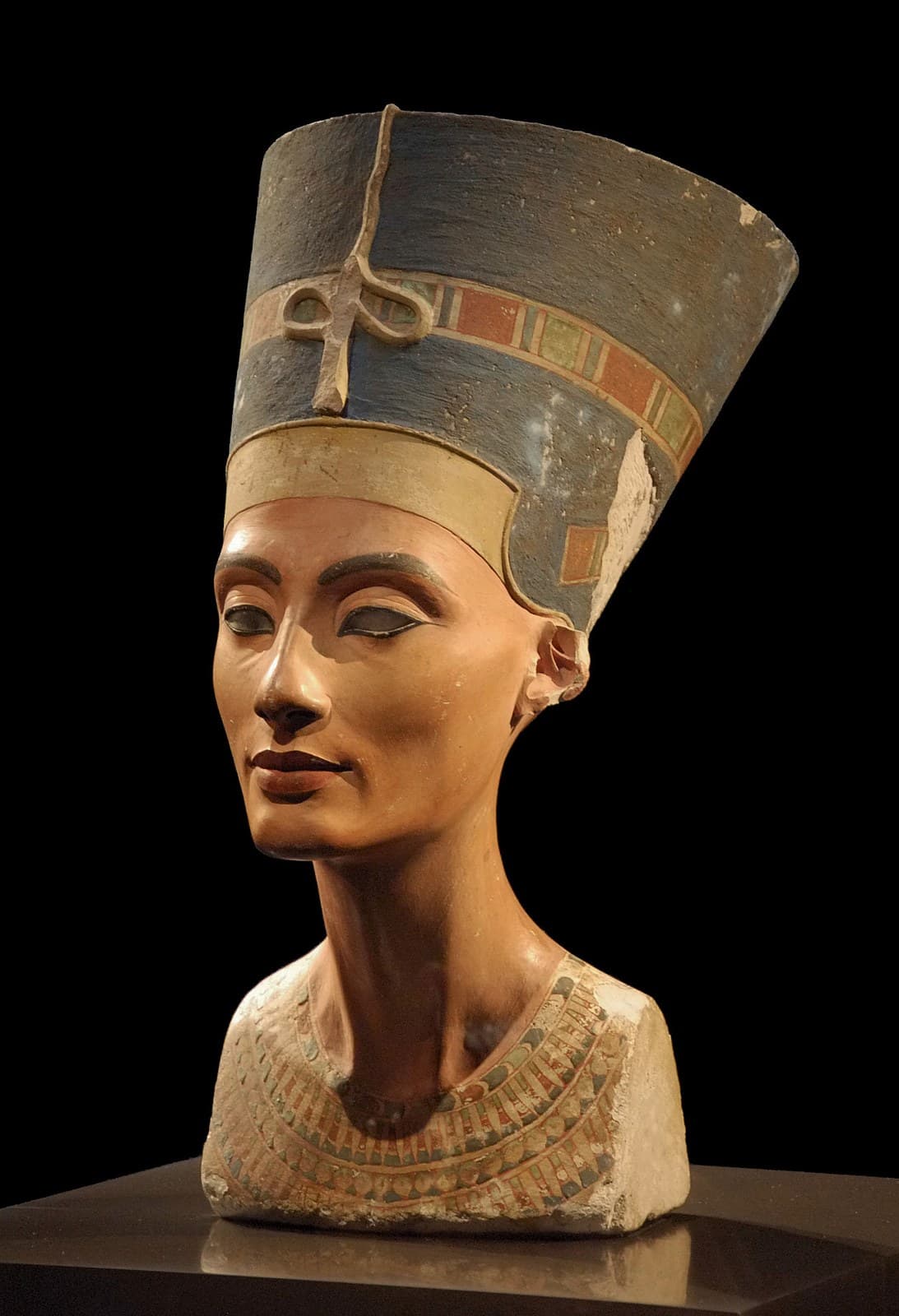
One eye is inlaid and the other left blank, which suggests the bust was a master model kept in the sculptor's workshop at Amarna.
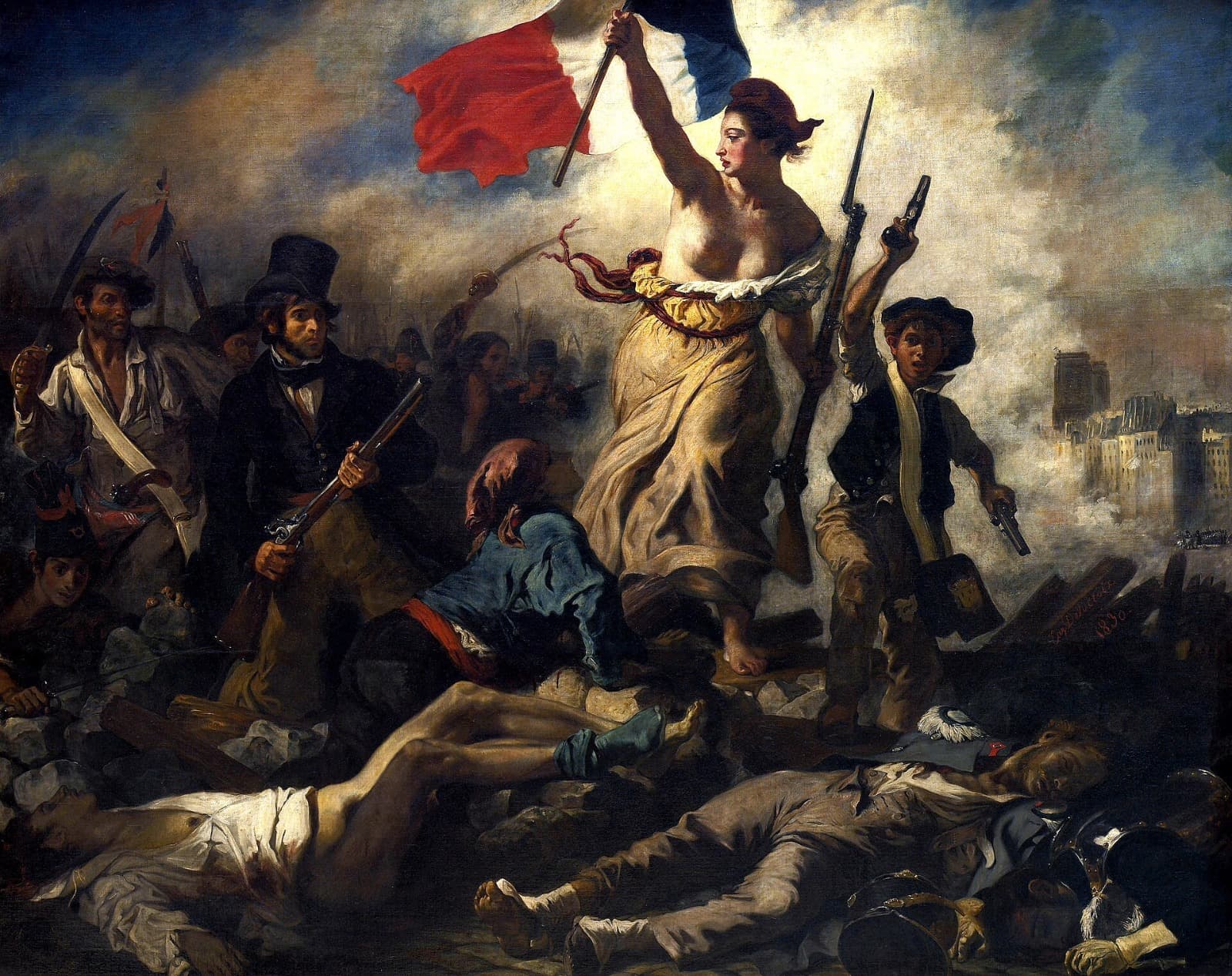
Liberty carries the tricolor over the barricade with a boy waving pistols beside her, painted within months of the revolution it shows.

A lantern lights a man in a white shirt throwing his arms wide before the firing squad. Goya painted it six years later.

Christ's body hangs green and pocked with sores, painted for a hospital whose patients saw their own ravaged flesh.

Hokusai was in his seventies when he made this, using a Prussian blue newly imported from Europe, with Fuji small and calm in the trough.
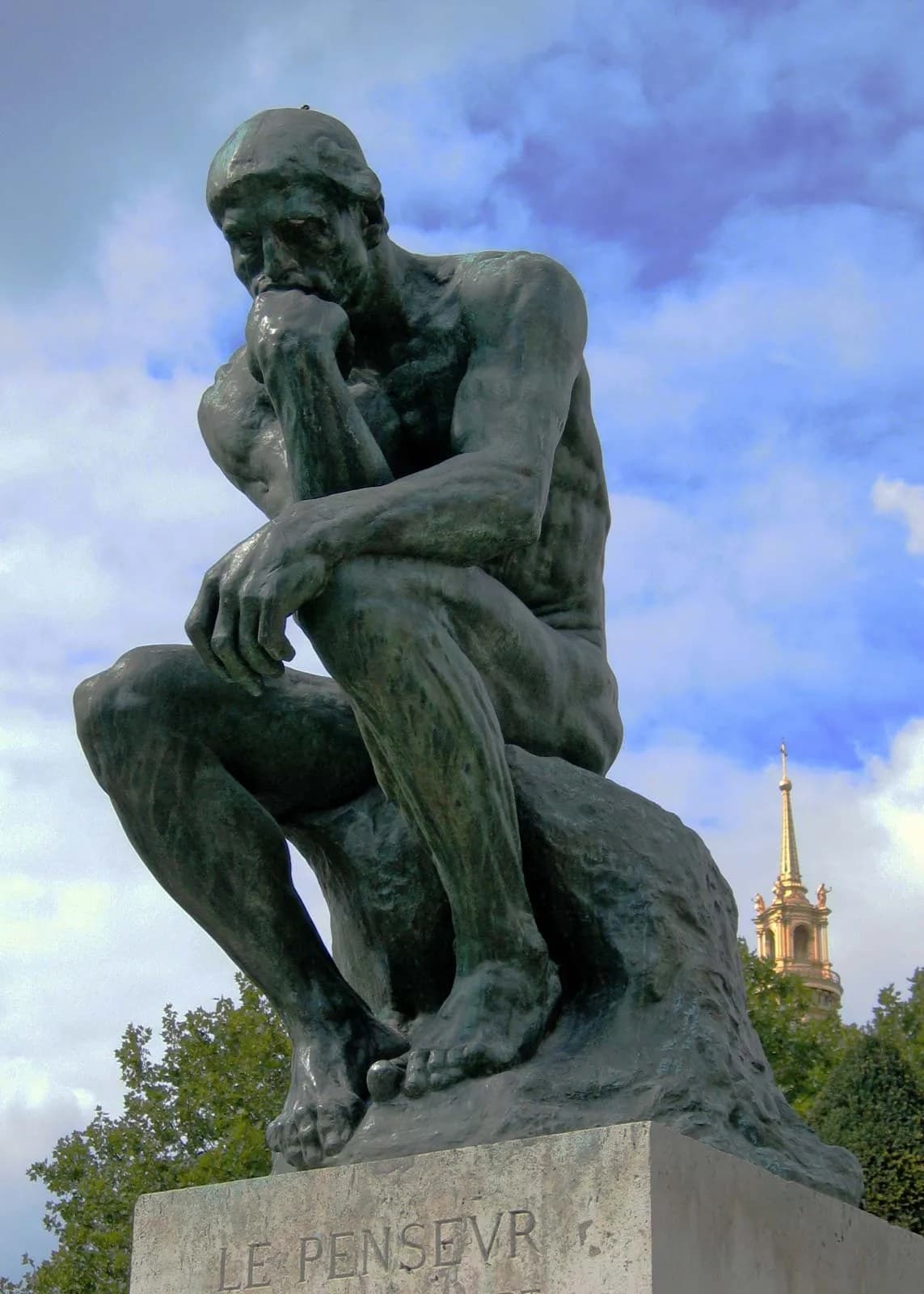
Rodin first made this figure as Dante brooding over the Gates of Hell, then enlarged him and set him thinking alone on a rock.
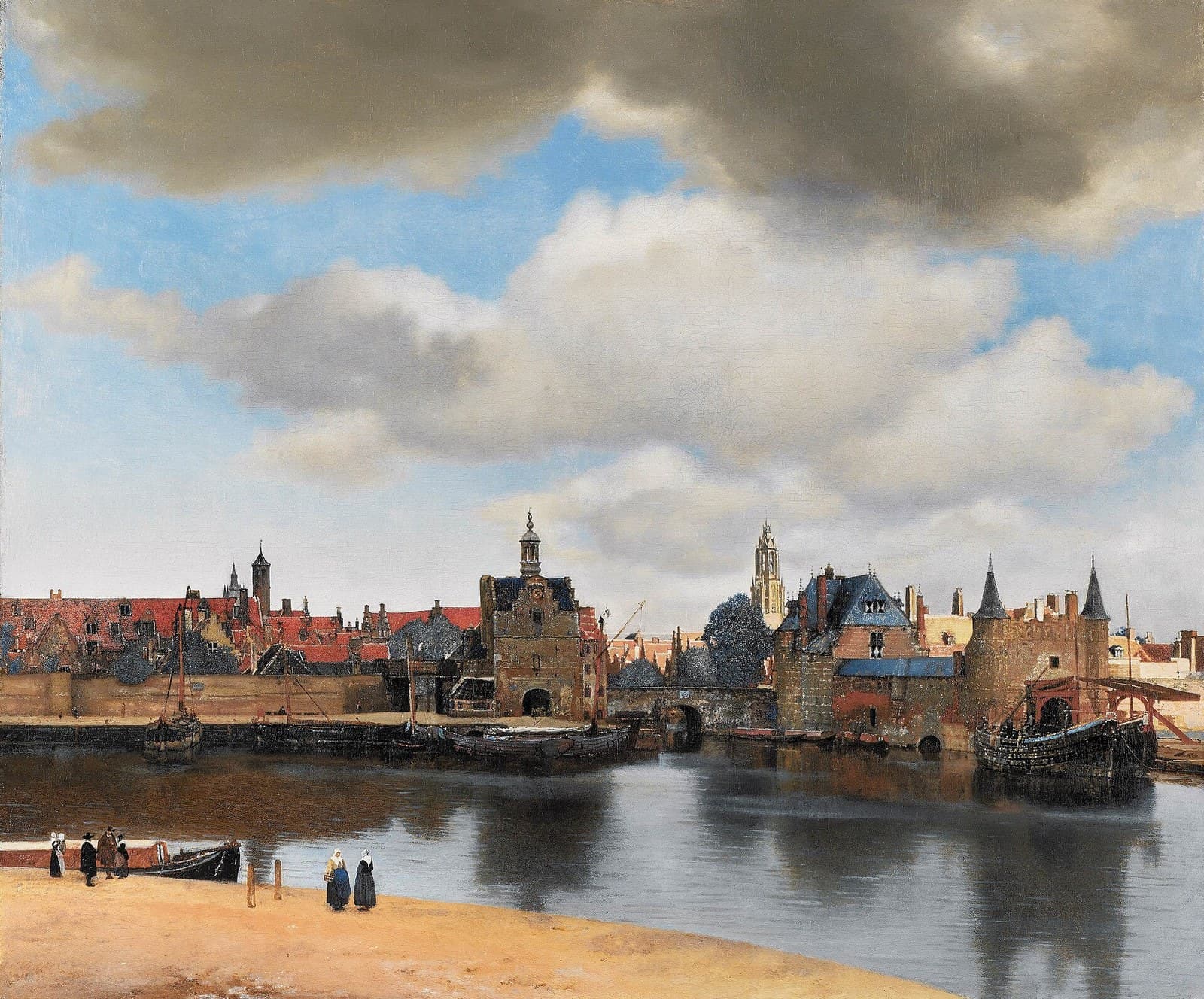
Vermeer painted his own city from across the harbor, almost his only townscape. Proust called it the most beautiful painting in the world.
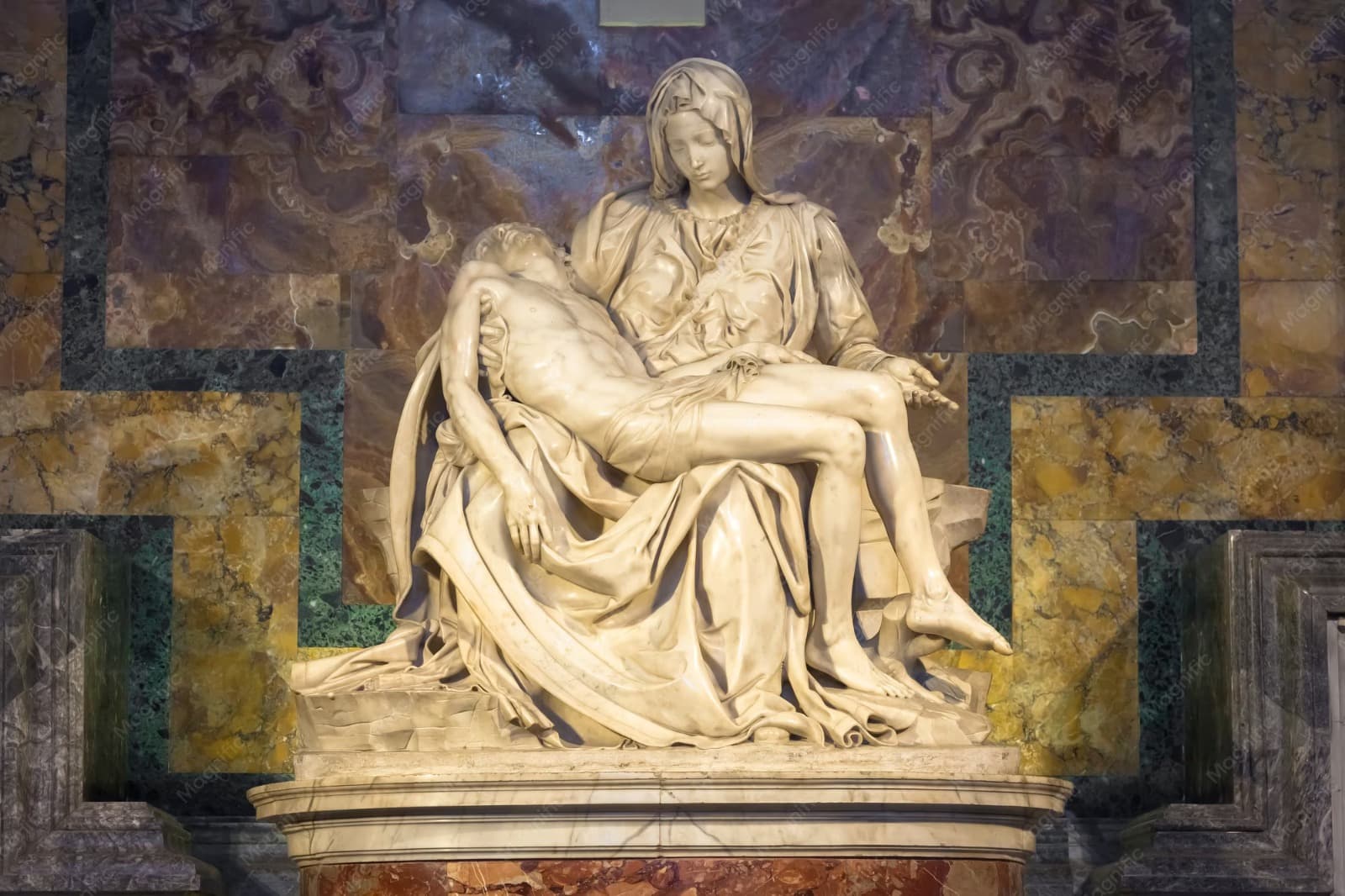
The dead Christ lies across his mother's lap. Michelangelo was twenty-four, and signed the sash after hearing it credited to someone else.

Twelve meters of blue and green mountains, ground from azurite and malachite by a court prodigy said to have died before he was twenty.

More than eight hundred figures crowd five meters of scroll, and Chinese painters have been copying and forging it for nine hundred years.
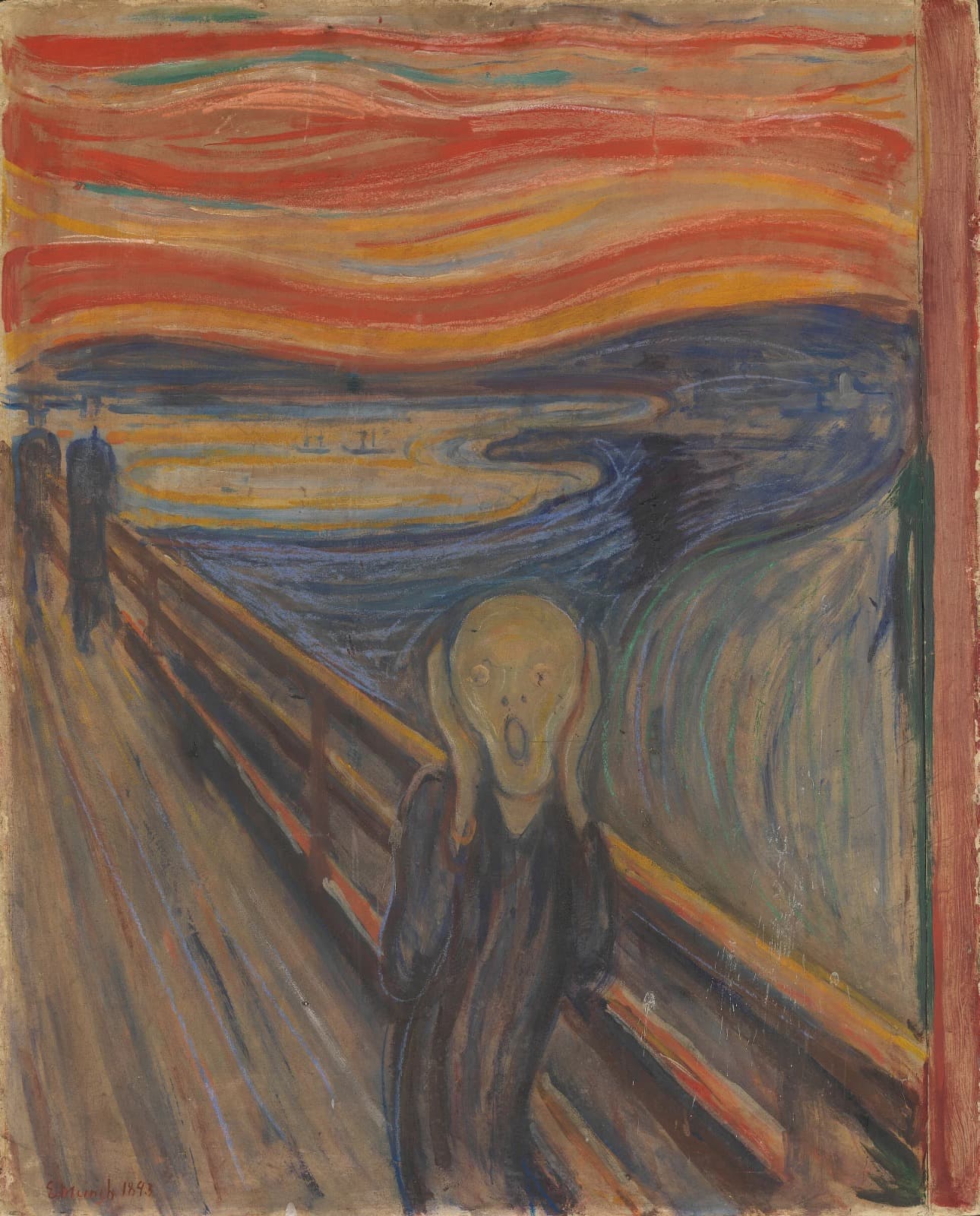
Munch said an infinite scream was passing through nature, and put two figures on the bridge behind who walk on without noticing.

Five nude women stare out with their faces turned into masks, and Picasso kept the canvas rolled up in his studio for years.

A militia company surges out of the shadow with a dog barking and a girl glowing among the men. Varnish, not night, made it dark.
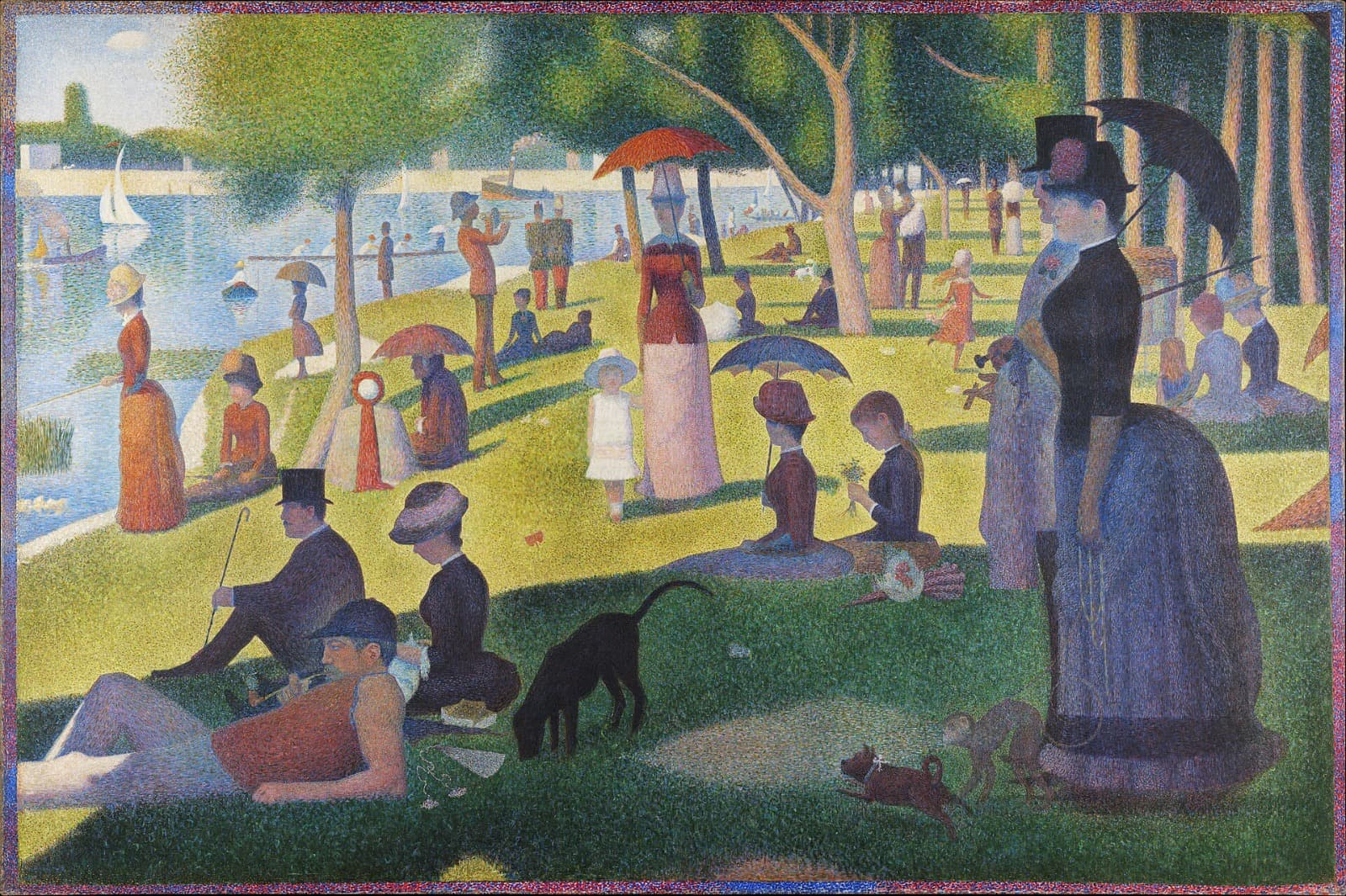
Seurat spent two years building this riverbank out of tiny dots of unmixed color, applying optical theory to a crowd standing oddly still.
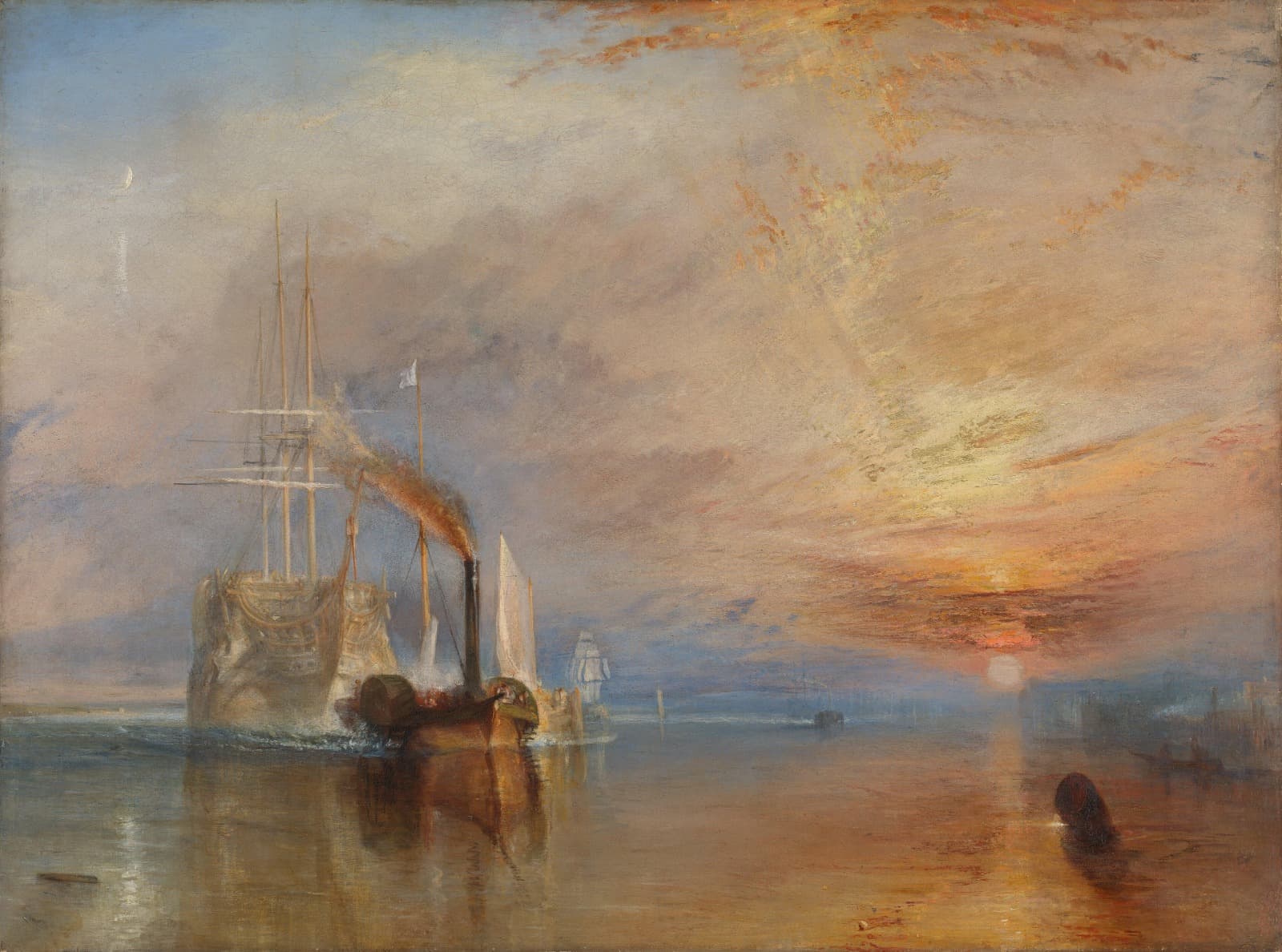
A steam tug hauls a Trafalgar warship off to be broken up. Turner refused to sell the picture and left it to the nation.

A few pines loom and dissolve on two screens where the bare paper does the work of mist. Japan's finest ink painting, by most accounts.
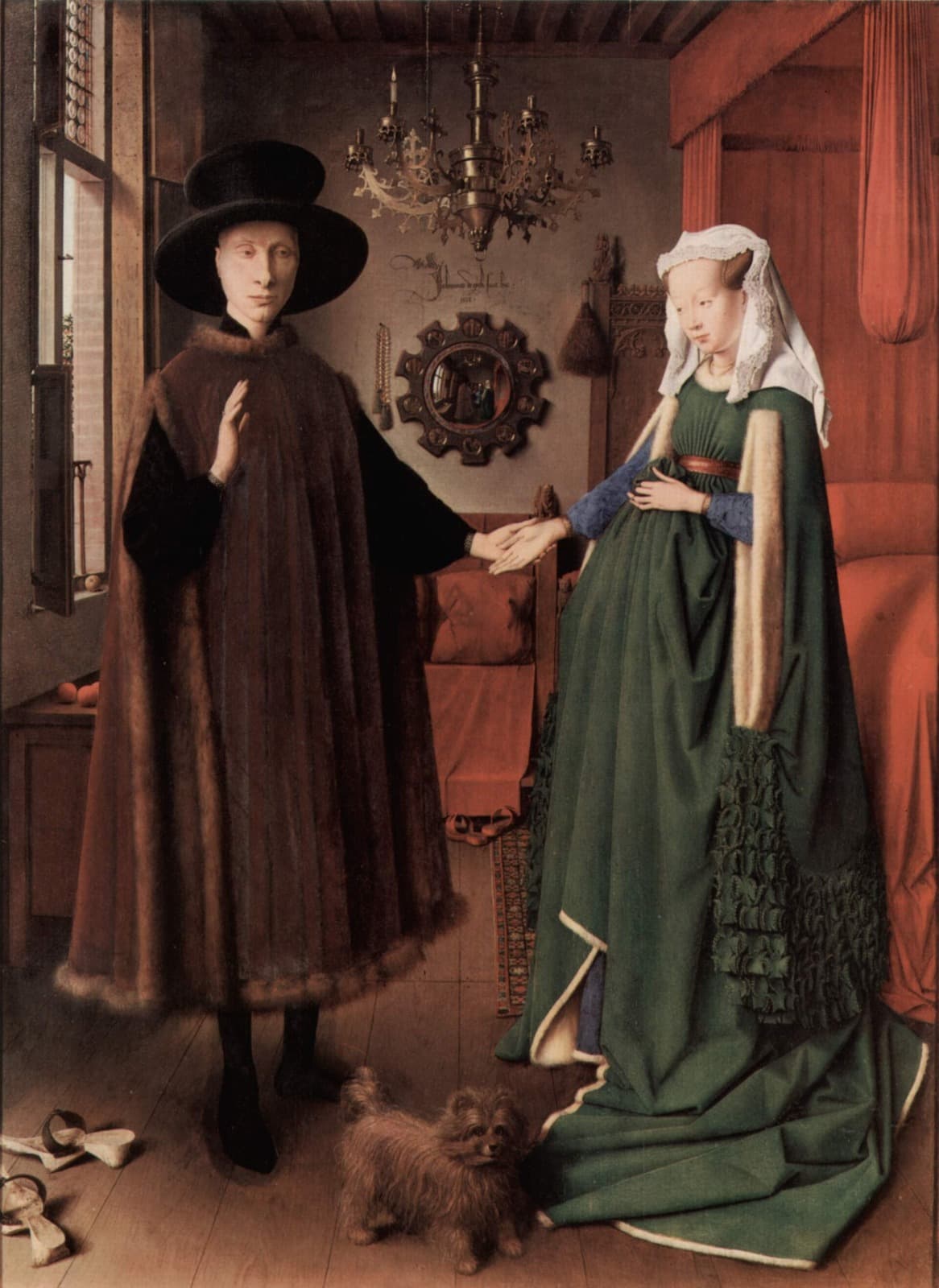
A couple joins hands in a Bruges bedroom, and the mirror behind them catches two visitors at the door. Van Eyck signed the wall above it.

Manet worked from a real barmaid named Suzon and put her reflection in the wrong place, which people have been arguing about ever since.

The fainting Virgin curves in an exact echo of her dead son, the stroke that made van der Weyden the most copied painter in the north.

Bernini was in his mid-twenties when he cut this, catching Daphne at the moment bark closes over her thigh and leaves push from her fingers.