
Where Do We Come From What Are We Where Are We Going
1898 · Museum of Fine Arts (Boston), Boston
Gauguin thought he was dying and meant this to be his last work, reading right to left from a sleeping infant to an old woman.
★ 8.5
 skopia
Gauguin thought he was dying and meant this to be his last work, reading right to left from a sleeping infant to an old woman.
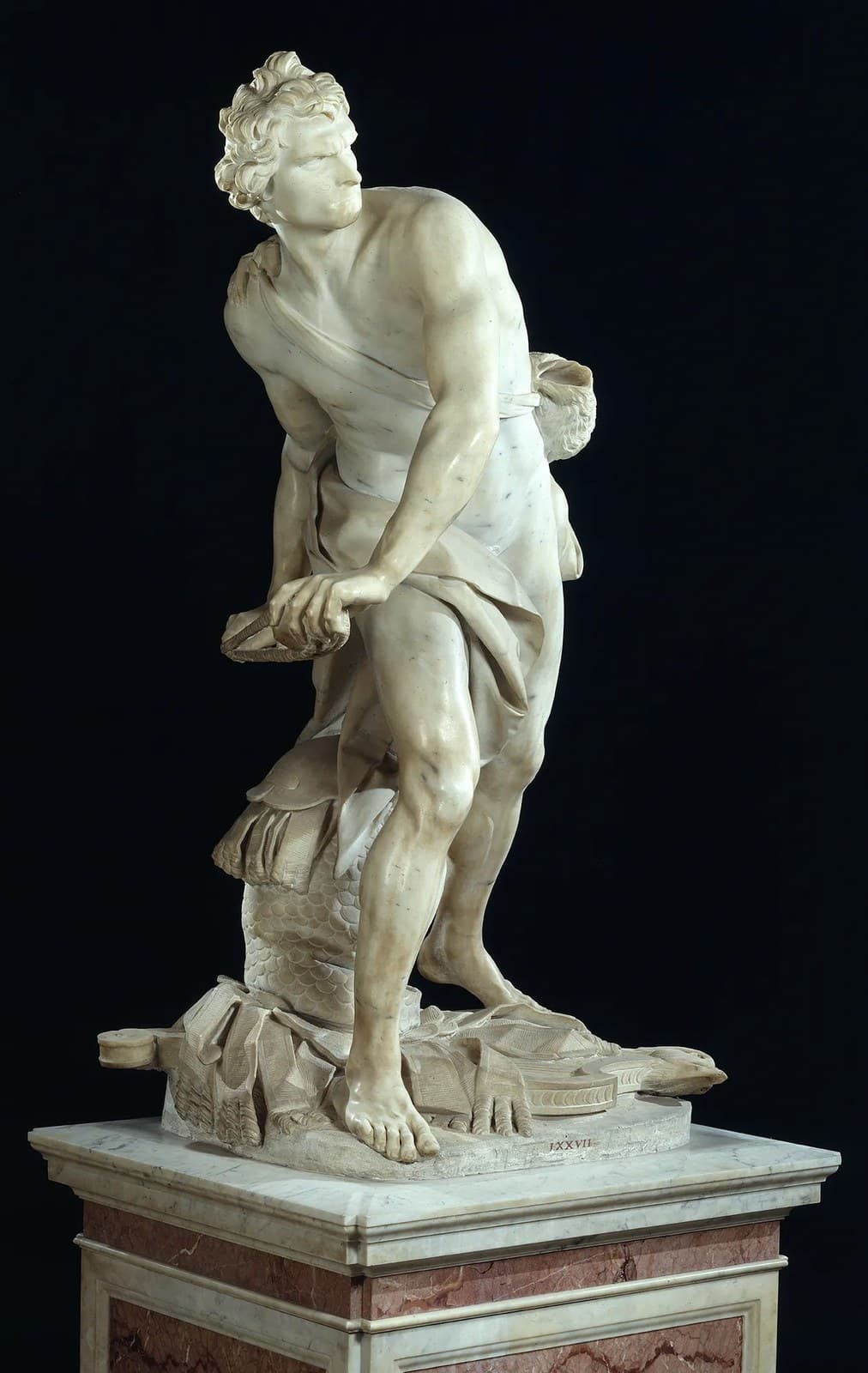
Bernini put the viewer where Goliath must be standing, so the sling is being wound up to throw straight past your head.

The trees behind Christ turn from bare to leafing across the panel. In 1944 a British officer held his guns rather than shell the town.
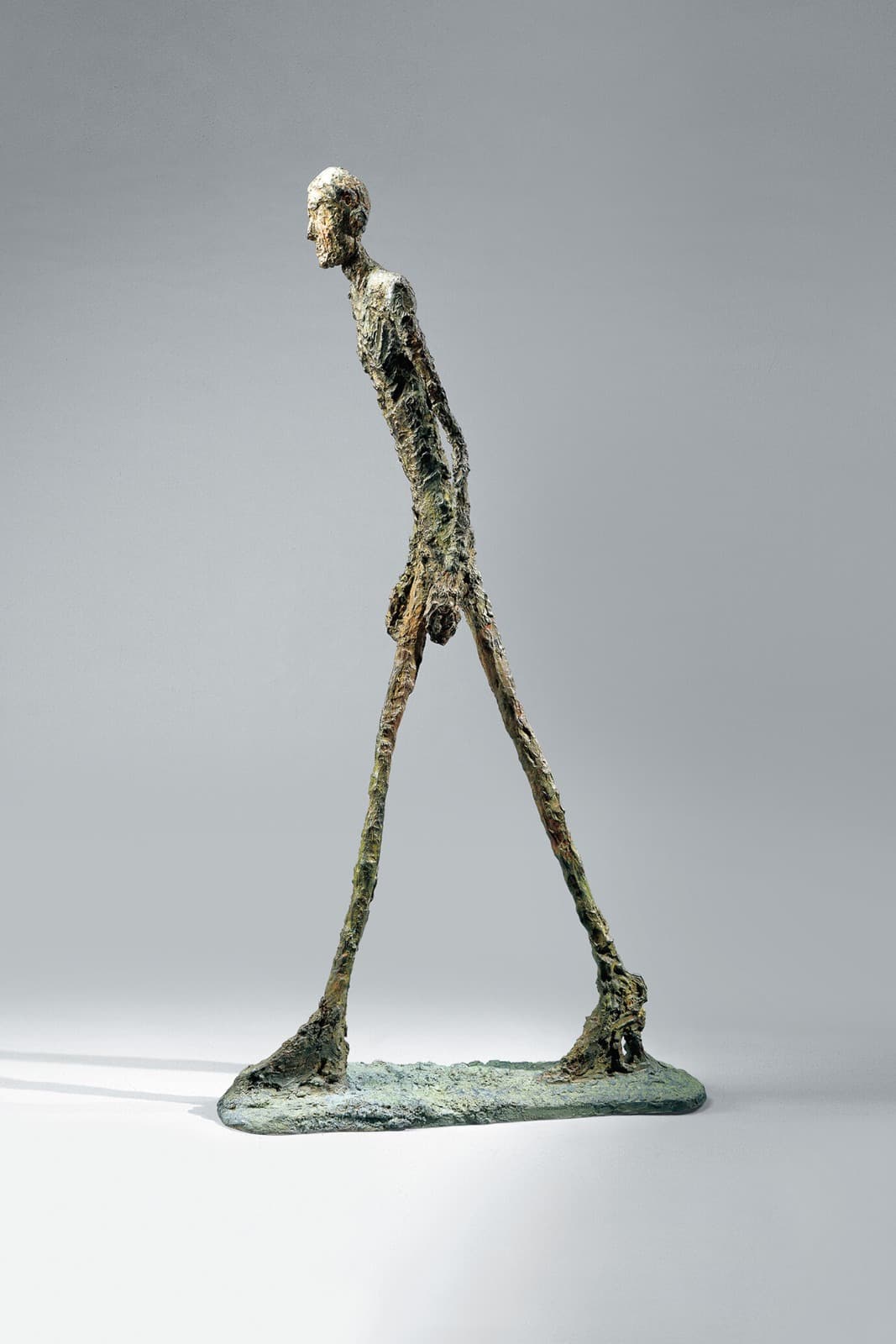
Everything is scraped off the bronze except forward motion. One cast briefly held the record for the most expensive sculpture ever sold.

The corner of the stone slab juts out of the picture so the body looks about to be laid down in the room with you.
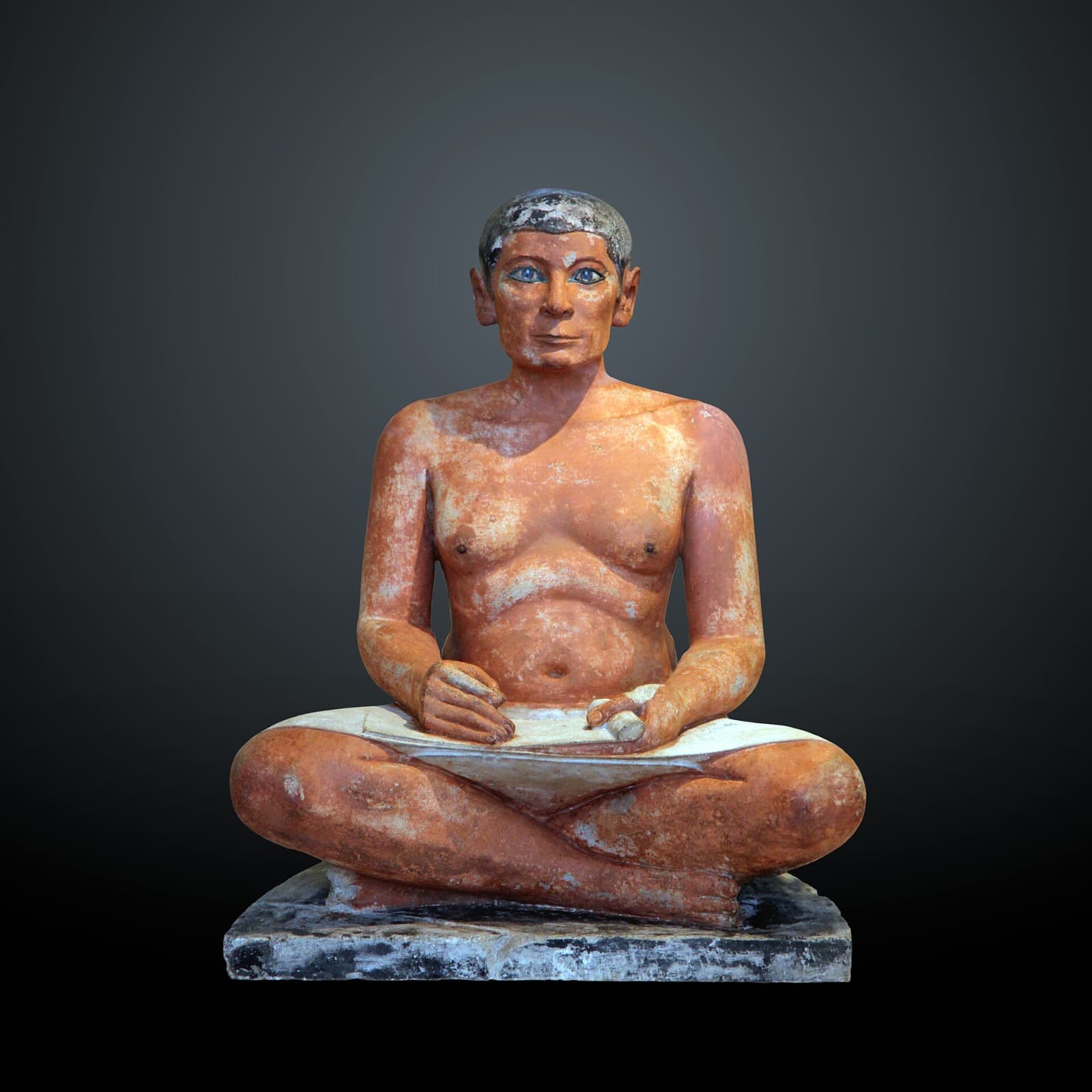
His eyes are inlaid with rock crystal and copper, and unlike a pharaoh he was given a soft chest and a desk worker's belly.

Brook Watson really did lose a leg to a shark in Havana harbor, and Copley put a Black sailor at the top of the rescue.

Rubens had just come back from Italy with Caravaggio's light and Michelangelo's anatomy, and announced himself with this straining diagonal.
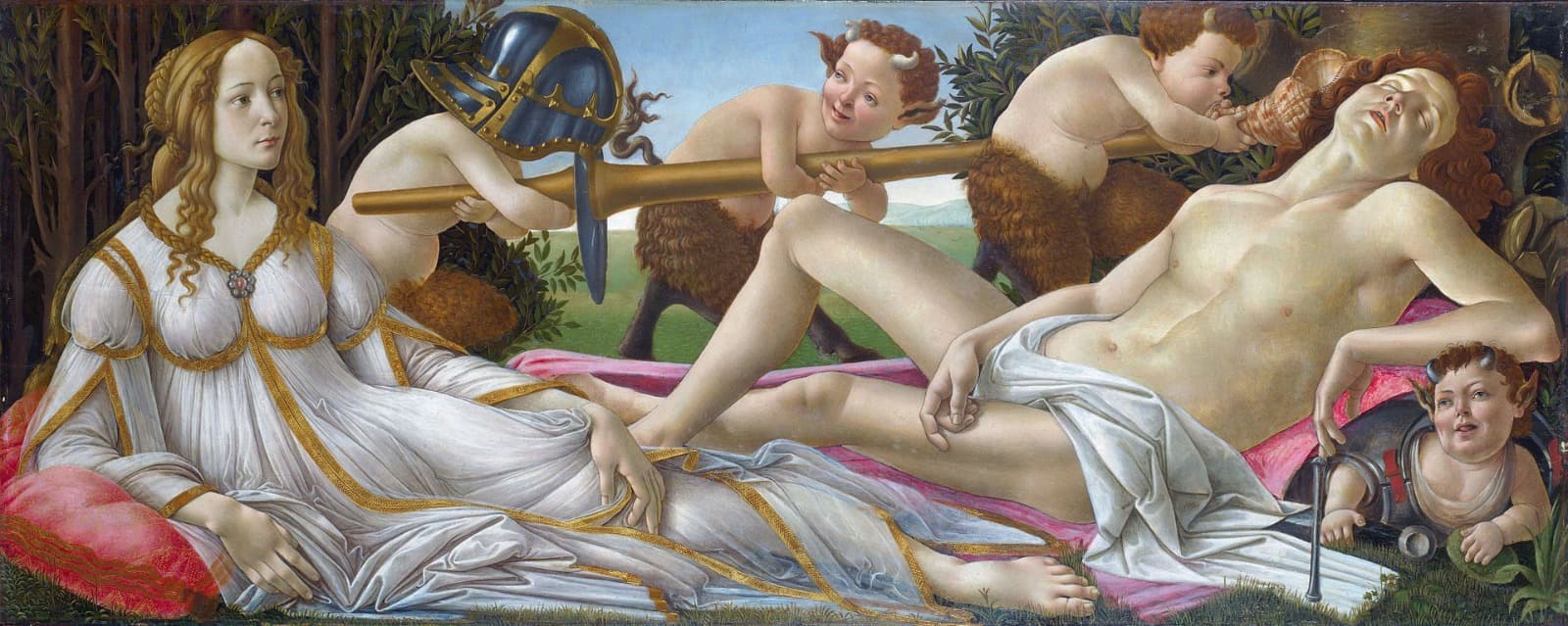
Mars sleeps the sleep of the spent lover while satyrs make off with his lance, one blowing a conch in his ear without waking him.
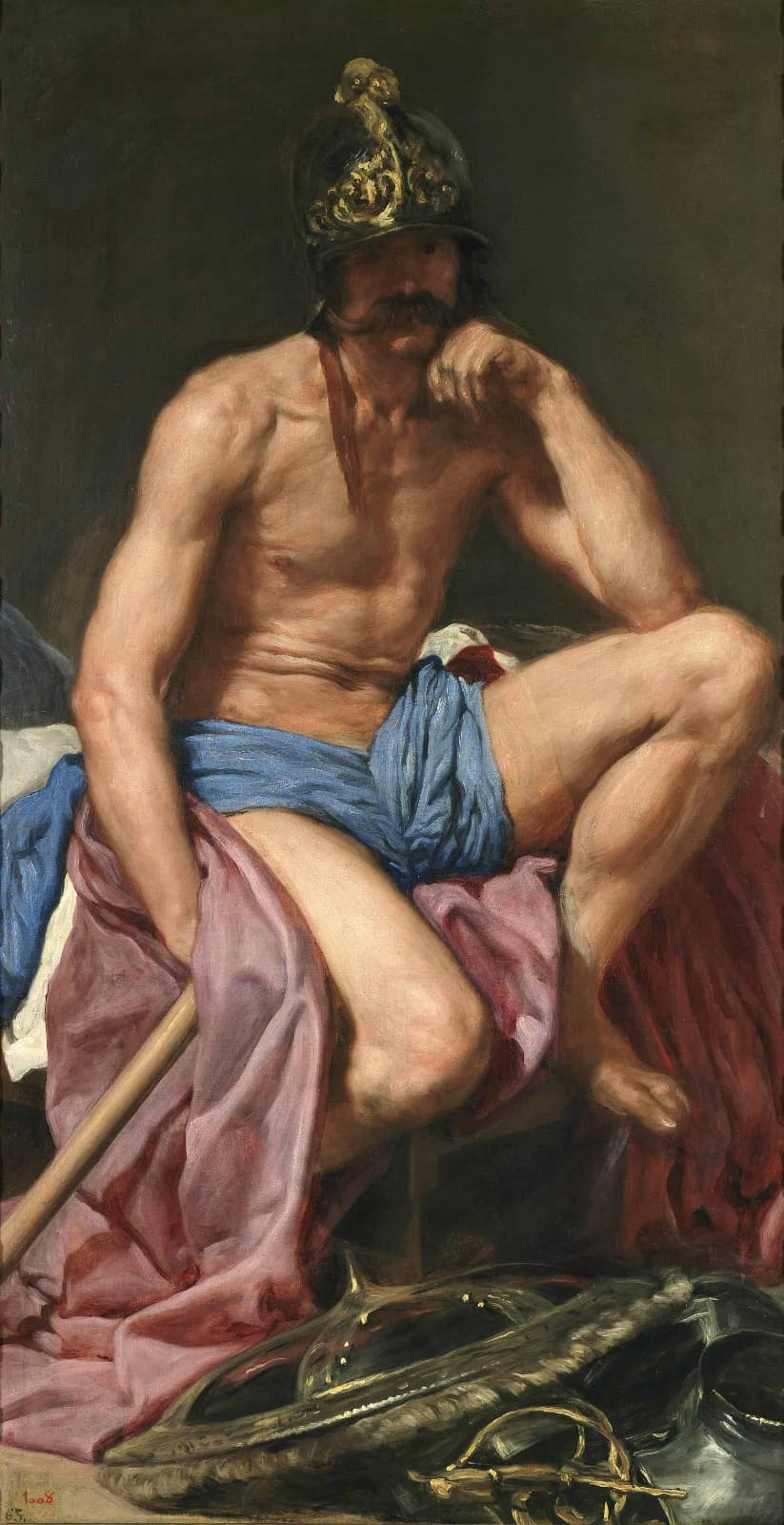
Mars sits naked and deflated in a plumed helmet with his armor on the floor, looking more like a tired old soldier.
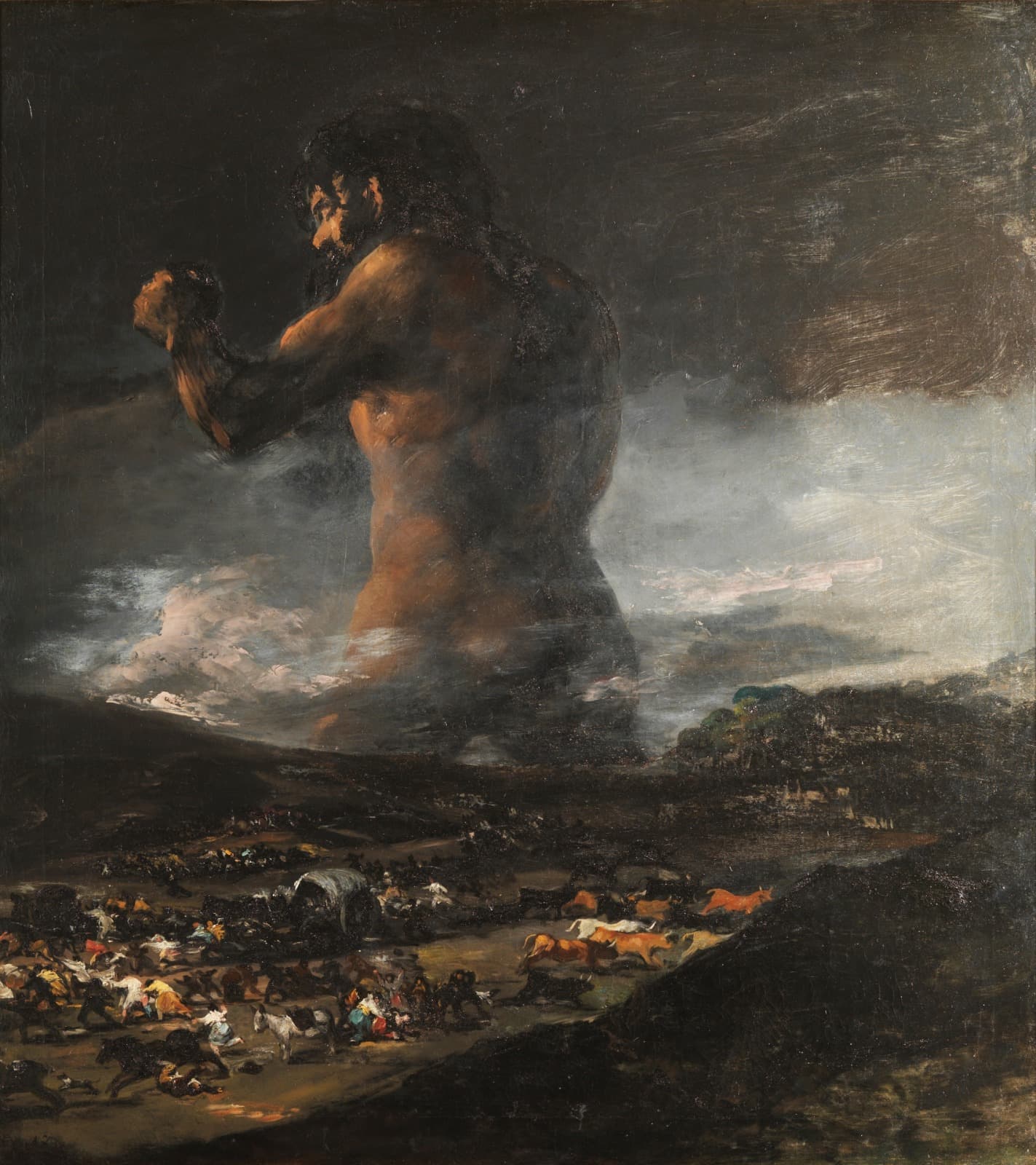
A giant stands with his head in the clouds while everything below scatters. Whether Goya actually painted it is now disputed.
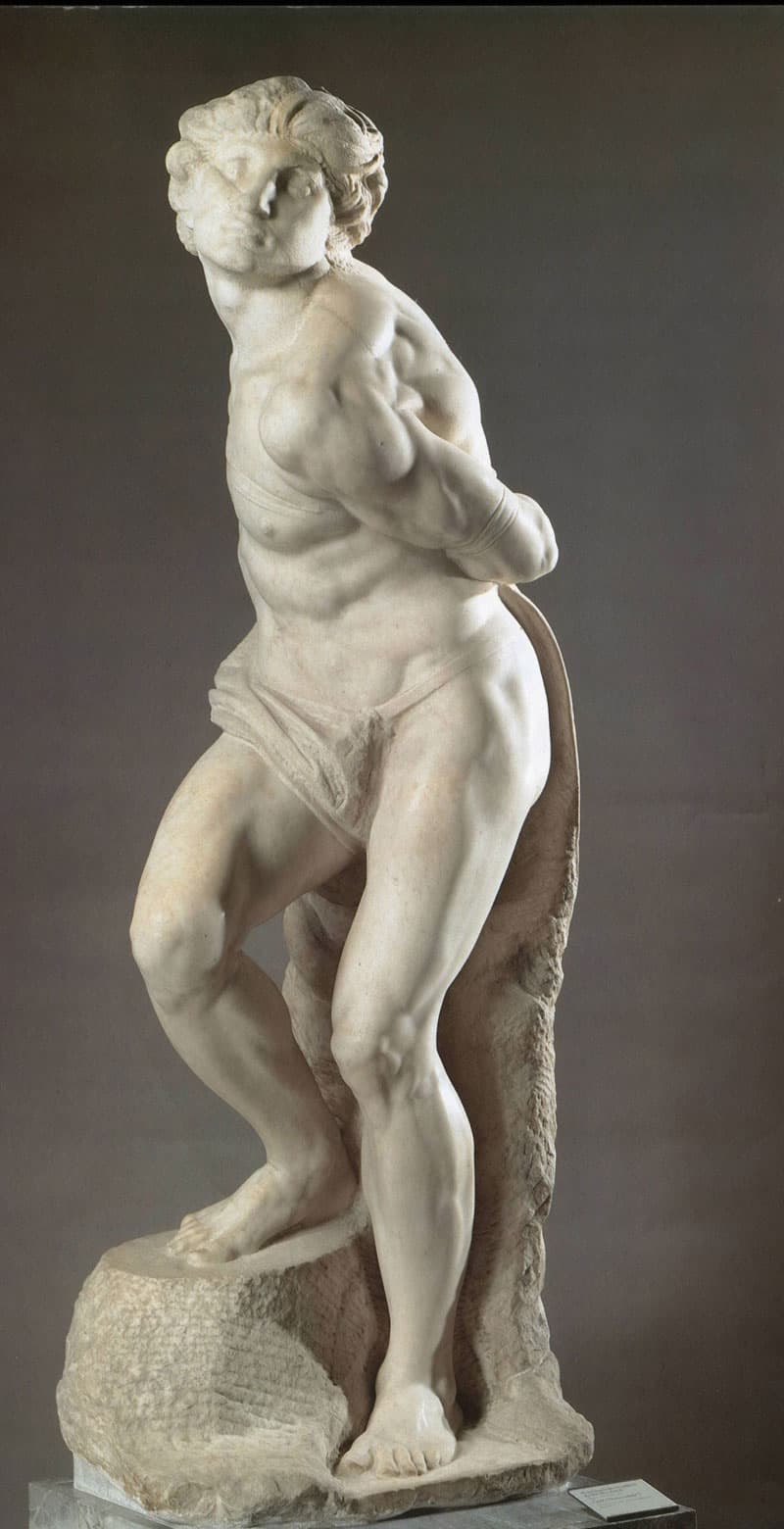
Carved for a papal tomb that kept shrinking until it was abandoned. What the bonds mean is still argued, but the strain is unmistakable.
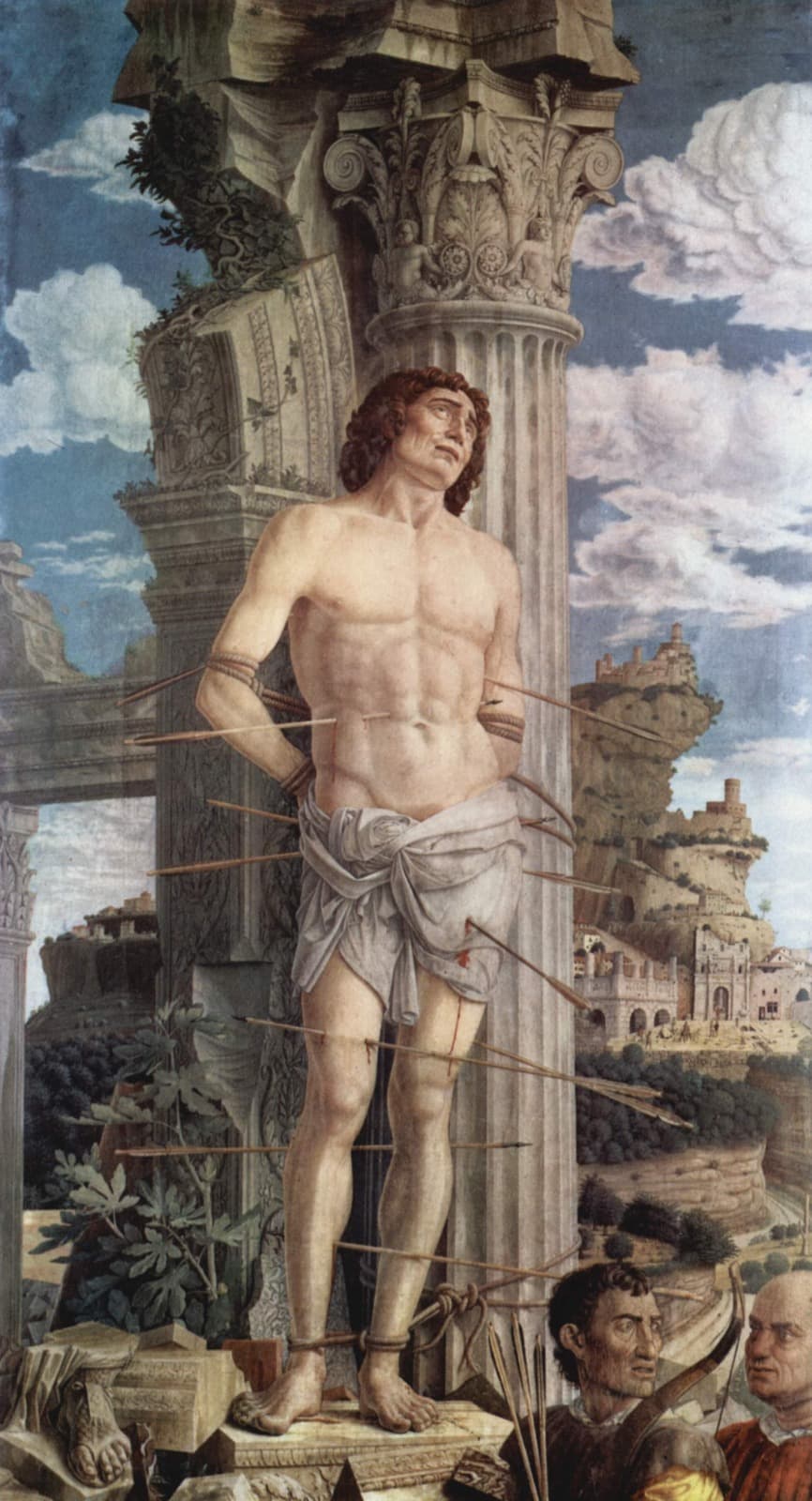
Sebastian takes his arrows with the composure of a statue, tied to a Roman column in a field of accurately ruined antiquity.
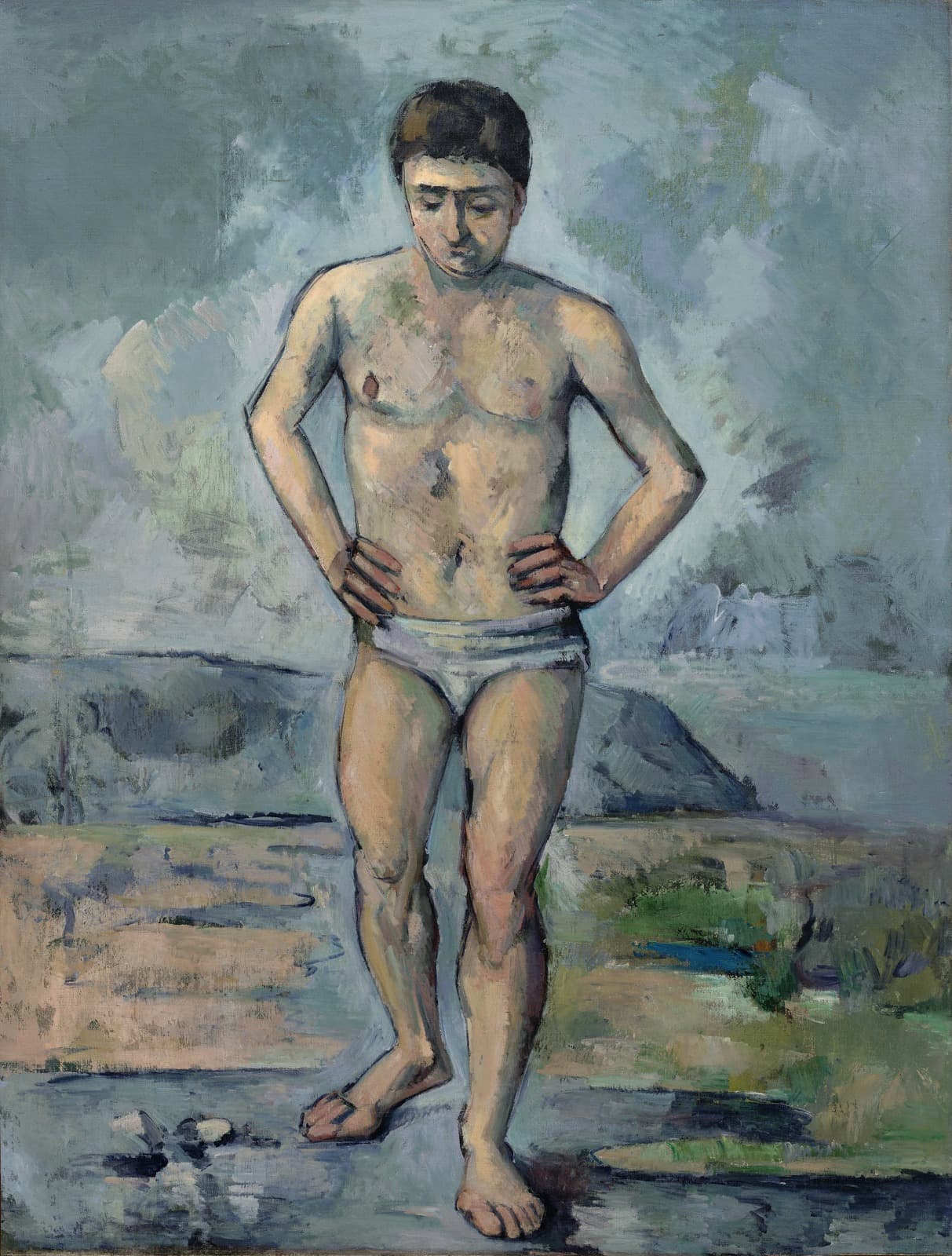
He stands in bathing trunks with his hands on his hips, built out of planes and given the same weight as a mountain.

Saturn bites into his own infant to stop the prophecy, the star of Saturn overhead. Goya would take the same subject somewhere much worse.
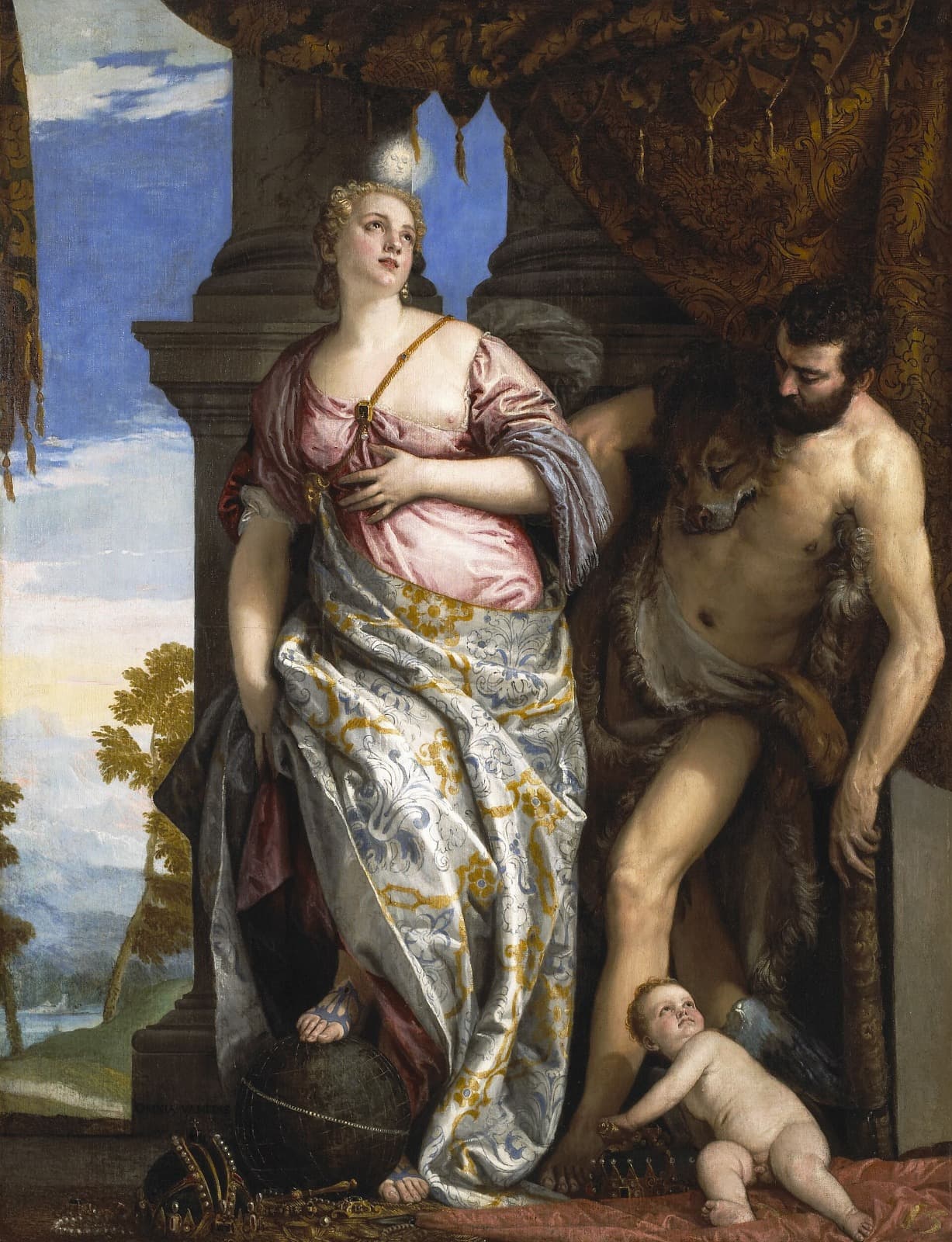
Divine Wisdom looks up and Hercules looks down at a scatter of crowns and jewels, which is the entire argument of the picture.

A man and a white horse in a Tahitian grove, painted on Gauguin's first stay, flat and warm and looking for a paradise.
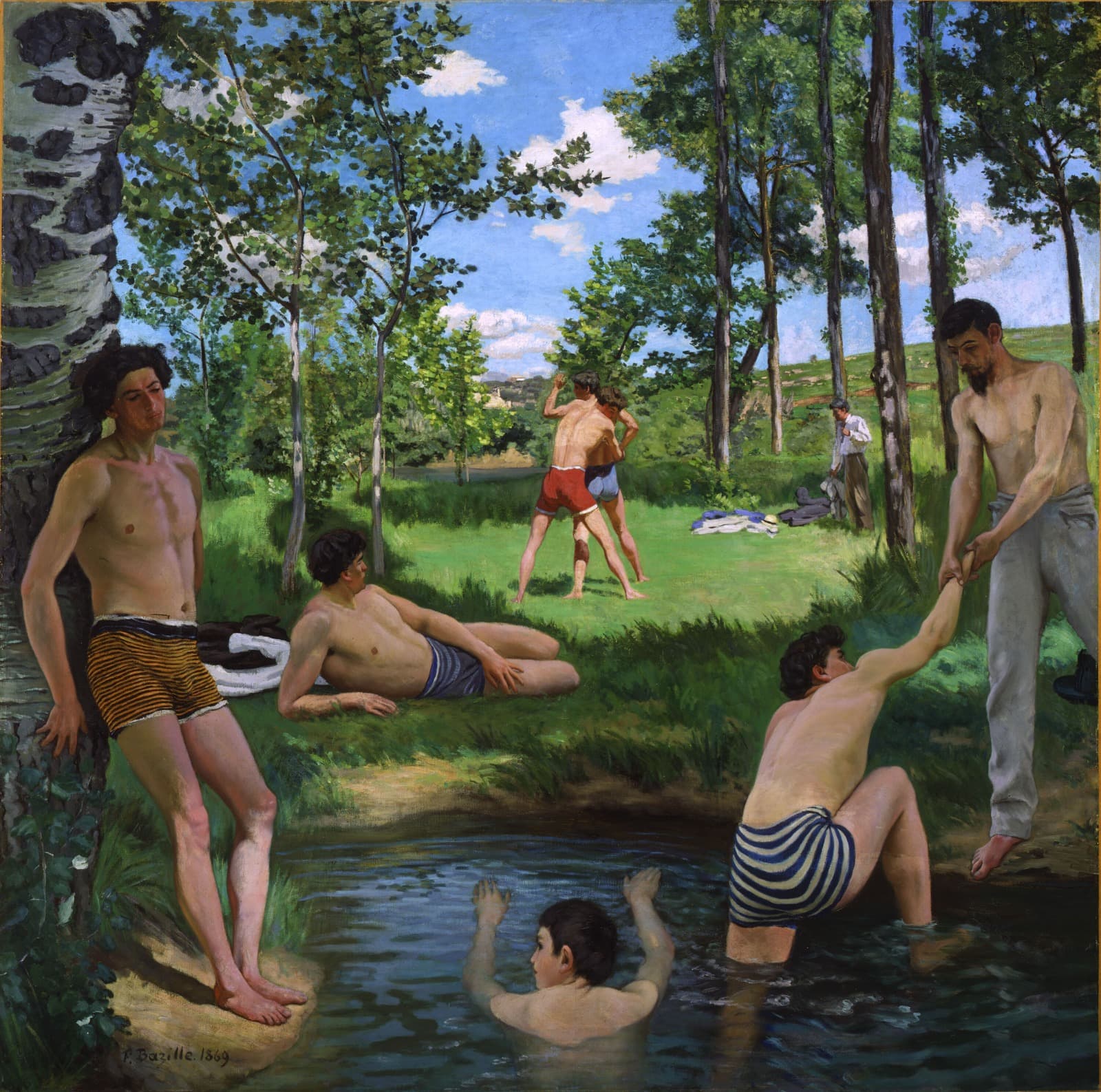
Young men lounging on a riverbank in dappled light, the oldest subject in painting given ordinary modern bodies and modern poses.

No bigger than a page, and one of very few works securely given to Cimabue, whom Dante named the best painter of his day.