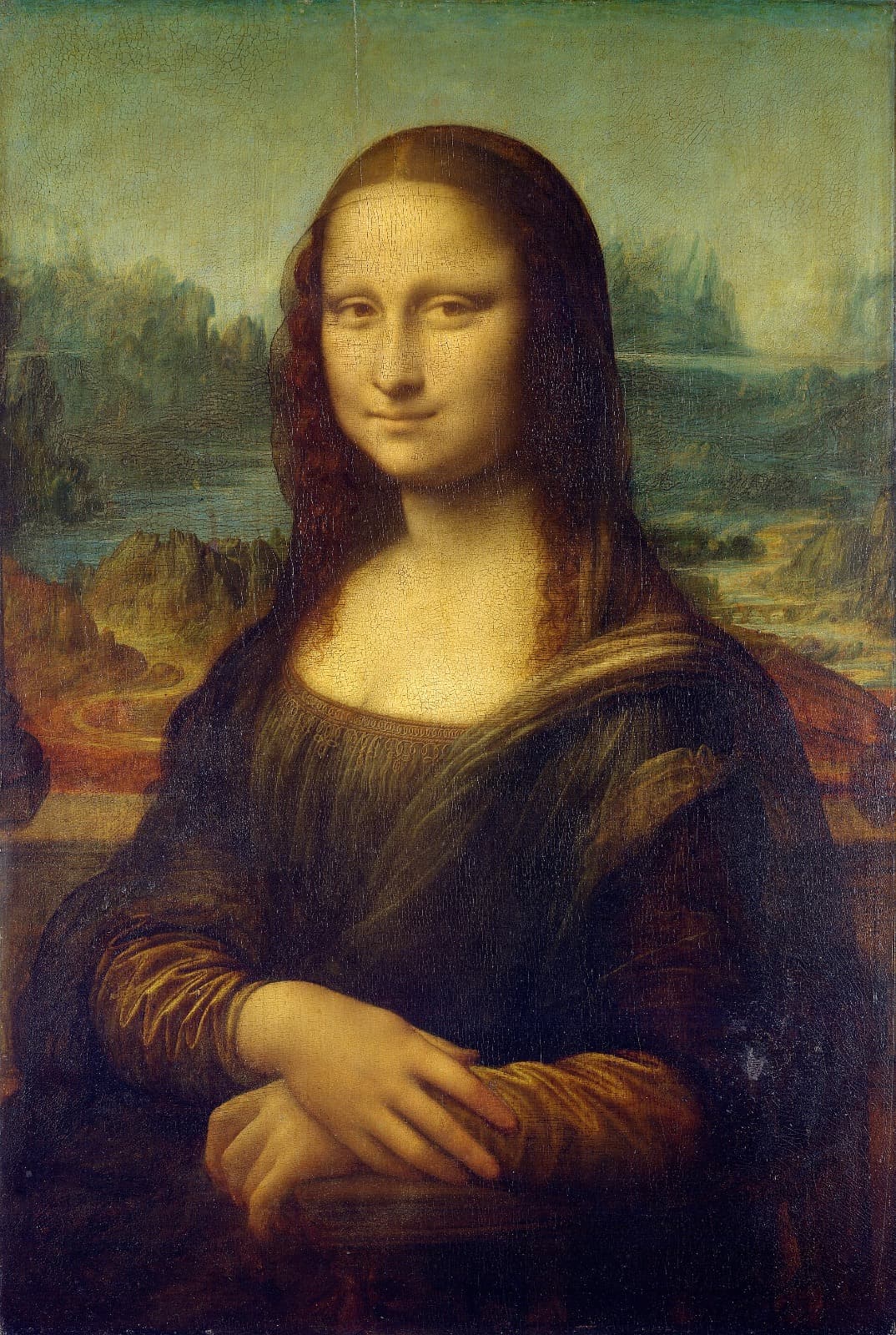
Mona Lisa
1504 · Louvre, Paris
She was probably Lisa Gherardini, a merchant's wife, and Leonardo kept reworking her for years and never handed the portrait over.
★ 9.9
 skopia
She was probably Lisa Gherardini, a merchant's wife, and Leonardo kept reworking her for years and never handed the portrait over.
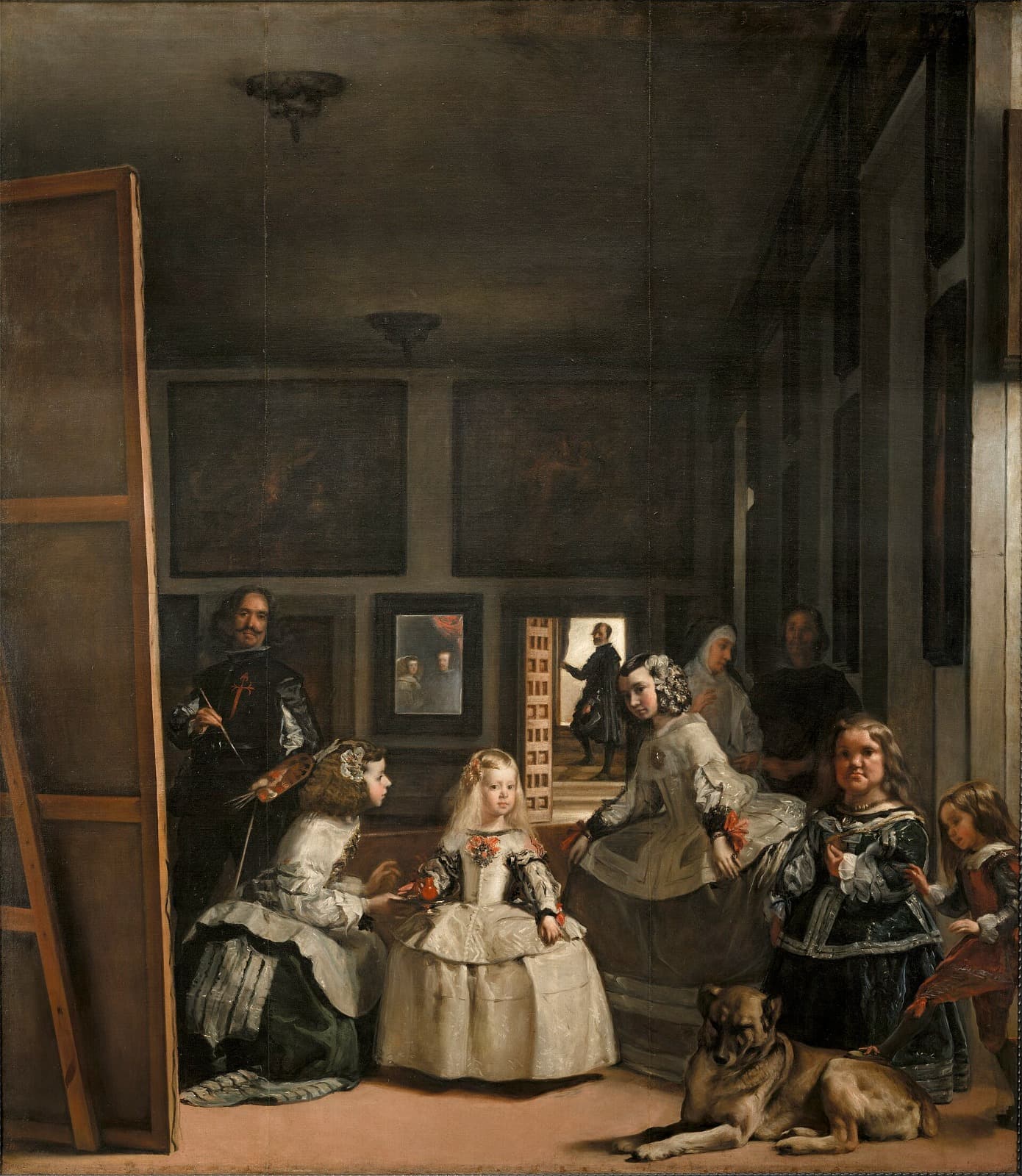
The Infanta and her maids fill the room, but Velázquez has put himself at his easel and the king and queen in a mirror behind.
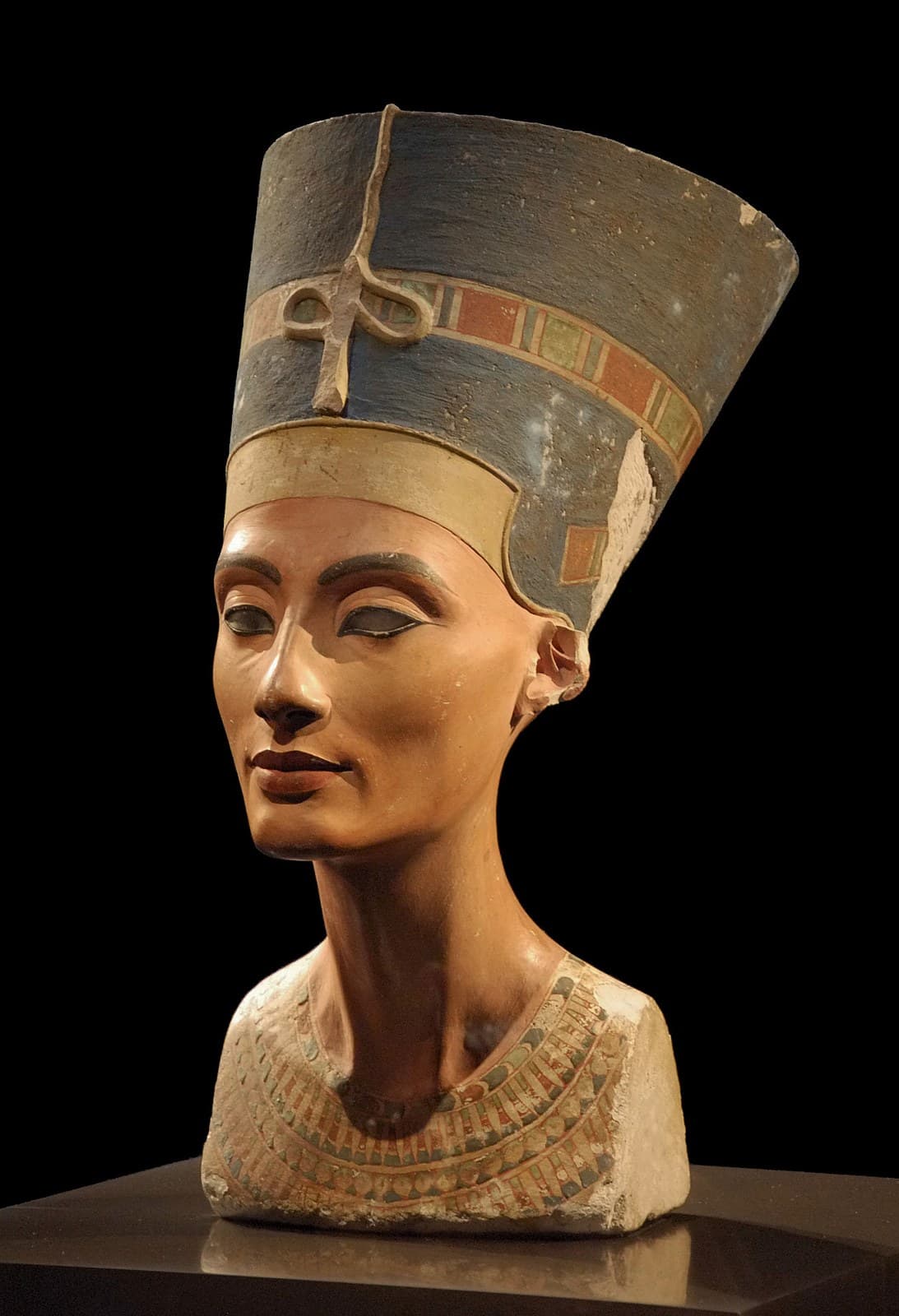
One eye is inlaid and the other left blank, which suggests the bust was a master model kept in the sculptor's workshop at Amarna.
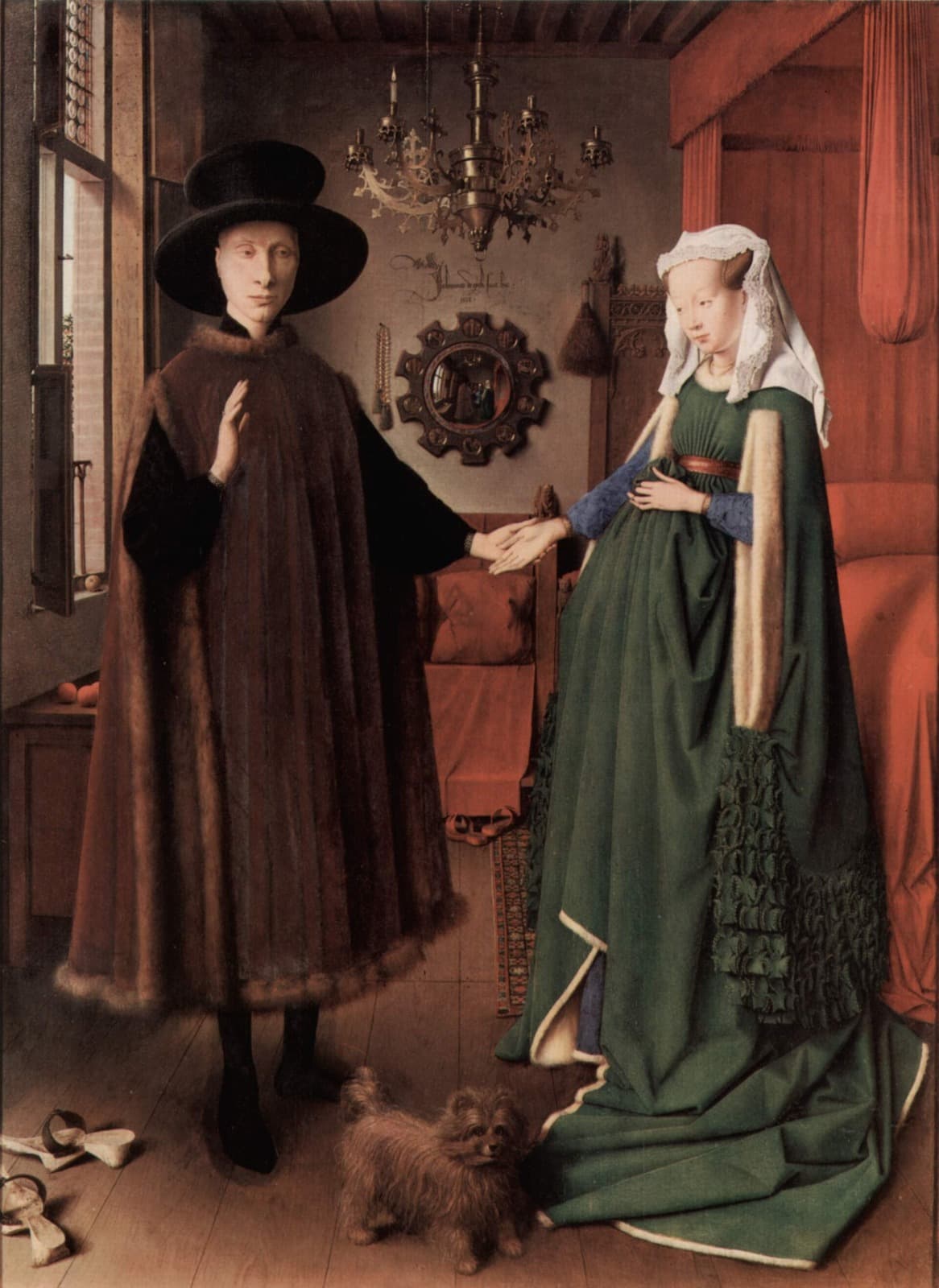
A couple joins hands in a Bruges bedroom, and the mirror behind them catches two visitors at the door. Van Eyck signed the wall above it.

Velázquez caught every wary line in the pope's face, and Innocent reportedly said it was troppo vero, too true. Francis Bacon reworked it for years.

Not a portrait of anyone in particular but a tronie, a study of a type, which somehow made her the most looked-at girl in art.

Two men pose with globes, sundials and a lute with a broken string, and a smear on the floor turns into a skull from the side.

Cecilia Gallerani turns as if someone has come in, and the ermine turns with her. It was her patron's emblem and a pun on her name.
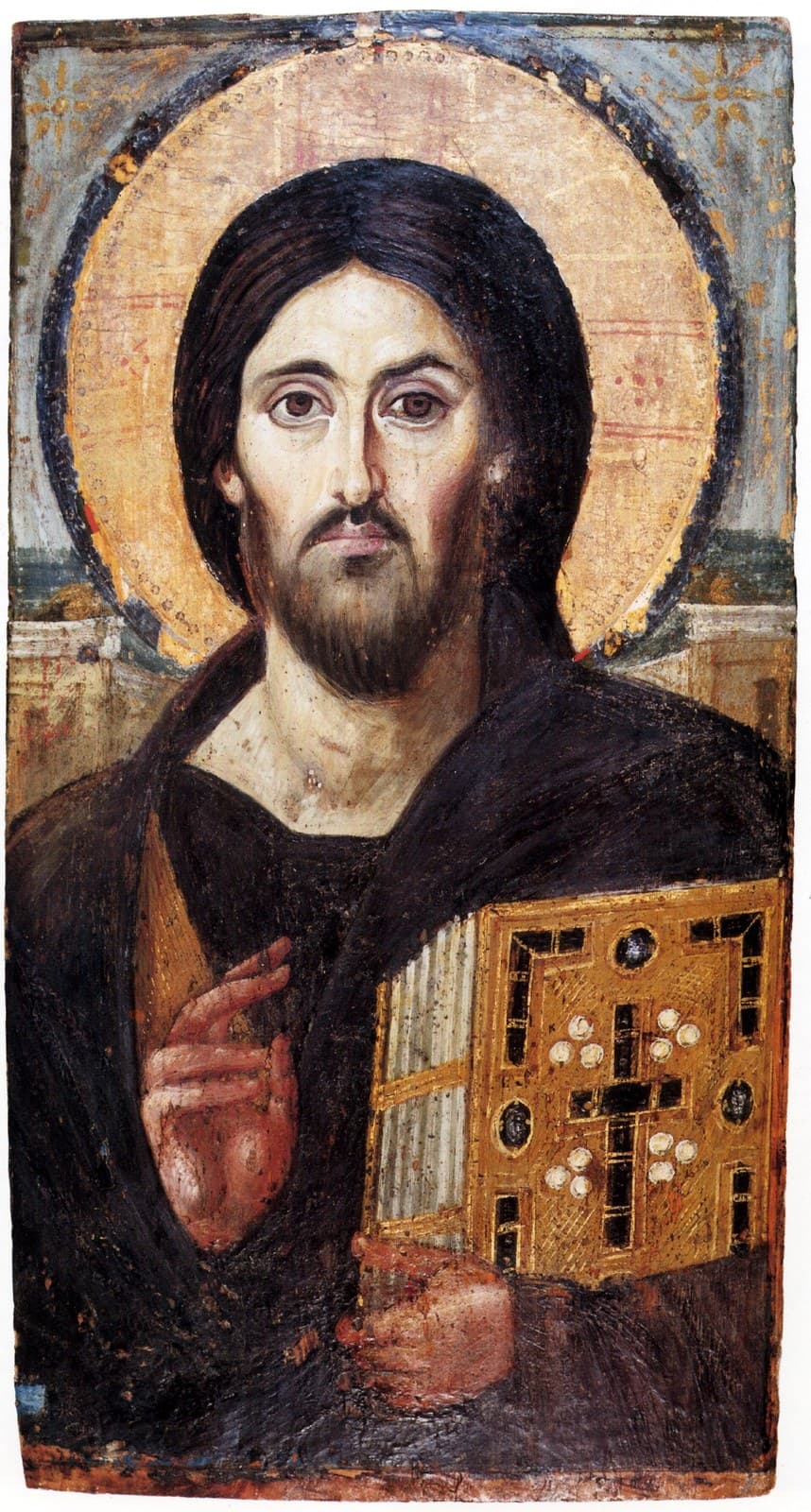
Cover one half of the face, then the other, and two expressions emerge, merciful and severe. Sinai was too remote for the iconoclasts to reach.
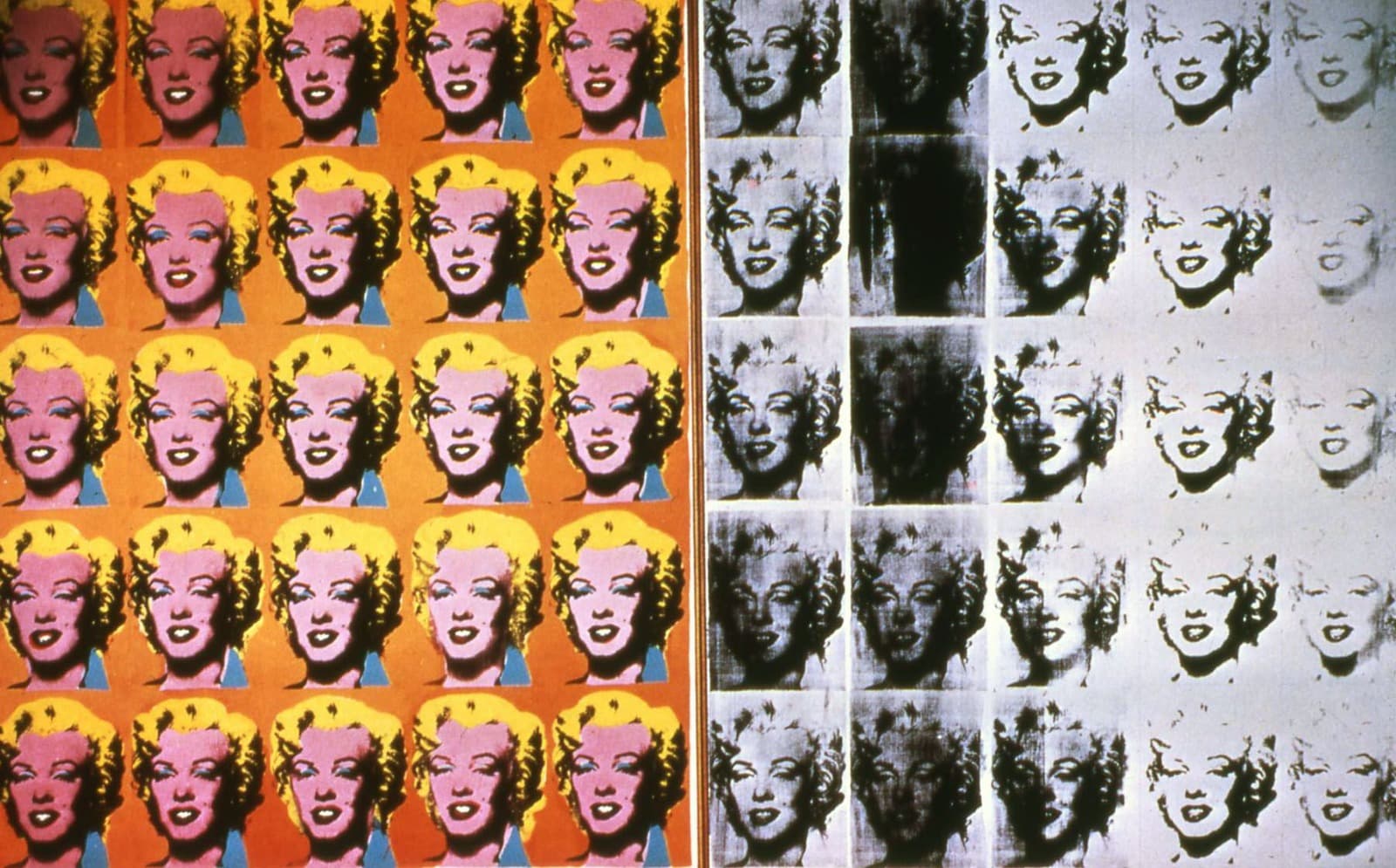
Warhol silkscreened a publicity photo fifty times just after Monroe died, bright on one half and smudging away to nothing on the other.

Whistler called it Arrangement in Grey and Black and insisted it was about tone, not feeling. The sitter was his mother, and nobody was fooled.

Only the face and hands are painted naturally and the rest is gold. The Nazis seized it, and a long restitution case eventually got it back.
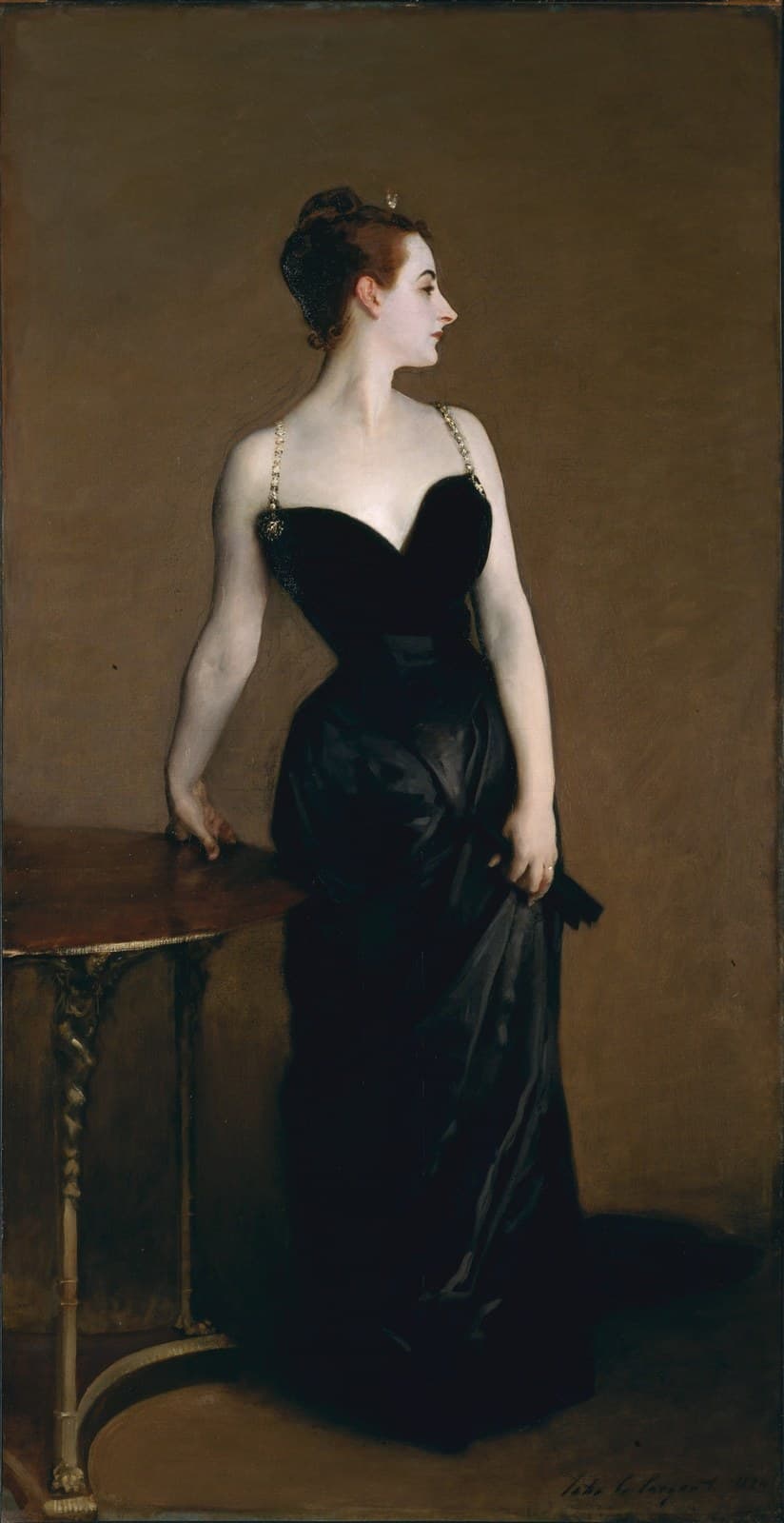
The strap fell off her shoulder in the 1884 version, Paris was scandalized, her family demanded it come down, and Sargent repainted the strap.

Sharaku made about 140 actor prints in ten months and then vanished so completely that people still argue about who he was.

The emperor hands a book to a Sufi and ignores the kings waiting below, one of them James I, copied from an English portrait.

Pareja was Velázquez's enslaved assistant, freed soon after this was painted in Rome as a warm-up before the pope sat for him.

Bacon took Velázquez's composed pope and set him screaming behind a curtain of falling paint. He never saw the original in person.

Three famous women of 1790s Edo on mica ground, their faces nearly identical, so you have to read them from the tilt of an eye.

A critic looked at this and called Matisse and his friends fauves, wild beasts, which is how the movement got its name.
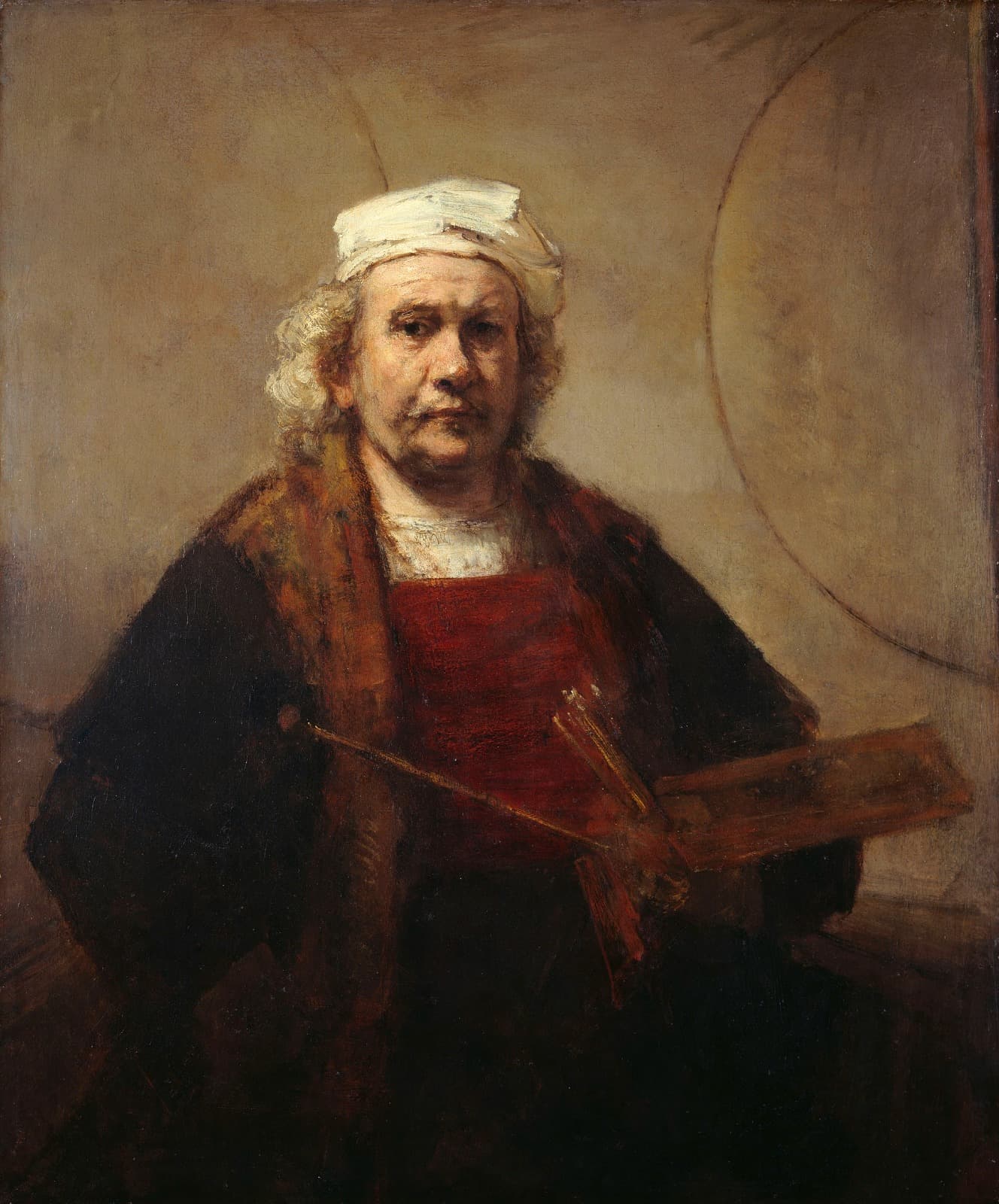
The old painter holds his brushes and palette, and behind him two large arcs are drawn on the wall that nobody has explained.