
The Birth of Venus
1486 · Uffizi Gallery, Florence
Venus arrives on a scallop shell in a fall of roses, painted on canvas at a time when almost everyone still worked on panel.
★ 9.7
 skopia
Venus arrives on a scallop shell in a fall of roses, painted on canvas at a time when almost everyone still worked on panel.

Five nude women stare out with their faces turned into masks, and Picasso kept the canvas rolled up in his studio for years.

Bernini was in his mid-twenties when he cut this, catching Daphne at the moment bark closes over her thigh and leaves push from her fingers.
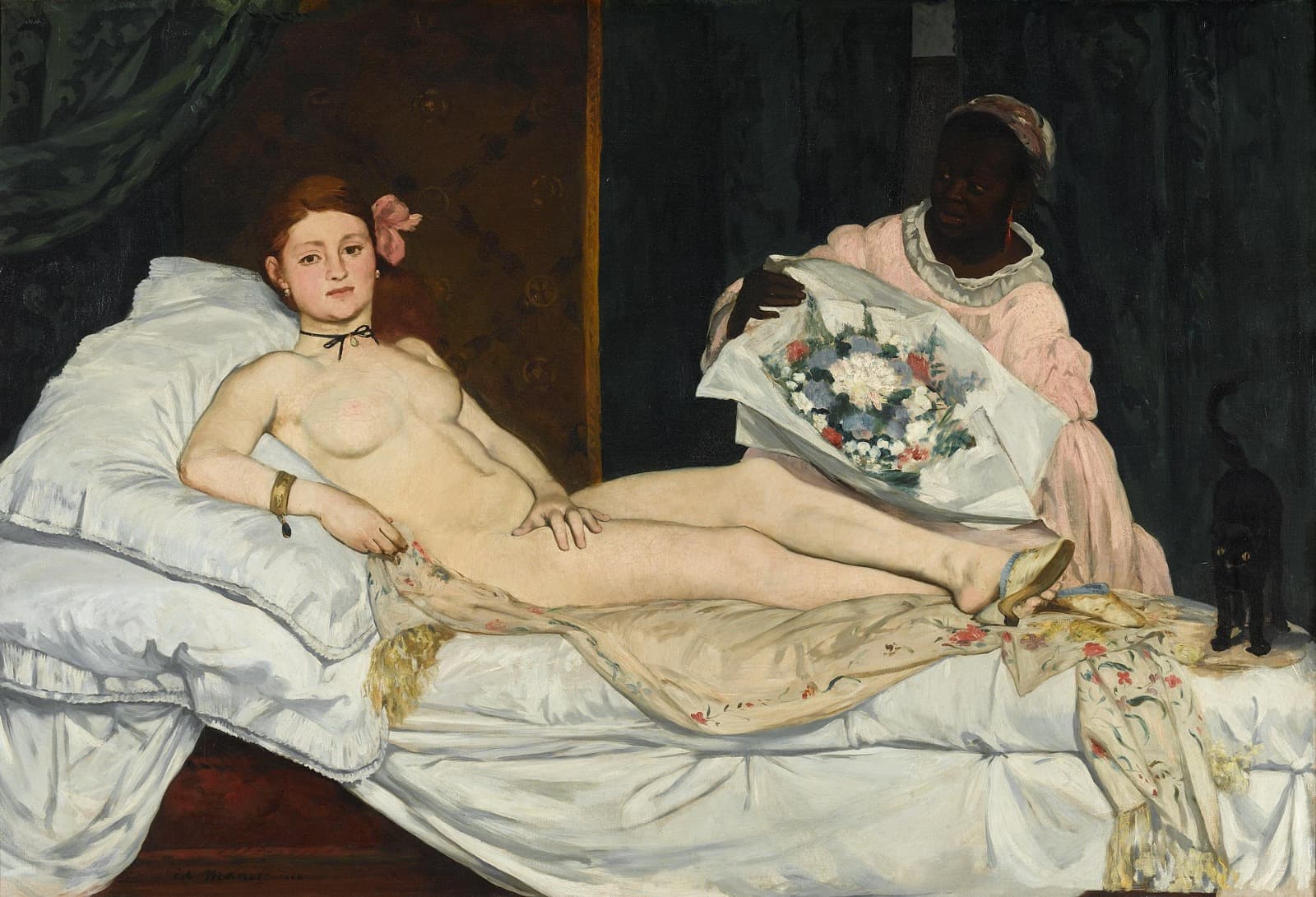
Manet took the pose from Titian's Venus of Urbino and gave it to a prostitute who looks straight back. The 1865 Salon was scandalized.

A naked woman picnics with two clothed men and looks calmly out at us. The Salon refused it, so it hung with the rejects.
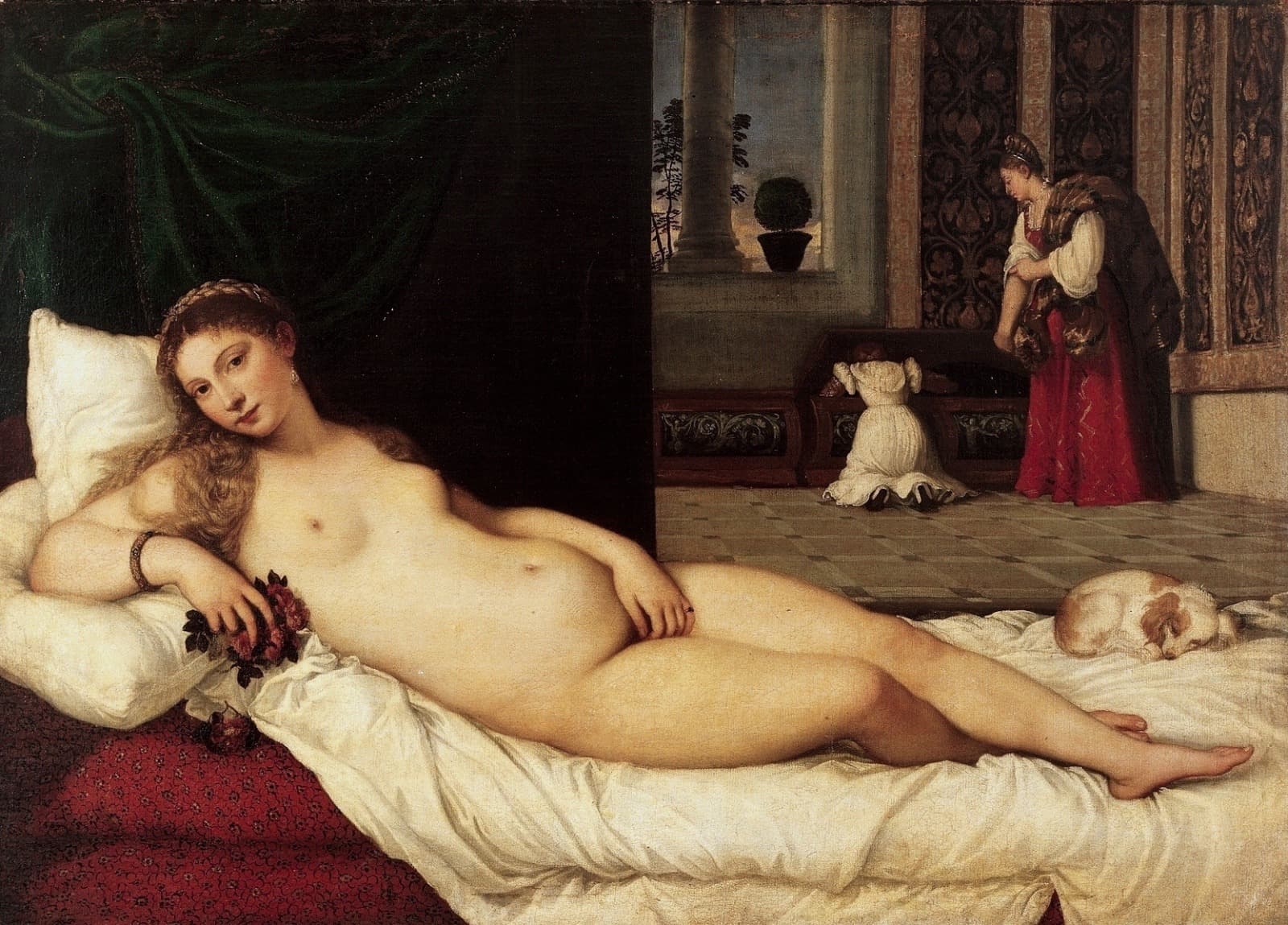
Titian woke Giorgione's sleeping Venus, brought her indoors, and had her look straight at us, probably to mark a wedding in Urbino.
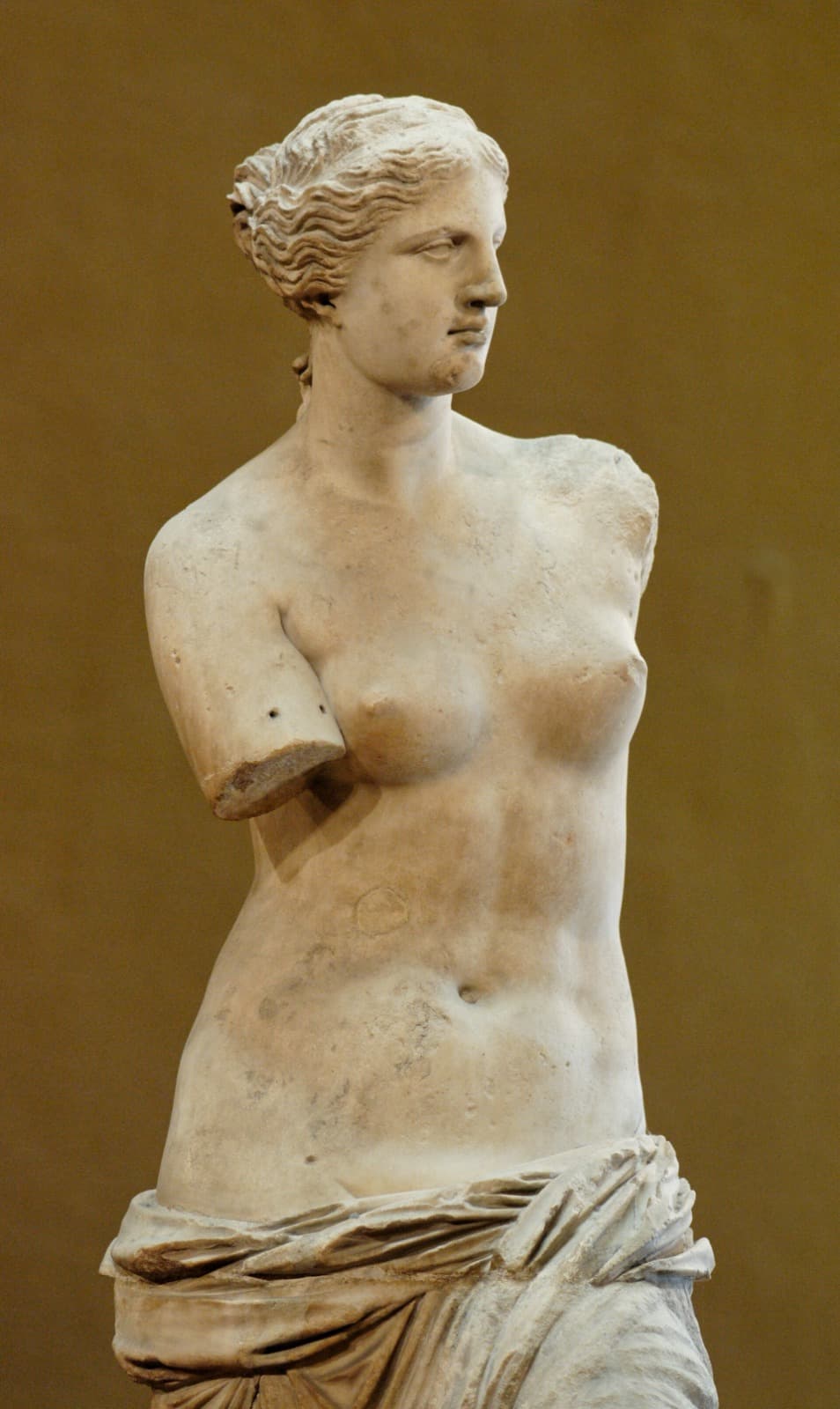
A farmer on Melos dug her up in 1820, already armless, and scholars still argue over whether she held an apple, a mirror, or her drapery.
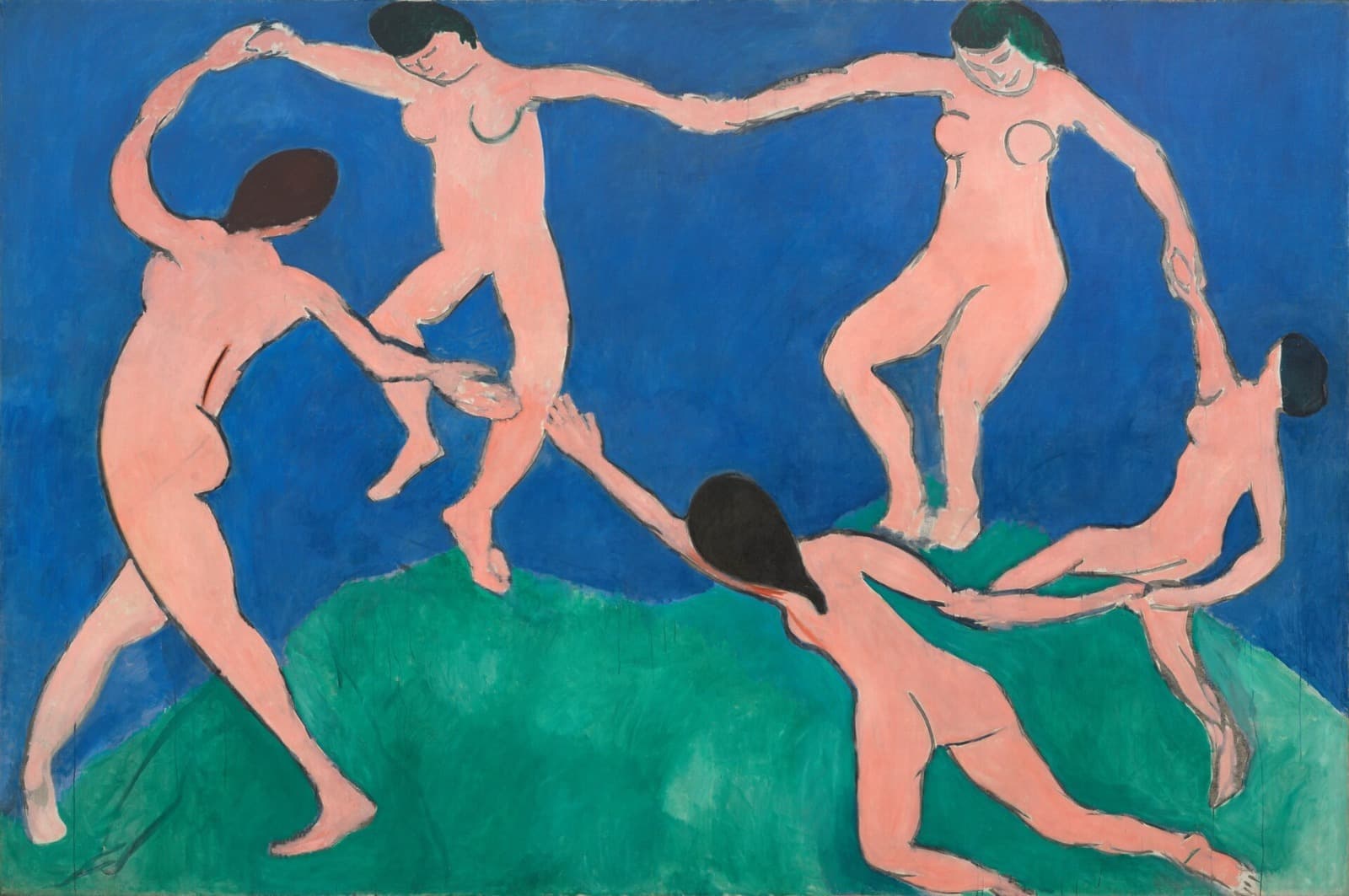
Five figures wheel in a ring against blue and green, reduced to three colors and the strain of holding hands at speed.

Nudes lounge and pipe and dance in a ring in a glade of colors nothing in nature has, a Fauve idyll from 1906.
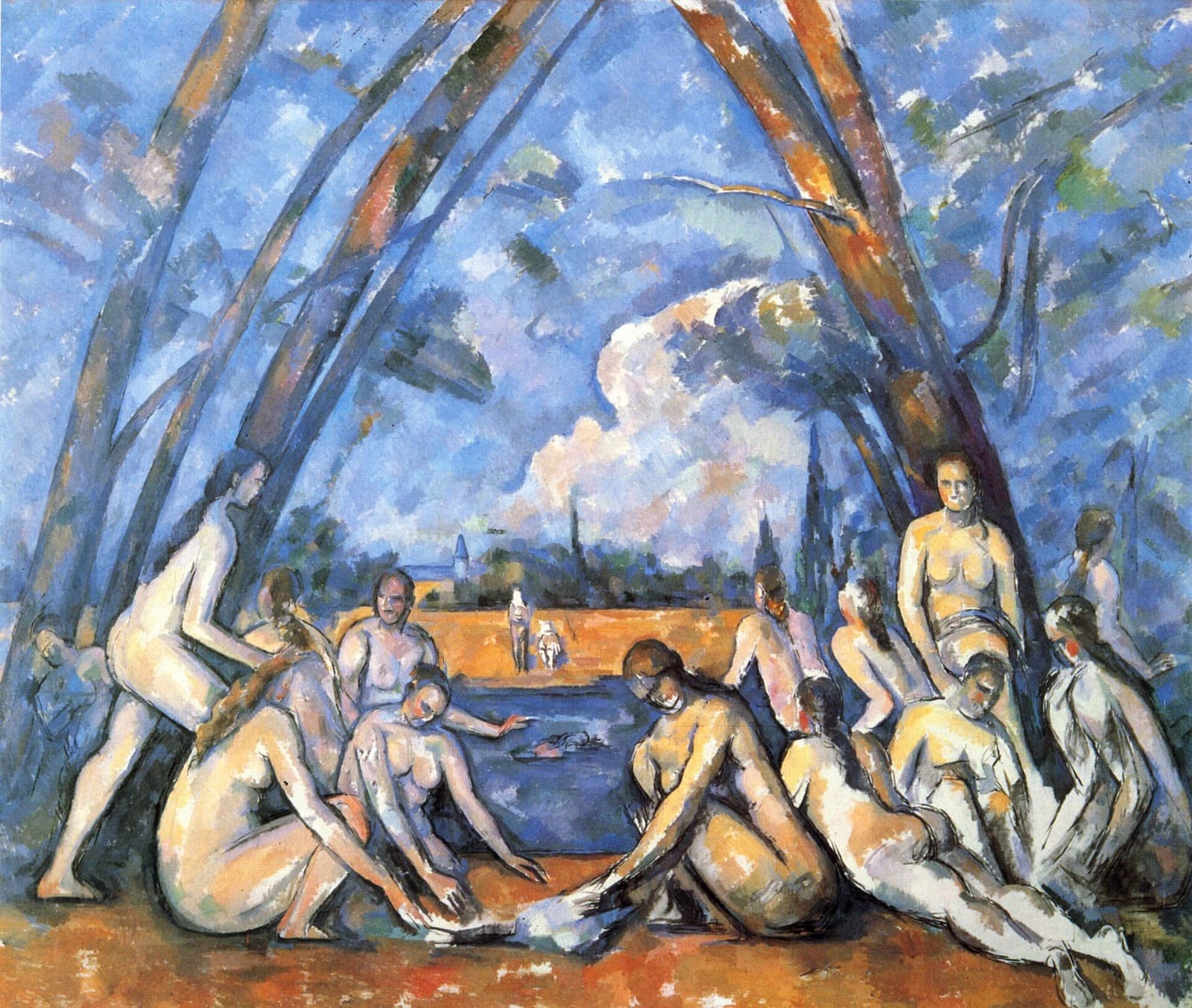
Cézanne worked on it for years and died before he finished, bending the trees inward so they rhyme with the bodies underneath.
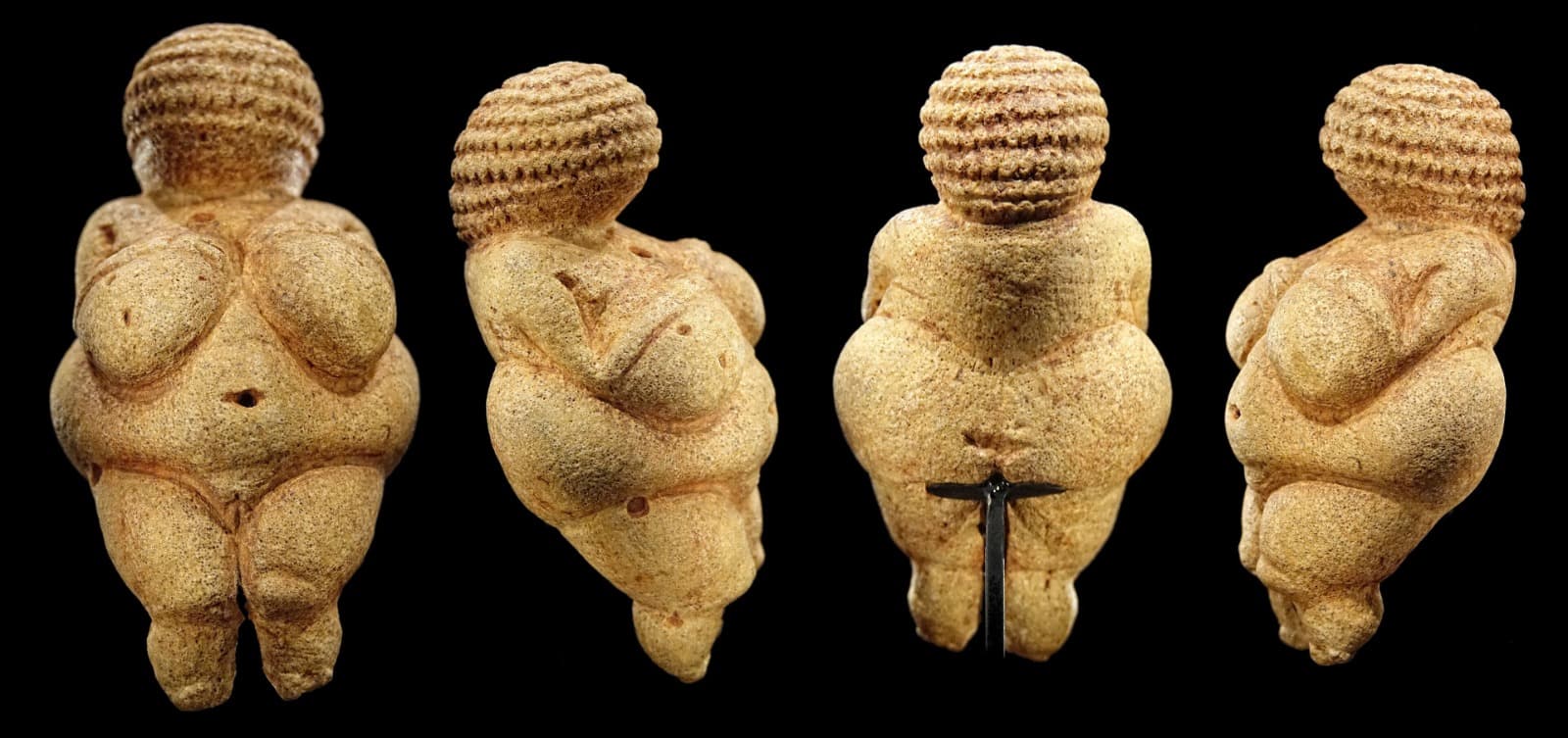
Eleven centimeters of limestone from beside the Danube, once tinted red, with a woven cap covering the whole head and no face at all.
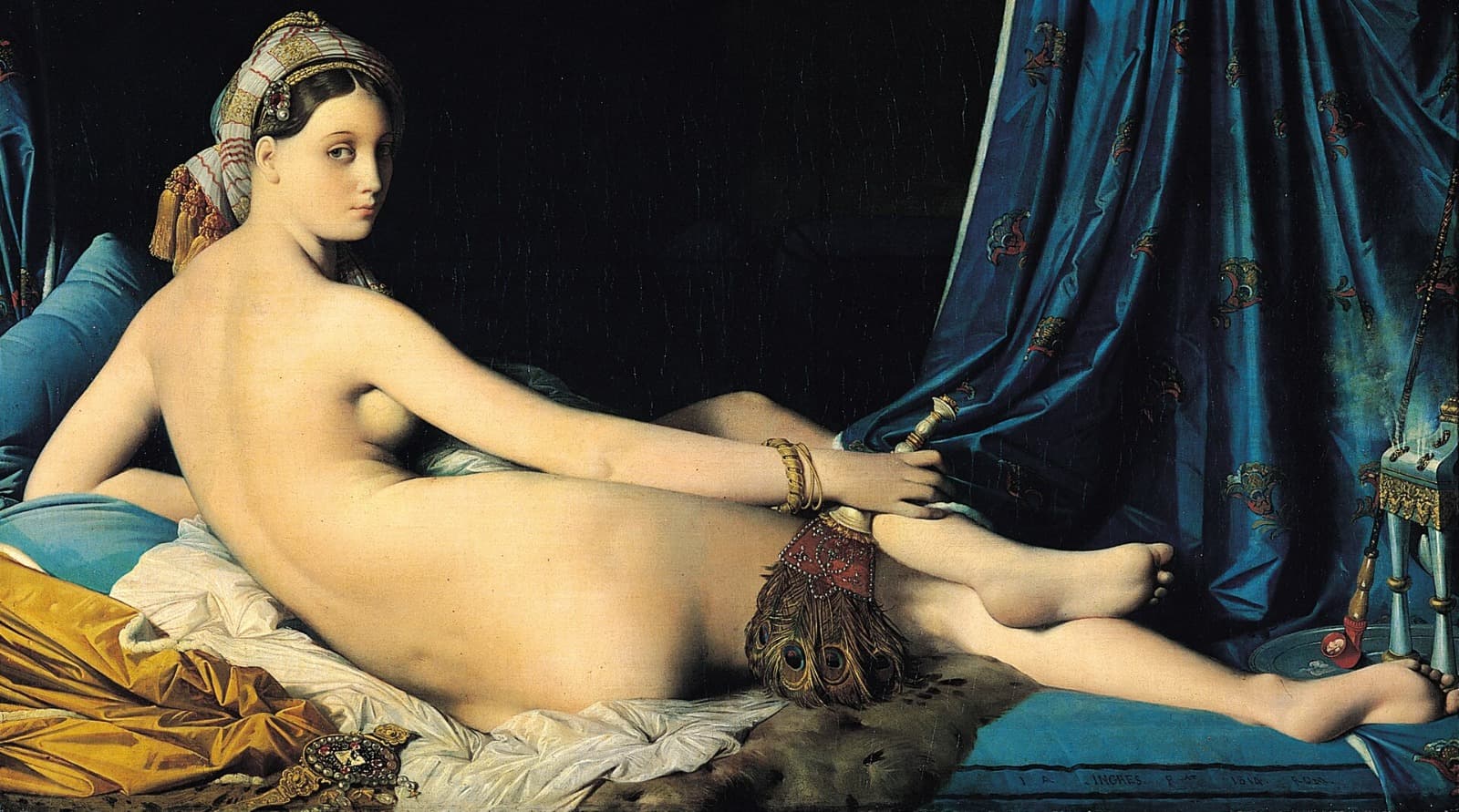
Ingres stretched her spine past anything anatomy allows, and critics joked she had three vertebrae too many. He was chasing line, not truth.

A critic at the 1913 Armory Show called it an explosion in a shingle factory, and the insult followed the painting around America.

The king watches from his red bed while everything he owns is killed in front of him, on his own orders, before the pyre.

A girl with a reptile's body offers a honeycomb and Time pulls back a curtain. The cold puzzle was probably a gift for the French king.

Not a goddess but a real woman looking straight back, which is why the Inquisition took an interest. Goya painted a clothed version too.
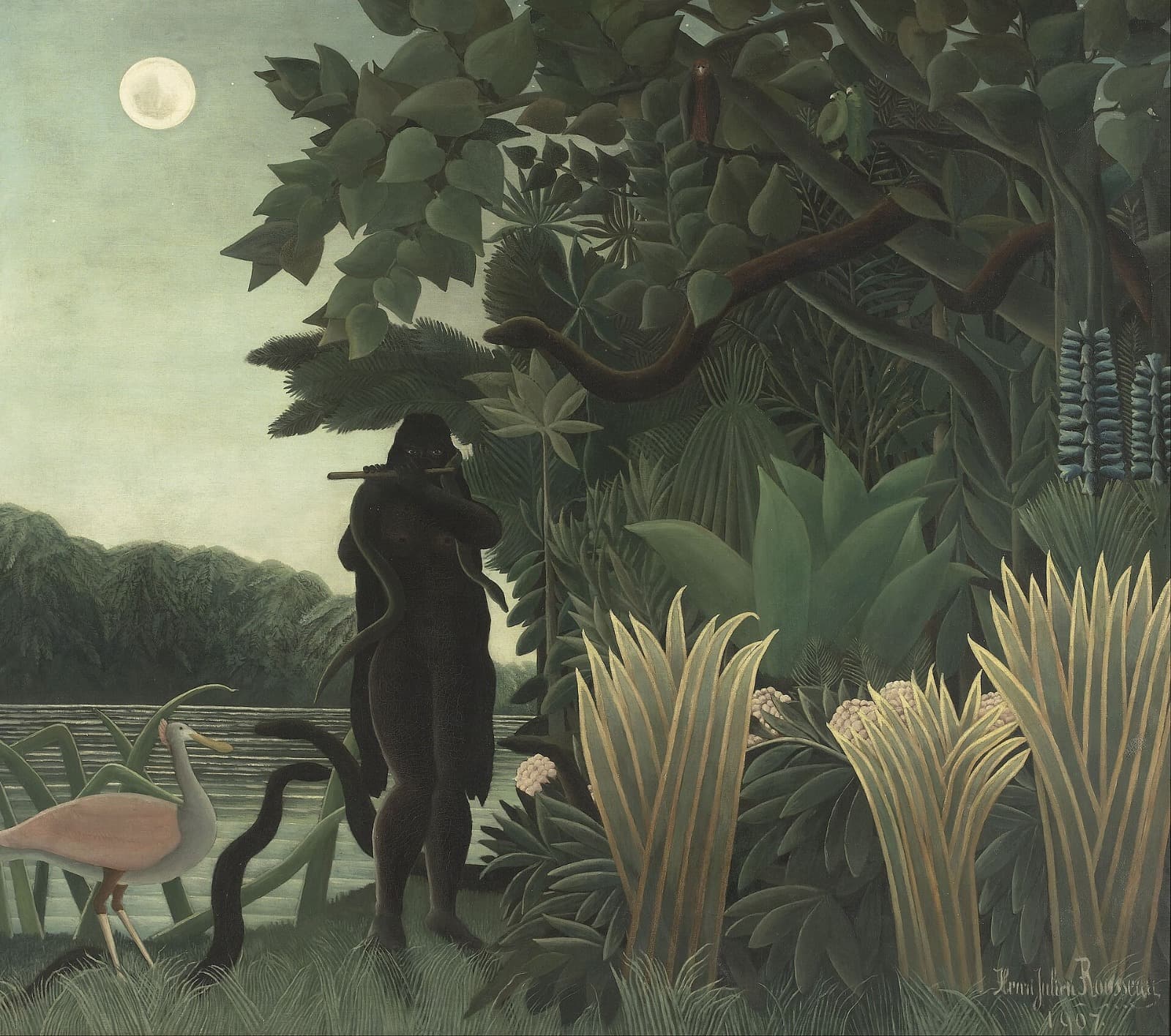
A black silhouette plays a flute and the snakes come out of the leaves toward the music, in moonlight Rousseau invented entirely.
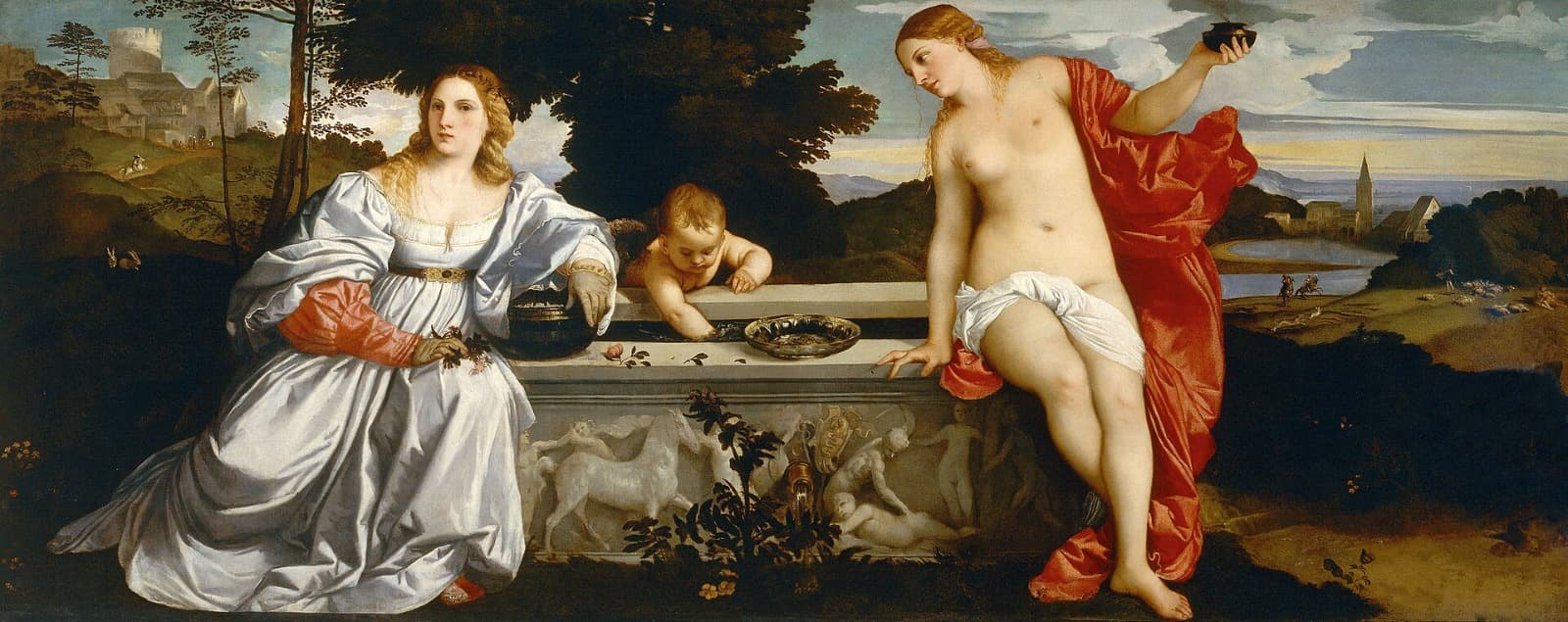
Two women sit at either end of a sarcophagus full of water, and it is the naked one who stands for sacred love.

Two horsemen haul two women up onto rearing horses, and the whole canvas spins into one great X of limbs and hooves.

A bare back seen from behind under even light, with a striped turban wound round the head. Ingres returned to this view all his life.