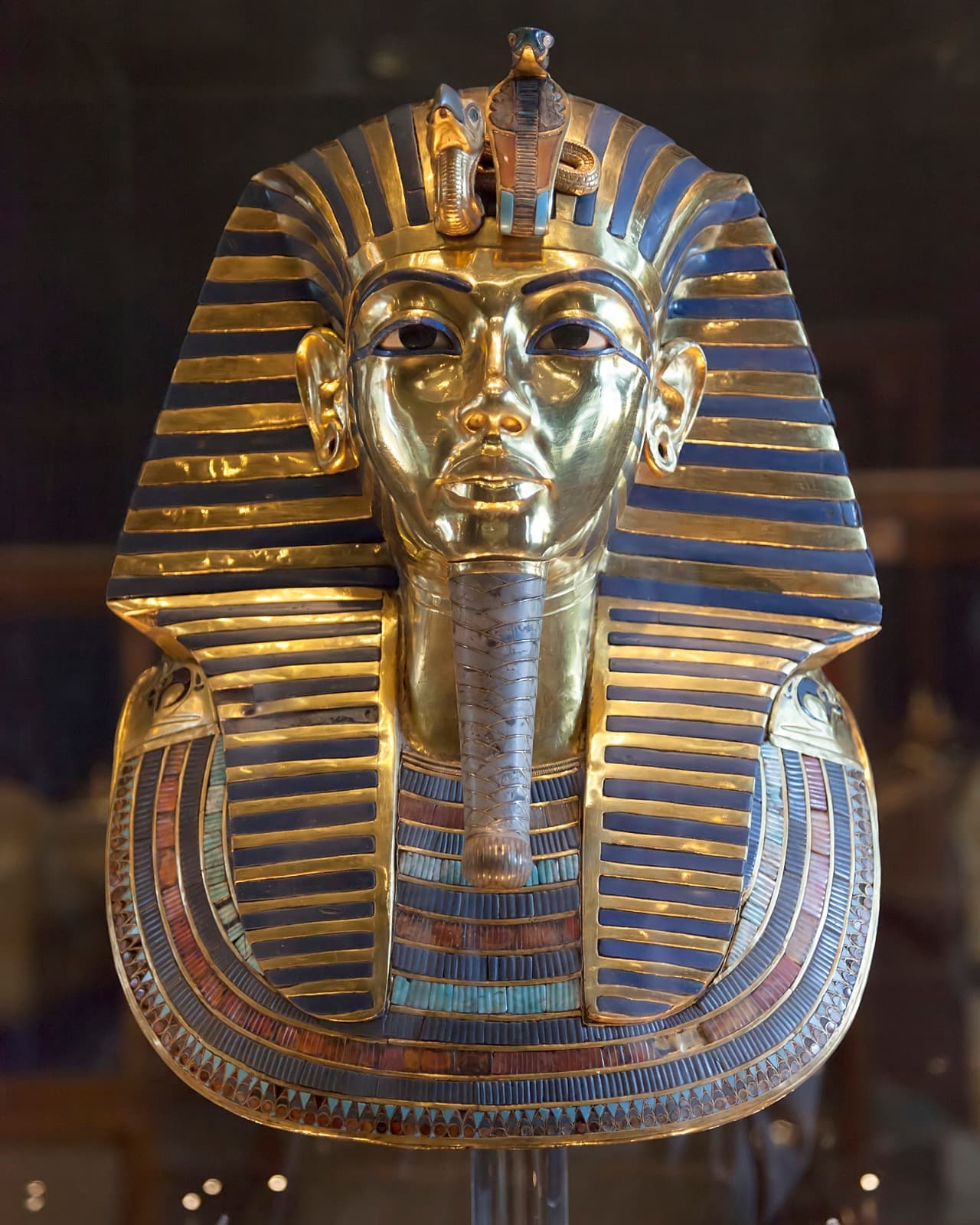
Mask of Tutankhamun
Artist unknown
1323 BC · Grand Egyptian Museum, Giza
Eleven kilograms of gold inlaid with lapis and carnelian, lifted by Howard Carter from the innermost of three coffins in 1925.
★ 9.6
 skopia
Eleven kilograms of gold inlaid with lapis and carnelian, lifted by Howard Carter from the innermost of three coffins in 1925.

Velázquez caught every wary line in the pope's face, and Innocent reportedly said it was troppo vero, too true. Francis Bacon reworked it for years.

Two saints lower a nobleman into his grave while his soul slips through a tear in the sky. The mourners are El Greco's own neighbors.

Pareja was Velázquez's enslaved assistant, freed soon after this was painted in Rome as a warm-up before the pope sat for him.

Bacon took Velázquez's composed pope and set him screaming behind a curtain of falling paint. He never saw the original in person.
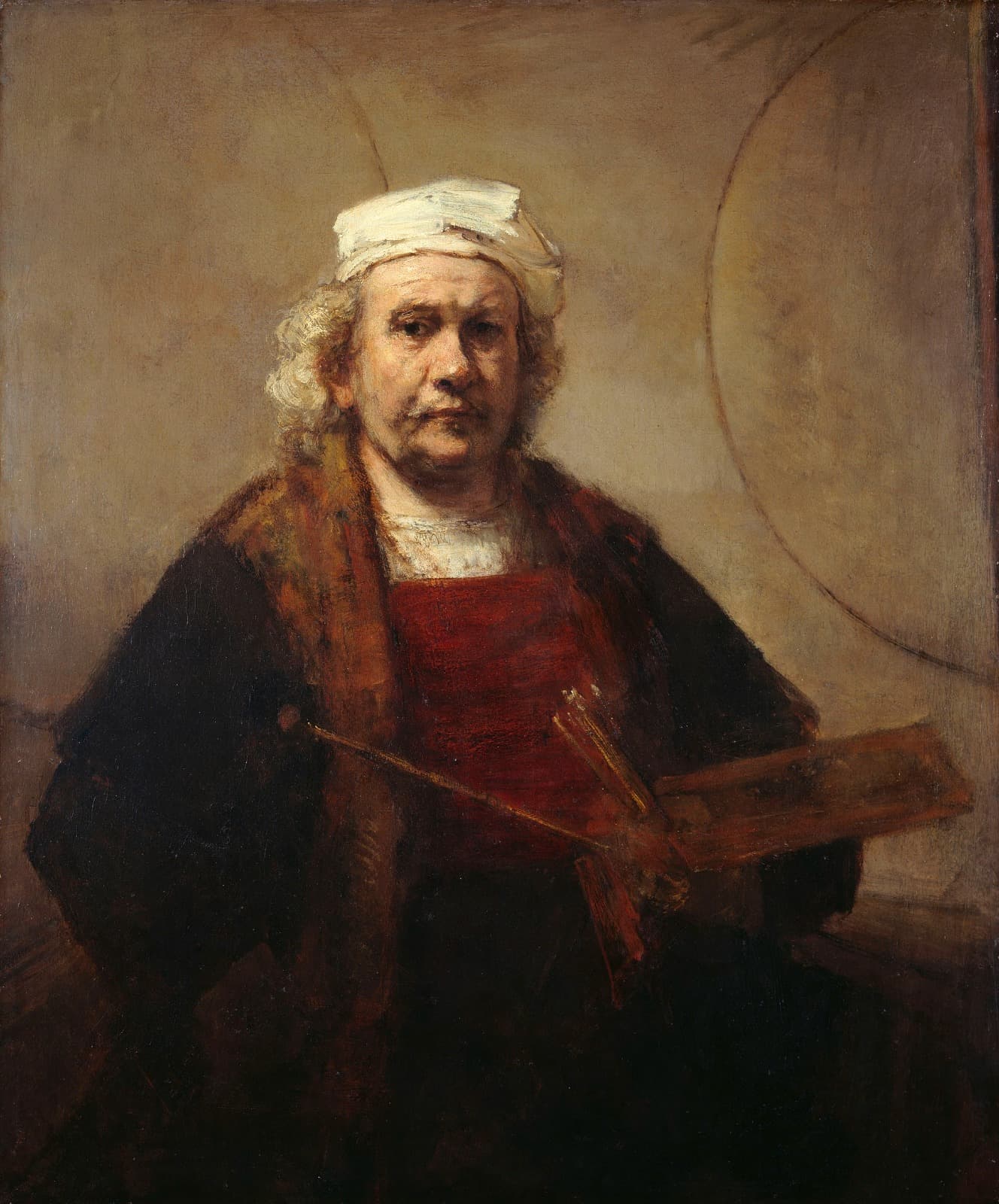
The old painter holds his brushes and palette, and behind him two large arcs are drawn on the wall that nobody has explained.
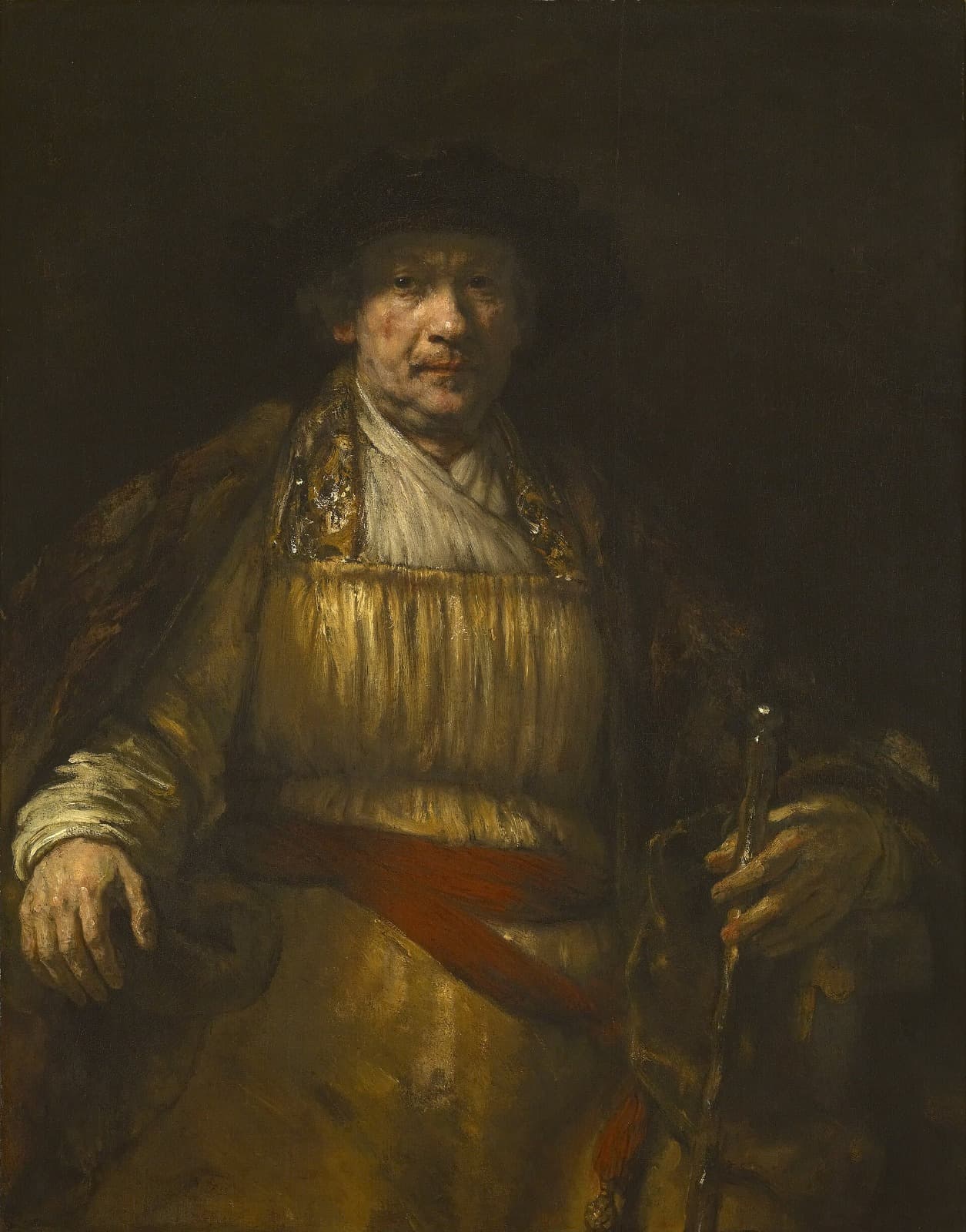
Rembrandt painted himself enthroned like a monarch, staff across his lap, in the same year bankruptcy took his house and everything in it.

A young horseman rides into the dusk armed and alert, and nobody has ever agreed who he is or where he is going.

The doctor who was caring for him leans his head on one hand, a sprig of foxglove on the table, the background rippling blue.

Bellini painted the brocade thread by thread and turned the official portrait from a profile on a coin into a man met face to face.

Erasmus rests his hands on a book whose edge is inscribed The Labors of Hercules, his own joke about how much scholarship costs.
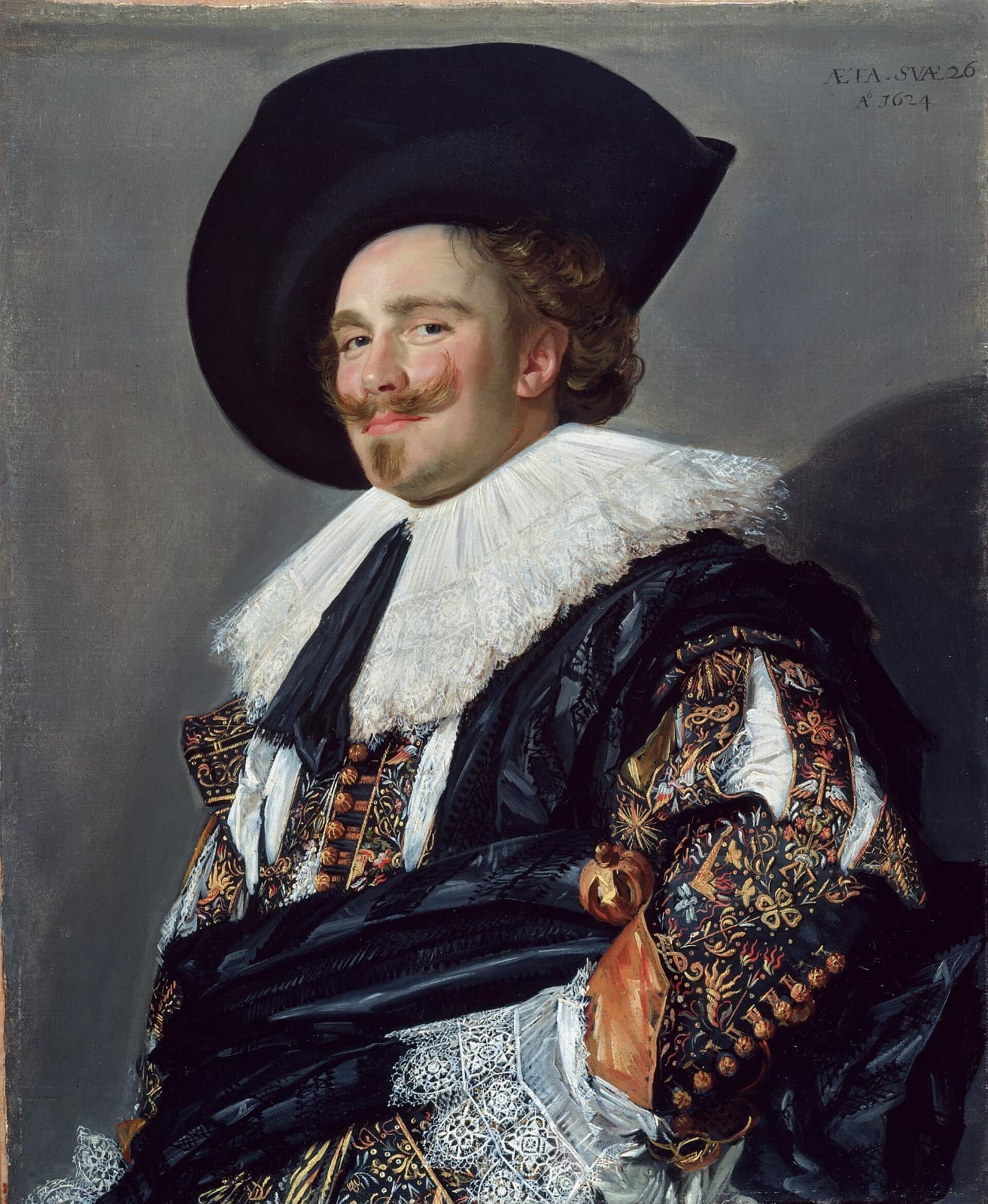
He is neither laughing nor a cavalier. The lace and gold thread on that sleeve were flicked on in a few confident strokes.

The newspaper magnate leans forward gripping both knees, and the picture became the face of the commercial class that ran nineteenth-century France.
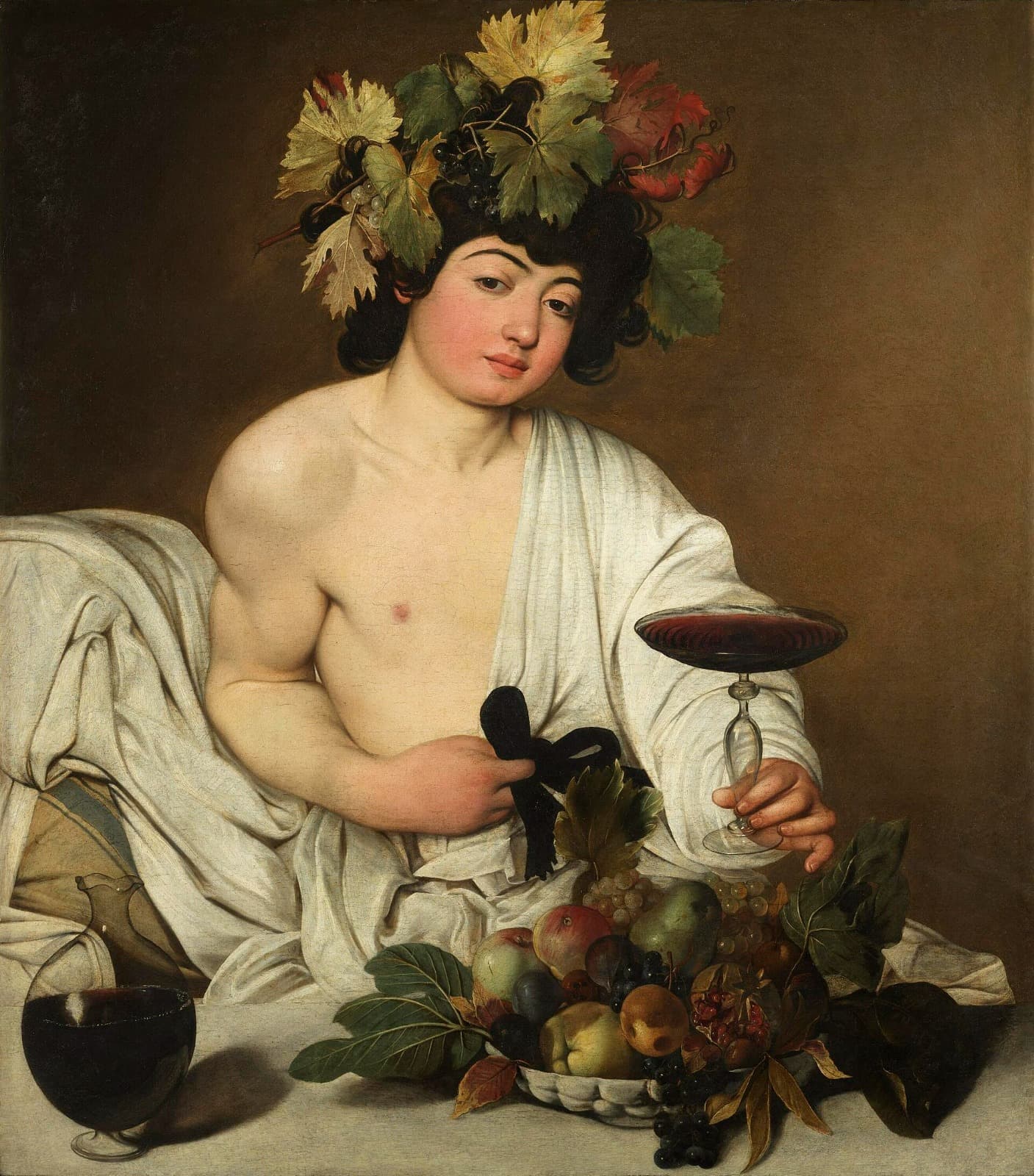
A real Roman boy dressed up as the wine god, heavy-lidded and slightly flushed, holding out a glass while the fruit beside him bruises.

The old man's nose is swollen and ruined by disease, and the boy looks up at him without noticing it at all.

Erasmus is caught mid-sentence with the pen still moving. He sent portraits like this across Europe as a kind of intellectual calling card.
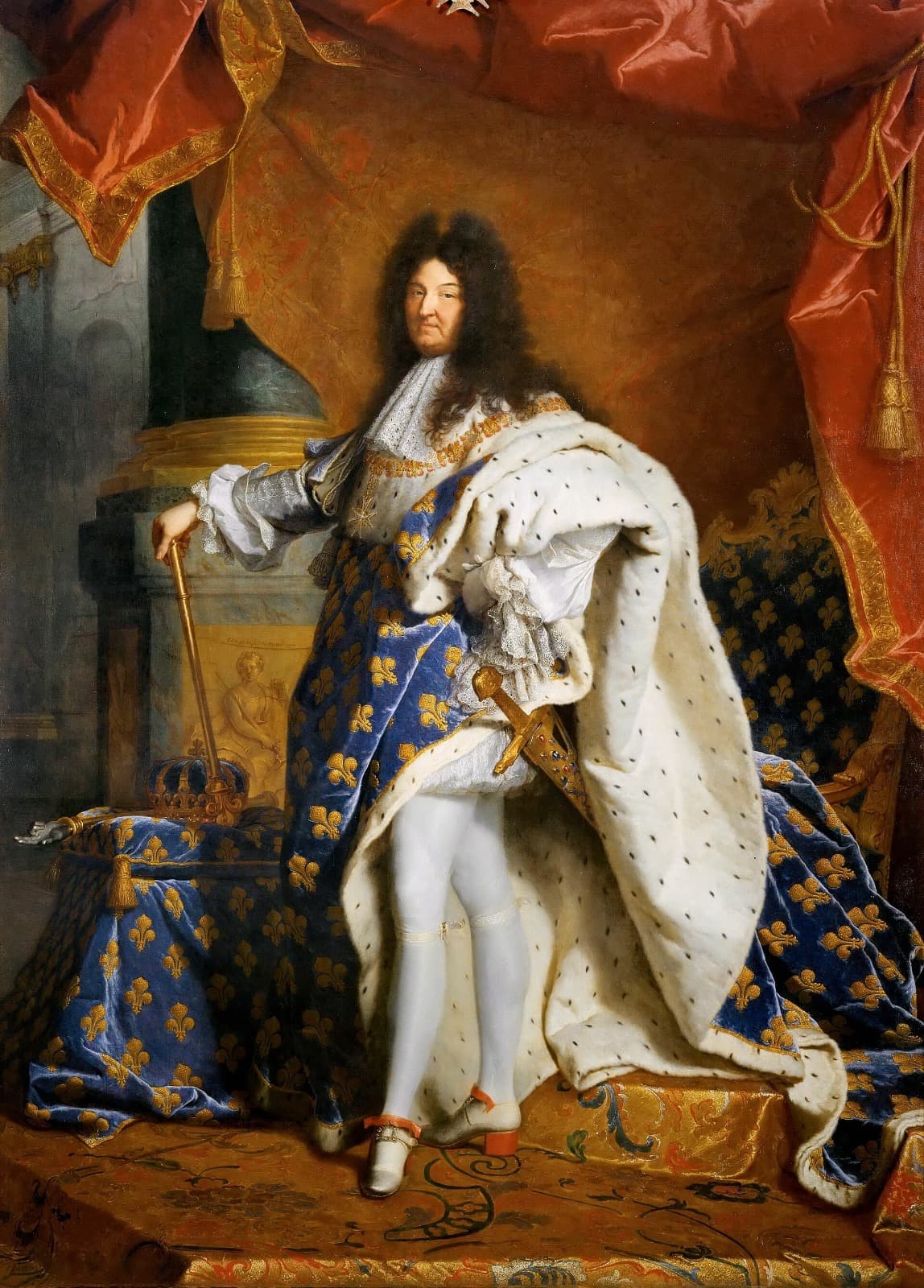
At sixty-three the king still turns out one leg to show the dancer's calf he was proud of, under a cascade of ermine and fleurs-de-lis.

Holbein arrived in England on a letter from Erasmus and painted More at the height of his power. Within a few years More was executed.
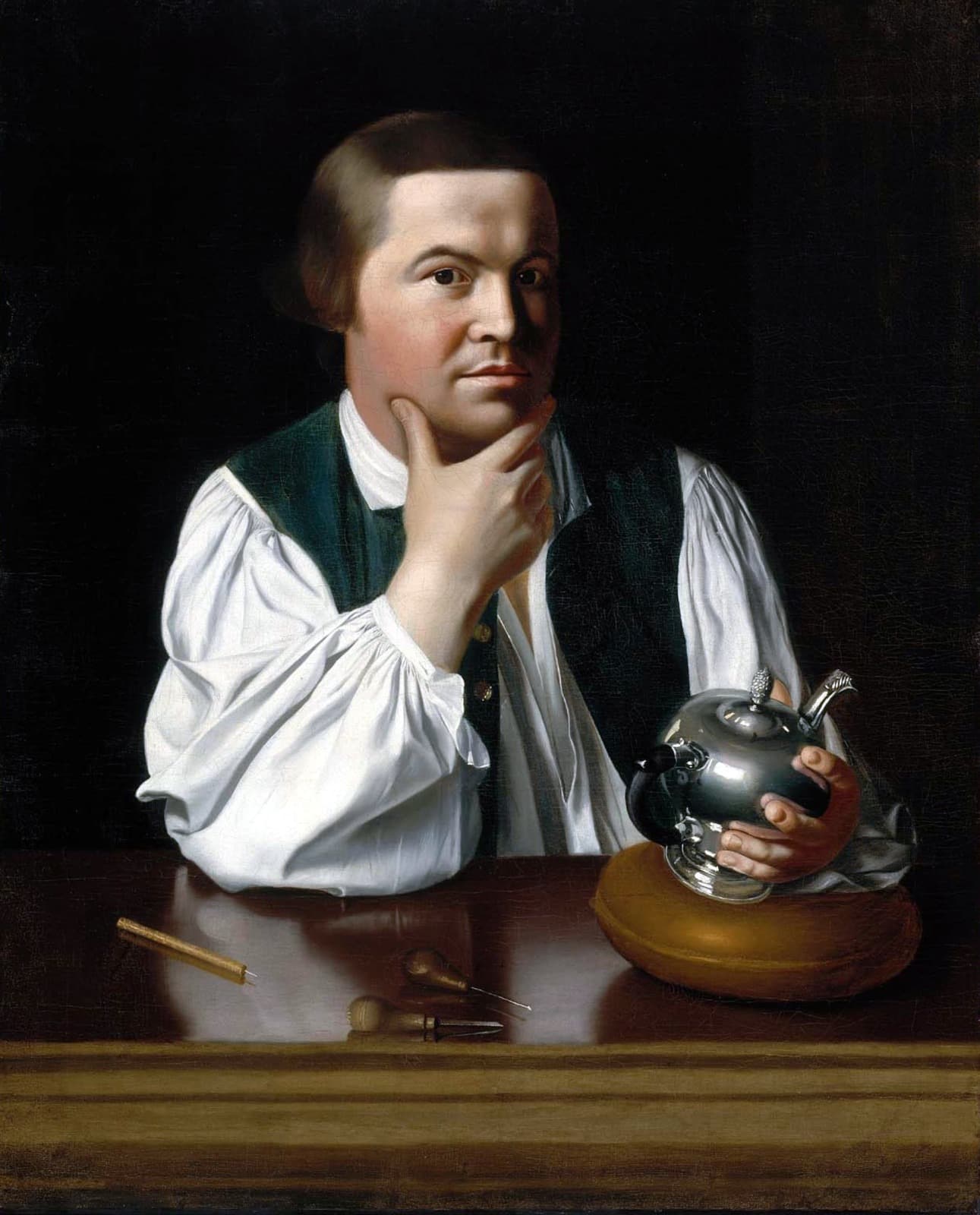
Copley painted the silversmith in his shirtsleeves at the bench with a teapot in his hand, which was not how gentlemen were usually shown.
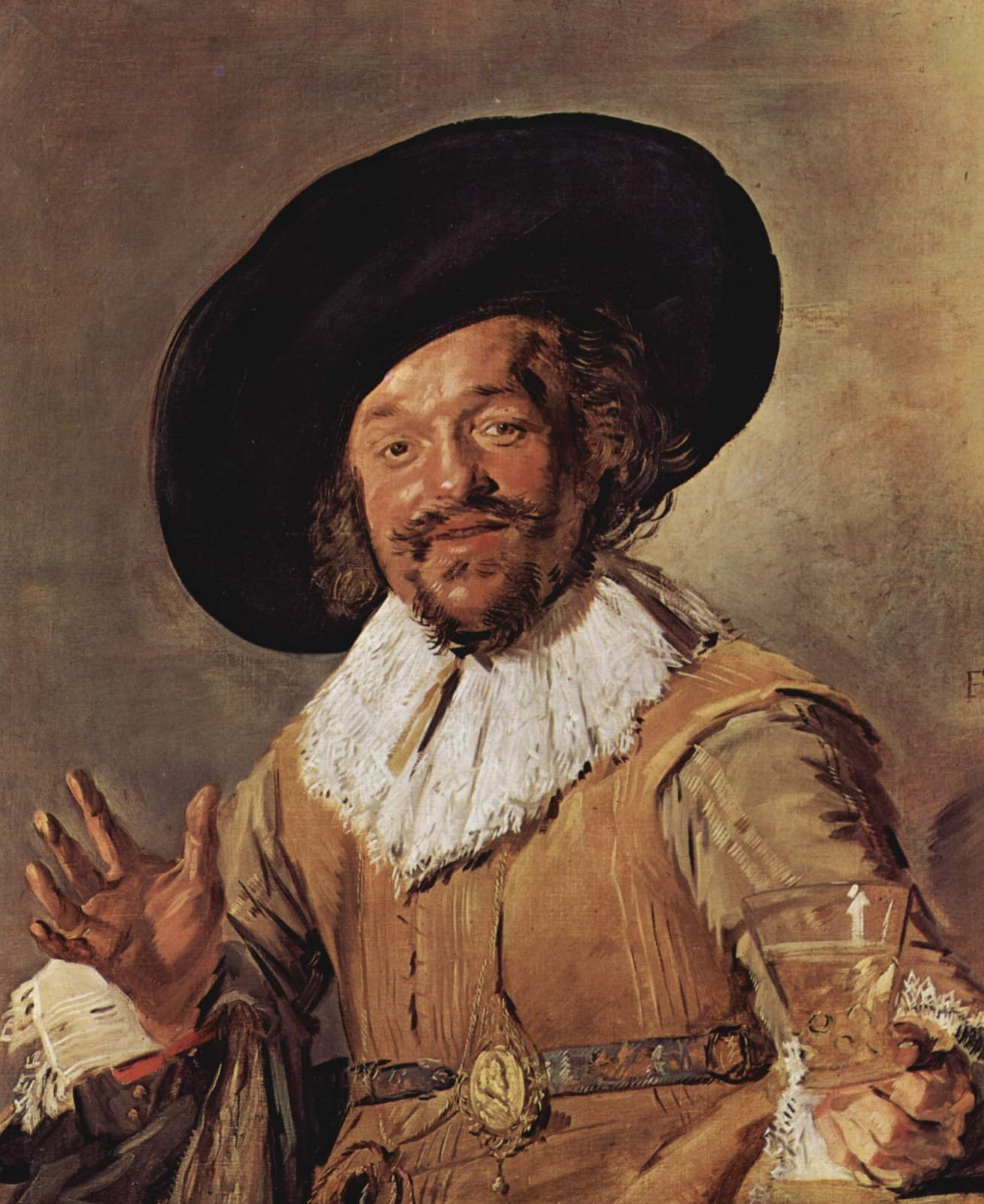
He raises his glass and talks straight at you, painted in slashing strokes laid down about as fast as the moment they catch.